Imperial Antarctica The Snow Hill Emperor Penguins - Nexta Expeditions
Imperial Antarctica: the Snow Hill Emperor Penguins

Imperial Antarctica: the Snow Hill Emperor Penguins

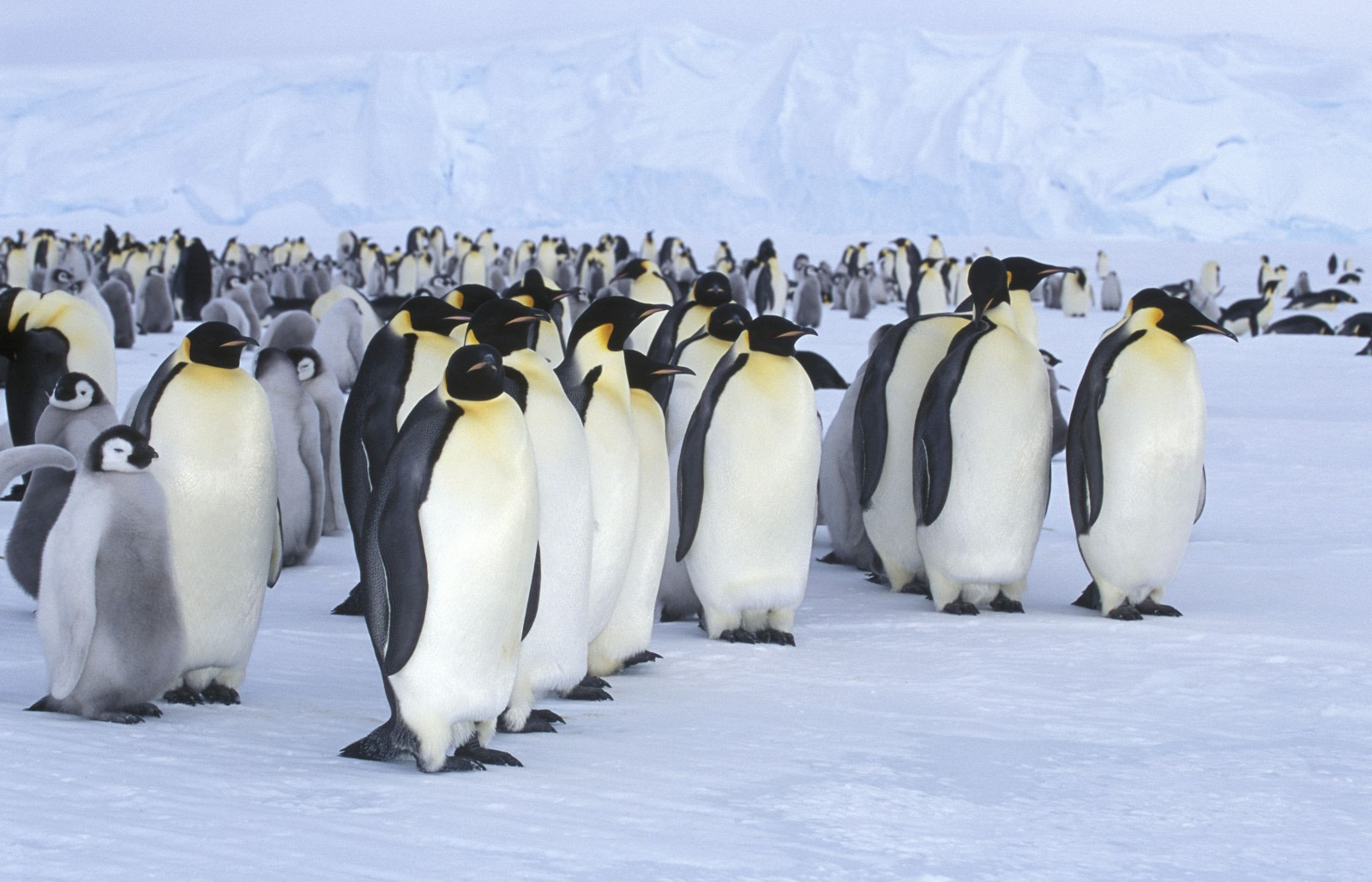
Recently, a rare achievement was made by visiting Antarctica’s northernmost emperor penguin colony on Snow Hill Island. Typically surrounded by impassable pack ice, Snow Hill is a notoriously difficult destination in the Weddell Sea cruise itinerary, only accessible using helicopters carried especially for this purpose.

In addition to Snow Hill Island’s inherent challenges, emperor penguins themselves are a rare sight: Despite being a top Antarctic wildlife attraction, they are a near-endangered species only found in a few specific locations during Antarctica’s early spring. This makes the encounter even more momentous and, we hope, a harbinger of more to come.
blog-image

The rare and regal emperor penguin

Emperor penguins are one of Antarctica’s most iconic birds, made all the more popular by the Oscar-winning films March of the Penguins (2005) and Happy Feet (2006). But the regal stature of the emperor penguin hardly needs assistance. They are the largest, deepest-diving, and most iconically colored penguin in the world.

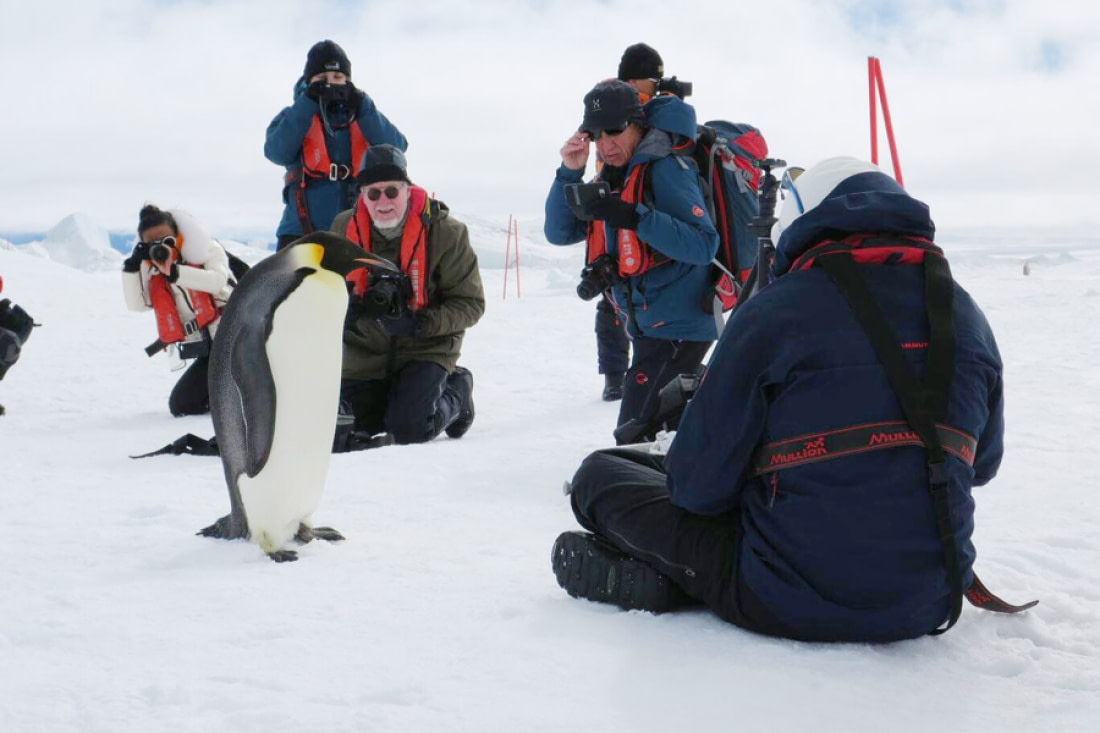
On top of that, they’re the only penguin that breeds on the sea ice during the Southern Hemisphere winter, sometimes traveling farther than 150 km (90 miles) to reach suitable mating areas. The fact that gray chicks were spotted in the Snow Hill rookery during a November visit was another stroke of luck.

That late in the breeding season, most of the young emperor penguins might have already taken on their distinctive tuxedoed look. This famous coloring, while admittedly distinguished, actually serves a vital evolutionary purpose: During the significant amount of time emperor penguins spend swimming, their white underbellies make them blend into the light coming from above while their dark backs camouflage them against the darkness below.
blog-image

An often-inaccessible Antarctic Island

Snow Hill Island, notwithstanding its rather self-explanatory name, is known (at least in the polar expedition world) more for the ice that surrounds it than the snow on top of it. The island is located east of the Antarctic Peninsula and is one of multiple islands that make up an area known as Graham Land, a territory closer to South America than any other part of Antarctica.

Snow Hill Island measures 12 km (7.5 miles) wide and 33 km (21 miles) long, with Admiralty Sound dividing its northeast shores from James Ross Island. It is a historic site due to the presence of Nordenskiöld House, a wintering hut built by the Swedish Antarctic Expedition in 1902 and 1903.

Even so, Snow Hill Island is perhaps better renowned for its emperor penguin rookery. It is the only site, in fact, where Antarctica cruise passengers can see an emperor colony. This distinction has earned a large portion of Snow Hill Island conservation status as an Important Bird Area by BirdLife International.
blog-image

The Snow Hill Important Bird Area

The Snow Hill Island rookery is not just the northernmost emperor penguin colony in the world, it is also the most recently discovered, having been located only in the mid-90s. Though ice recession due to climate change is predicted to threaten its reproductive success, the Snow Hill emperor penguin rookery has undergone several seasons of growth since its discovery. At times, it has even grown to over 10,000 members.

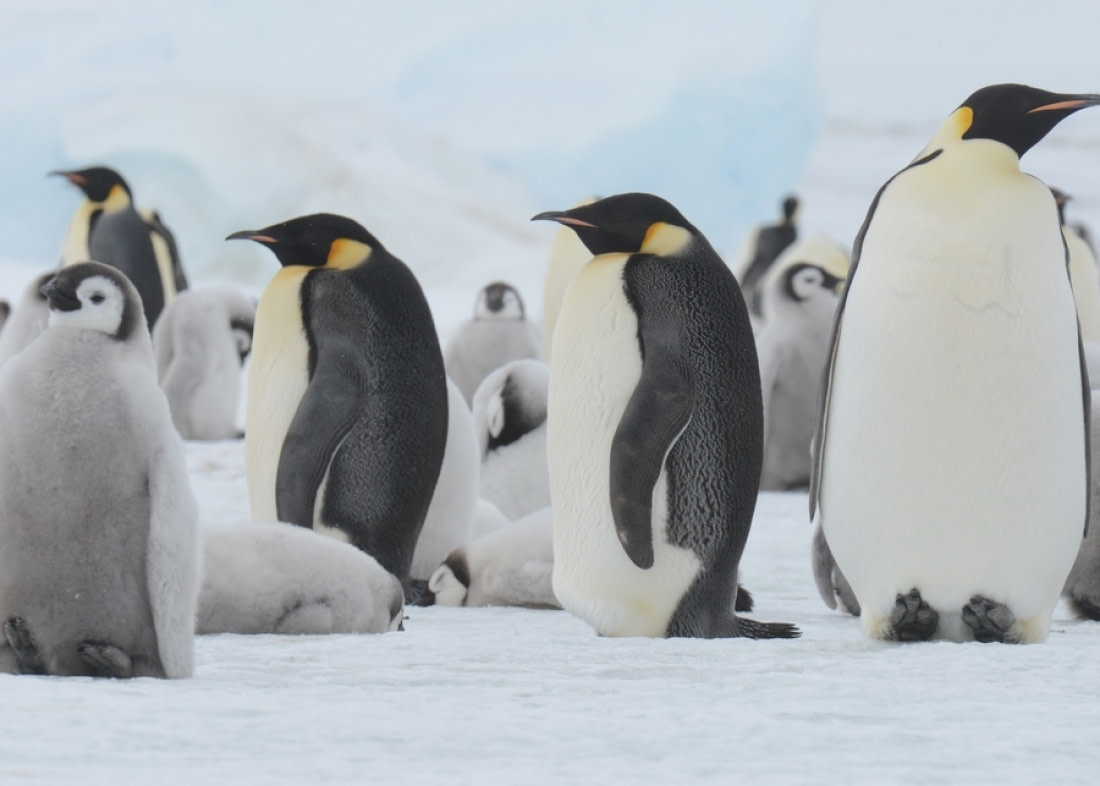
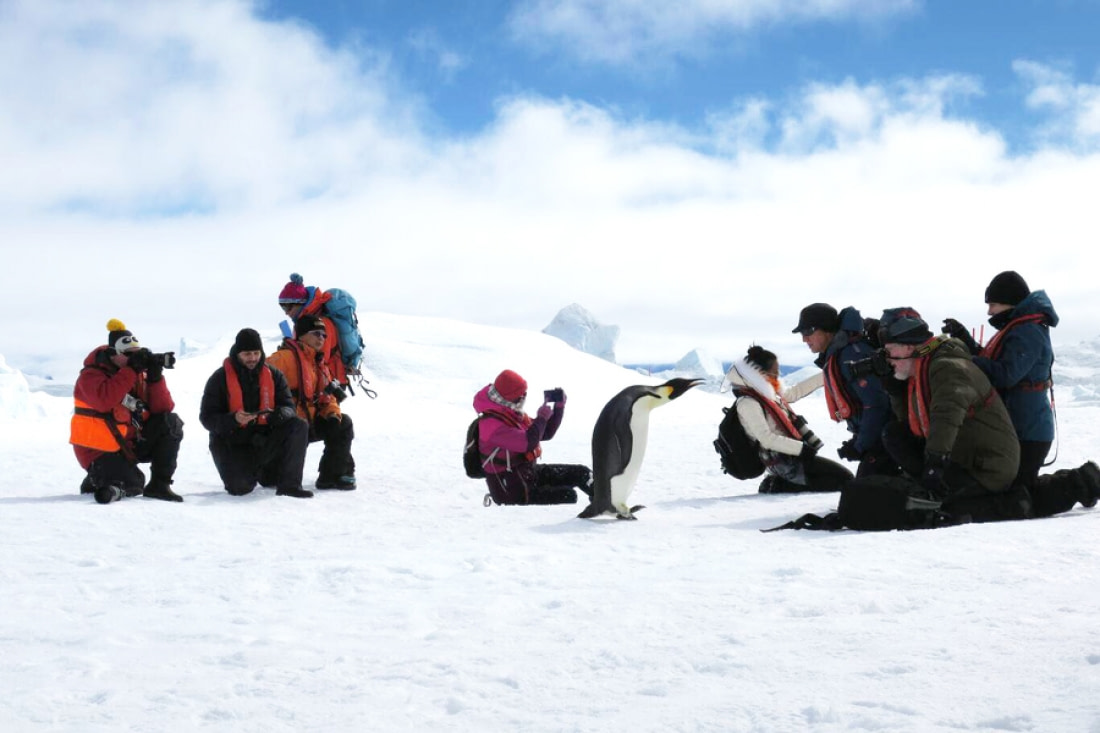
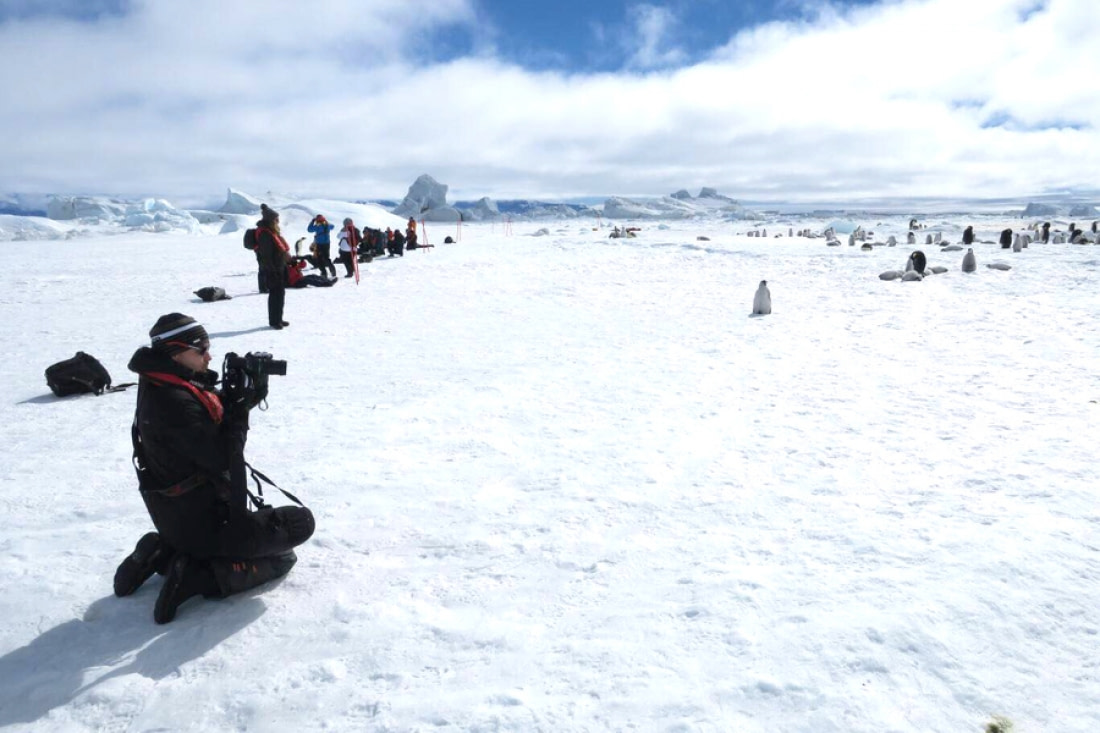
The colony is located on the ice near the southern shores of Snow Hill Island, about 40 – 50 meters (130 – 160 feet) from the coastline. When visiting the area, polar cruise passengers and guides must keep a distance of 30 – 50 meters (100 – 160 feet), depending on the time of year. They must also give traveling Emperor penguins right of way, avoid any sudden movements – especially when the animals approach to investigate, as often happens with emperor penguins – and of course never attempt to hug the penguins, no matter how much their cuteness might encourage it.
blog-image

Approaching emperor penguins by helicopter

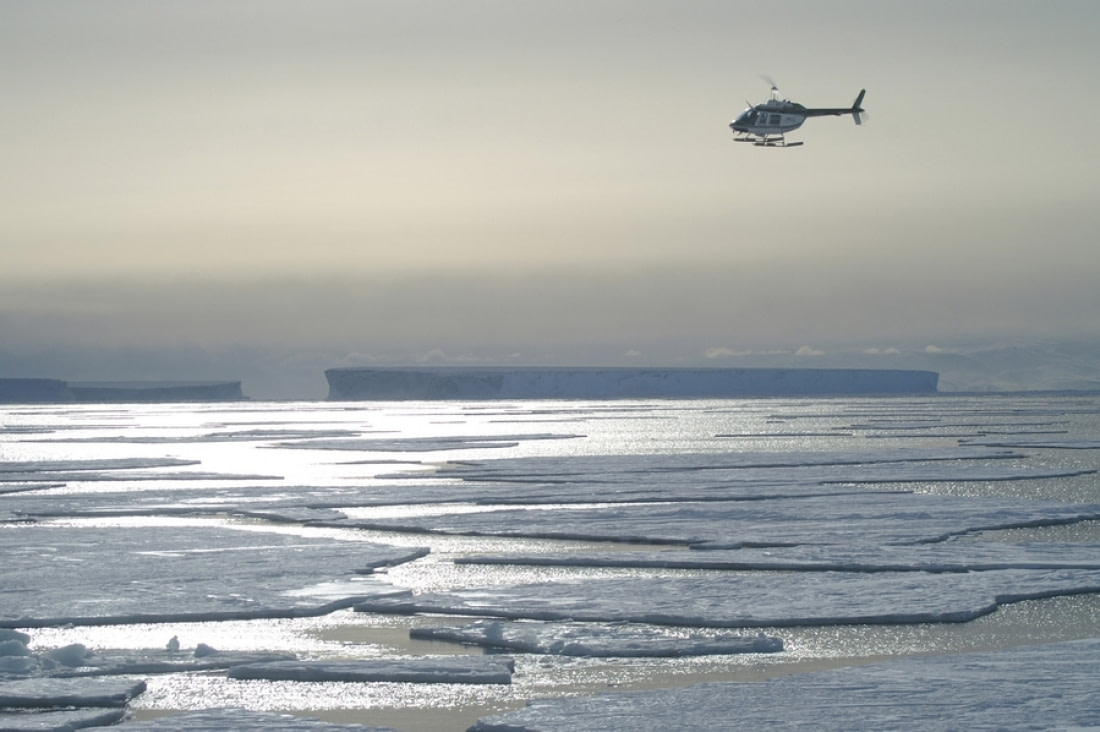
Visits to the Snow Hill emperor penguin colony are only possible by helicopter, which is offered on select Ortelius cruises. This method of travel is one of the most scenic and adventurous ways to see Antarctica, giving passengers a petrel’s-eye-view of the world’s largest polar desert while delivering them to locations that cannot safely be reached any other way.

Naturally, using helicopters (currently two AS-355 Twin Stars) in such a precious ecosystem comes with additional responsibilities: Landing sites are chosen very carefully, keeping a safe distance from the animals so as not to disturb them. Pilots are instructed to land at least one km (.75 mile) from all colonies and to never fly directly over them.

Pilots also cross coastlines only at right angles, keep a vertical distance of over 610 meters (2000 feet) above the ground, and try to land downwind with a physical barrier separating their helicopters from the rookeries. These precautions both minimize impact on the wildlife as well as let passengers stretch their legs before visiting the animals they traveled so far to see – which comes in handy when paying tribute to the emperors of Antarctica, since you can expect to do a lot of kneeling in their presence.

blog-image

Blog
go-leftgo-right

Ice streams and lakes under the Greenland Ice Sheet - Nexta Expeditions
Blog

Ice streams and lakes under the Greenland Ice Sheet

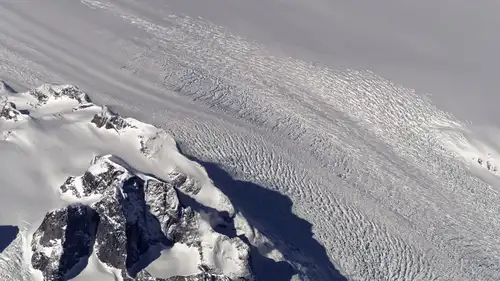
The Greenland ice sheet is a dynamic mass of dense, flowing, and deforming ice. Snow deposited on the central parts of the ice sheet is gradually compressed into ice that slowly moves towards the ice margin. At the ice margin, the ice is removed by melting or by breaking off into icebergs.
Navigating by touch through the sea ice - Nexta Expeditions
Blog

Navigating by touch through the sea ice

Ships are meant to glide effortlessly through calm waters, but our Greenland expedition vessel Ortelius is shuddering and wiggling as it navigates through the calm yet frozen waters between Svalbard and the islands. We’re on the North Atlantic Odyssey, a journey that starts in continental Europe and concludes near the North Pole in Svalbard. Onboard are 115 enthusiastic passengers. Most of them are currently on the outer decks, cameras in hand, captivated by the sea ice.
Of Treacherous Rocks & Audacious Fin Whales - Nexta Expeditions
Blog

Of Treacherous Rocks & Audacious Fin Whales

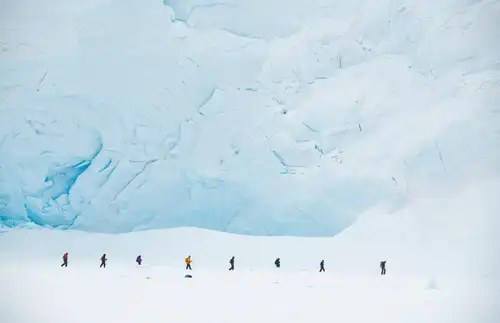
Soon large blows filled our view; small groups of fin whales sped by heading north all the while feeding on concentrations of krill & small fish. Group after group was seen, with many simply feeding in the general area and not heading anywhere in particular. Soon it became evident that we were not simply seeing a few random groups of fins, but a very large concentration spread out over a large area of sea just north and around the islands north of the South Shetlands. Dozens upon dozens of fin whales were feeding, diving around the ship and on the horizon in massive numbers; we must have seen well over fifty fin whales in the general area of Elephant Island, something many of the guides had never seen before.
Antarctica in Pictures: Photos from 2018 - Nexta Expeditions
Blog

Antarctica in Pictures: Photos from 2018

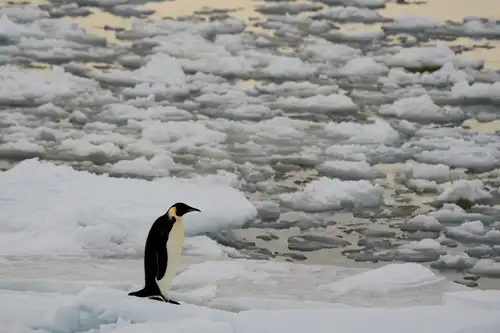
Pictures can never truly capture the essence of an experience, and this is especially true for the breathtaking adventures in Antarctica.
The Ways and Wildlife of the Weddell Sea - Nexta Expeditions
Blog

The Ways and Wildlife of the Weddell Sea

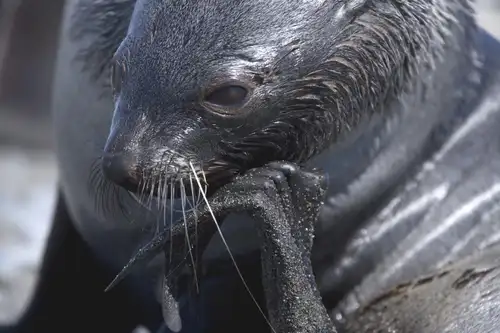
The Weddell Sea is situated off the coast of Antarctica, at the southernmost part of the Atlantic Ocean. Its coordinates are 75 degrees south and 47 degrees west, encompassing the Argentine, Chilean, and British territories of Antarctica. The severe weather and extensive pack ice have historically made the Weddell Sea challenging to access, but modern icebreaker ships are now enabling explorers to venture into this remote area.
Coming Back from the Brink: The Fur Seals of Antarctica - Nexta Expeditions
Blog

Coming Back from the Brink: The Fur Seals of Antarctica

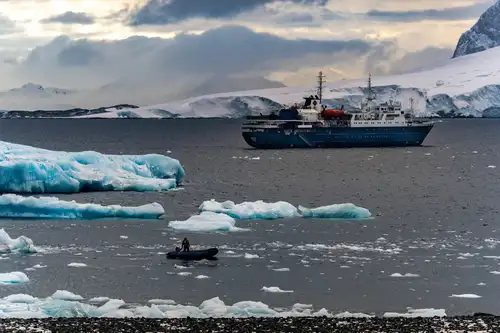
Once hunted to the brink of extinction, the Antarctic fur seal is now one of the most populous and charismatic species of seal you’re likely to encounter during your Antarctica trips. Unlike other members of its large family, the fur seal has external ears, or pinnae, a short snout, and a thick coat of dark brown fur. Male seals tend to be larger than females, with weights ranging from 91 kg (200 lbs.) to 215 kg (474 lbs.).
The Seasons of Antarctica: When to Visit and Why - Nexta Expeditions
Blog

The Seasons of Antarctica: When to Visit and Why

You’ve decided to book your dream trip – an adventurous Antarctica cruise that will give you a winning chance to see otherworldly environments, encounter exotic wildlife, and take part in activities that will spoil your inner explorer like nothing else.
Antarctica: When to Visit, How to Plan, What to Expect - Nexta Expeditions
Blog

Antarctica: When to Visit, How to Plan, What to Expect

Antarctica is an astonishing location loved in equal measure by ice enthusiasts and continent hoppers, but it also asks a lot in return for its prestigious polar status.
12 Things to Do in Antarctica - Nexta Expeditions
Blog

12 Things to Do in Antarctica

Traveling to Antarctica is unlike traveling to any other place on Earth.
Polar bear encounter in Spitsbergen - Nexta Expeditions
Blog

Polar bear encounter in Spitsbergen

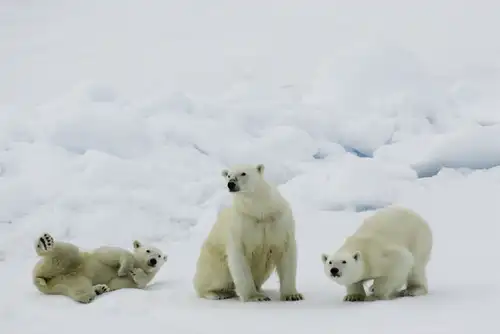
I watch the sea ice from the bridge of a ship in one of the fjords of Spitsbergen, an archipelago north of Norway. I observe a perfectly adapted animal moving on the ice, the results of hundreds of thousands of years of ecological fine-tuning. Snowshoe-sized paws distribute weight, fur handles the cold and sunlight to perfection, and an incredible sense of smell samples this monochromatic realm.
The Mysteries of the Beluga Whale - Nexta Expeditions
Blog

The Mysteries of the Beluga Whale

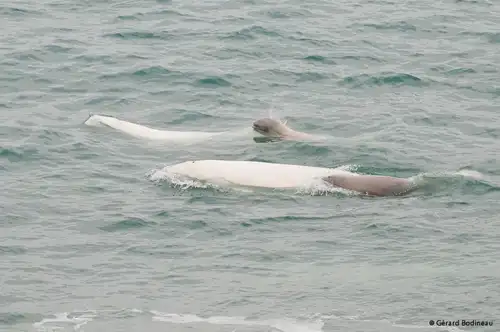
Beluga whales, also known as white whales, sea canaries, and sometimes melonheads, are a rare but cherished sight during Arctic cruises, thanks to their striking appearance. Despite the rarity of beluga sightings, a good amount is known about these friendly-faced cetaceans.
Guidelines for visitors to Antarctica - Nexta Expeditions
Blog

Guidelines for visitors to Antarctica

Activities in the Antarctic are governed by the Antarctic Treaty of 1959 and associated agreements, collectively known as the Antarctic Treaty System. The Treaty established Antarctica as a zone dedicated to peace and science. In 1991, the Antarctic Treaty Consultative Parties adopted the Protocol on Environmental Protection to the Antarctic Treaty, designating the Antarctic as a natural reserve.
The Ancient Fossil Forests of Antarctica - Nexta Expeditions
Blog

The Ancient Fossil Forests of Antarctica

Over a hundred years ago, Robert Falcon Scott’s expedition to Antarctica discovered fossils of plants on the Beardmore Glacier, less than 500 km (310 miles) from the South Pole. Edward Wilson, who was the expedition’s chief scientist, recorded the findings in his diary, stating that “most of the bigger leaves were like beech leaves in shape and venation.”
Camping in Antarctica: a True Expedition Experience - Nexta Expeditions

Blog

Camping in Antarctica: a True Expedition Experience

We often think of camping as a summer activity, filled with warm nights, campfire dinners, and serene mountain lakes. However, there's a whole other world of camping to explore.
Solargraphy & Pin Hole photography in the Arctic - Nexta Expeditions
Blog

Solargraphy & Pin Hole photography in the Arctic

A Day on m/v Plancius - Nexta Expeditions
Blog

A Day on m/v Plancius

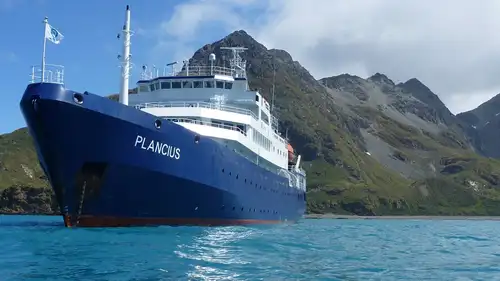
Stepping aboard this long-running expedition vessel, it’s easy to forget that she’s been making voyages to the polar regions since “Afternoon Delight” by Starland Vocal Band was on the Billboard Hot 100.
Weddell seals: The data collectors scientists of Antarctica - Nexta Expeditions
Blog

Weddell seals: The data collectors scientists of Antarctica

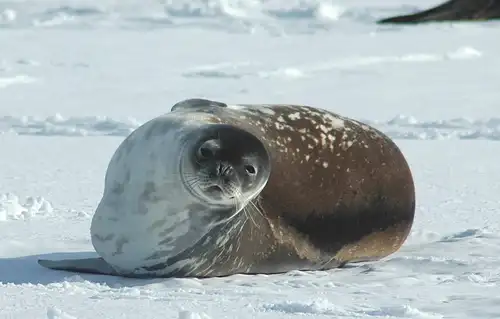
Weddell seals inhabit some of the coldest and darkest waters deep within the Ross Sea ice, making them the southernmost naturally occurring mammals on Earth. During the winter and summer months, their movements are largely governed by the presence of sea ice and the availability of suitable breathing and exit holes.
Bouvet Island: The Most Remote Island in the World - Nexta Expeditions
Blog

Bouvet Island: The Most Remote Island in the World

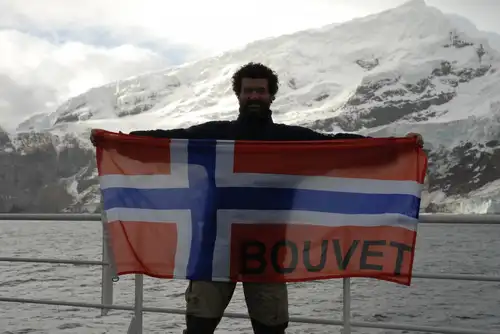
On January 1, 1739, French Commander Jean-Baptiste Charles Bouvet de Lozier made an extraordinary discovery: a volcanic island so remote that it lies 2,600 km (1,600 miles) from the nearest inhabited land.
Franz Josef Land Sites, Species, and Experiences - Nexta Expeditions
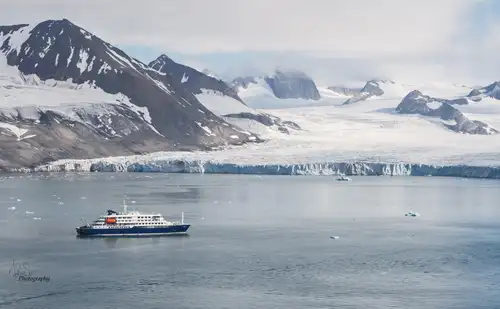
Blog

Franz Josef Land Sites, Species, and Experiences

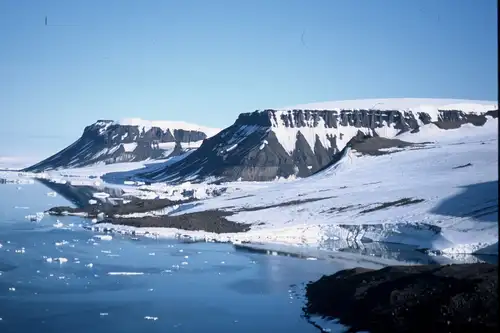
The archipelago of Franz Josef Land is to Russia what Svalbard is to Norway: Both island groups offer excellent Arctic scenery, adventurous outdoor activities, and a good chance of seeing iconic species like polar bears and walruses - alongside a wide range of marine mammals and seabirds.
What’s so Special about East Spitsbergen? - Nexta Expeditions
Blog

What’s so Special about East Spitsbergen?

We’ve previously discussed our north Spitsbergen journeys and Spitsbergen circumnavigations, but the eastern parts of this incredible island have not received the attention they deserve. Despite the name, our east Spitsbergen voyages explore much more than just the eastern side of Spitsbergen.