Seven Facts About Antarctic And Sub Antarctic Penguins - Nexta Expeditions
Seven Facts About Antarctic and Sub-Antarctic Penguins

Seven Facts About Antarctic and Sub-Antarctic Penguins

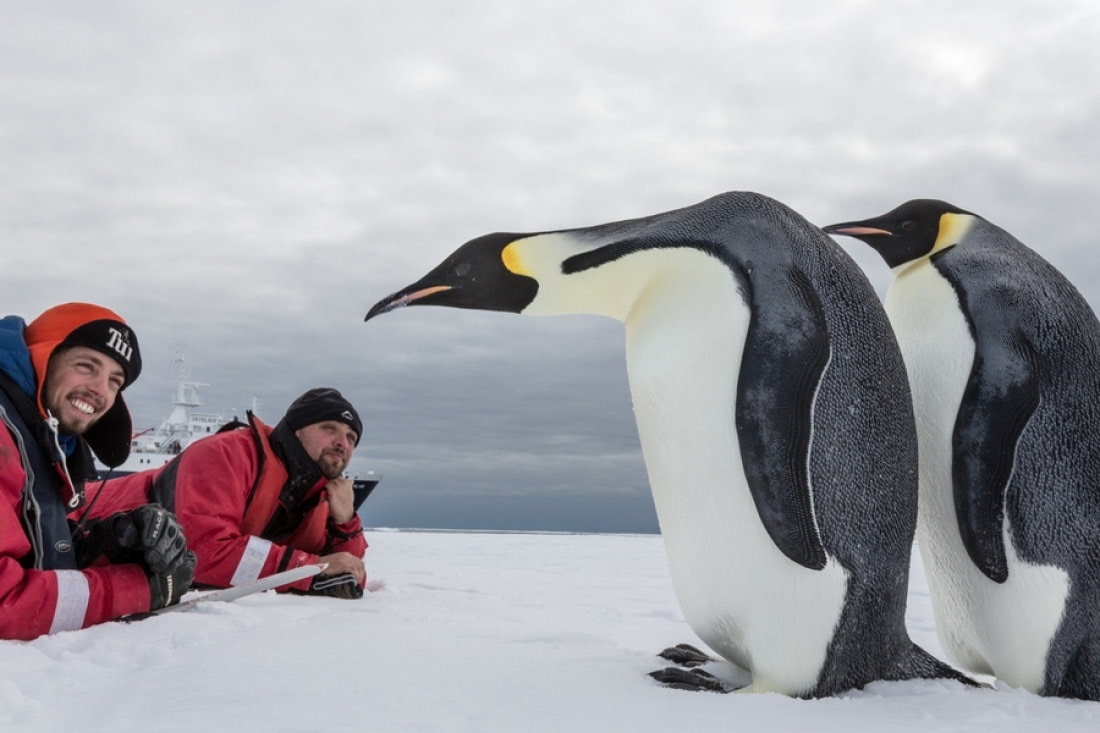
Approximately 50 million years ago, Antarctica was detaching from the vast supercontinent of Gondwana, and penguins were emerging as a distinct species. Initially native to warmer regions, they gradually adapted to the cooling climate of Antarctica as they ventured further south.

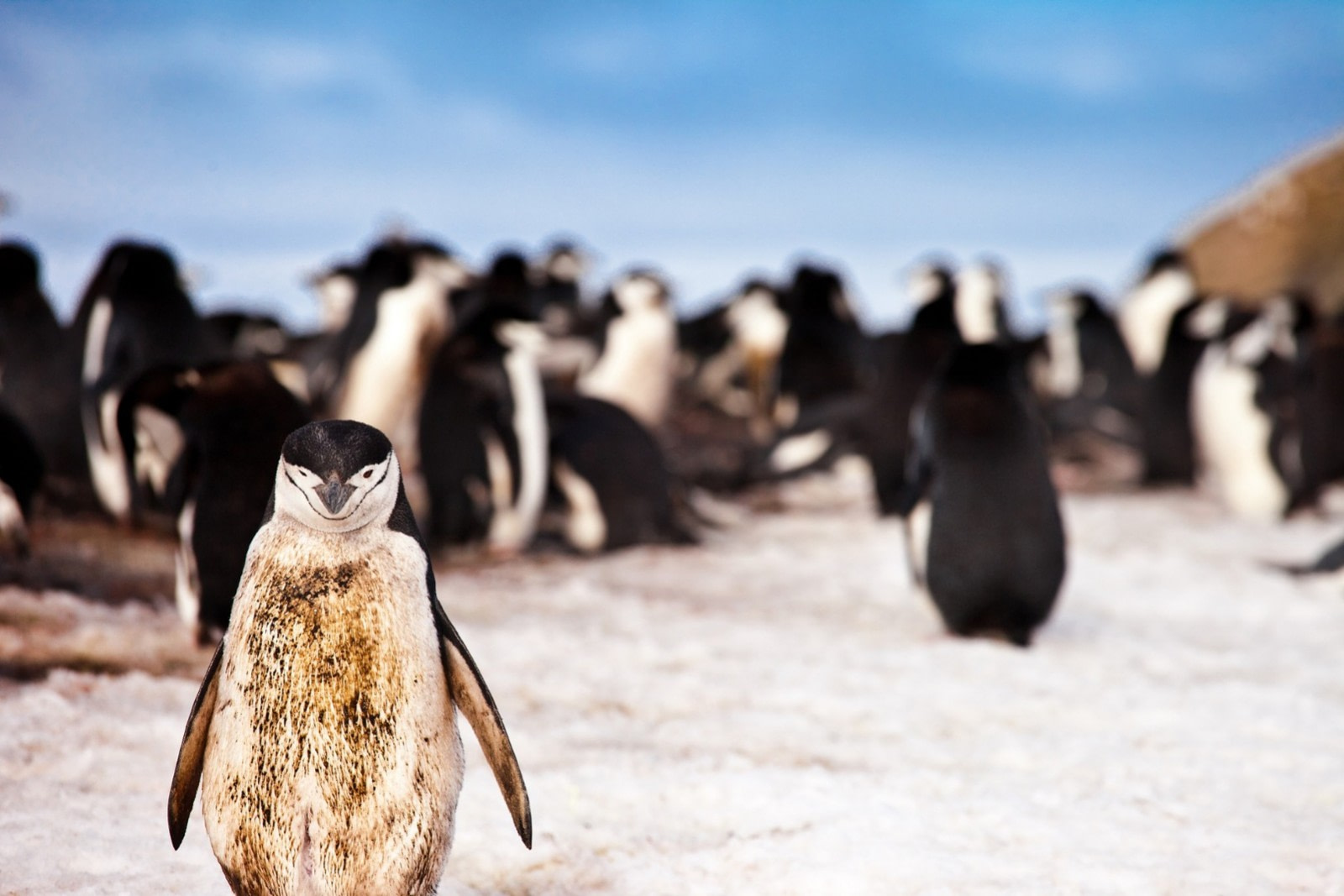
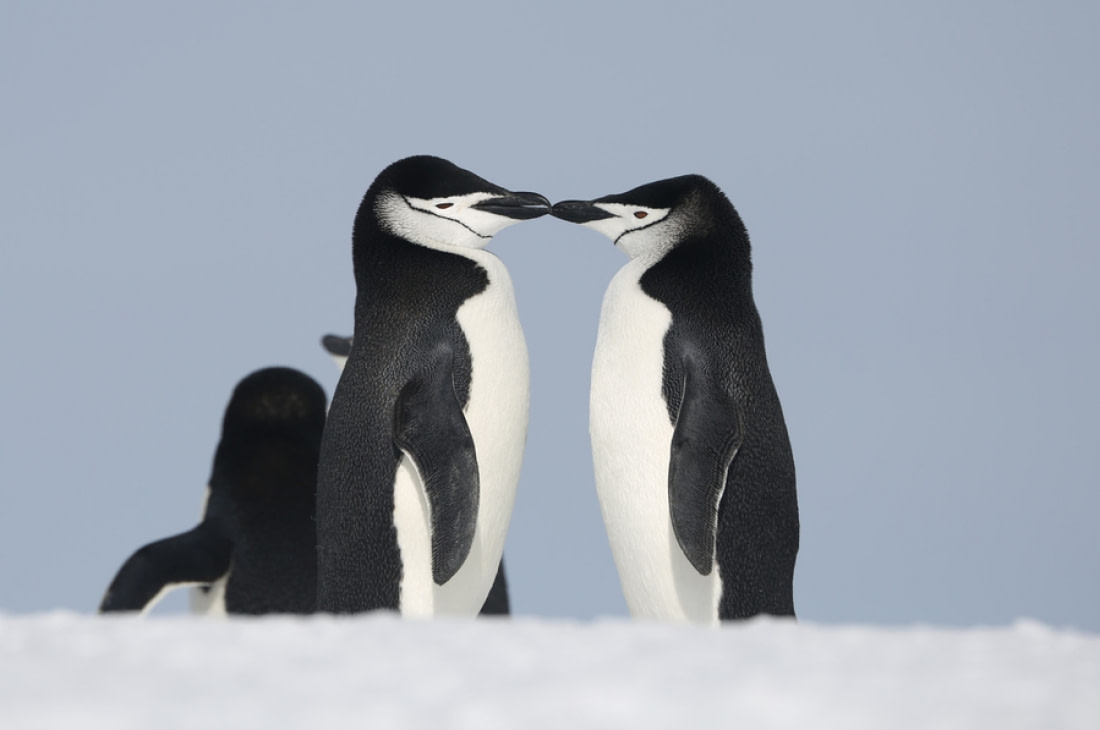
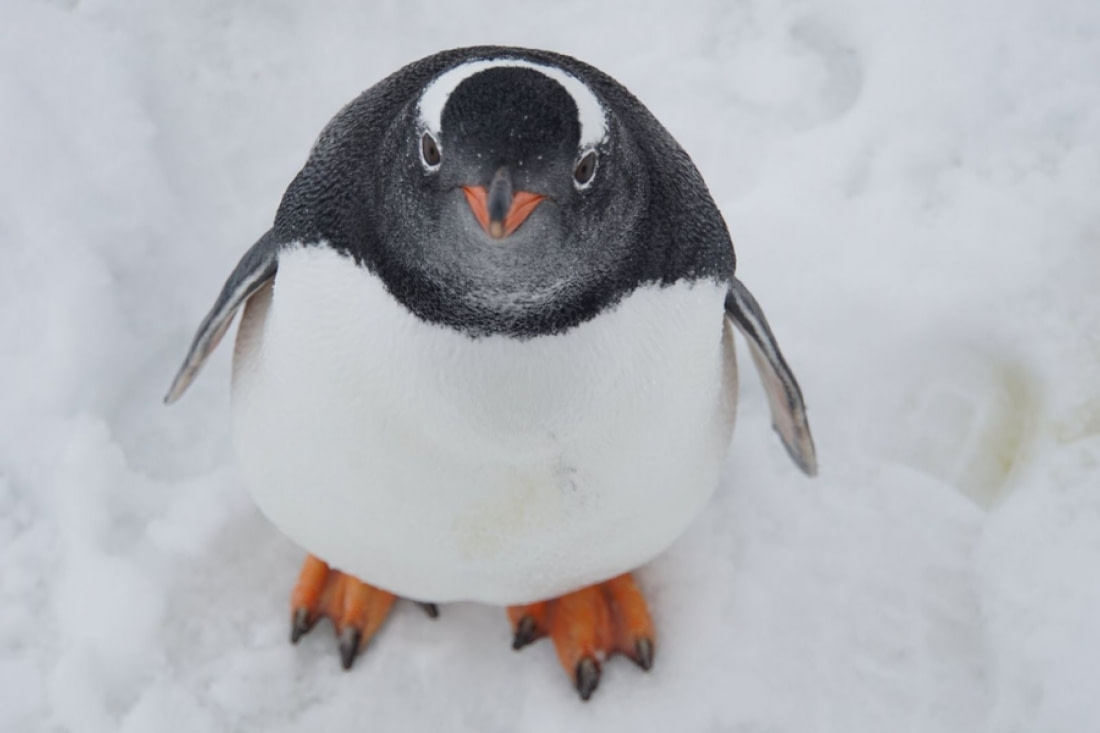
Today, there are 17 penguin species globally, but only eight species inhabit Antarctica and the sub-Antarctic islands: chinstraps, emperors, Adélies, gentoos, kings, Magellanics, rockhoppers, and macaronis. Here, we explore some common penguin facts that apply to all species of these beloved flightless seabirds.
blog-image

1. Penguins are flightless seabirds

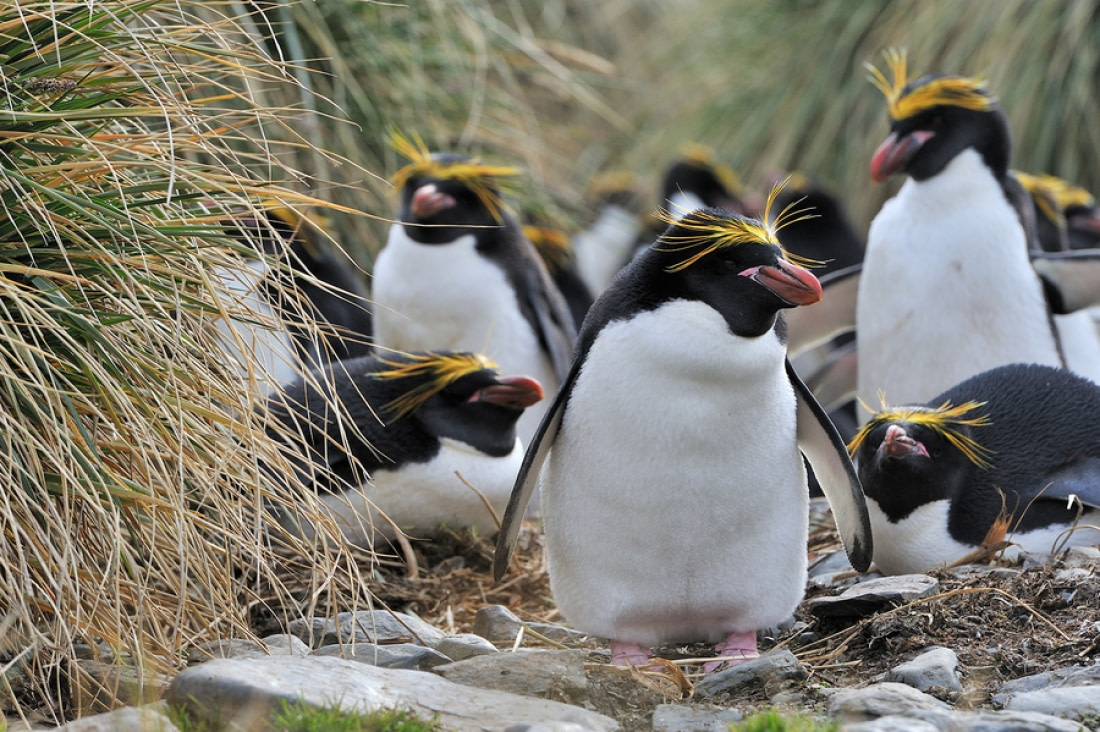
Penguins are flightless birds that thrive both on land and in the sea. Unlike flying birds, which molt and replace feathers gradually to stay airborne, penguins molt all at once over two to five weeks during the austral summer.

This rapid molting allows penguins to return to the sea without losing insulation. Molting is crucial for penguins as they lose many feathers through preening, contact with other penguins, and interaction with water and terrain. Once new feathers grow, penguins are ready to head back to sea.
blog-image

2. Swimming is a particular penguin talent

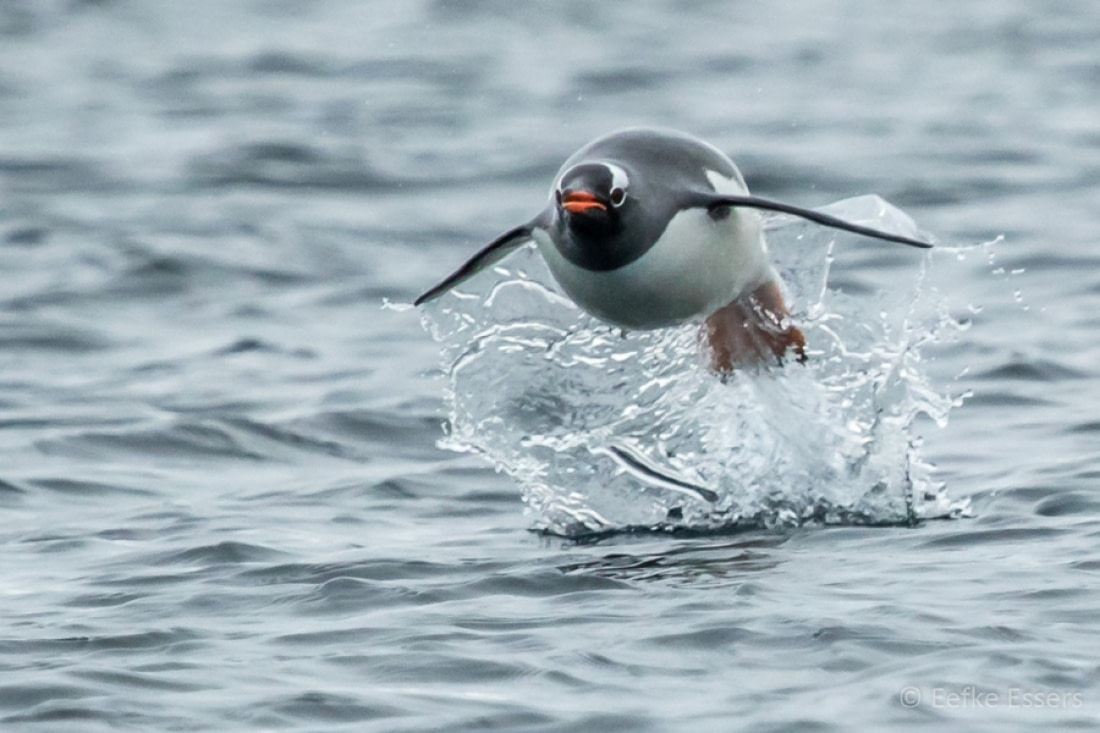
Penguins have evolved their wings into flippers, making them excellent swimmers. They possess well-developed breast and wing muscles to navigate through dense water. To aid in swimming, penguin blood contains hemoglobin adapted to transport large volumes of oxygen.

Additionally, their muscle tissues contain a high volume of myoglobin, allowing efficient oxygen storage underwater. Penguins swim with their heads close to their shoulders and feet near their tails, maintaining a compact body for minimal water resistance. They have better underwater vision than on land.
blog-image

3. Penguins have an open diet

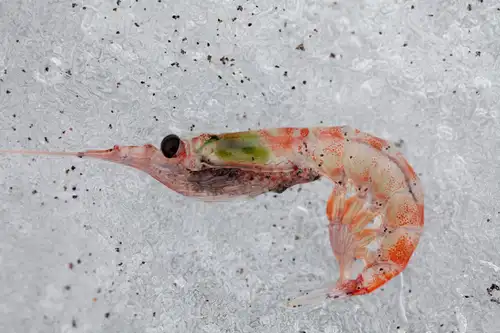
Penguins primarily consume krill, a shrimp-like creature also favored by whales. However, they also eat squid and fish. During the summer, southern penguin species often feed on Antarctic silverfish, the most abundant small fish in the shallow coastal waters off Antarctica.

King and emperor penguins, two of the most cherished species, also feed on lantern fish in addition to krill. Emperor penguins are particularly determined hunters, known to forage several hundred kilometers from their colonies.
blog-image

4. Breeding takes place in large penguin colonies

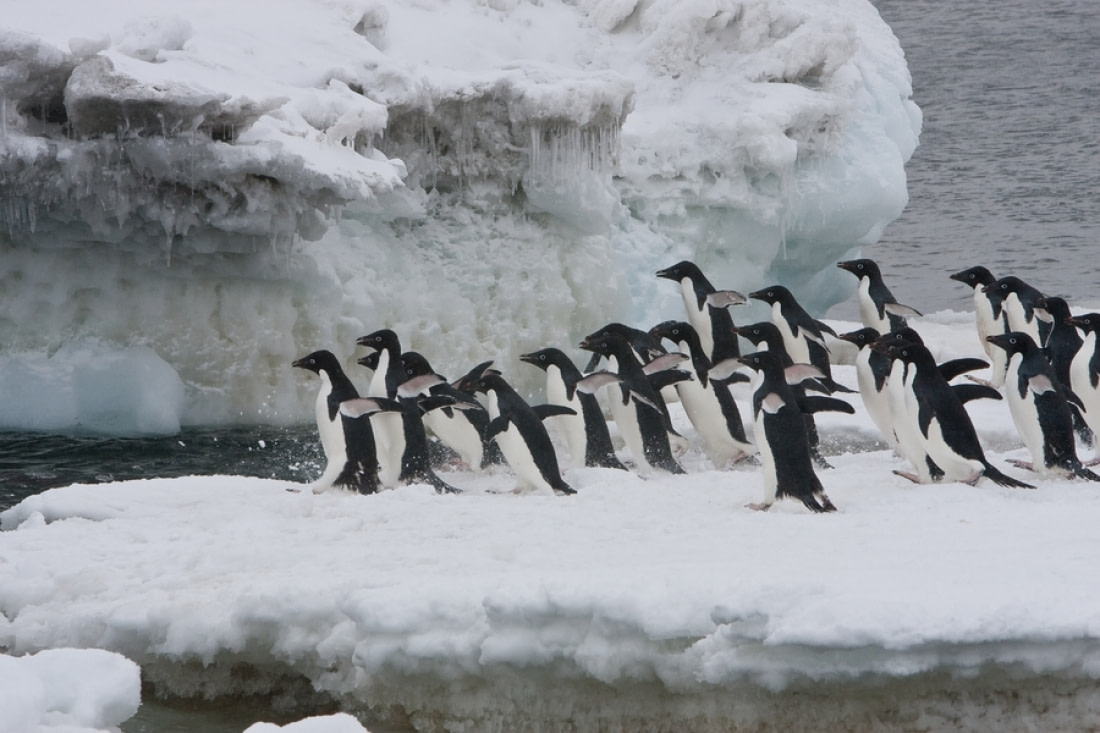
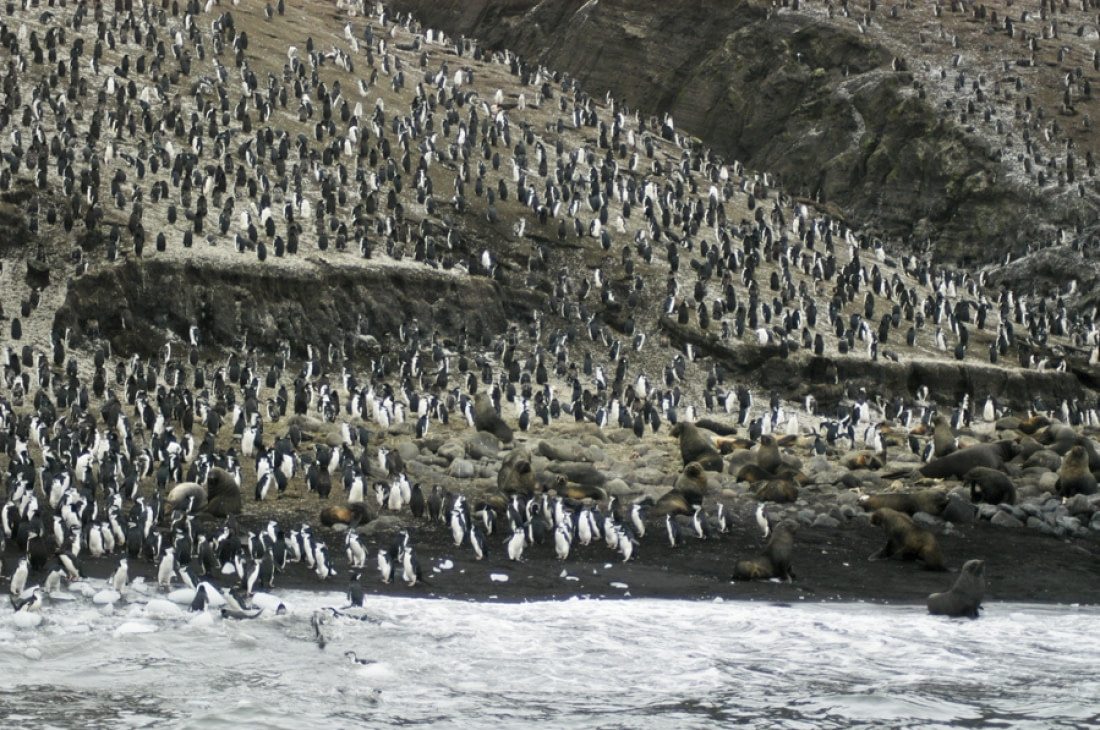
On land, penguins form large colonies that can sometimes contain up to a million nesting pairs. They travel to and from these colonies by walking, swimming, or sliding on their bellies. A lesser-known fact is that Antarctic penguins migrate to their colonies only after storing enough body fat to survive when the pack ice becomes too thick for regular feeding.

Penguins arrive at their breeding colonies in early October, with males arriving first. Colonies reach peak population around early November. It takes between one and 12 days for mates to pair up, and each breeding pair lays between one and three eggs.
blog-image

5. Penguins drink salty water

Most penguins live in environments with little or no fresh water, so they have adapted to balance their salt levels. Penguins have a supraorbital gland near their eyes that filters salt out of their systems. As blood passes through the gland, it traps salt before it can travel through the rest of their body. This excess salt mixes with moisture inside the gland, travels down their nasal passage, and drips out of their nose.

Even so, penguins usually prefer fresh water when available. Rockhopper penguins, for instance, tend to live around freshwater sources rather than drink from the sea.
blog-image

6. Deep dives are a distinct penguin adaptation

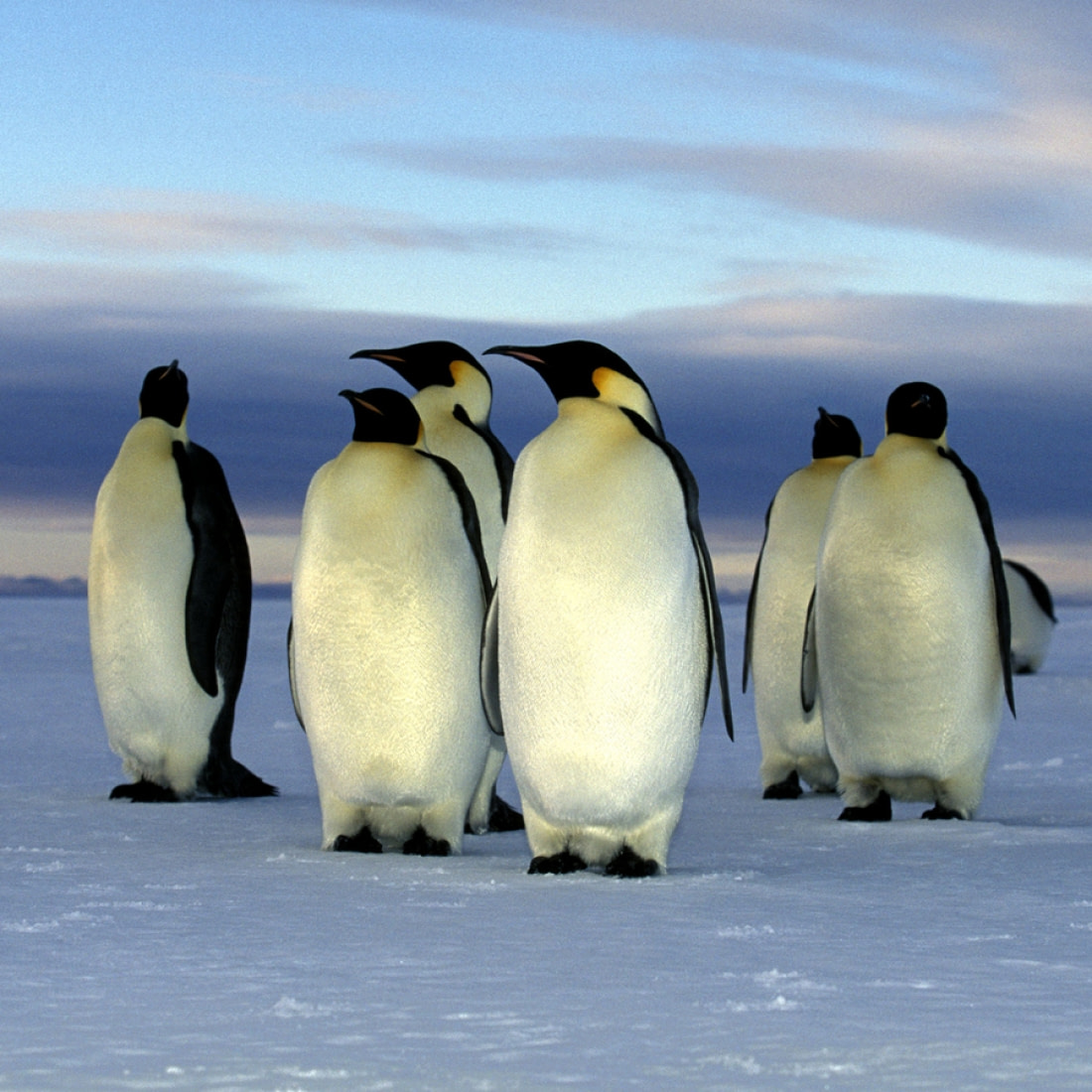
Penguins are generally excellent divers, but emperor penguins make the deepest and longest dives of all species. They can dive for 20-30 minutes at a time and reach depths of around 500 meters (over 1,600 feet). To stay underwater that long, penguins have developed the ability to control how and when their muscles use oxygen. They can either starve their muscles for oxygen or give them a boost to keep working during long dives.

To understand how emperor penguins can dive for such long periods, scientists in McMurdo Sound designed special probes to monitor several penguins’ muscles during dives. In 50 recorded dives ranging between 7-64 meters (23-210 feet) deep, the penguins stayed underwater anywhere from 2.3-11.4 minutes.

During deeper dives, researchers found that emperors selectively sent extra oxygen from their blood into their muscles. They can only do this for short periods until blood oxygen levels become too low for the rest of their body, forcing them to surface for air.

The downside of this adaptation is lactic acid build-up, so penguins will only do it if the reward (a good meal) is worth it.
blog-image

7. Penguin feet don’t freeze on the ice

It may seem obvious that Antarctic penguins are adapted to stay warm in extremely cold environments, but fewer people know how well-adapted their feet are to such temperatures. Penguins have special arteries in their legs that can adjust blood flow in response to foot temperature, sending just enough blood to their feet to prevent freezing.

To maximize their use of body heat, the warm blood on the way to their feet passes the blood returning to their bodies, warming the colder blood before it continues down to their feet. However, because most of a penguin’s body is warm and waterproof due to their fat and feathers, they can easily overheat on sunny days. To stay cool, penguins let heat escape from their beaks and their feet.

For more species-specific Antarctic penguin facts, check out our fascinating Eight Great Penguin Species of Antarctica article.

blog-image

Blog
go-leftgo-right

Svalbard’s 12 Most Iconic Animals - Nexta Expeditions
Blog

Svalbard’s 12 Most Iconic Animals

Each of our Arctic regions offers its own distinct and unforgettable features: Greenland boasts mountainous shorelines and record-setting fjords, Northern Norway is renowned for the aurora borealis and historic masted schooners, and Svalbard (especially Spitsbergen) is where you're most likely to encounter a variety of Arctic wildlife.
5 Misconceptions You Might Have About Greenland - Nexta Expeditions
Blog

5 Misconceptions You Might Have About Greenland

Day and night in Antarctica - Nexta Expeditions
Blog

Day and night in Antarctica

At the Concordia station, a French-Italian research facility situated 3,233 meters above sea level at Dome C on the Antarctic Plateau, European Space Agency (ESA) scientists are investigating the effects of extended space missions. The station is more isolated than the International Space Station, with the nearest humans located 600 kilometers away.
South Georgia Whaling Stations - Nexta Expeditions
Blog

South Georgia Whaling Stations

South Georgia is a paradise for animal enthusiasts. It stands out as one of the most wildlife-abundant destinations in our polar expeditions, whether in the Northern or Southern Hemisphere.
Life in a Penguin Colony - Nexta Expeditions
Blog

Life in a Penguin Colony

Captain Pieter J. Lenie Base, also known as Base Copacabana or simply Copa Base, is situated on King George Island off the western shores of the Antarctic Peninsula. This American research station has been home to scientists studying Adélie, gentoo, and chinstrap penguins for over three decades, aiming to understand how to best conserve these cherished species.
Birds of the South: 33 Antarctic Birds and Seabirds - Nexta Expeditions
Blog

Birds of the South: 33 Antarctic Birds and Seabirds

Of the many compelling reasons people travel to Antarctica and the sub-Antarctic, bird life is among the most beloved.
Life in the Polar Regions - Nexta Expeditions
Blog

Life in the Polar Regions

Polar bears in the Arctic, penguins in Antarctica.
Get to Know Your Ice - Nexta Expeditions
Blog

Get to Know Your Ice

Ice plays a crucial role in everything from cooling your drink to regulating the planet's temperature. Let's explore the various forms of ice you might encounter during an Arctic or Antarctic adventure.
8 Scientific Wonders of the Arctic - Nexta Expeditions
Blog

8 Scientific Wonders of the Arctic

The Arctic’s frozen landscape not only contains scenic gems, it also prompts fascinating advances in research. Here are some of the eight best.
Seven Tips to Get the Most out of Your Expedition Cruise - Nexta Expeditions
Blog

Seven Tips to Get the Most out of Your Expedition Cruise

Polar cruises are easy to enjoy, but there’s an art to getting the most out of them.
Seven Sublime Antarctic Bays - Nexta Expeditions
Blog

Seven Sublime Antarctic Bays

Antarctica is renowned for its glaciers, icebergs, and panoramic colonies of penguins. However, less known are the stunning crystal-clear bays that dot the Great White Continent, many of which are explored on our Antarctica cruise routes.
The Impact of Small vs. Large Cruise Ships - Nexta Expeditions
Blog

The Impact of Small vs. Large Cruise Ships

The generalization that larger ships impact the environment more than smaller ships seems like such a no-brainer that if someone said it to you, you’d be easily forgiven for thinking you were being tricked.
Navigating by touch through the sea ice - Nexta Expeditions
Blog

Navigating by touch through the sea ice

Ships are meant to glide effortlessly through calm waters, but our Greenland expedition vessel Ortelius is shuddering and wiggling as it navigates through the calm yet frozen waters between Svalbard and the islands. We’re on the North Atlantic Odyssey, a journey that starts in continental Europe and concludes near the North Pole in Svalbard. Onboard are 115 enthusiastic passengers. Most of them are currently on the outer decks, cameras in hand, captivated by the sea ice.
Birding Opportunities Abound in Spitsbergen - Nexta Expeditions
Blog

Birding Opportunities Abound in Spitsbergen

Seabirds are the most prevalent type of bird in Spitsbergen. Experts have estimated that there are 164 bird species that have been found throughout Spitsbergen at various points during recent history, but only 30 of them are known to turn to the Svalbard Islands as their primary breeding spot.
The Wonderful Weddell Sea: Places, Pics, and Impressions - Nexta Expeditions
Blog

The Wonderful Weddell Sea: Places, Pics, and Impressions

When we talk about Antarctica, it’s easy to slip into familiar words: amazing, astounding, extraordinary, exceptional. And though most Antarctic locations more than deserve these descriptions, some deserve them more than others.
A Look Into the International Research Stations of Antarctica - Nexta Expeditions
Blog

A Look Into the International Research Stations of Antarctica

In 1902, William S. Bruce, along with a team of naturalists, explorers, and sailors, embarked on the first Scottish expedition to Antarctica’s South Pole aboard the Scotia. The Scottish National Antarctic Expedition (SNAE) aimed to establish the continent's first meteorological station and explore its largely undocumented biological, topographic, and meteorological features.
Arctic Flowers, Trees, and Other Plant Life - Nexta Expeditions
Blog

Arctic Flowers, Trees, and Other Plant Life

When many people think of the Arctic, they probably imagine a stark white wasteland devoid of anything except snow, glaciers, and the occasional far-wandering polar bear.
Greenland: Where the Kayak Was Invented - Nexta Expeditions
Blog

Greenland: Where the Kayak Was Invented

If you've ever enjoyed kayaking, you owe a debt of gratitude to the ancient Greenlandic Inuit who originally designed them for hunting. The thrilling adventures people now have navigating some of the world's most challenging rapids wouldn't be possible without the Inuit's need for a nimble form of water transportation. While travelers still use kayaks in this region, they are typically not fishing, whaling, or sealing. Consequently, recreational kayaks have been adapted to fit their new role.
Hondius Photography and Video Workshops - Nexta Expeditions
Blog

Hondius Photography and Video Workshops

There’s no shortage of great things to say about a Hondius expedition cruise, but among the best are the free video and photography workshops offered during some of this ship’s voyages. These informative, interactive, highly useful supplements allow you to not only capture your memories in the best way possible but also make your friends back home maddeningly jealous.
Earth vs. Mars: Polar Regions Compared - Nexta Expeditions
Blog

Earth vs. Mars: Polar Regions Compared

It’s well-known that Mars, like Earth, has its own polar regions, often referred to as the Martian ice caps. These regions, similar to Earth's, are situated at the north and south poles and experience much lower temperatures compared to the areas in-between.