The Secrets Of Antarctic Seals Revealed - Nexta Expeditions
The secrets of Antarctic seals revealed

The secrets of Antarctic seals revealed

There are only six species of seals that inhabit the Antarctic: Southern elephant seals, Antarctic fur seals, crabeater seals, leopard seals, Ross seals, and Weddell seals. While we are familiar with these species, much about their lives remains a mystery.
blog-image

A different hunting pattern emerges

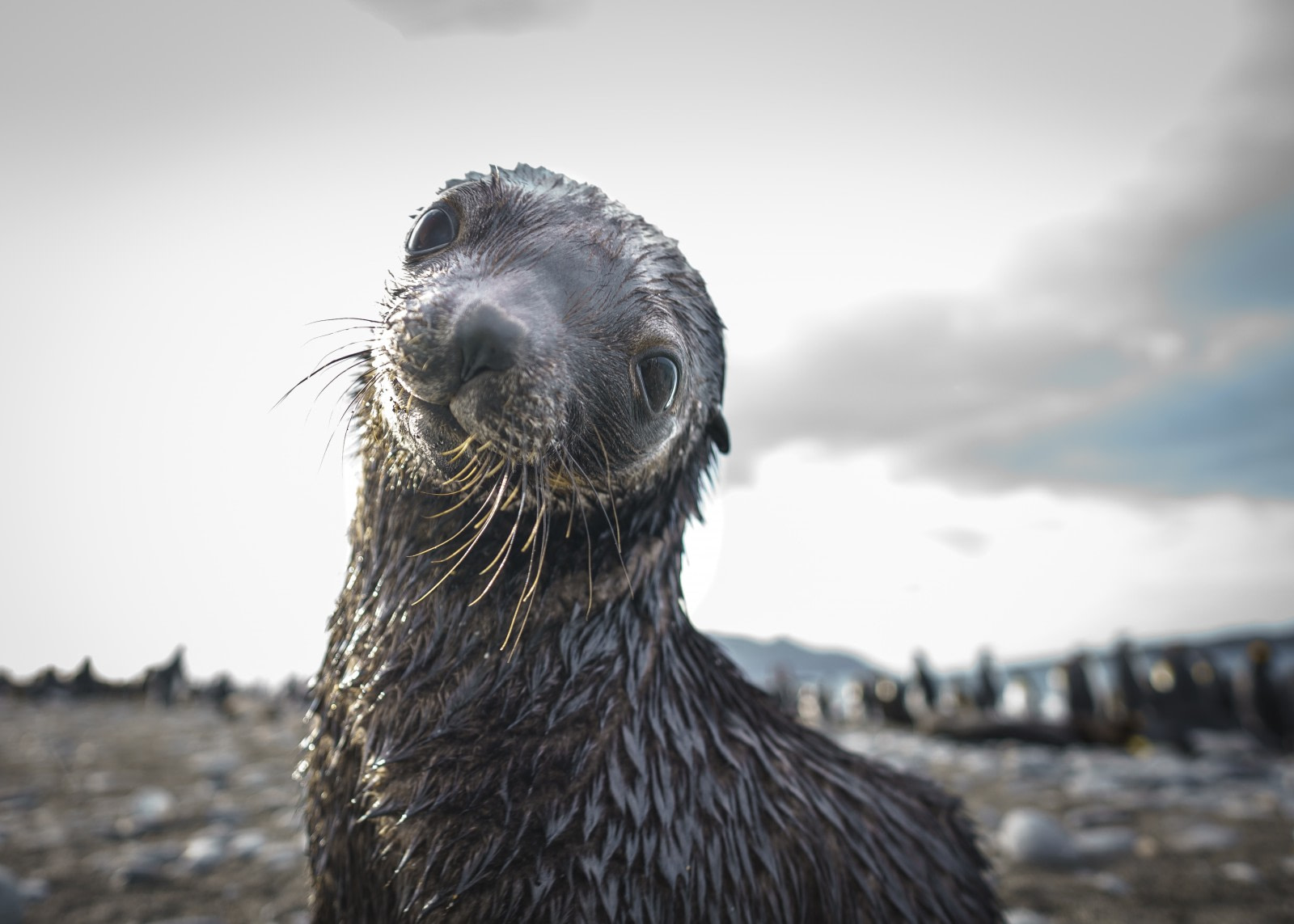
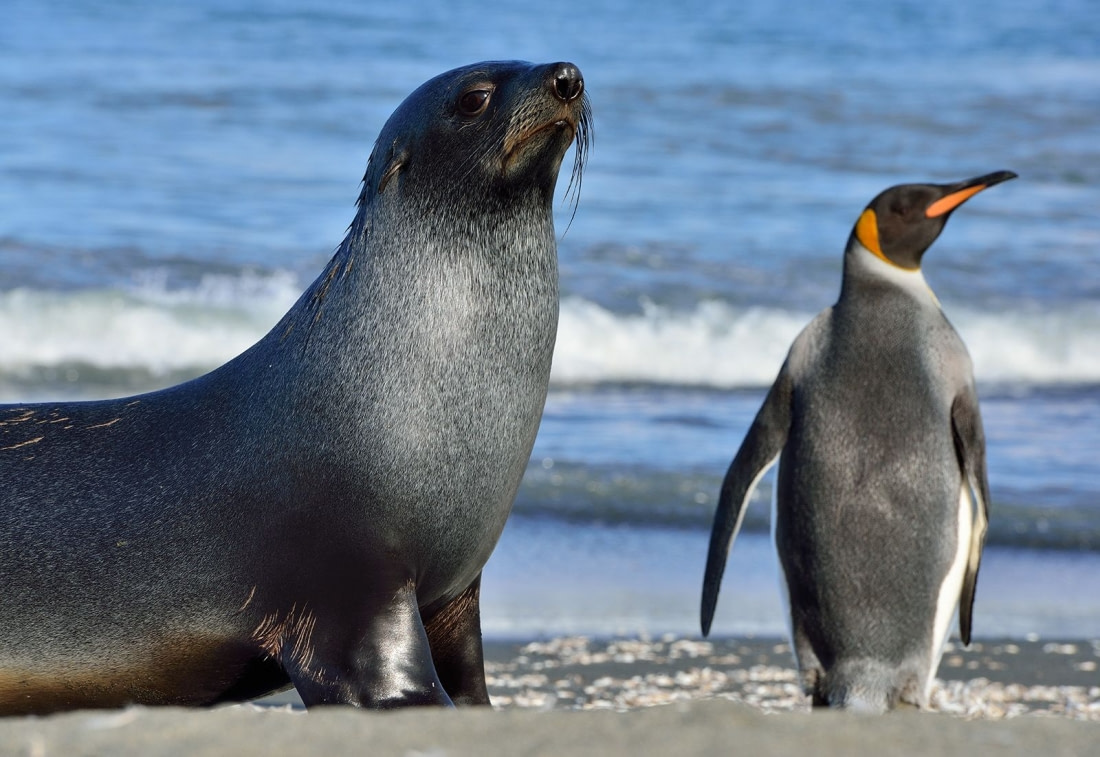
In a study on Antarctic fur seals, scientists and engineers from the British Antarctic Survey developed micro-global sensing loggers. These devices record times of local sunrise and sunset to estimate an animal’s location, capturing the winter feeding trips of over 100 female Antarctic fur seals, including eight individuals over multiple years from two significant breeding sites on the sub-Antarctic Bird Island and the South Atlantic Marion Island.

The study revealed that individual seals not only fed in different areas from each other within a winter but also changed their feeding locations between successive foraging trips. The scientists believe that food scarcity in winter forces these animals to broaden their search for sustenance.

When the data was analyzed over several years, a pattern emerged where these broader forages overlapped to some extent. This indicates that most seals revisited areas they had previously found to be productive and predictable.
blog-image

The secret life of the leopard seals

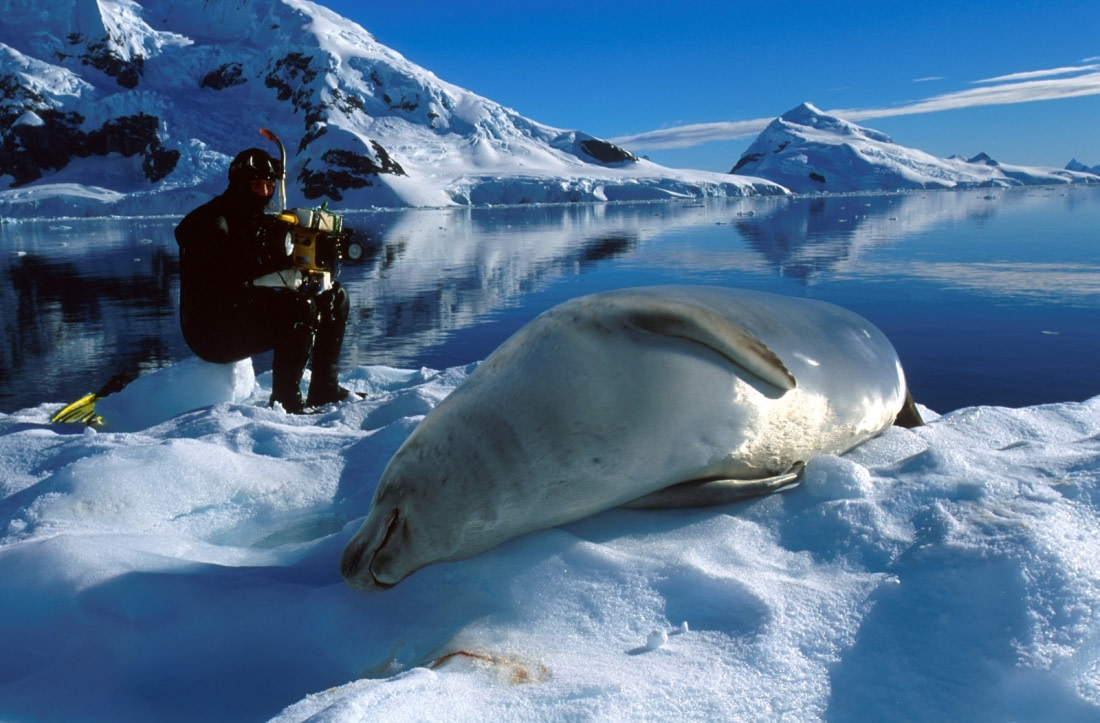
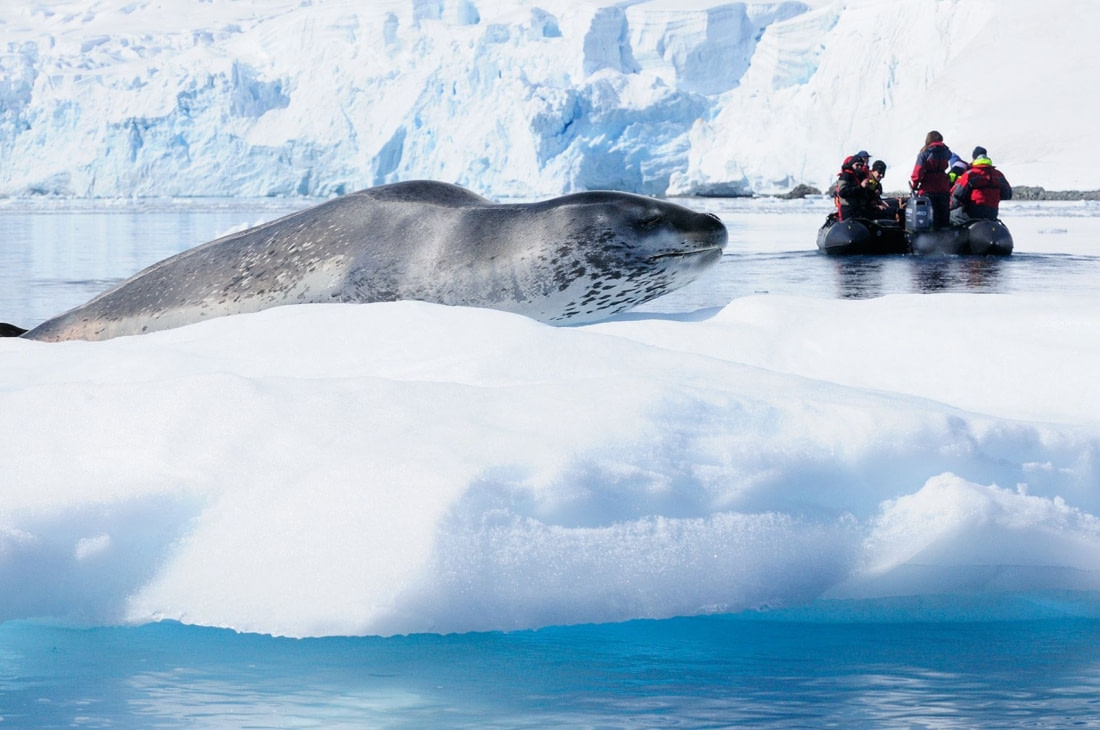
One research project aimed to gain a rare insight into the underwater foraging ecology of leopard seals, a top predator in the Antarctic with razor-sharp canine teeth. Researchers at UC San Diego used Crittercams, small video cameras attached to the seals' bodies, to record their movements and uncover details about their hunting behavior, diet, and diving activities.
blog-image

During 2013-2014, the project attached cameras to the backs of seven different leopard seals at Cape Shirreff, a remote location on Livingston Island in the Antarctic Peninsula. The cameras were attached after sedating the seals and were retrieved after 3-5 days without causing harm to the animals.

The project gathered over 50 hours of film footage, providing researchers with an unprecedented glimpse into the daily lives of these typically solitary seals. The footage revealed that, contrary to previous beliefs, the seals did not eat krill. Instead, they spent most of their time foraging along the seafloor for notothen fish, a bottom-dwelling ice fish species.

The leopard seals’ hunting expertise

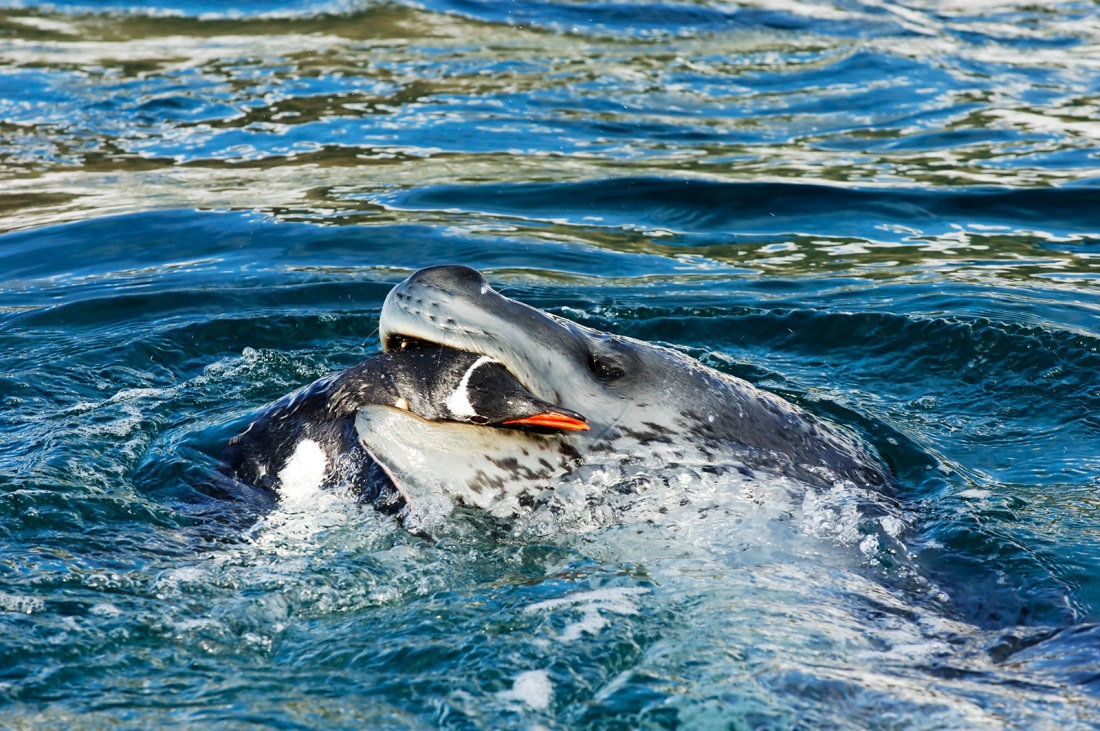
Interestingly, the leopard seals had developed individualized techniques for hunting their prey. One female was observed swimming along the seafloor until she detected a fish hiding under a rock. She then flushed out the fish with her snout and caught it as it swam away, taking it to the surface to eat.

Prior to this study, only two out of over 30 scientific reports indicated that leopard seals ate bottom fish, and only one mentioned a diet that included notothen fish. The research also discovered that leopard seals engaged in food stealing. Contrary to the belief that they cooperated in feeding, the footage showed instances of fighting over food, with one video capturing a violent clash between two females over a fur seal pup.

Additionally, the seals were found to be scavenging carcasses, not randomly but by hoarding catches. They either defended their kill or hid it beneath rocks on the seafloor or at depths below 10 meters.
blog-image

The Weddell seals’ large brain

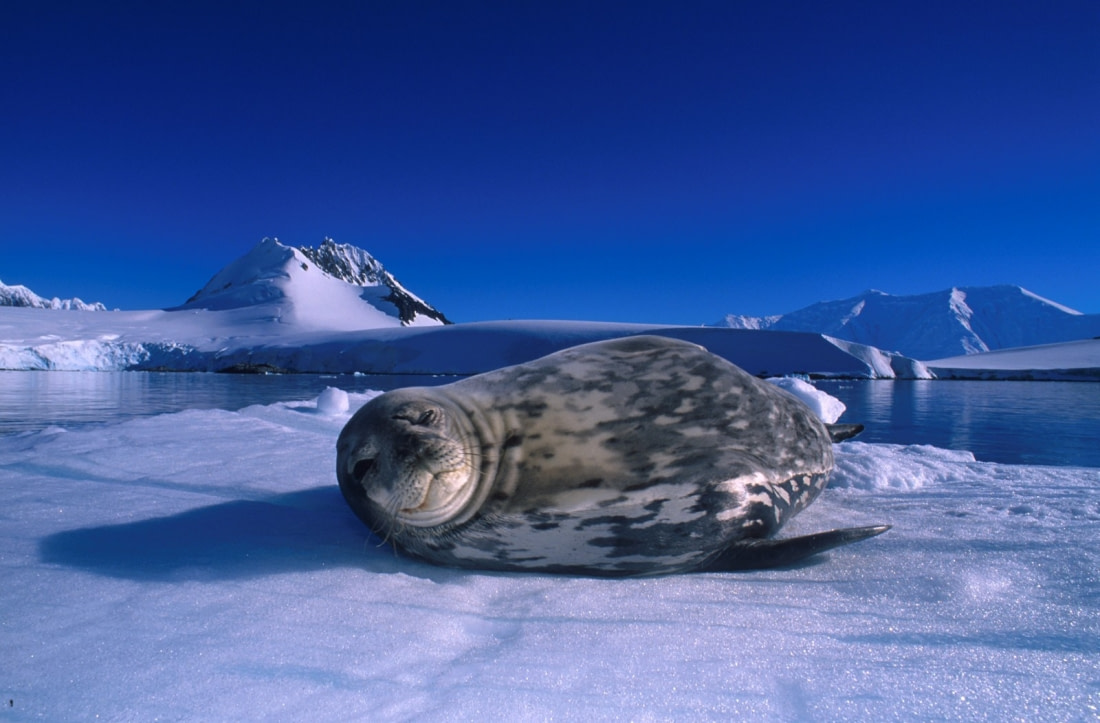
One of the longest-standing research projects on any animal species is the Weddell seal study, ongoing since 1968. A few years ago, researchers from the National Museum of Natural History and the Smithsonian Environmental Research Center discovered that Weddell seal pups have proportionally the largest brains at birth of any known mammal.

Previous research indicated that Weddell seal pups face a steep learning curve, having to navigate beneath Antarctic sea ice alone as early as six weeks old. Scientists speculated that to learn this quickly, the pups must be born with advanced brains.
blog-image

To investigate, scientists traveled to Antarctica to collect several seal pups and adults that had died of natural causes. The heads of the deceased seals were sent to the Smithsonian for examination. The research found that Weddell seal pups had brains that were, on average, 70 percent as large as adults, despite their small size, which is just 6-7 percent of an adult's body mass.

This finding aligns with other research suggesting that animals born into hostile environments tend to have larger brains at birth to help them survive. For example, zebras must be able to run with a herd just hours after birth. For Weddell seals, this means pups must be able to swim long distances under the sea ice, a dangerous task as they may struggle to find a hole in the ice or an air pocket in time to avoid drowning.

The energy required from the mother’s milk to support the pup’s brain development is enormous: of the 30-50 grams of glucose needed per day to survive, 28 grams are consumed by the brain.

Statistics of the elephant seals

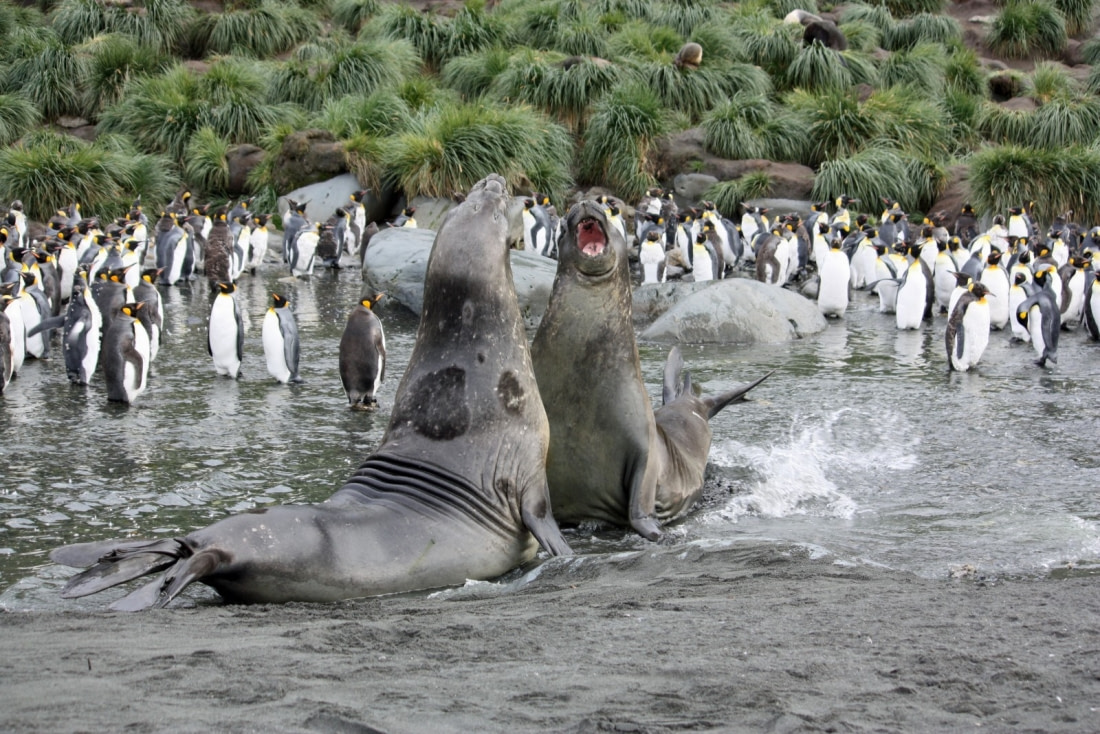
Elephant seals are massive creatures, with males weighing up to 3,000 kilograms and adult females weighing between 300 and 900 kilograms before giving birth.
blog-image

Recently, scientists from the University of Tasmania used modern tracking technology to follow the lives of nearly 300 southern elephant seals over six years. These seals were located in eight sites across the Southern Ocean, from Macquarie Island south of Australia to sub-Antarctic islands including South Georgia and the Kerguelen Islands. The seals spend more than 10 months of the year foraging at sea before returning to their breeding sites.

The scientists discovered some remarkable statistics, including individuals diving for up to 94 minutes to depths of almost 2,400 meters and the longest migration route reaching distances of 5,482 kilometers. The seals also provided invaluable information on the ocean, acting as mini-submarines recording ocean temperature and salinity wherever they traveled.


Blog
go-leftgo-right

Taking a polar expedition cruise delivers no shortage of show-stopping highlights, but one of the most exhilarating is lifting off from the ship in a helicopter and taking flight over the incomparable Antarctic wilderness. - Nexta Expeditions
Blog

Taking a polar expedition cruise delivers no shortage of show-stopping highlights, but one of the most exhilarating is lifting off from the ship in a helicopter and taking flight over the incomparable Antarctic wilderness.
Embarking on a polar expedition cruise offers a plethora of breathtaking experiences, but one of the most thrilling is taking off from the ship in a helicopter and soaring over the stunning Antarctic wilderness.
The Research Stations of Antarctica and the sub-Antarctic - Nexta Expeditions
Blog

The Research Stations of Antarctica and the sub-Antarctic

Numerous research stations operate throughout the Antarctic and sub-Antarctic, engaged in all manner of scientific inquiry. This article will cover the stations under the management of the British Antarctic Survey (BAS), which conducts year-round terrestrial and atmospheric research in some of the most compelling polar locations on Earth.
The Pack Ice and Polar Bears of North Spitsbergen - Nexta Expeditions
Blog

The Pack Ice and Polar Bears of North Spitsbergen

The Arctic archipelago of Svalbard is renowned for being one of the prime locations to observe polar bears. The largest island in this region, Spitsbergen, not only offers sightings of these majestic Arctic creatures but also provides a unique opportunity to experience the phenomenon of pack ice.
What to pack for your Atlantic Odyssey voyage? - Nexta Expeditions
Blog

What to pack for your Atlantic Odyssey voyage?

When packing, avoid burdening yourself with excessive clothing or gear. Opt for casual, practical attire that can be layered. Consider including the following:
Spitsbergen: a true polar bear trip - Nexta Expeditions
Blog

Spitsbergen: a true polar bear trip

On the third day of our Svalbard cruise, we navigated through the sea ice north of Spitsbergen. The morning greeted us with fog and fragmented ice, but conditions gradually improved. A swarm of black-legged kittiwakes trailed behind us, as our ship stirred the waters, pushing aside ice floes to reveal the tiny dark polar cod beneath.
Around Spitsbergen vs. North Spitsbergen - Nexta Expeditions
Blog

Around Spitsbergen vs. North Spitsbergen

Svalbard, particularly Spitsbergen, was the first polar expedition cruise destination. It's no surprise that there are numerous trip programs available in this region. Among the most unique are the Around Spitsbergen and North Spitsbergen cruises.
The Eight Great Penguin Species of Antarctica - Nexta Expeditions
Blog

The Eight Great Penguin Species of Antarctica

There are 17 species of penguin on the planet, but the eight you’ll most likely recognize live in Antarctica, its nearby islands, and the sub-Antarctic archipelagos of South Georgia and the Falklands. These are the core species we tend to see on our expedition cruises.
Northeast Greenland National Park - Nexta Expeditions
Blog

Northeast Greenland National Park

Northeast Greenland National Park is the world’s largest national park and the ninth largest protected area on Earth. It should come as little surprise, then, that it’s also bigger than most countries, covering an impressive 972,000 square km (375,300 square miles).
Churches in Antarctica - Nexta Expeditions
Blog

Churches in Antarctica

'Below 40 degrees South there is no law; below 50 degrees South, there is no God', goes the old adage. When faced with a storm in the turbulent and freezing waters of the Drake Passage, one might think so.
How Arctic Wildlife Differs from Antarctic - Nexta Expeditions
Blog

How Arctic Wildlife Differs from Antarctic

While the north and south poles share certain characteristics, they are also remarkably distinct. Both regions are cold and dry, yet each has its own unique terrain and climate. The Antarctic is particularly harsh and inhospitable, with only two native vascular plant species, whereas the Arctic tundra supports a wider range of fauna due to its relatively warmer temperatures and greater plant diversity. Here are some of the animals you can find in the Arctic compared to the Antarctic.
The Small Mammals of the Arctic and Antarctica - Nexta Expeditions
Blog

The Small Mammals of the Arctic and Antarctica

As Lillian Gish says in Night of the Hunter, “It’s a hard world for little things.”
The Eight Albatrosses of Antarctica and the Sub-Antarctic - Nexta Expeditions
Blog

The Eight Albatrosses of Antarctica and the Sub-Antarctic

Our guests are typically wildlife enthusiasts, with a particular interest in bird life. While many bird lovers focus on the penguins we encounter, there's a smaller yet equally passionate group that favors the more airborne seabirds. Among this birdwatching subset, the albatross is a species that garners (and deserves) significant attention.
Visiting the Nearly Unknown: New Zealand’s Campbell Island - Nexta Expeditions
Blog

Visiting the Nearly Unknown: New Zealand’s Campbell Island

New Zealand is a renowned destination globally, and for good reason: It’s absolutely stunning. Almost every corner is filled with unparalleled beauty. But did you know that New Zealand includes several sub-Antarctic Islands that are almost completely unknown?
Encounter with the emperor penguin in Antarctica - Nexta Expeditions
Blog

Encounter with the emperor penguin in Antarctica

Dutch journalist Gemma Venhuizen embarked on the MV Ortelius during the Weddell Sea cruise 'In search of the emperor penguins'. She had several encounters with this majestic penguin species - both from the sea and from the air.
Inside the Svalbard Global Seed Vault - Nexta Expeditions
Blog

Inside the Svalbard Global Seed Vault

Literature, cinema, and even video games often present us with various global disaster scenarios. These typically involve devastating wars, catastrophic natural events, or widespread pandemics that leave survivors scavenging for food and supplies amidst hordes of zombies.
Circumnavigating Spitsbergen - Nexta Expeditions
Blog

Circumnavigating Spitsbergen

Many of our expedition cruises focus on specific areas of the Arctic or Antarctica, delving deep into local wildlife and other natural highlights. However, some programs aim to provide a broader survey, visiting a variety of sites to offer guests a wider perspective.
Science of the Ross Ice Shelf - Nexta Expeditions
Blog

Science of the Ross Ice Shelf

Antarctica’s Ross Ice Shelf is vast, spanning 487,000 sq. km – comparable to the size of France – with a thickness that varies from a few hundred meters near the sea to over 1,200 meters away from the floating edge. The edge along the Ross Sea forms a towering ice wall, rising up to 50 meters above the water, with most of the ice submerged below the waterline.
10 Popular Bird Watching Binoculars - Nexta Expeditions
Blog

10 Popular Bird Watching Binoculars

Binoculars are a staple for outdoor enthusiasts, often packed with minimal thought alongside essentials like bug spray, sunblock, and waterproof matches. However, for certain groups, binoculars are indispensable, particularly for bird watchers. If you're part of this technical hobbyist community, here are 10 birding binoculars you should know about.
The Wildlife of Antarctica’s Seas and Skies - Nexta Expeditions
Blog

The Wildlife of Antarctica’s Seas and Skies

Antarctica is one of the most pristine environments on Earth, home to whales, penguins, seals, and birds, providing nature lovers with a treasure trove of wildlife memories to take back home.
Greenlandic Inuit Beliefs - Nexta Expeditions
Blog

Greenlandic Inuit Beliefs

Greenland is the world’s largest island and with the northern tip around 740 kilometres from the North Pole it is the northernmost country on Earth. The island is around 2,670 kilometres long and is about 650 kilometres across at its widest point.