How Arctic Wildlife Differs From Antarctic - Nexta Expeditions
How Arctic Wildlife Differs from Antarctic

How Arctic Wildlife Differs from Antarctic

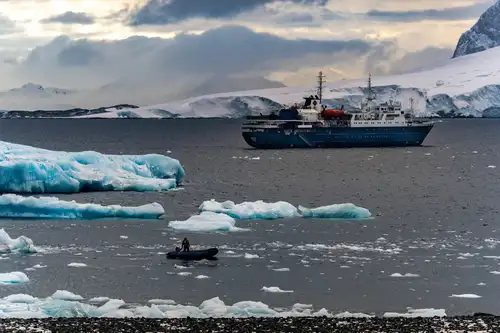
While the north and south poles share certain characteristics, they are also remarkably distinct. Both regions are cold and dry, yet each has its own unique terrain and climate. The Antarctic is particularly harsh and inhospitable, with only two native vascular plant species, whereas the Arctic tundra supports a wider range of fauna due to its relatively warmer temperatures and greater plant diversity. Here are some of the animals you can find in the Arctic compared to the Antarctic.

Animals in the Antarctic

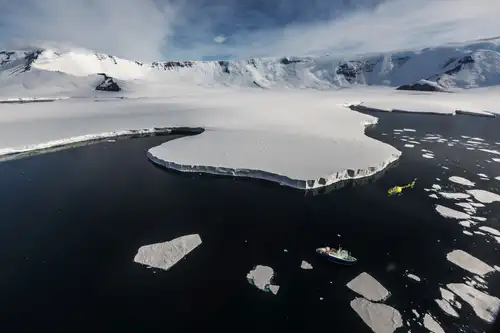
Approximately 98% of the south pole is covered in ice, making survival challenging for most life forms on the continent. The absence of rivers and vegetation further contributes to the region's inhospitable nature. However, wildlife can still be observed in certain areas, particularly along warmer coastlines where densely populated colonies thrive. The limited plant life means there are few herbivores, but the sea provides sustenance for various creatures that live on land. Common Antarctic animals include:

  • Emperor Penguins: The largest penguin species, standing up to four feet tall and weighing as much as 90 pounds.
  • Southern Elephant Seals: The largest of their kind, with males weighing up to 8,000 pounds and reaching lengths of 15 feet.
  • Leopard Seals: Known for their distinctive spotted appearance, these predators feed on fish, penguins, and even seal pups.

Life on the Arctic Tundra

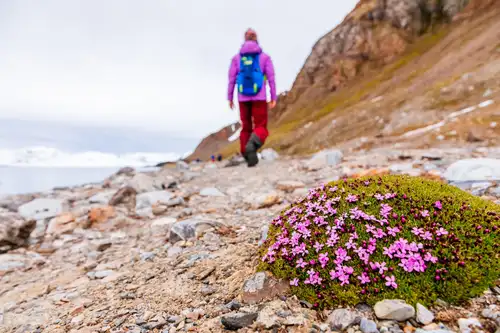
In contrast to the Antarctic, the Arctic supports a wide variety of flora and fauna. Instead of a solid ice sheet, much of the Arctic is covered in permafrost—a thick layer of frozen soil. While this permafrost prevents some plants from growing, many others thrive in this environment. The treeless tundra is home to nearly 2,000 species of smaller shrubs, sedges, grasses, mosses, liverworts, alpine-type flowering plants, and lichens. Rivers flowing through the region also help sustain life. The Arctic's more forgiving climate allows for a diverse range of animals, including:

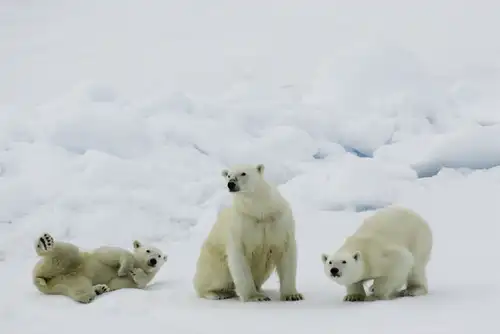
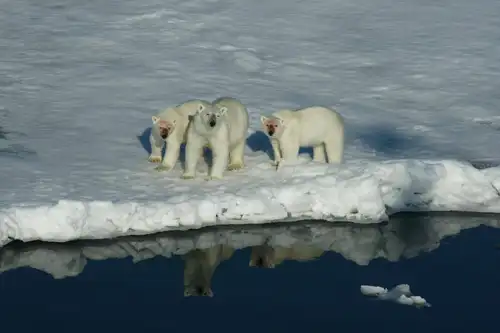
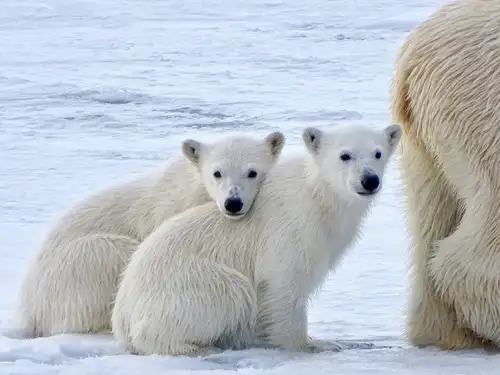
  • Polar Bears: The largest bear species, weighing up to 1,500 pounds and primarily feeding on seals.
  • Musk Ox: Grazing animals that have been nearly hunted to extinction but still have small populations in the Arctic tundra.
  • Reindeer: These animals also inhabit the tundra and travel great distances throughout the year.
  • Narwhal: Known for its single horn, this creature feeds on fish, squid, and shrimp.

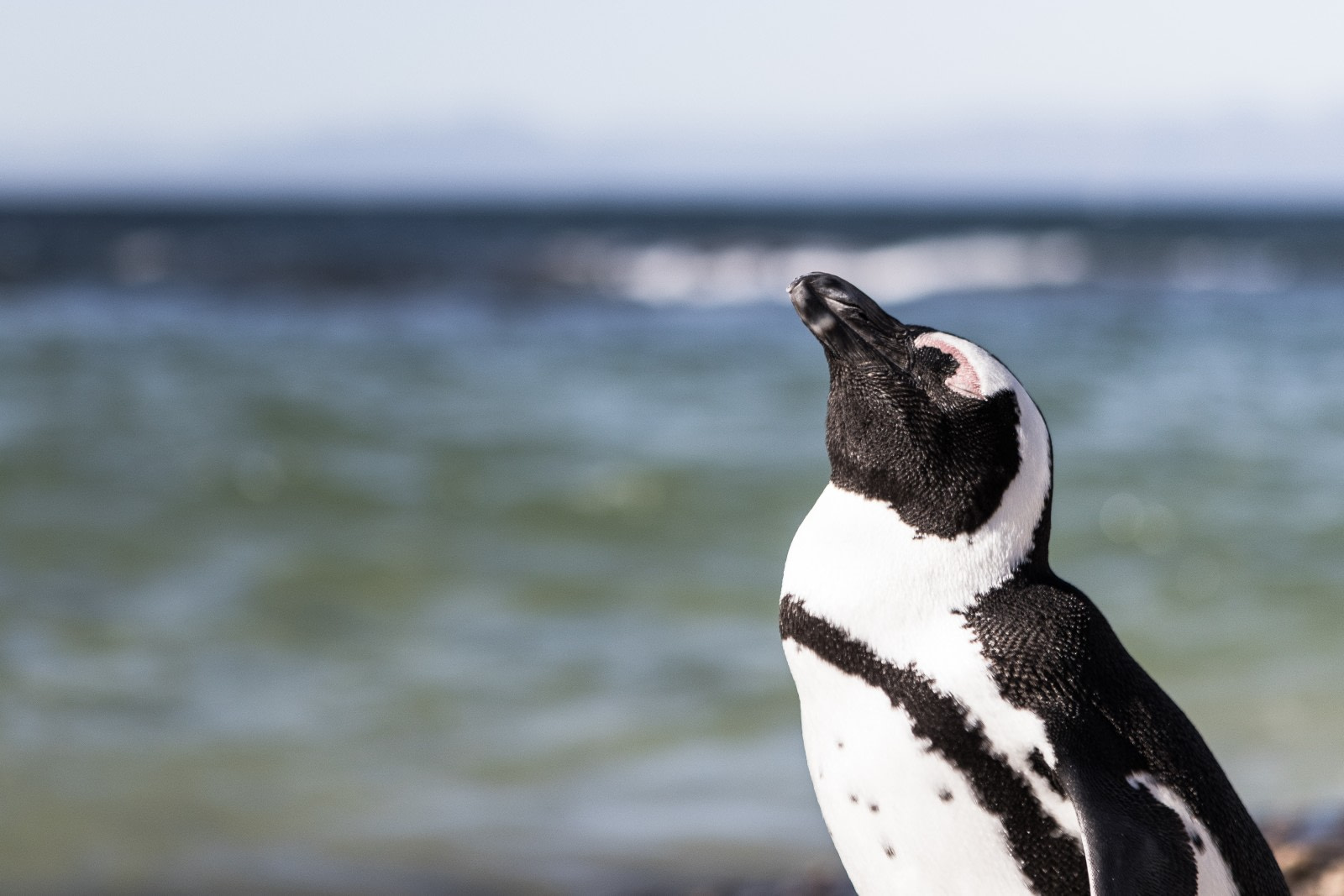
The North Pole and the South Pole, while sharing some similarities, are vastly different in many respects. The Antarctic is cold and unforgiving, home to only the hardiest sea mammals, whereas the Arctic can support more herbivores and land-based wildlife. Despite the extreme conditions at the Earth's poles, an impressive level of biodiversity can be found in both regions. Photo credit Noah Holm / Unsplash


Blog
go-leftgo-right

Polar Bears and Pack Ice: 22 Pics from North Spitsbergen - Nexta Expeditions
Blog

Polar Bears and Pack Ice: 22 Pics from North Spitsbergen

Last month, we explored one of the premier Arctic cruise destinations in our North Spitsbergen blog. That post not only detailed our itinerary in this breathtaking region but also highlighted some of the stunning locations where you might encounter polar bears, whales, walruses, seals, seabirds, and the mesmerizing ice formations of the far north.
Where the Polar Bears Roam - Nexta Expeditions
Blog

Where the Polar Bears Roam

Going to the Arctic without clapping eyes on a wild polar bear can be reasonably compared to visiting Africa without seeing a giraffe or a zebra or, most analogously, a lion.
The Small Mammals of the Arctic and Antarctica - Nexta Expeditions
Blog

The Small Mammals of the Arctic and Antarctica

As Lillian Gish says in Night of the Hunter, “It’s a hard world for little things.”
Top 10 Tips for Packing Your Polar Photography Equipment - Nexta Expeditions
Blog

Top 10 Tips for Packing Your Polar Photography Equipment

One of the most common questions I get asked before a cruise is, “What photography equipment should I bring?” It’s a broad question, and answers vary based on the individual. There are, however, a few key pointers that apply to almost everyone.
Seven Things to Do around Ushuaia - Nexta Expeditions
Blog

Seven Things to Do around Ushuaia

We often recommend arriving early to Ushuaia before embarking on an Antarctica cruise, and for good reason: Ushuaia, on top of being the southernmost city in the world, has in recent years developed into a decidedly charming tourist destination.
8 Whales You Might See During Your Antarctica Cruise - Nexta Expeditions
Blog

8 Whales You Might See During Your Antarctica Cruise

They're powerful, beautiful, and really, really big. Whales are a wonder of the natural world, and one of the best places to see them is Antarctica. In fact, whale watching is one of the most popular and rewarding activities you can enjoy on an Antarctic trip.
The Seven Best Things to Do in Antarctica - Nexta Expeditions
Blog

The Seven Best Things to Do in Antarctica

Unless you’re a scientist, there’s no such thing as a means-to-an-end trip to Antarctica.
Graham Land: A landscape dominated by volcanoes - Nexta Expeditions
Blog

Graham Land: A landscape dominated by volcanoes

An Antarctic cruise may explore the upper tip of the Antarctic Peninsula where one finds Graham Land, a jagged, glaciated part of Antarctica with a landscape dominated by volcanoes. Despite the volcanoes being over 200 million years old they are far from extinct with volcanic activity occurring today. Graham Land is connected to Palmer Land at the point where the Antarctic Peninsula widens from around 75 km to around 200 km south of Marguerite Bay.
Five Reasons to Love St. Helena - Nexta Expeditions
Blog

Five Reasons to Love St. Helena

Being one of the most remote islands on Earth gives St. Helena a unique allure. Named after a Roman empress and the mother of Constantine the Great, this island also holds the distinction of being Napoleon’s final place of exile, making it a fascinating topic of conversation.
The World Is Changing for Greenland's Native Inuit People - Nexta Expeditions
Blog

The World Is Changing for Greenland's Native Inuit People

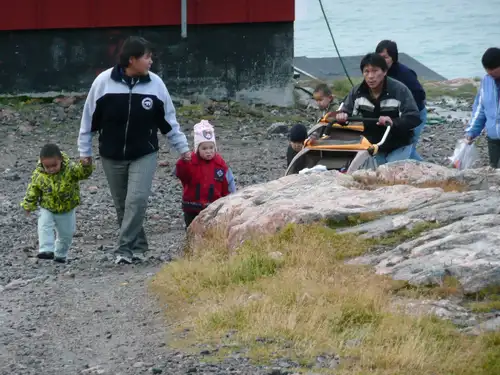
You may know them as Eskimos, but the people of the Arctic are officially called the Inuit. Historically, they were hunters in the truest sense. For hundreds of years, they survived the world’s harshest conditions, living off their prey of whales, seals, polar bears, musk oxen, birds, fish, and reindeer. This has always been their way of life.
The Northern Lights dancing across the skies - Nexta Expeditions
Blog

The Northern Lights dancing across the skies

The Northern Lights typically manifest in a belt with a radius of 2,500 kilometers centered on the magnetic North Pole. This auroral zone spans northern Scandinavia, Iceland, the southern tip of Greenland, and continues over northern Canada, Alaska, and along the northern coast of Siberia.
10 Traits of Post-Ice-Age Greenland - Nexta Expeditions
Blog

10 Traits of Post-Ice-Age Greenland

Grasses, sedges, and other species of heath were the first arrivals, and are still commonly found in Greenland. Scientists have been able to work out how plants colonised Greenland by examining ancient pollen samples found in deposits at the bottom of lakes: Dwarf birch came to western Greenland around 9,000 years ago, and around 4,500 years ago – roughly the same time humans were first boating onto Greenland shores – green alders were taking up residence there.
Antarctic Explorer’s Voyage - Nexta Expeditions
Blog

Antarctic Explorer’s Voyage

There’s off the beaten track, and then there’s really off the beaten track.
Hot Ice: Breeding Practices of Five Polar Animals - Nexta Expeditions
Blog

Hot Ice: Breeding Practices of Five Polar Animals

Last Valentine's Day we gave you 14 wildlife pictures highlighting the ins, outs, ups, and downs of polar romance. This year we're moving on to something a little more advanced: the nitty-gritty details of polar wildlife breeding rituals.
Adélie Penguins: the Little People of the Antarctic - Nexta Expeditions
Blog

Adélie Penguins: the Little People of the Antarctic

Described as “an object of endless pleasure and amusement” by Apsley Cherry-Garrard, survivor of Robert Falcon Scott’s ill-fated Terra Nova expedition to the South Pole, the Adélie penguin stands with the regal and iconic emperor penguin as one of only two penguin species found on mainland Antarctica.
Birds of the North: 29 Arctic Birds and Seabirds - Nexta Expeditions
Blog

Birds of the North: 29 Arctic Birds and Seabirds

The Arctic is home to some of the world’s most majestic mammals, both on land and sea. However, the bird life in this region is equally remarkable, showcasing numerous exotic species that are highly prized by bird enthusiasts worldwide.
The Arctic’s Most Phenomenal Fjords - Nexta Expeditions
Blog

The Arctic’s Most Phenomenal Fjords

Fjords are often linked with Norway, but they are not exclusive to that region. They are a common feature of the Arctic and are major attractions in Greenland and Svalbard.
International Polar Bear Day - Nexta Expeditions
Blog

International Polar Bear Day

It will come as no surprise to you that we're crazy about polar bears. We have multiple blogs about where to find polar bears, we offer dozens of polar bear trips, and we've even written a short story from a polar bear's point of view. (Yes, we actually did that.) So if you were to say that our love of polar bears borders on obsession, you wouldn't be far off.
“The polar bear will still be there” - Nexta Expeditions
Blog

“The polar bear will still be there”

For several hours, we had been navigating the pack ice in search of polar bears. Despite numerous binoculars scanning the ice, no bears were visible, and only a few tracks were found. This suggested we might be in an area with fewer bears. Later that morning, we decided to head a few miles east, suspecting a higher bear population there.
10 Terrific Antarctic Bird Facts - Nexta Expeditions
Blog

10 Terrific Antarctic Bird Facts

Antarctica is a premier destination for birdwatching, boasting around 45 unique species. Describing them all would require an extensive article, so here we will focus on 10 fascinating facts about the birds you can encounter in Antarctica.