Keep It Green Our Commitment To Sustainable Polar Travel - Nexta Expeditions
Keep It Green: Our Commitment to Sustainable Polar Travel

Keep It Green: Our Commitment to Sustainable Polar Travel

It doesn’t make much sense for expedition travel if every time we visit the polar regions we leave them worse than we found them. And that’s just considering things from a purely human perspective, which we don’t.

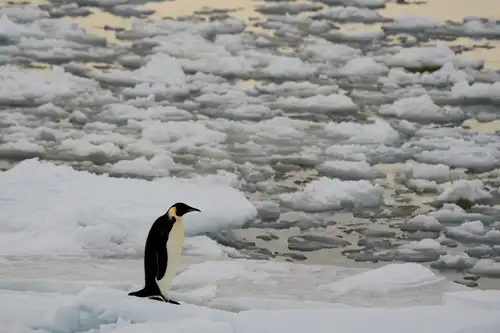
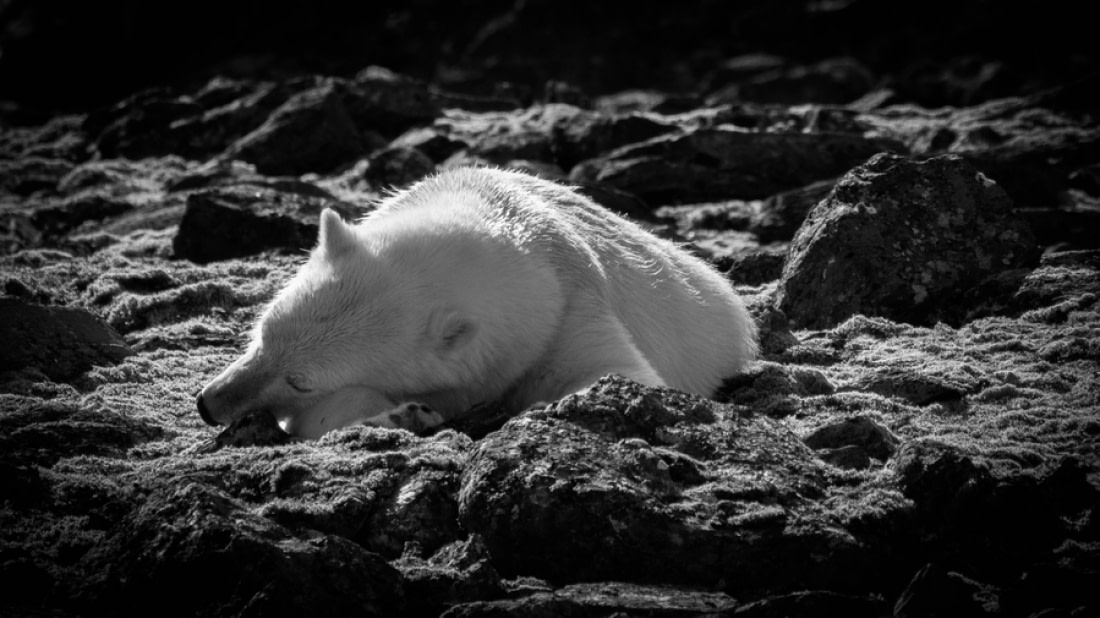
The polar bears, penguins, whales, seabirds, and other animals that depend on these regions surely have much more to say on this issue – and with a lot more expletives.

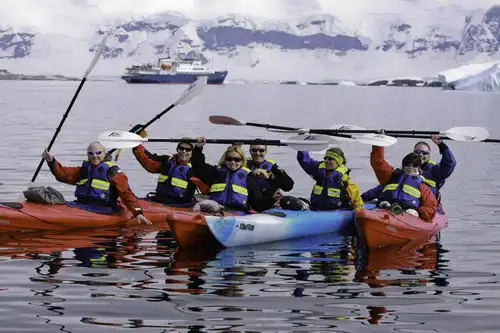
Taking their health and happiness into account, we strive to implement the most environmentally friendly mode of travel we can, ensuring those who cruise with us that they’re enjoying the polar terrain in the kindest way possible.

Here are a few ways we do this.
blog-image

It starts with the ships

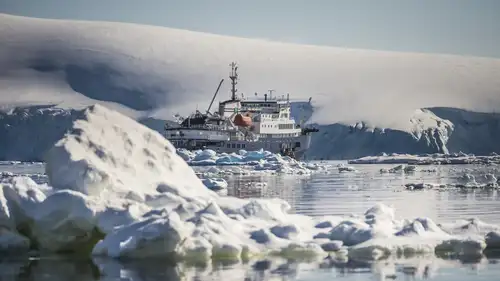
More even than the expedition groups hiking the icy shorelines or kayaking the berg-bejeweled bays, it’s the vessels visiting the polar regions that leave the largest footprint.

This is not just due to their size, but also their numbers: In the 2017-18 season, there were almost 60,000 tourists who visited Antarctica alone, and most of them got there by ship. Indeed, that’s usually the only way to get to these remote locations.

So if the ships aren’t green, neither is the environment.

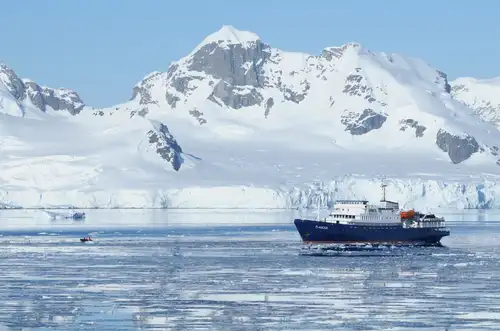
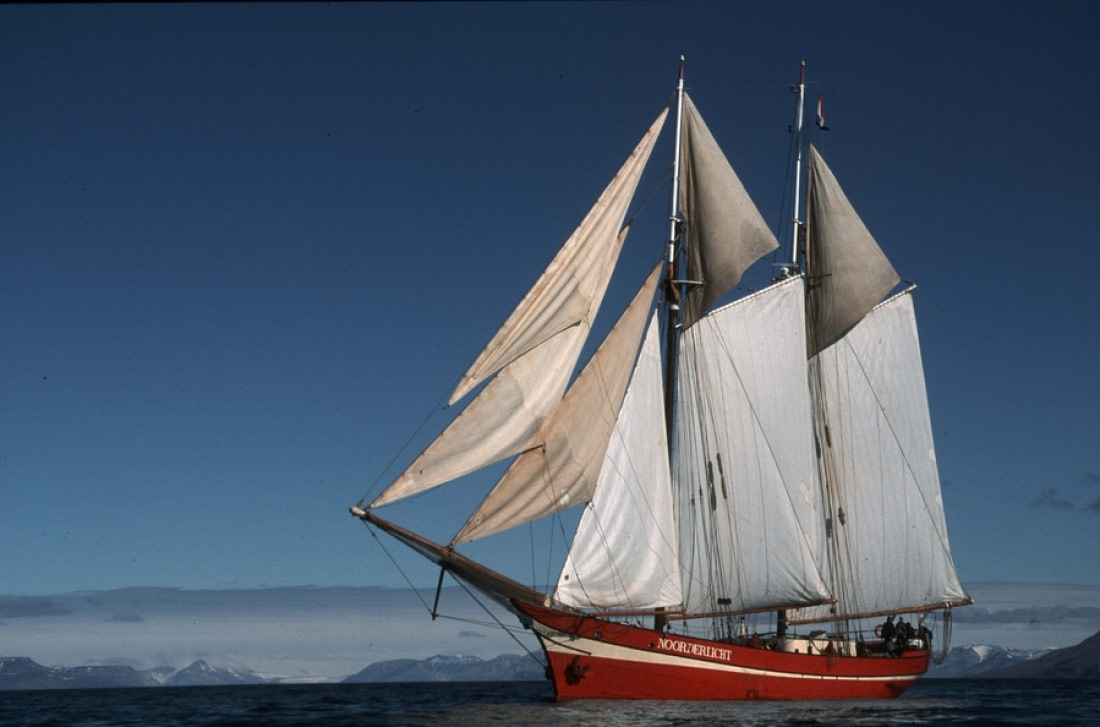
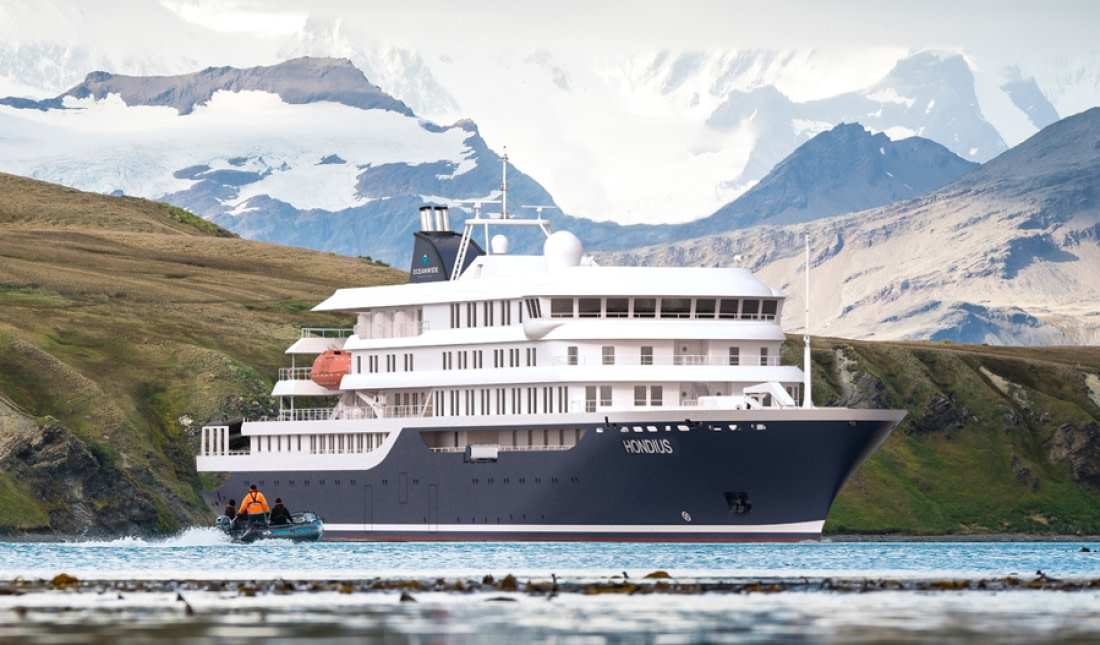
We seek to mitigate this impact by offering a traditional sailing vessel carrying 33 passengers. And our newest vessel, m/v Hondius, was designed from the ground up to employ only the latest green technology.
blog-image

Using LED lighting, steam heat, biodegradable paints and lubricants, and flexible power management systems that keep fuel consumption and CO2 levels low, Hondius will be one of the world’s most environmentally safe ships when it launches in the summer of 2019.

Additionally, next year we’re installing two new engines in our vessel Ortelius. These low-emission engines, like those in our other motorized vessels, comply with all the latest legislation.

We are also phasing out single-use plastics aboard our ships, opting instead for reusable water bottles included in each berth. Passengers can fill these bottles with desalinated water taken directly from the sea, further minimizing impact on the planet.
blog-image

Cleaning polar beaches (and preventing contamination)

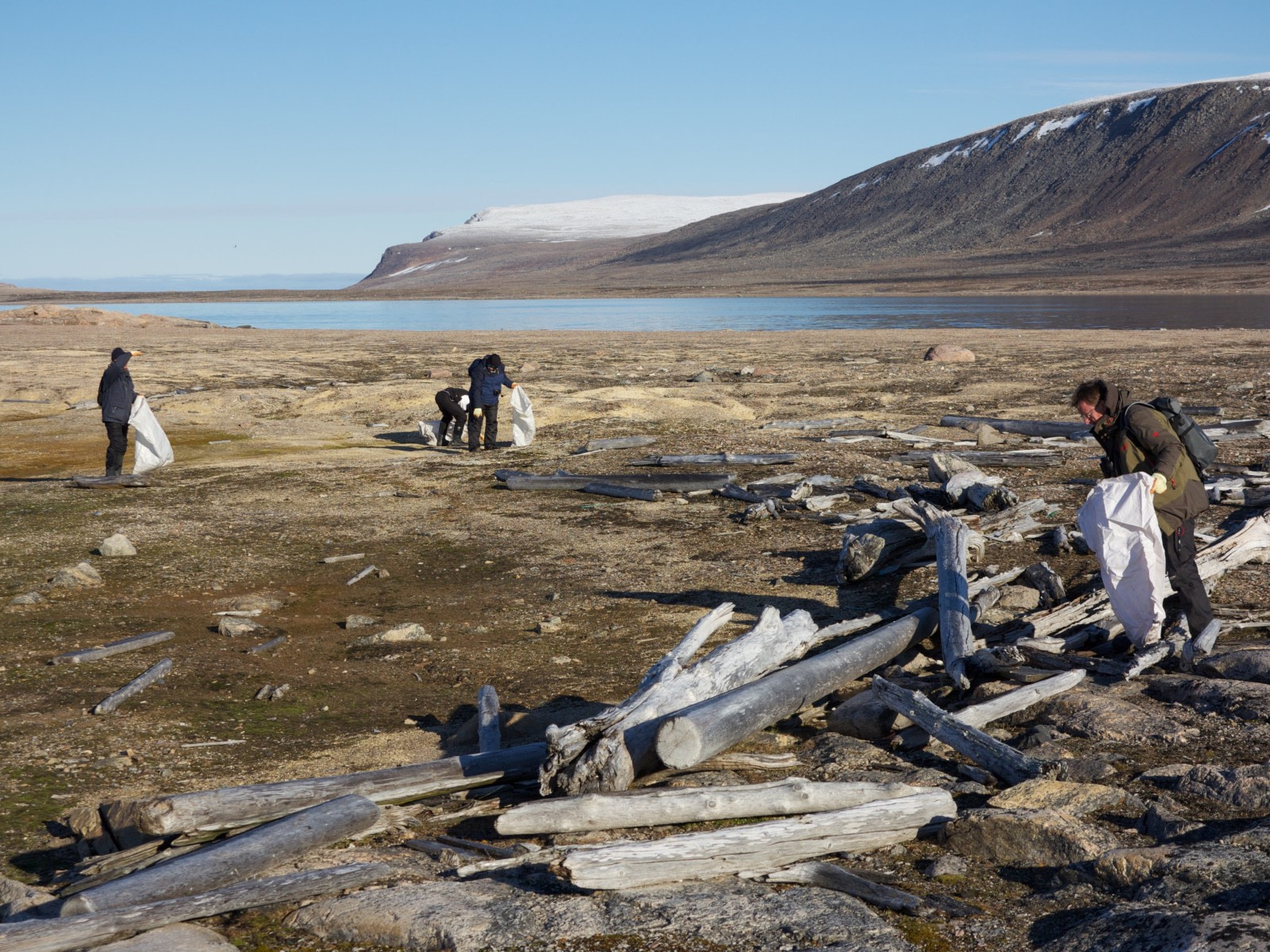
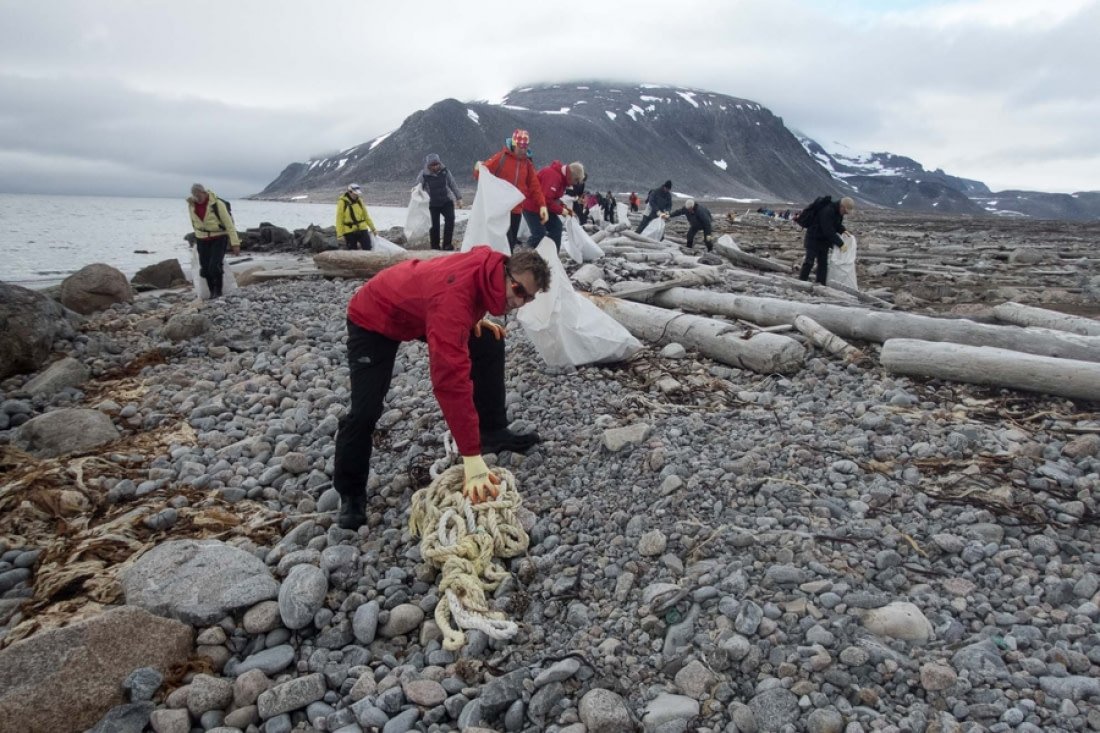
On top of making sure the ships are creating less pollution, it’s just as important to remove the pollution that’s already in the environment.

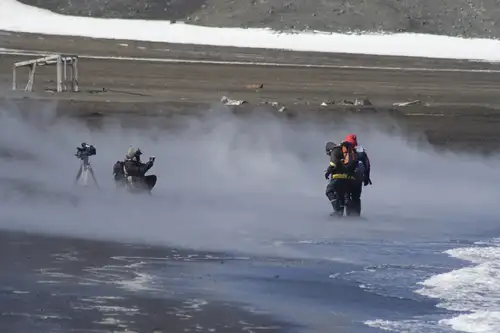
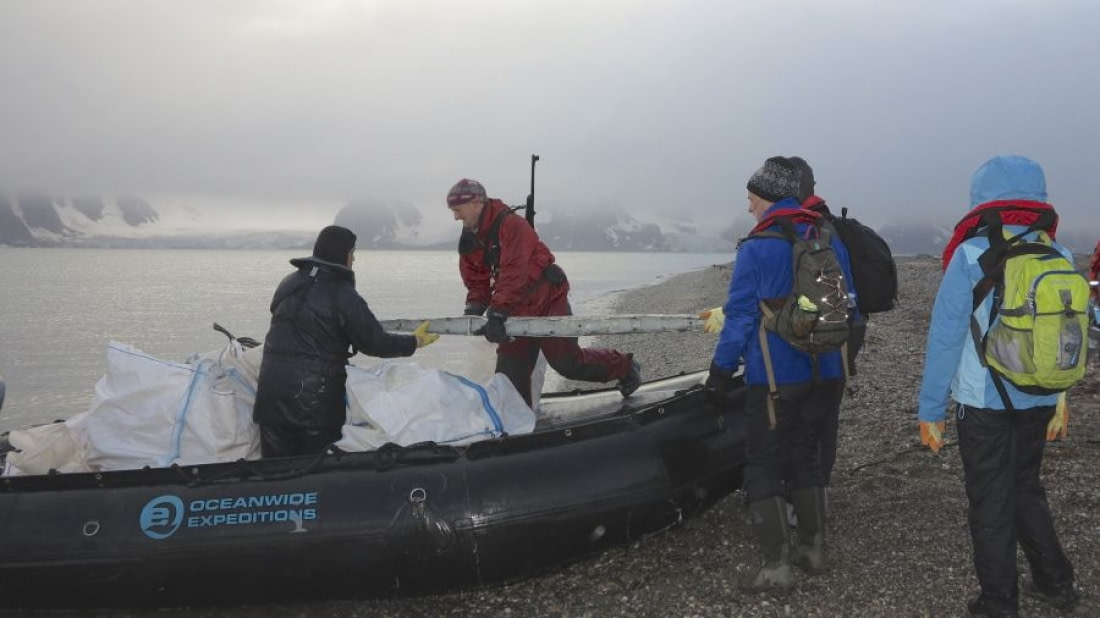
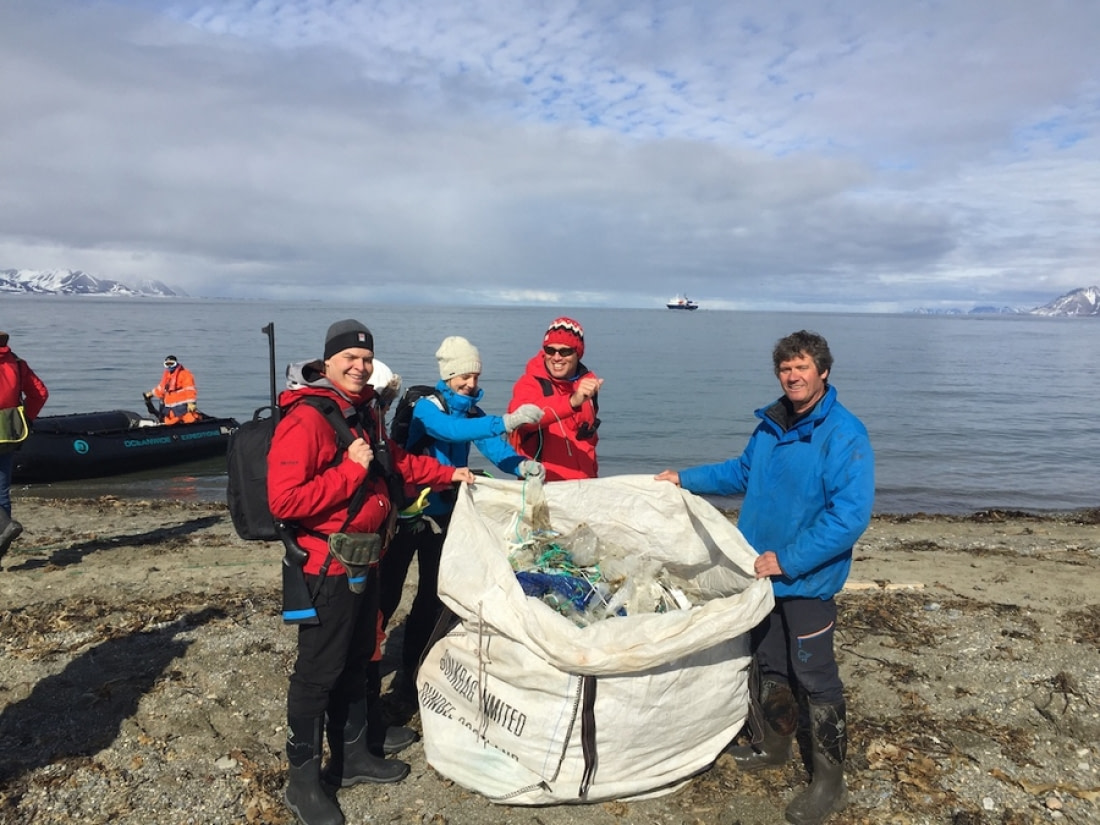
The bulk of Arctic waste washes to the shoreline, polluting feeding grounds. But in 2018, members of the Associated of Arctic Expedition Cruise Operators (AECO) led 128 beach cleanups that eliminated over 40 tons of refuse.
blog-image

These cleaning groups are composed mostly of tourists who volunteer their services during their cruise holidays, helping preserve an environment they’ve grown to love.

Not only that, we assist in the documentation and analysis of Arctic litter: We’re currently helping scientists like Wouter Jan Strietman monitor plastics and microplastics as part of his Arctic Litter Project with Wageningen University & Research.

As most Arctic plastics come from fisheries, part of this project is meant to instruct these large-scale sources of litter in better practices that will prevent future pollution.
blog-image

To further prevent harm to the polar ecosystem, we also work with scientists studying non-native species in the Arctic: Martine Van den Heuvel-Greve, for example, is on our vessel Plancius studying invasive marine species in the Arctic.

As for our own practices, our guests must always clean their boots in solution when leaving or entering the vessels. Plastic, after all, is not the only polar contaminant.
blog-image

Assisting polar climate research

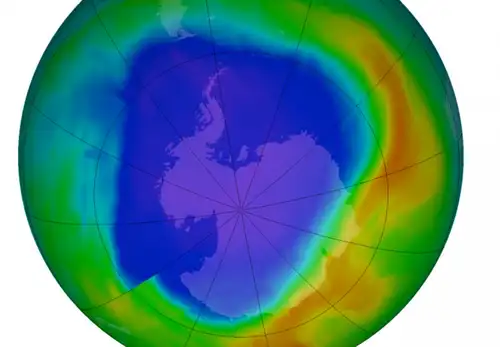
Other long-term sustainability solutions lie in advancing our understanding of climate change, what its effects are, and how we can curtail (or possibly even reverse) its devastating impact.

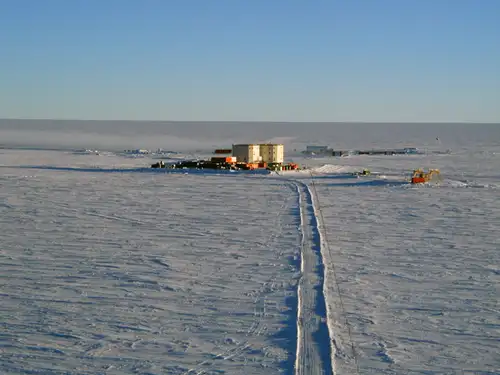
Scientists in the polar regions, an area that represents the front line of climate change, are working hard to accomplish this by studying ice cores, weather fluctuations, and CO2 concentrations.
blog-image

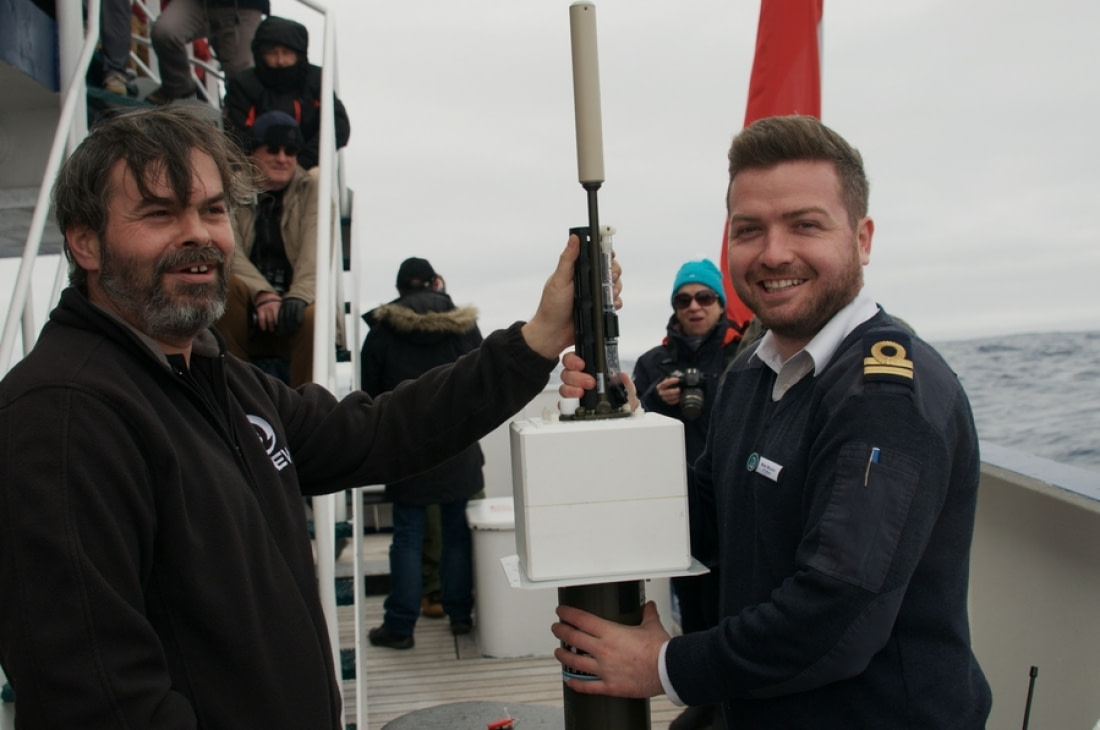
We host many of these researchers aboard our vessels and also hire some of them as lecturer-guides. This enables these scientists to share their findings with our polar passengers, who typically make for a highly receptive audience.

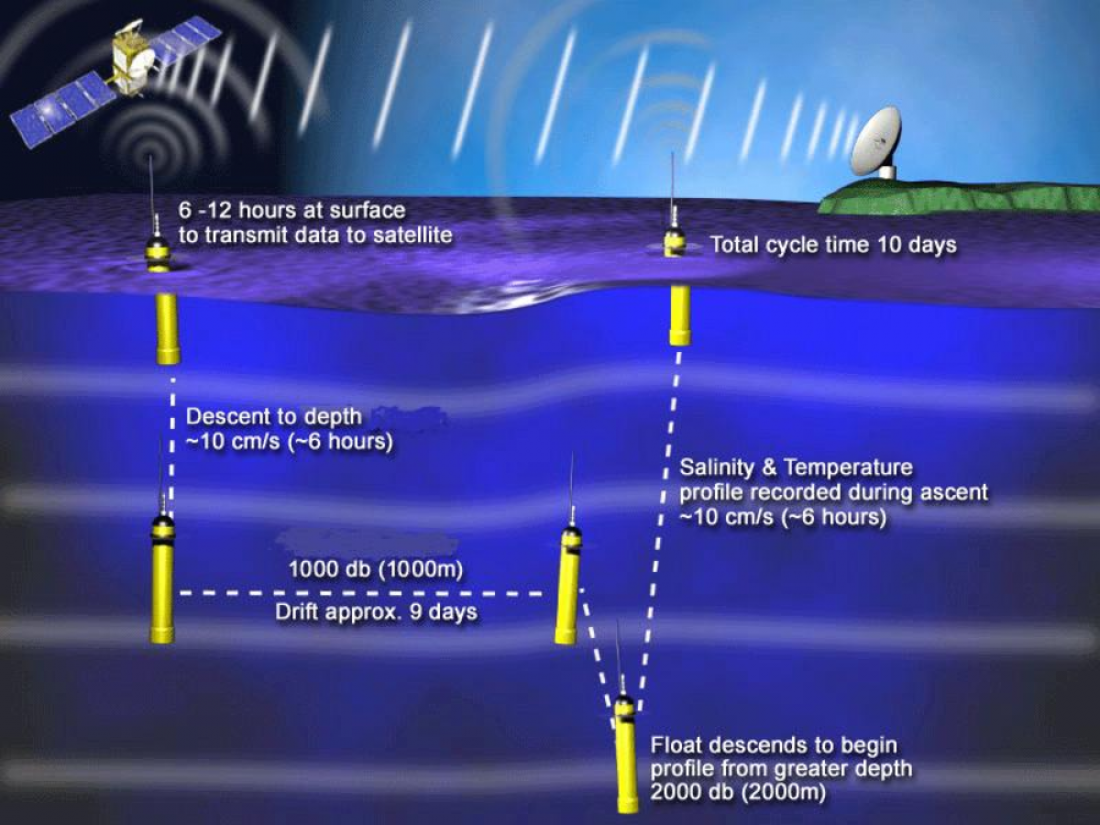
Moreover, we sometimes deliver scientific equipment. We’ve been helping position ARGO floats, for instance, since 2012. These floats measure water temperature, salinity, and pressure, all vital attributes for understanding how climate change impacts the oceans.
blog-image

The polar regions: to see or not to see

The risk-to-reward ratio of expedition travel boils down to a familiar conundrum:

On one hand, if nobody experiences these beautiful environments, how passionate are they likely to be about preserving them? On the other, it may be impossible to eliminate the impact of travel altogether, no matter how green your technology or strict your regulations.

This predicament’s obvious answer, and probably its most realistic, is that we continue zeroing in on that ever-elusive balance between exposure and conservation.

To do this, we have to keep green-tuning our technology to the same extent that we continue advancing our understanding of the vulnerable polar ecosystem.

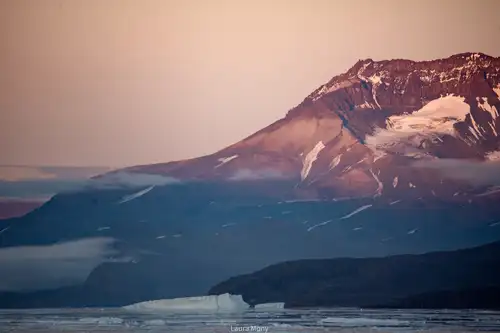
Our end goal should be an expedition industry that protects the polar regions as much as it reveals their transformative beauty to the world. Because while these areas are too good not to share, they’re also too precious (to us least of all) not to protect.

blog-image

Blog
go-leftgo-right

Franz Josef Land Sites, Species, and Experiences - Nexta Expeditions
Blog

Franz Josef Land Sites, Species, and Experiences

The archipelago of Franz Josef Land is to Russia what Svalbard is to Norway: Both island groups offer excellent Arctic scenery, adventurous outdoor activities, and a good chance of seeing iconic species like polar bears and walruses - alongside a wide range of marine mammals and seabirds.
Amazing Greenland - Nexta Expeditions
Blog

Amazing Greenland

If you ever get the chance to take a trip to Greenland, you will be amazed by its coastlines, fjords, ice-covered peaks, and great expanse of snow-covered land. You will also notice that Greenland is a rugged area with a rich diversity of life, making it a dream location for scientists as well.
Taking a polar expedition cruise delivers no shortage of show-stopping highlights, but one of the most exhilarating is lifting off from the ship in a helicopter and taking flight over the incomparable Antarctic wilderness. - Nexta Expeditions
Blog

Taking a polar expedition cruise delivers no shortage of show-stopping highlights, but one of the most exhilarating is lifting off from the ship in a helicopter and taking flight over the incomparable Antarctic wilderness.

Embarking on a polar expedition cruise offers a plethora of breathtaking experiences, but one of the most thrilling is taking off from the ship in a helicopter and soaring over the stunning Antarctic wilderness.
Harp seals harping on in Greenland - Nexta Expeditions
Blog

Harp seals harping on in Greenland

Harp seals are a moderately sized species, typically reaching about 1.6 meters in length and weighing around 130 kilograms. Both males and females are similar in size and weight, with males being only slightly larger. They possess a thick, robust body, a small broad and flat head, short narrow flippers, and a narrow muzzle.
Life in the Polar Regions - Nexta Expeditions
Blog

Life in the Polar Regions

Polar bears in the Arctic, penguins in Antarctica.
10 Terrific Antarctic Bird Facts - Nexta Expeditions
Blog

10 Terrific Antarctic Bird Facts

Antarctica is a premier destination for birdwatching, boasting around 45 unique species. Describing them all would require an extensive article, so here we will focus on 10 fascinating facts about the birds you can encounter in Antarctica.
Experience King Penguins, Seals and More in South Georgia - Nexta Expeditions
Blog

Experience King Penguins, Seals and More in South Georgia

One of the most remarkable aspects of South Georgia Island is its immense population of King penguins. This island serves as a significant breeding ground, and breathtaking aerial photos have captured the sight of hundreds of thousands of King penguins gathered together. This colony is known as the largest crèche in the world, making it one of the top destinations globally for observing King penguins.
The Giant Petrels of King George Island - Nexta Expeditions
Blog

The Giant Petrels of King George Island

Antarctica is undeniably one of the world’s premier birding destinations.
Six Facts About the Crabeater Seals of Antarctica - Nexta Expeditions
Blog

Six Facts About the Crabeater Seals of Antarctica

Antarctic fur seals, leopard seals, Weddell seals, Ross seals, southern elephant seals... The many seal species of Antarctica all have names that are in some way explained by their appearance or primary region of distribution.
Svalbard vs. the Canadian Arctic - Nexta Expeditions
Blog

Svalbard vs. the Canadian Arctic

It’s easy to assume the Arctic is uniform, a vast expanse of northern freeze shaped by snow, ice, and endless darkness.
Imperial Antarctica: the Snow Hill Emperor Penguins - Nexta Expeditions
Blog

Imperial Antarctica: the Snow Hill Emperor Penguins

Recently, a rare achievement was made by visiting Antarctica’s northernmost emperor penguin colony on Snow Hill Island. Typically surrounded by impassable pack ice, Snow Hill is a notoriously difficult destination in the Weddell Sea cruise itinerary, only accessible using helicopters carried especially for this purpose.
15 Fantastic Photos of Antarctica - Nexta Expeditions
Blog

15 Fantastic Photos of Antarctica

It is often said that it's impossible to take a bad picture in Antarctica.
A Bug’s Life in Svalbard - Nexta Expeditions
Blog

A Bug’s Life in Svalbard

When you think about Svalbard wildlife, you might imagine reindeer, Arctic foxes, polar bears – the primary animal attractions that draw passengers to an Arctic cruise. But in fact, the Svalbard archipelago is a thriving location for over 1,000 species of terrestrial and freshwater invertebrates: animals that lack backbones. Despite this richness of life, however, these invertebrates are only found in the Isfjord and Kongsfjord areas of these wonderfully diverse islands.
Circumnavigating Spitsbergen - Nexta Expeditions
Blog

Circumnavigating Spitsbergen

Many of our expedition cruises focus on specific areas of the Arctic or Antarctica, delving deep into local wildlife and other natural highlights. However, some programs aim to provide a broader survey, visiting a variety of sites to offer guests a wider perspective.
Adélie Penguins: the Little People of the Antarctic - Nexta Expeditions
Blog

Adélie Penguins: the Little People of the Antarctic

Described as “an object of endless pleasure and amusement” by Apsley Cherry-Garrard, survivor of Robert Falcon Scott’s ill-fated Terra Nova expedition to the South Pole, the Adélie penguin stands with the regal and iconic emperor penguin as one of only two penguin species found on mainland Antarctica.
10 Illuminating Facts about the Northern Lights - Nexta Expeditions
Blog

10 Illuminating Facts about the Northern Lights

In Roman mythology, Aurora was the goddess of the dawn. The term "borealis" is derived from the Greek word for "wind." Thus, "aurora borealis" translates to "dawn wind," commonly known as the Northern Lights. This natural phenomenon has captivated humanity for millennia and remains a major attraction in the Arctic, with numerous cruises dedicated to witnessing this mesmerizing light display.
What to pack for your Atlantic Odyssey voyage? - Nexta Expeditions
Blog

What to pack for your Atlantic Odyssey voyage?

When packing, avoid burdening yourself with excessive clothing or gear. Opt for casual, practical attire that can be layered. Consider including the following:
The bowhead whale, whaling about the Arctic - Nexta Expeditions
Blog

The bowhead whale, whaling about the Arctic

The bowhead whale typically resides near pack ice, often in shallow waters. These whales are commonly found north of Europe, between Canada and Greenland, in the Hudson Bay area, the Okhotsk Sea, and the Bering, Chukchi, and Beaufort seas. In these regions, they filter food through their large baleen plates. Bowheads are known to open their large mouths and graze along the surface, in the water column, or on the sea floor.
Arctic Flowers, Trees, and Other Plant Life - Nexta Expeditions
Blog

Arctic Flowers, Trees, and Other Plant Life

When many people think of the Arctic, they probably imagine a stark white wasteland devoid of anything except snow, glaciers, and the occasional far-wandering polar bear.
Visiting the Nearly Unknown: New Zealand’s Campbell Island - Nexta Expeditions
Blog

Visiting the Nearly Unknown: New Zealand’s Campbell Island

New Zealand is a renowned destination globally, and for good reason: It’s absolutely stunning. Almost every corner is filled with unparalleled beauty. But did you know that New Zealand includes several sub-Antarctic Islands that are almost completely unknown?