Port Pastimes 7 Fun Things To Do In Longyearbyen - Nexta Expeditions
Port Pastimes: 7 Fun Things to Do in Longyearbyen

Port Pastimes: 7 Fun Things to Do in Longyearbyen

Waiting in port for an Arctic expedition cruise to begin might seem a little like waiting for water to boil or coffee to brew or a Seinfeld reunion to materialize: Time seems to defy its own laws, life slows to a crawl, and you begin to wonder if it’s really going to be worth it.

(In the case of an Arctic trip, we assure you it certainly is.)

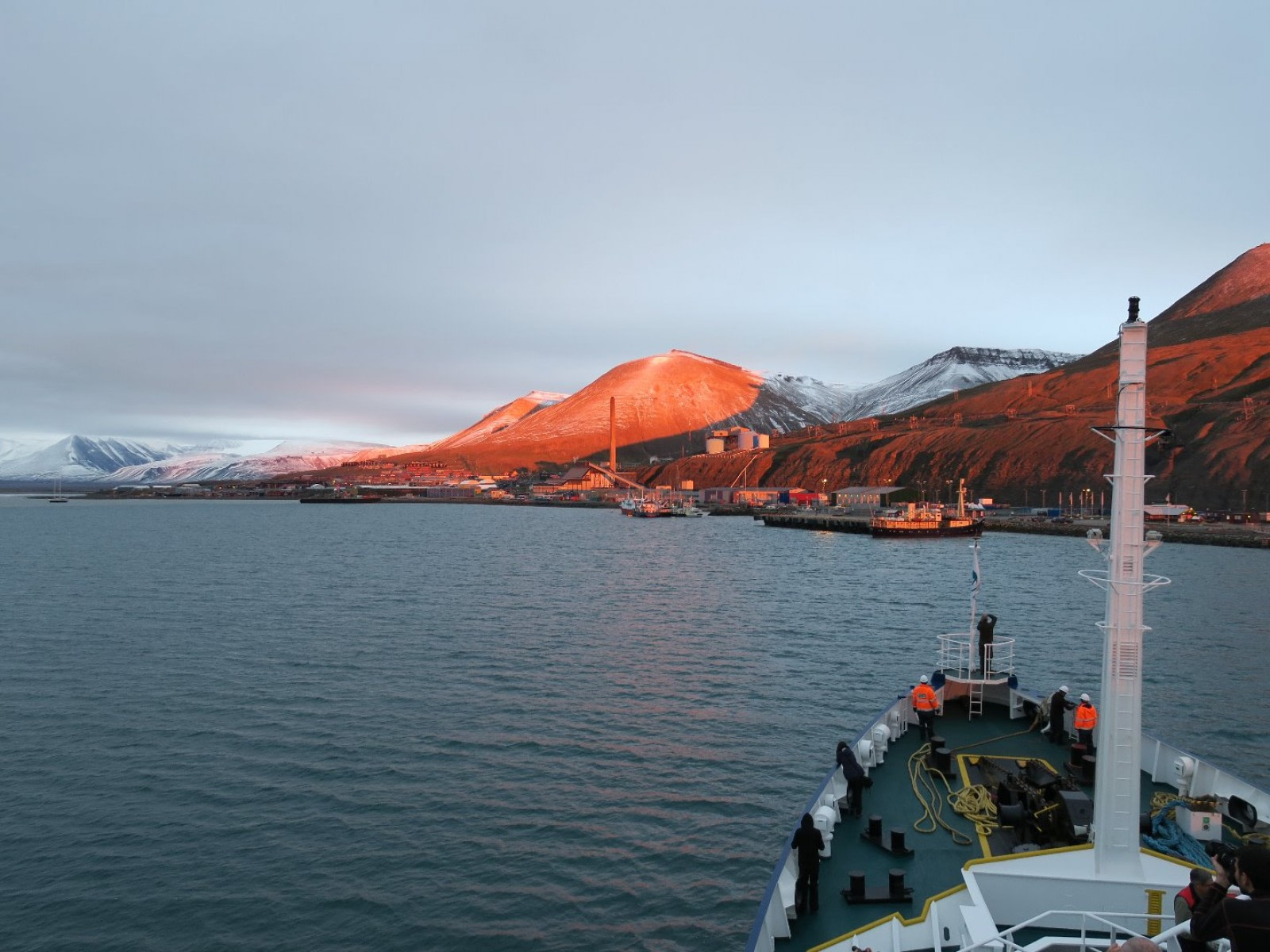
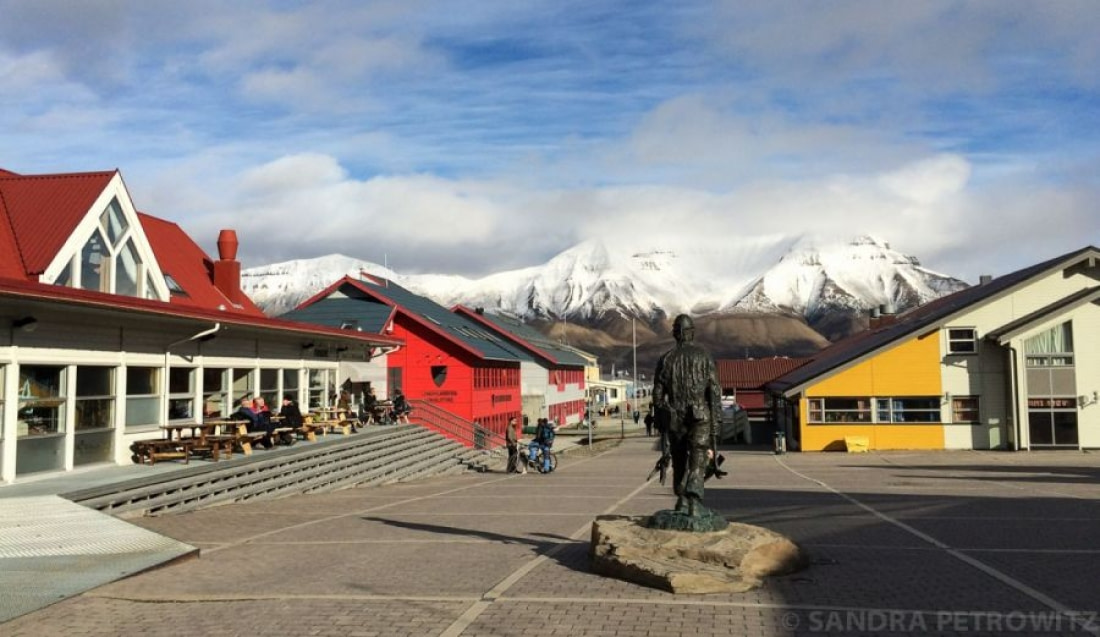
But it doesn’t have to be that way - if you’re embarking from Longyearbyen, that is. Longyearbyen is the capital of the Arctic archipelago of Svalbard, and despite being one of the most remote settlements on the planet, is filled with entertaining diversions to while away the hours (or days) while you’re waiting to set out on your Arctic adventure.

Here are seven attractions we think you’ll enjoy in and around Longyearbyen.
blog-image

1. Svalbard museum: Longyearbyen’s glimpse into the past

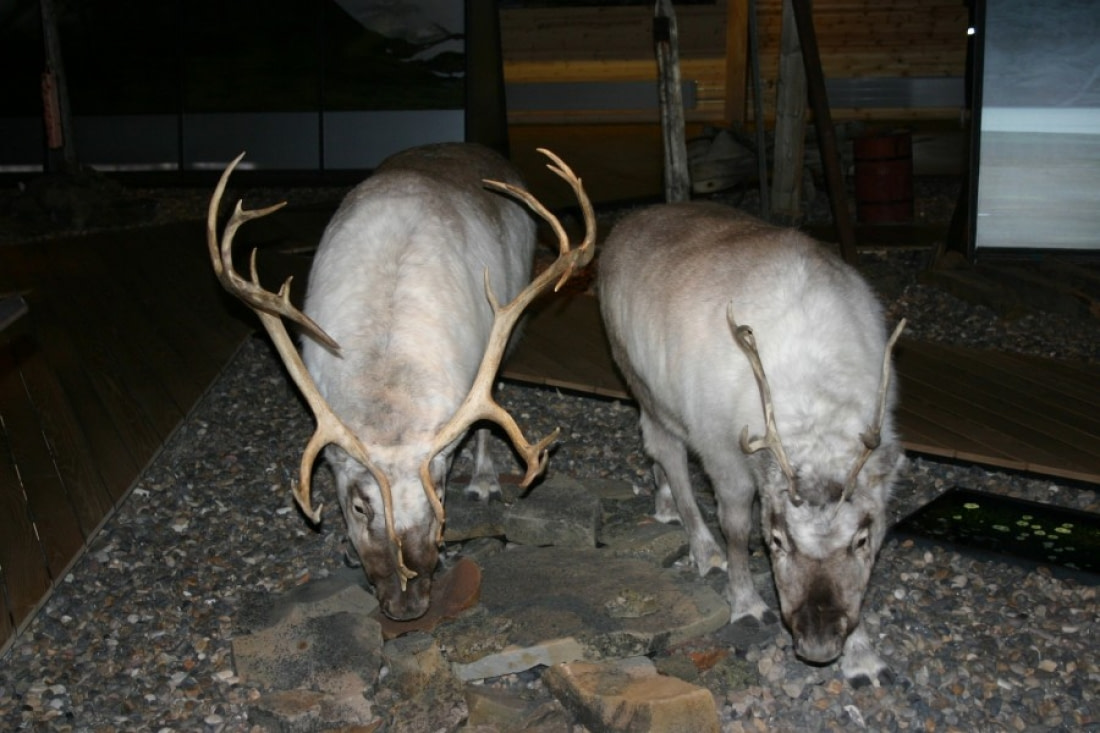
Opened in 1979, the Svalbard Museum is probably the most extensive of the four museums on the island of Spitsbergen, composed of over 1,700 art works, photos, and books.

The Svalbard Museum is a great way to whet your appetite for your Arctic expedition, offering fascinating insights into 400 years of Spitsbergen history. Its exhibits explore European whaling, bird migration, Pomor culture, and various topics concerning the local ecosystem.
blog-image

2. Svalbard Bryggeri (brewery): the place for pints in Longyearbyen

After a visit to the Svalbard Museum has expanded your awareness, a stop at the Svalbard Bryggeri (or brewery, if you’re not so very Viking) will enliven your palate.

Located at 78°N, along with the rest of Longyearbyen, the Svalbard Brewery is the northernmost commercial brewery in the world. Not only that, the proprietors had to change Norwegian law in 2015 just to legally brew alcohol in Svalbard.

Enjoy one (after another) of the Svalbard Brewery’s signature beers, the water of which is 16% thawed ice from the local 2,000-year-old Bogerbreen Glacier.

blog-image

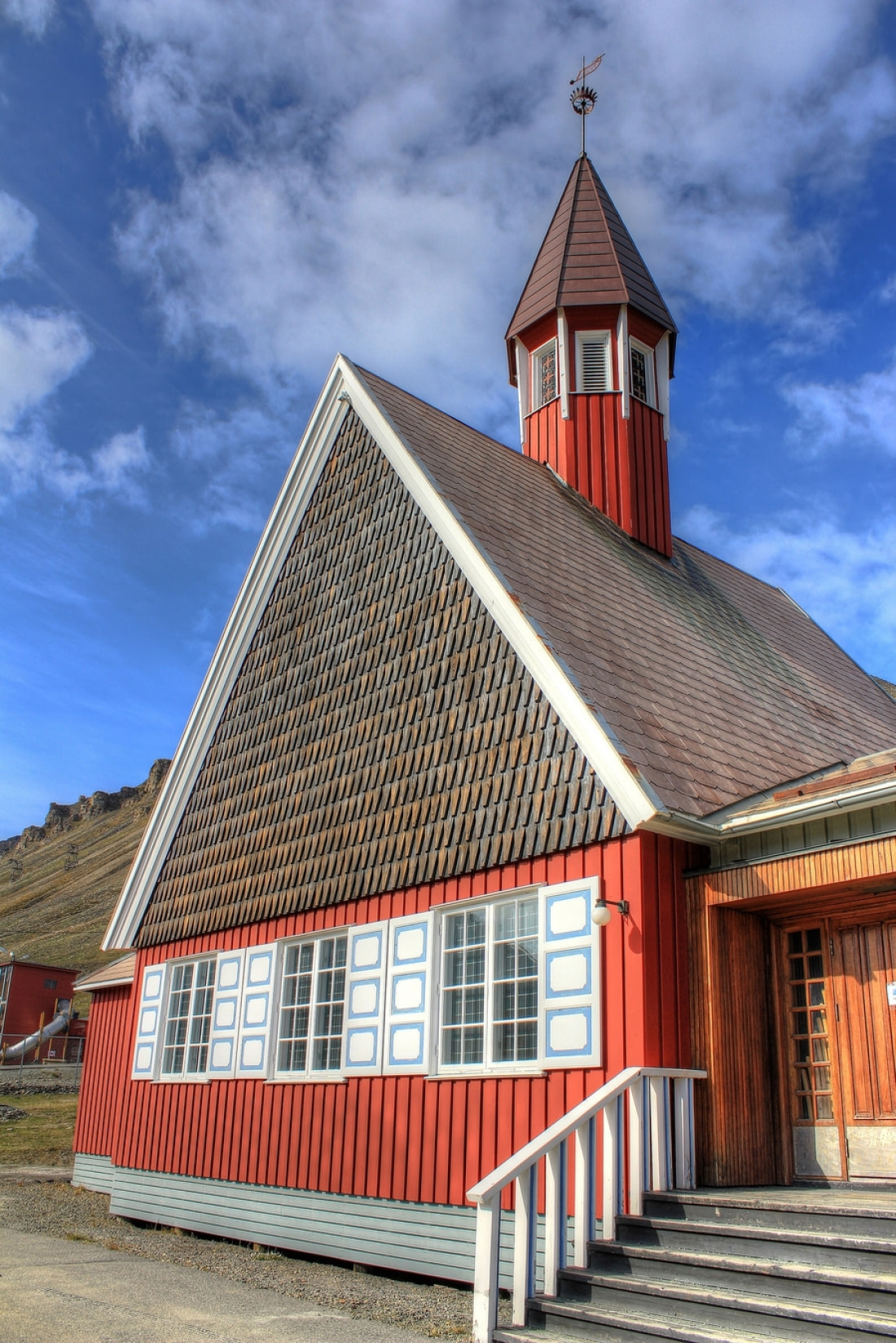
3. Svalbard Church: Earth’s almost-northernmost church

If you imbibe a little too much at the Svalbard Bryggeri (heaven forbid) and feel like doing some atoning, Longyearbyen’s local Svalbard Church is not far away.

The Svalbard Church used to be the northernmost church in the world until the St. Nicolas Church was built in Nagurskoye, Russia. But even so, Svalbard’s worship house is nothing if not a survivor: After being built in 1921, it was bombed in WWII, only to be rebuilt in 1956.

Also, the silver altar candlesticks and baptismal bowl in the Svalbard Church were gifts from King Haakon VII and Queen Maud, and can still be seen there.
blog-image

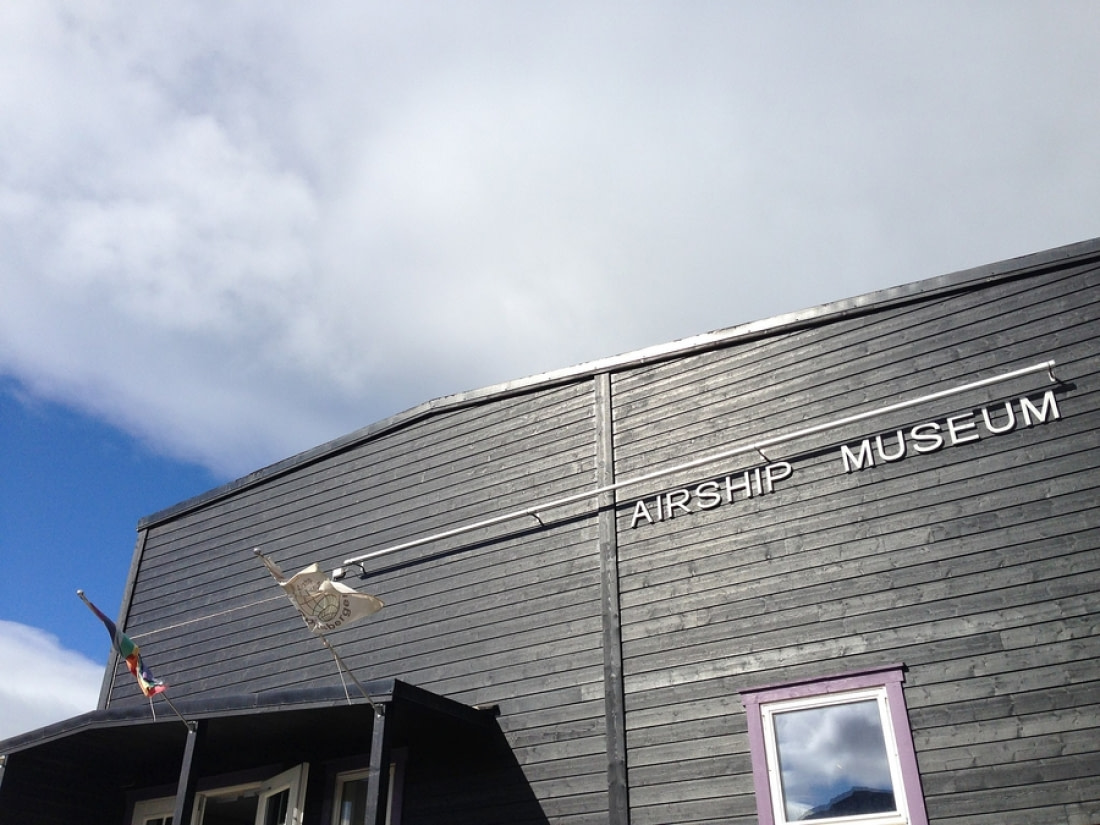
4. North Pole Expedition Museum (Spitsbergen Airship Museum): Longyearbyen’s spot for Arctic aviation history

After saying your prayers, perhaps you’d next be ready to ascend into the heavens via an historic aeronautical museum.

The North Pole Expedition Museum, previously known as the Spitsbergen Airship Museum, opened in 2008. This date was noteworthy for a few reasons.

For one, it was the 80th anniversary of the crash of the Italia, the airship used by Italian engineer, aviator, and Arctic explorer Umberto Nobile to fly around the North Pole. It was also the 30th anniversary of Nobile’s death, and in fact, several descendants of Nobile and Amundsen (who died trying to rescue the Italia crew), attended the opening ceremony of the museum.

Exhibits in this prized Longyearbyen attraction delve into major air-based Arctic expeditions, such as that of the airship America, Norge, and of course, Italia, among many other things.
blog-image

5. Svalbard Husky: the preferred method of Longyearbyen travel

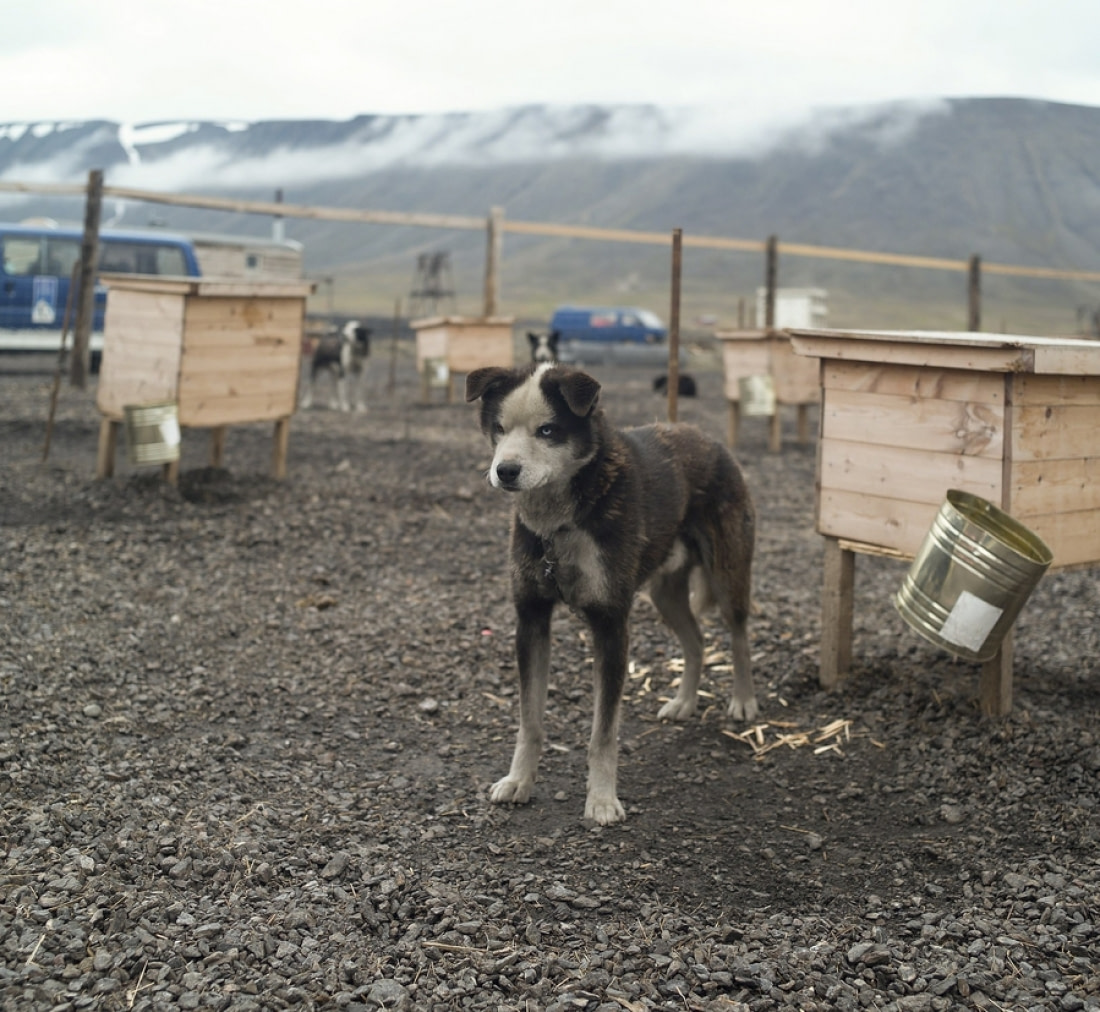
If you’ve seen the above museum but are still looking to get more wind in your sails, it’s tough to argue with a Longyearbyen sled ride powered by a pack of very enthusiastic huskies.

Svalbard Husky is a family-owned, ecologically friendly business with about 100 dogs, focusing on sledding expeditions that can carry you out of Longyearbyen and into the Arctic wilderness for short excursions (1.5 hours), longer outings (4 hours), and even overnight trips.

Tours include northern lights viewing and visits to natural landmarks, where guests are taught to assist in handling the huskies, experiencing the work of a real Arctic dog musher.
blog-image

6. Svalbard Global Seed Vault: Longyearbyen’s international seed stash

You’ve probably already heard about the Svalbard Global Seed Vault, due in no small part to the rapidly escalating news about global warming – and the fact that this phenomenon is human caused, which 100 percent of peer-reviewed scientific findings support.

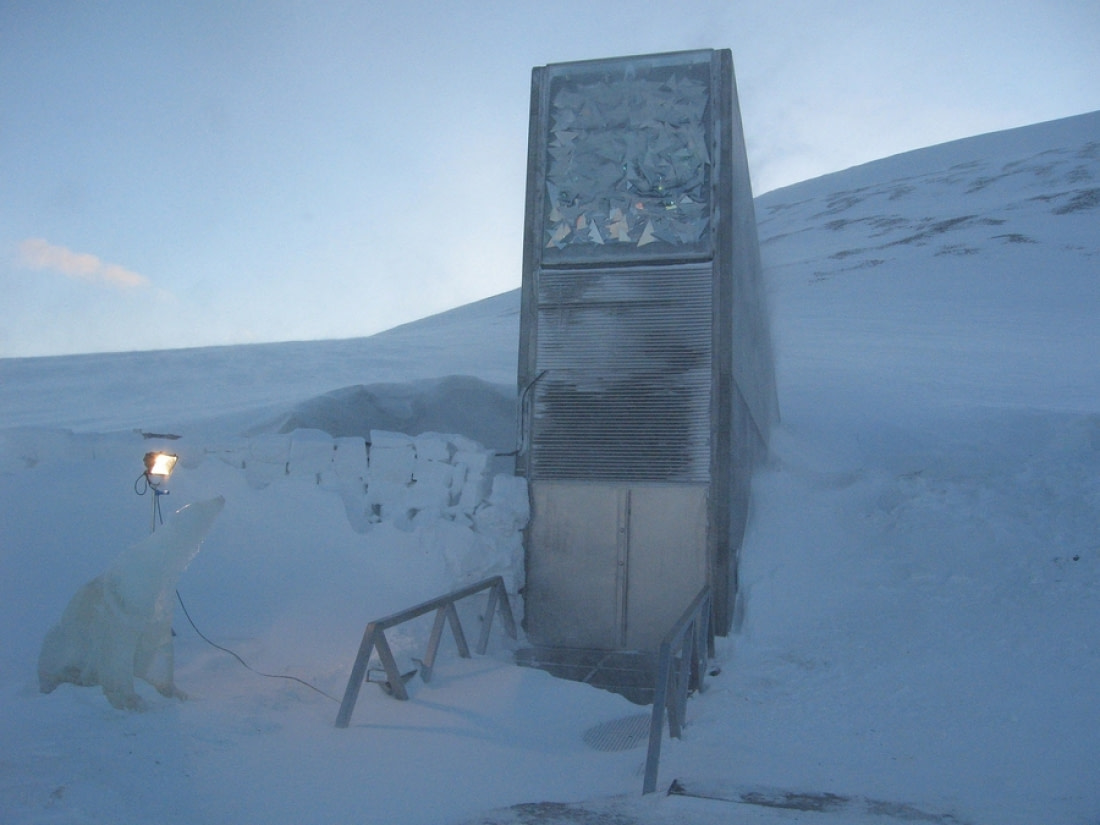
But at least some humans do something about it: The Svalbard Global Seed Vault, known simply as the Vault, is where the world’s largest backup reserve of genetic crop material is held.

Almost a million seed samples from nearly every country on the planet are stored there.

And though you can’t simply stroll out of Longyearbyen and pay a visit to the Vault, you can book one of the organized tours that take travelers near the entrance on a regular basis.

Enjoy marveling at the striking frontal structure of the Vault, and when you head back into Longyearbyen, perhaps consider another visit to the Svalbard Church (or better yet, Svalbard Bryggeri) to pray we never have to use it.
blog-image

7. Further Longyearbyen activities: When in doubt, VisitSvalbard.com

As for the other more sports-based Longyearbyen attractions, they’re too numerous to list here without turning this article into an all-too-magnificent survey of Arctic adventure extraordinaire.

But if you’re looking to stay in Longyearbyen a few days before or after your cruise (and if hot air ballooning, skiing, snowmobiling, kayaking, cycling, boat tours, ATV safaris, horseback riding, or anything in-between sounds attractive), check out Visit Svalbard to explore all the many options.

Whatever you end up doing or not doing, Longyearbyen will prove a charming and multi-faceted port that can’t help but stoke your explorative spirit for the Arctic.


Blog
go-leftgo-right

Antarctica in Pictures: Photos from 2018 - Nexta Expeditions
Blog

Antarctica in Pictures: Photos from 2018

Pictures can never truly capture the essence of an experience, and this is especially true for the breathtaking adventures in Antarctica.
Experience King Penguins, Seals and More in South Georgia - Nexta Expeditions
Blog

Experience King Penguins, Seals and More in South Georgia

One of the most remarkable aspects of South Georgia Island is its immense population of King penguins. This island serves as a significant breeding ground, and breathtaking aerial photos have captured the sight of hundreds of thousands of King penguins gathered together. This colony is known as the largest crèche in the world, making it one of the top destinations globally for observing King penguins.
Cruising Solo: The Benefits of Single-Passenger Polar Travel - Nexta Expeditions
Blog

Cruising Solo: The Benefits of Single-Passenger Polar Travel

Traveling is often done with family, friends, or romantic partners. However, the benefits of solo travel, especially in polar regions, deserve more attention.
Coming Back from the Brink: The Fur Seals of Antarctica - Nexta Expeditions
Blog

Coming Back from the Brink: The Fur Seals of Antarctica

Once hunted to the brink of extinction, the Antarctic fur seal is now one of the most populous and charismatic species of seal you’re likely to encounter during your Antarctica trips. Unlike other members of its large family, the fur seal has external ears, or pinnae, a short snout, and a thick coat of dark brown fur. Male seals tend to be larger than females, with weights ranging from 91 kg (200 lbs.) to 215 kg (474 lbs.).
Taking the Polar Plunge - Nexta Expeditions
Blog

Taking the Polar Plunge

There are some human activities that for many people simply defy understanding: We juggle chainsaws, we breathe fire, we fling ourselves out of perfectly good airplanes.
Going Green: Ascension Island Sea Turtles - Nexta Expeditions
Blog

Going Green: Ascension Island Sea Turtles

Gold beaches, green mountains - and greener turtles.
Six Must-See Svalbard Sites - Nexta Expeditions
Blog

Six Must-See Svalbard Sites

It's home to humanity's last-ditch supply of crop seeds, the world's northernmost settlement of over 1,000 people, and it is one of the best places on Earth to spot a polar bear.
Get to Know Your Ice - Nexta Expeditions
Blog

Get to Know Your Ice

Ice plays a crucial role in everything from cooling your drink to regulating the planet's temperature. Let's explore the various forms of ice you might encounter during an Arctic or Antarctic adventure.
Eight Ultimate Antarctica Adventures - Nexta Expeditions
Blog

Eight Ultimate Antarctica Adventures

Antarctica has adventure in its bones. Long before most travelers even reach the continent, they have to cross the Drake Passage, an oft-tumultuous waterway considered by many a hallmark of high adventure in itself. Once you do reach the Antarctic shores, the variations of landscape and wildlife are as multiform as the activities you can pursue there. While not all of these activities can or should be shoehorned into a single article, this piece will give you a survey of the top eight. Like everything in the polar regions, these activities are subject to weather conditions – and your own threshold for adventure.
The secrets of Antarctic seals revealed - Nexta Expeditions
Blog

The secrets of Antarctic seals revealed

There are only six species of seals that inhabit the Antarctic: Southern elephant seals, Antarctic fur seals, crabeater seals, leopard seals, Ross seals, and Weddell seals. While we are familiar with these species, much about their lives remains a mystery.
17 Reasons to Cruise the Falklands - Nexta Expeditions
Blog

17 Reasons to Cruise the Falklands

Maybe you’ve already marveled at the colossal penguin colonies of South Georgia, sailed among the plunging seals of the Antarctic Peninsula, and watched whales in the Weddell Sea lunge among titanic tabular icebergs.
10 Terrific Antarctic Bird Facts - Nexta Expeditions
Blog

10 Terrific Antarctic Bird Facts

Antarctica is a premier destination for birdwatching, boasting around 45 unique species. Describing them all would require an extensive article, so here we will focus on 10 fascinating facts about the birds you can encounter in Antarctica.
Six Facts About the Crabeater Seals of Antarctica - Nexta Expeditions
Blog

Six Facts About the Crabeater Seals of Antarctica

Antarctic fur seals, leopard seals, Weddell seals, Ross seals, southern elephant seals... The many seal species of Antarctica all have names that are in some way explained by their appearance or primary region of distribution.
The Small but Social Commerson’s Dolphin - Nexta Expeditions
Blog

The Small but Social Commerson’s Dolphin

Despite being one of the lesser-known Antarctic cetaceans, Commerson's dolphins are quite social and have been given various names over the years, including Piebald dolphins, skunk dolphins, and panda dolphins. These names have been in use since their discovery in 1767 by French naturalist Philibert Commerson.
The Wonderful Weddell Sea: Places, Pics, and Impressions - Nexta Expeditions
Blog

The Wonderful Weddell Sea: Places, Pics, and Impressions

When we talk about Antarctica, it’s easy to slip into familiar words: amazing, astounding, extraordinary, exceptional. And though most Antarctic locations more than deserve these descriptions, some deserve them more than others.
The First Overwintering Hut in Antarctica - Nexta Expeditions
Blog

The First Overwintering Hut in Antarctica

In 1899, Carsten Borchgrevink and his nine crewmen became the first to spend the winter in a hut in Antarctica. (Technically, the Belgian Antarctic Expedition of 1897-1899 was the first to overwinter there, though this was done on their vessel after it was caught in ice.) Borchgrevink and his men spent the dark winter months isolated in a dirty hut, surrounded by equipment and sled dogs fighting each other outside.
The Emperor Penguin of the Drake Passage - Nexta Expeditions
Blog

The Emperor Penguin of the Drake Passage

There are certain moments in life when a series of events combine to create an experience that is both unexpected and unforgettable. These are the times when you are reminded how fortunate you are to be a part of something that few people will ever have the opportunity to experience. This trip to Antarctica was full of these moments for me.
Camping in Antarctica: a True Expedition Experience - Nexta Expeditions
Blog

Camping in Antarctica: a True Expedition Experience

We often think of camping as a summer activity, filled with warm nights, campfire dinners, and serene mountain lakes. However, there's a whole other world of camping to explore.
Eight Antarctic Misconceptions - Nexta Expeditions
Blog

Eight Antarctic Misconceptions

Antarctica has given rise to some pretty far-fetched rumors.
Guidelines for visitors to Antarctica - Nexta Expeditions
Blog

Guidelines for visitors to Antarctica

Activities in the Antarctic are governed by the Antarctic Treaty of 1959 and associated agreements, collectively known as the Antarctic Treaty System. The Treaty established Antarctica as a zone dedicated to peace and science. In 1991, the Antarctic Treaty Consultative Parties adopted the Protocol on Environmental Protection to the Antarctic Treaty, designating the Antarctic as a natural reserve.