Spitsbergen A True Polar Bear Trip - Nexta Expeditions
Spitsbergen: a true polar bear trip

Spitsbergen: a true polar bear trip

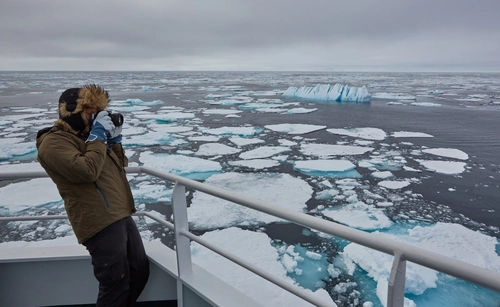
On the third day of our Svalbard cruise, we navigated through the sea ice north of Spitsbergen. The morning greeted us with fog and fragmented ice, but conditions gradually improved. A swarm of black-legged kittiwakes trailed behind us, as our ship stirred the waters, pushing aside ice floes to reveal the tiny dark polar cod beneath.

Shrieking and flapping their wings frantically, the kittiwakes dove repeatedly to catch their favorite meal. Fulmars glided by, mostly ignoring the feeding frenzy at the stern. Occasionally, we spotted an ivory gull and several pomarine skuas.

In the distance, we observed bearded seals, resembling dark sausages on the ice, and harp seals splashing around intermittently. However, no polar bears had been sighted yet.

blog-image

The beauty of the Spitsbergen ice

The day in the ice was nothing short of incredible, calm and serene. We were in awe of the scenery, taking in the vast expanse of the icy realm stretching in all directions. It was unlike anything we had ever seen. We watched as the ship’s bow pushed aside the floes, creating new cracks for the kittiwakes to dive into.

We took countless photos of the feeding, flying, or resting birds. Among them were young ones, identifiable by the black markings on their heads and wings. Still, we held out hope for a polar bear sighting.

While our expedition team scanned the area from the bridge, many of us joined the search from the outer decks or the panorama lounge. It was hard not to be distracted by the stunning ice surrounding us!

blog-image

One bear, two bears, three polar bears…

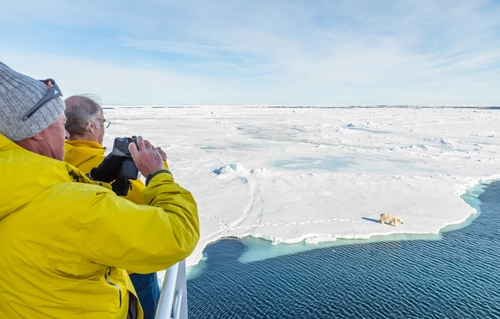
Suddenly, an announcement from our expedition leader, Rinie van Meurs, filled the air, and his excitement was palpable: Bears had been spotted – not just one, but three! Everyone who wasn’t already outside or in the lounge rushed to their cabins for warm clothing, binoculars, and cameras.

As we slowly approached the location where the bears had been sighted, it became clear that there were actually four bears, and they were very close together!

blog-image

Dancing Svalbard polar bears

Our captain skillfully inched the ship closer, when suddenly two of the bears began sparring – a behavior rarely observed in the Barents Sea. We watched breathlessly as they wrestled, eventually standing up and balancing on their hind legs as if engaged in a strange dance.

At the same time, the fog that had begun to settle lifted, allowing sunlight to break through. Cameras clicked away at the backlit bears, their outlines glowing.

blog-image

A feast for the ivory gulls of Spitsbergen

The two sparring bears were clearly young males. The third bear, another young male, curiously approached the ship but then hesitated, hiding behind a lump of ice with just his head peeking out.

The fourth bear, an older male, had had enough of the youthful antics and retreated a few meters. Over 60 ivory gulls either sat on the ice, waiting patiently, or paced back and forth near the remains of what had once been a bearded seal.

Only skin and bones were left, but that was more than enough for the birds, including several young ones with their polka-dot plumage.

blog-image

Here comes polar bear number five!

While we were engrossed in the scene, we almost missed a new addition: A fifth male bear wandered in, sniffing the air, drawn by the scent of the kill.

blog-image

He approached cautiously. None of the other bears seemed to mind, allowing him to come closer until he finally reached the carcass. There wasn’t much left to nibble on, but our Svalbard expedition provided an extraordinary experience of seeing five bears in one spot. It was even possible to capture all of them in a single photo.

A truly remarkable polar bear adventure!
Best Deals

Related Trips

Alpine Peaks of Spitsbergen, Ski & Sail - Nexta Expeditions
The Arctic
Longyearbyen

Alpine Peaks of Spitsbergen, Ski & Sail

calendar24 Apr 2026 - 01 May 2026
clock8 Days / 7 Nights
From $ 3.950 per person
Alpine Peaks of Spitsbergen, Ski & Sail - Nexta Expeditions
The Arctic
Longyearbyen

Alpine Peaks of Spitsbergen, Ski & Sail

calendar01 May 2026 - 08 May 2026
clock8 Days / 7 Nights
From $ 3.950 per person
Arctic Ocean - Fair Isle, Jan Mayen, Ice Edge, Spitsbergen, Birding - Nexta Expeditions
The Arctic
Aberdeen

Arctic Ocean - Fair Isle, Jan Mayen, Ice Edge, Spitsbergen, Birding

calendar27 May 2026 - 05 Jun 2026
clock10 Days / 9 Nights
From $ 3.100 per person
North Spitsbergen - Arctic Spring ,  Hike & Sail - Nexta Expeditions
The Arctic
Longyearbyen

North Spitsbergen - Arctic Spring , Hike & Sail

calendar29 May 2026 - 05 Jun 2026
clock8 Days / 7 Nights
From $ 4.000 per person
North Spitsbergen Explorer - Into the pack ice - Polar Bear Special - Nexta Expeditions
The Arctic
Longyearbyen

North Spitsbergen Explorer - Into the pack ice - Polar Bear Special

calendar05 Jun 2026 - 12 Jun 2026
clock8 Days / 7 Nights
From $ 4.500 per person
Arctic Ocean - Jan Mayen, Ice edge, Spitsbergen, Birding - Nexta Expeditions
The Arctic
Akureyri

Arctic Ocean - Jan Mayen, Ice edge, Spitsbergen, Birding

calendar05 Jun 2026 - 13 Jun 2026
clock9 Days / 8 Nights
From $ 2.800 per person
Arctic Ocean - Fair Isle, Jan Mayen, Ice edge, Spitsbergen, Birding - Summer Solstice - Nexta Expeditions
The Arctic
Aberdeen

Arctic Ocean - Fair Isle, Jan Mayen, Ice edge, Spitsbergen, Birding - Summer Solstice

calendar12 Jun 2026 - 21 Jun 2026
clock10 Days / 9 Nights
From $ 3.100 per person
North Spitsbergen Explorer - Into the pack ice - Polar Bear Special - Nexta Expeditions
The Arctic
Longyearbyen

North Spitsbergen Explorer - Into the pack ice - Polar Bear Special

calendar12 Jun 2026 - 19 Jun 2026
clock8 Days / 7 Nights
From $ 4.500 per person
North Spitsbergen Explorer - Versatile landscapes, sea ice & wildlife - Nexta Expeditions
The Arctic
Longyearbyen

North Spitsbergen Explorer - Versatile landscapes, sea ice & wildlife

calendar13 Jun 2026 - 20 Jun 2026
clock8 Days / 7 Nights
From $ 4.500 per person
North Spitsbergen Basecamp – Summer Solstice - Free Kayaking, Hiking, Photo Workshop, Diving (supplemented) - Nexta Expeditions
The Arctic
Longyearbyen

North Spitsbergen Basecamp – Summer Solstice - Free Kayaking, Hiking, Photo Workshop, Diving (supplemented)

calendar19 Jun 2026 - 26 Jun 2026
clock8 Days / 7 Nights
From $ 4.500 per person
North Spitsbergen Explorer - Versatile landscapes, sea ice & wildlife - Summer Solstice - Nexta Expeditions
The Arctic
Longyearbyen

North Spitsbergen Explorer - Versatile landscapes, sea ice & wildlife - Summer Solstice

calendar20 Jun 2026 - 27 Jun 2026
clock8 Days / 7 Nights
From $ 4.500 per person
North Spitsbergen Explorer - Versatile landscapes, sea ice & wildlife - Summer Solstice - Nexta Expeditions
The Arctic
Longyearbyen

North Spitsbergen Explorer - Versatile landscapes, sea ice & wildlife - Summer Solstice

calendar21 Jun 2026 - 28 Jun 2026
clock8 Days / 7 Nights
From $ 4.500 per person

Blog
go-leftgo-right

Adélie penguins in the Ross Sea - Antarctica - Nexta Expeditions
Blog

Adélie penguins in the Ross Sea - Antarctica

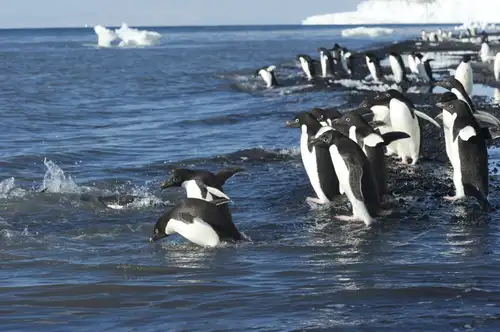
The Adélie penguin population in the Ross Sea has reached its highest numbers in 30 years, with up to a million breeding pairs during the summer. This accounts for about 38 percent of the entire Antarctic Adélie population.
The disastrous expedition in the Arctic west - Nexta Expeditions
Blog

The disastrous expedition in the Arctic west

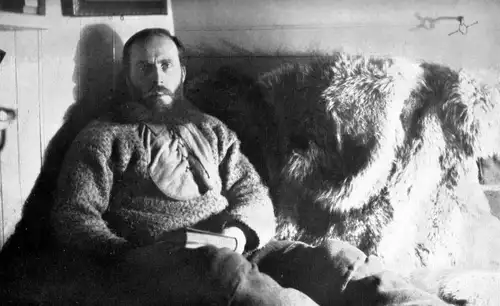
In 1902, Otto Sverdrup, captain of the Fram on Nansen’s expedition, led his own Arctic expedition to the north of Canada. Over the period of the expedition, which started in 1898, Sverdrup and his 15-man crew charted over 250,000 square kilometres of the Arctic using the Fram and sledges. During the expedition Ellesmere Island’s west coast was explored and new islands discovered.
Living the Antarctic Dream - Nexta Expeditions
Blog

Living the Antarctic Dream

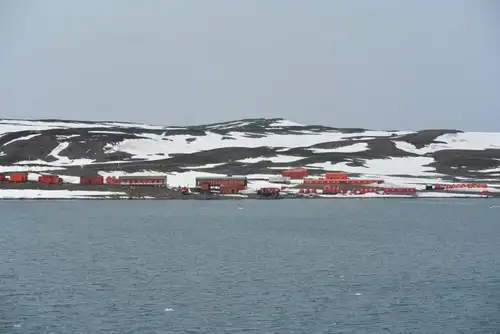
From October to March, during the Austral summer, thousands of breeding gentoo, Adèlie, and chinstrap penguins flock to the Western Antarctic Peninsula to rear their chicks and feast on krill before the harsh winter arrives. Alongside the penguins, field biologists from around the world gather to study these habits for conservation research. Observing these animals is one thing, but residing in an Antarctic field station for an entire breeding season is another. One particular field camp on King George Island, managed by American scientists, has perfected this Antarctic lifestyle and has thrived for over 30 years.
Arctic vs. Antarctica: A Traveler’s Guide - Nexta Expeditions
Blog

Arctic vs. Antarctica: A Traveler’s Guide

Sunrises vs. sunsets, coffee vs. tea, Wonder Woman vs. Superman...
Albatross, penguin and krill research in Antarctica - Nexta Expeditions
Blog

Albatross, penguin and krill research in Antarctica

In the Antarctic region, extensive research is being conducted by national Antarctic programmes from countries like the UK, Australia, and Japan. These studies aim to understand species in the air, on the ground, and in the sea, and how these species are interconnected without variables such as human impacts and climate change.
Why You Should Visit Greenland: 11 Things to See, Do, and Explore - Nexta Expeditions
Blog

Why You Should Visit Greenland: 11 Things to See, Do, and Explore

There's nothing quite like witnessing your first Greenland glacier, navigating into the island's largest fjord system (which also happens to be Earth's largest), or observing a humpback whale breach over the dark Greenland Sea.
The Plants of Antarctica - Nexta Expeditions
Blog

The Plants of Antarctica

Surviving in Antarctica is a monumental challenge for any plant. The extreme cold, limited sunlight, scarce moisture, poor soil, and short growing season make it nearly impossible for most flora to thrive. Yet, some plants have adapted to these harsh conditions and have managed to flourish where others cannot.
Inside the Svalbard Global Seed Vault - Nexta Expeditions
Blog

Inside the Svalbard Global Seed Vault

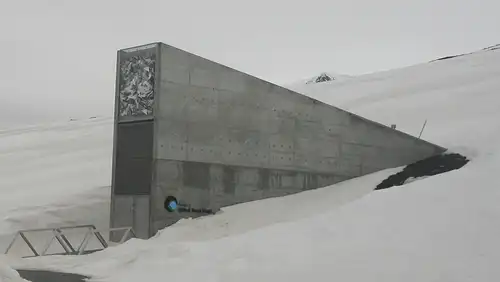
Literature, cinema, and even video games often present us with various global disaster scenarios. These typically involve devastating wars, catastrophic natural events, or widespread pandemics that leave survivors scavenging for food and supplies amidst hordes of zombies.
The Mysteries of the Beluga Whale - Nexta Expeditions
Blog

The Mysteries of the Beluga Whale

Beluga whales, also known as white whales, sea canaries, and sometimes melonheads, are a rare but cherished sight during Arctic cruises, thanks to their striking appearance. Despite the rarity of beluga sightings, a good amount is known about these friendly-faced cetaceans.
The Evolving Shipboard Eco-traveler - Nexta Expeditions
Blog

The Evolving Shipboard Eco-traveler

Feeling stuck in the monotony of everyday life? Looking for a change of scenery? Look no further! Most of us spend our lives on solid ground, despite our bodies being composed of 71.5% water. You'd think we'd have a natural inclination to be in or on the water! So why not try something different? Consider an Arctic holiday adventure on the same waters that famous explorers once navigated!
The Giant Petrels of King George Island - Nexta Expeditions
Blog

The Giant Petrels of King George Island

Antarctica is undeniably one of the world’s premier birding destinations.
Antarctic krill: Antarctica's Superfood - Nexta Expeditions
Blog

Antarctic krill: Antarctica's Superfood

The size of a paper clip, pink, krill is a shrimp-like crustacean that does not look like much. Without them, though, the Earth's marine ecosystems would collapse completely.
Cruising Solo: The Benefits of Single-Passenger Polar Travel - Nexta Expeditions
Blog

Cruising Solo: The Benefits of Single-Passenger Polar Travel

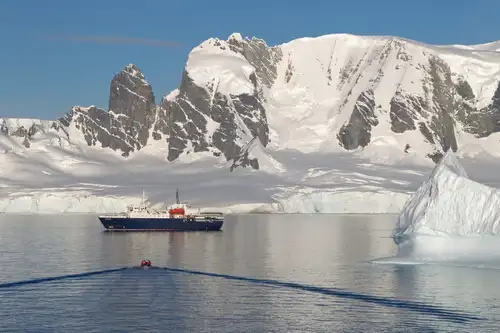
Traveling is often done with family, friends, or romantic partners. However, the benefits of solo travel, especially in polar regions, deserve more attention.
The Best Arctic and Antarctic Trips for Families - Nexta Expeditions
Blog

The Best Arctic and Antarctic Trips for Families

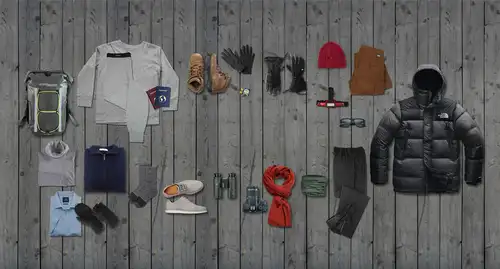
Polar expedition cruises are often enjoyed by couples and an increasing number of solo travelers, but they can also be a fantastic adventure for families. If you have the budget to bring the whole family along, there are various polar trips that will make everyone equally excited about the ice.
What to Pack for Your Expedition Cruise to the Arctic or Antarctica - Nexta Expeditions
Blog

What to Pack for Your Expedition Cruise to the Arctic or Antarctica

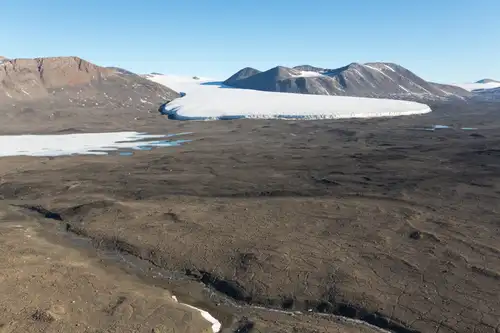
It’s easy to get confused about what to pack for a polar cruise. Some items are provided and some are not, and it’s not always clear which is which. This article will make your polar pack list painstakingly clear. Promise.
The Dirty Details of Antarctica's Dry Valleys - Nexta Expeditions
Blog

The Dirty Details of Antarctica's Dry Valleys

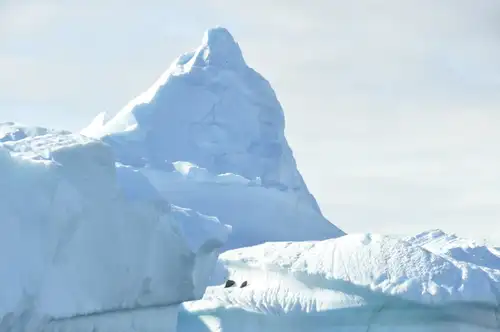
Situated on the western coast of McMurdo Sound, the McMurdo Dry Valleys represent the largest ice-free region in Antarctica.
Life migrating through the Polar Front - Nexta Expeditions
Blog

Life migrating through the Polar Front

Since James Cook’s second voyage to Antarctica from 1772-1775, which provided the first descriptions of Antarctic animals, scientists have progressively uncovered the biodiversity of the Antarctic and sub-Antarctic regions. Numerous expeditions and research projects have since been undertaken to understand the unique ecosystems of this continent.
Where the Polar Bears Roam - Nexta Expeditions
Blog

Where the Polar Bears Roam

Going to the Arctic without clapping eyes on a wild polar bear can be reasonably compared to visiting Africa without seeing a giraffe or a zebra or, most analogously, a lion.
Science of the Ross Ice Shelf - Nexta Expeditions
Blog

Science of the Ross Ice Shelf

Antarctica’s Ross Ice Shelf is vast, spanning 487,000 sq. km – comparable to the size of France – with a thickness that varies from a few hundred meters near the sea to over 1,200 meters away from the floating edge. The edge along the Ross Sea forms a towering ice wall, rising up to 50 meters above the water, with most of the ice submerged below the waterline.
Greenland: Where the Kayak Was Invented - Nexta Expeditions
Blog

Greenland: Where the Kayak Was Invented

If you've ever enjoyed kayaking, you owe a debt of gratitude to the ancient Greenlandic Inuit who originally designed them for hunting. The thrilling adventures people now have navigating some of the world's most challenging rapids wouldn't be possible without the Inuit's need for a nimble form of water transportation. While travelers still use kayaks in this region, they are typically not fishing, whaling, or sealing. Consequently, recreational kayaks have been adapted to fit their new role.