Five Reasons You Should Cruise The Ross Sea Immediately - Nexta Expeditions
Five Reasons You Should Cruise the Ross Sea Immediately

Five Reasons You Should Cruise the Ross Sea Immediately

In our search for lesser-known holiday spots that still offer fully developed amenities like spas and gift shops, we often miss out on some of the planet's truly underrated treasures.

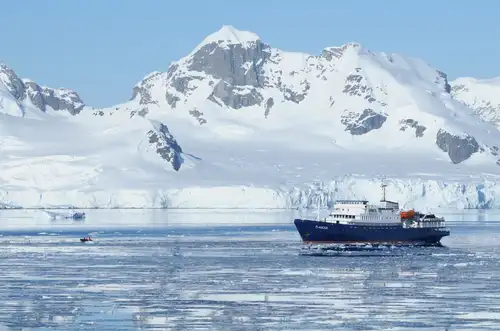
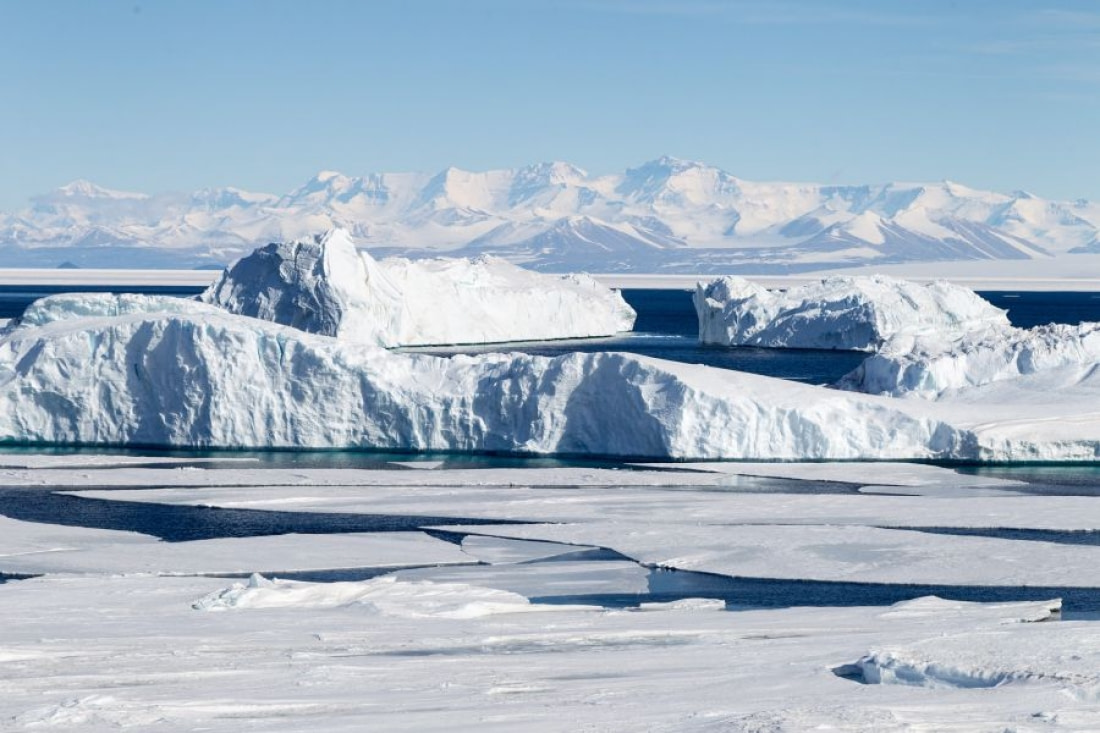
One such treasure is the Ross Sea, a vast expanse of over 600,000 square km (246,000 square miles) of ice-filled bay that even many dedicated polar enthusiasts rarely visit.

Situated between Antarctica’s Victoria Land and Marie Byrd Land, the Ross Sea is one of the least-visited polar regions in the world. Its isolation, harsh weather, and months of unbroken ice make it a less common destination among Antarctic travelers.

However, this shouldn't deter you from exploring it. Here are five compelling reasons to visit the Ross Sea.
blog-image

1. Ross Sea wildlife is among Antarctica’s most abundant

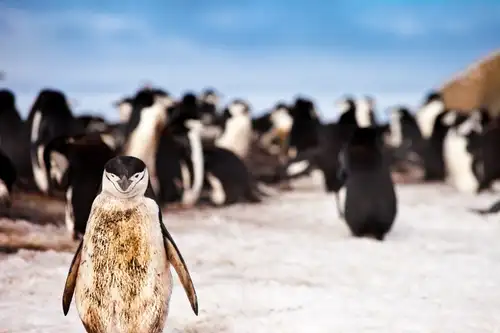
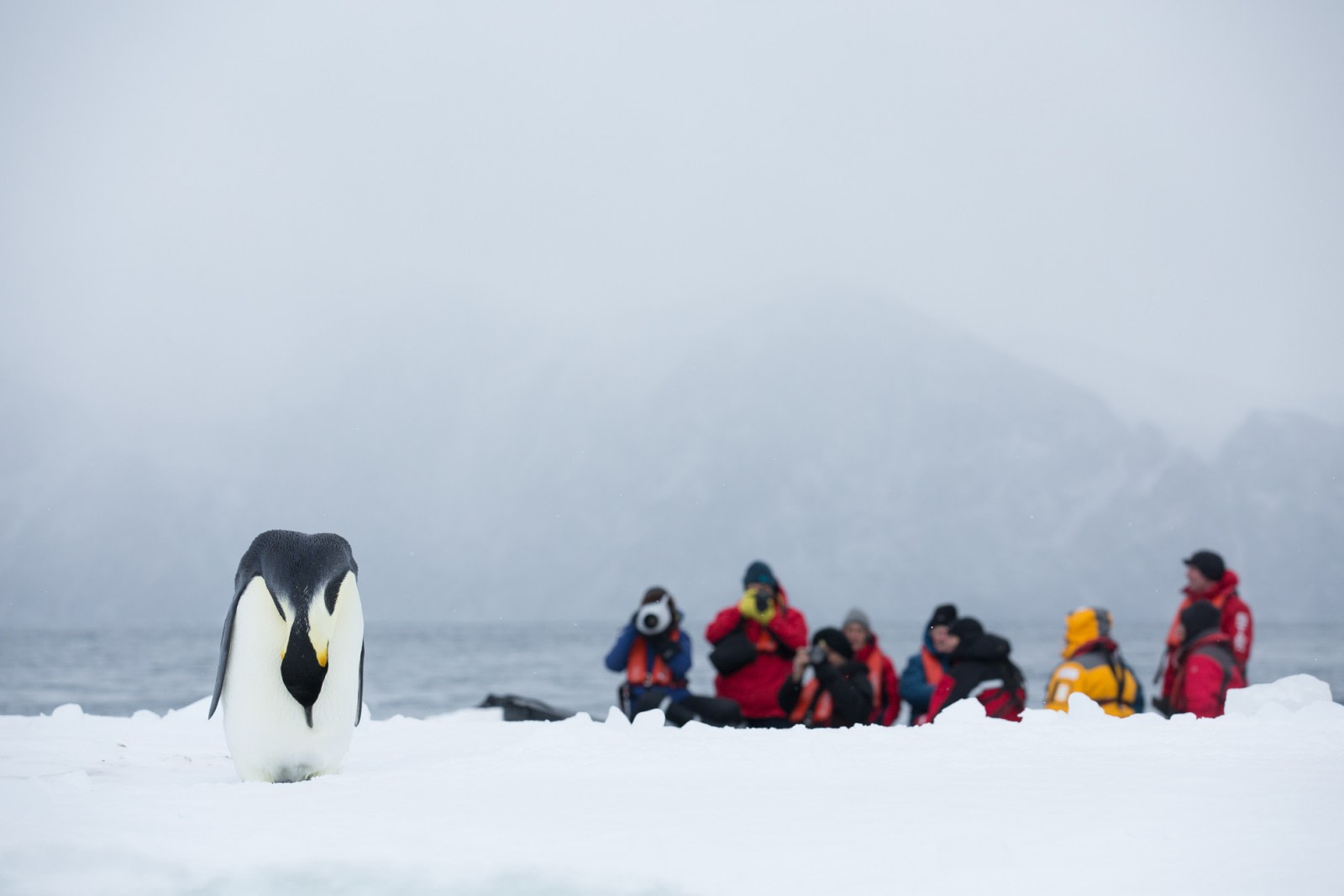
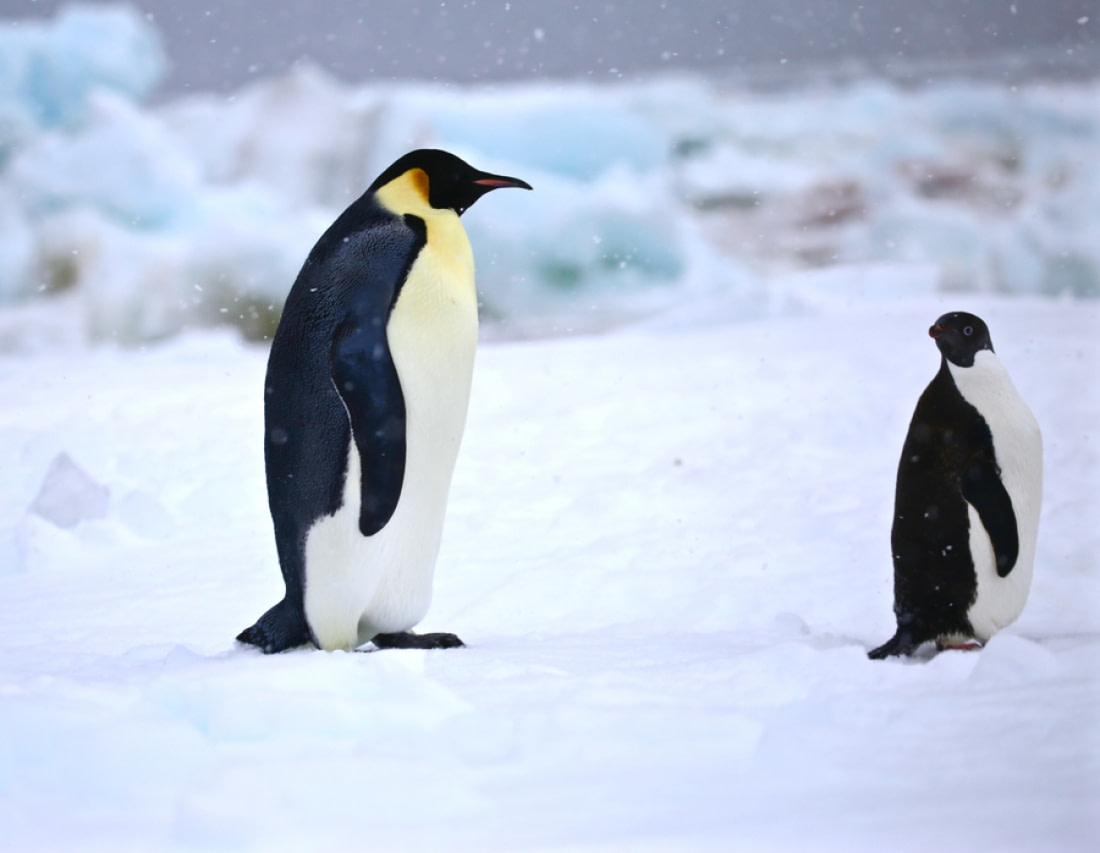
If iconic penguin species like emperors and Adélies aren't enough to entice you, consider the other wildlife in the Ross Sea: orcas, minke whales, Weddell and leopard seals, petrels, skuas, and countless other seabirds.

With 1,000 invertebrate species, 95 fish species, and 10 mammal species, the Ross Sea offers a rich array of wildlife that will leave you in awe.
blog-image

2. The Ross Ice Shelf is the largest ice formation of its kind

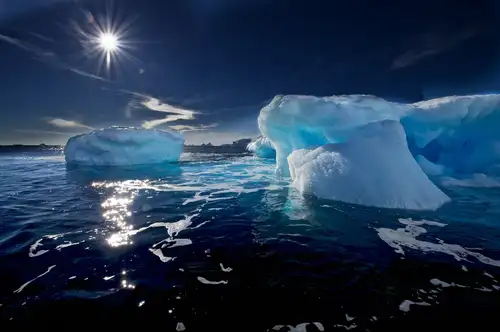
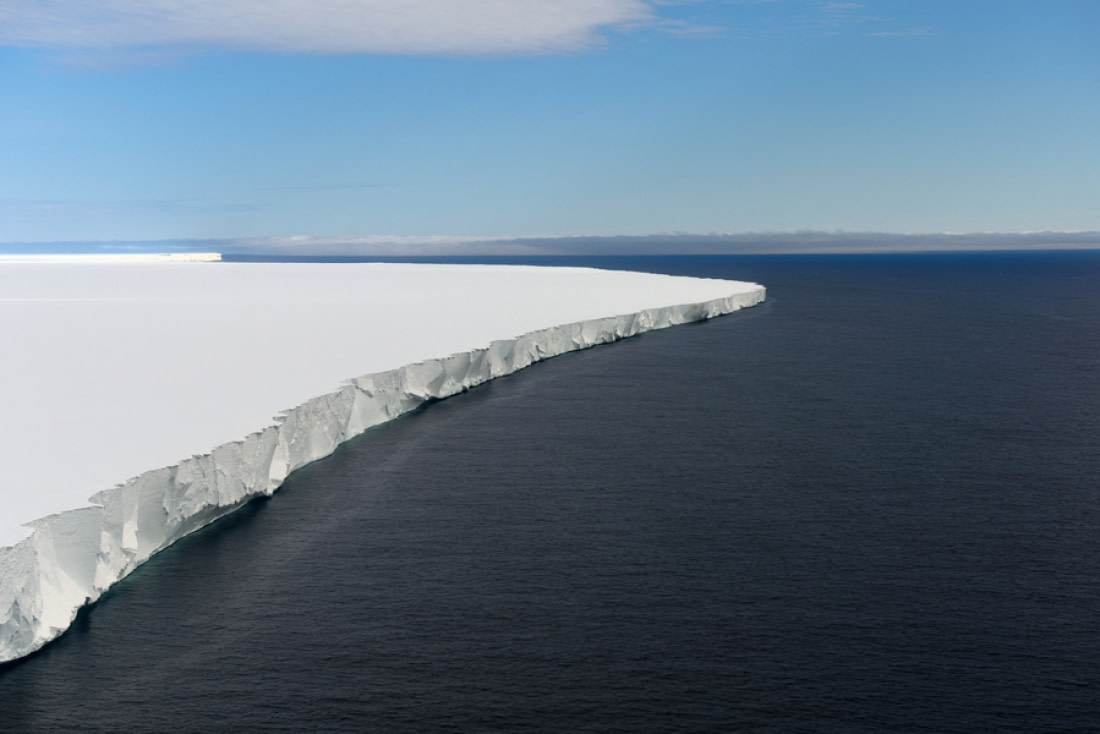
The Ross Ice Shelf spans 500,809 square km (193,363 square miles), making it comparable in size to some large countries like France, but with far less human traffic.

This ice shelf is several hundred meters thick, with about 90 percent of its mass hidden below the water's surface. On a Ross Sea cruise, you'll witness the impressive ice front, which stretches over 600 km (370 miles) and rises 15 to 50 meters (50 to 160 feet) above the sea.
blog-image

3. Some of the world’s greatest expeditions took place in the Ross Sea

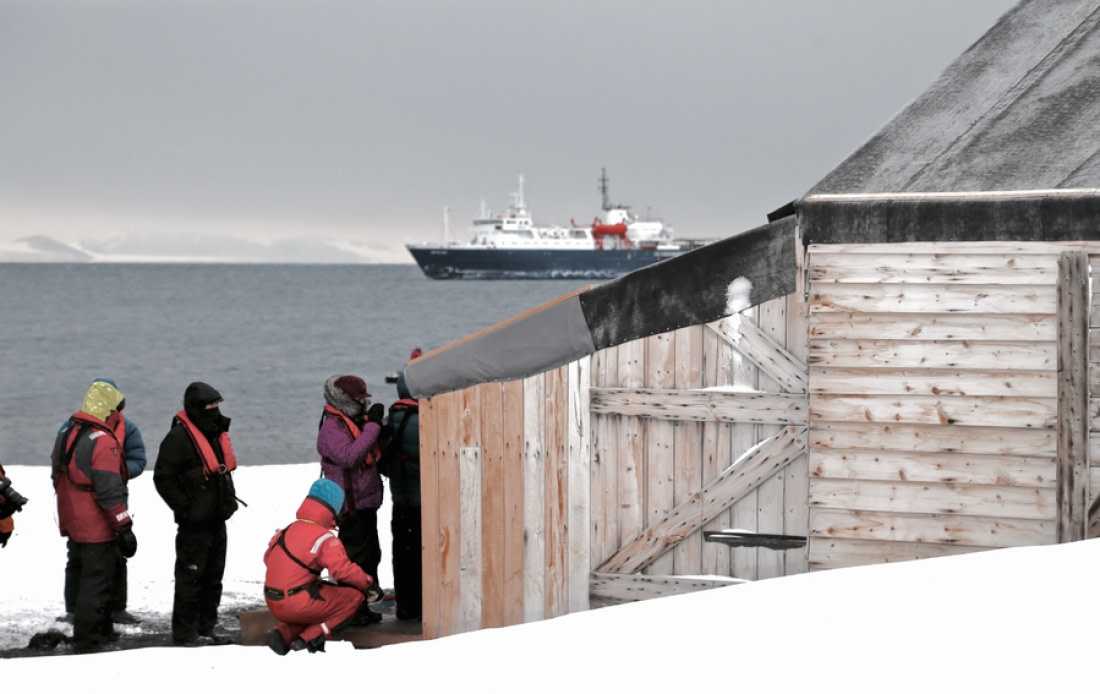
Legendary explorers like Shackleton, Scott, and Borchgrevink undertook some of their most daring expeditions in the Ross Sea.

Three huts built by these explorers to survive the harsh Antarctic winters still stand as silent witnesses to their trials. You can visit these historic huts on your Ross Sea voyage, as the route is partially designed around them.
blog-image

4. The Ross Sea has the southernmost active volcano on the planet

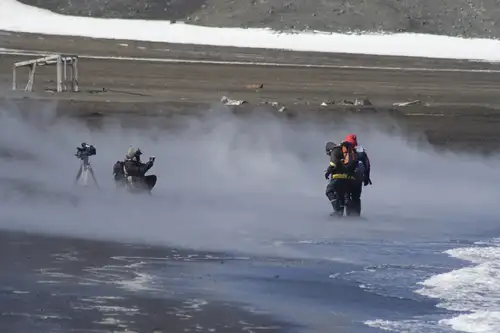
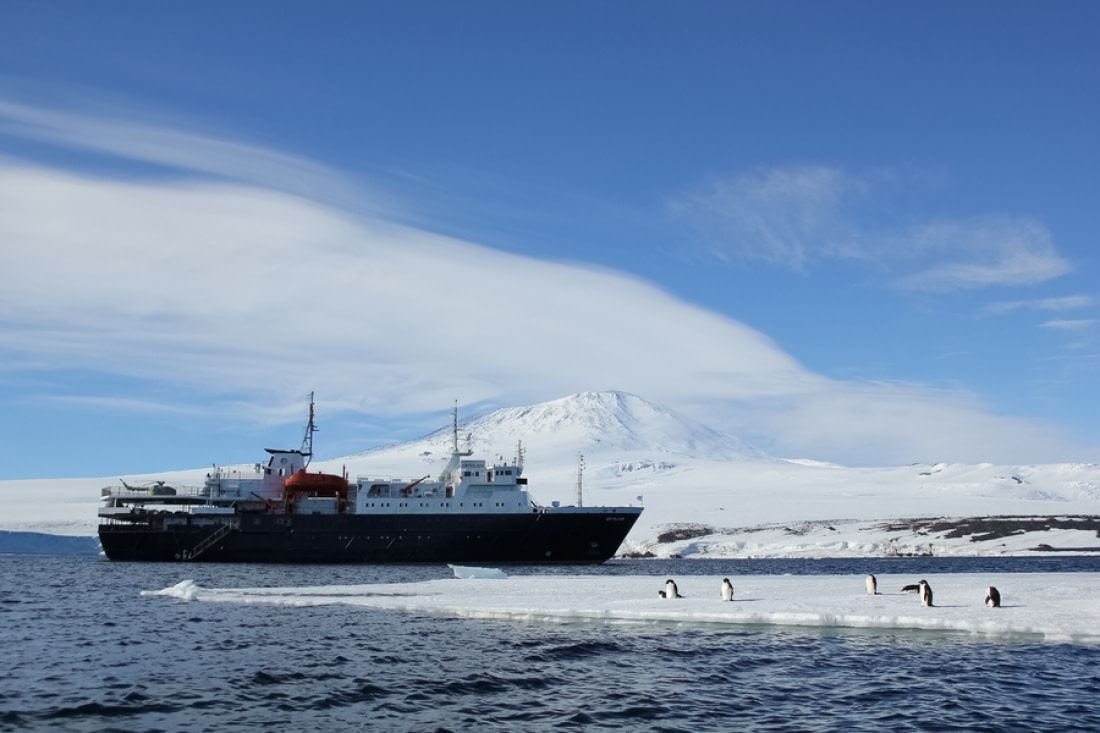
Even if you're not a volcano enthusiast, visiting the world's southernmost active volcano, Mount Erebus, is a unique experience.

Mount Erebus is the second-tallest volcano in Antarctica, standing at 3,794 meters (12,448 feet), and the sixth-highest mountain on the continent. It has been active for about 1.3 million years, making it a fascinating geological feature.

That's a long lifespan for a volcano that continuously erupts with flaming magma from deep within the Earth's crust.
blog-image

5. Earth’s second-largest marine reserve is in the Ross Sea

The Ross Sea is home to the world's second-largest marine reserve, a testament to its ecological importance.

In 2016, the Commission for the Conservation of Antarctic Marine Living Resources (CCAMLR) successfully established marine protection for the Ross Sea after years of effort.

This protection is crucial not only for preserving the area's rich biodiversity but also because the Ross Sea remains largely untouched by human activity. Its pristine beauty and ecological significance make it a must-visit destination.

Bonus reason: helicopters

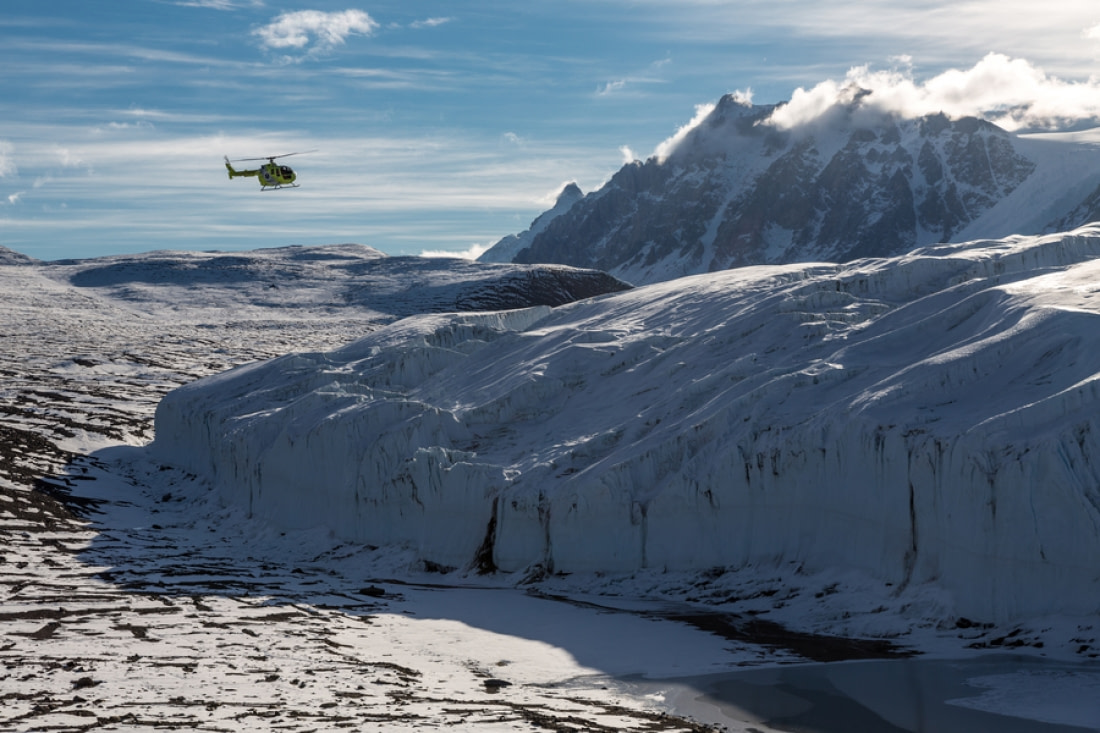
Did we mention the helicopters? Yes, you can also experience the Ross Sea from above, soaring over its snowy expanses in a helicopter. While we have our own theories about how amazing this is, we'll let you decide for yourself.

blog-image

Blog
go-leftgo-right

Seven Facts About Antarctic and Sub-Antarctic Penguins - Nexta Expeditions
Blog

Seven Facts About Antarctic and Sub-Antarctic Penguins

Approximately 50 million years ago, Antarctica was detaching from the vast supercontinent of Gondwana, and penguins were emerging as a distinct species. Initially native to warmer regions, they gradually adapted to the cooling climate of Antarctica as they ventured further south.
The polar bear: king of the Arctic food chain - Nexta Expeditions
Blog

The polar bear: king of the Arctic food chain

As apex predators, polar bears reign supreme in the Arctic food chain. Only humans pose a threat to this massive and majestic species. But one look at these magnificent creatures explains why so many people embark on Arctic trips hoping to spot a polar bear in its natural habitat.
Living the Antarctic Dream - Nexta Expeditions
Blog

Living the Antarctic Dream

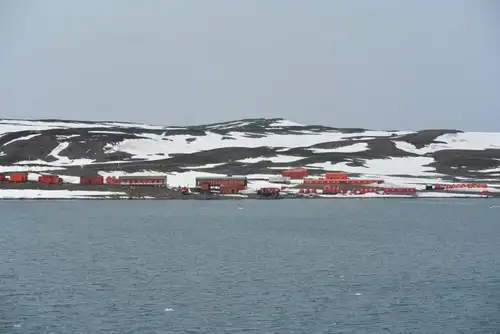
From October to March, during the Austral summer, thousands of breeding gentoo, Adèlie, and chinstrap penguins flock to the Western Antarctic Peninsula to rear their chicks and feast on krill before the harsh winter arrives. Alongside the penguins, field biologists from around the world gather to study these habits for conservation research. Observing these animals is one thing, but residing in an Antarctic field station for an entire breeding season is another. One particular field camp on King George Island, managed by American scientists, has perfected this Antarctic lifestyle and has thrived for over 30 years.
Secrets of the Snowy Owl: Habitat, Adaptations, and Other Facts - Nexta Expeditions
Blog

Secrets of the Snowy Owl: Habitat, Adaptations, and Other Facts

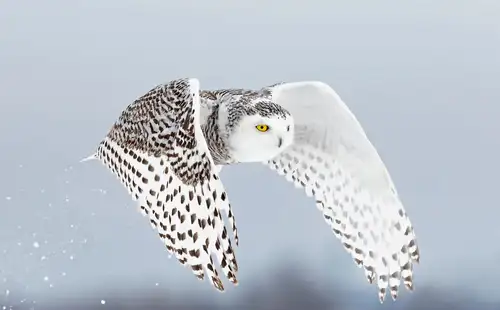
The snowy owl (Bubo scandiacus), also known as the great white owl or Arctic owl, is one of the most distinctive bird species on the planet. While you won’t find them in all areas of the Arctic – they don’t exist in Svalbard due to the lack of lemmings – snowy owls are seen in the polar regions of Eurasia and North America and are a potential visitor during Greenland cruises. The binomial species name, “scandiacus,” is derived from Scandinavia, as this is where the bird was first discovered. The snowy owl is the official bird of Quebec, and they are a must-see for countless bird watchers and naturalists.
Visiting the Nearly Unknown: New Zealand’s Campbell Island - Nexta Expeditions

Blog

Visiting the Nearly Unknown: New Zealand’s Campbell Island

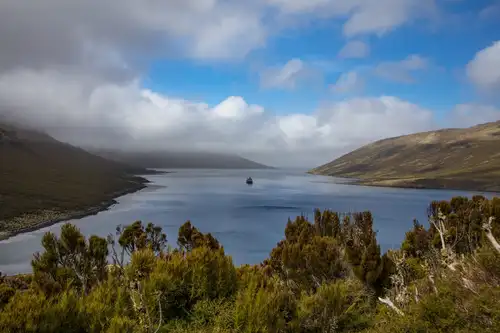
New Zealand is a renowned destination globally, and for good reason: It’s absolutely stunning. Almost every corner is filled with unparalleled beauty. But did you know that New Zealand includes several sub-Antarctic Islands that are almost completely unknown?
The Arctic Hare: Easter Bunny - Nexta Expeditions
Blog

The Arctic Hare: Easter Bunny

Although the Arctic hare’s stern expression might make it seem like the least amused member of a serious tribunal, this polar animal is actually one of the most charming creatures on the planet – especially when Easter Sunday comes around.
South Georgia Whaling Stations - Nexta Expeditions
Blog

South Georgia Whaling Stations

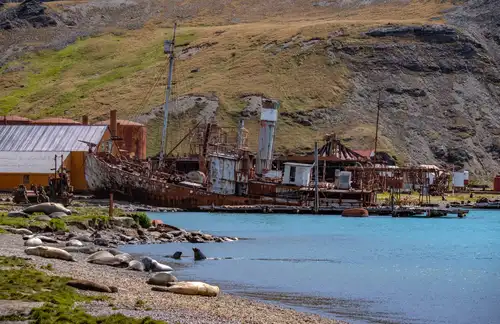
South Georgia is a paradise for animal enthusiasts. It stands out as one of the most wildlife-abundant destinations in our polar expeditions, whether in the Northern or Southern Hemisphere.
15 Toothy Facts About the Atlantic Walrus - Nexta Expeditions
Blog

15 Toothy Facts About the Atlantic Walrus

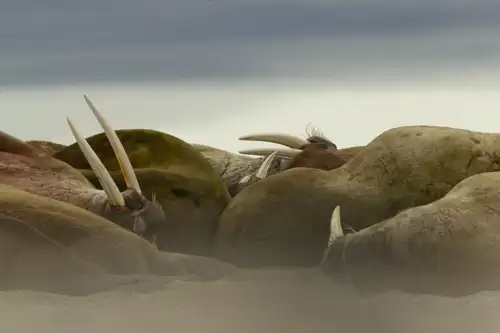
The walrus is one of the most recognizable animals on the planet, and for good reason. Try sneaking into a cinema with those tusks!
The Seven Best Things to Do in Antarctica - Nexta Expeditions

Blog

The Seven Best Things to Do in Antarctica

Unless you’re a scientist, there’s no such thing as a means-to-an-end trip to Antarctica.
The disastrous expedition in the Arctic west - Nexta Expeditions
Blog

The disastrous expedition in the Arctic west

In 1902, Otto Sverdrup, captain of the Fram on Nansen’s expedition, led his own Arctic expedition to the north of Canada. Over the period of the expedition, which started in 1898, Sverdrup and his 15-man crew charted over 250,000 square kilometres of the Arctic using the Fram and sledges. During the expedition Ellesmere Island’s west coast was explored and new islands discovered.
Five Reasons Why Snowshoeing is a Perfect Polar Activity - Nexta Expeditions
Blog

Five Reasons Why Snowshoeing is a Perfect Polar Activity

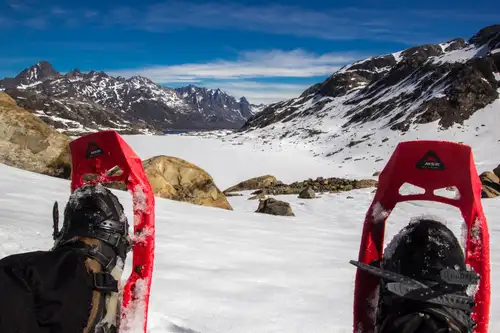
One of the most beloved polar sports is also one of the oldest. Snowshoeing has been the preferred means of foot travel in the Arctic since antiquity, and in the years since Antarctica was discovered, it has been highly popular among researchers and polar tourists alike.
The Mysteries of the Beluga Whale - Nexta Expeditions
Blog

The Mysteries of the Beluga Whale

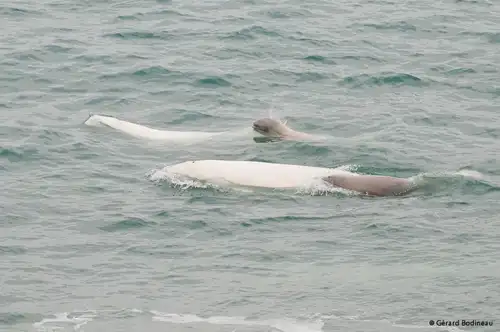
Beluga whales, also known as white whales, sea canaries, and sometimes melonheads, are a rare but cherished sight during Arctic cruises, thanks to their striking appearance. Despite the rarity of beluga sightings, a good amount is known about these friendly-faced cetaceans.
The Ultimate Traveler’s Guide to the Arctic and Antarctica - Nexta Expeditions
Blog

The Ultimate Traveler’s Guide to the Arctic and Antarctica

Sunrises or sunsets? Coffee or tea? Polar bears or penguins?
Orcas of the Polar Seas - Nexta Expeditions
Blog

Orcas of the Polar Seas

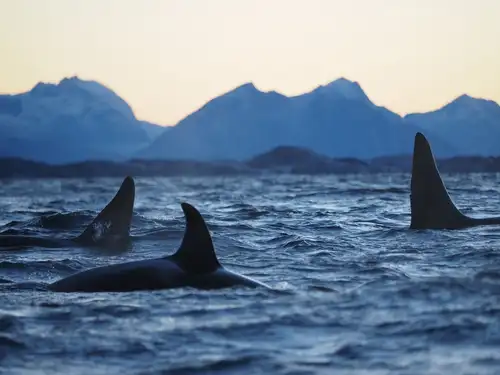
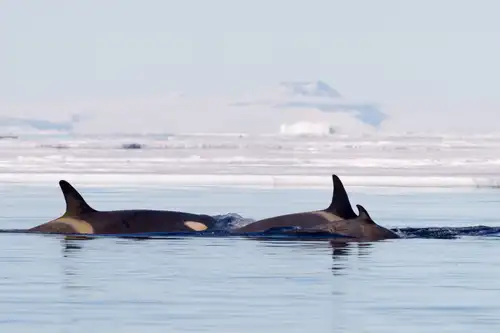
The orca, also known as the killer whale, is the apex marine predator and possibly the most widespread vertebrate on the planet. While they are most numerous in colder regions like Antarctica, Norway, and Alaska, they also inhabit tropical and subtropical seas. Here, we’ll explore some essential orca facts you might want to know before encountering them in person, concluding with a fantastic video showcasing our top ten favorite killer whale facts.
Deception Island deceptively active - Nexta Expeditions
Blog

Deception Island deceptively active

In Antarctica, the South Shetland archipelago is home to Deception Island, a volcanic-rounded island that is 15 km in diameter with a shield volcano. The volcano is mainly basalt-andesite and was one of the first parts of Antarctica to be discovered, probably around 1820 by UK and USA sealers.
Everything you need to know about Antarctic icebergs - Nexta Expeditions
Blog

Everything you need to know about Antarctic icebergs

The ice in Antarctica might seem static, but it is constantly moving. Pieces of ice are continuously breaking off from ice shelves, glaciers, or other icebergs. They float freely along with the Antarctic currents, with about 90 percent of their mass below the surface of the water. This fact is actually what gave rise to the nowadays popular phrase “the tip of the iceberg”. Regardless, the sighting of the first iceberg is always a moment to celebrate in any and all Antarctic expeditions. So that you may appropriately ready yourself for that joyous moment, in this article you will find everything you need to know about Antarctic icebergs.
Diving in Antarctica: The Ultimate Underwater Experience - Nexta Expeditions
Blog

Diving in Antarctica: The Ultimate Underwater Experience

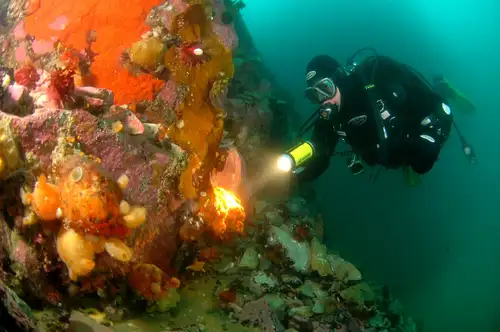
Ice diving offers an extraordinary experience on an Antarctica diving trip. The dive sites are teeming with a unique array of colorful marine life, including penguins and leopard seals, which are exclusive to this region.
Antarctica’s first Marine Protected Area - Nexta Expeditions
Blog

Antarctica’s first Marine Protected Area

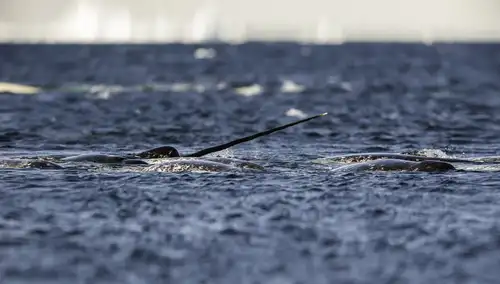
In October of this year, the Commission for the Conservation of Antarctic Marine Living Resources, which includes 24 countries such as the United States, the European Union, Australia, and New Zealand, reached a consensus on a New Zealand/United States proposal to establish a large-scale Marine Protected Area (MPA) in the Ross Sea region.
Narwhals: the Aquatic Unicorns of the Arctic - Nexta Expeditions
Blog

Narwhals: the Aquatic Unicorns of the Arctic

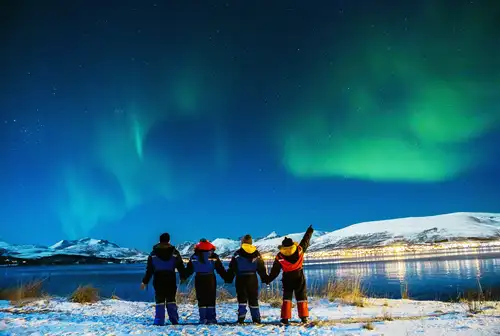
Though narwhals are among the rarest whale species encountered during our Arctic expeditions, a journey to the Arctic regions of Greenland and Svalbard always holds the potential for spotting these elusive creatures.
10 Tips for Photographing the Northern Lights - Nexta Expeditions
Blog

10 Tips for Photographing the Northern Lights

The northern lights, also known as the aurora borealis, offer some of the most breathtaking photographic opportunities in the Arctic. However, capturing this stunning phenomenon requires more than just luck. To take your best northern lights photos, it's helpful to understand some key aspects of aurora-specific photography.