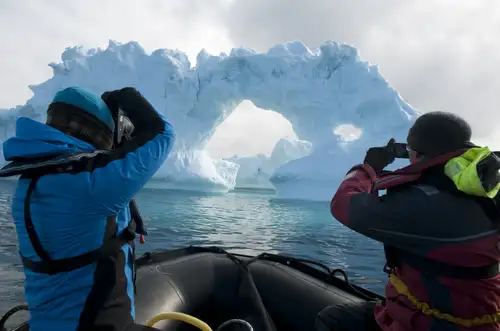


Sunrises or sunsets? Coffee or tea? Polar bears or penguins?
The world is full of comparisons, but few contrast as starkly as the Arctic in the north and Antarctica in the south.
While these two polar regions share similarities and might seem alike at first glance, they differ significantly in wildlife, terrain, and travel opportunities. Deciding which one to visit can be overwhelming, potentially deterring some travelers from polar cruises.
But it doesn't have to be that way.
If you’re debating whether your next adventure should be to the Arctic or Antarctica, read on. This information could be the key to a trip that sparks a lifelong love for the polar regions.
Note: If you prefer a quick overview, check out our detailed infographic at the end.

Arctic vs. Antarctic wildlife: polar bears or penguins
For most travelers, the wildlife is the main draw of the polar regions.
Beyond the landscapes and activities, it’s usually the animals that sway travelers toward either the Arctic or Antarctica. The debate often centers on polar bears versus penguins.

ARCTIC ANIMALS:
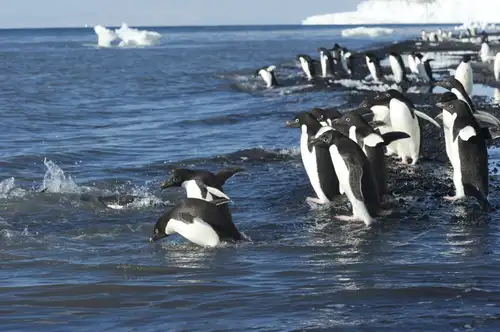
The Arctic is the exclusive home of polar bears, which don’t live in Antarctica. Penguins, on the other hand, are found in Antarctica but not in the Arctic.

Spotting a polar bear on an Arctic cruise is not guaranteed, but it’s always a memorable experience if you do.

The Arctic also hosts marine species like humpback whales, belugas, fin whales, blue whales, and occasionally narwhals and orcas.
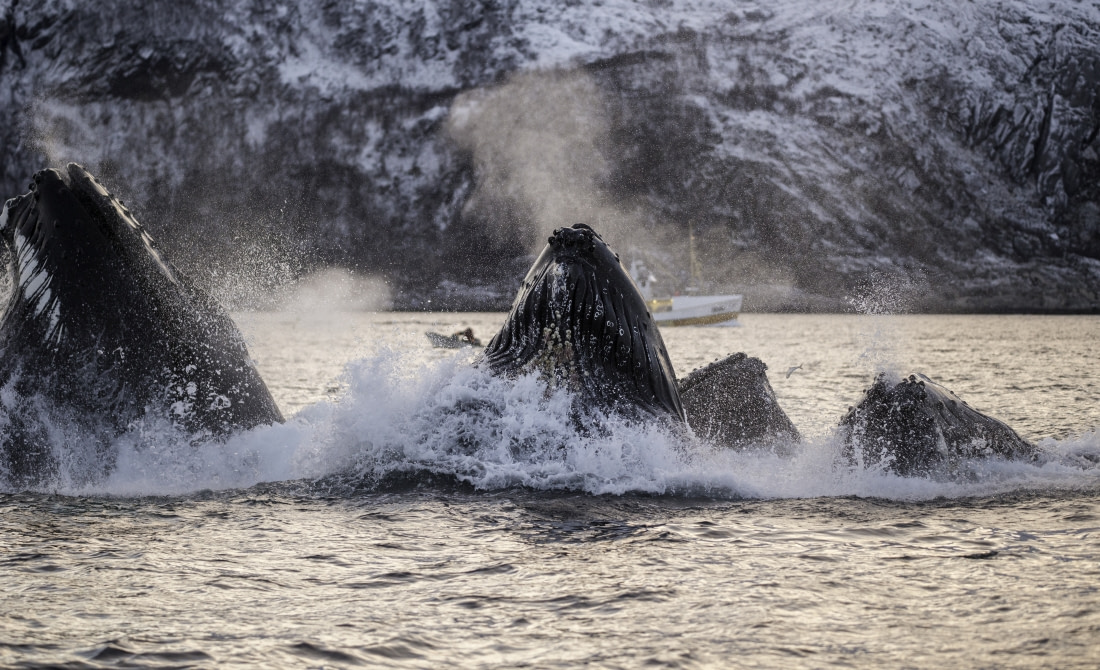
Seals you might see include bearded seals, ringed seals, and hooded seals. For more details, check our Six Arctic Seals blog.

Land animals include reindeer, Arctic foxes, Arctic hares, musk oxen, and walruses, which are both terrestrial and marine.

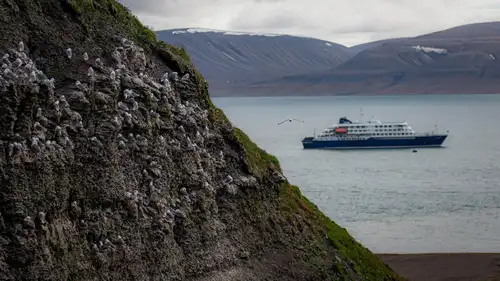
Arctic birds include puffins, kittiwakes, and little auks. For a more comprehensive list, see our Arctic birds article.

ANTARCTIC ANIMALS:
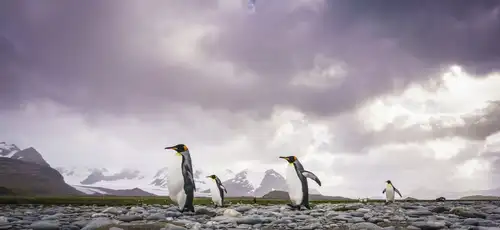
You’re more likely to see penguins in Antarctica than polar bears in the Arctic. This is especially true in places like the Antarctic Peninsula, the Weddell Sea, and sub-Antarctic islands like South Georgia.

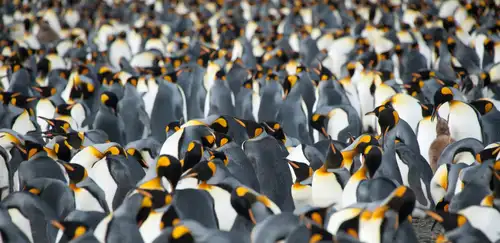
South Georgia boasts some of the largest penguin colonies in the world, but other sub-Antarctic islands like the Falklands and South Shetlands also have penguins.

Antarctica’s wildlife is mainly marine. You may see leopard seals along the Antarctic Peninsula or southern elephant seals in places like Gold Harbour, Salisbury Plain, and St. Andrews Bay.

Antarctic fur seals and crabeater seals are also common.

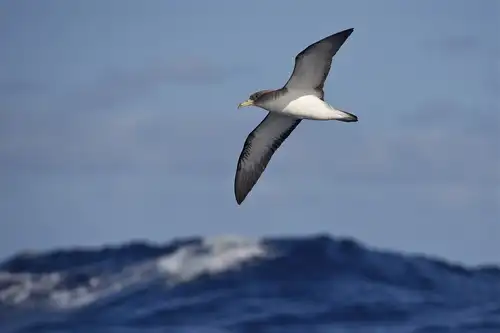
Antarctic birds include wandering albatrosses, blue-eyed shags, and snow petrels. For a fuller list, see our Antarctic birds article.

Arctic vs. Antarctic travel seasons: when to go, what to do
Both the Arctic and Antarctica have their tourism seasons in the summer.
However, summer occurs at different times in each hemisphere. The Northern Hemisphere summer is from May to October, while the Southern Hemisphere summer is from October to April. You can only visit Antarctica during the austral summer.
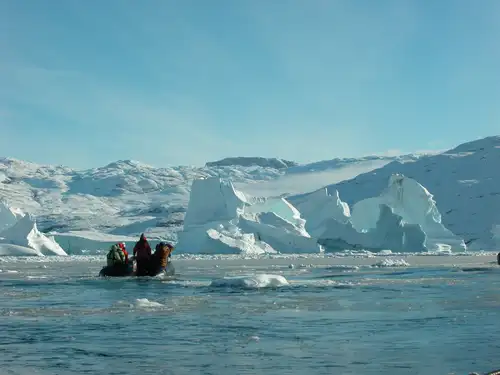
The activities offered in each region are similar, including shoreline walking, hiking, snowshoeing, and Zodiac cruises. However, some activities are more favorable in one region than the other.

ARCTIC ACTIVITIES:
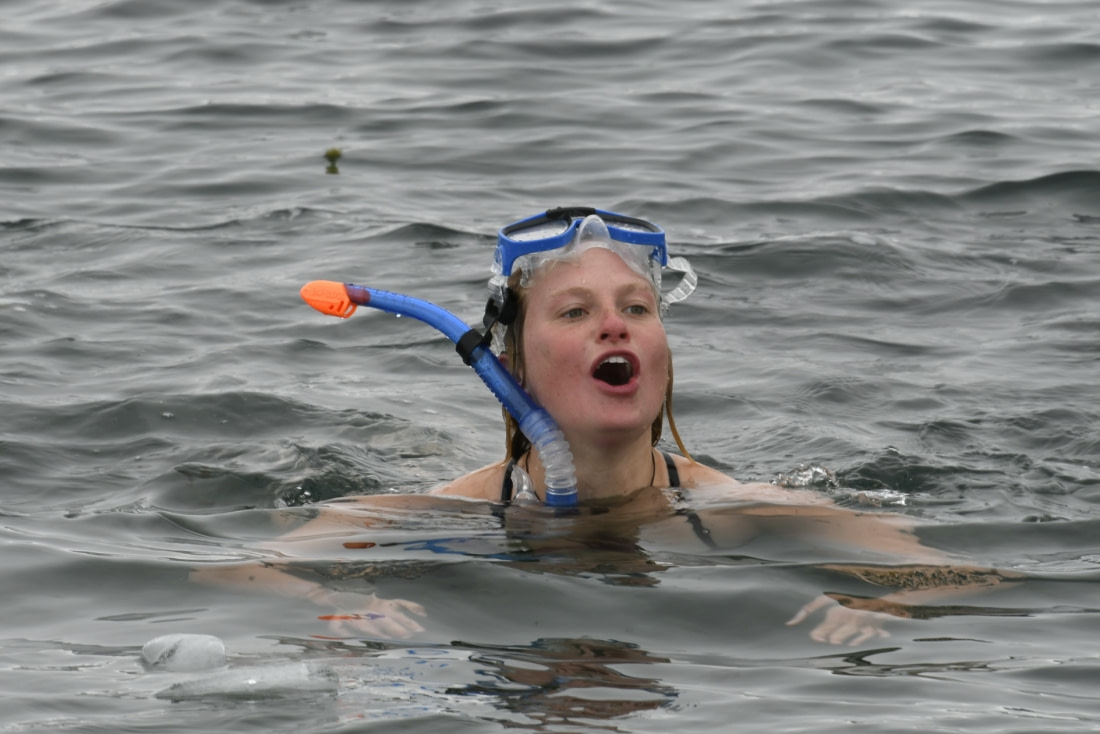
The Arctic offers more opportunities for hiking and ski-mountaineering. Some Arctic voyages also allow kayaking around icebergs and polar scuba diving, provided you have the required cold-water diving experience.

One unique Arctic activity is viewing the northern lights, or aurora borealis.

The northern lights can be seen in places like the fjords of northeast Greenland, the islands of Northern Norway, and Svalbard (Spitsbergen).

While Antarctica has its own aurora, aurora australis, it’s not visible during the months we visit the continent.
ANTARCTIC ACTIVITIES:
Antarctica offers a slight edge in activities like scuba diving, kayaking, and mountaineering. While these can be done in the Arctic , they’re more common in Antarctica.

In Antarctica, you can also take helicopter tours (conditions permitting) to places like the emperor penguin colony of Snow Hill Island.

Basecamp trips in Antarctica feature various activities such as shoreline camping, kayaking, and polar diving, making them a unique and comprehensive adventure.

Arctic vs. Antarctic regions: ice formations and ports of entry
The Arctic and Antarctica are distinct not only in wildlife and activities but also in their ice formations and ports of entry.
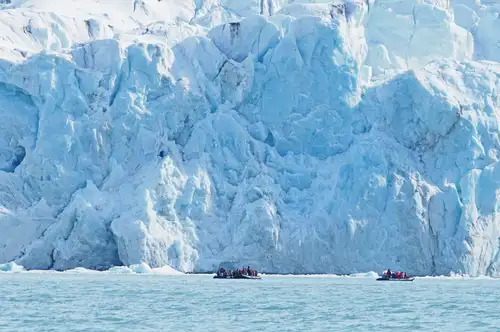
Though they may look similar, the Arctic is a frozen ocean surrounded by land, while Antarctica is a frozen land surrounded by ocean. The Arctic has fewer glaciers and icebergs than Antarctica.

ARCTIC ICE FORMATIONS:
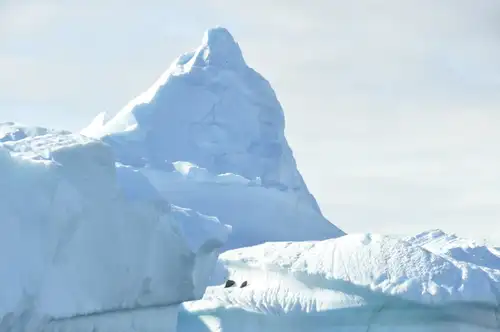
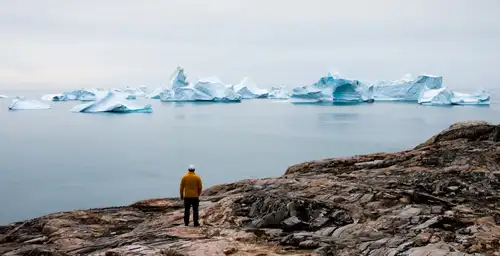
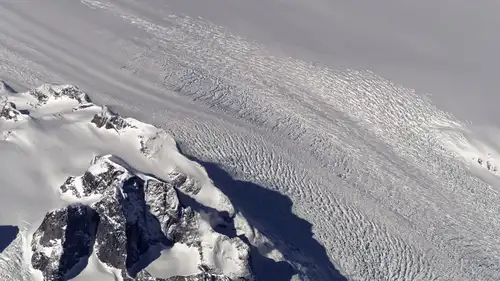
The Arctic features fewer and smaller glaciers. The icebergs are more irregular, and the snowpack is less deep and extensive.

Arctic sea ice is generally thicker due to the region’s geological structure, which traps the ice within surrounding landmasses.

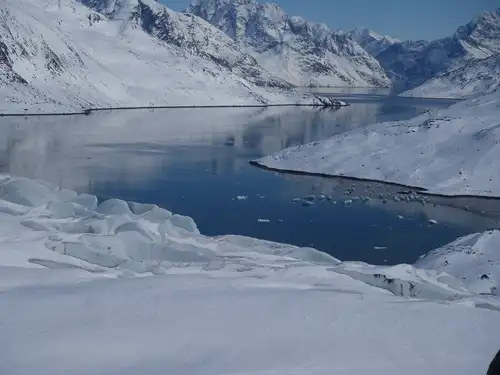
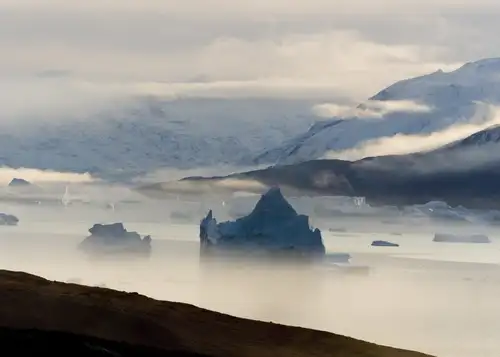
Greenland is an exception, with its large icebergs originating from the island’s vast ice sheet.

ANTARCTIC ICE FORMATIONS:
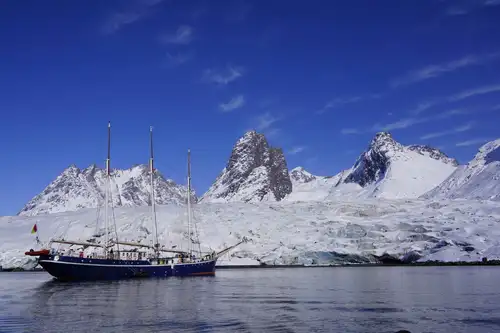
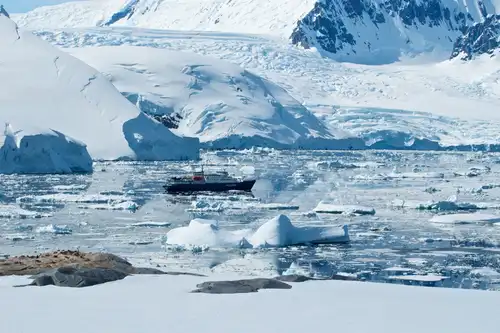
Antarctica’s glaciers, icebergs, and tabular bergs are larger, smoother, and more symmetrical. The ice in Antarctica is not confined by continents, allowing it to float to warmer waters in the summer and melt.

The Ross Sea and Weddell Sea, however, retain their sea ice all summer long.

ARCTIC PORTS:
Key Arctic ports include Longyearbyen, Tromsø, and Akureyri. Constable Pynt, though not a port, is a notable point of entry.
Norway cruises use Tromsø, Svalbard cruises use Longyearbyen, and Greenland trips primarily use Constable Pynt, sometimes stopping in Akureyri if they include Iceland.
Each port has its charm, with Tromsø and Akureyri offering rich cultural history. Longyearbyen is evolving into a tourist hub, while Constable Pynt offers isolation.

ANTARCTIC PORTS:
Antarctica’s main ports are Ushuaia and Puerto Madryn in Argentina.
Ushuaia is a resort town with lively streets, museums, and mountainous surroundings. Puerto Madryn offers sandy beaches, dinosaur fossils, and southern right whales off Peninsula Valdez.

SPECIAL NOTE ON PORTS:
Travel to most ports requires flying in before continuing to your final destination. From the main Antarctic ports, you must also cross the Drake Passage to reach Antarctica.
The Drake Passage, known as the Antarctic “rite of passage,” can be challenging. We offer seasickness remedies and natural tips for a smoother crossing.
Visiting Antarctica is worth the journey despite the motion sickness. For more on what to expect, read our blog on crossing the Drake Passage.

Arctic vs. Antarctic weather: what to pack to for the snowpack
How cold is it in the Arctic or Antarctica? This is a common question among polar travelers.
Both regions have short, cool summers and long, cold winters. However, the Arctic is consistently warmer than Antarctica.

ARCTIC WEATHER:
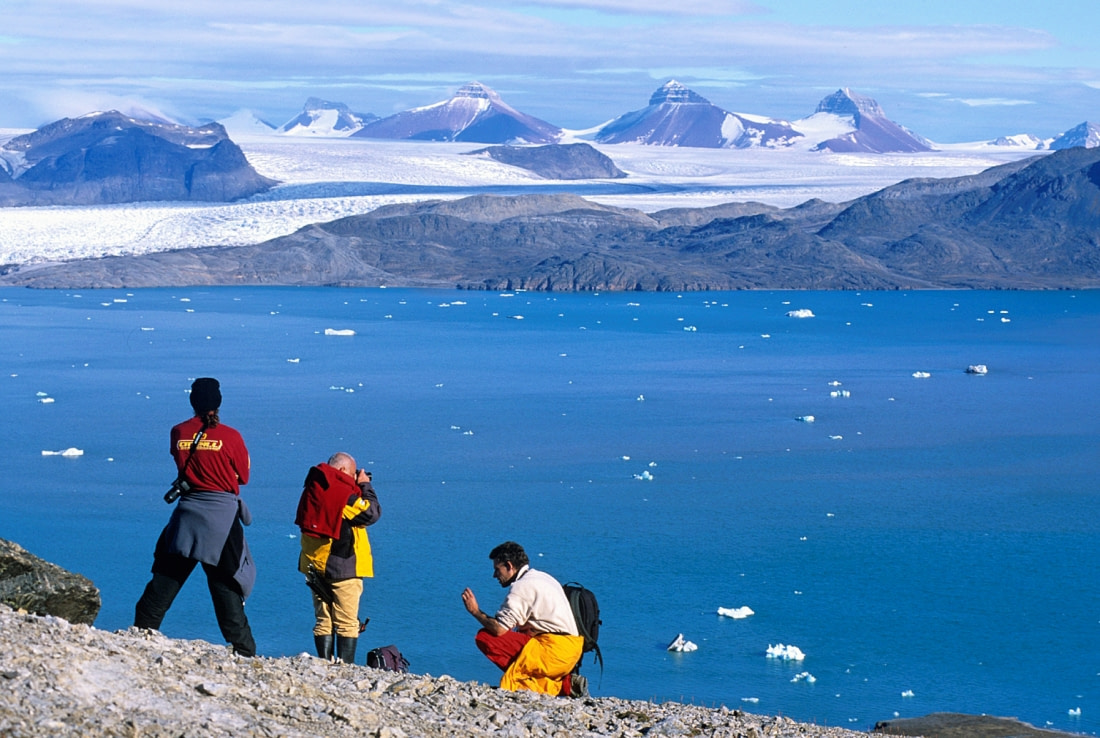
Arctic summers range from 5°C (41°F) to 10°C (50°F), depending on the location. Latitude and specific destinations influence the temperature, with northern Siberia being colder and Svalbard milder.
ANTARCTIC WEATHER:
Antarctica summers are cooler, ranging from -15°C (5°F) to 2°C (36°F). The Antarctic Peninsula, Weddell Sea, and Ross Sea offer relatively warmer temperatures and better wildlife viewing.

Pack warm clothes for both regions. Our packing suggestions are similar, except for the number of layers you might shed during a hike or polar plunge.
Arctic vs. Antarctic people: cultural differences
What truly sets the Arctic apart from Antarctica is the presence or absence of indigenous people.

ARCTIC PEOPLE:
The Arctic is home to indigenous populations like the Inuit, Saami, Yupik, Inupiat, and Chukchi. They have adapted to the harsh environment through hunting, gathering, and reindeer herding.
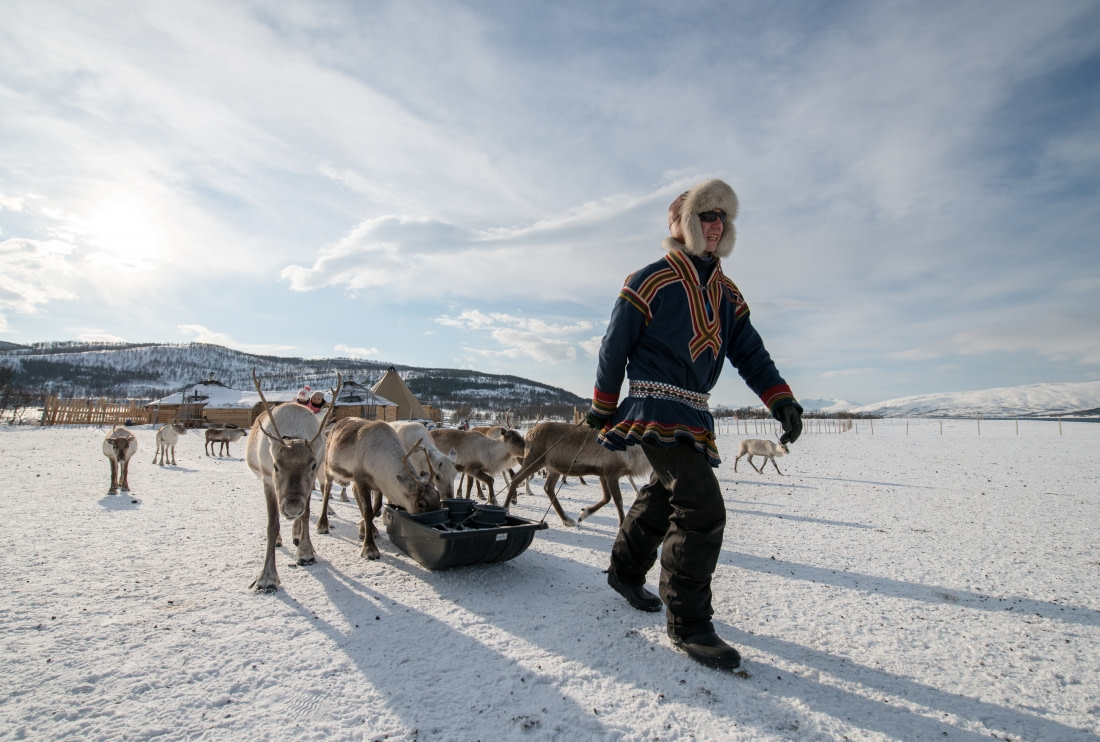
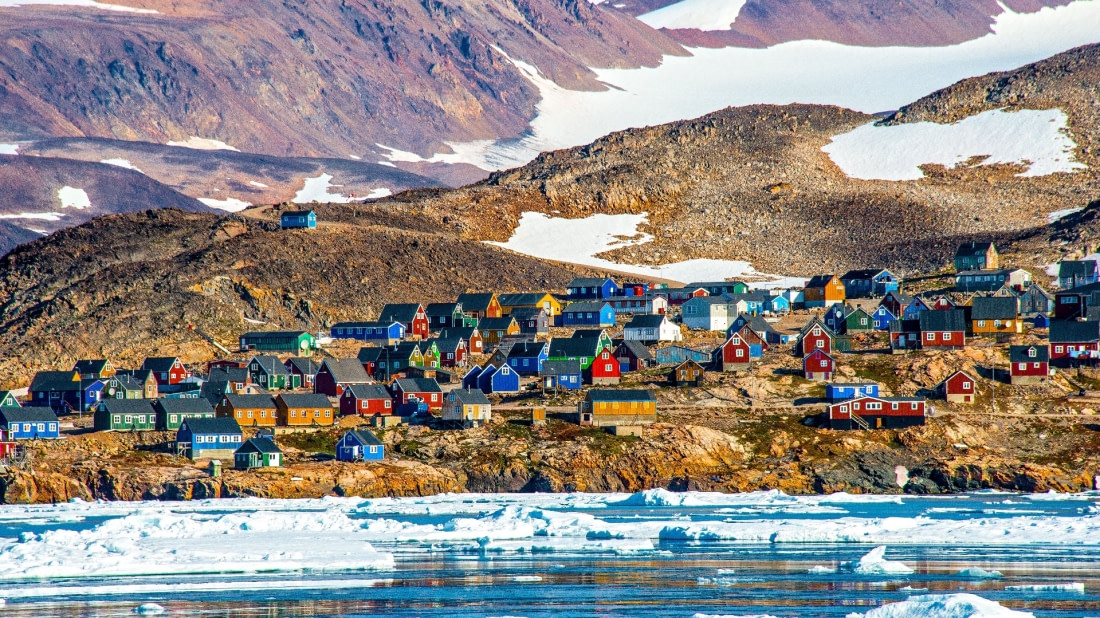
You can visit ruins, towns, and meet modern-day members of these cultures in Greenland and northern Russia. Scoresby Sund in East Greenland offers insights into Greenlandic Inuit culture.
ANTARCTIC PEOPLE:
Antarctica has no indigenous human life due to its isolation. However, it offers historical expedition remains and research stations, such as Shackleton and Scott's huts, and stations like McMurdo, Brown, and Cámara.

SPECIAL NOTE ON HISTORIC SITES:
Both regions have historic sites like mining and whaling settlements. Ny Ålesund in the Arctic and Grytviken in Antarctica are notable examples, reflecting the history of these industries.

Arctic vs. Antarctic verdict: which cruise to take
Comparing the Arctic and Antarctica is challenging, as both regions offer unique and unparalleled experiences. The decision should be based on your personal preferences.
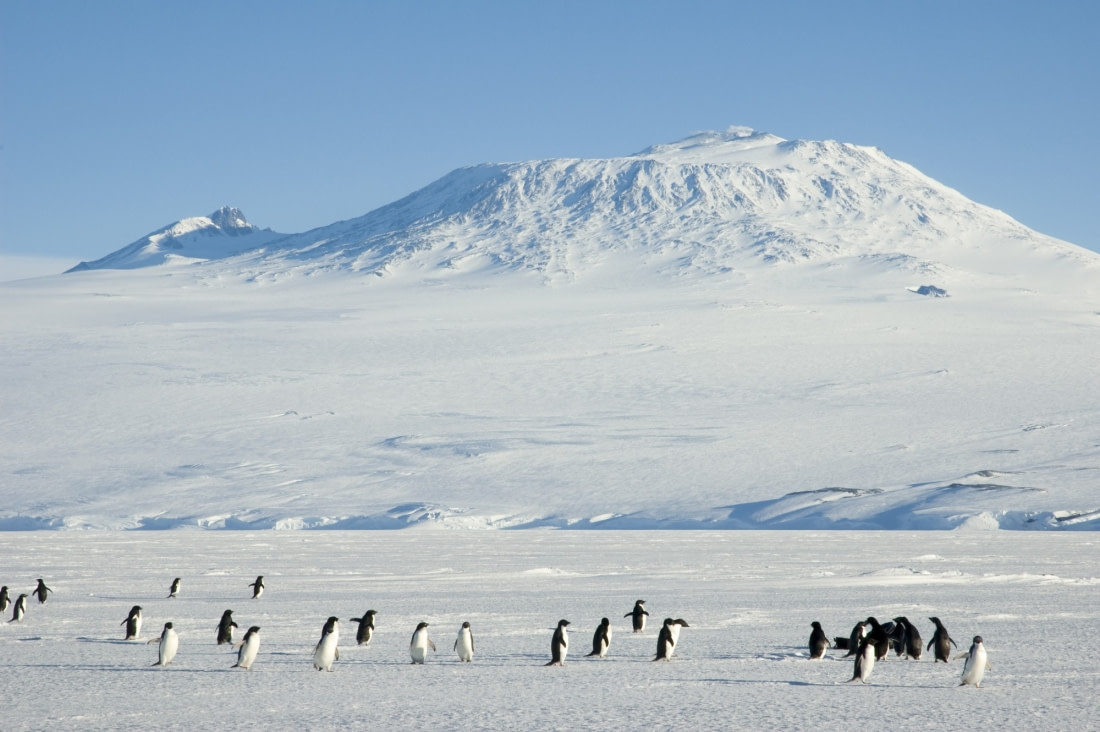
Consider what you want to experience: polar bears or penguins, cooler temperatures or extreme cold, proximity to civilization or complete isolation.

The Arctic and Antarctica cannot be judged against each other; they are unique in their own ways. People travel great distances to see these places for their unmatched beauty and experiences.

While the decision can be tough, your choice will ultimately reflect your personal preferences. We hope you choose to explore these polar wonders with us.

Arctic vs. Antarctica infographic
Below is a lively infographic summarizing the Arctic or Antarctica dilemma. May it help you decide and add fun to your planning!



Blog



15 Toothy Facts About the Atlantic Walrus
Life migrating through the Polar Front
Circumnavigating Spitsbergen
Discover the Scoresby Sund Fjord System in East Greenland
5 Misconceptions You Might Have About Greenland

The disastrous expedition in the Arctic west
Penguins, Albatrosses, Petrels: The Winged Wildlife of South Georgia
Svalbard’s Texas Bar
Experience King Penguins, Seals and More in South Georgia
An igneous paradise: Franklin Island
All About Ice: Glaciers and Icebergs of the Arctic and Antarctica
Adélie penguins in the Ross Sea - Antarctica
How and When Did Greenland Become Covered in Ice?
Tracking Greenland’s Wildlife from Space
Ice streams and lakes under the Greenland Ice Sheet
10 Books and Films To Prepare for your Antarctica cruise

The Giant Petrels of King George Island
Islands of the Blessed: Things to Do Around Cape Verde
Peaks, Fjords, and Auroras: 14 East Greenland Attractions