
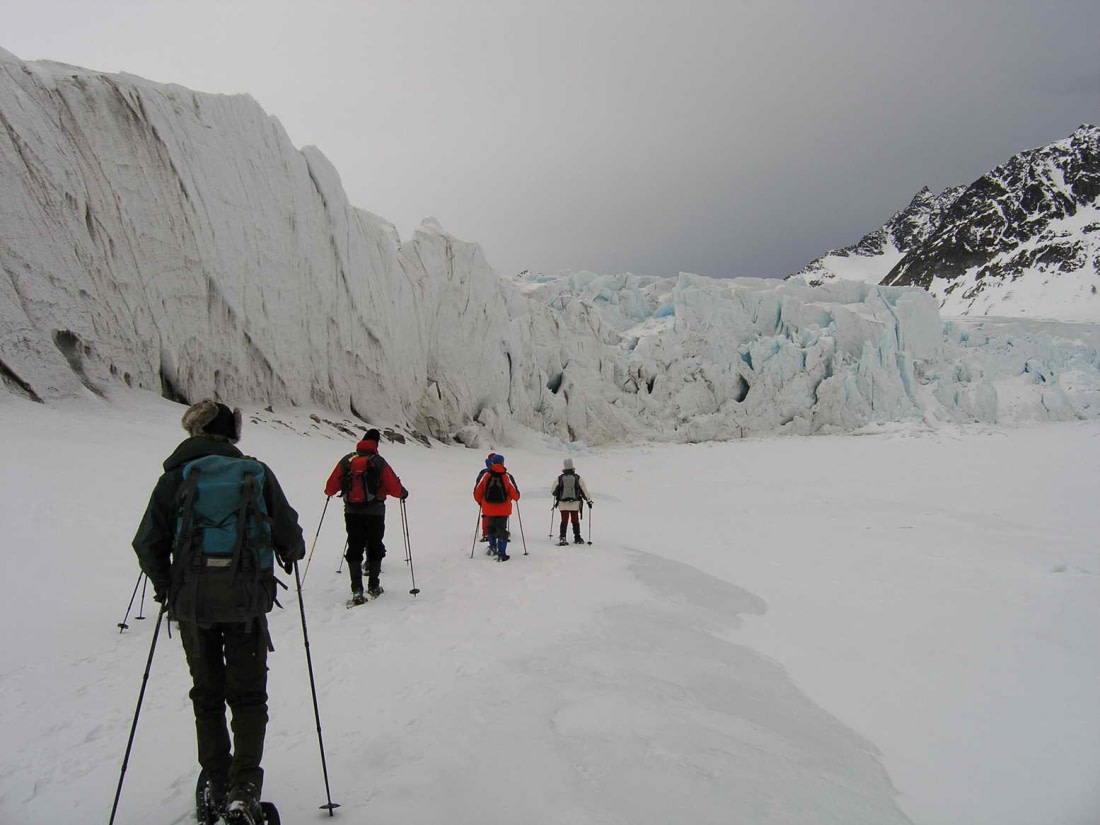
One of the most beloved polar sports is also one of the oldest. Snowshoeing has been the preferred means of foot travel in the Arctic since antiquity, and in the years since Antarctica was discovered, it has been highly popular among researchers and polar tourists alike.
The reason is pretty self-evident: Snowshoes are easy to use, light to carry, and make walking in snow far more feasible - and fun.
But for Arctic and Antarctic expedition cruisers, snowshoes also represent a great way to see the outdoors while also enjoying an invigorating aerobic workout. (So you can keep enjoying all that delicious on-board cuisine entirely guilt-free.)
Here are five reasons why we recommend snowshoeing for your Arctic or Antarctic cruise.
1. Snowshoeing has a long and rich tradition
Snowshoes have been around for perhaps as many as 4,000 to 6,000 years, and were probably first used in central Asia. Essential for mobility over deep snow, snowshoes would have been common gear for trappers, traders, and anyone who lived in the far north.
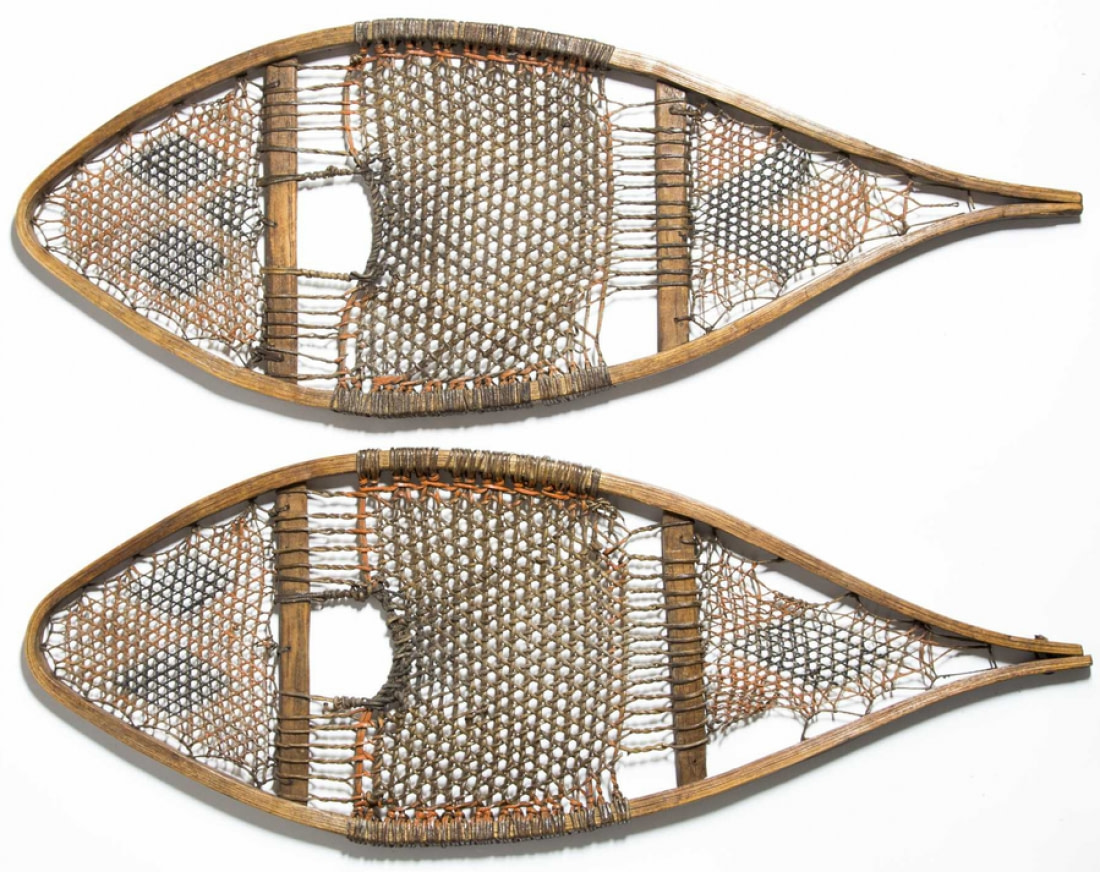
Early snowshoes were fairly crude by today's standards, typically composed of a hardwood frame covered with rawhide lacings.
But despite their relative simplicity, even today there are avid snowshoers who only use wooden-framed snowshoes. This may be as much for the aesthetic as for practical purposes, since wooden frames don’t freeze as easily and are quieter over the snow.
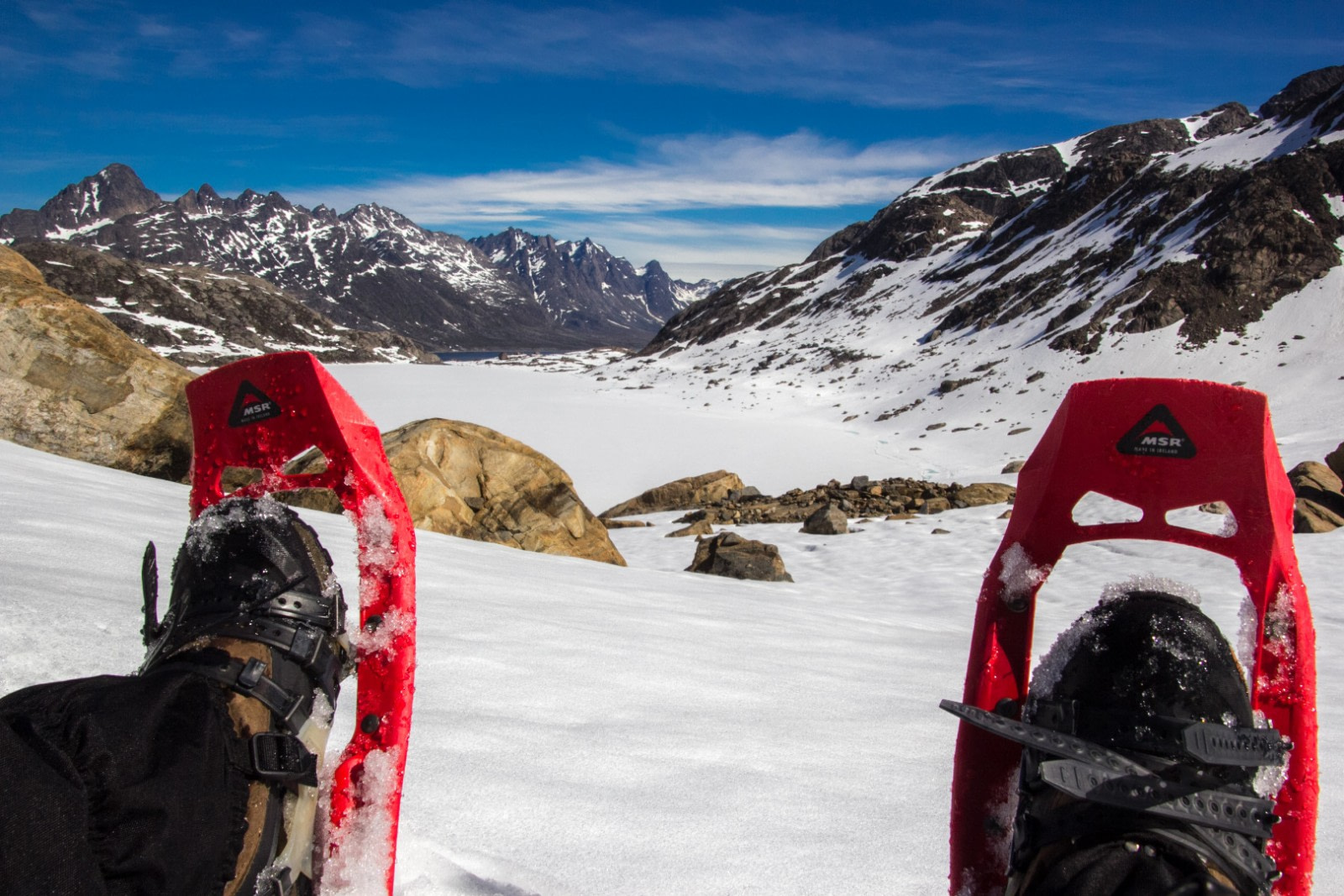
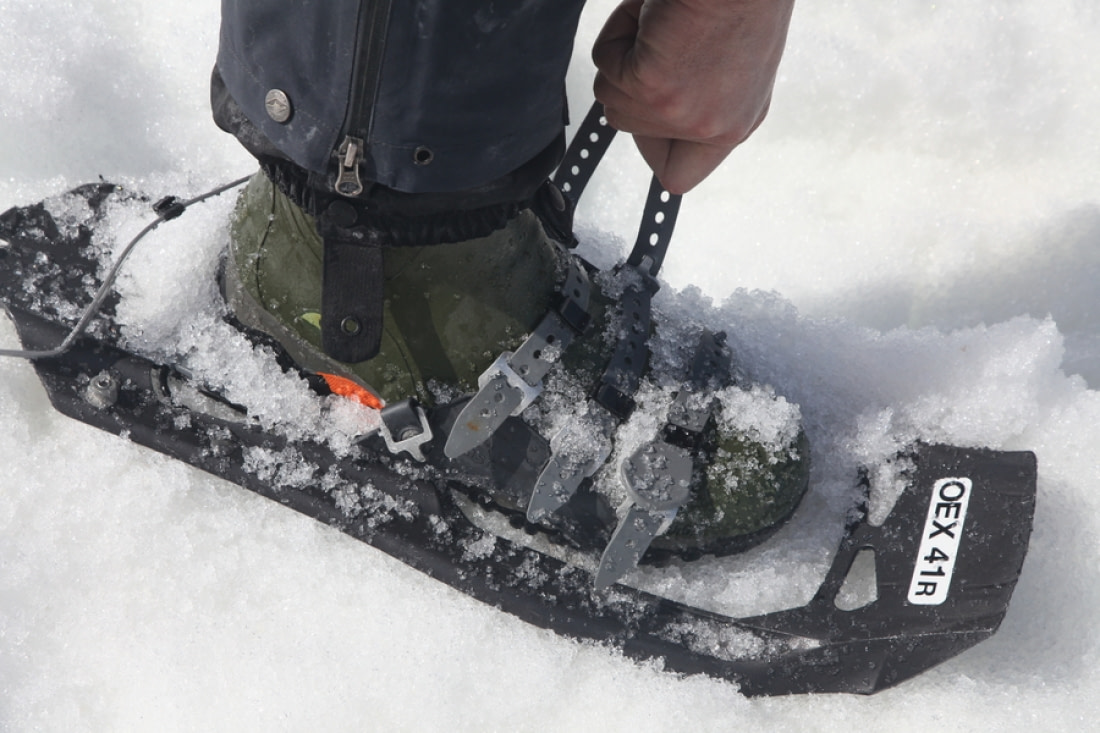
This traditional snowshoe design has long since evolved, however. Modern snowshoes are usually made with aluminum frames and composite polypropylene elements, which require little maintenance and are lighter, stronger, and therefore safer than wooden snowshoes.
These newer designs may also explain the sport’s enduring popularity. Even ski resorts offer snowshoeing trails for those who appreciate a slower-paced sport.
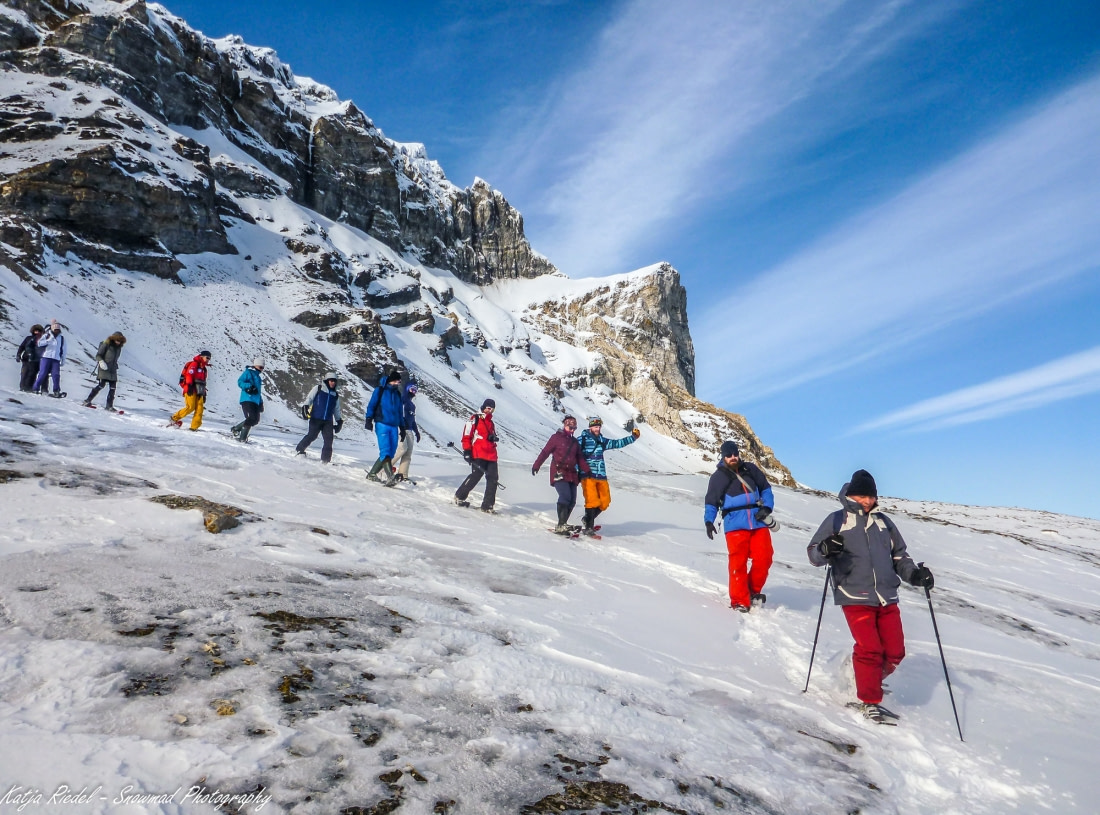
2. You get an amazing workout with snowshoeing
Not surprisingly, snowshoeing is an excellent workout. You will not only burn calories while snowshoeing but also improve your cardiovascular fitness. In fact, it's estimated that snowshoeing can expend about 45 percent more calories than walking or running at the same speed.
Snowshoeing is also a low-impact activity, so your joints won't suffer while you're getting this great aerobic exercise.
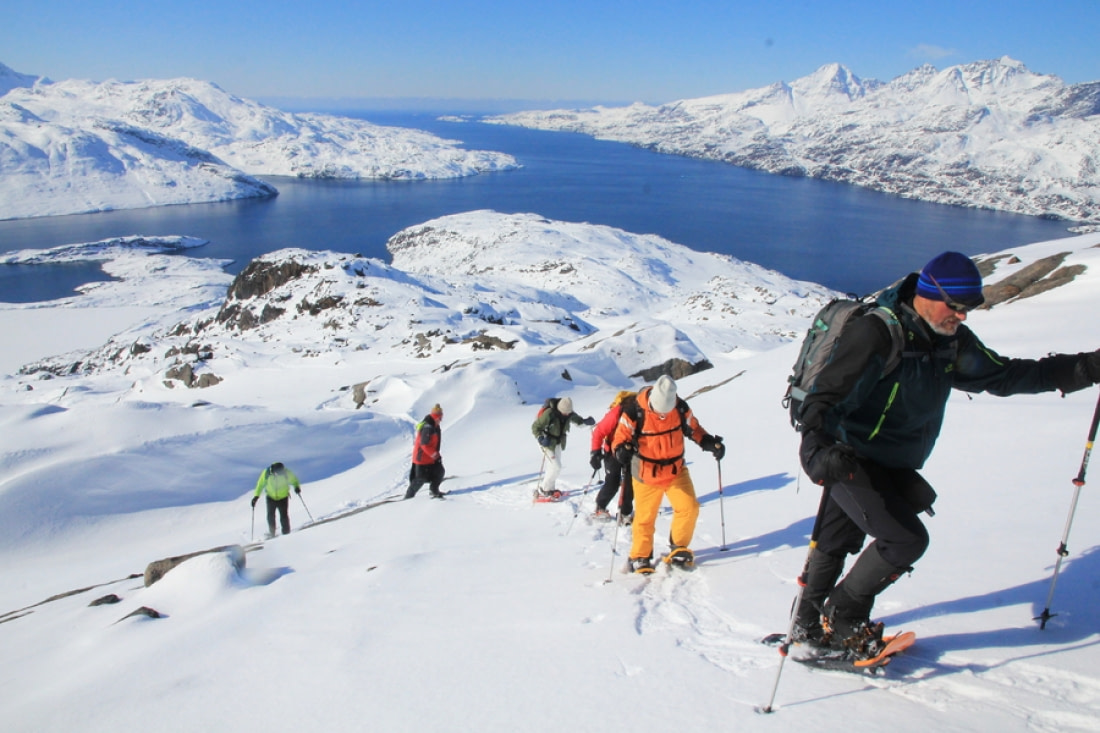
3. If you know how to walk, you know how to snowshoe
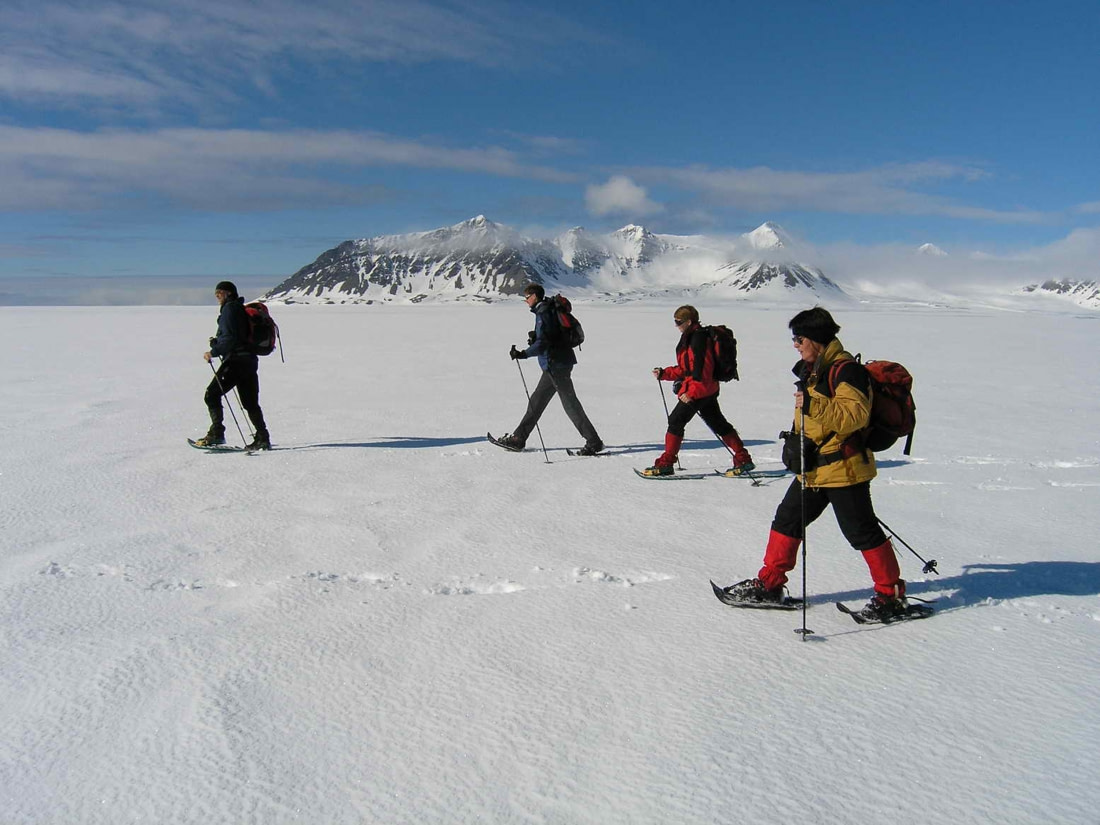
Sure, it will take a moment to get used to snowshoes if it's your first time wearing them. But once the snowshoes become familiar, snowshoeing really is just walking over the snow. Also, your snowshoeing workout/exercise is only as vigorous as you want to make it.
Here are a few techniques that will help you enjoy your snowshoeing trip easier:
Widen your stance as you walk. This allows you to avoid stepping on the snowshoes themselves. Your muscles might feel a bit sore after your first session, but this is totally normal.
Use your toe or crampons for traction when going uphill. If you find yourself in powder, kick into the snow to make a step that will fully support your weight. On hardpack, use your crampons or claws as well as your poles to get a firm footing.
Keep in mind that snowshoes aren't very effective on ice. Beginner snowshoers sometimes climb up steep slope only to have a hard time getting back down. Check your route before forging ahead.
Body position is important when going downhill. Keep your knees bent and relaxed, with your body weight leaning back just a bit. With your poles in front of you, walk by planting your heel first and then your toe.
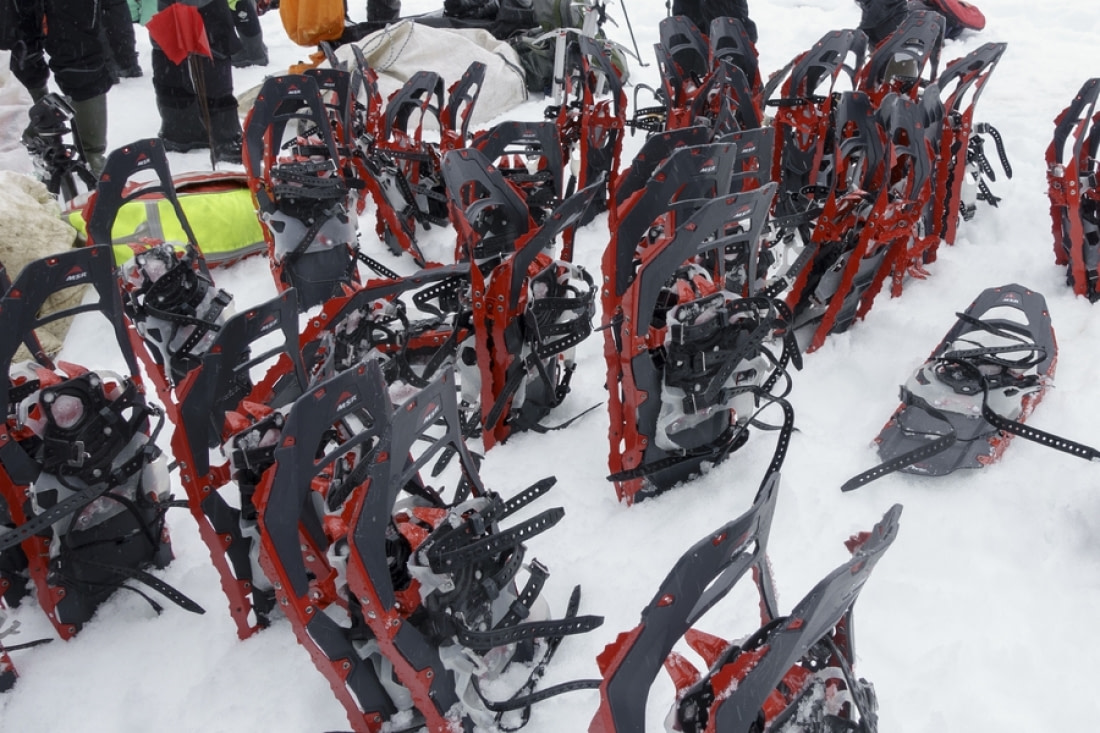
If the going gets steep, try sidehilling. This just means zig-zagging up or downhill to make the incline less difficult. As you walk, push the uphill side of each snowshoe into the hill to create a shelf for you to step on. Then try to keep your weight on the uphill snowshoe. To make best use of your poles, lengthen the downhill pole and collapse the uphill pole so they're even.
When available, use adjustable poles. Using poles on flat ground is not often necessary, though it can help for balance. When on uneven terrain, however, poles come in handy - especially adjustable poles, as they can be shortened for uphill and lengthened for downhill. Generally, the most effective pole length allows your arm to bend at a right angle.
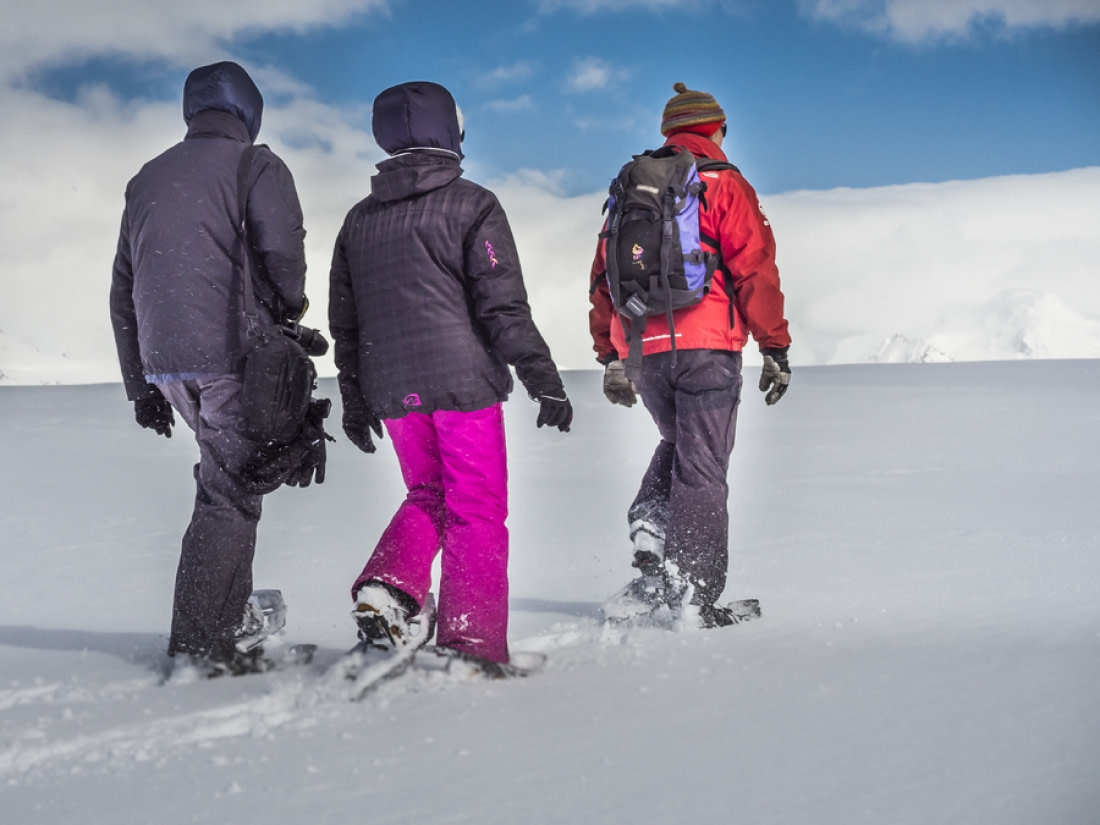
4. You can wear ordinary polar clothes for snowshoeing
A common question among our passengers is what to wear when snowshoeing, and the answer is simple: the same clothes you'll pack for your Antarctic or Arctic trip.
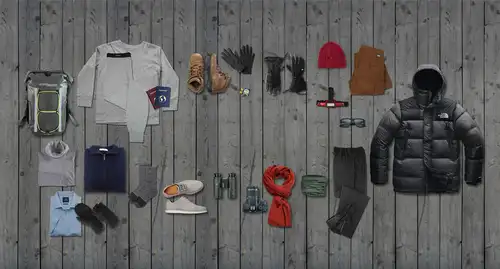
In cold and wet climates, cotton garments aren't a good choice, as they don’t insulate well and dry slowly when wet. We recommend you layer your snowshoeing clothing so you can remove layers as you work up a sweat or add if you get colder.
For your base layer, use synthetic or wool long underwear that will insulate and dry quickly. Over the base layer, use a synthetic or wool insulating layer to retain body heat. Finally, use an outer layer to block out water and wind. For this outer layer, a waterproof and breathable shell jacket is best.
Also, your head and neck lose an enormous amount of body heat if not insulated. Include in your snowshoeing clothing a wool or synthetic hat or balaclava to stay warm. And to keep your hands dry, always wear waterproof gloves or mittens.
Because UV rays can be unusually intense in snowy Arctic and Antarctic areas, don’t forget sunglasses and plenty of high-quality sunblock.
And then there's your feet, maybe the most important area to protect. Use insulated, waterproof boots with thick soles (offered on our larger motorized ships). Wool or synthetic socks are likewise best to keep your feet warm. You might also consider gaiters. Strapping these over your boots will keep out the snow while snowshoeing.
5. Snowshoeing is just as fun in the Arctic as in Antarctica
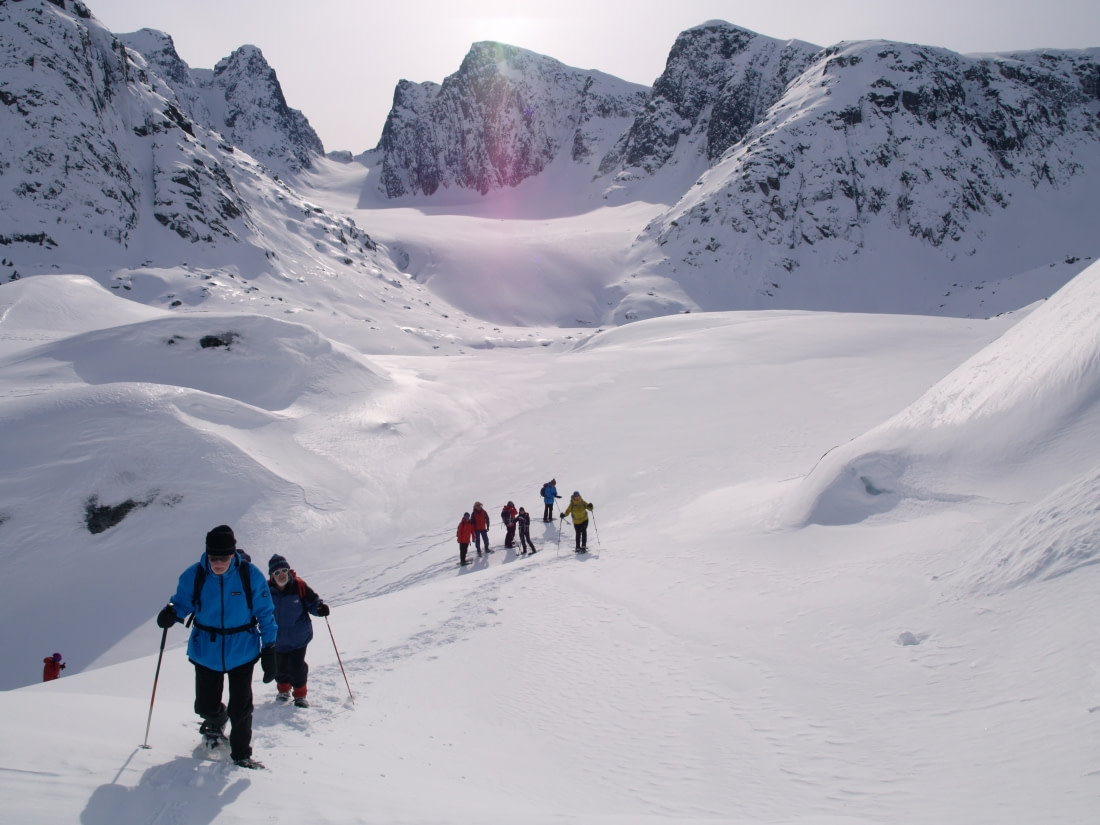
Whichever area of the polar regions you visit, a snowshoeing trip is always fun, invigorating, and enjoyable. For this reason, we offer a wide variety of snowshoeing trips in both Antarctica and the Arctic.
Every snowshoeing group is accompanied by an expedition guide with extensive experience in the sport, and the general fitness level of the group is taken into account when deciding the exact route and duration of the trek. Outings commonly follow our usual three-hour timeframe.
Join us on an Arctic or Antarctic snowshoeing trip, and enjoy the polar regions by the power of your own two feet!


Blog


What to Pack for Your Expedition Cruise to the Arctic or Antarctica
Penguins, Albatrosses, Petrels: The Winged Wildlife of South Georgia
Bouvet Island: The Most Remote Island in the World
The Small Mammals of the Arctic and Antarctica
The Return to Franz Josef Land
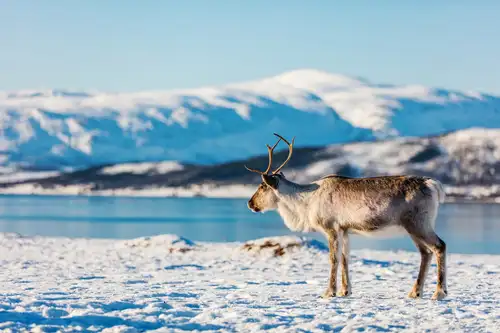
Eight Engaging Reindeer Facts
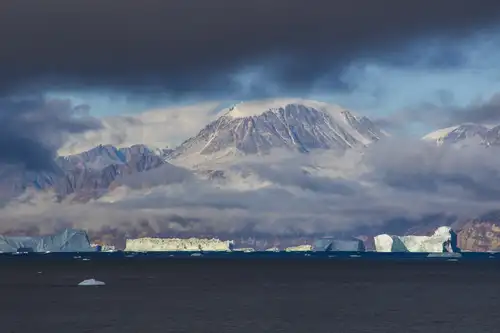
Greenland: East vs. West
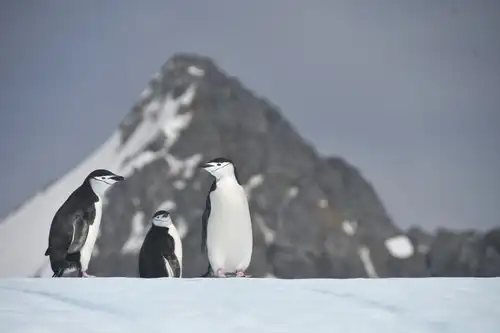
11 South Orkney Animals: Whales, Seabirds, and Penguins Aplenty

Shackleton’s Long-Lost Endurance Discovered in Antarctica
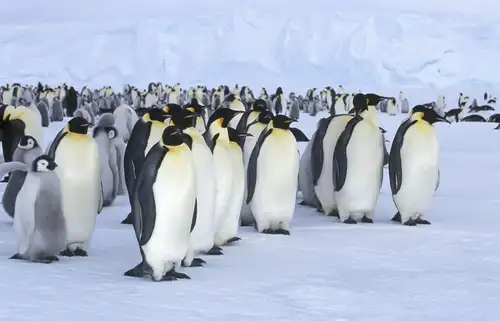
Imperial Antarctica: the Snow Hill Emperor Penguins
Seizing the Season: Spitsbergen’s Late Spring, Early Summer
Spitsbergen: Alkefjellet magic

The World Is Changing for Greenland's Native Inuit People
Hot Ice: Breeding Practices of Five Polar Animals
Arctic vs. Antarctica: A Traveler’s Guide
Top 10 Tips for Packing Your Polar Photography Equipment
Birds of the South: 33 Antarctic Birds and Seabirds
The Secret Life of Glaciers: How They Form, Move, and Melt
Antarctica in Pictures: Photos from 2018