Antarctica Cities And Five Other Things That Dont Exist There - Nexta Expeditions
Antarctica Cities (and Five Other Things That Don’t Exist There)

Antarctica Cities (and Five Other Things That Don’t Exist There)

Why write about what you won't find in Antarctica? Most travel blogs highlight what a destination offers, but many polar tourists visit Antarctica to experience a new world and escape their old one.

If that resonates with you, you're in luck. This article provides a detailed account of the modern conventions you'll leave behind if you ever embark on a trip to Antarctica. And we sincerely hope you do.
blog-image

1. Antarctica cities

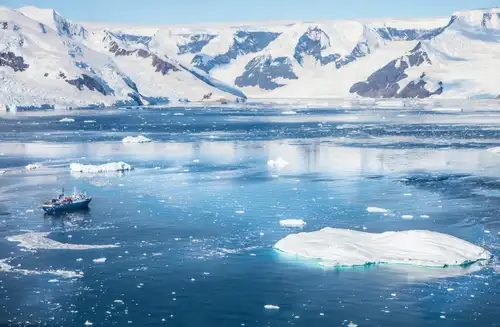
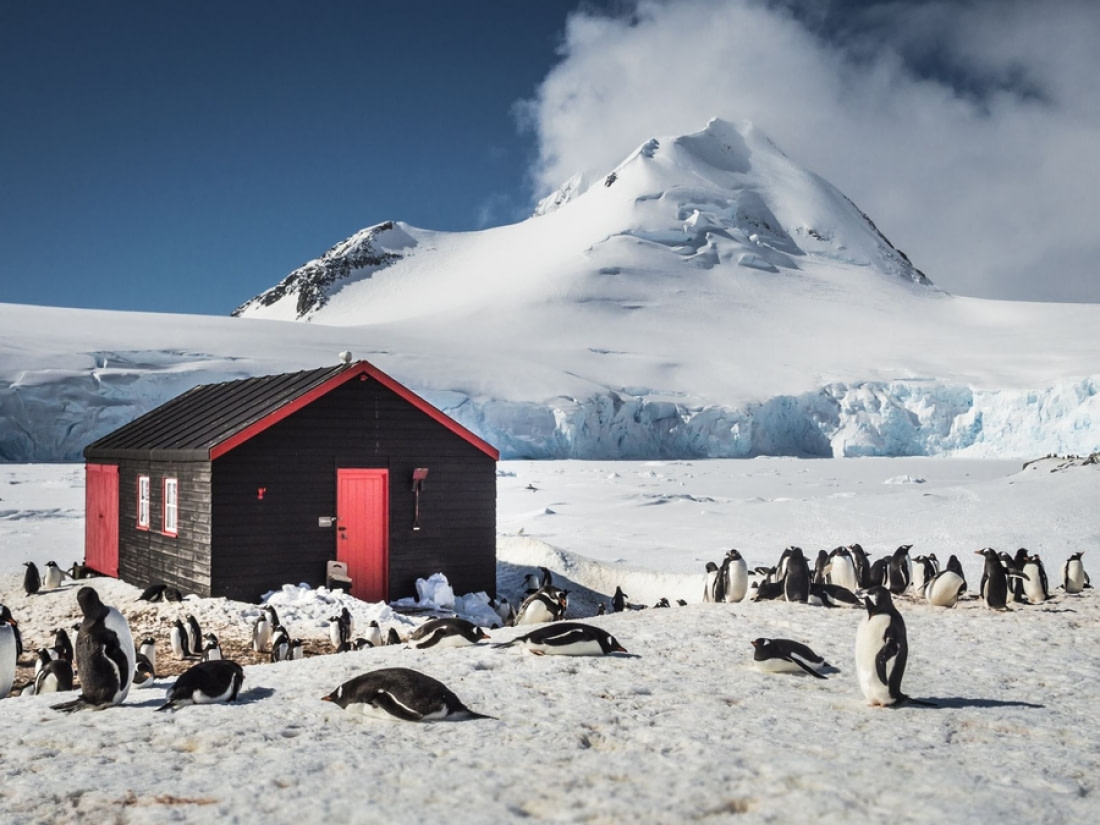
One of the main reasons adventurers seek remote locations is to escape city life. Luckily for polar enthusiasts, Antarctica has no cities—only research stations.

Dozens of research stations, some operational year-round and others seasonal, are managed by around 30 countries. These include Esperanza, McMurdo, Cámara, Neumayer II and III, and Orcadas, among others. These stations host between 1,000 to 4,000 people during winter and summer, respectively.

The countries running these stations are signatories of the Antarctic Treaty, which regulates their activities on the continent. This high-science, low-urban environment means city lovers will find it easier to locate a petri dish than a pizza delivery service in Antarctica.
blog-image

2. The countries of Antarctica

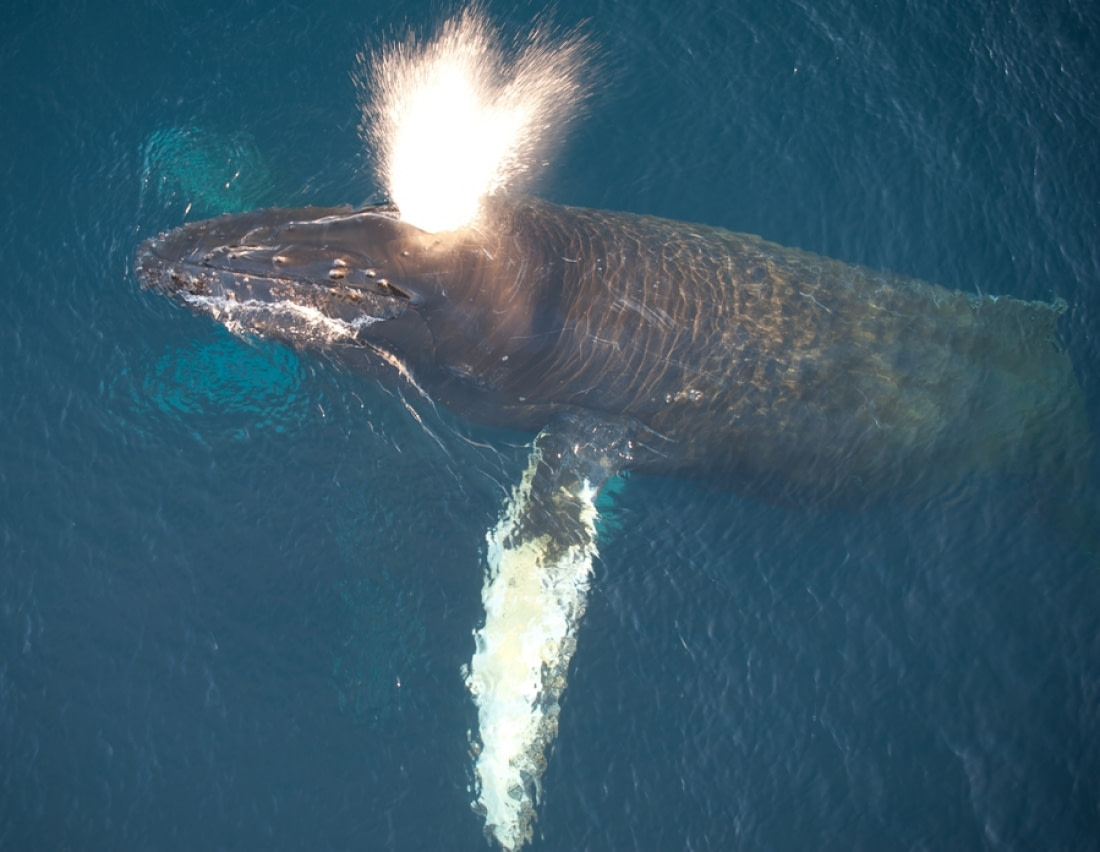
Without cities, there's no need for countries. Antarctica hosts numerous stations managed by various nations, but no single country claims the entire continent. This wasn't always the case.

Over the years, several regions and islands in Antarctica have been claimed by Spanish, British, Norwegian, American, German, Soviet, French, Chilean, and Argentine governments. Efforts to reach an agreement between these governments culminated in the Antarctic Treaty of 1959, aimed at preventing international conflict.

When the treaty took effect in 1961, it established Antarctica as a scientific preserve, free from military activity. A commendable example for the rest of the world.
blog-image

3. Antarctica capital

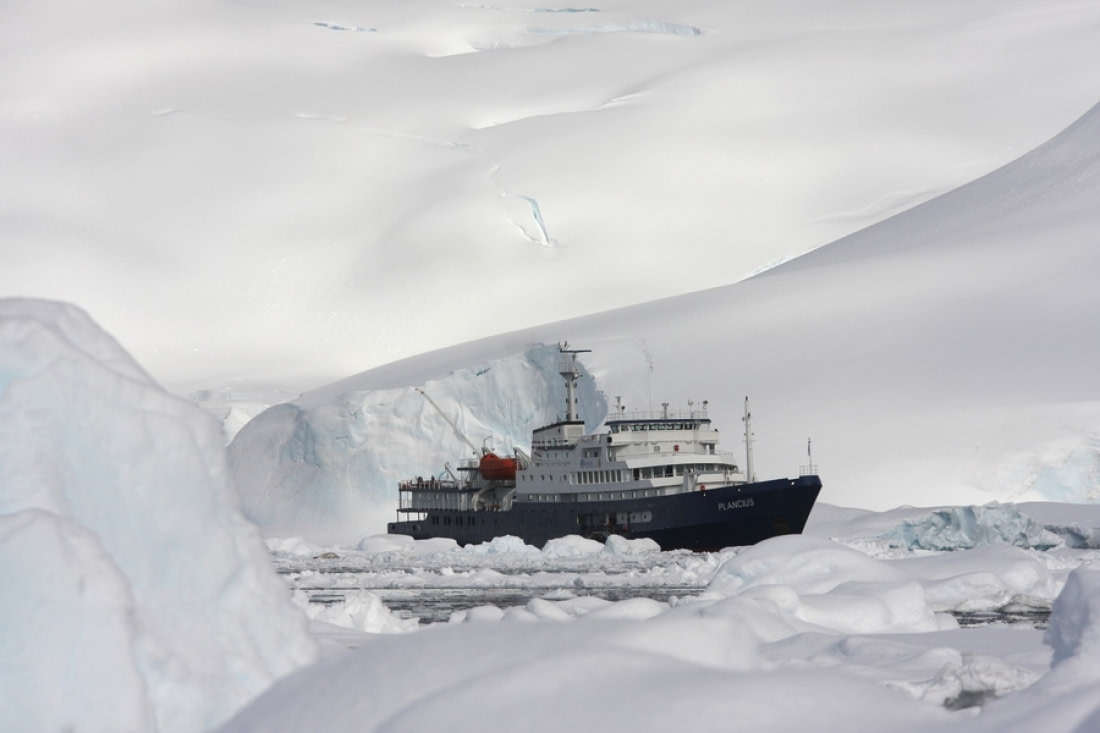
By "capital," we don't mean money, which works in Antarctica as it does elsewhere (unless you encounter a polar bear, in which case exact change is advisable). We mean an urban capital, which Antarctica, as a geographic rather than political entity, doesn't need.

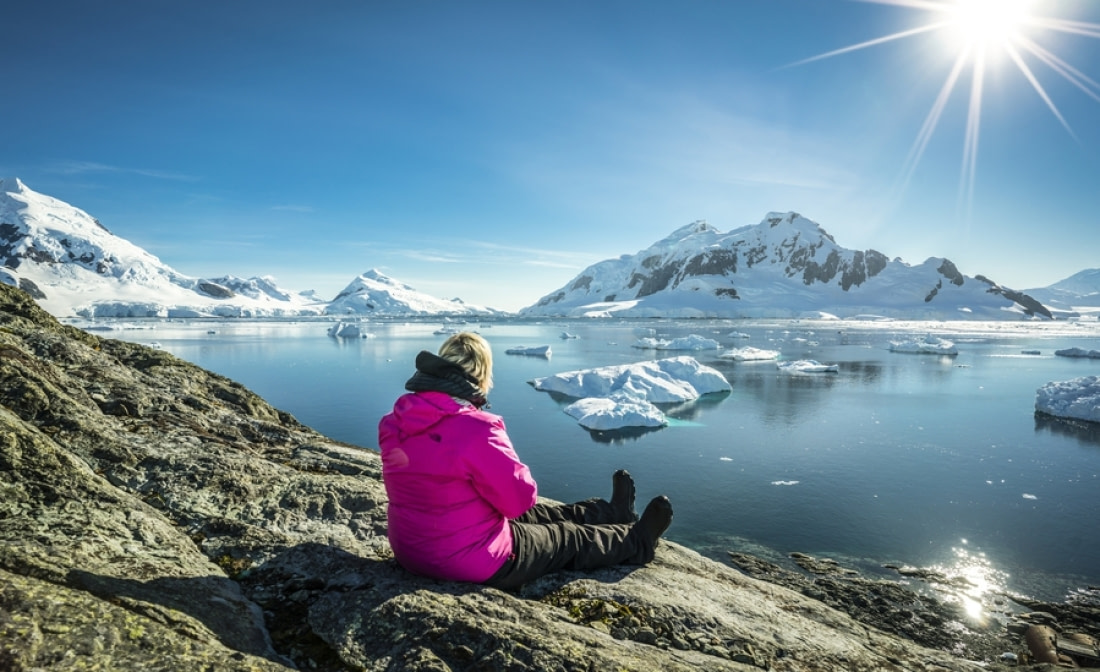
For Antarctic travelers, this means your time in the world's largest polar desert will bring you closer to the planet's most primal elements. In Antarctica, natural boundaries of water, earth, and ice define the landscape.
blog-image

4. An indigenous (human) population

Wild places often have indigenous human populations, but not Antarctica. It wasn't until long after the continent separated from Gondwanaland, breaking off from South America and Australasia, that anything resembling Homo sapiens appeared on Earth.

While you won't experience this aspect of Antarctica tangibly, you can certainly feel it. Camp under the Antarctic stars or listen to the wind over miles of unbroken snow, and you'll sense the difference between Antarctica and anywhere else you've been.

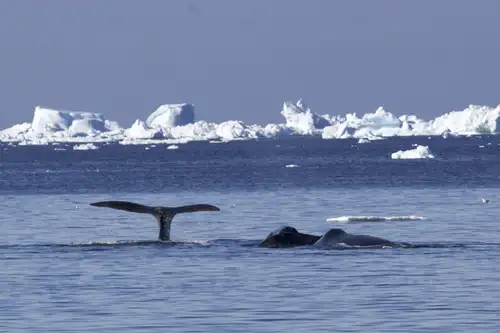
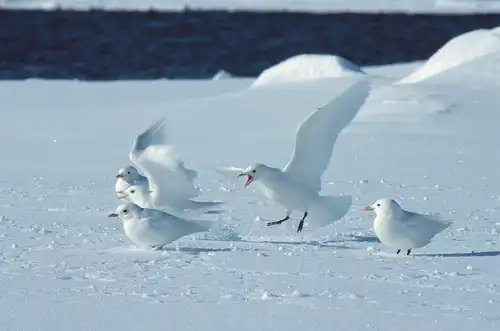
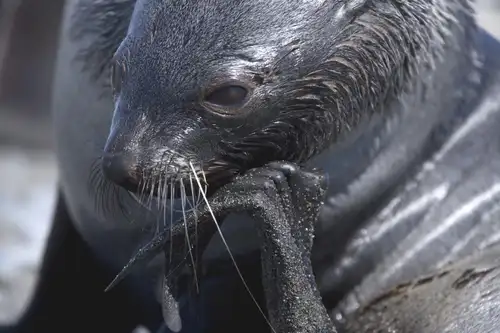
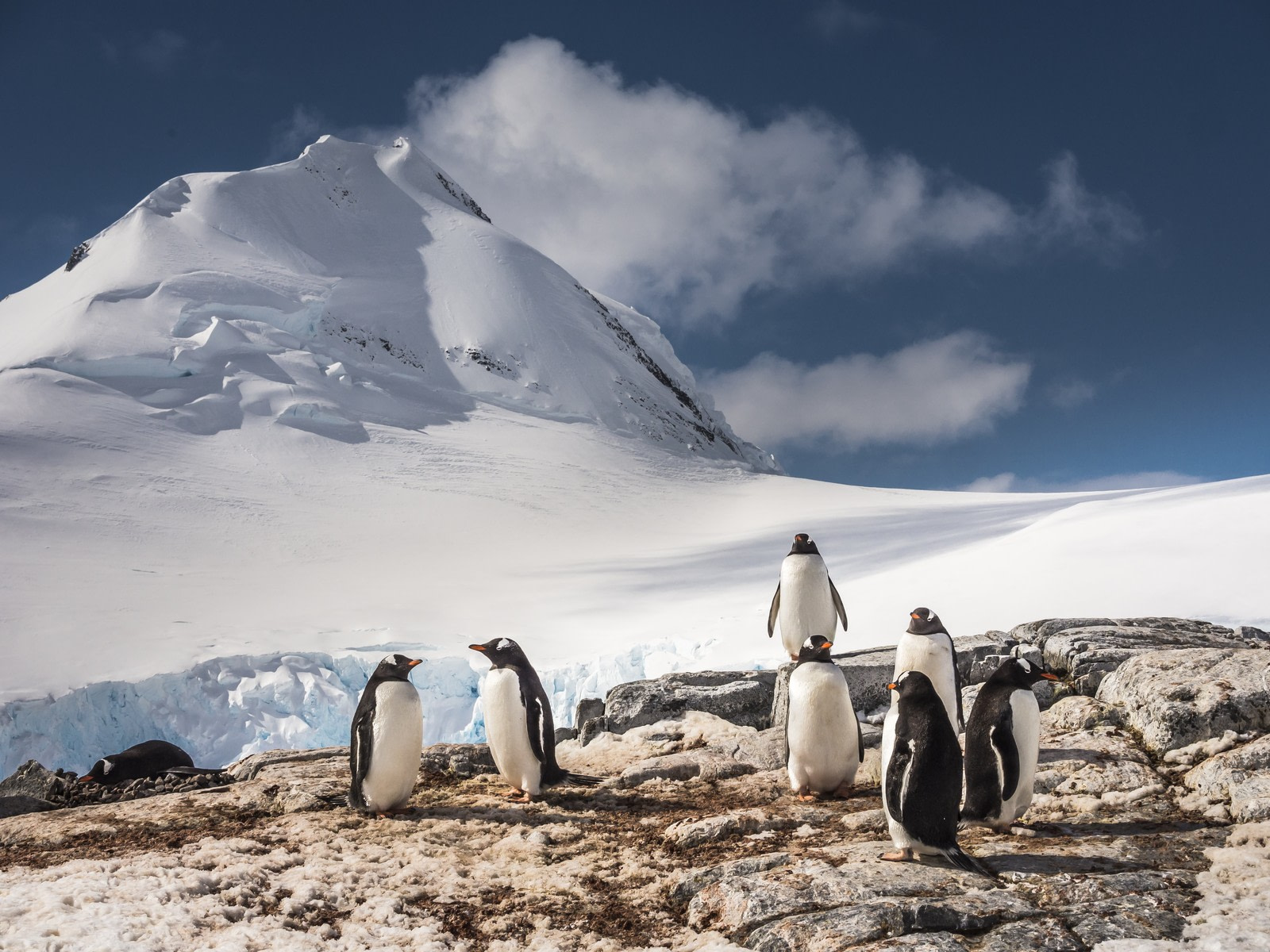
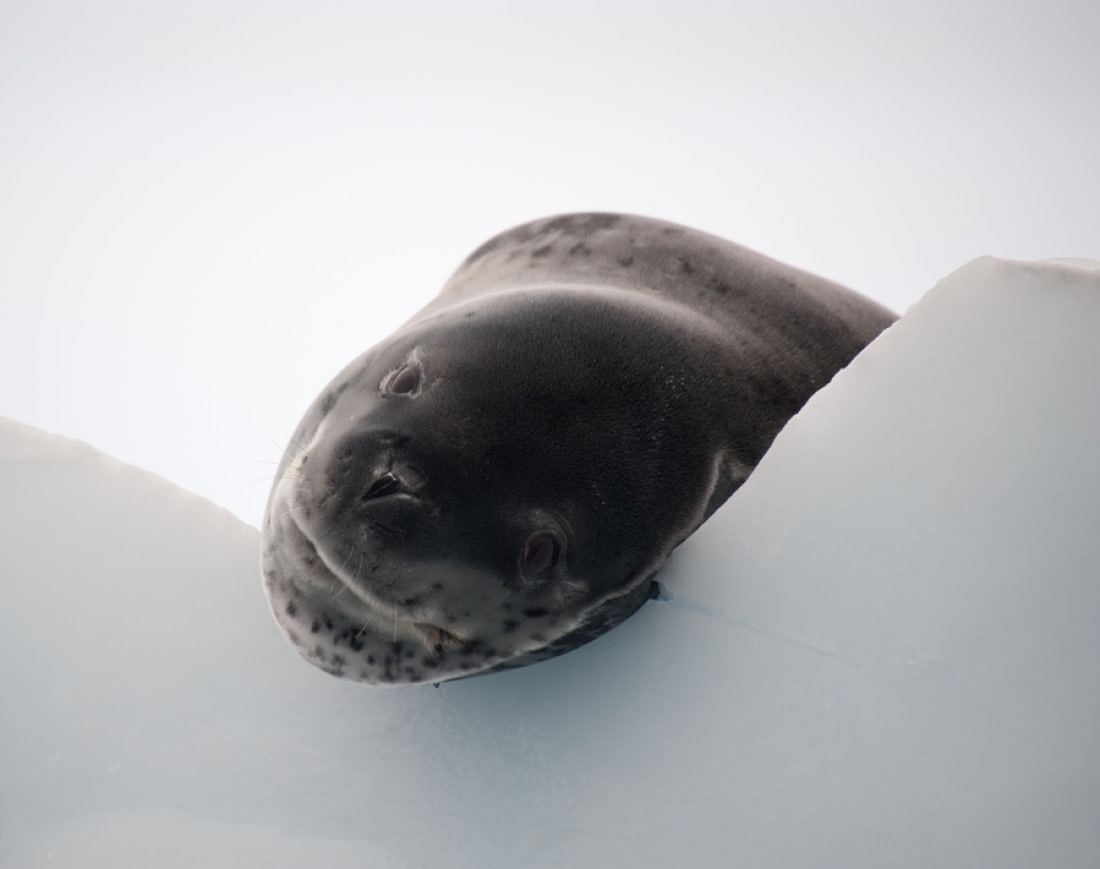
The only indigenous populations in Antarctica have flippers, fins, or wings, and they couldn't care less about data roaming.
blog-image

5. Flights to Antarctica

While commercial flights to Antarctica exist, their rarity justifies their inclusion on this list. Most air traffic involves non-civilian planes and helicopters using airstrips and helipads at various research stations.

These landing facilities are basic, with gravel runways, and planes must be equipped for snow and ice. Most landings occur in summer when conditions are more favorable.

Your best bet for traveling to Antarctica is to fly to Ushuaia, a small tourist town at the southern tip of Argentina, and then continue your journey by ship. Most tour operators offering expeditions to South Georgia, the Falklands, or Antarctica depart from Ushuaia.
blog-image

6. Antarctica news reporting stations

Although there are no news reporting stations in Antarctica, the continent generates significant international news. Its research stations make important scientific discoveries, especially regarding climate change.

Findings such as ice recession rates and glacial calving provide insights into the extent of human-caused versus cyclical temperature changes. Research into Antarctica's ice cores and atmosphere continues to lead climate science.

The scientific work in Antarctica is likely to remain invaluable to our rapidly warming planet.

Blog
go-leftgo-right

Deception Island deceptively active - Nexta Expeditions
Blog

Deception Island deceptively active

In Antarctica, the South Shetland archipelago is home to Deception Island, a volcanic-rounded island that is 15 km in diameter with a shield volcano. The volcano is mainly basalt-andesite and was one of the first parts of Antarctica to be discovered, probably around 1820 by UK and USA sealers.
Antarctica Cities (and Five Other Things That Don’t Exist There) - Nexta Expeditions
Blog

Antarctica Cities (and Five Other Things That Don’t Exist There)

Why write about what you won't find in Antarctica? Most travel blogs highlight what a destination offers, but many polar tourists visit Antarctica to experience a new world and escape their old one.
Arctic Mythology: Inuit, Saami, and the Ancient Greeks - Nexta Expeditions
Blog

Arctic Mythology: Inuit, Saami, and the Ancient Greeks

The Arctic locations we visit aren’t merely made up of phenomenal landscapes, exotic wildlife, and more adventure than a Hardy Boys novel.
Experience King Penguins, Seals and More in South Georgia - Nexta Expeditions
Blog

Experience King Penguins, Seals and More in South Georgia

One of the most remarkable aspects of South Georgia Island is its immense population of King penguins. This island serves as a significant breeding ground, and breathtaking aerial photos have captured the sight of hundreds of thousands of King penguins gathered together. This colony is known as the largest crèche in the world, making it one of the top destinations globally for observing King penguins.
The Wonderful Weddell Sea: Places, Pics, and Impressions - Nexta Expeditions
Blog

The Wonderful Weddell Sea: Places, Pics, and Impressions

When we talk about Antarctica, it’s easy to slip into familiar words: amazing, astounding, extraordinary, exceptional. And though most Antarctic locations more than deserve these descriptions, some deserve them more than others.
The Wildlife of Antarctica’s Seas and Skies - Nexta Expeditions
Blog

The Wildlife of Antarctica’s Seas and Skies

Antarctica is one of the most pristine environments on Earth, home to whales, penguins, seals, and birds, providing nature lovers with a treasure trove of wildlife memories to take back home.
Narwhals: the Aquatic Unicorns of the Arctic - Nexta Expeditions
Blog

Narwhals: the Aquatic Unicorns of the Arctic

Though narwhals are among the rarest whale species encountered during our Arctic expeditions, a journey to the Arctic regions of Greenland and Svalbard always holds the potential for spotting these elusive creatures.
Puffins: Clown Birds of the Atlantic - Nexta Expeditions
Blog

Puffins: Clown Birds of the Atlantic

Puffins are part of a family of 22 seabird species known as auks, which are pigeon-sized birds that thrive on a diet of small fish and crustaceans.
The Best Arctic and Antarctic Trips for Families - Nexta Expeditions
Blog

The Best Arctic and Antarctic Trips for Families

Polar expedition cruises are often enjoyed by couples and an increasing number of solo travelers, but they can also be a fantastic adventure for families. If you have the budget to bring the whole family along, there are various polar trips that will make everyone equally excited about the ice.
Hot Ice: Breeding Practices of Five Polar Animals - Nexta Expeditions
Blog

Hot Ice: Breeding Practices of Five Polar Animals

Last Valentine's Day we gave you 14 wildlife pictures highlighting the ins, outs, ups, and downs of polar romance. This year we're moving on to something a little more advanced: the nitty-gritty details of polar wildlife breeding rituals.
Guidelines for visitors to Antarctica - Nexta Expeditions
Blog

Guidelines for visitors to Antarctica

Activities in the Antarctic are governed by the Antarctic Treaty of 1959 and associated agreements, collectively known as the Antarctic Treaty System. The Treaty established Antarctica as a zone dedicated to peace and science. In 1991, the Antarctic Treaty Consultative Parties adopted the Protocol on Environmental Protection to the Antarctic Treaty, designating the Antarctic as a natural reserve.
The ozone layer in Antarctica - Nexta Expeditions
Blog

The ozone layer in Antarctica

An ozone molecule is composed of three oxygen atoms rather than the usual two. It exists in the atmosphere in trace amounts. Ozone molecules are created through the interaction of ultraviolet (UV) radiation from the sun with oxygen molecules: When an O2 molecule is split, the two free oxygen atoms bond with other O2 molecules to form O3 molecules.
Tracking Greenland’s Wildlife from Space - Nexta Expeditions
Blog

Tracking Greenland’s Wildlife from Space

Despite Greenland’s harsh environment, life has found a way to thrive there. If you’re lucky enough to embark on a Greenland cruise, you stand the chance of encountering many species of cold-adapted mammals, birds, and fish.
The Eight Albatrosses of Antarctica and the Sub-Antarctic - Nexta Expeditions
Blog

The Eight Albatrosses of Antarctica and the Sub-Antarctic

Our guests are typically wildlife enthusiasts, with a particular interest in bird life. While many bird lovers focus on the penguins we encounter, there's a smaller yet equally passionate group that favors the more airborne seabirds. Among this birdwatching subset, the albatross is a species that garners (and deserves) significant attention.
The Ultimate Traveler’s Guide to the Arctic and Antarctica - Nexta Expeditions
Blog

The Ultimate Traveler’s Guide to the Arctic and Antarctica

Sunrises or sunsets? Coffee or tea? Polar bears or penguins?
The Emperor Penguin of the Drake Passage - Nexta Expeditions
Blog

The Emperor Penguin of the Drake Passage

There are certain moments in life when a series of events combine to create an experience that is both unexpected and unforgettable. These are the times when you are reminded how fortunate you are to be a part of something that few people will ever have the opportunity to experience. This trip to Antarctica was full of these moments for me.
Peaks, Fjords, and Auroras: 14 East Greenland Attractions - Nexta Expeditions
Blog

Peaks, Fjords, and Auroras: 14 East Greenland Attractions

There really aren’t enough superlatives for East Greenland.
Amphibian, reptiles and herbivore mammals in the Arctic - Nexta Expeditions
Blog

Amphibian, reptiles and herbivore mammals in the Arctic

Arctic ecosystems are relatively young in geological terms, having primarily developed over the past three million years. Generally, species richness is lower in the Arctic compared to more southerly regions, aligning with scientific observations that biodiversity decreases from the Equator to the poles.
Top 10 Tips for Packing Your Polar Photography Equipment - Nexta Expeditions
Blog

Top 10 Tips for Packing Your Polar Photography Equipment

One of the most common questions I get asked before a cruise is, “What photography equipment should I bring?” It’s a broad question, and answers vary based on the individual. There are, however, a few key pointers that apply to almost everyone.
8 Whales You Might See During Your Antarctica Cruise - Nexta Expeditions
Blog

8 Whales You Might See During Your Antarctica Cruise

They're powerful, beautiful, and really, really big. Whales are a wonder of the natural world, and one of the best places to see them is Antarctica. In fact, whale watching is one of the most popular and rewarding activities you can enjoy on an Antarctic trip.