Bouvet Island The Most Remote Island In The World - Nexta Expeditions
Bouvet Island: The Most Remote Island in the World

Bouvet Island: The Most Remote Island in the World

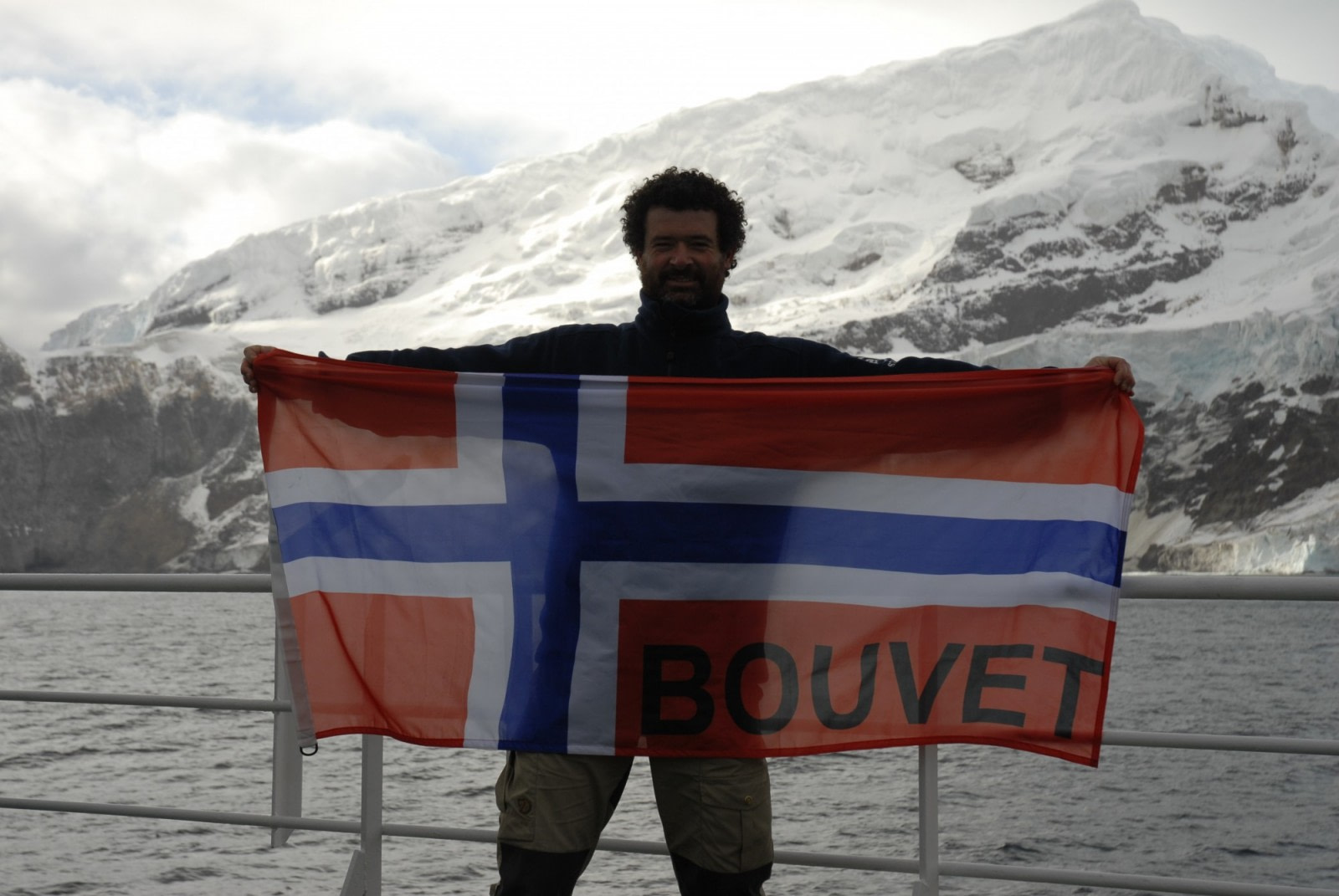
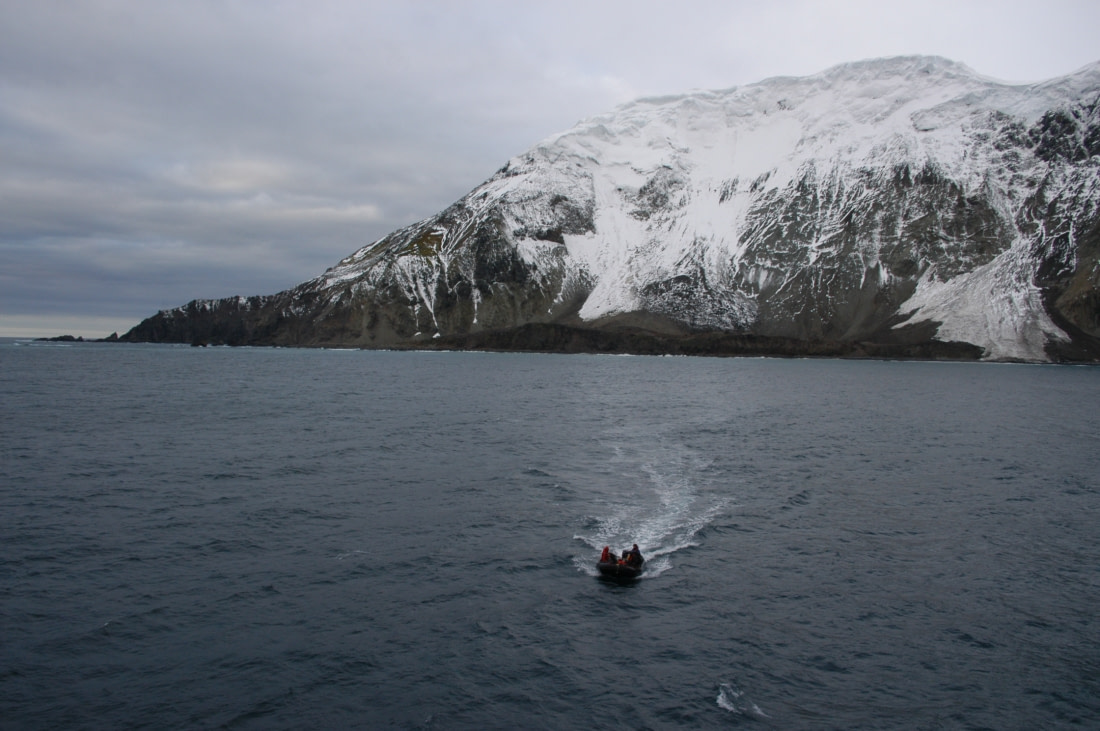
On January 1, 1739, French Commander Jean-Baptiste Charles Bouvet de Lozier made an extraordinary discovery: a volcanic island so remote that it lies 2,600 km (1,600 miles) from the nearest inhabited land.

This island would later be named Bouvet Island.

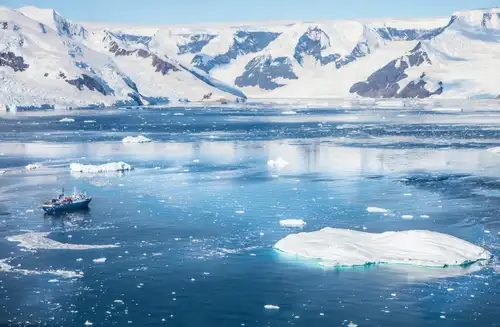
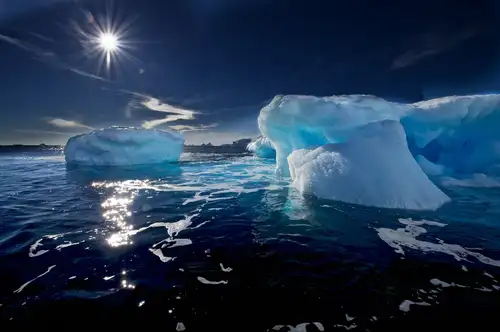
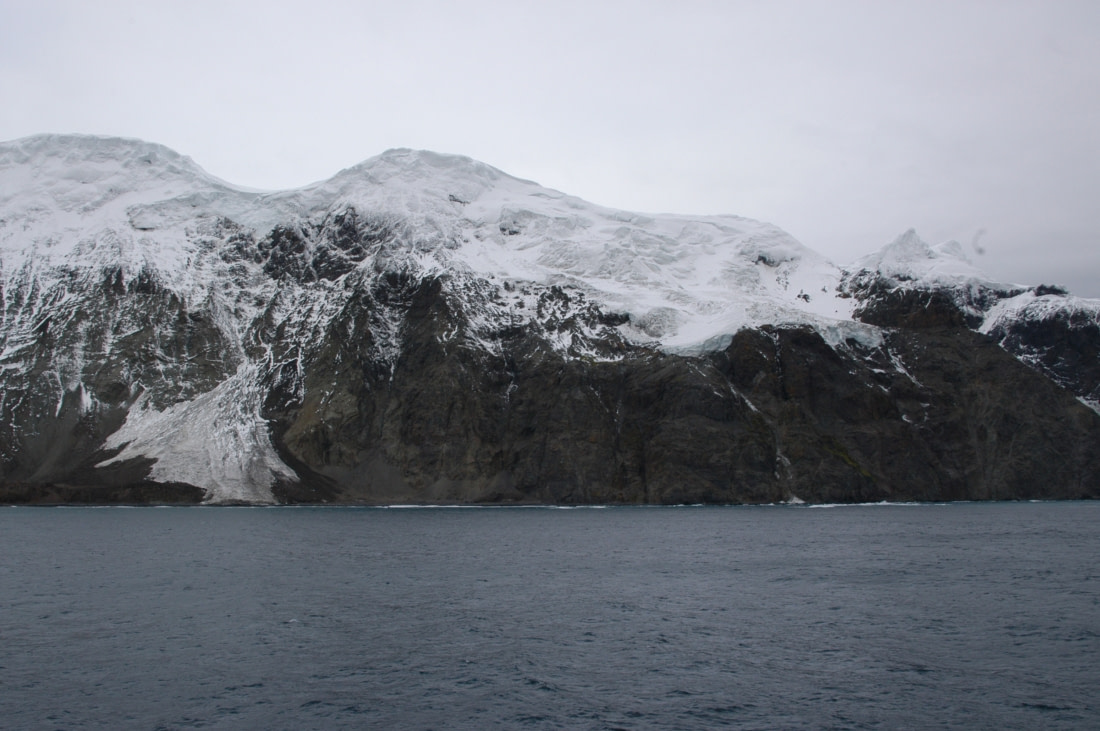
While there are many uninhabited islands around the globe, Bouvet Island stands out for being almost entirely covered by a glacier. Only about 7 percent of its 49 square km (19 square miles) is glacier-free, with an inactive volcano filled with ice at its center. The initial discovery of Bouvet Island was thrilling, though its coordinates were inaccurately reported at first sighting.

This error caused Bouvet Island to be lost until British whaler James Lindsay rediscovered it in 1808. There were several disputes over the island’s name and which nation should control it, but Norway was ultimately granted sovereignty in 1930.
blog-image

The modern mystery of Bouvet Island

Due to its remote location, Bouvet Island has never become a popular destination.

Thus, it was surprising when an abandoned lifeboat was found moored there in April 1964. This discovery prompted an investigation of Bouvet Island, but no trace of human life was ever found.

Interestingly, the placement of the boat suggests that those who were once on board could have easily reached Bouvet Island, making the absence of evidence even more puzzling and eerie.

Additionally, the boat bore no identifying marks. It seems this modern Bouvet Island mystery is destined to remain unsolved.

Fictional approaches to Bouvet Island

Given its remote location, unknown early history, and the mystery of the abandoned lifeboat, Bouvet Island has captured the imagination of many writers.

To date, Bouvet Island has been the setting for at least three books and one movie, including the 2004 film Alien vs. Predator.

In this film, the screenwriters used the island’s proper Norwegian name, Bouvetøya. However, the island depicted in the movie is actually far from the real Bouvet Island.
blog-image

Bouvet Island’s where and what

Bouvet Island is situated at the far southern end of the Mid-Atlantic Ridge and was officially designated a nature reserve over 40 years ago.

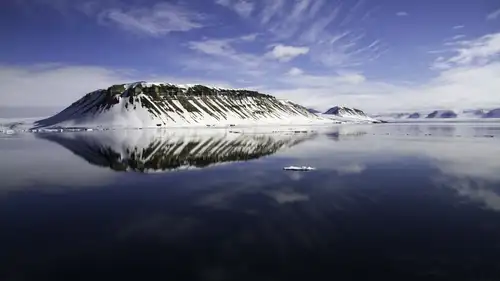
The northwestern part of Bouvet Island, known as Nyrøysa, is the only area where people can easily access the island. This region is mostly ice-free and hosts a weather station.

Bouvet Island’s northwestern section is also quite rugged, featuring gravel, lava stone, and boulders.

Many researchers have worked in the Nyrøysa area: From 1996 to 2006, there was a field station located there, but it was destroyed in an earthquake.

The wildlife and plant life of Bouvet Island

Bouvet Island is a great place to observe penguins and fur seals, particularly chinstrap penguins and macaroni penguins.

The macaroni penguin is one of the most common penguin species globally, easily identifiable by its distinctive orange plumes. These migratory penguins primarily feed on crustaceans and prefer breeding in rocky slope areas.

This makes Bouvet Island an ideal habitat. Indeed, over 4,500 macaroni penguins reside on Bouvet Island.

The number of chinstrap penguins on Bouvet Island is much smaller, last recorded at just over 400. However, their modest numbers on Bouvet Island do not reflect their global population: There are estimated to be at least 7 million pairs of chinstraps worldwide.

Chinstrap penguins are easily recognized by the thin black band under their beaks.

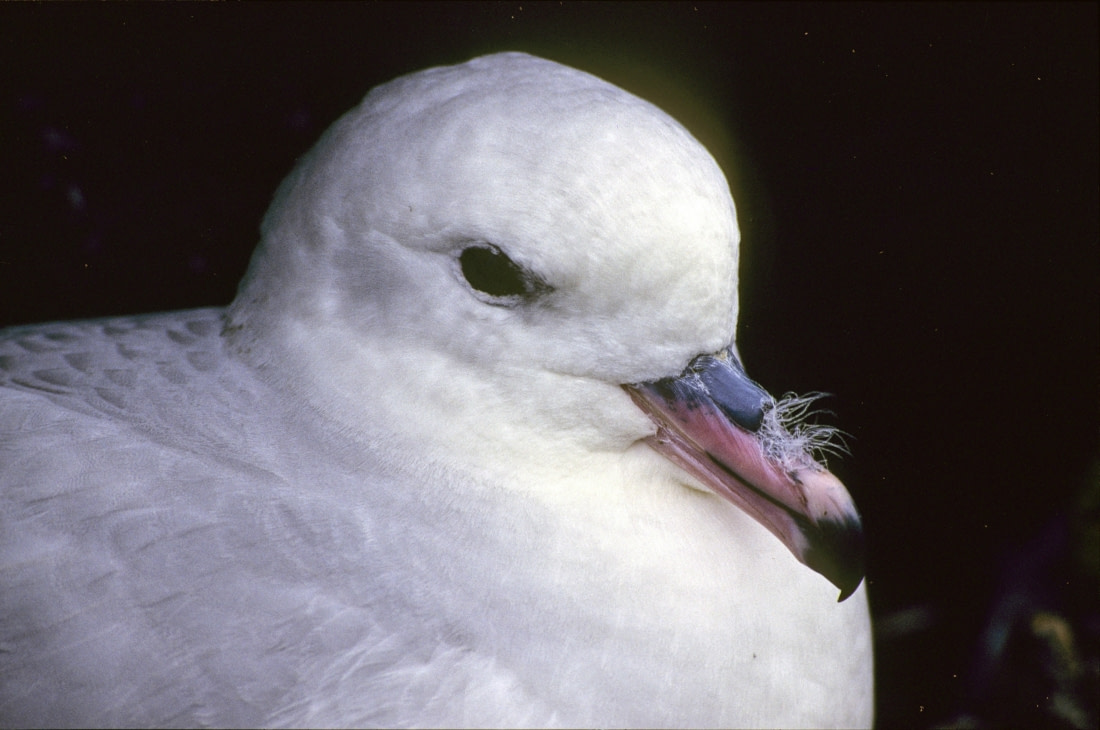
Several other bird species can be seen on Bouvet Island, earning it the designation of Important Bird Area by BirdLife International. Snow petrels, black-browed albatrosses, and Antarctic prions are among the most notable.

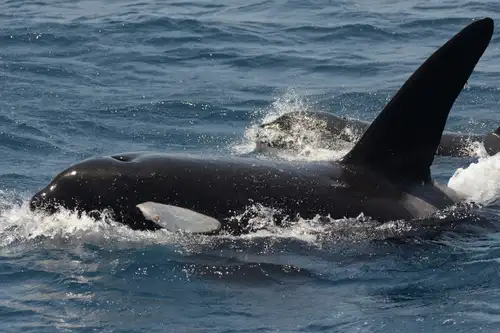
As for marine wildlife, Bouvet Island hosts a large population of orcas (killer whales) and humpback whales relatively close to shore.

With its rich mix of penguins, seabirds, and marine life, Bouvet Island is an intriguing destination for wildlife enthusiasts. Plant lovers will also appreciate Bouvet Island’s algae, mosses, and at least one species of mushroom.
blog-image

Visiting Bouvet Island

One of the many perks of visiting places like Bouvet Island is the chance to see areas with little to no infrastructure, something increasingly rare in the modern world. This makes for a once-in-a-lifetime expedition that truly allows you to escape from everyday life.


Blog
go-leftgo-right

The first race to the South Pole in 50 years - Nexta Expeditions
Blog

The first race to the South Pole in 50 years

Before the South Pole could be reached, the question was what exactly lay at the southern ends of Earth. The concept of Terra Australis Incognita, an unknown continent, was first introduced by Aristotle, who reasoned that a southern landmass must exist to ‘balance’ the known lands in the northern hemisphere.
15 Falkland Islands Bird Photos - Nexta Expeditions
Blog

15 Falkland Islands Bird Photos

The remote sub-Antarctic archipelago of the Falkland Islands is a haven for bird enthusiasts, offering a unique and abundant selection of birds, especially seabirds.
8 Whales You Might See During Your Antarctica Cruise - Nexta Expeditions
Blog

8 Whales You Might See During Your Antarctica Cruise

They're powerful, beautiful, and really, really big. Whales are a wonder of the natural world, and one of the best places to see them is Antarctica. In fact, whale watching is one of the most popular and rewarding activities you can enjoy on an Antarctic trip.
Eight Ultimate Antarctica Adventures - Nexta Expeditions
Blog

Eight Ultimate Antarctica Adventures

Antarctica has adventure in its bones. Long before most travelers even reach the continent, they have to cross the Drake Passage, an oft-tumultuous waterway considered by many a hallmark of high adventure in itself. Once you do reach the Antarctic shores, the variations of landscape and wildlife are as multiform as the activities you can pursue there. While not all of these activities can or should be shoehorned into a single article, this piece will give you a survey of the top eight. Like everything in the polar regions, these activities are subject to weather conditions – and your own threshold for adventure.
Everything you need to know about Antarctic icebergs - Nexta Expeditions
Blog

Everything you need to know about Antarctic icebergs

The ice in Antarctica might seem static, but it is constantly moving. Pieces of ice are continuously breaking off from ice shelves, glaciers, or other icebergs. They float freely along with the Antarctic currents, with about 90 percent of their mass below the surface of the water. This fact is actually what gave rise to the nowadays popular phrase “the tip of the iceberg”. Regardless, the sighting of the first iceberg is always a moment to celebrate in any and all Antarctic expeditions. So that you may appropriately ready yourself for that joyous moment, in this article you will find everything you need to know about Antarctic icebergs.
Flowers in Antarctica - Nexta Expeditions
Blog

Flowers in Antarctica

The polar regions are among the most inhospitable environments for plants and animals. Life here faces numerous challenges, including low temperatures, high winds, solar radiation, and cell freezing. The Antarctic continent experiences extreme conditions, with darkness during winter and continuous light during summer. Winter temperatures can drop to -60°C or lower.
Top 10 Tips for Packing Your Polar Photography Equipment - Nexta Expeditions
Blog

Top 10 Tips for Packing Your Polar Photography Equipment

One of the most common questions I get asked before a cruise is, “What photography equipment should I bring?” It’s a broad question, and answers vary based on the individual. There are, however, a few key pointers that apply to almost everyone.
First to the North Pole: Five Failed but Brave Expeditions - Nexta Expeditions
Blog

First to the North Pole: Five Failed but Brave Expeditions

Being first to reach the North Pole was seen by several nations as economically invaluable due to the open polar sea said to encircle it, but for the explorers themselves it was also a gloriously adventurous grab for immortality.
Polar Diving: A Supreme Underwater Adventure - Nexta Expeditions
Blog

Polar Diving: A Supreme Underwater Adventure

Most scuba divers are drawn to warm waters and tropical reefs, and it's easy to see why. However, even the most thrilling experiences can become repetitive if done too often.
Cruising Solo: The Benefits of Single-Passenger Polar Travel - Nexta Expeditions
Blog

Cruising Solo: The Benefits of Single-Passenger Polar Travel

Traveling is often done with family, friends, or romantic partners. However, the benefits of solo travel, especially in polar regions, deserve more attention.
Deep Sea Dwellers: 10 Facts about The Antarctic Giant Isopod - Nexta Expeditions
Blog

Deep Sea Dwellers: 10 Facts about The Antarctic Giant Isopod

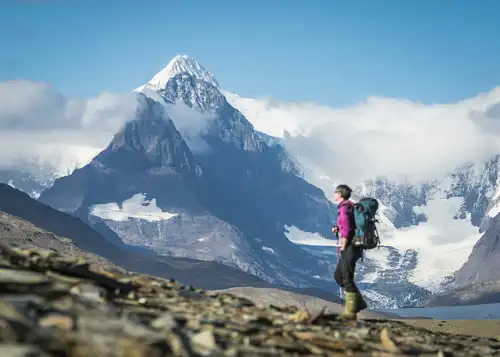
On average, the Giant Antarctic Isopod grows to 9cm (3.5in.) in length. This may not seem very large, but factors including low light levels, freezing cold water, and a lack of oxygen prevent these isopods from growing very large. Other species of isopods, including the Giant Isopod, have been known to grow up to 40 cm (16 inches) in length!
Path of Polar Heroes: Hiking Shackleton’s Historic Route - Nexta Expeditions
Blog

Path of Polar Heroes: Hiking Shackleton’s Historic Route

“We had seen God in his splendors, heard the text that Nature renders.” ~Ernest Shackleton
Coming Back from the Brink: The Fur Seals of Antarctica - Nexta Expeditions
Blog

Coming Back from the Brink: The Fur Seals of Antarctica

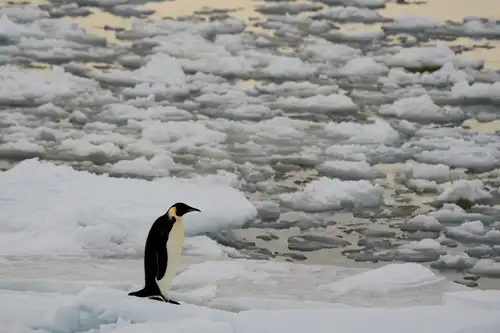
Once hunted to the brink of extinction, the Antarctic fur seal is now one of the most populous and charismatic species of seal you’re likely to encounter during your Antarctica trips. Unlike other members of its large family, the fur seal has external ears, or pinnae, a short snout, and a thick coat of dark brown fur. Male seals tend to be larger than females, with weights ranging from 91 kg (200 lbs.) to 215 kg (474 lbs.).
The Ways and Wildlife of the Weddell Sea - Nexta Expeditions
Blog

The Ways and Wildlife of the Weddell Sea

The Weddell Sea is situated off the coast of Antarctica, at the southernmost part of the Atlantic Ocean. Its coordinates are 75 degrees south and 47 degrees west, encompassing the Argentine, Chilean, and British territories of Antarctica. The severe weather and extensive pack ice have historically made the Weddell Sea challenging to access, but modern icebreaker ships are now enabling explorers to venture into this remote area.
The ozone layer in Antarctica - Nexta Expeditions
Blog

The ozone layer in Antarctica

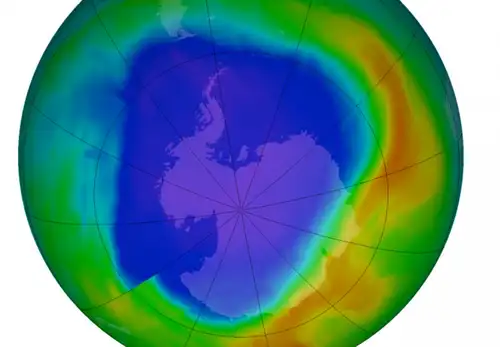
An ozone molecule is composed of three oxygen atoms rather than the usual two. It exists in the atmosphere in trace amounts. Ozone molecules are created through the interaction of ultraviolet (UV) radiation from the sun with oxygen molecules: When an O2 molecule is split, the two free oxygen atoms bond with other O2 molecules to form O3 molecules.
The Ice-Jewelled Geology of Spitsbergen - Nexta Expeditions
Blog

The Ice-Jewelled Geology of Spitsbergen

The Svalbard archipelago is located in the Arctic Ocean, roughly 660 km (410 miles) north of Norway's northernmost point. This region is a haven for geologists, boasting a rich geological history that spans from the Mesozoic era (65-245 million years ago) through the Cambrian era (570 million years ago) and back to the Archean era, over 3.5 billion years ago.
The Northern Lights dancing across the skies - Nexta Expeditions
Blog

The Northern Lights dancing across the skies

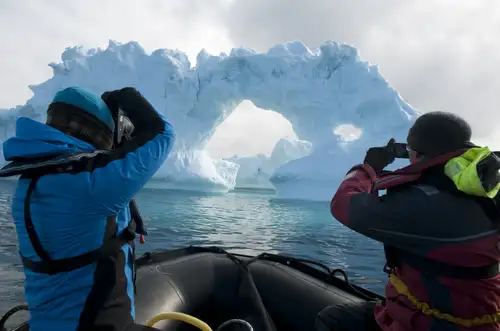
The Northern Lights typically manifest in a belt with a radius of 2,500 kilometers centered on the magnetic North Pole. This auroral zone spans northern Scandinavia, Iceland, the southern tip of Greenland, and continues over northern Canada, Alaska, and along the northern coast of Siberia.
Under the Greenland Ice Sheet - Nexta Expeditions
Blog

Under the Greenland Ice Sheet

Anyone who ventures to the right part of the globe can encounter vast amounts of ice, but a Greenland cruise offers something truly unique: ice sculptures hidden beneath the northern ice sheet. Scientists once thought these sculptures were rocky hills buried in ice, similar to the Ghost Mountains in Antarctica. However, it turns out that Mother Nature has crafted one of the most exclusive art exhibits in the world. These sculptures are not visible from the surface, but some scientists have managed to get a sneak peek using radar equipment.
The Mysteries of the Beluga Whale - Nexta Expeditions
Blog

The Mysteries of the Beluga Whale

Beluga whales, also known as white whales, sea canaries, and sometimes melonheads, are a rare but cherished sight during Arctic cruises, thanks to their striking appearance. Despite the rarity of beluga sightings, a good amount is known about these friendly-faced cetaceans.
Polar bear encounter in Spitsbergen - Nexta Expeditions
Blog

Polar bear encounter in Spitsbergen

I watch the sea ice from the bridge of a ship in one of the fjords of Spitsbergen, an archipelago north of Norway. I observe a perfectly adapted animal moving on the ice, the results of hundreds of thousands of years of ecological fine-tuning. Snowshoe-sized paws distribute weight, fur handles the cold and sunlight to perfection, and an incredible sense of smell samples this monochromatic realm.