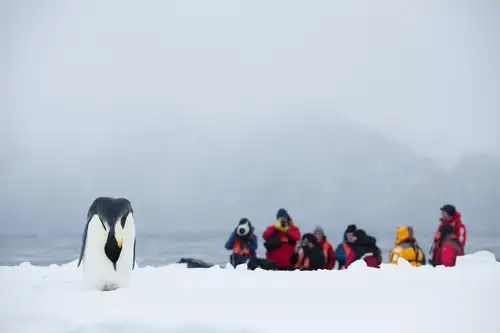


When packing, avoid burdening yourself with excessive clothing or gear. Opt for casual, practical attire that can be layered. Consider including the following:
Backpack
A waterproof nylon backpack, rucksack, or similar bag with shoulder straps is essential for carrying your camera and other gear during shore excursions. Ensure it has shoulder straps to keep your hands free. It's crucial to have a way to keep your camera dry. Every summer, we encounter disappointed travelers whose cameras have been splashed in a Zodiac. Therefore, bring a special waterproof bag if your backpack isn't entirely waterproof.
Sunglasses
High-quality sunglasses are necessary. The glare from the water and surrounding snow/ice can be intense, even on overcast days.
Sun lotion
Sun lotion with a high protection filter is recommended. In high latitudes, UV radiation is significant. On the deck in the wind, you might not notice the sunburn. Don't forget to bring it when you go ashore!
Binoculars
A pair of binoculars is highly recommended.

Photo camera
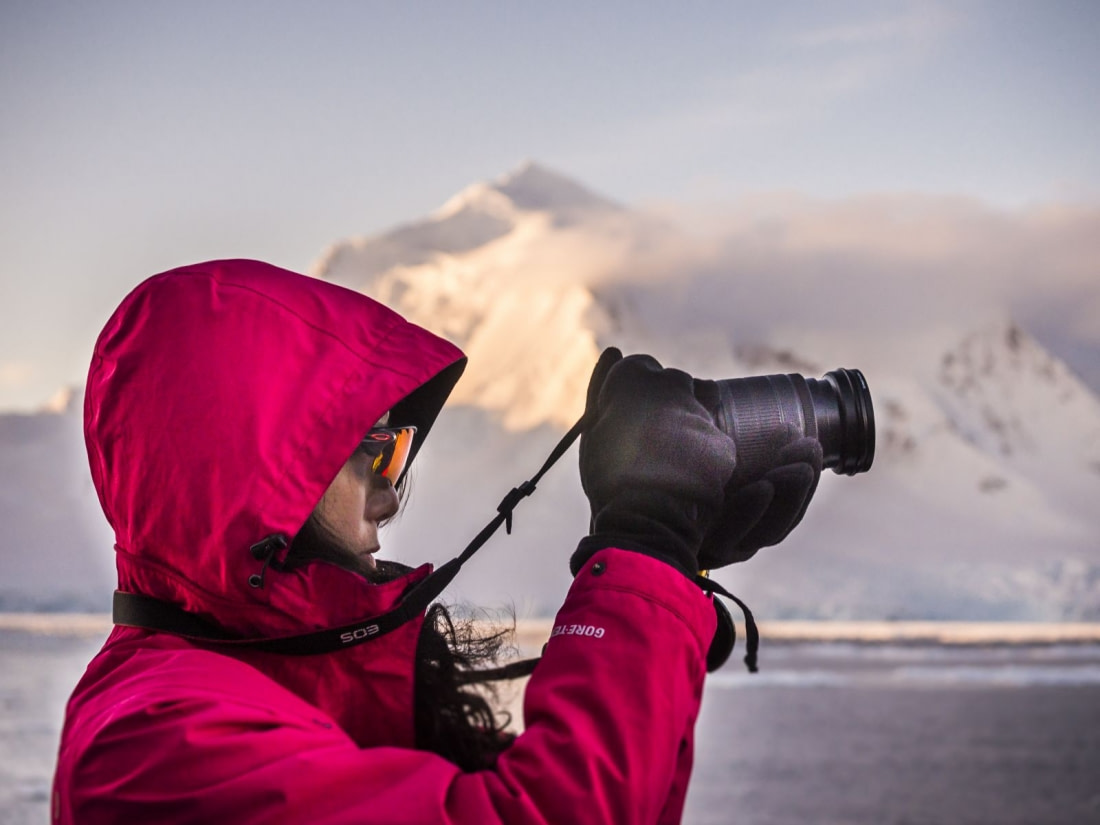
Bring a camera, plenty of memory cards, and batteries. Also, pack enough film and extra batteries for your video camera. It's advisable to bring an extra (pocket) camera in case of malfunction or accident. Cameras have been dropped in the water, and it's disappointing for photographers who can't take pictures.
Electric current
Be prepared with a standard European two-round pin socket. The electrical supply on board the ship is 220 volts / 60 Hertz.
Earplugs
Earplugs may be useful if sharing a cabin with a snorer.
Rain pants
Warm and water-resistant rain pants made of coated nylon are essential. Wear them over your regular clothes to stay warm and dry. Gore-Tex and similar fabrics are waterproof and breathable. Ski pants are suitable but often not waterproof.
Sturdy trousers
Bring sturdy trousers that can be layered between your long underwear and rain pants. Jeans and corduroys are good for both excursions and wear aboard the ship. However, note that cotton clothing like normal t-shirts and jeans tend to get wet and stay wet in a cold environment, preventing breathable fabrics from working properly. Hiking trousers are more suitable for the cold Antarctic environment. Silk or polypropylene underwear is highly recommended as it keeps you warm without adding bulk.
Sweaters
Wool sweaters or a medium-weight polar fleece jacket are recommended.
Gloves / Mittens
Keeping your hands warm and dry is crucial. Thin polypropylene gloves can be worn underneath warm mittens. This way, you can remove the mittens to operate your camera while still having some protection from the cold. It's a good idea to bring an extra pair of gloves/mittens in case your other pair gets wet or lost.
Cap / Hood
A cap to protect your ears and head from sunburn.
Socks
Woollen socks that can be worn over a thin pair of silk, polypropylene, or woollen socks should provide enough insulation for your feet. Bring several pairs, as your feet will inevitably get wet from moisture accumulating in the rubber boots, decreasing the insulation of the socks. Changing socks frequently may prevent cold feet. For warmer regions, thin socks should suffice.
Jacket
A well-fitting waterproof jacket with an attached hood should be worn over your under layers. It's important that this garment is thoroughly waterproof. Gore-Tex or sailing jackets are ideal, although cheaper waterproof gear is also available. A waterproof jacket is one of the most important items on your packing list. There's nothing worse than cold wind on wet clothing!
Bathing suit
Bring a bathing suit, bathing towel, and snorkel gear for a swim in the warm waters near the Equator.
Sandals
Teva Sandals, Crocs, or similar footwear are very comfortable to wear around the ship. Sandals are appropriate in warmer regions. Ensure sandals have heel straps, as this is required on board ships for safety reasons.
Books
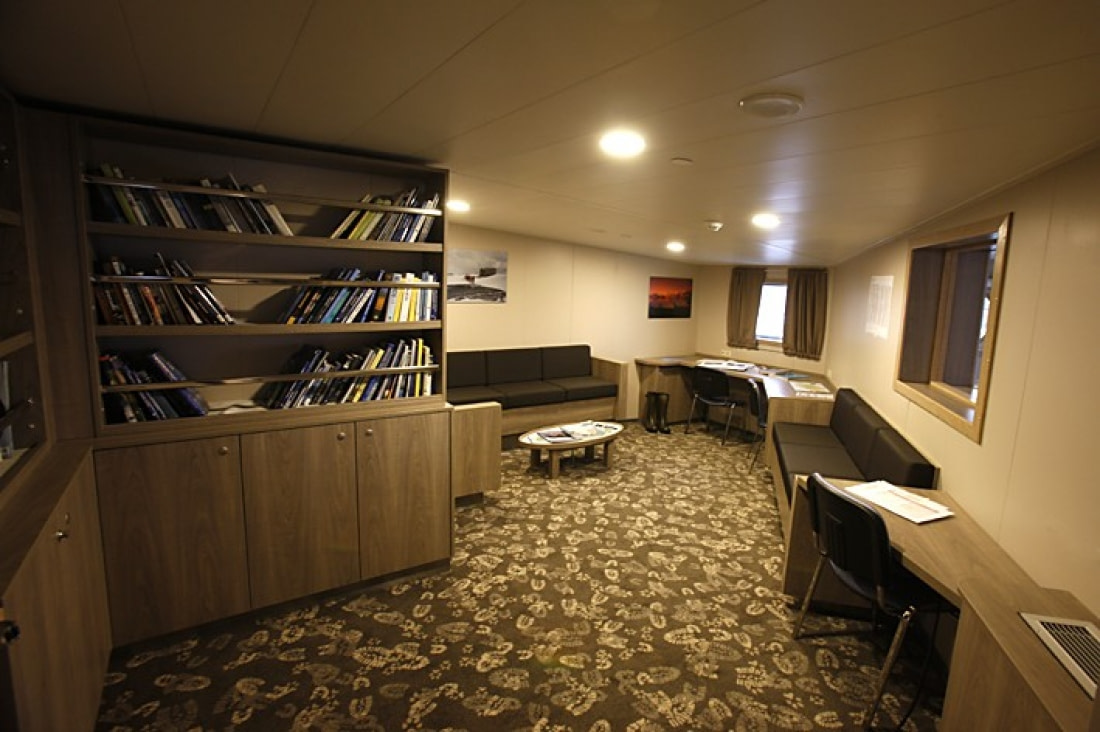
Bring your favorite books, movies, and games to keep you busy during long sea passages. There is a limited library on board with nature books and novels.
Money
Bring cash in US Dollars and British Pounds. The islands to be visited (e.g., St. Helena, Ascension Island, and Tristan da Cunha) are British and do not always accept credit cards. You don't want to miss out on collecting stamps on these islands!
Flash light
Bring a flashlight and batteries for outings during darkness. For example, we may go looking for turtles laying their eggs on the beach at night.
Rubber boots
Rubber boots are essential for all voyages. They are used on virtually all shore landings and will be provided on the ship. If you bring your own boots, ensure they are knee-high, preferably unlined, completely waterproof, and have a good profiled sole. Stepping out of the Zodiac onto the shore almost always involves stepping into water, so it's important to have waterproof boots that are high enough to avoid water ingress. Boots such as Sorrels, snow boots, hiking shoes, or low rubber boots are not satisfactory as they will get your feet wet.
Avoid imitation rubber boots made from PVC, as they tend to have less grip and cause slipping more easily than real rubber boots. Good brands include Muck, Viking, Aigle, Hunter, Nokian, and Tretorn. They can be purchased from outdoor shops, work clothing stores, surplus stores, farm co-op stores, garden supply centers, and marine supply houses.
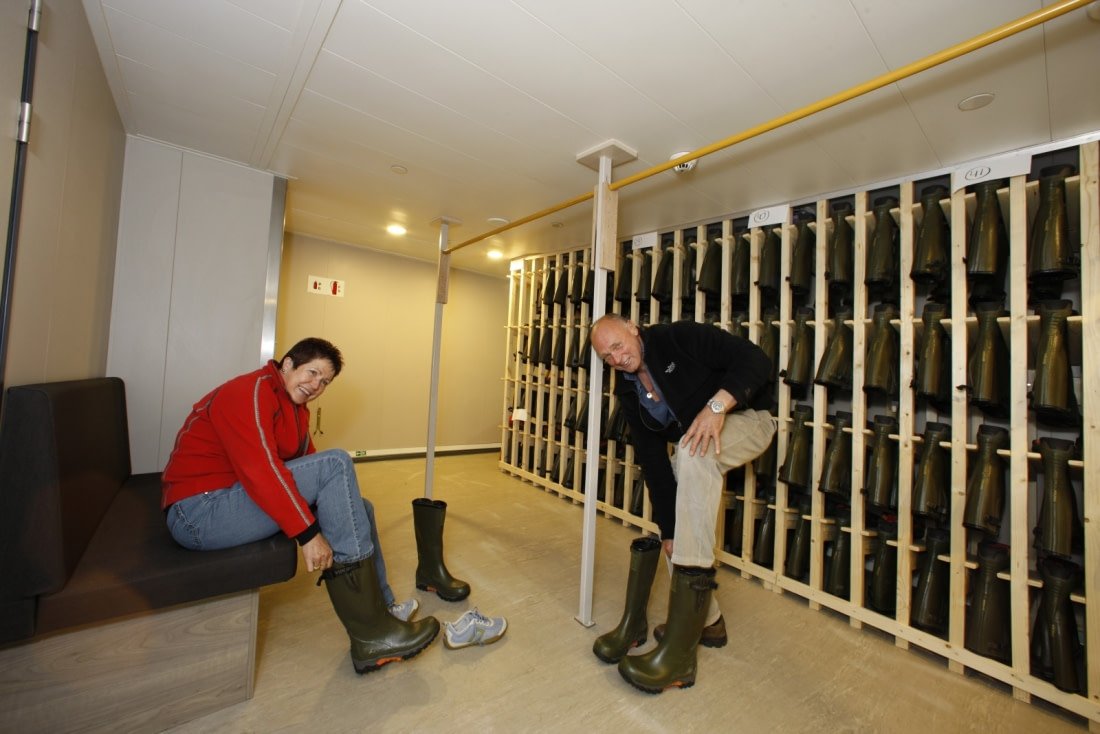
Sailing boots have good non-skid soles and are suitable for slick ship decks and wet rocks, but they lack traction on snow, ice, and mud and should not be used. Remember that you will be wearing these boots a lot, so they must be comfortable for extended wear and walking. The boots should not be too tight or too loose. If they are too tight, you will get cold feet more easily. If they are a bit too loose, you can add an extra insole or extra socks to take up the space (within reason).
For maximum warmth, wear loose-fitting boots and two pairs of socks. Rubber boots generally come in whole sizes, and many brands are unisex sizes. Ensure you get the best fit, regardless of the size. Try your boots before the voyage! Your boots are probably the most important item you need to bring, so if you have questions or need further advice, please don't hesitate to contact us!
Best rule for packing
Pack fewer clothes than you think you'll need!


Blog


Ice streams and lakes under the Greenland Ice Sheet
Get to Know Your Ice

The disastrous expedition in the Arctic west
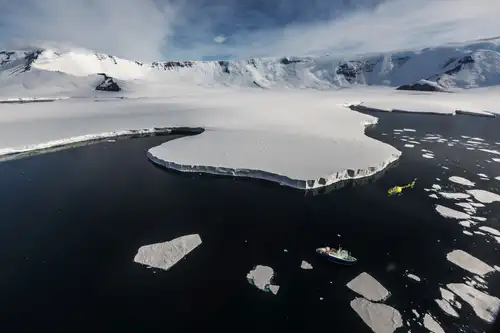
Taking a polar expedition cruise delivers no shortage of show-stopping highlights, but one of the most exhilarating is lifting off from the ship in a helicopter and taking flight over the incomparable Antarctic wilderness.
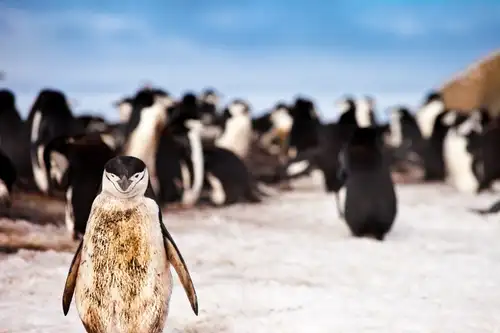
Seven Facts About Antarctic and Sub-Antarctic Penguins
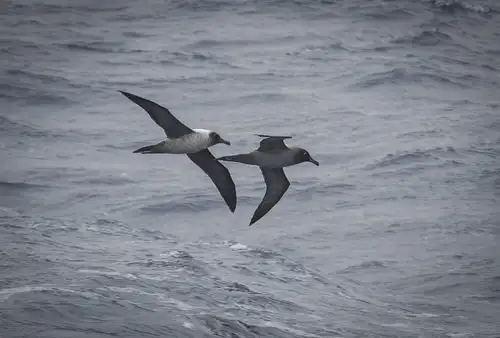
Birds of the South: 33 Antarctic Birds and Seabirds
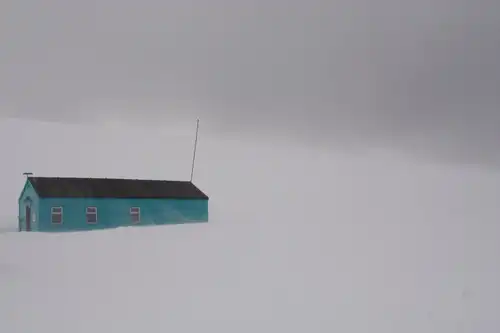
The Research Stations of Antarctica and the sub-Antarctic

True South: A New Flag for a Global Antarctica
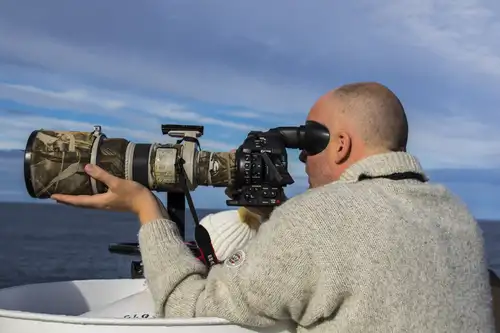
10 Tried-and-True Bird Photography Tips
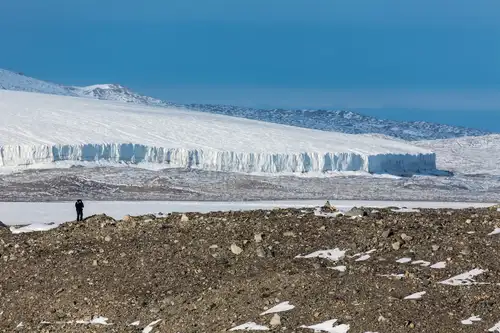
The Secret Life of Glaciers: How They Form, Move, and Melt

Svalbard a Disneyland for geologists
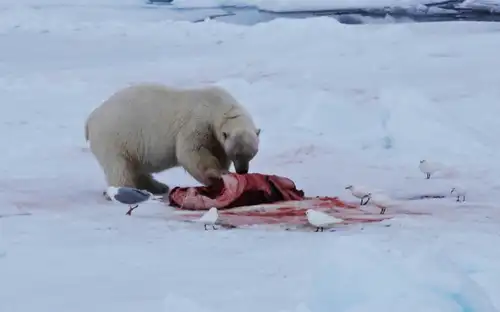
“The polar bear will still be there”
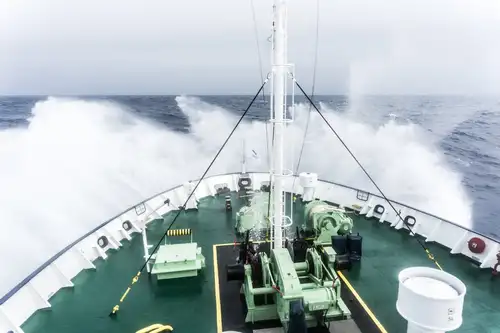
What to Expect When Crossing the Drake Passage
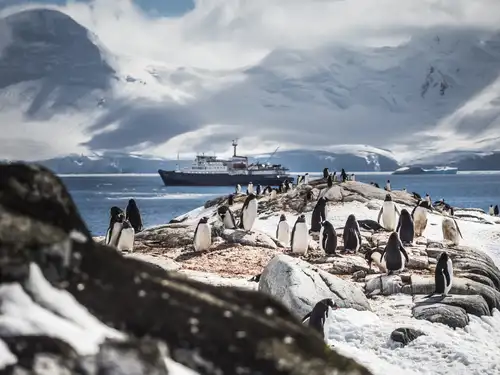
Top 10 Antarctic Attractions
Why a Polar Diving Cruise Should be Your Next Great Decision
International Polar Bear Day
Two for the Snow: Polar Cruises for Couples
Exploration of the Polar Regions
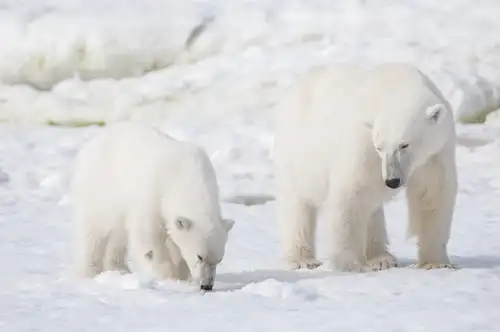
The polar bear: king of the Arctic food chain