



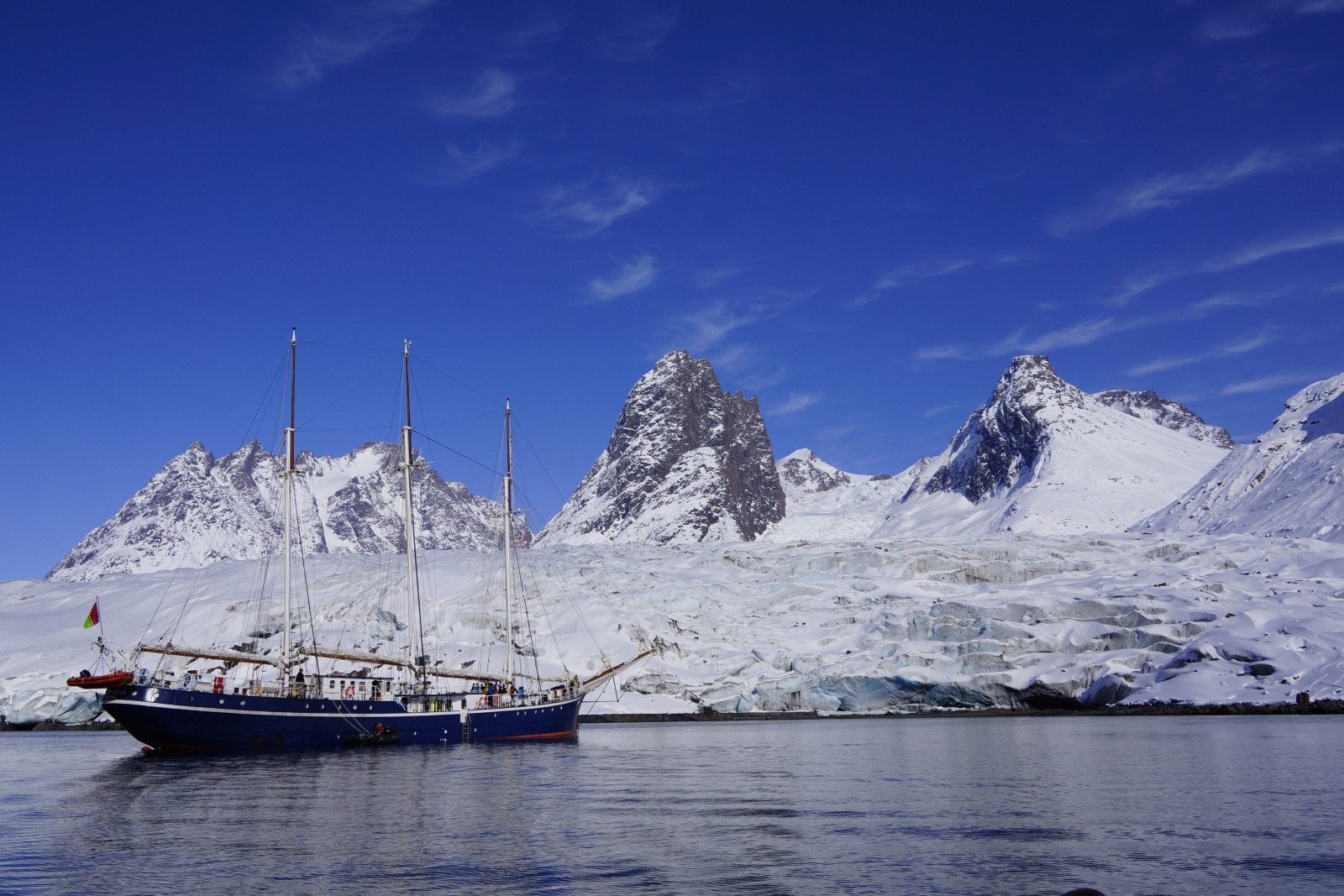

It isn’t always bitterly cold either.
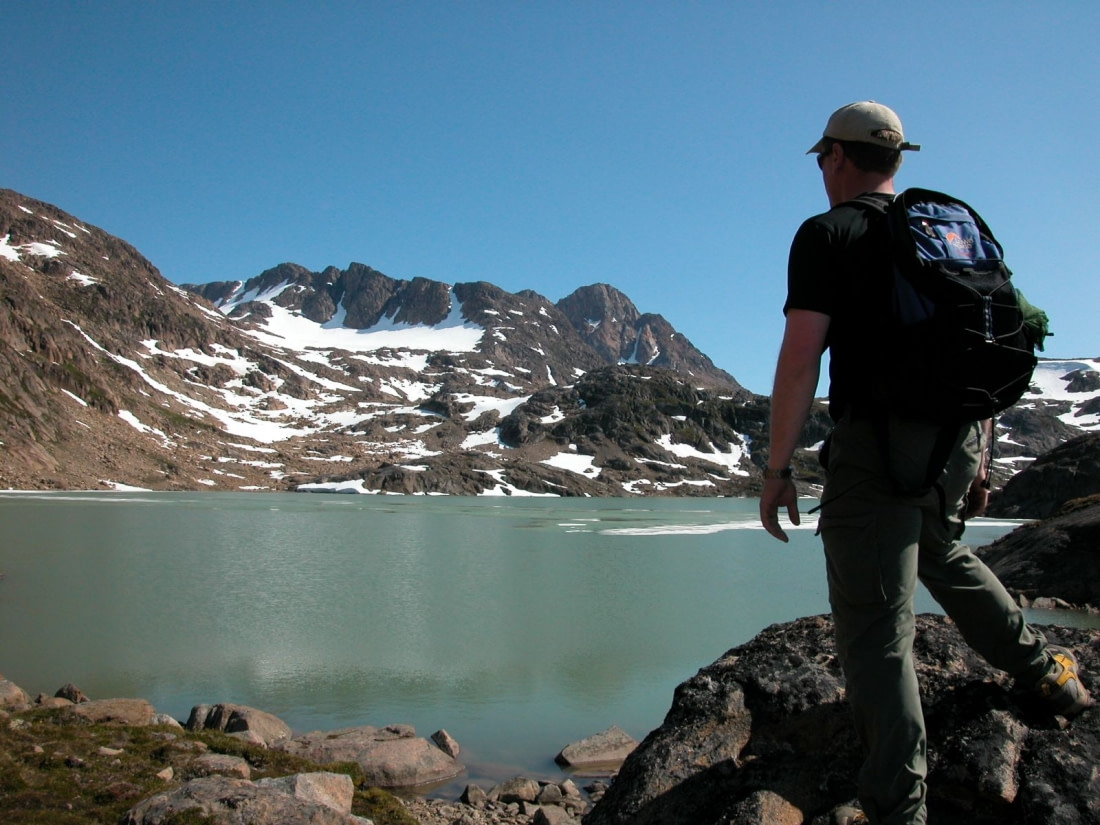
The locals don’t all live in igloos.
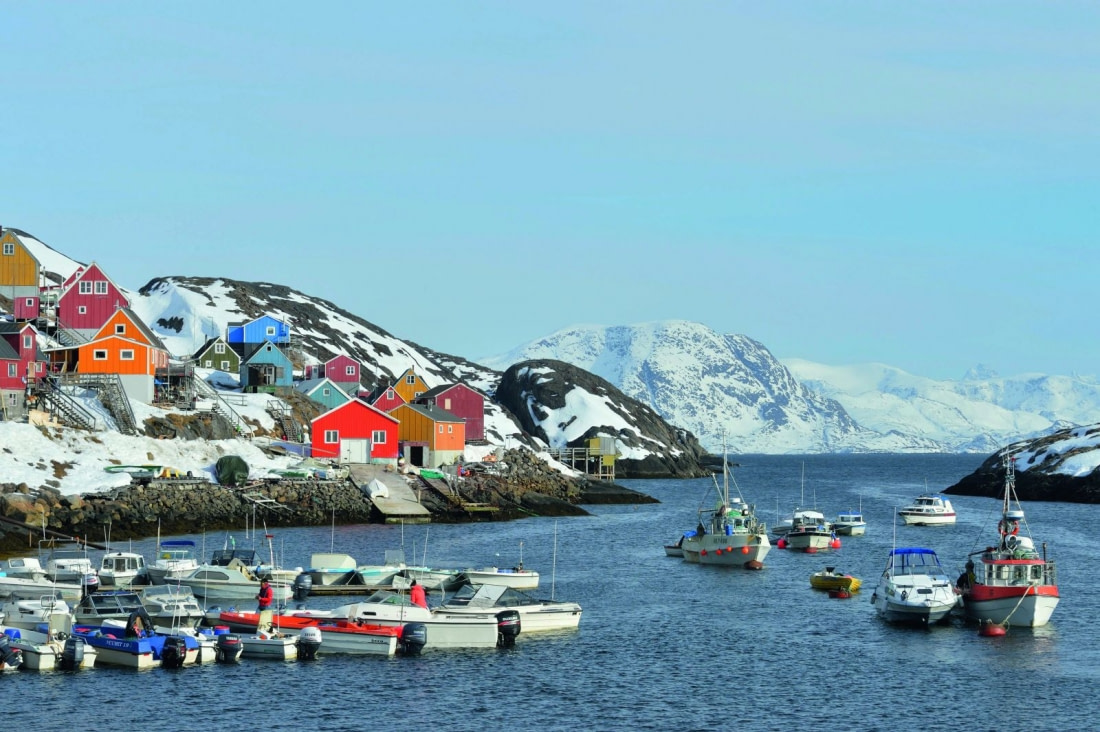
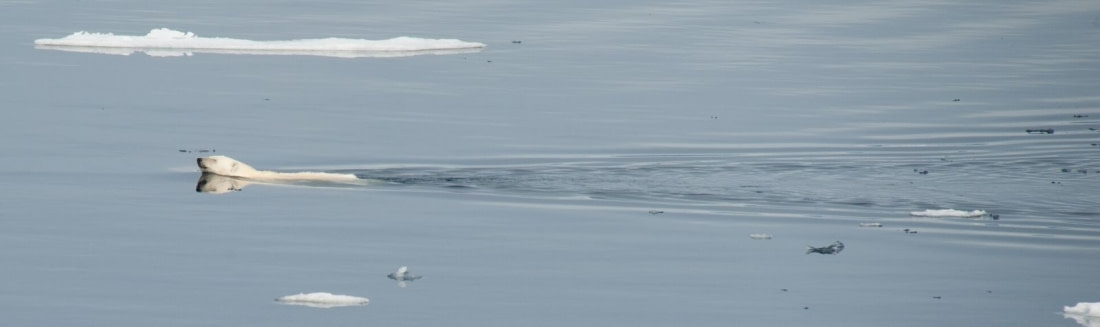
And there isn’t a polar bear lurking around every corner.
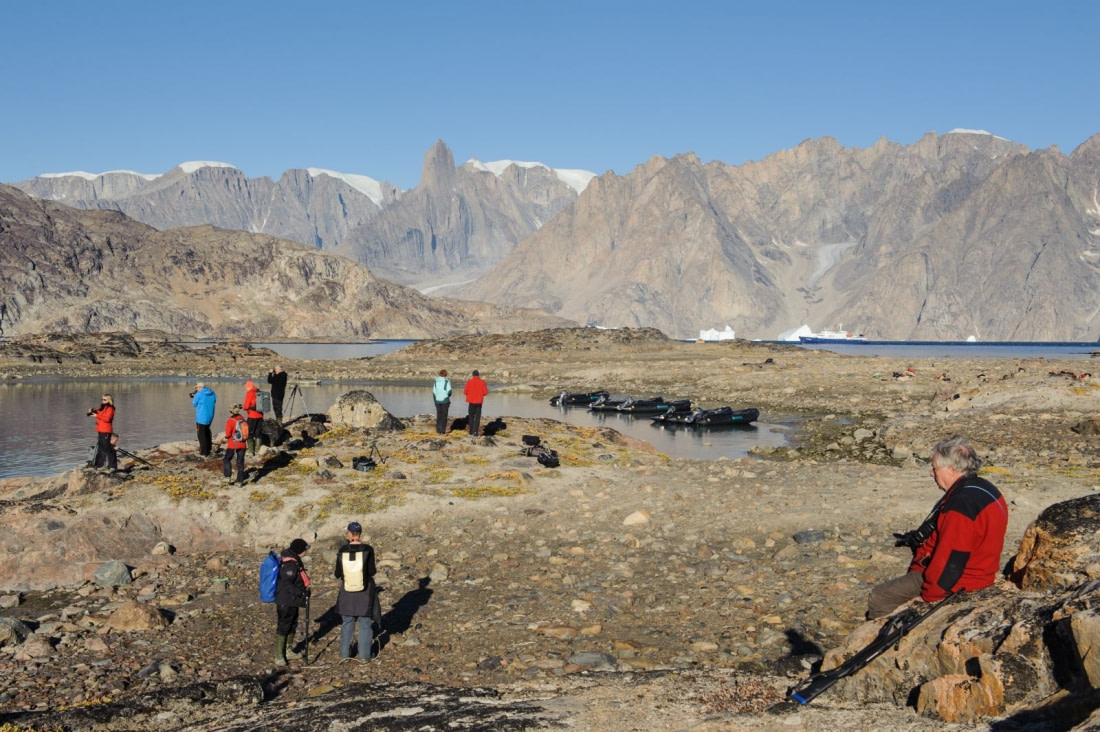
Although you can indeed find them if you put in some effort (and have a little luck).
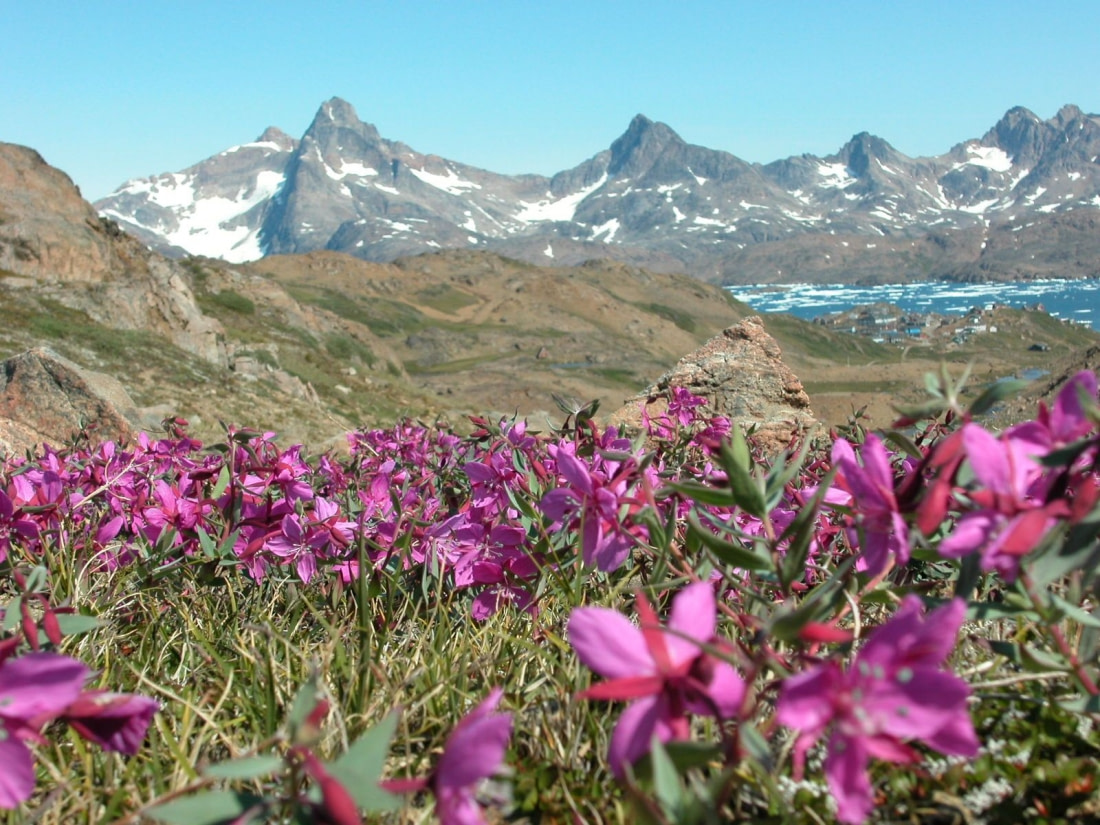
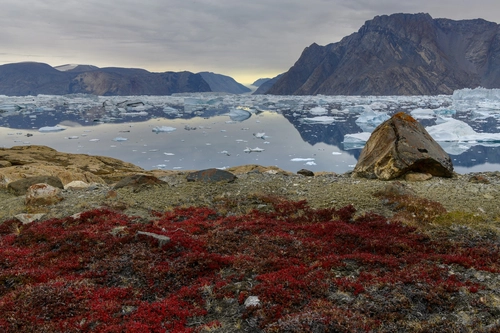
Greenland isn’t just one big sheet of ice.
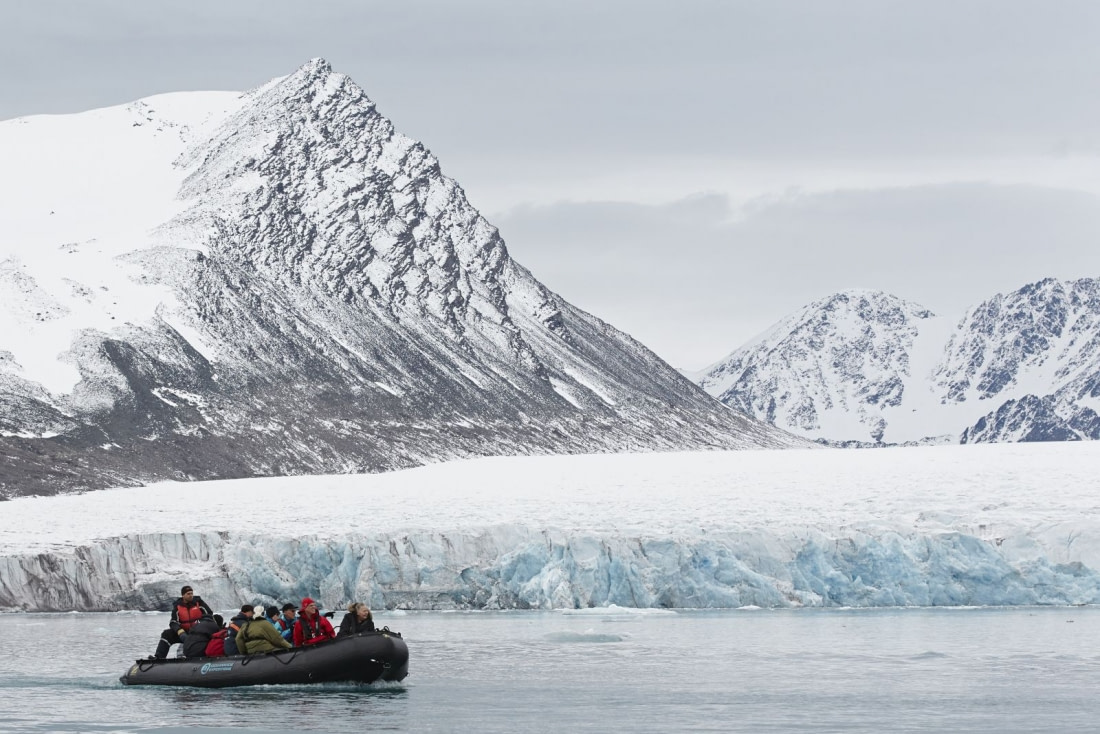
Although snow and glaciation can make for some breath-takingly beautiful vistas.
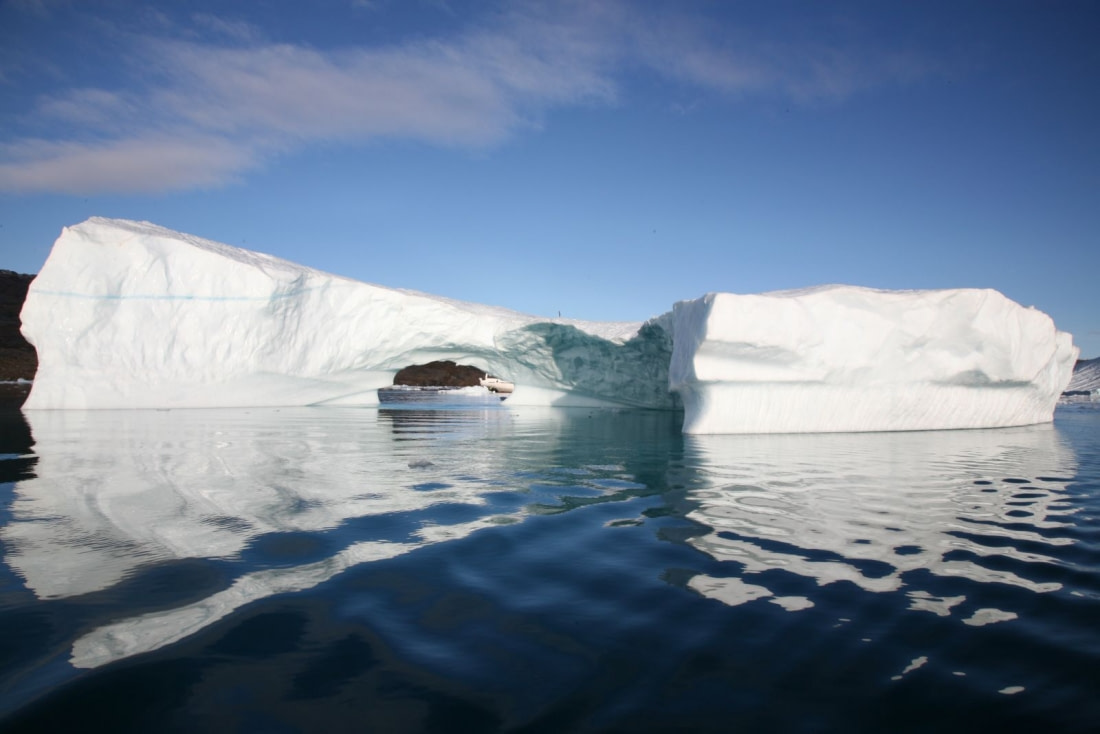
Sure, Greenland is great for iceberg-spotting.
But this is a Greenland cruise after all.
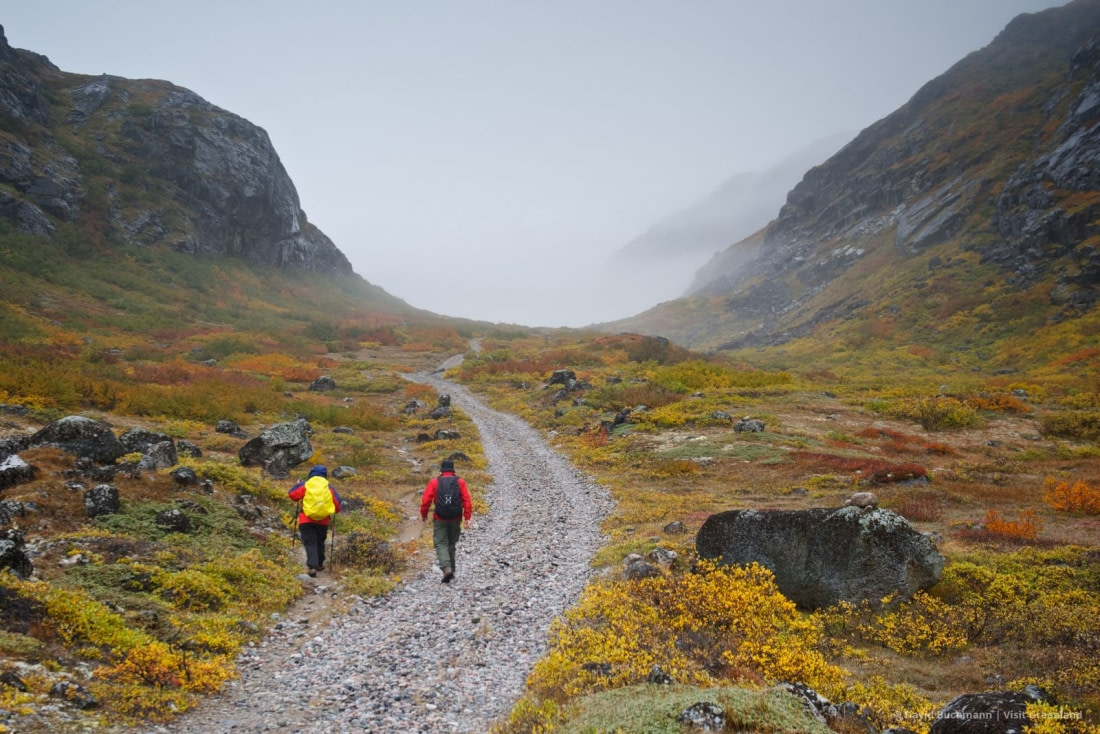
So come aboard.
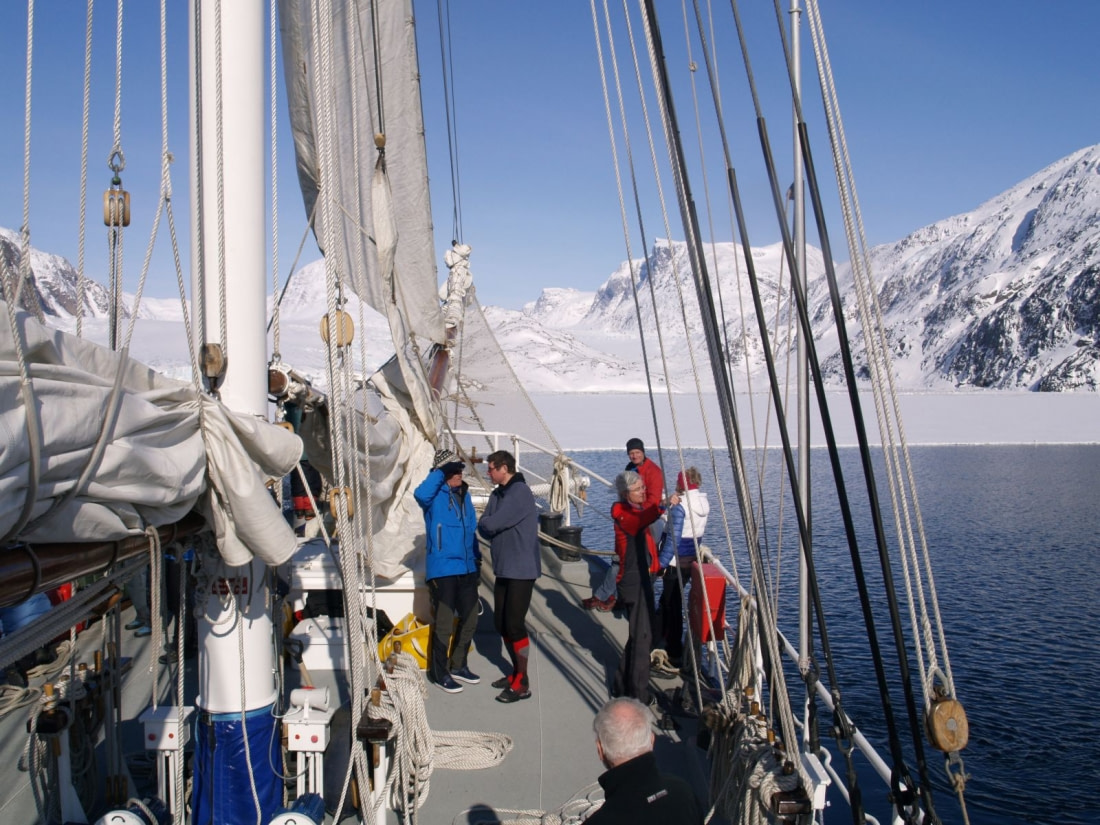
Set sail for the land of the midnight sun.
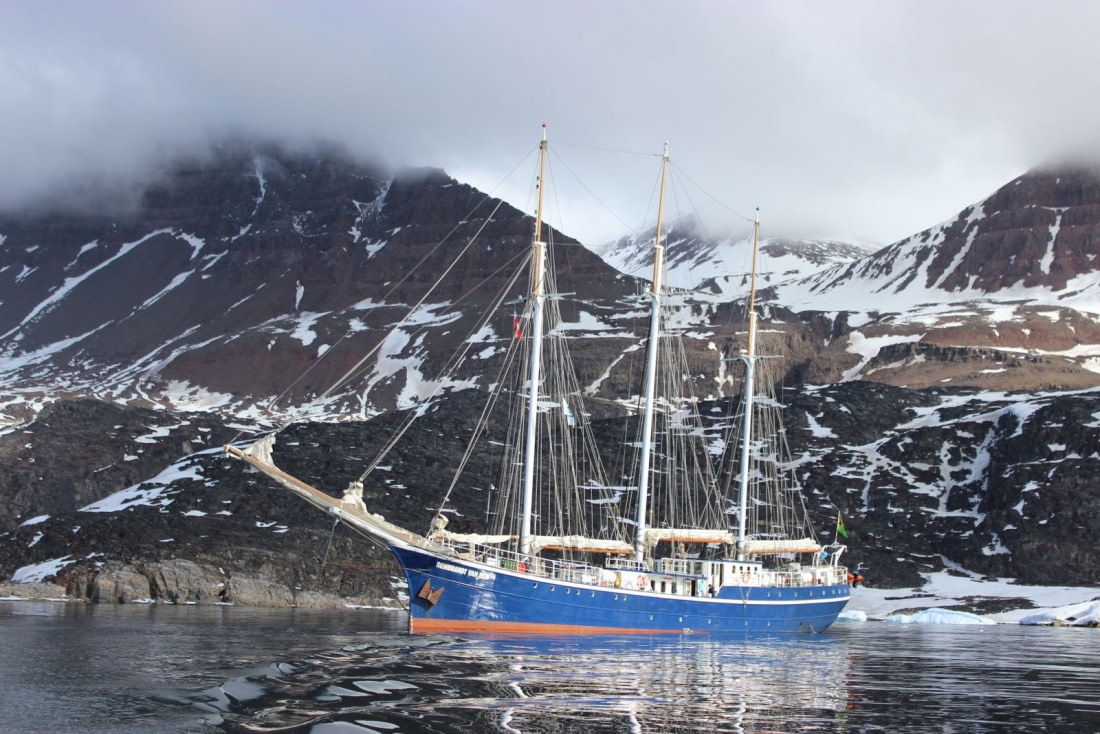
Explore pristine waters.
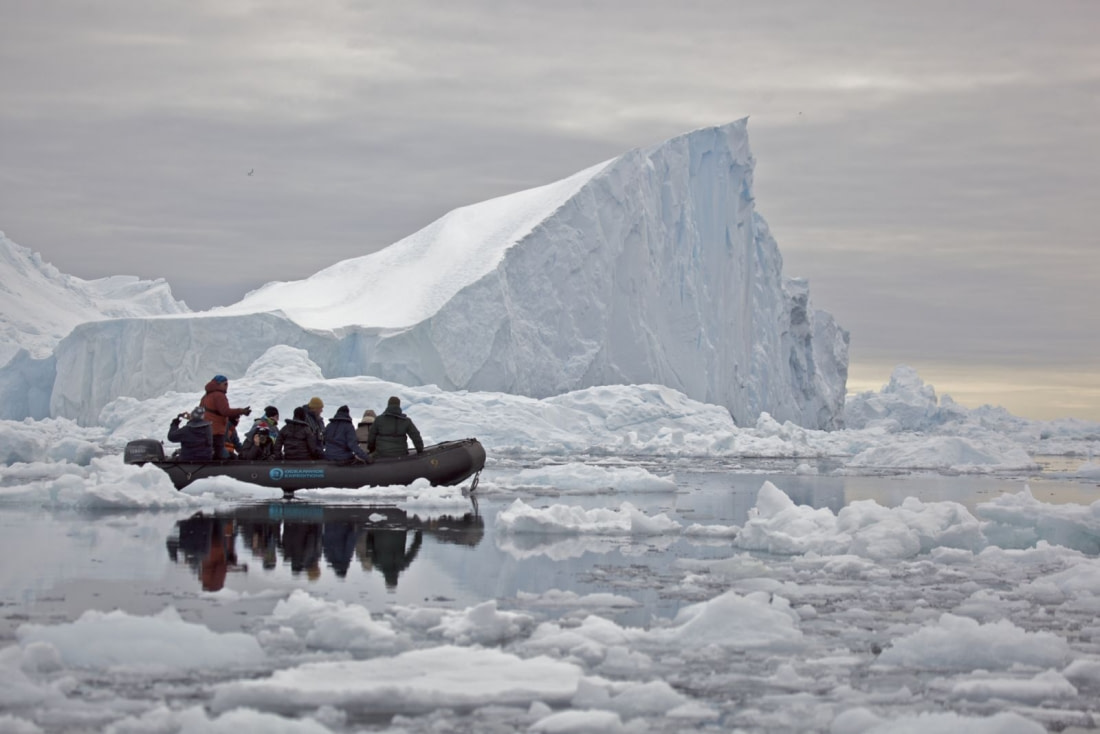
Viking history.
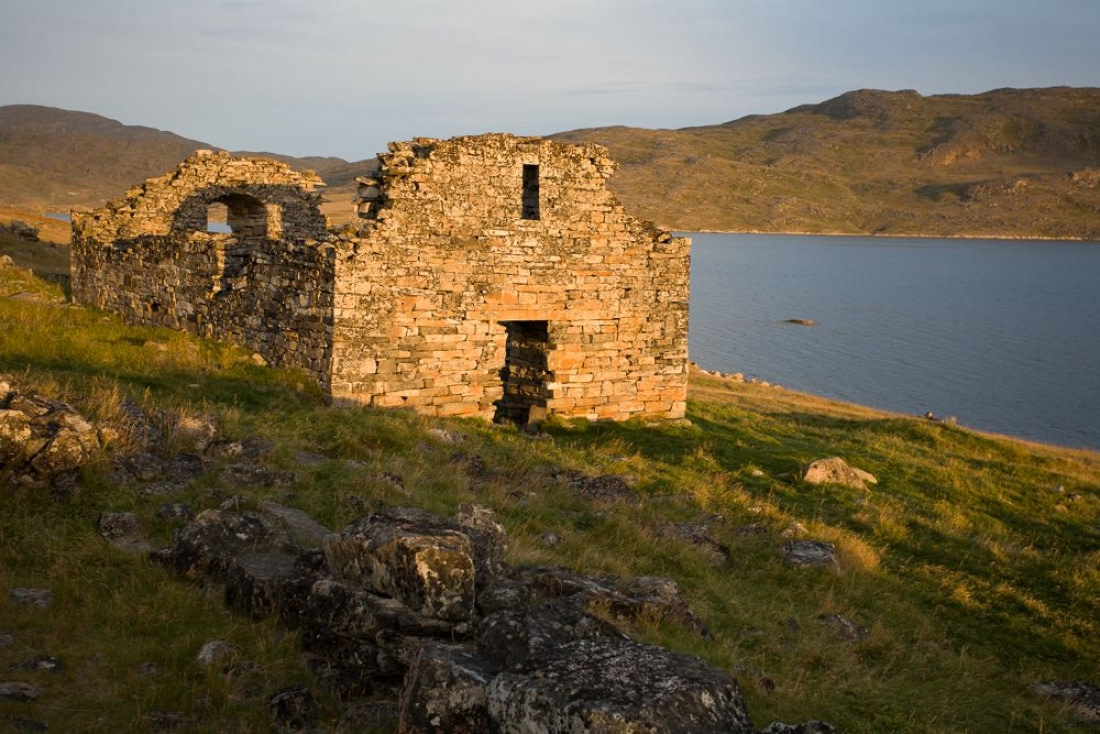
Geology.
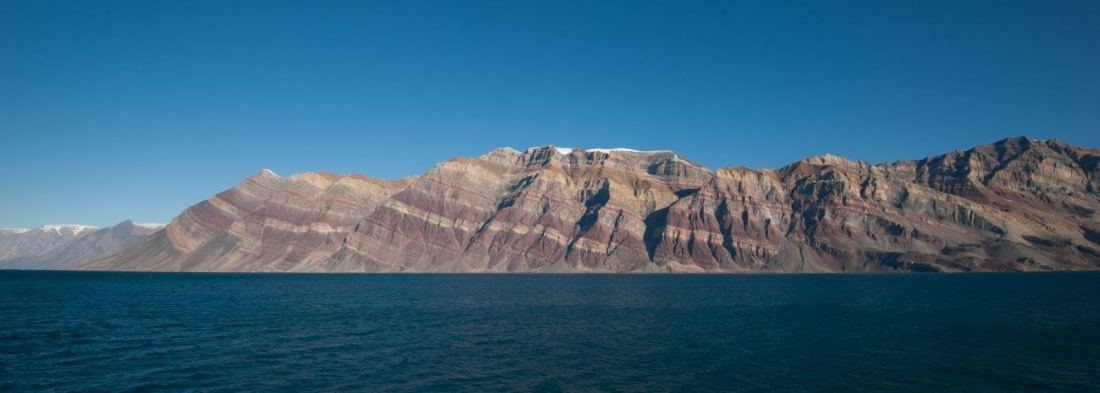
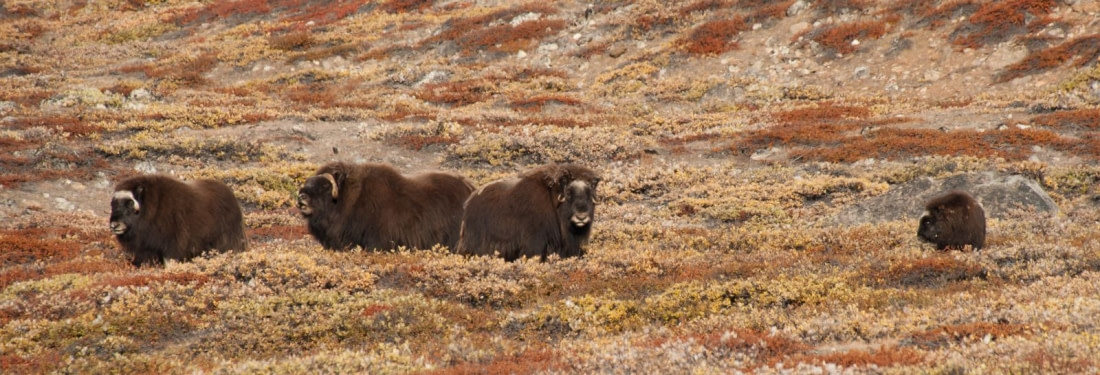
And of course the wildlife. Musk Oxen.
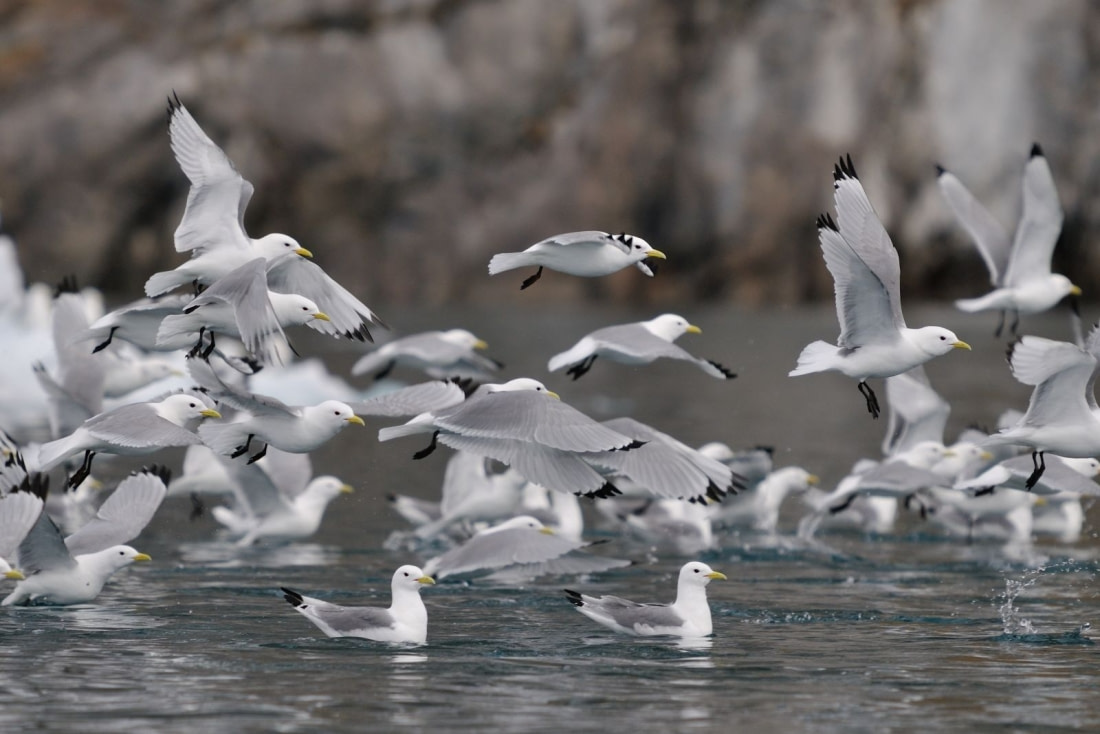
Birds.
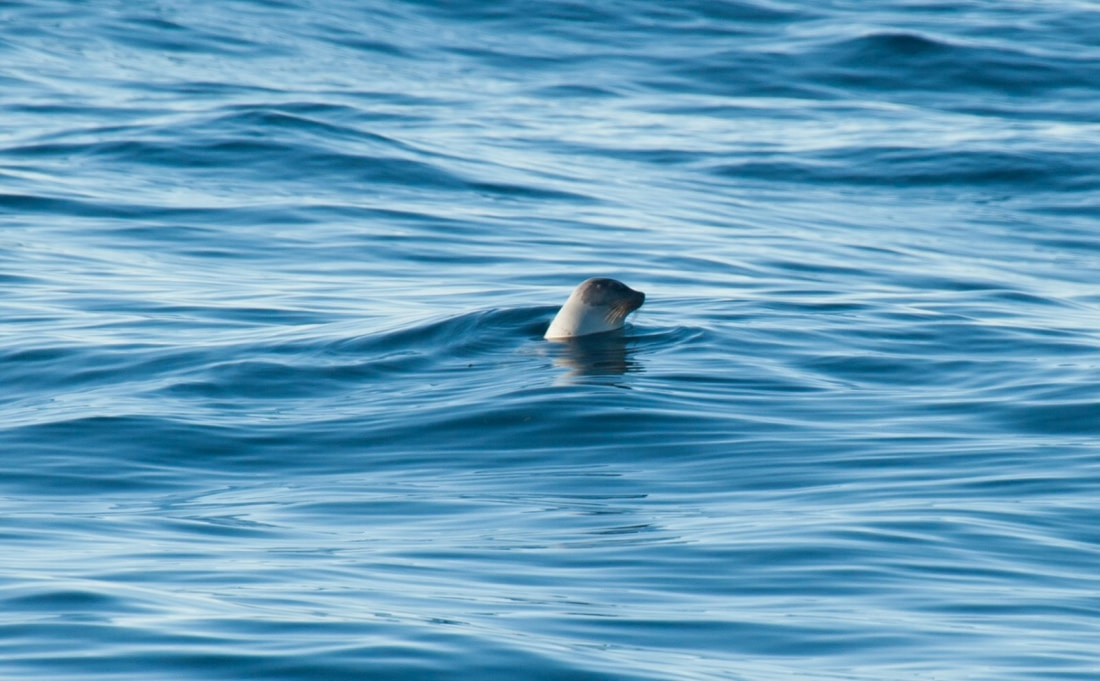
Seals.
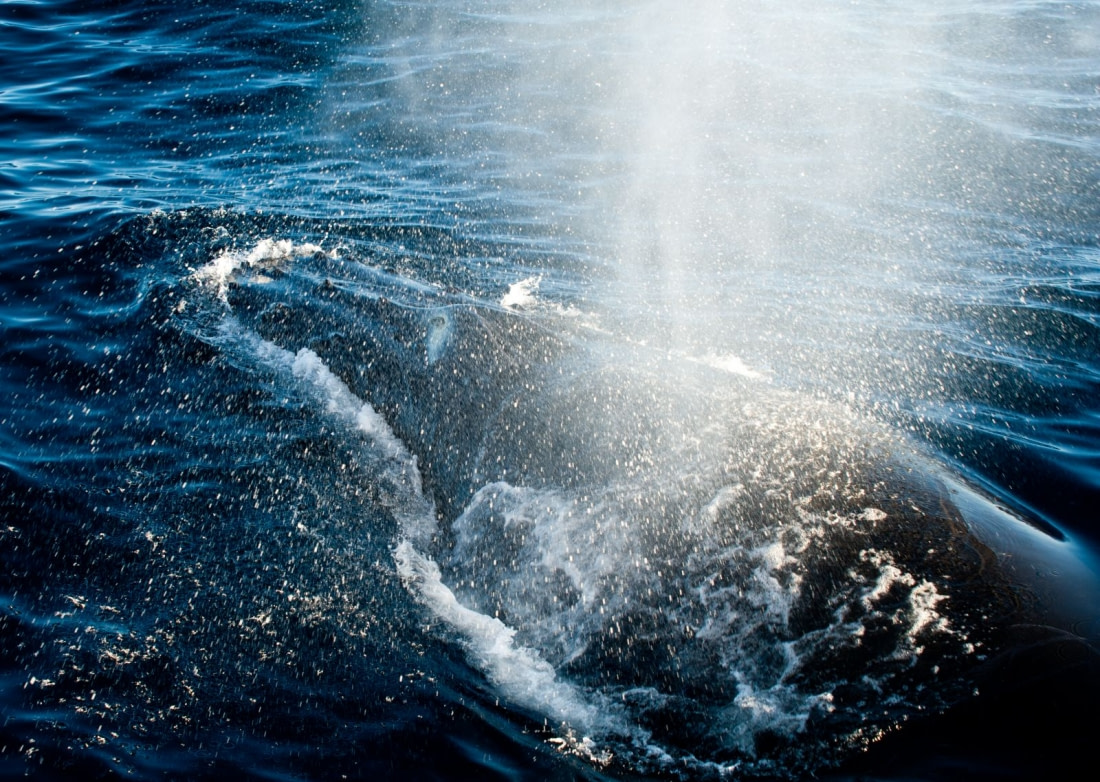
And whales.
Make no mistake, you’ll be happy that you did.
Best Deals
Spitsbergen - Northeast Greenland, Fly & Sail
 12 Aug - 31 Aug 2026
$ 9.500
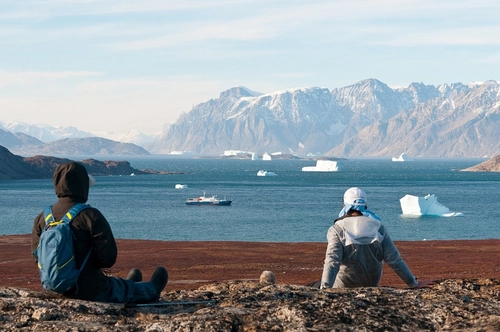
Northeast Greenland Extreme
15 Aug - 28 Aug 2026$ 8.650

East Greenland, Scoresby Sund, Including Long Hikes
16 Aug - 25 Aug 2026$ 6.000
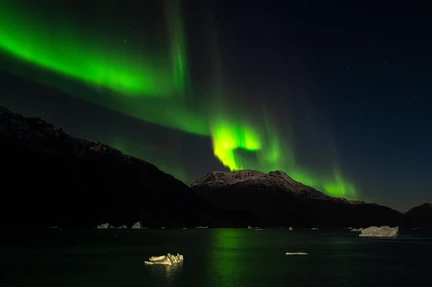
Northeast Greenland Extreme
25 Aug - 07 Sep 2026$ 7.850
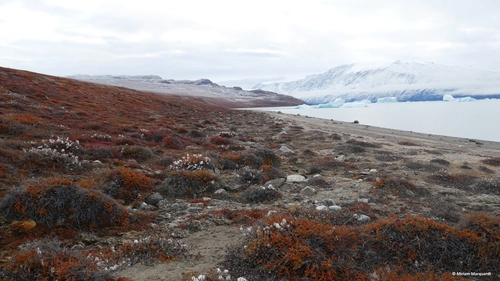
East Greenland, Scoresby Sund - Aurora Borealis, Fly & Sail
21 Sep - 01 Oct 2026$ 6.250

Related Trips
The Arctic
Longyearbyen
Spitsbergen - Northeast Greenland, Fly & Sail
12 Aug 2026 - 31 Aug 2026  20 Days / 19 Nights
From $ 9.500 per person
The Arctic
Akureyri
Northeast Greenland Extreme
15 Aug 2026 - 28 Aug 2026 14 Days / 13 Nights
From $ 8.650 per person
The Arctic
Akureyri
East Greenland, Scoresby Sund, Including Long Hikes
16 Aug 2026 - 25 Aug 2026 10 Days / 9 Nights
From $ 6.000 per person
The Arctic
Akureyri
Northeast Greenland Extreme
25 Aug 2026 - 07 Sep 2026 14 Days / 13 Nights
From $ 7.850 per person
The Arctic
Constable Pynt
East Greenland, Scoresby Sund - Aurora Borealis, Fly & Sail
21 Sep 2026 - 01 Oct 2026 11 Days / 10 Nights
From $ 6.250 per person
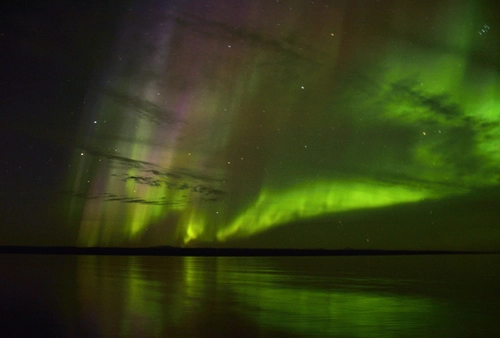
The Arctic
Constable Pynt
East Greenland, Scoresby Sund - Iceland , Aurora Borealis, Fly & Sail
01 Oct 2026 - 12 Oct 2026 12 Days / 11 Nights
From $ 6.300 per person

Blog


Blog
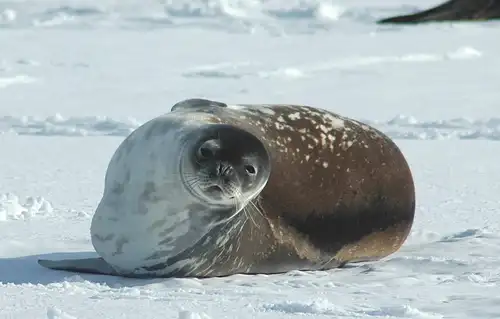
Weddell seals: The data collectors scientists of Antarctica
Weddell seals inhabit some of the coldest and darkest waters deep within the Ross Sea ice, making them the southernmost naturally occurring mammals on Earth. During the winter and summer months, their movements are largely governed by the presence of sea ice and the availability of suitable breathing and exit holes.
Blog
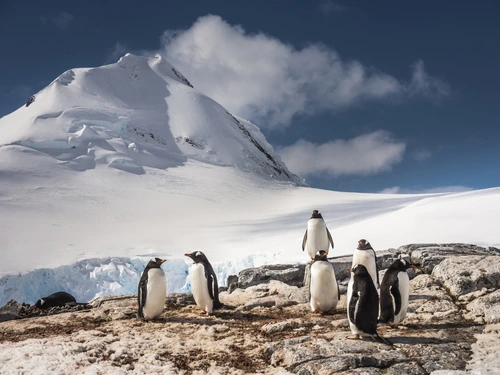
Top Antarctica Cruise Experiences for 2025
Antarctica, the worldâs southernmost continent, captivates adventurous travelers with its breathtaking landscapes and rich biodiversity. Cruises to this icy destination offer unparalleled access to pristine wilderness, unique wildlife, and transformative experiences. In 2025, the allure of Antarctica promises to be even greater, with cutting-edge expeditions and eco-conscious travel options reshaping the journey south.
Blog
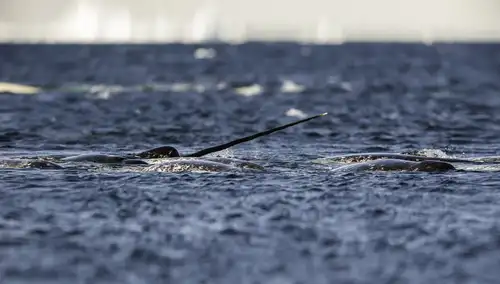
Narwhals: the Aquatic Unicorns of the Arctic
Though narwhals are among the rarest whale species encountered during our Arctic expeditions, a journey to the Arctic regions of Greenland and Svalbard always holds the potential for spotting these elusive creatures.
Blog
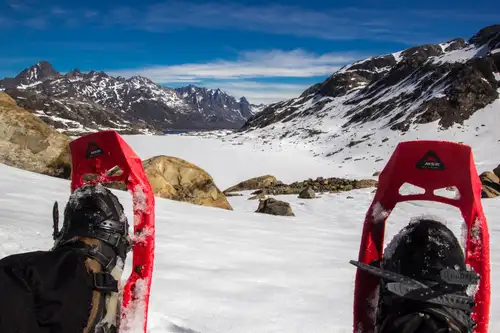
Five Reasons Why Snowshoeing is a Perfect Polar Activity
One of the most beloved polar sports is also one of the oldest. Snowshoeing has been the preferred means of foot travel in the Arctic since antiquity, and in the years since Antarctica was discovered, it has been highly popular among researchers and polar tourists alike.
Blog
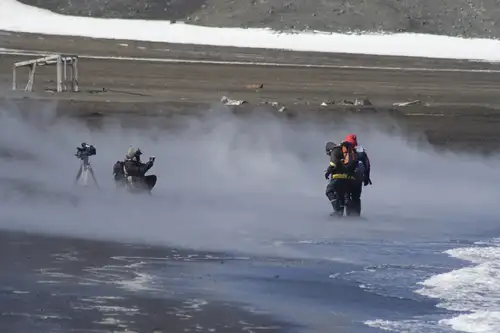
Deception Island deceptively active
In Antarctica, the South Shetland archipelago is home to Deception Island, a volcanic-rounded island that is 15 km in diameter with a shield volcano. The volcano is mainly basalt-andesite and was one of the first parts of Antarctica to be discovered, probably around 1820 by UK and USA sealers.
Blog
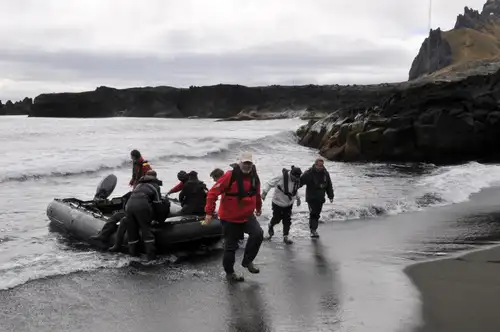
A visit to the fascinating island of Jan Mayen
After exploring the remote island of Fair Isle, our Atlantic Odyssey voyage once more turned its attentions northwards and left the outer extremities of the UK behind. Our destination was Jan Mayen, a volcanic island situated on the mid-Atlantic ridge just north of 71° (about 550 kilometers north of Iceland and 450 kilometers east of Greenland).
Blog
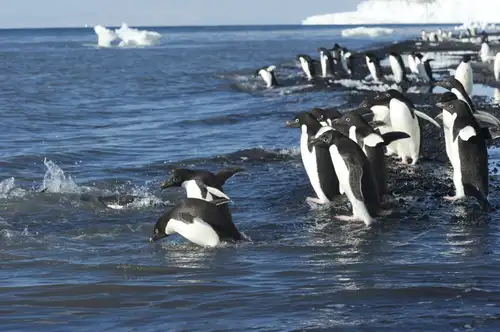
Adélie penguins in the Ross Sea - Antarctica
The Adélie penguin population in the Ross Sea has reached its highest numbers in 30 years, with up to a million breeding pairs during the summer. This accounts for about 38 percent of the entire Antarctic Adélie population.
Blog
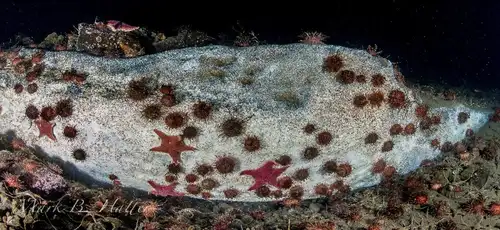
A Diving Dream Fulfilled
Last January, Mark Hatter achieved a dream heâd been training for over two years. Booking his berth aboard the m/v Ortelius and making the long flight to Ushuaia, Argentina, he and two of his friends sailed down the famous Drake Passage, bound for Earthâs southernmost continent. But their Antarctica trip was not just about shoreline walks and photographing penguins.
Blog
The secrets of Antarctic seals revealed
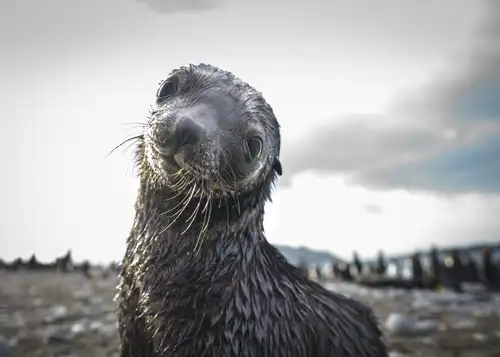
There are only six species of seals that inhabit the Antarctic: Southern elephant seals, Antarctic fur seals, crabeater seals, leopard seals, Ross seals, and Weddell seals. While we are familiar with these species, much about their lives remains a mystery.
Blog
Five Reasons You Should Cruise the Ross Sea Immediately
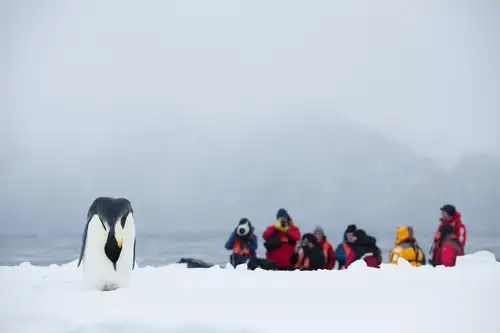
In our search for lesser-known holiday spots that still offer fully developed amenities like spas and gift shops, we often miss out on some of the planet's truly underrated treasures.
Blog
11 Seals You May See in Antarctica or the Arctic
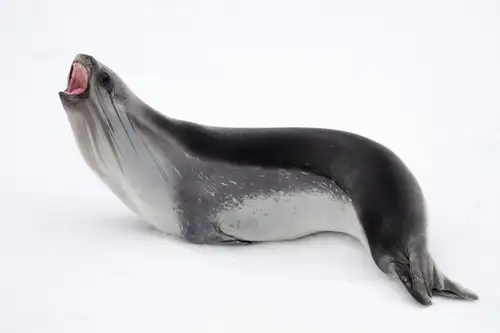
1. Weddell seals â These seals are known for their calm demeanor and spend most of their lives beneath the Antarctic ice. Although they need to come up for air, they can remain underwater for up to 45 minutes. Weddell seals can dive to depths of 610 meters (2,000 feet) in search of food. These vocal animals usually have one pup annually and can grow up to 3 meters (10 feet) and weigh 544 kg (1,200 lbs).
Blog
“The polar bear will still be there”
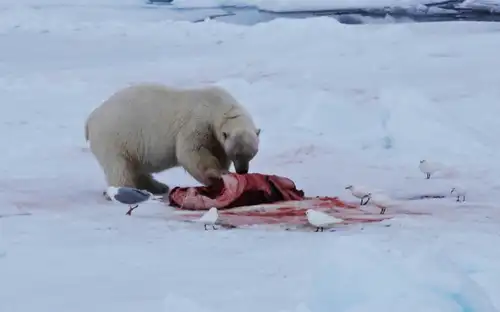
For several hours, we had been navigating the pack ice in search of polar bears. Despite numerous binoculars scanning the ice, no bears were visible, and only a few tracks were found. This suggested we might be in an area with fewer bears. Later that morning, we decided to head a few miles east, suspecting a higher bear population there.
Blog
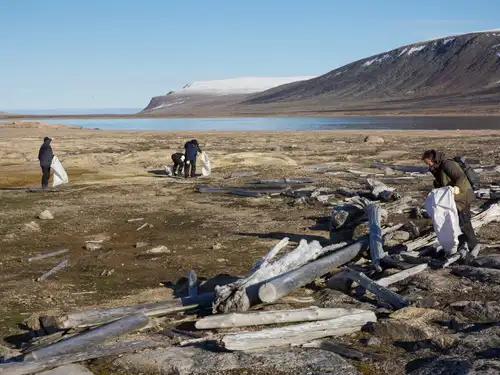
Keep It Green: Our Commitment to Sustainable Polar Travel
It doesnât make much sense for expedition travel if every time we visit the polar regions we leave them worse than we found them. And thatâs just considering things from a purely human perspective, which we donât.
Blog
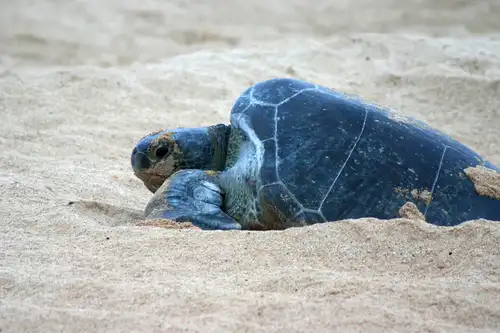
Going Green: Ascension Island Sea Turtles
Gold beaches, green mountains - and greener turtles.
Blog
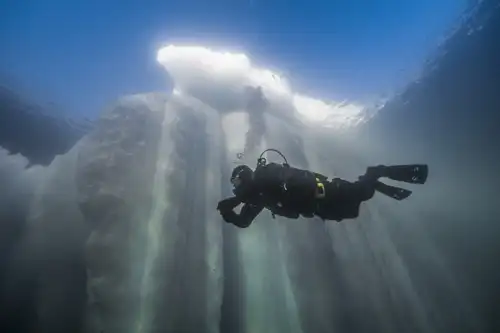
Why a Polar Diving Cruise Should be Your Next Great Decision
Not so very long ago, all you had to do to qualify as a thrill-seeker was hop a ship to the polar regions and make it back with all your fingers â or your life, if you werenât picky.
Blog
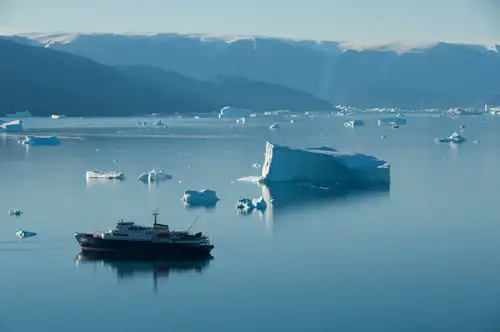
10 Common Misconceptions About the Arctic
The Arctic is a vast region. Truly immense.
Blog
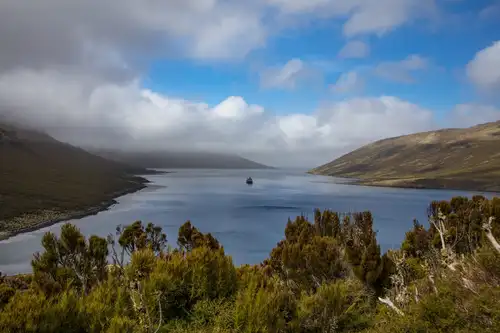
Visiting the Nearly Unknown: New Zealand’s Campbell Island
New Zealand is a renowned destination globally, and for good reason: Itâs absolutely stunning. Almost every corner is filled with unparalleled beauty. But did you know that New Zealand includes several sub-Antarctic Islands that are almost completely unknown?
Blog
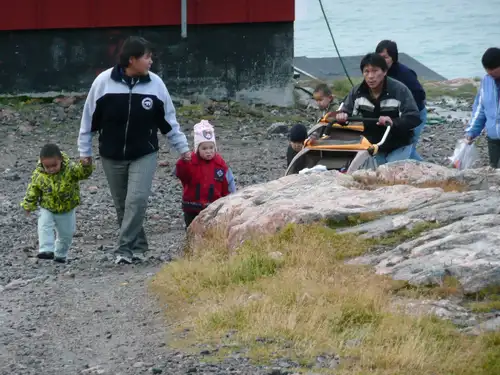
Greenlandic Inuit Beliefs
Greenland is the worldâs largest island and with the northern tip around 740 kilometres from the North Pole it is the northernmost country on Earth. The island is around 2,670 kilometres long and is about 650 kilometres across at its widest point.
Blog
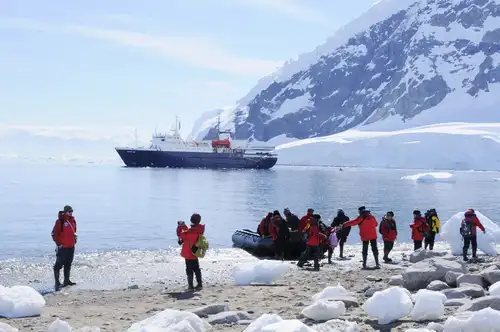
The Seven Best Things to Do in Antarctica
Unless youâre a scientist, thereâs no such thing as a means-to-an-end trip to Antarctica.
Blog
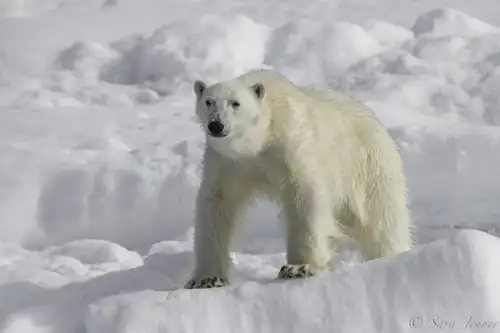
International Polar Bear Day
It will come as no surprise to you that we're crazy about polar bears. We have multiple blogs about where to find polar bears, we offer dozens of polar bear trips, and we've even written a short story from a polar bear's point of view. (Yes, we actually did that.) So if you were to say that our love of polar bears borders on obsession, you wouldn't be far off.