
The Arctic is a vast region. Truly immense.
Covering an area of 14.5 million square km (5.6 million square miles), the Arctic spans eight countries: Canada, Finland, Greenland (Denmark), Iceland, Norway, Russia, Sweden, and the United States. Despite its impressive size, the Arctic is often misunderstood, with many myths and misconceptions clouding its true nature.
To clarify things, we’ve compiled a list of 10 common Arctic misconceptions and corrected them for your reading (and traveling) pleasure. Just as our Antarctic misconceptions blog does for the far south, we hope this Arctic version proves that the realities of the far north are far more fascinating than the fictions.
1. The Arctic is always freezing
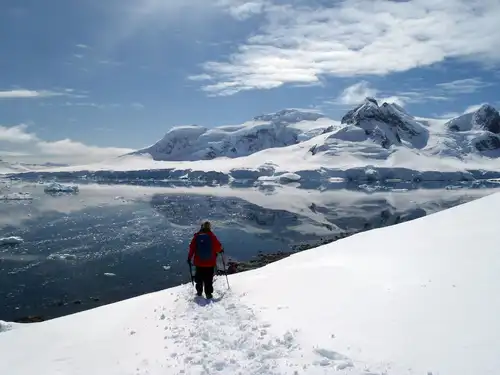
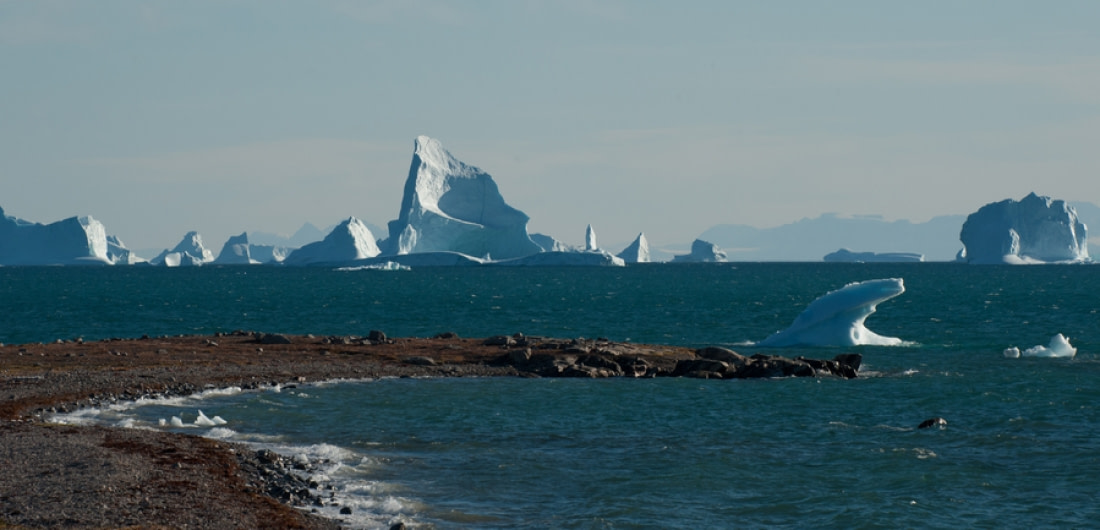
One of the most common misconceptions about the Arctic is that it is always frigid. While Arctic winters are certainly longer than in regions closer to the Equator, summer temperatures in the Arctic can average up to 10°C (50°F).
Sometimes, temperatures over solid land areas (as opposed to ice areas) can soar as high as 30°C (86°F).
2. There is nothing but uninhabited wasteland in the Arctic
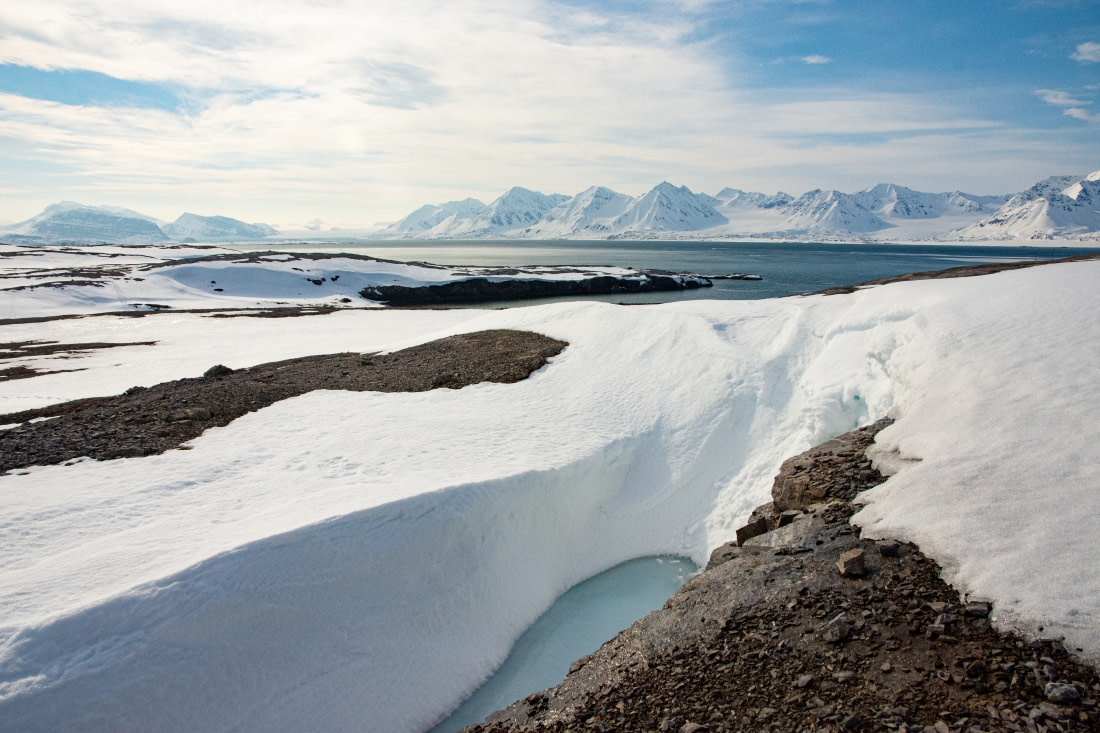
There are certainly large swathes of the Arctic with barely a human in sight, and vast tracts of Arctic “land” are actually ice that tends to melt in the summer. This makes it easy to understand why the Arctic is so sparsely populated and has a reputation for being barren.
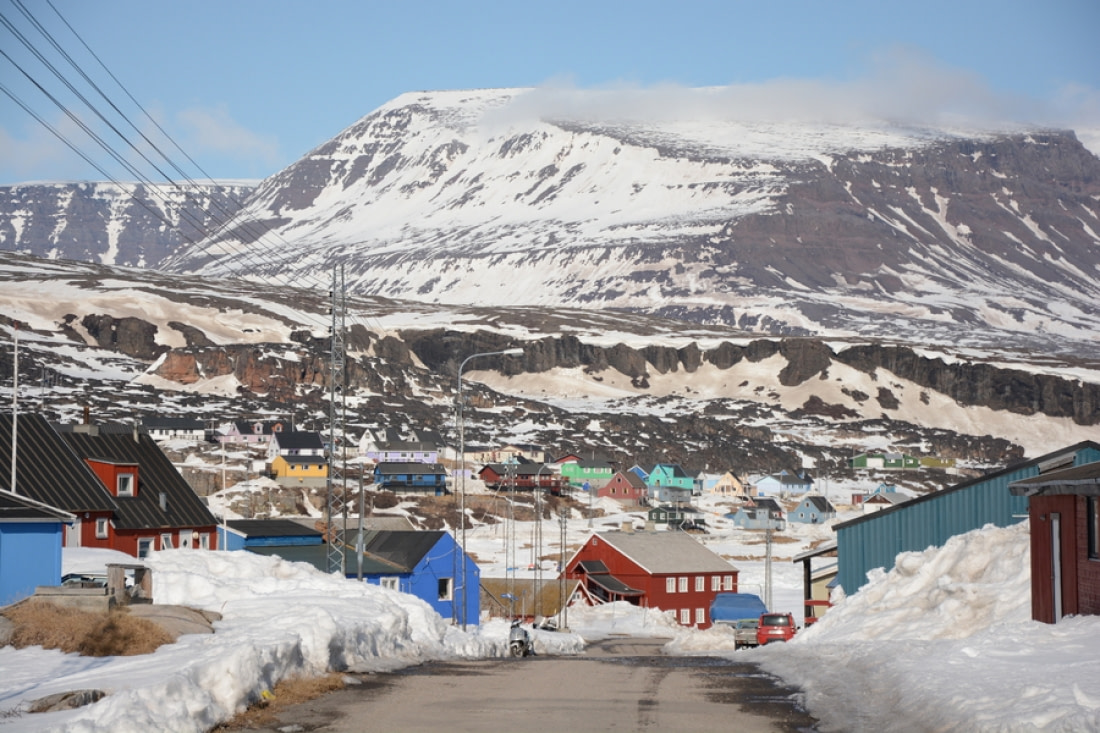
However, the Arctic is home to about 4 million people. Unlike its Antarctic counterpart in the Southern Hemisphere, the Arctic has given rise to native populations like the Saami, Chukchi, and various Inuit peoples.
3. It is always dark in the Arctic
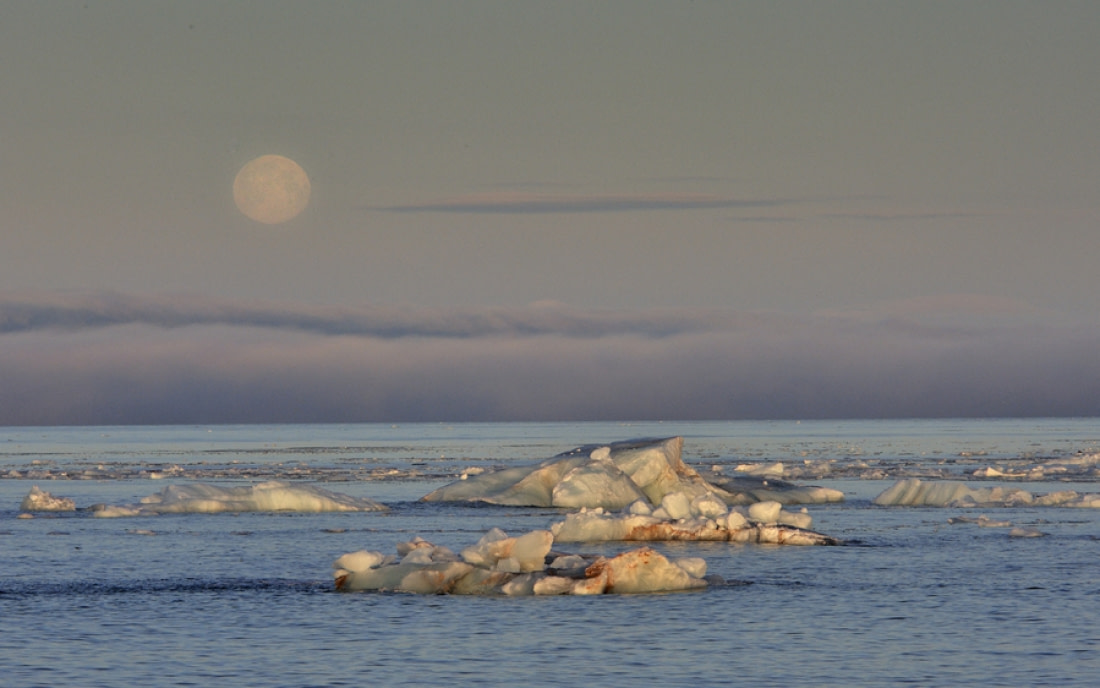
Contrary to this misconception, the Arctic is “the land of the Midnight Sun” during the summers, when there is light in the sky all day long.
During the winter, daylight hours are definitely shorter from mid-November through mid-January. Midday hours receive only indirect sunlight, making the colder months an excellent time to see the magical northern lights, which we will mention later.
4. Arctic travel is easier due to global warming
Actually, the opposite is true - at least as far as land-based Arctic travel is concerned.
A lot of land travel in the Arctic is based on “ice-roads” that are exactly what they sound like: highways across frozen ground. As the ice gets thinner or disappears altogether, those travel lanes also disappear, taking vehicular access with them.
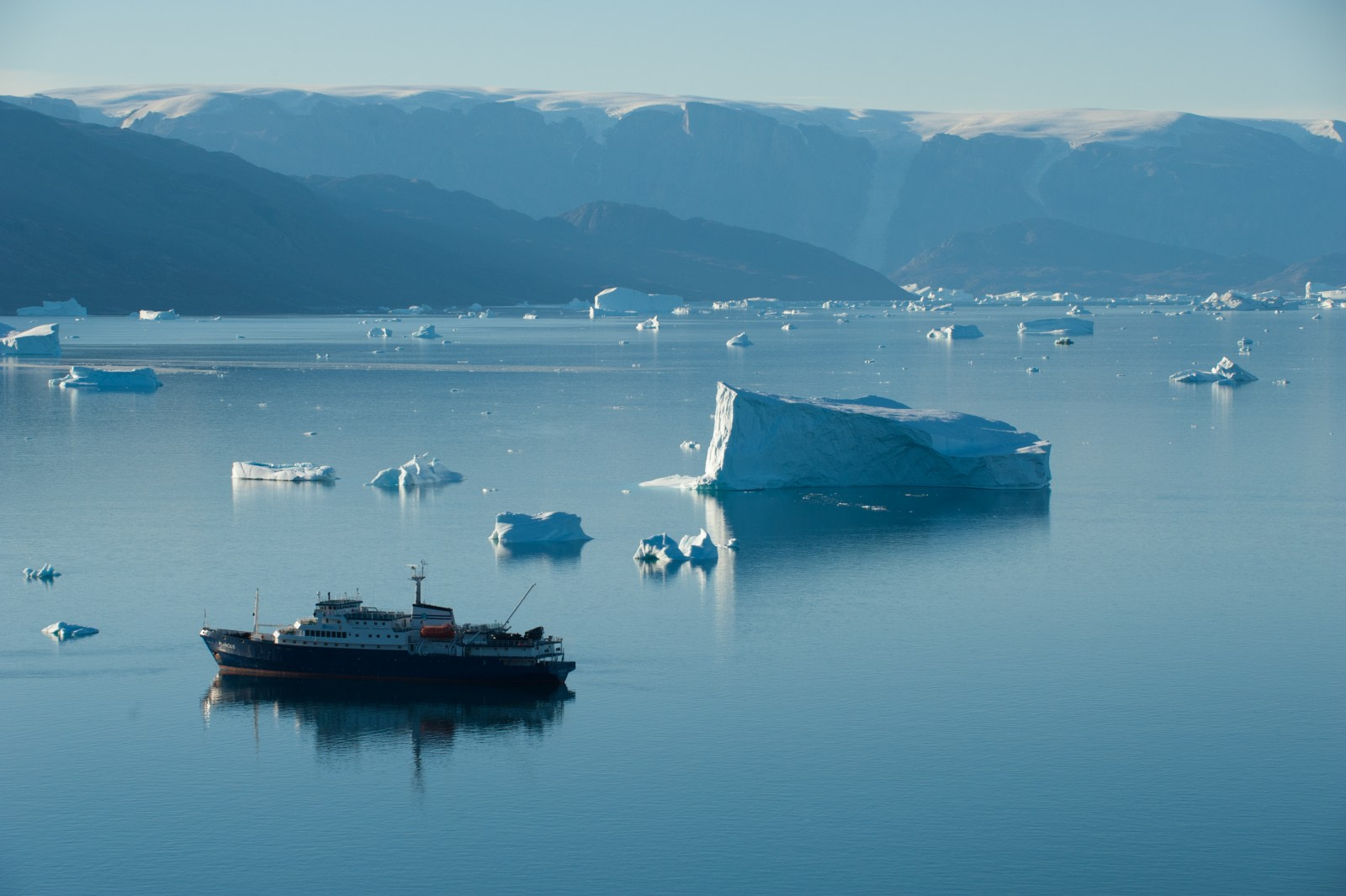
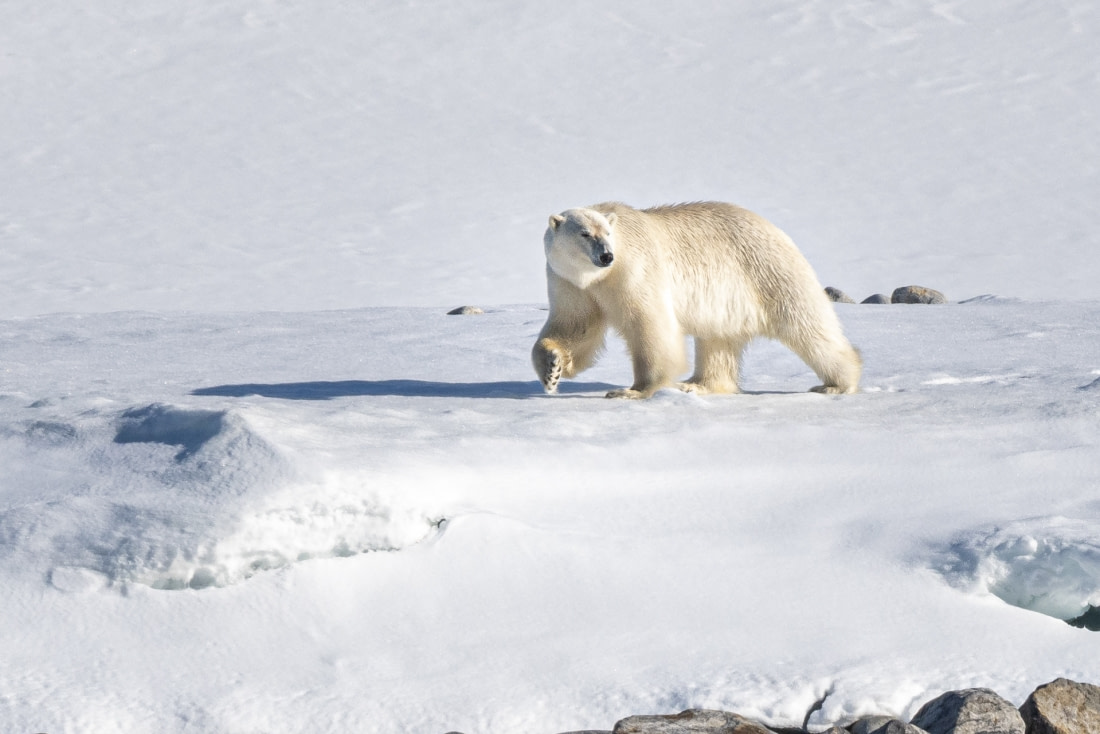
Your best bet is to take an Arctic cruise. Not only will you get the best of both land and sea, but expert expedition guides will be able to maximize your odds of seeing wildlife such as polar bears, walruses, reindeer, Arctic foxes, and a wide range of whales, seals, and seabirds.
5. The northern lights (aurora borealis) constantly shine in the Arctic
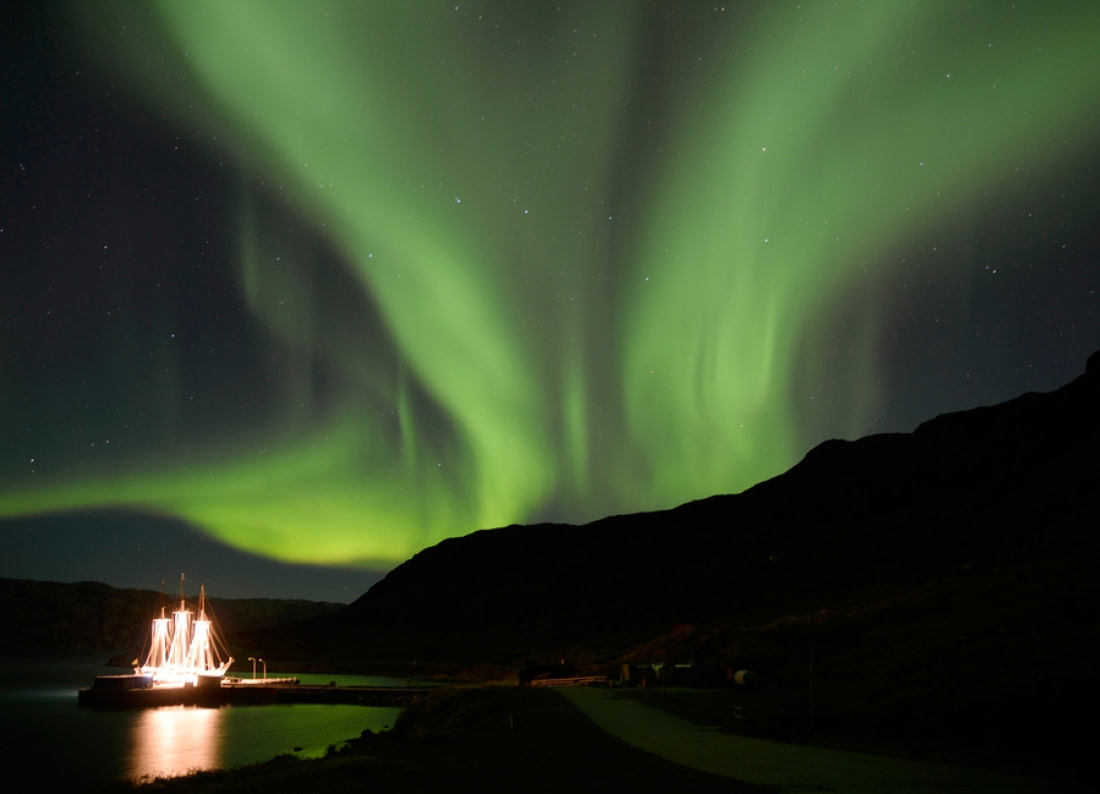
This is a particularly unfortunate myth, as it can lead to many disappointed travelers. While the phenomenon that creates the aurora borealis (solar bursts interacting with the Earth’s protective atmosphere) can happen year-round, they cannot be seen during daylight.
If you’re taking an Arctic trip to view the northern lights, make sure you book either very early or very late into the cruise season. In other words, aim for autumn through spring, when you still get some dark nighttime hours.
6. The Arctic is a hotbed of international contention
There are a lot of natural resources still untapped in the Arctic, so it’s understandable that many governments would be bickering over Arctic boundaries and access rights.
Still, the Arctic is actually the cause for many congenial conversations between countries. The concerned nations regularly get together to talk things out via the Arctic Council, and they generally adhere to international treaties. Where there is some polite head-butting, you’ll usually find scientific exploration at the heart of the matter, which is a far better reason than resources and borders.
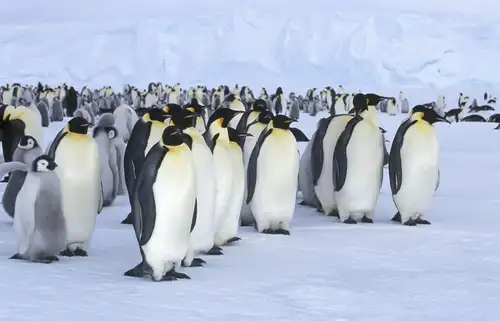
7. There are penguins everywhere in the Arctic
Wrong hemisphere!
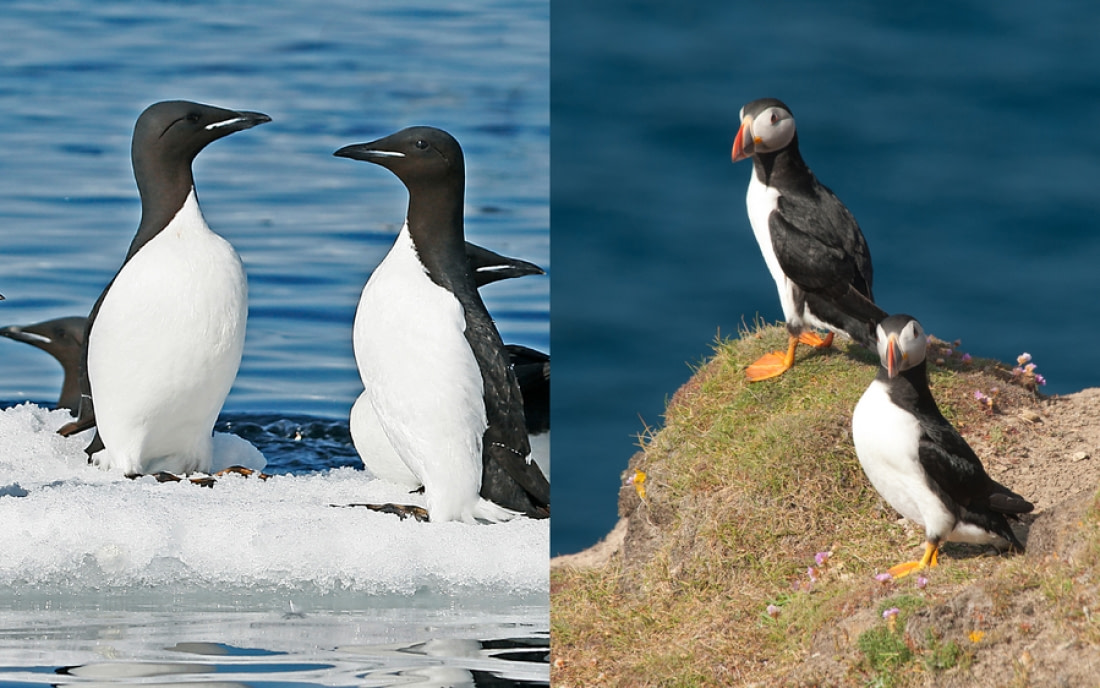
Yes, it is not uncommon for some people to hold this misconception about the Arctic. With the exception of the Galápagos penguin, however, all seventeen penguin species live south of the Equator. Many live along the coasts of South America, New Zealand, and of course, Antarctica.
Arctic birds like the puffin, common guillemot, or Brünnich’s guillemot can look fairly penguin-like, but in fact, there is little relation between them and penguins.
8. Raised sea levels are the only climate problem in the Arctic
All that freshwater ice permanently melted from glaciated parts of the Arctic (primarily Greenland) does indeed raise ocean levels, but that’s not the only Arctic problem presented by climate change.
The Arctic’s decreasing sea ice levels will also mean smaller ice shields. The ice of the Arctic and Antarctica acts as a shield for the Earth, bouncing back sunlight into space and helping to keep temperatures at the current level. With those shields reduced in size, more sunlight impacts the oceans and may contribute to our overall rising temperatures.
Greenhouse gases released from thawing permafrost soils only exacerbate this problem.
9. The Arctic is all ice, snow, and rock
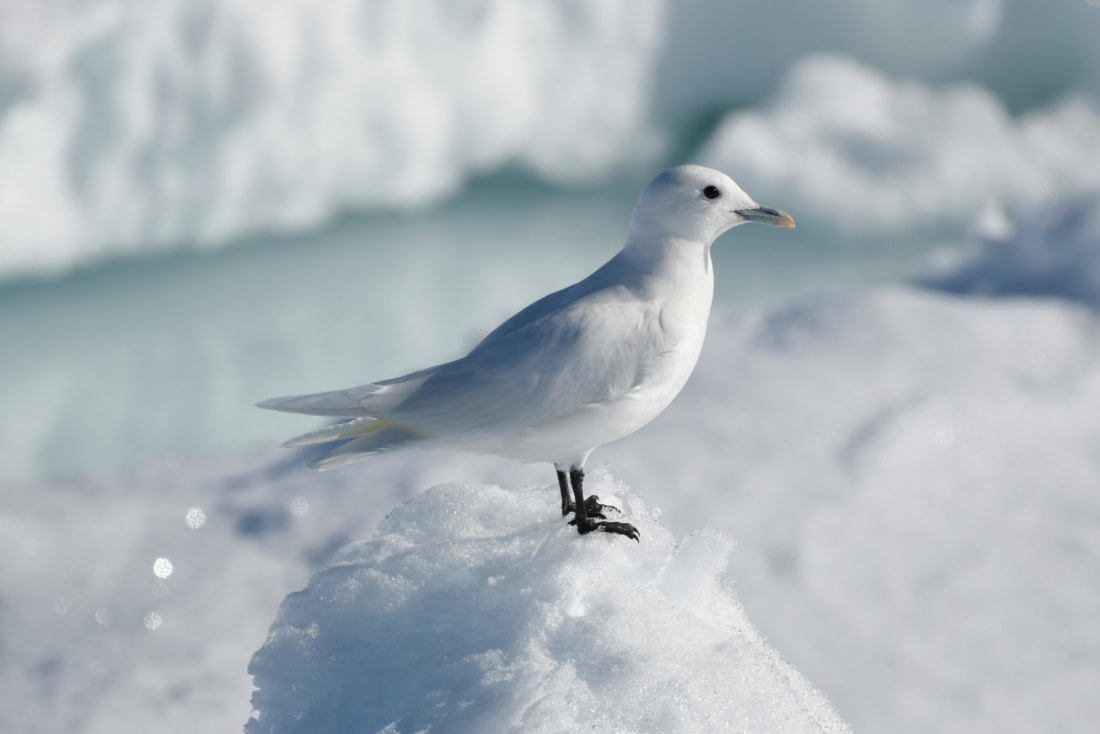
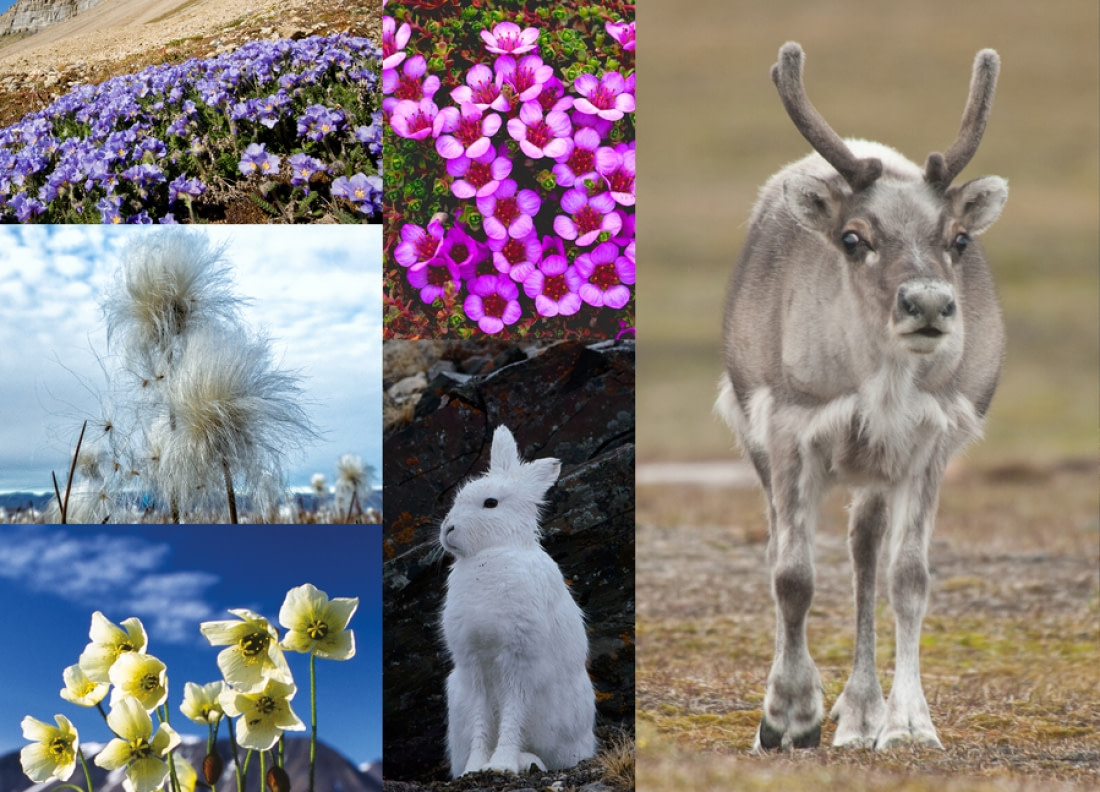
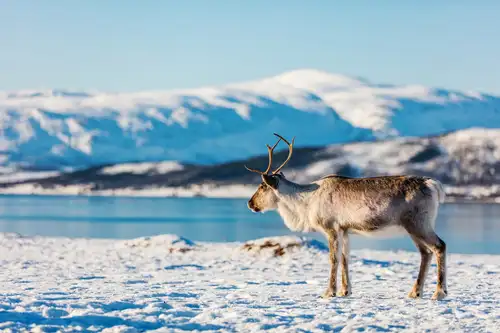
If this myth about the Arctic were true, herbivores like reindeer and Arctic hares wouldn’t stand much of a chance - not to mention the thousands of birds that come to the Arctic for their breeding seasons.
Arctic people definitely see green for part of the year, though most of the Arctic’s plant life stays low to the ground: shrubs, herbs, mosses, lichens, and the like. Hardy flowers like the Arctic poppy contribute vibrant splashes of color.
10. There’s nothing to do in the Arctic
Of all the Arctic misconceptions we can think of, this is the most untrue.
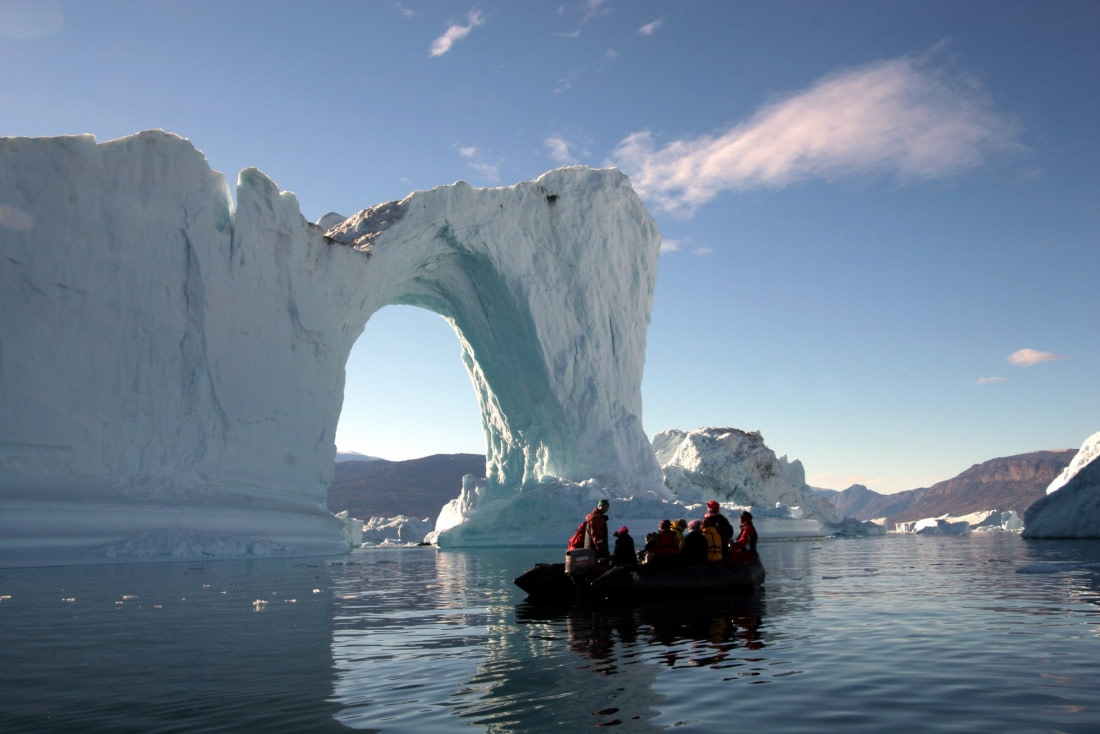
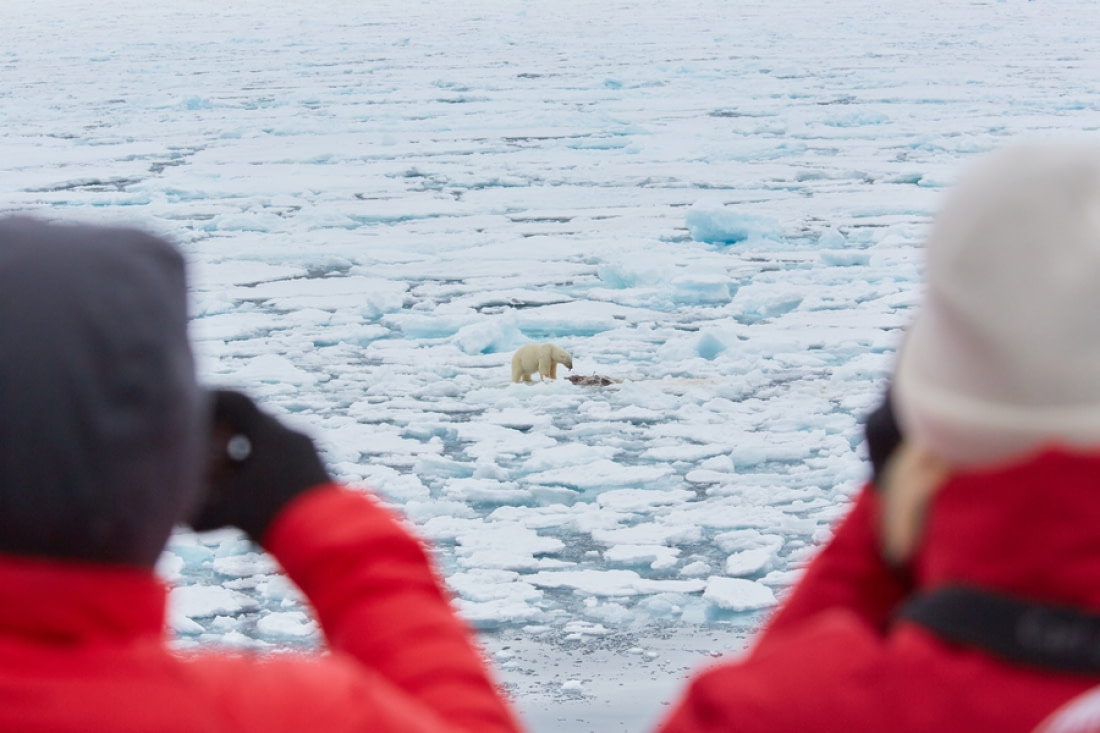
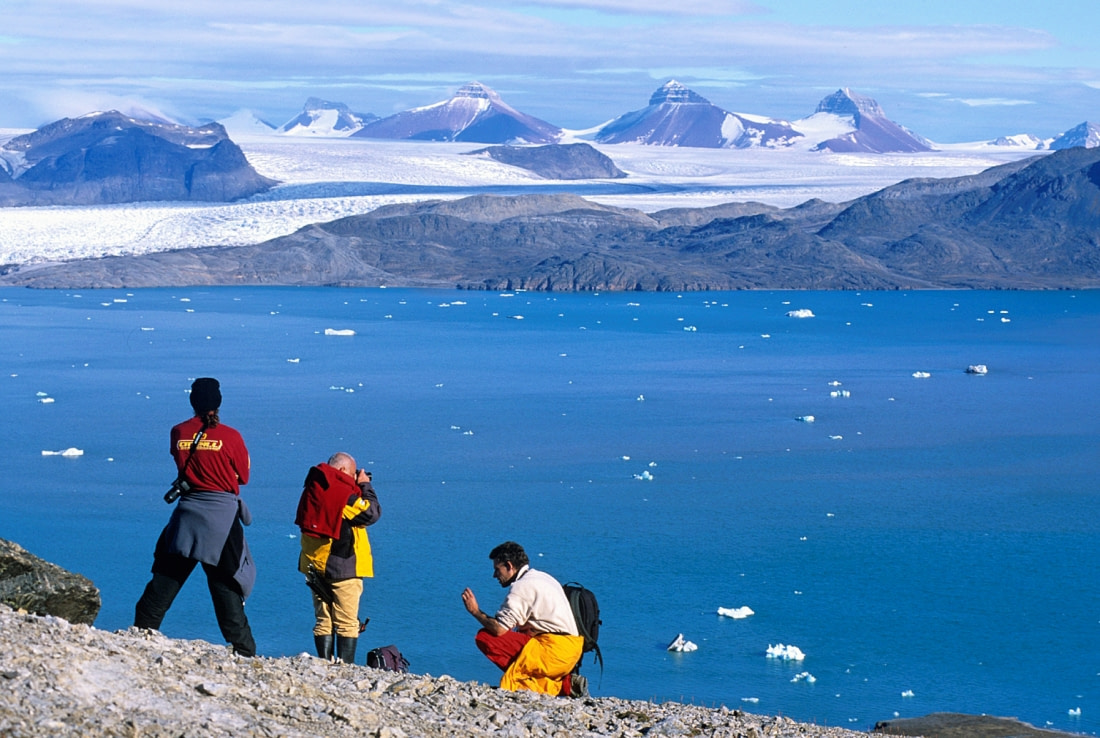
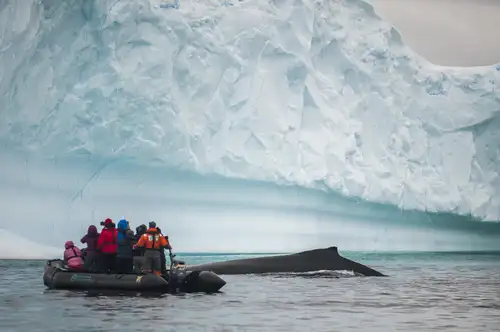
Just take an Arctic expedition cruise and you will experience all manner of terrain, wildlife, and adventurous Arctic activities. From polar bear safaris to whale-watching voyages, kayak outings to scuba diving excursions, northern lights vistas to historical monument visits, Arctic trips are usually packed with more things to do than time to do them in.
And now that we have debunked the most common misconceptions about the Arctic, we hope you will enjoy your time there all the more.
Learn more about Arctic and Antarctic differences
Now that we’ve covered the common Antarctic misconceptions in this blog (and Arctic misconceptions in another), you may be interested in learning about what distinguishes both regions – especially if you’re planning a polar cruise anytime soon.
Whatever the case, please enjoy our regularly updated Ultimate Traveler’s Guide to the Arctic and Antarctica, which is all about the touristic differences of these beloved regions. Packed with beautiful photos, engaging facts, and useful travel tips, this indispensable guide is all you’ll need to decide when to leave, where to go, and what to do.


Blog


Penguins, Albatrosses, Petrels: The Winged Wildlife of South Georgia
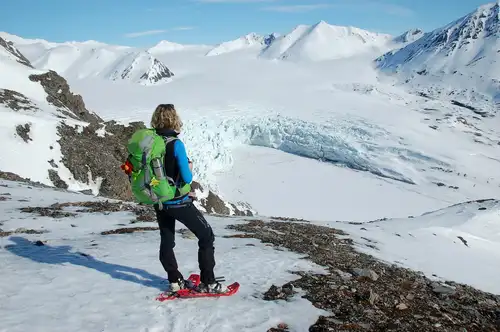
Arctic on Foot: Hiking and Snowshoeing the Far North
Cheapest Antarctica Cruises: How to Save on Your Journey
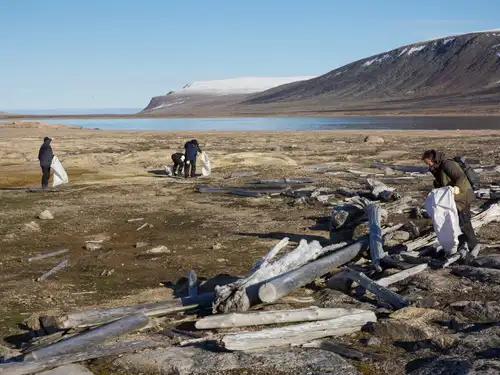
Keep It Green: Our Commitment to Sustainable Polar Travel
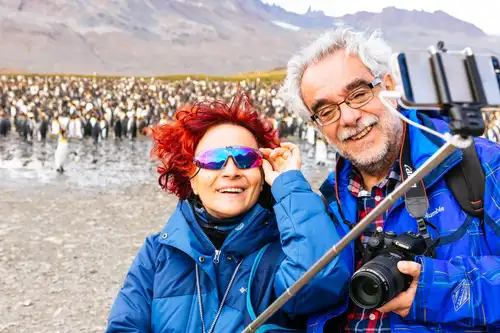
Two for the Snow: Polar Cruises for Couples
8 Whales You Might See During Your Antarctica Cruise
Scoresby Sund: the Greatest Greenland Adventure
Franz Josef Land Sites, Species, and Experiences
Around Spitsbergen vs. North Spitsbergen
12 photo tips to make better pictures on your Antarctica cruise
The Impact of Small vs. Large Cruise Ships
Where the Polar Bears Roam
The Small but Social Commerson’s Dolphin
The Overlooked Treasures of Ascension Island
Why a Polar Diving Cruise Should be Your Next Great Decision
Eight Engaging Reindeer Facts
Shackleton’s Long-Lost Endurance Discovered in Antarctica
Imperial Antarctica: the Snow Hill Emperor Penguins
A Day of Whale Watching in Antarctica