
Greenland is the world’s largest island and with the northern tip around 740 kilometres from the North Pole it is the northernmost country on Earth. The island is around 2,670 kilometres long and is about 650 kilometres across at its widest point.
The total land mass is about 2,175,600 square kilometres, 85 percent of which is covered by ice, which can be up to 3,000 metres thick in some places. Geologically, the island has sunk under the ice’s enormous weight with several areas below sea level.
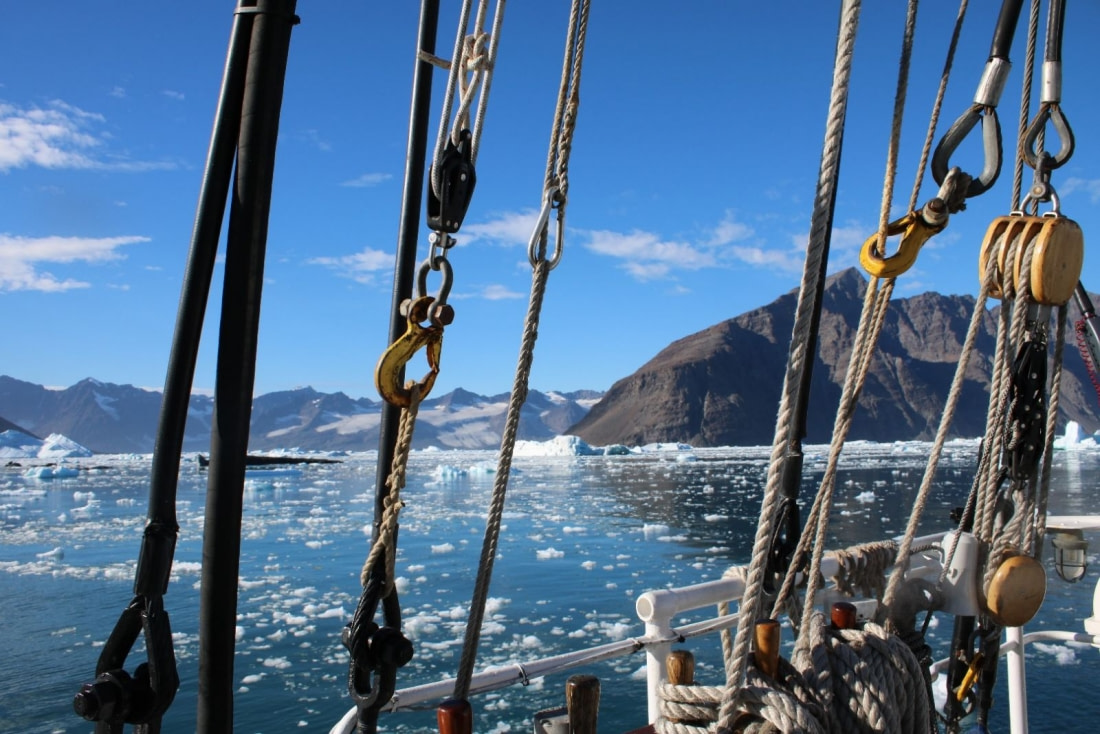
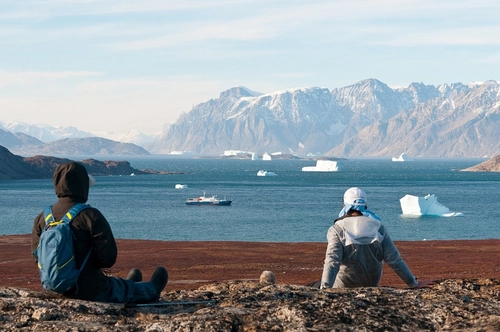
Nonetheless, the scenery on a Greenland cruise is stunning with peaks of the mountains jutting into the sky and glaciers winding their way through mountain valleys to reach coastline fjords. Where the glaciers meet the sea icebergs form, floating out to sea.
The weather is just as dramatic with its sub-arctic location bring short, cold summers and freezing cold winters. Along the fjords the temperature hovers around -8° Celsius during wintertime, however the temperature is much colder in the interior.
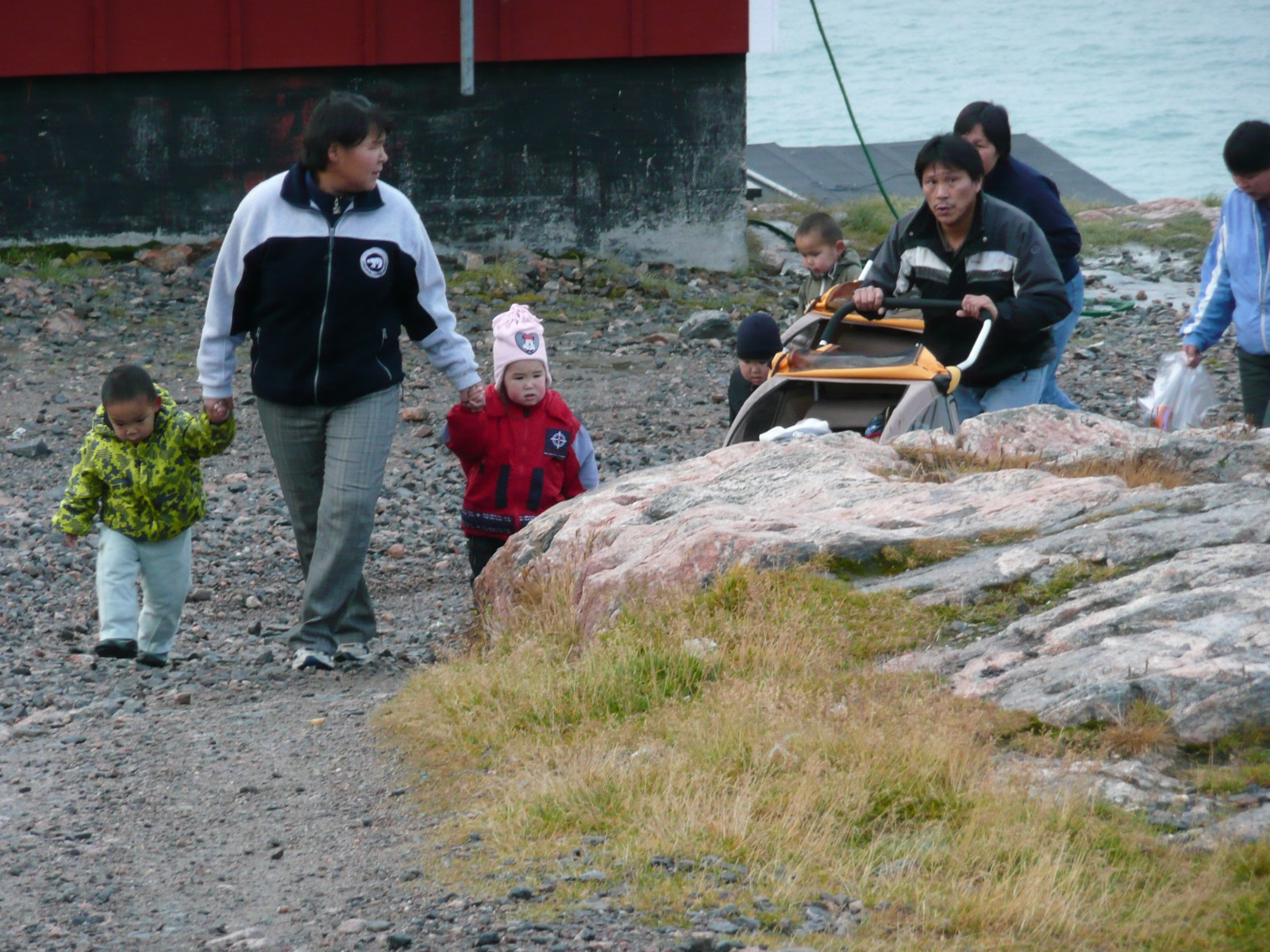
Greenland was settled by descendants of the present Inuit culture, who identify the island as Kalaalit Nunaat – “land of the people”: The name Greenland came from the Norse explorer Erik the Red who sailed from Iceland to the island in 982 C.E. and spent the next three years farming a plot of land along the southern coastline.
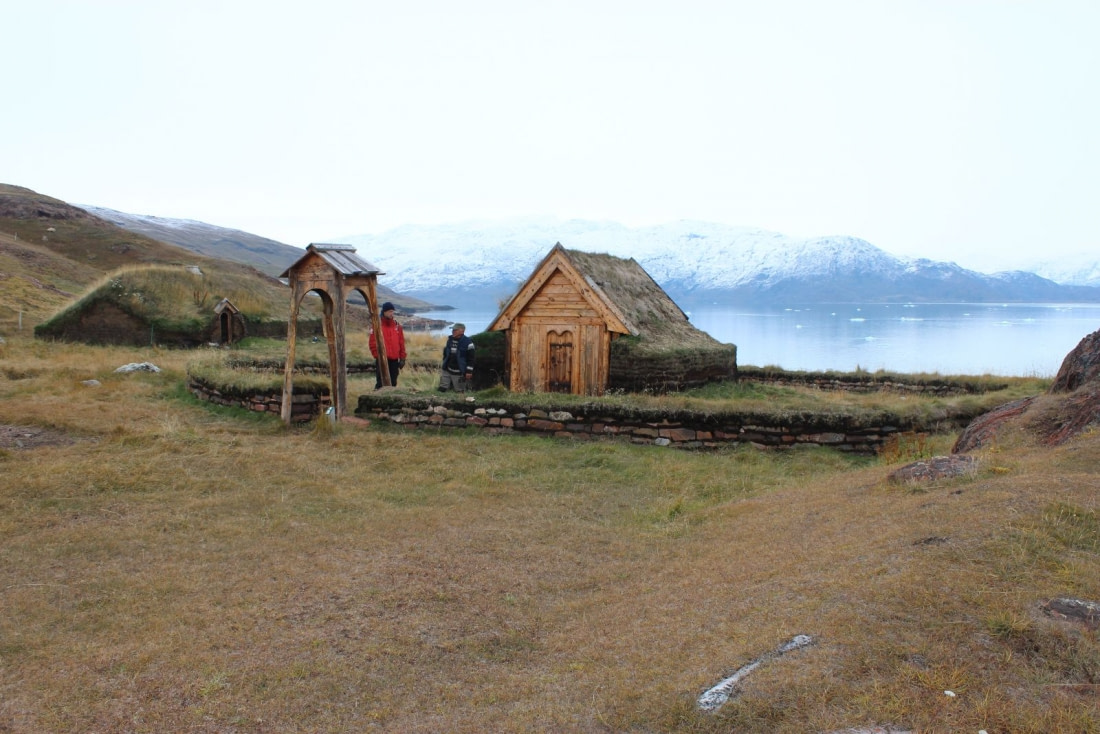
The Greenland Inuit’s belief of soul and body
Traditionally, Greenland Inuit believe that humans as well as animals have both soul and body, where the soul performs the breathing and is independent of the body. In this sense the Inuit believe that the soul continues to live after death.
In the context of where Man came from, Greenland Inuit believe that the first man was called Kallak, created by the first woman out of a tuft of sod. Regarding animals, the Inuit also believe that they too have a soul that is independent of the body and continues after death living. For the Inuit, there is belief that the soul may return to Earth and continue in another body.
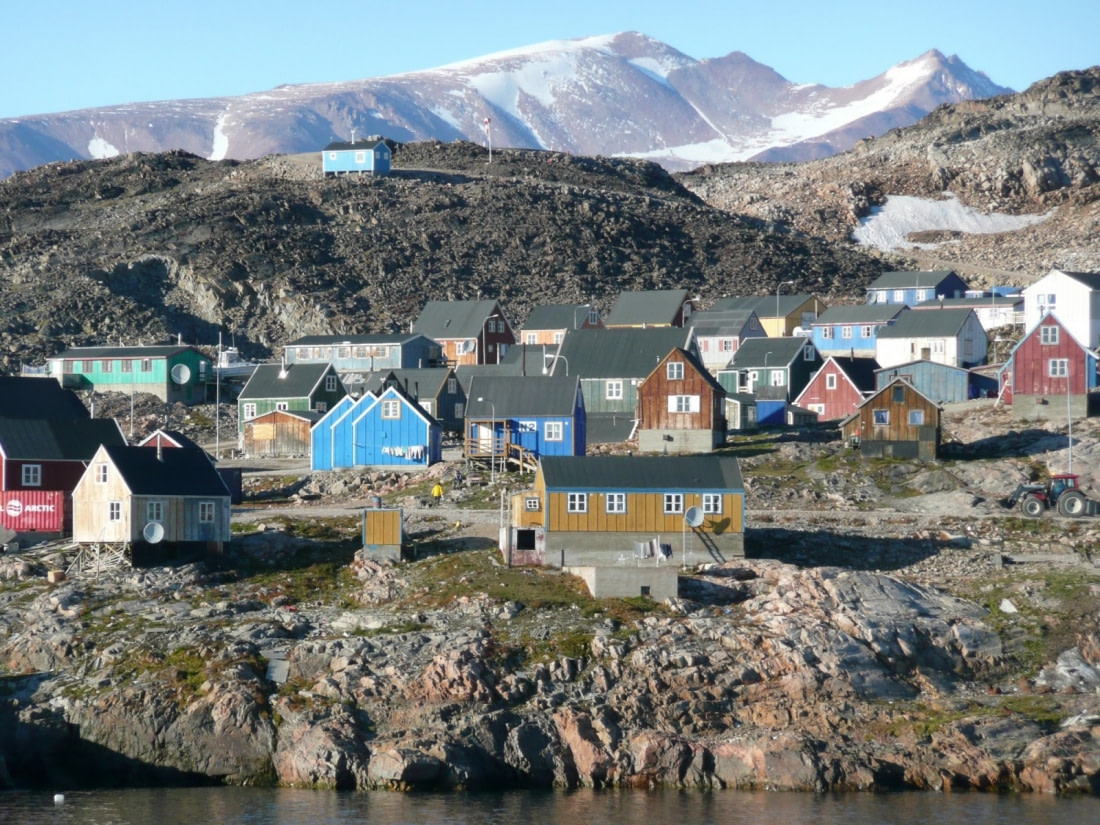
The upper and underworld
The Inuit belief-system is centred around the whole visible world being ruled by supernatural powers or ‘owners’ and is called inua, which means man, and is often used when describing physical locations that have taken on human qualities and passions for example the inua of a certain mountain or lake.
Meanwhile the Earth, with the sea supported by it, rests on pillars and covers the underworld, which is accessible by various entrances from the sea as well as in parts of mountains. Above the Earth an upper world is found with blue sky beyond it. The Inuit believe that the upper world has real land with mountains and valleys.
After death, the Inuit believe that human souls go to either the upper or under world. In fact, the Inuit prefer the underworld as it is warm with abundant food while the souls that go to the upper world will suffer from cold and famine. The Greenland Inuit believe that after death the people can reappear as ghosts. The ghosts make their appearance known by whistling, the next is singing in the ears to ask for food. The dead also act as guardian spirits to their children and grandchildren, especially ones that are named after them.
Summoning powers
To obtain special assistance from the ruling powers Greenland Inuit at times practice the art of summoning, which was practised and taught from mouth to mouth by people acknowledged or authorised by the community. It was always conducted in secret and always with the object of injuring others and completely favouring the practiser. This art is very similar to witchcraft and is based on the principle of divine justice that punishes one person and rewards another.
A unique prayer for a unique circumstance
When making prayers, the Greenland Inuit appeal for aid or to some special owner of the power they seek. The typical custom is to use distinct spells with unique tunes belonging to them. This type of prayer is called serrat and may be referenced to health, hunting, assistance against enemies or dangers. In other words, a specific serrat was used to address a specific issue. A serrat has power itself and is independent of the person who happens to know of it or make use of it. Therefore, the serrat is considered an object of possession and at times were known to be of hereditary property. To own such a serrat, it had to be originally acquired by a revelation to some individual who possessed a certain degree of wisdom.
Fasting and abstinence during childbirth
During times of child-birth, the Greenland Inuit follow a traditional belief system revolving around fasting and abstinence. The woman preparing to give birth is not allowed to work or eat any flesh excepting from the produce of her husband and which the entrails had not been wounded, while fish was allowed.
Two weeks prior to delivery she then may eat flesh, but the bones where not be carried outside the house. During this time the women are not allowed to eat or drink in the open air nor is anyone else allowed to drinking from her water-tubs.
Similarly, leading up to giving birth the husbands are not allowed to work or do any barter for some weeks. They would also take off one boot and put it beneath the dish they were eating so that if a son was born he would be a good hunter.
During the first few days after a child is born no fires are to be lighted at their stall and nothing cooked over the lamp. Immediately after the child is born a name is given to them and it was always of significance if it was to be called the name of a deceased relative, with one of the grandparent’s names preferred.
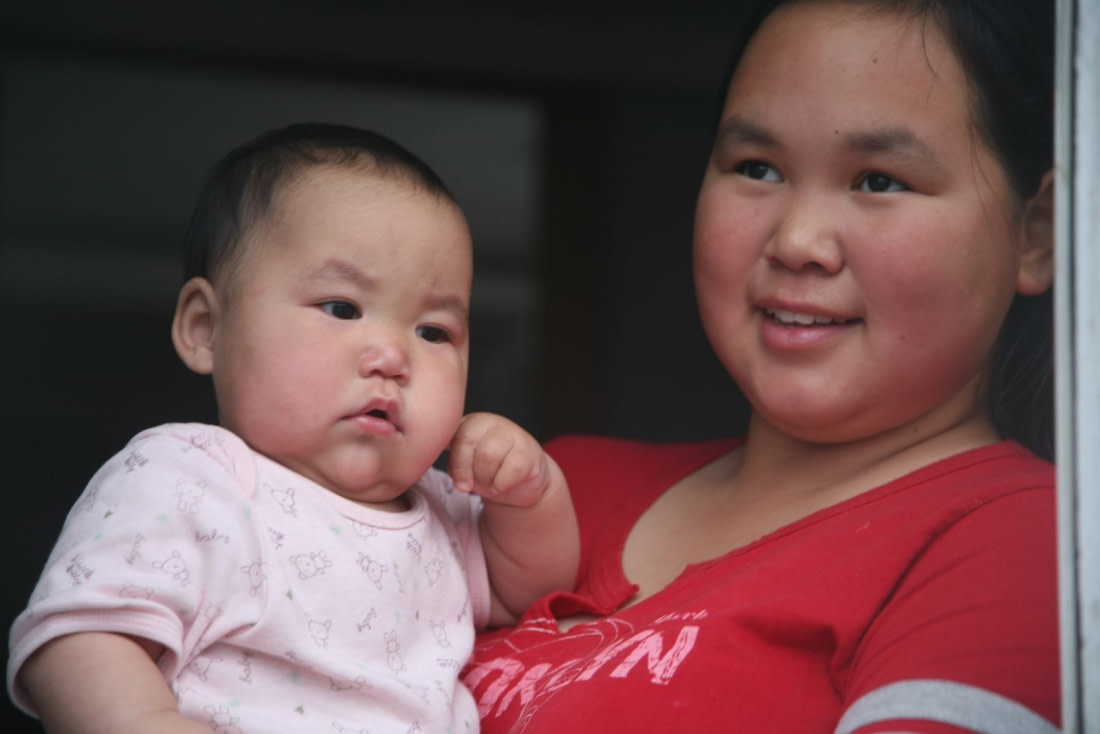
Mixed-sex priests
Both women and men can become priests in Greenland Inuit culture. First a child was educated by a priest, afterwards, there was strict fasting as well as living for periods alone as a way to ensure the soul becomes partly independent of the body and external to the world. Finally, tornak, or guardian spirit would come, whom the apprentice priest will later be able to call to their aid by taking certain measures anytime of choice.
During the time the guardian spirit arrives the priest-in-training is meant to fall into a state of unconsciousness and on regaining their senses was supposed to have returned to mankind. Finally, to become acknowledged as a priest the apprentice has to show his power by calling forth his tornak. If the apprentice failed to call their tornak after 10 attempts they had to give up their claim to becoming a priest, nonetheless they still remained a canny, or a peculiarly gifted person.
Fully qualified priests have more than one tornak which provided many services such as advising and informing spirits and assisting ones in danger, while others have revengeful, destructive powers. The priests were acknowledger or authorised teachers and judges on all issues relating to religious belief and so became at times a civil magistrate.
 12 Aug - 31 Aug 2026
 15 Aug - 28 Aug 2026
 16 Aug - 25 Aug 2026
 25 Aug - 07 Sep 2026
 21 Sep - 01 Oct 2026
Related Trips
Spitsbergen - Northeast Greenland, Fly & Sail
12 Aug 2026 - 31 Aug 2026  20 Days / 19 Nights
Northeast Greenland Extreme
15 Aug 2026 - 28 Aug 2026 14 Days / 13 Nights
East Greenland, Scoresby Sund, Including Long Hikes
16 Aug 2026 - 25 Aug 2026 10 Days / 9 Nights
Northeast Greenland Extreme
25 Aug 2026 - 07 Sep 2026 14 Days / 13 Nights
East Greenland, Scoresby Sund - Aurora Borealis, Fly & Sail
21 Sep 2026 - 01 Oct 2026 11 Days / 10 Nights
East Greenland, Scoresby Sund - Iceland , Aurora Borealis, Fly & Sail
01 Oct 2026 - 12 Oct 2026 12 Days / 11 Nights

Blog


Flowers in Antarctica
The Ice-Jewelled Geology of Spitsbergen
Franz Josef Land Sites, Species, and Experiences
The Mysteries of the Beluga Whale
Earth vs. Mars: Polar Regions Compared
The Arctic Borderland of Kongsfjorden, Svalbard
Science of the Ross Ice Shelf
Arctic Foxes: Constant Gardeners of the Arctic
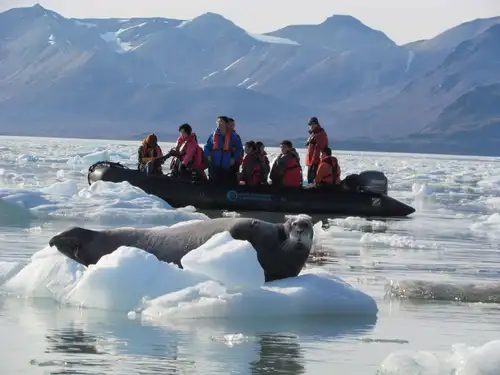
Six Seal Species You Might See On Your Greenland Cruise
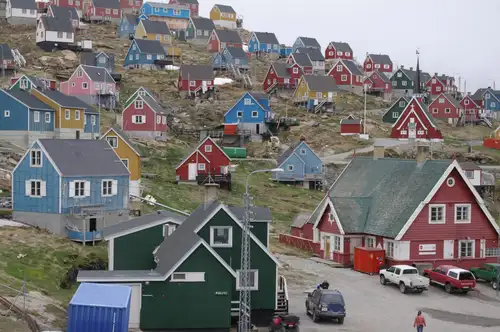
10 Traits of Post-Ice-Age Greenland
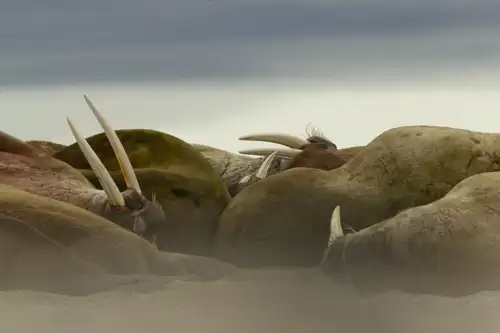
15 Toothy Facts About the Atlantic Walrus
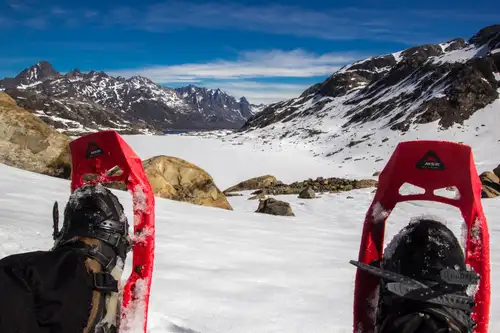
Five Reasons Why Snowshoeing is a Perfect Polar Activity
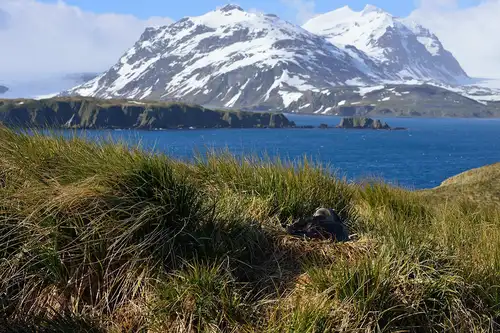
The Plants of Antarctica
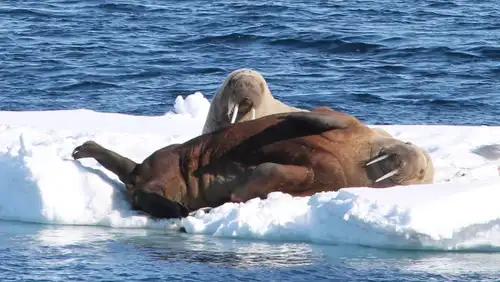
Svalbard’s 12 Most Iconic Animals
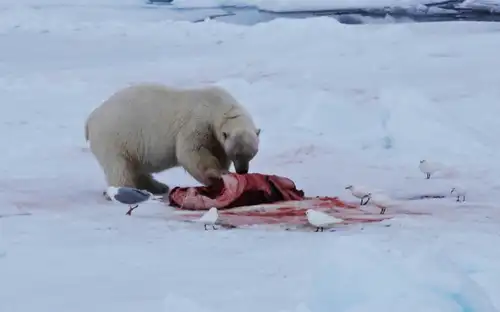
“The polar bear will still be there”
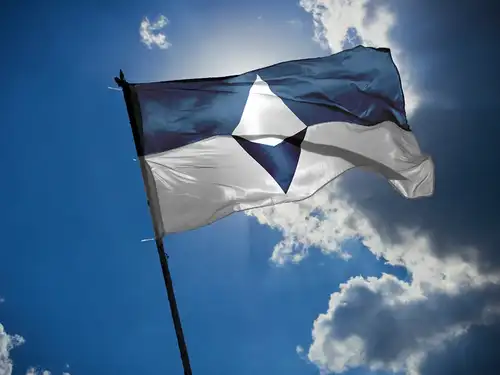
True South: A New Flag for a Global Antarctica
Orcas (aka Killer Whales) of Antarctica and the sub-Antarctic
Taking the Polar Plunge
Top 10 Antarctic Attractions