Going Green Ascension Island Sea Turtles - Nexta Expeditions
Going Green: Ascension Island Sea Turtles

Going Green: Ascension Island Sea Turtles

Gold beaches, green mountains - and greener turtles.

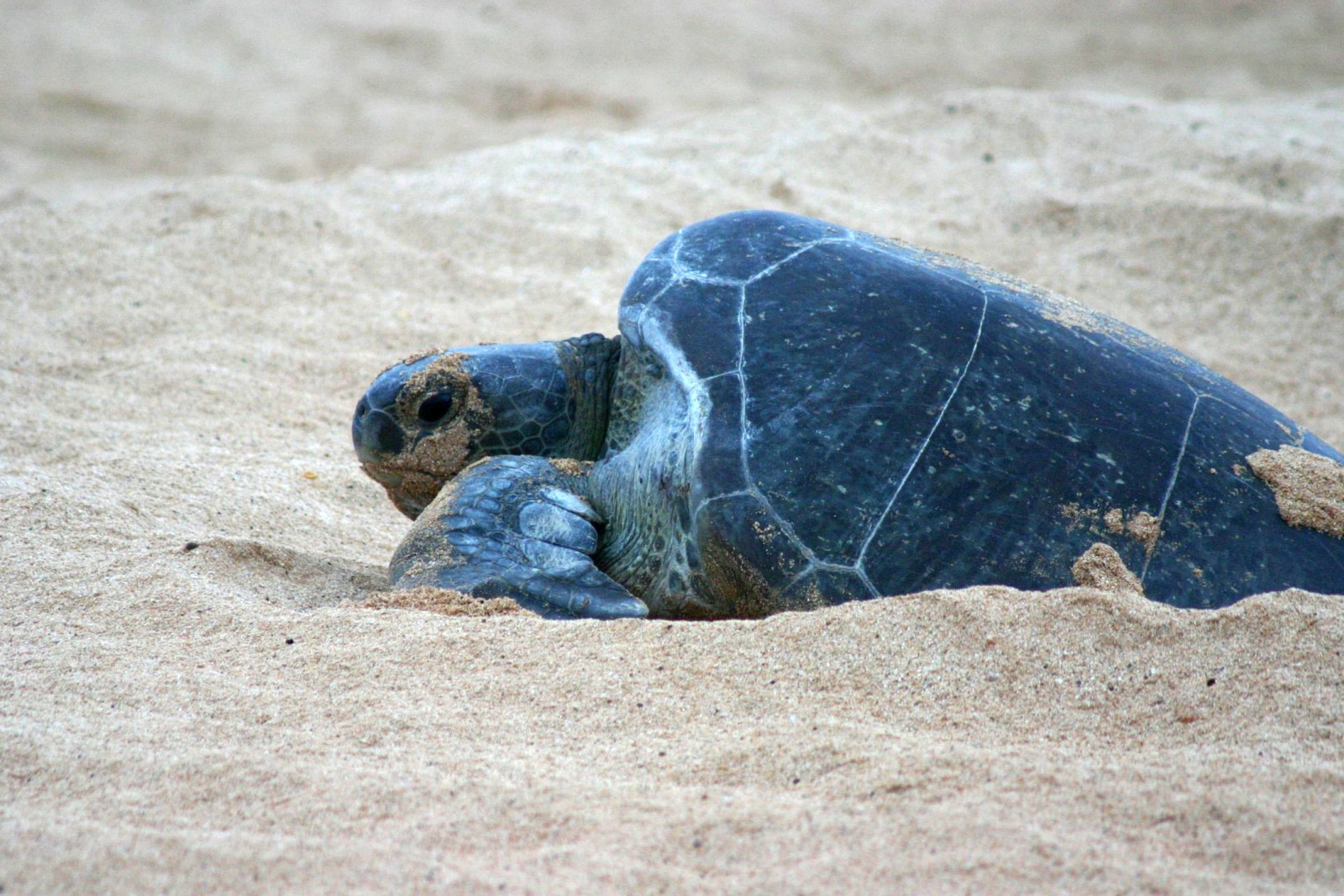
For wildlife lovers, Ascension Island is indispensable. A remote volcanic island in the South Atlantic, some 1,600 km (1,000 miles) from the nearest landmass (Africa), it is home to one of the world's largest populations of rare green sea turtles.

And since this endangered species can now only be found in a few key locations, this makes the Ascension Island turtle population especially precious.
blog-image

Ascension Island turtles: a world-famous phenomenon

Wildlife lovers are united by a common Ascension Island aspiration: See its world-famous green sea turtles.

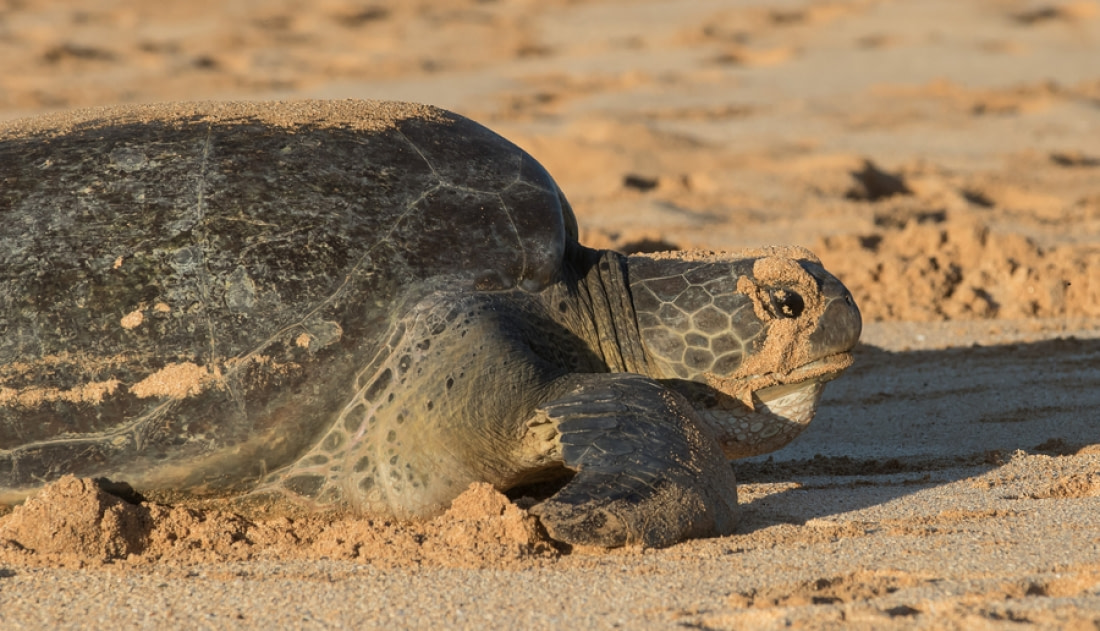
Due to its remoteness, Ascension Island makes for an undisturbed breeding ground for green sea turtles. In fact, the UK-managed Ascension Island is the second most populated green turtle breeding ground in the Atlantic Ocean.
blog-image

Studying the green turtles of Ascension Island

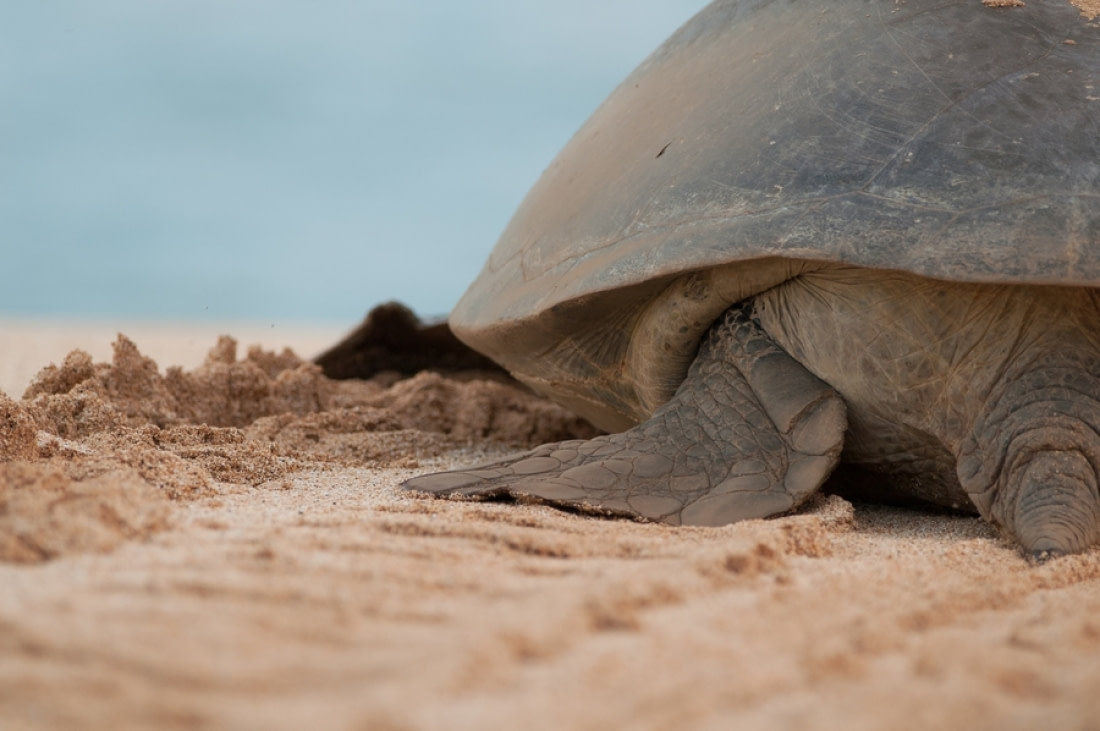
In 1977 researchers began tracking the green sea turtle population on Ascension Island's Long Beach during breeding season.

At that time, there were an estimated 1,000 nests. By 2012, this number had exploded to 10,000. Tracking the mating habits of green turtles also revealed an interesting and previously unknown fact.

Namely, each of the female green sea turtles nests an average of six times per year, twice as much as early research indicated. Who says turtles can't be romantic?
blog-image

The prolific breeding ability of green sea turtles

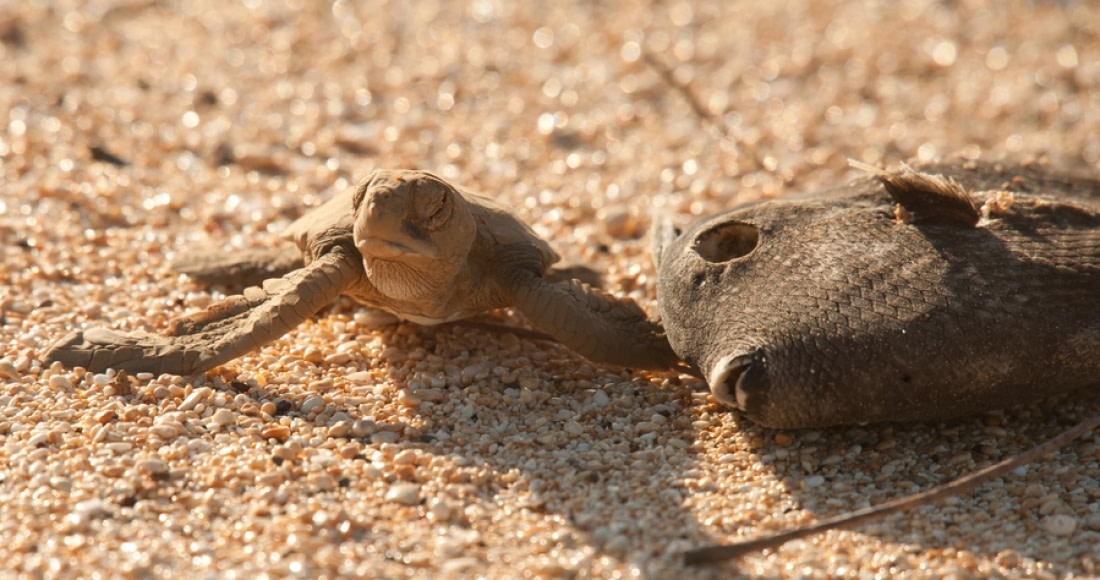
A female green turtle can lay as many as 150 eggs during each of her six nesting periods. This means a single female can be responsible for up to 900 green sea turtle babies, as long as they all hatch and survive to adulthood.

We hope she's interviewing babysitters.
blog-image

Seeing green turtles on your Ascension Island visit

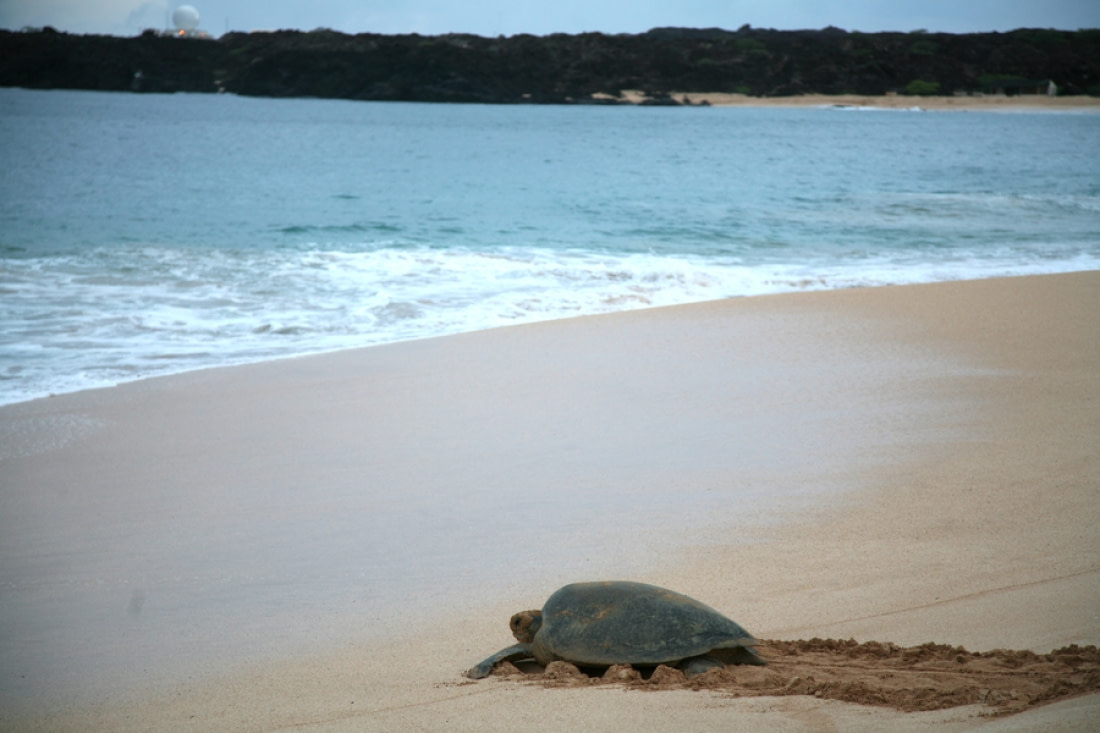
While we have to keep a respectful distance, stay quiet, and refrain from using flash photography so as not to disturb green sea turtles, we are able to take our groups to one Ascension Island location for viewing these magnificent marine animals.

For most travelers, the ability to get this close to green sea turtles is a wondrous event.

Ascension Island turtles migrate from Brazil every mating season so they can lay their eggs in peace, and few areas offer as much peace as far-flung Ascension Island.
blog-image

How Ascension Island turtles nest

The green sea turtle female is a real trooper.

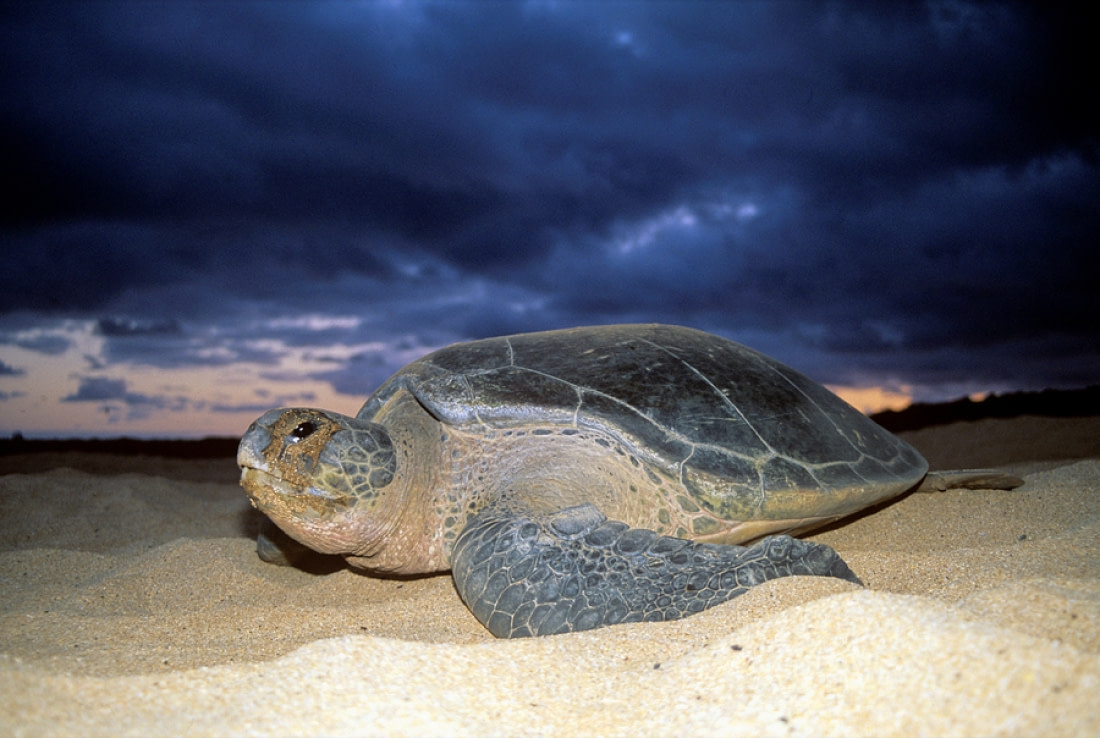
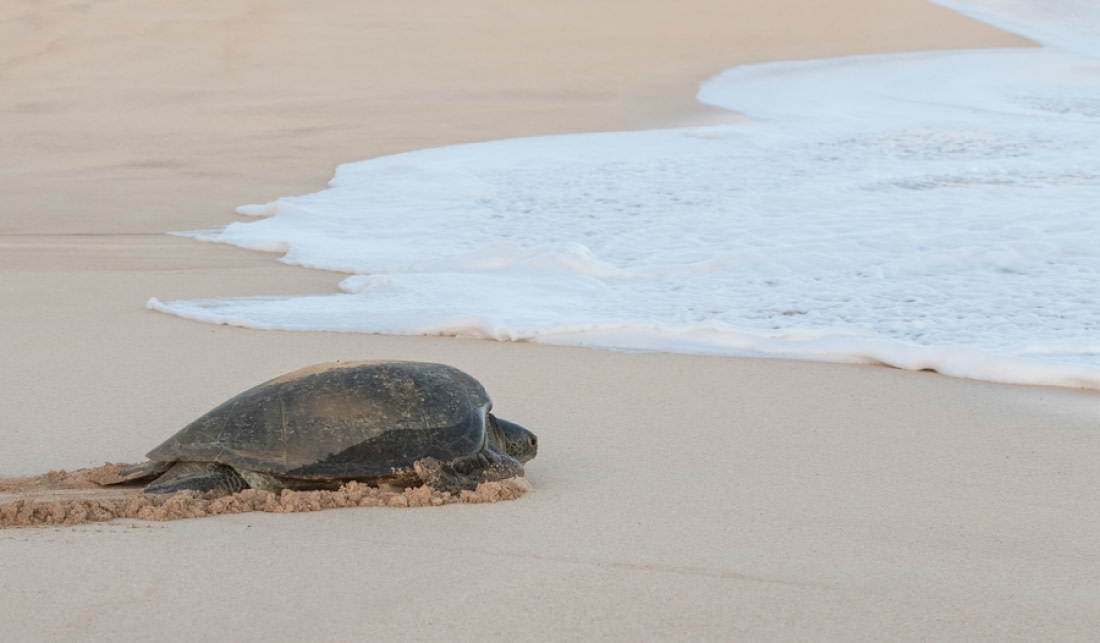
After crossing 2,400 km (1,490 miles) of ocean from Brazil to Ascension Island, she finds a spot on the beach to build her nest. These nests are always created out of sand, which the green sea turtle female digs into with her flippers to make a hole for her eggs.

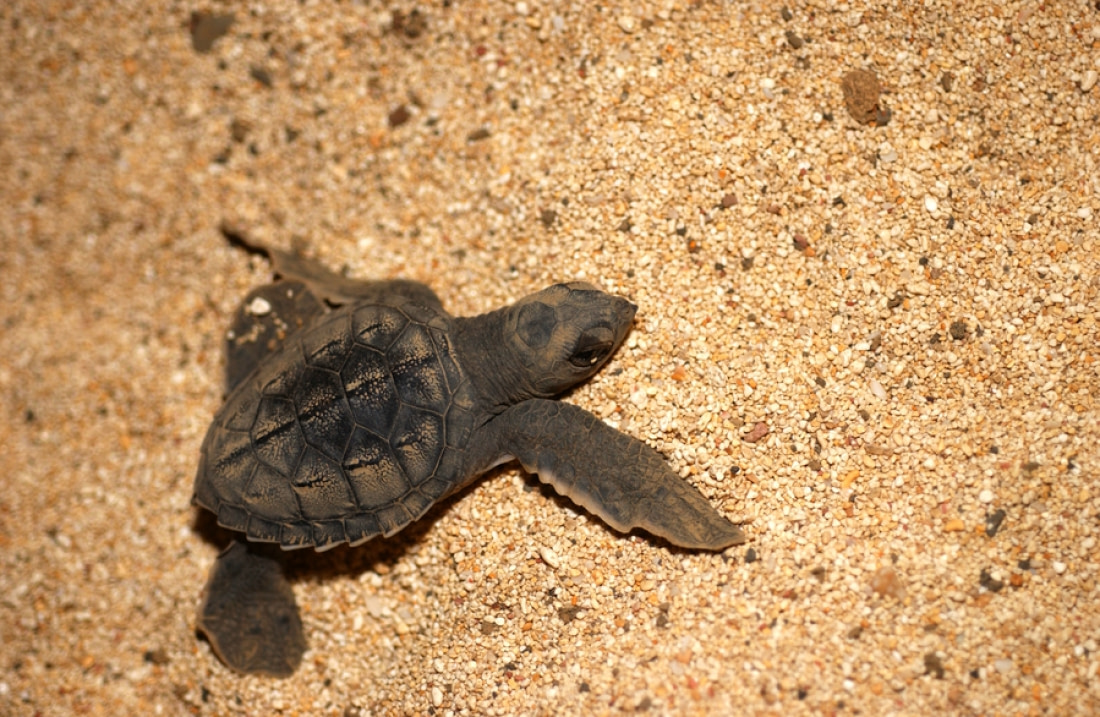
After the eggs are laid, she covers them with sand and returns to the ocean.

It will take about two months for her eggs to hatch, so it's not necessary for the female green turtle to stick around. After all, she's earned a little "me time."
blog-image

Taking an Ascension Island "green sea turtle trip"

Visiting Ascension Island is more than just a holiday.

Few other places on the planet allow you to leave civilization behind so completely, seeing the natural world in its least-impacted state. And for wildlife enthusiasts, the green sea turtles are reason enough in themselves to make the trip.

Our Ascension Island visits take place during our Atlantic Odyssey cruises, which are special itineraries not available every year.

blog-image

Blog
go-leftgo-right

Arctic Foxes: Constant Gardeners of the Arctic - Nexta Expeditions
Blog

Arctic Foxes: Constant Gardeners of the Arctic

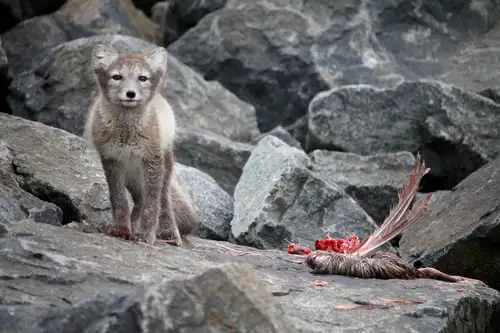
Given how widespread their habitat is, it is little wonder that Arctic foxes are one of the animals we most often see during our Greenland and Svalbard expeditions. The Arctic fox is a circumpolar species whose feeding grounds include North America, Eurasia, even Iceland, ranging from nearly the North Pole all the way down to the sub-Arctic islands.
10 Weather-Fueled Facts about Antarctica - Nexta Expeditions
Blog

10 Weather-Fueled Facts about Antarctica

Most of us have at least a vague notion of what makes the North and South Poles so brutally, bone-chillingly cold: They receive less sunlight than the rest of the planet, what sunlight they do receive arrives at an angle, and they’re usually buried under endless mounds of ice and snow. This holds especially true for the South Pole and its centerpiece, Antarctica. Fewer people know, however, what drives Antarctic weather, or what results from it. Here are ten weather-related facts about the most southern continent that will put your polar meteorology ahead of the curve.
Port Pastimes: 7 Fun Things to Do in Longyearbyen - Nexta Expeditions
Blog

Port Pastimes: 7 Fun Things to Do in Longyearbyen

Waiting in port for an Arctic expedition cruise to begin might seem a little like waiting for water to boil or coffee to brew or a Seinfeld reunion to materialize: Time seems to defy its own laws, life slows to a crawl, and you begin to wonder if it’s really going to be worth it.
Arctic Seals - Nexta Expeditions
Blog

Arctic Seals

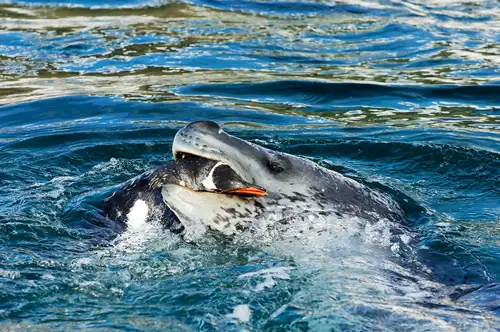
Owing to the large landmasses that populate the Northern Hemisphere, the Arctic boasts the most diverse wildlife among the planet’s polar regions. Some of the most captivating Arctic animals are the marine mammals found just offshore.
All About Ice: Glaciers and Icebergs of the Arctic and Antarctica - Nexta Expeditions
Blog

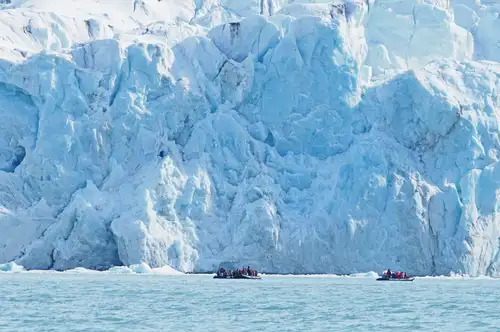
All About Ice: Glaciers and Icebergs of the Arctic and Antarctica

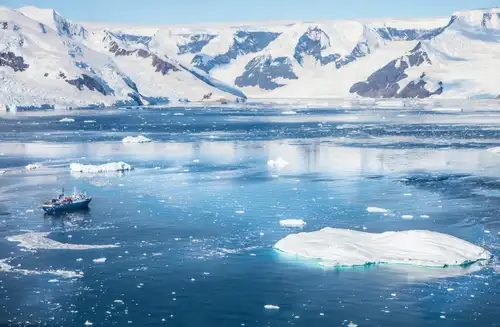
Owing to the large landmasses that populate the Northern Hemisphere, the Arctic boasts the most diverse wildlife among the planet’s polar regions. Some of the most captivating Arctic animals are the marine mammals found just offshore.
Churches in Antarctica - Nexta Expeditions
Blog

Churches in Antarctica

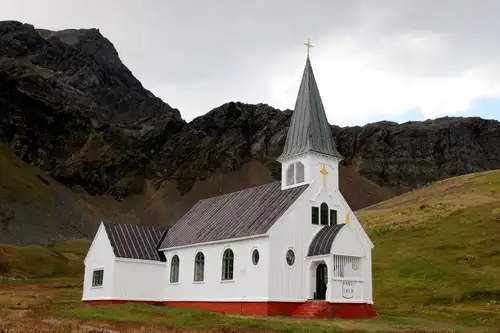
'Below 40 degrees South there is no law; below 50 degrees South, there is no God', goes the old adage. When faced with a storm in the turbulent and freezing waters of the Drake Passage, one might think so.
Antarctica’s first Marine Protected Area - Nexta Expeditions
Blog

Antarctica’s first Marine Protected Area

In October of this year, the Commission for the Conservation of Antarctic Marine Living Resources, which includes 24 countries such as the United States, the European Union, Australia, and New Zealand, reached a consensus on a New Zealand/United States proposal to establish a large-scale Marine Protected Area (MPA) in the Ross Sea region.
Antarctic Icon: 44 Facts About the Emperor Penguin - Nexta Expeditions
Blog

Antarctic Icon: 44 Facts About the Emperor Penguin

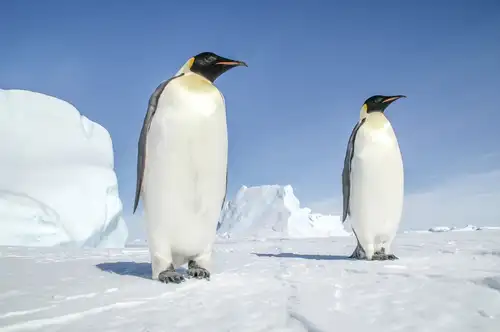
What polar bears are for the Arctic, emperor penguins are for Antarctica. These flightless aquatic birds are probably the most recognizable animals in the southern polar regions and certainly among the most popular wildlife attractions for our passengers.
The first race to the South Pole in 50 years - Nexta Expeditions
Blog

The first race to the South Pole in 50 years

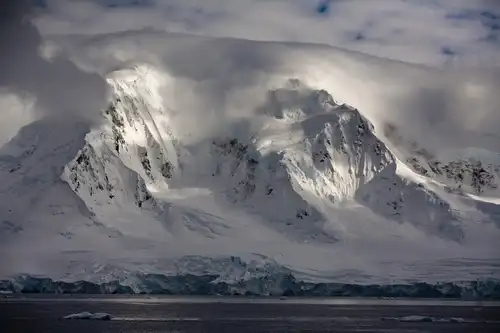
Before the South Pole could be reached, the question was what exactly lay at the southern ends of Earth. The concept of Terra Australis Incognita, an unknown continent, was first introduced by Aristotle, who reasoned that a southern landmass must exist to ‘balance’ the known lands in the northern hemisphere.
The Ancient Fossil Forests of Antarctica - Nexta Expeditions
Blog

The Ancient Fossil Forests of Antarctica

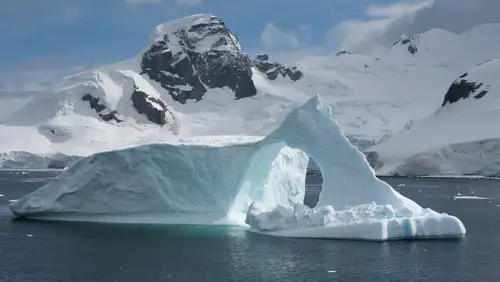
Over a hundred years ago, Robert Falcon Scott’s expedition to Antarctica discovered fossils of plants on the Beardmore Glacier, less than 500 km (310 miles) from the South Pole. Edward Wilson, who was the expedition’s chief scientist, recorded the findings in his diary, stating that “most of the bigger leaves were like beech leaves in shape and venation.”
All things ice in the Antarctic - Nexta Expeditions
Blog

All things ice in the Antarctic

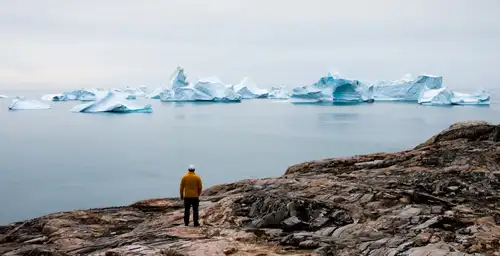
The first documented sighting of an iceberg in Antarctica occurred on February 1, 1700, when Edmond Halley was on an expedition to measure the Earth's magnetic field. He noted in his diary that he encountered "great Islands of Ice, of Soe Incredible a hight and Magnitude that I scare dare to write my thoughts on it."
The Wildlife of Antarctica’s Seas and Skies - Nexta Expeditions
Blog

The Wildlife of Antarctica’s Seas and Skies

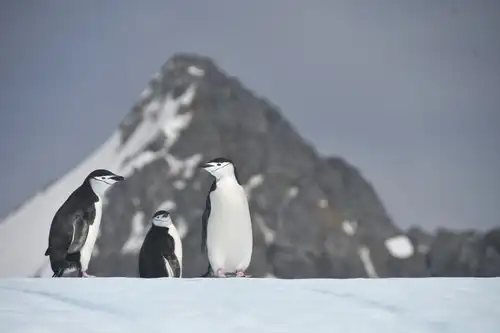
Antarctica is one of the most pristine environments on Earth, home to whales, penguins, seals, and birds, providing nature lovers with a treasure trove of wildlife memories to take back home.
Tracking Greenland’s Wildlife from Space - Nexta Expeditions
Blog

Tracking Greenland’s Wildlife from Space

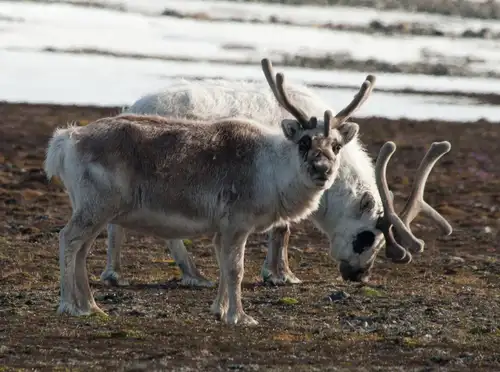
Despite Greenland’s harsh environment, life has found a way to thrive there. If you’re lucky enough to embark on a Greenland cruise, you stand the chance of encountering many species of cold-adapted mammals, birds, and fish.
Amphibian, reptiles and herbivore mammals in the Arctic - Nexta Expeditions
Blog

Amphibian, reptiles and herbivore mammals in the Arctic

Arctic ecosystems are relatively young in geological terms, having primarily developed over the past three million years. Generally, species richness is lower in the Arctic compared to more southerly regions, aligning with scientific observations that biodiversity decreases from the Equator to the poles.
11 South Orkney Animals: Whales, Seabirds, and Penguins Aplenty - Nexta Expeditions
Blog

11 South Orkney Animals: Whales, Seabirds, and Penguins Aplenty

The South Orkney Islands are often overlooked as a destination for Antarctic travel.
Life in the Polar Regions - Nexta Expeditions
Blog

Life in the Polar Regions

Polar bears in the Arctic, penguins in Antarctica.
The Pack Ice and Polar Bears of North Spitsbergen - Nexta Expeditions
Blog

The Pack Ice and Polar Bears of North Spitsbergen

The Arctic archipelago of Svalbard is renowned for being one of the prime locations to observe polar bears. The largest island in this region, Spitsbergen, not only offers sightings of these majestic Arctic creatures but also provides a unique opportunity to experience the phenomenon of pack ice.
Hondius Photography and Video Workshops - Nexta Expeditions
Blog

Hondius Photography and Video Workshops

There’s no shortage of great things to say about a Hondius expedition cruise, but among the best are the free video and photography workshops offered during some of this ship’s voyages. These informative, interactive, highly useful supplements allow you to not only capture your memories in the best way possible but also make your friends back home maddeningly jealous.
Of Treacherous Rocks & Audacious Fin Whales - Nexta Expeditions
Blog

Of Treacherous Rocks & Audacious Fin Whales

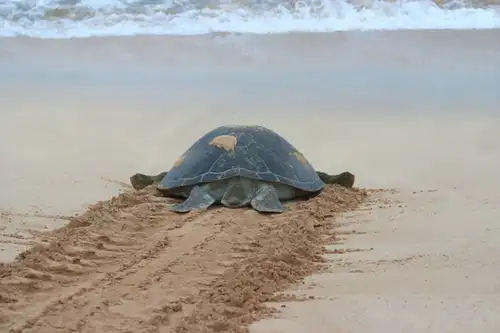
Soon large blows filled our view; small groups of fin whales sped by heading north all the while feeding on concentrations of krill & small fish. Group after group was seen, with many simply feeding in the general area and not heading anywhere in particular. Soon it became evident that we were not simply seeing a few random groups of fins, but a very large concentration spread out over a large area of sea just north and around the islands north of the South Shetlands. Dozens upon dozens of fin whales were feeding, diving around the ship and on the horizon in massive numbers; we must have seen well over fifty fin whales in the general area of Elephant Island, something many of the guides had never seen before.
The Overlooked Treasures of Ascension Island - Nexta Expeditions
Blog

The Overlooked Treasures of Ascension Island

If you know anything about Ascension Island, which is unlikely, it probably has to do with the green turtle breeding population that exists there.