Visiting The Nearly Unknown New Zealands Campbell Island - Nexta Expeditions
Visiting the Nearly Unknown: New Zealand’s Campbell Island

Visiting the Nearly Unknown: New Zealand’s Campbell Island

New Zealand is a renowned destination globally, and for good reason: It’s absolutely stunning. Almost every corner is filled with unparalleled beauty. But did you know that New Zealand includes several sub-Antarctic Islands that are almost completely unknown?

Background on a sub-Antarctic paradise

New Zealand is home to five sub-Antarctic island groups:

  • Campbell Islands (Motu Ihupuku)
  • Auckland Islands (Motu Maha)
  • Snares (Tini Heke)
  • Bounty Islands
  • Antipodes Islands.

The Campbell Islands are New Zealand’s southernmost island group. They comprise the main and largest island, Campbell Island, with Dent and Jacquemart islands being the next largest. Campbell Island was discovered on 4 January, 1810, by Frederick Hasselburgh, captain of the Perseverance, and declared a nature reserve in 1954.

The Campbell Island group is best known for its flora and fauna, much of which is endemic to Campbell Island and other sub-Antarctic Islands. Sheep (for farming) and rats (on accident) were introduced to the Campbell Islands long ago but have since been eradicated due to extensive efforts by New Zealand’s Department of Conservation.

In the following years, however, New Zealand has allowed the native flora and fauna to bounce back.
blog-image

Cruising to Campbell Island

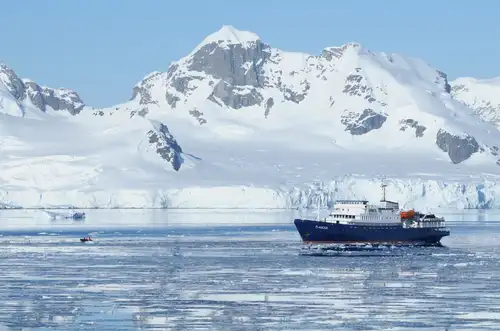
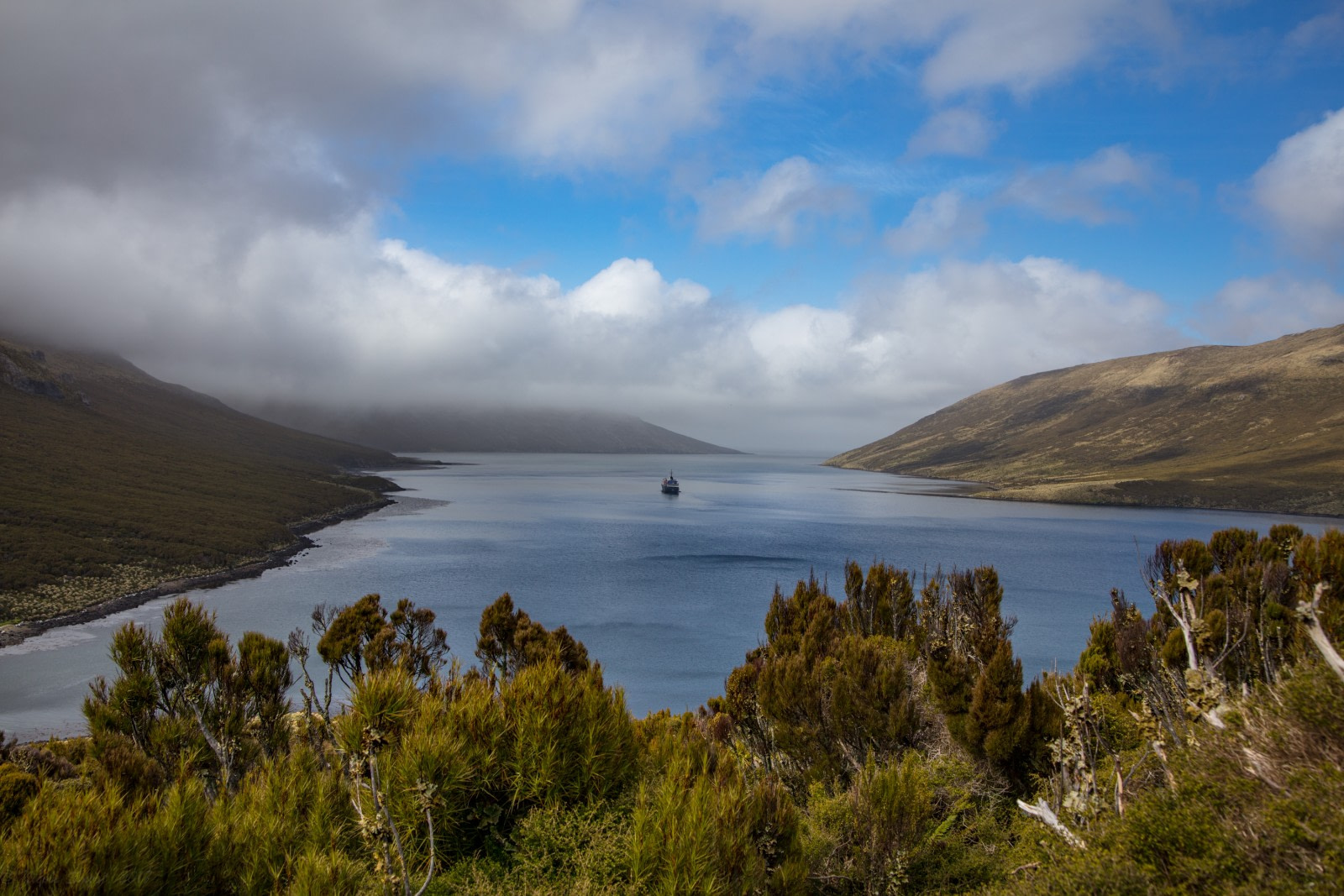
Campbell Island is located nearly 700 kilometers (435 miles) south of Bluff, New Zealand, where 100 Antarctica cruise passengers (myself included) boarded m/v Ortelius for our spectacular Ross Sea adventure.

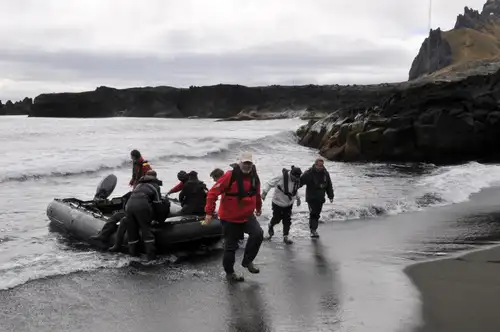
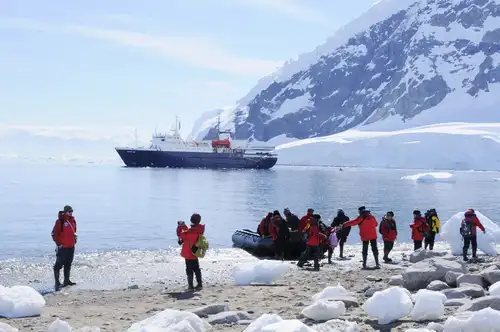
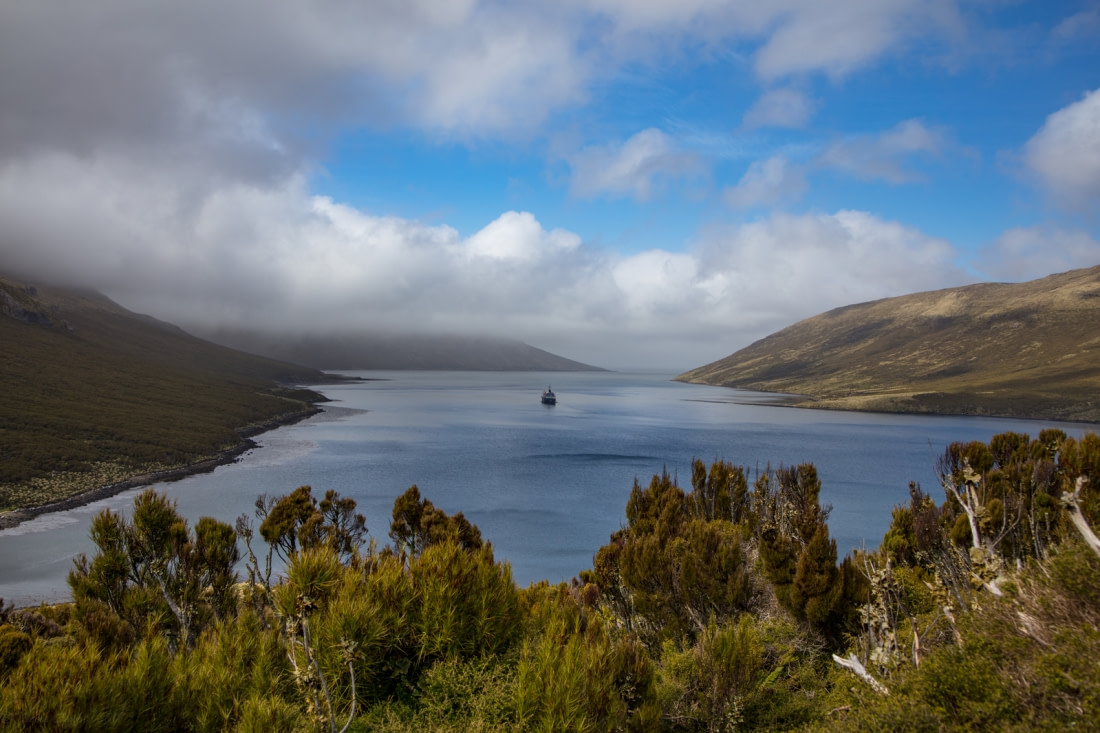
After almost 40 hours at sea, we arrived just offshore in Campbell Island’s Perseverance Harbor. It was here that we boarded Zodiacs for the first landing of our 32-day journey.
blog-image

Our first encounter: an erect-crested penguin

As we approached the greenest patch of land we would see for the next month, the sun began to break through the tight lock of cloud cover. The hills and tussock grasses of Campbell Island, which sees precipitation roughly 300 days out of the year, were bathed in golden light.

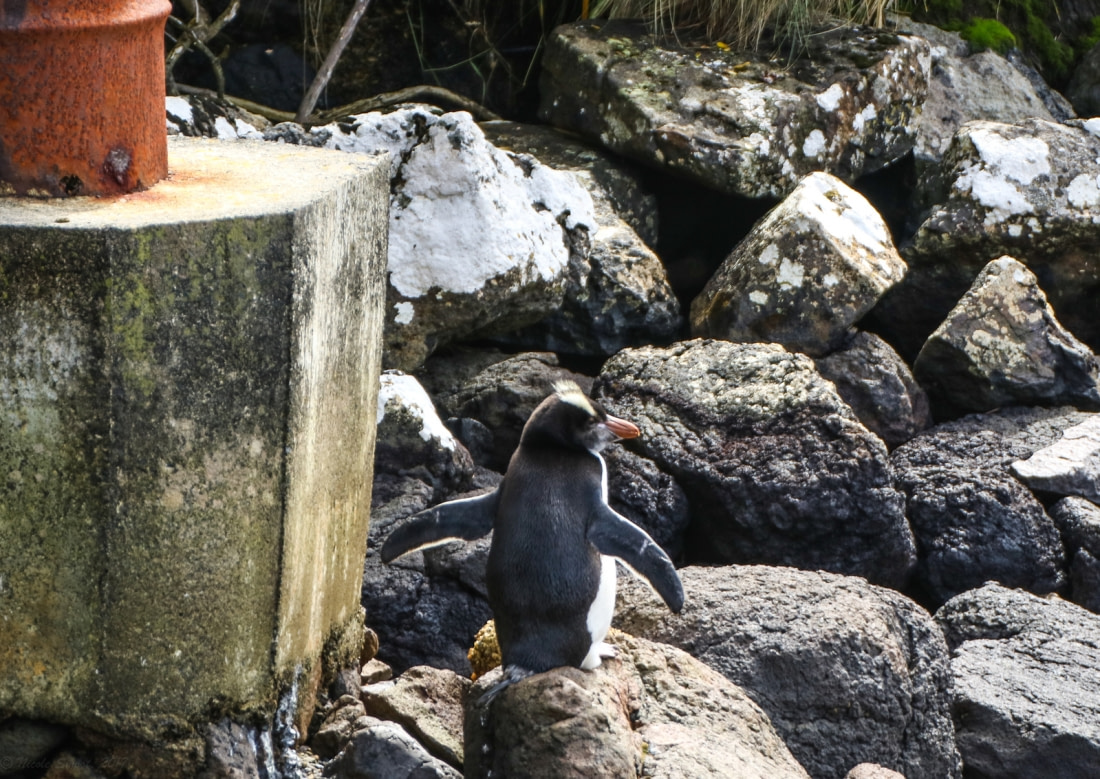
As soon as we stepped off the Zodiacs and onto the island itself, we came across an erect-crested penguin sunning himself on the rocky beach. Soon after that, as we continued along the waterfront to the boardwalk, we were greeted by Campbell Island shags and Campbell Island pipits.
blog-image

An island in the sun

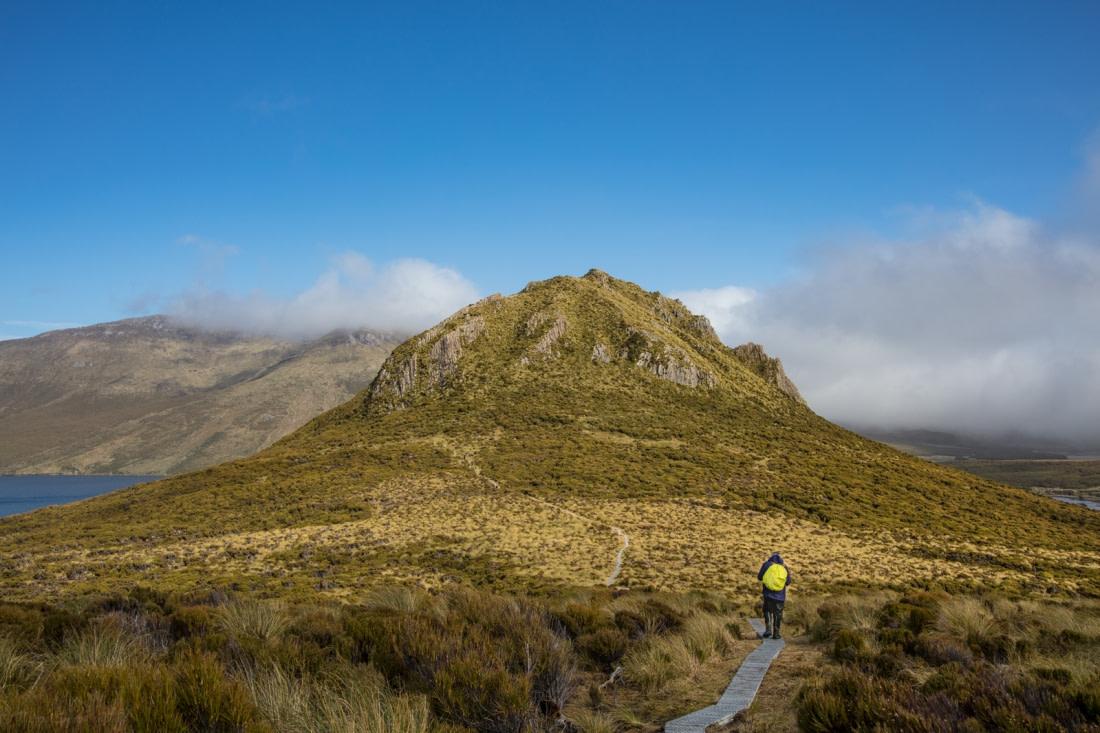
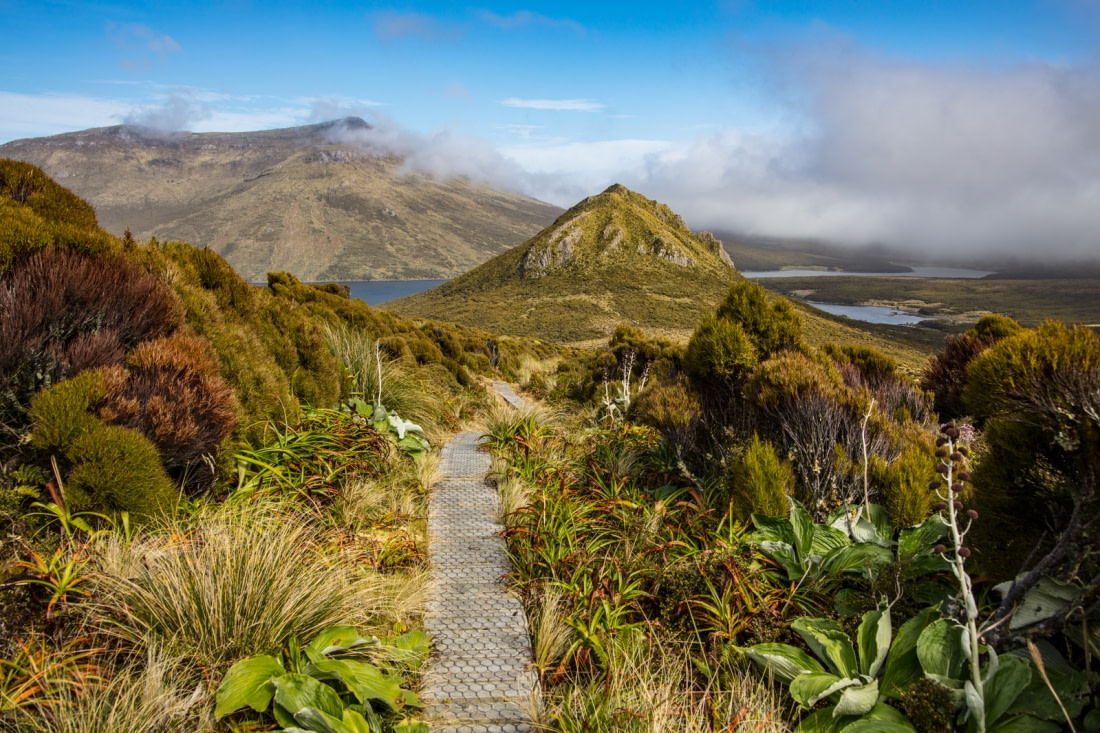
Continuing onto the boardwalk that skirts the edge of the picturesque Beeman Hill, the sun broke through even further. By this point, Campbell Island felt just like home (mine being Alaska) on a warm fall day.

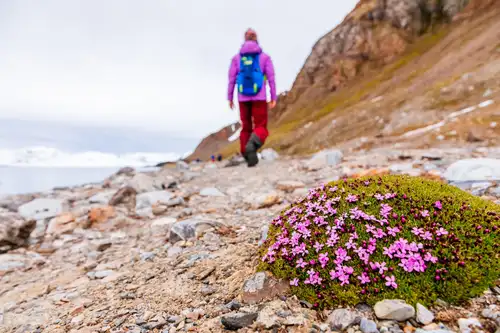
The only difference was the unique megaherbs crowding the edges of the boardwalk. The strange Campbell Island daisy, Campbell Island carrot, and giant silver-leaf daisy nearly towered over me, making the landscape feel straight from the movie Avatar.
blog-image

Into the clouds we go

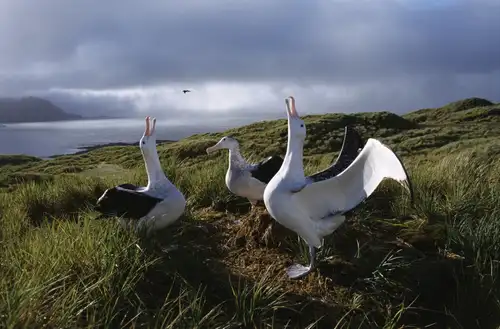
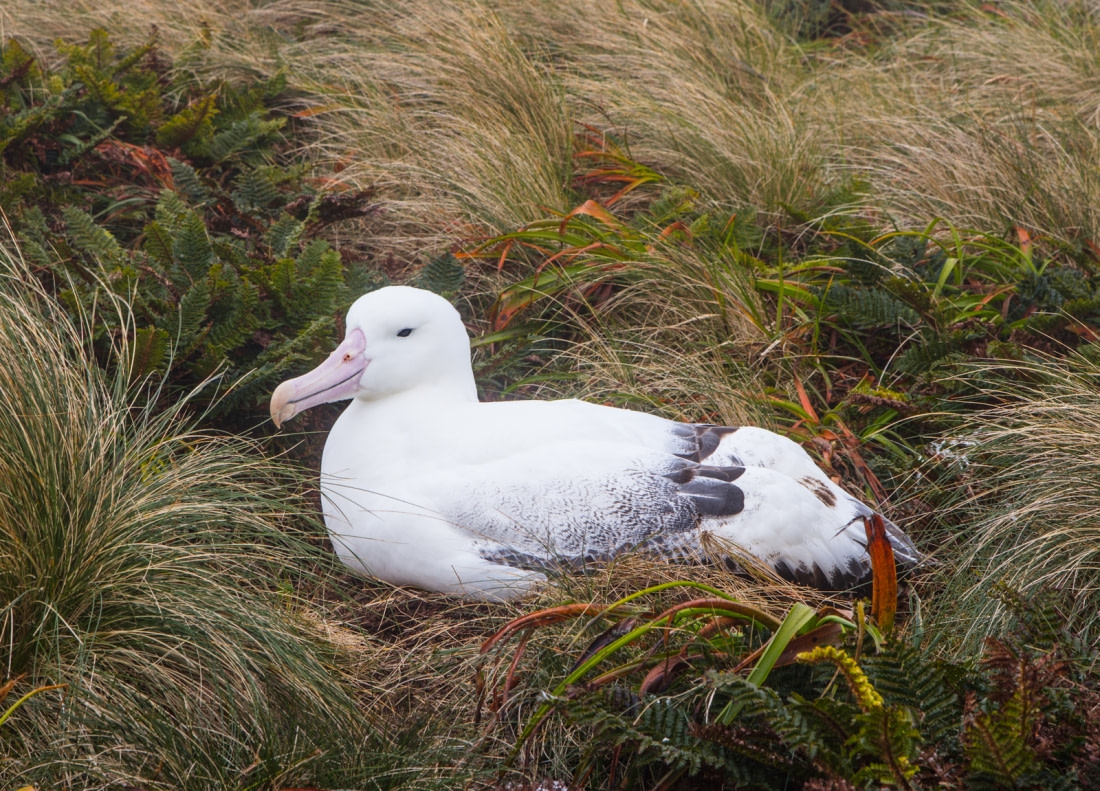
As we approached the 450-meter (1,475 feet) summit, the clouds formed a shroud over the small mountaintop. Soon the ocean, as well as Ortelius in Perseverance Harbor below, disappeared completely. Then out of the fog we saw the giant royal albatrosses emerge.

Avatar meets Jurassic Park

Never in my life had I stood next to birds that could nearly look me in the eye while standing up, birds that would make a great Dane blush. To top it all off, the albatrosses were nesting right off the boardwalk, some so close you needed to step off the other side of the path to make sure to give them enough room. Being shrouded in the mist at Campbell Island made for a more surreal experience with the birds.
blog-image

Back down to a clear, sunny day

The farther down we descended, the clearer our views got. I felt right at home with the inlet and green hillsides in sight, with all the contending sunshine and mist and rain.

Zodiac cruising the Campbell Island coast

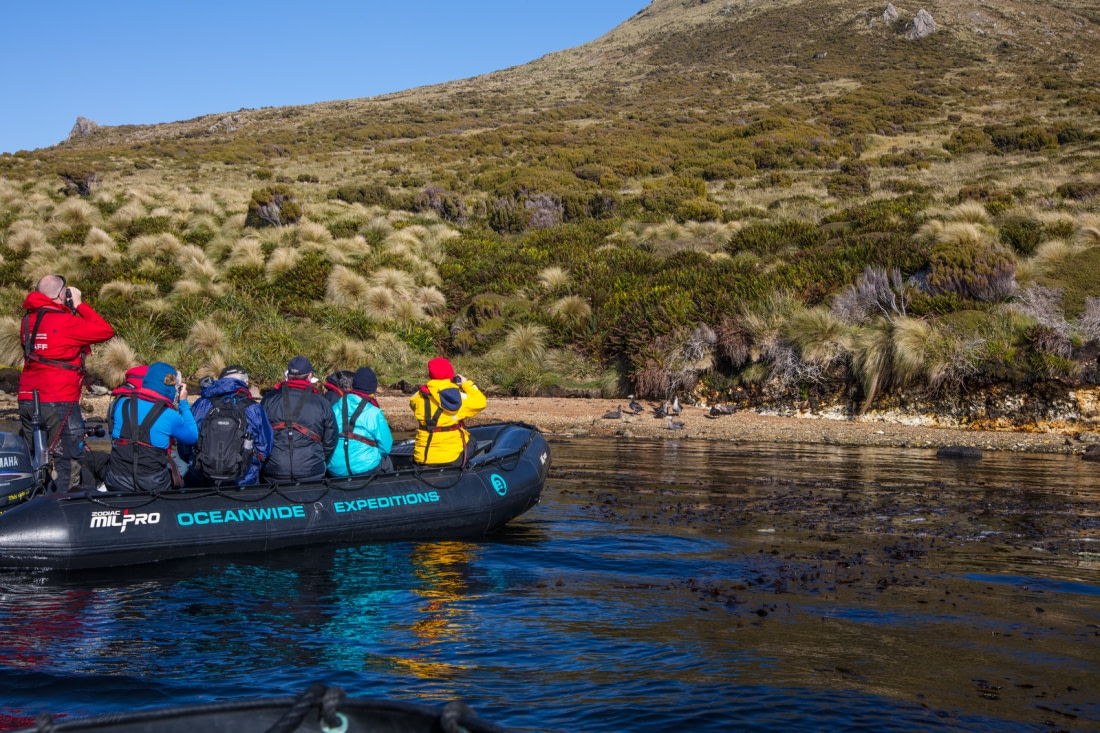
Being blessed with such nice weather, naturally we had to take advantage of it. We cruised the shores in search of skuas, Campbell Island shags, New Zealand sea lions, Campbell Island teals, and yellow-eyed penguins.
blog-image

Saying goodbye to green for over a month

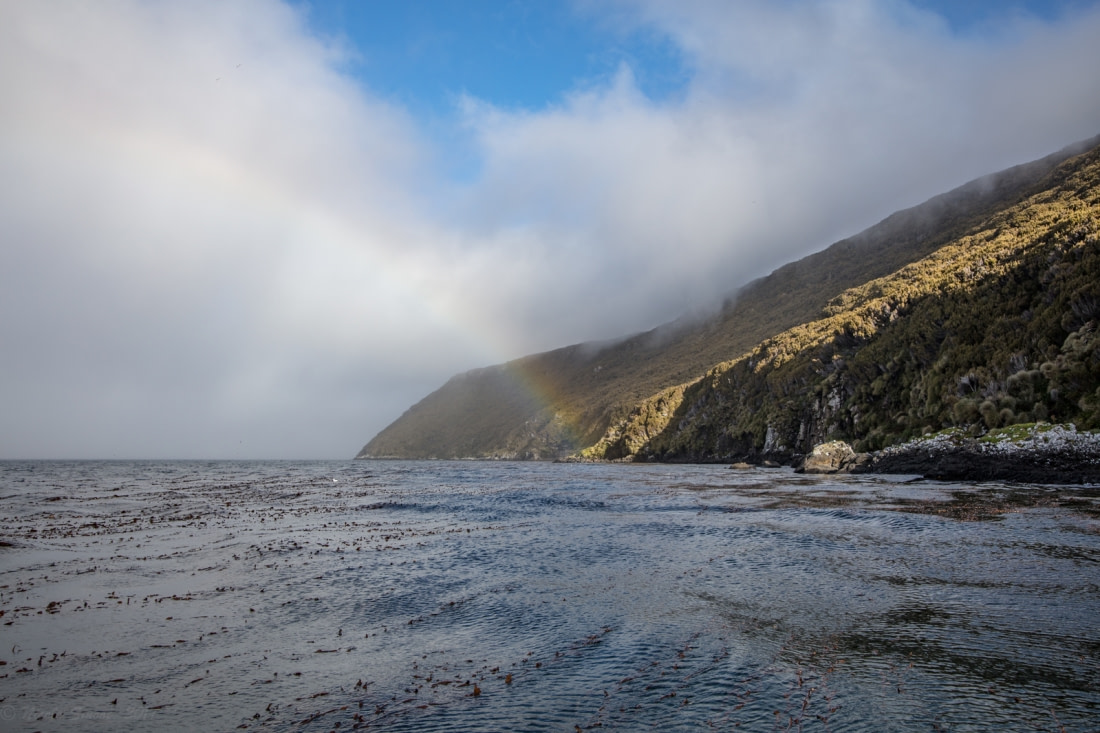
As we bobbed along the coast of Campbell Island and back to Ortelius, a rainbow emerged from the clouds. We headed back to our home away from home for the next month. Never had I heard of Campbell Island before I began researching this trip, but what a rewarding experience it was to set foot on so rarely visited a gem!

blog-image

Blog
go-leftgo-right

Living the Antarctic Dream - Nexta Expeditions
Blog

Living the Antarctic Dream

From October to March, during the Austral summer, thousands of breeding gentoo, Adèlie, and chinstrap penguins flock to the Western Antarctic Peninsula to rear their chicks and feast on krill before the harsh winter arrives. Alongside the penguins, field biologists from around the world gather to study these habits for conservation research. Observing these animals is one thing, but residing in an Antarctic field station for an entire breeding season is another. One particular field camp on King George Island, managed by American scientists, has perfected this Antarctic lifestyle and has thrived for over 30 years.
Visiting the Nearly Unknown: New Zealand’s Campbell Island - Nexta Expeditions
Blog

Visiting the Nearly Unknown: New Zealand’s Campbell Island

New Zealand is a renowned destination globally, and for good reason: It’s absolutely stunning. Almost every corner is filled with unparalleled beauty. But did you know that New Zealand includes several sub-Antarctic Islands that are almost completely unknown?
North Norway, Northern Lights, and All the Pretty Whales - Nexta Expeditions
Blog

North Norway, Northern Lights, and All the Pretty Whales

At first glance, visiting Northern Norway outside of a blazing-hot summer might seem daunting for the average traveler.
Svalbard’s 12 Most Iconic Animals - Nexta Expeditions
Blog

Svalbard’s 12 Most Iconic Animals

Each of our Arctic regions offers its own distinct and unforgettable features: Greenland boasts mountainous shorelines and record-setting fjords, Northern Norway is renowned for the aurora borealis and historic masted schooners, and Svalbard (especially Spitsbergen) is where you're most likely to encounter a variety of Arctic wildlife.
Baleen Whales – The Gentle Giants of the Ocean - Nexta Expeditions
Blog

Baleen Whales – The Gentle Giants of the Ocean

They are the largest animals on Earth, yet they thrive on some of the tiniest creatures. These giants can reach lengths of 30 meters (90 feet), but it is the microscopic zooplankton, krill, and small fish that sustain them. These are the baleen whales. Unlike toothed whales, baleen whales lack teeth. Instead, they use plates of baleen in their mouths to trap and consume their tiny prey.
How Arctic Wildlife Differs from Antarctic - Nexta Expeditions
Blog

How Arctic Wildlife Differs from Antarctic

While the north and south poles share certain characteristics, they are also remarkably distinct. Both regions are cold and dry, yet each has its own unique terrain and climate. The Antarctic is particularly harsh and inhospitable, with only two native vascular plant species, whereas the Arctic tundra supports a wider range of fauna due to its relatively warmer temperatures and greater plant diversity. Here are some of the animals you can find in the Arctic compared to the Antarctic.
Taking a polar expedition cruise delivers no shortage of show-stopping highlights, but one of the most exhilarating is lifting off from the ship in a helicopter and taking flight over the incomparable Antarctic wilderness. - Nexta Expeditions
Blog

Taking a polar expedition cruise delivers no shortage of show-stopping highlights, but one of the most exhilarating is lifting off from the ship in a helicopter and taking flight over the incomparable Antarctic wilderness.

Embarking on a polar expedition cruise offers a plethora of breathtaking experiences, but one of the most thrilling is taking off from the ship in a helicopter and soaring over the stunning Antarctic wilderness.
Polar Amore: 14 Wildlife Pics to Warm up Your Valentine’s Day - Nexta Expeditions
Blog

Polar Amore: 14 Wildlife Pics to Warm up Your Valentine’s Day

Embarking on a polar expedition cruise offers a plethora of breathtaking experiences, but one of the most thrilling is taking off from the ship in a helicopter and soaring over the stunning Antarctic wilderness.
Spitsbergen: a true polar bear trip - Nexta Expeditions
Blog

Spitsbergen: a true polar bear trip

On the third day of our Svalbard cruise, we navigated through the sea ice north of Spitsbergen. The morning greeted us with fog and fragmented ice, but conditions gradually improved. A swarm of black-legged kittiwakes trailed behind us, as our ship stirred the waters, pushing aside ice floes to reveal the tiny dark polar cod beneath.
Bouvet Island: The Most Remote Island in the World - Nexta Expeditions
Blog

Bouvet Island: The Most Remote Island in the World

On January 1, 1739, French Commander Jean-Baptiste Charles Bouvet de Lozier made an extraordinary discovery: a volcanic island so remote that it lies 2,600 km (1,600 miles) from the nearest inhabited land.
True South: A New Flag for a Global Antarctica - Nexta Expeditions
Blog

True South: A New Flag for a Global Antarctica

When Evan Townsend signed up to spend the winter of 2018 working at an Antarctic research station, he had no reason to expect he would end the season by designing a new flag for the continent. He had even less reason to expect the support it would receive.
Gough Island: Seabird Capital of the South Atlantic - Nexta Expeditions
Blog

Gough Island: Seabird Capital of the South Atlantic

Gough Island is a remote volcanic island in the South Atlantic, uninhabited except for a small party of meteorologists and (sometimes) biologists.
The polar bear: king of the Arctic food chain - Nexta Expeditions
Blog

The polar bear: king of the Arctic food chain

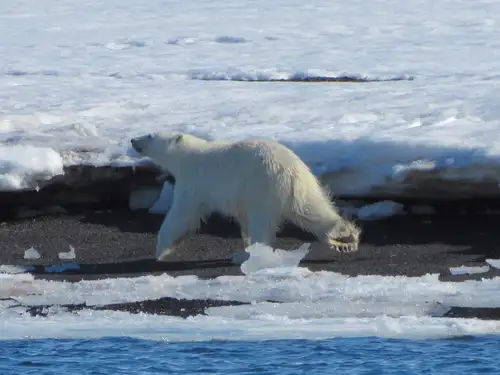
As apex predators, polar bears reign supreme in the Arctic food chain. Only humans pose a threat to this massive and majestic species. But one look at these magnificent creatures explains why so many people embark on Arctic trips hoping to spot a polar bear in its natural habitat.
Harp seals harping on in Greenland - Nexta Expeditions
Blog

Harp seals harping on in Greenland

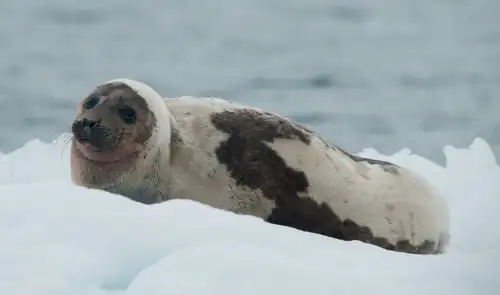
Harp seals are a moderately sized species, typically reaching about 1.6 meters in length and weighing around 130 kilograms. Both males and females are similar in size and weight, with males being only slightly larger. They possess a thick, robust body, a small broad and flat head, short narrow flippers, and a narrow muzzle.
Peaks, Fjords, and Auroras: 14 East Greenland Attractions - Nexta Expeditions
Blog

Peaks, Fjords, and Auroras: 14 East Greenland Attractions

There really aren’t enough superlatives for East Greenland.
Top Antarctica Cruise Experiences for 2025 - Nexta Expeditions
Blog

Top Antarctica Cruise Experiences for 2025

Antarctica, the world’s southernmost continent, captivates adventurous travelers with its breathtaking landscapes and rich biodiversity. Cruises to this icy destination offer unparalleled access to pristine wilderness, unique wildlife, and transformative experiences. In 2025, the allure of Antarctica promises to be even greater, with cutting-edge expeditions and eco-conscious travel options reshaping the journey south.
Life migrating through the Polar Front - Nexta Expeditions
Blog

Life migrating through the Polar Front

Since James Cook’s second voyage to Antarctica from 1772-1775, which provided the first descriptions of Antarctic animals, scientists have progressively uncovered the biodiversity of the Antarctic and sub-Antarctic regions. Numerous expeditions and research projects have since been undertaken to understand the unique ecosystems of this continent.
Keep It Green: Our Commitment to Sustainable Polar Travel - Nexta Expeditions
Blog

Keep It Green: Our Commitment to Sustainable Polar Travel

It doesn’t make much sense for expedition travel if every time we visit the polar regions we leave them worse than we found them. And that’s just considering things from a purely human perspective, which we don’t.
The Wildlife of Antarctica’s Seas and Skies - Nexta Expeditions
Blog

The Wildlife of Antarctica’s Seas and Skies

Antarctica is one of the most pristine environments on Earth, home to whales, penguins, seals, and birds, providing nature lovers with a treasure trove of wildlife memories to take back home.
What the ice reveals about Antarctica - Nexta Expeditions
Blog

What the ice reveals about Antarctica

The continent you'll explore during your Antarctica cruise is far more than just an ice-covered land with penguins, whales, and seals. Beneath the thick ice lie hidden freshwater lakes teeming with thousands of microbes, hinting at a diverse array of life. In 2013, a team of researchers obtained the first uncontaminated water sample ever retrieved directly from an Antarctic lake.