International Polar Bear Day - Nexta Expeditions
International Polar Bear Day

International Polar Bear Day

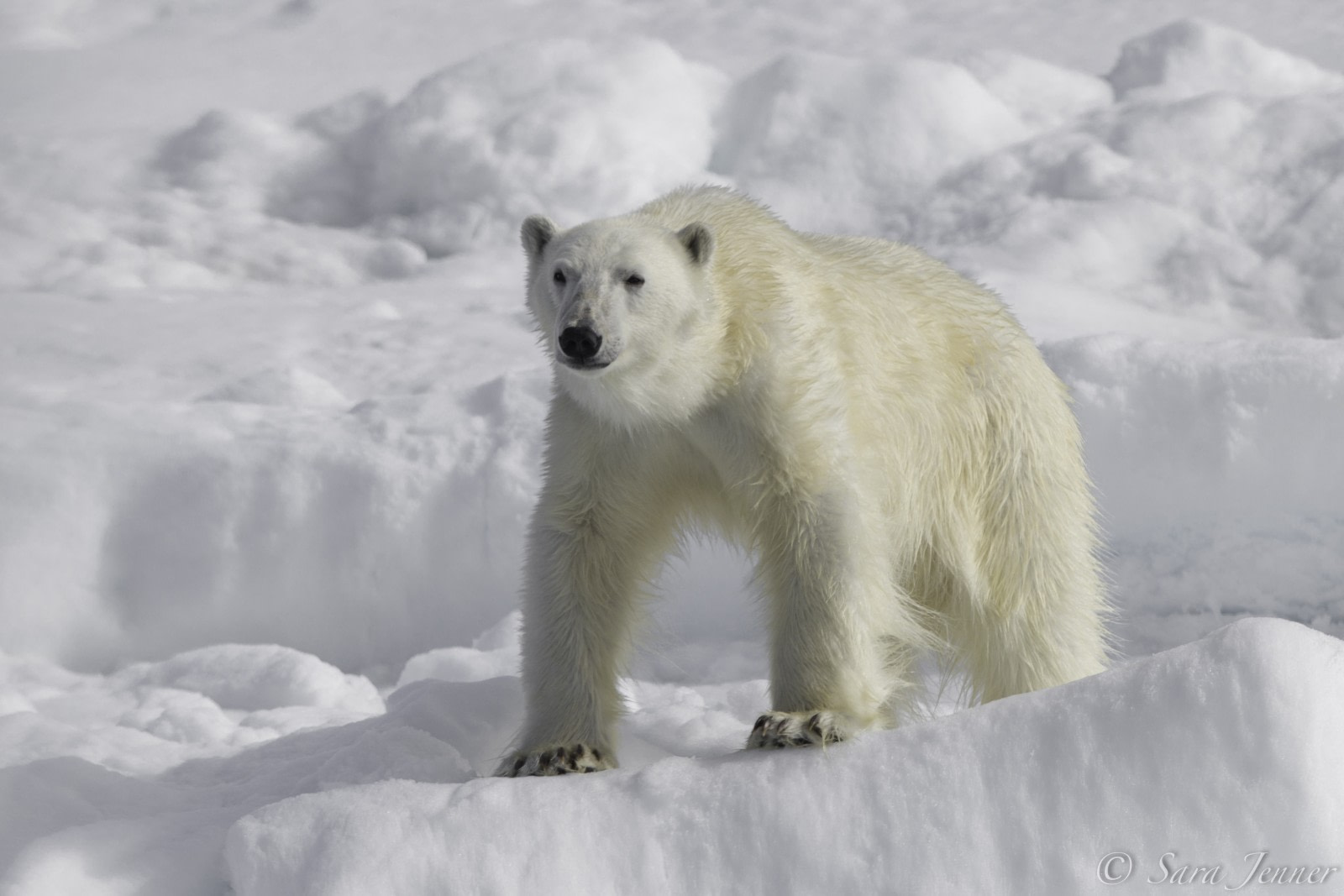
It will come as no surprise to you that we're crazy about polar bears. We have multiple blogs about where to find polar bears, we offer dozens of polar bear trips, and we've even written a short story from a polar bear's point of view. (Yes, we actually did that.) So if you were to say that our love of polar bears borders on obsession, you wouldn't be far off.

But even our enthusiasm pales in comparison to that of Polar Bears International.

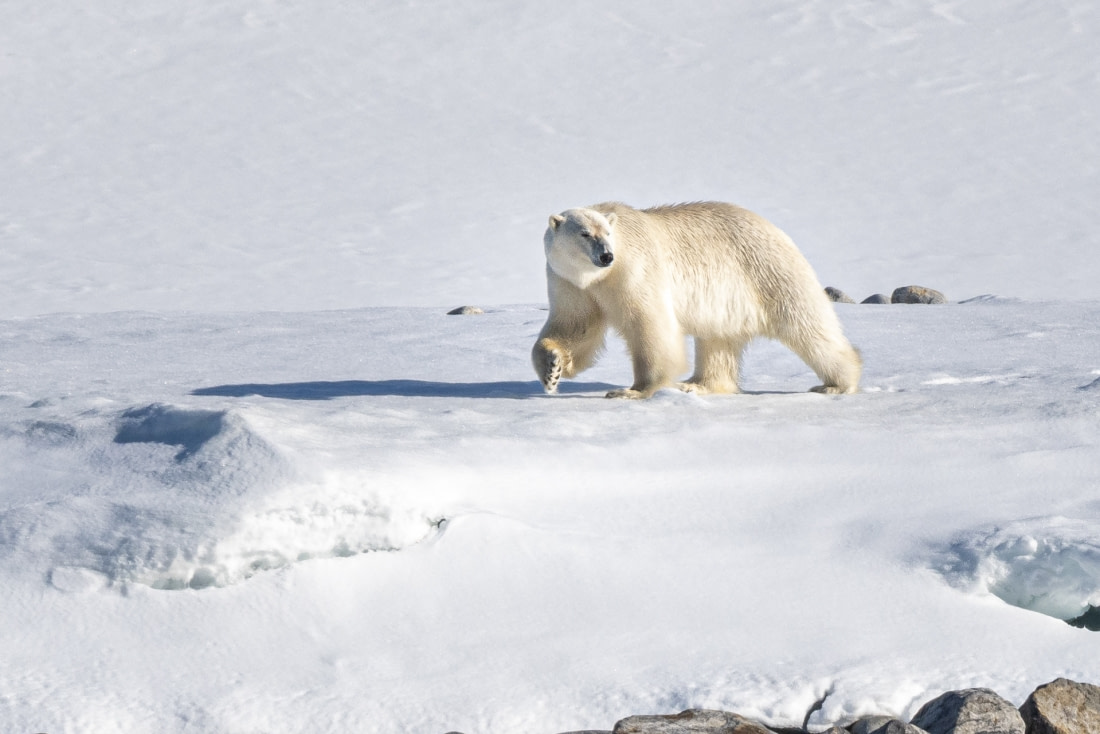
This non-profit conservation group is the only organization in the world singularly devoted to the study and survival of wild polar bears. Composed of a small group of scientists and volunteers, Polar Bears International (PBI) seeks to protect these majestic but vulnerable animals as well as the pack ice that forms so vital a part of their Arctic habitat.

And on no day is this mission more relevant than February 27, International Polar Bear Day.
blog-image

Why International Polar Bear Day isn't just about bears

International Polar Bear Day was organized by PBI not only to raise awareness about polar bears, but also to encourage people to aid in their (and our) climate plight by reducing personal carbon output, if only for one day. This can be done simply by driving less, lowering the thermostat, and finding ways to generally consume less fuel and electric power.

Though it's obvious that more than just polar bears are negatively impacted by climate change, the realities of a rapidly warming Arctic mean polar bears are one of the species most threatened by it. Nearly all of the scientific community continues to agree that climate change is real, chiefly human-caused, and rearing its ugly head faster in the Arctic than most places on the planet. This manifests itself in a variety of ways.

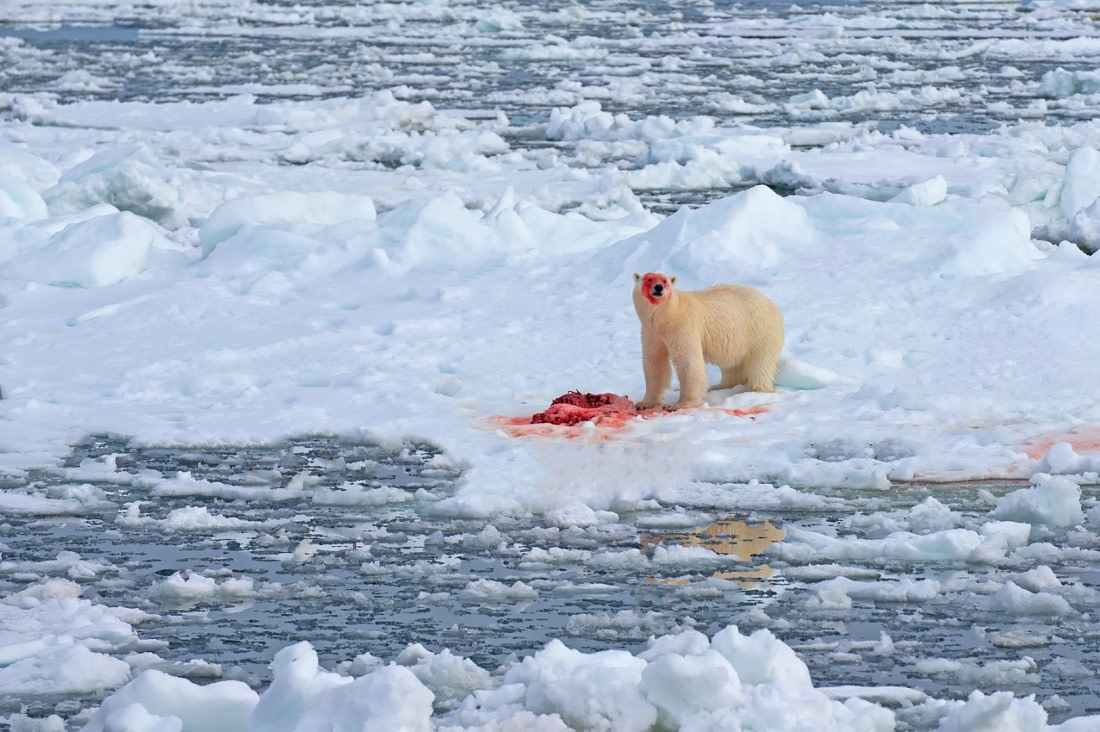
The most obvious result is, to polar bears, also the most devastating: receding pack ice, which leads to fewer seals, the primary food of polar bears.
blog-image

Polar bears are not able to compensate for this nutritive gap simply by switching to a diet of berries and other flora. They will turn to such alternatives in times of scarcity, but that diet is no more sustainable for them than a diet only of celery is for a human.

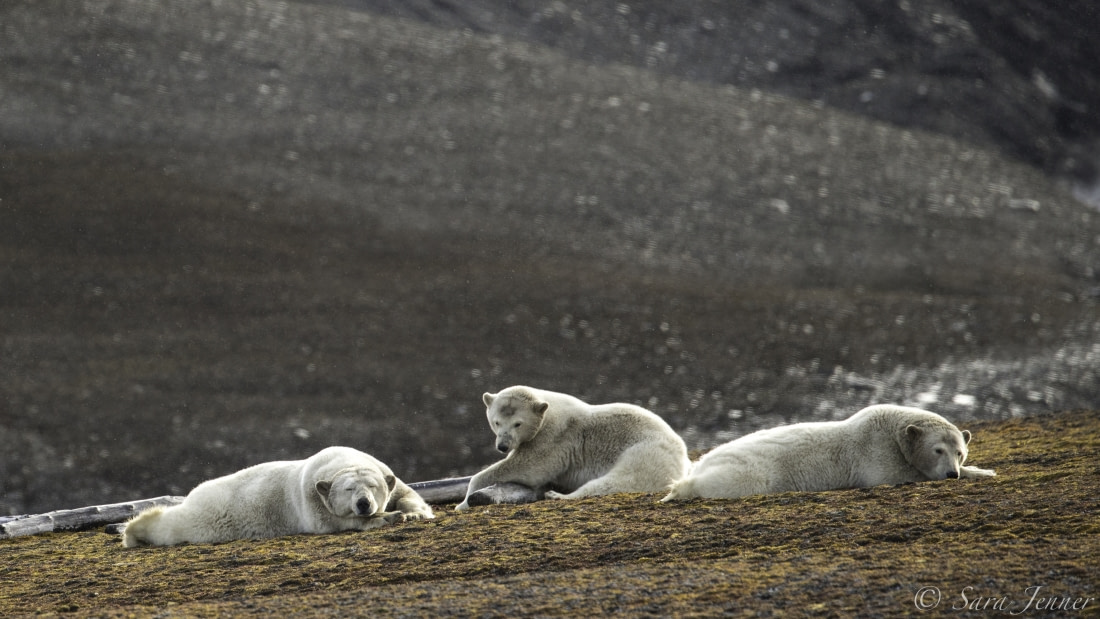
Also, diet is just one of the ways climate change threatens polar bears. In the whole span of this species' existence, polar bears have never faced the kind of temperature spikes that may occur in the next 50 years. Not only could this dramatic rise in heat lead to the disappearance of food sources on which polar bears rely, but the breakup of pack ice will almost certainly result in more industrial traffic into polar bear hunting ranges.

This sequence of disturbance and displacement might prove fatal to the global population of wild polar bears. And this is not just a bear problem. It's a planetary one.
blog-image

Hope for polar bears, people, and the planet

The silver lining to all this rather disheartening news is that the warming trend may not be past the point of no return, and in some ways may even be reversible if adequate action is taken soon and on a large enough scale.

Hence, the need for more initiatives like International Polar Bear Day, which asks a modest effort for the sake of polar bears as much as for the Earth as a whole.

And naturally, it is also encumbent upon polar cruise operators like us to minimize our own impact when embarking on Arctic trips. There is a balance, after all, between the good that comes from people seeing these places firsthand and the damage that can result from such visitations. For this reason, we take our sustainability efforts very seriously.

You can find more fascinating details about polar bears, climate research, and what you can do to help polar bear conservation efforts at the PBI website.

In the meantime, happy International Polar Bear Day!

Blog
go-leftgo-right

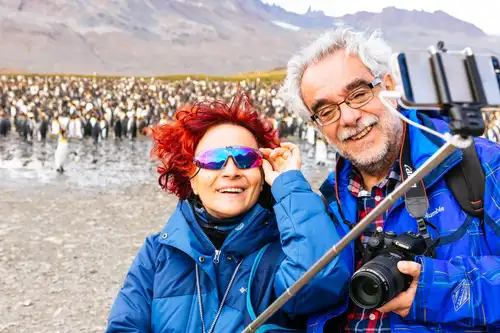
Two for the Snow: Polar Cruises for Couples - Nexta Expeditions
Blog

Two for the Snow: Polar Cruises for Couples

Do you know the old saying, “Cold hands, warm heart”? In our opinion, that bodes well for couples who visit the polar regions.
The Ice-Jewelled Geology of Spitsbergen - Nexta Expeditions
Blog

The Ice-Jewelled Geology of Spitsbergen

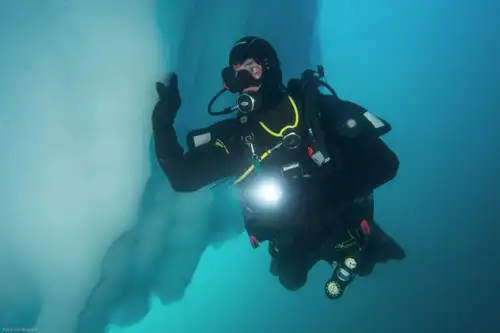
The Svalbard archipelago is located in the Arctic Ocean, roughly 660 km (410 miles) north of Norway's northernmost point. This region is a haven for geologists, boasting a rich geological history that spans from the Mesozoic era (65-245 million years ago) through the Cambrian era (570 million years ago) and back to the Archean era, over 3.5 billion years ago.
Polar Diving: A Supreme Underwater Adventure - Nexta Expeditions
Blog

Polar Diving: A Supreme Underwater Adventure

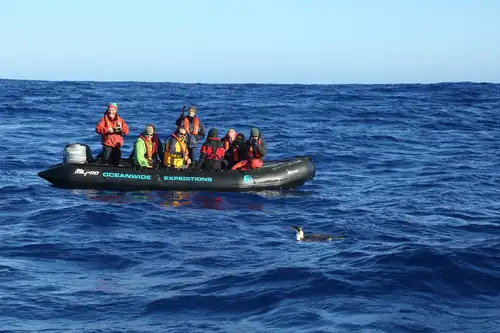
Most scuba divers are drawn to warm waters and tropical reefs, and it's easy to see why. However, even the most thrilling experiences can become repetitive if done too often.
The Emperor Penguin of the Drake Passage - Nexta Expeditions
Blog

The Emperor Penguin of the Drake Passage

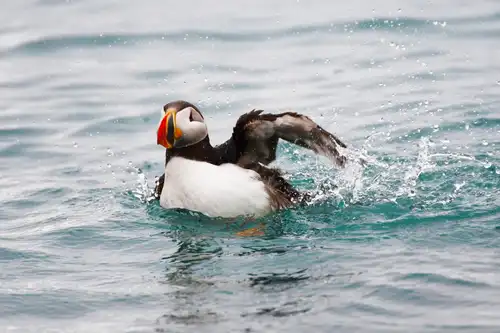
There are certain moments in life when a series of events combine to create an experience that is both unexpected and unforgettable. These are the times when you are reminded how fortunate you are to be a part of something that few people will ever have the opportunity to experience. This trip to Antarctica was full of these moments for me.
Puffins: Clown Birds of the Atlantic - Nexta Expeditions
Blog

Puffins: Clown Birds of the Atlantic

Puffins are part of a family of 22 seabird species known as auks, which are pigeon-sized birds that thrive on a diet of small fish and crustaceans.
The Dirty Details of Antarctica's Dry Valleys - Nexta Expeditions
Blog

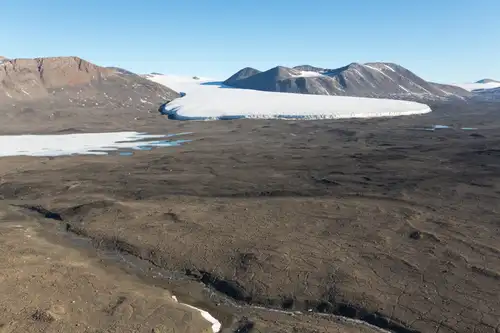
The Dirty Details of Antarctica's Dry Valleys

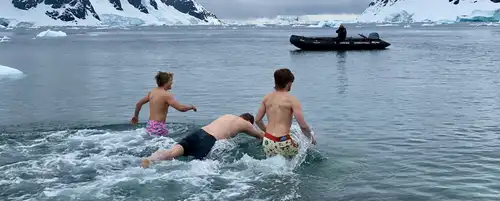
Situated on the western coast of McMurdo Sound, the McMurdo Dry Valleys represent the largest ice-free region in Antarctica.
Taking the Polar Plunge - Nexta Expeditions
Blog

Taking the Polar Plunge

There are some human activities that for many people simply defy understanding: We juggle chainsaws, we breathe fire, we fling ourselves out of perfectly good airplanes.
Northeast Greenland National Park - Nexta Expeditions
Blog

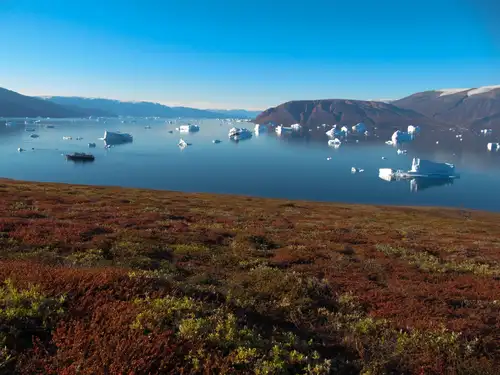
Northeast Greenland National Park

Northeast Greenland National Park is the world’s largest national park and the ninth largest protected area on Earth. It should come as little surprise, then, that it’s also bigger than most countries, covering an impressive 972,000 square km (375,300 square miles).
Solargraphy & Pin Hole photography in the Arctic - Nexta Expeditions

Blog

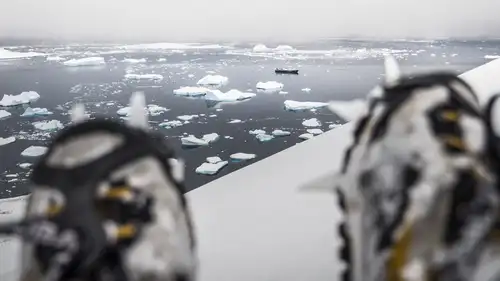
Solargraphy & Pin Hole photography in the Arctic

The Arctic Hare: Easter Bunny - Nexta Expeditions
Blog

The Arctic Hare: Easter Bunny

Although the Arctic hare’s stern expression might make it seem like the least amused member of a serious tribunal, this polar animal is actually one of the most charming creatures on the planet – especially when Easter Sunday comes around.
Arctic and Antarctic Basecamp Cruises – Choose Your Own Adventure - Nexta Expeditions
Blog

Arctic and Antarctic Basecamp Cruises – Choose Your Own Adventure

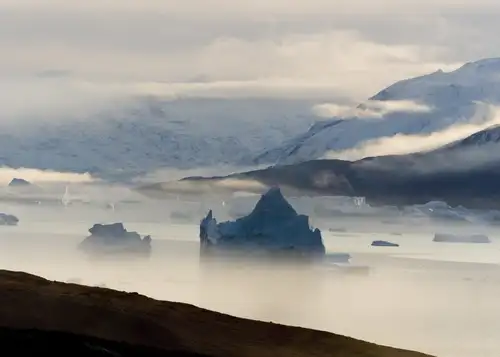
There’s an astonishing variety of activities to choose from when planning an Arctic trip or Antarctic cruise, which can be a bit overwhelming. How do you choose just one voyage over another when you want to experience everything? Happily, you don’t have to give up one activity for another. Basecamp cruises have you covered.
Peaks, Fjords, and Auroras: 14 East Greenland Attractions - Nexta Expeditions
Blog

Peaks, Fjords, and Auroras: 14 East Greenland Attractions

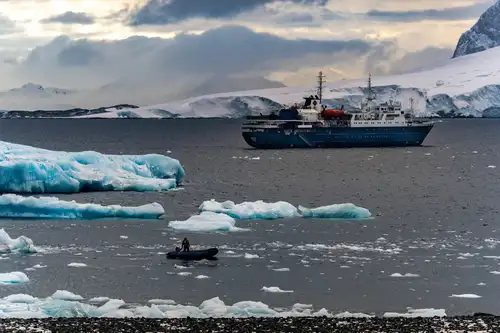
There really aren’t enough superlatives for East Greenland.
The Seasons of Antarctica: When to Visit and Why - Nexta Expeditions
Blog

The Seasons of Antarctica: When to Visit and Why

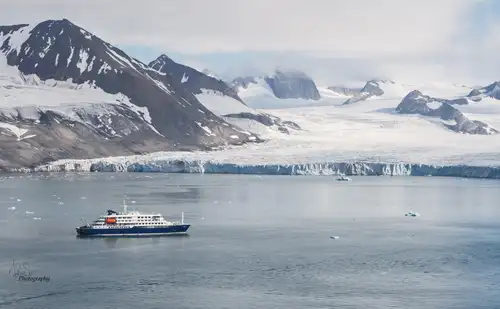
You’ve decided to book your dream trip – an adventurous Antarctica cruise that will give you a winning chance to see otherworldly environments, encounter exotic wildlife, and take part in activities that will spoil your inner explorer like nothing else.
What’s so Special about East Spitsbergen? - Nexta Expeditions
Blog

What’s so Special about East Spitsbergen?

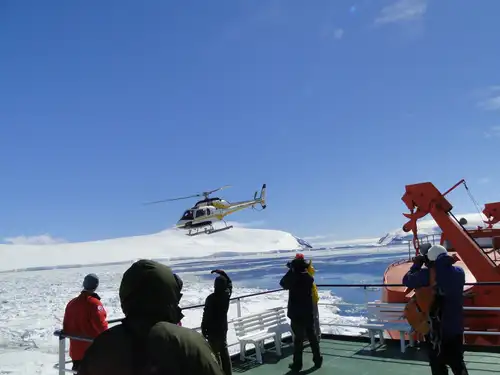
We’ve previously discussed our north Spitsbergen journeys and Spitsbergen circumnavigations, but the eastern parts of this incredible island have not received the attention they deserve. Despite the name, our east Spitsbergen voyages explore much more than just the eastern side of Spitsbergen.
The Wonderful Weddell Sea: Places, Pics, and Impressions - Nexta Expeditions
Blog

The Wonderful Weddell Sea: Places, Pics, and Impressions

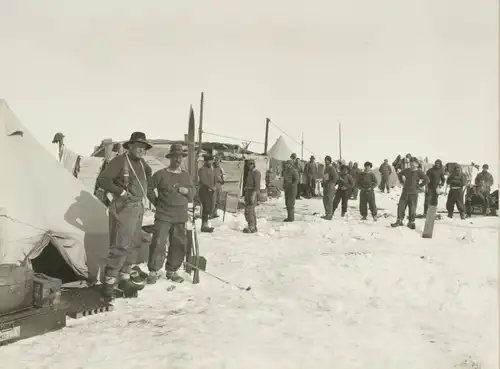
When we talk about Antarctica, it’s easy to slip into familiar words: amazing, astounding, extraordinary, exceptional. And though most Antarctic locations more than deserve these descriptions, some deserve them more than others.
Exploration of the Polar Regions - Nexta Expeditions
Blog

Exploration of the Polar Regions

From the Vikings via the first whale and seal hunters to Scott and Amundsen, from the maritime explorers Franklin and Nordenskiöld to present-day polar tourism, a quick tour through history reveals some of the aspects which motivated people to extend their horizons. Existential need, sheer curiosity, imperial greed, polar science, and a taste for adventure all converged in regions which pardon no mistakes.
Coming Back from the Brink: The Fur Seals of Antarctica - Nexta Expeditions
Blog

Coming Back from the Brink: The Fur Seals of Antarctica

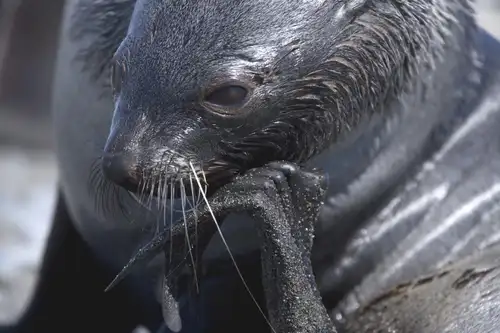
Once hunted to the brink of extinction, the Antarctic fur seal is now one of the most populous and charismatic species of seal you’re likely to encounter during your Antarctica trips. Unlike other members of its large family, the fur seal has external ears, or pinnae, a short snout, and a thick coat of dark brown fur. Male seals tend to be larger than females, with weights ranging from 91 kg (200 lbs.) to 215 kg (474 lbs.).
Kayaking In Greenland - Nexta Expeditions
Blog

Kayaking In Greenland

Think of Greenland and two images come to mind:
Antarctica’s Hourglass Dolphin - Nexta Expeditions
Blog

Antarctica’s Hourglass Dolphin

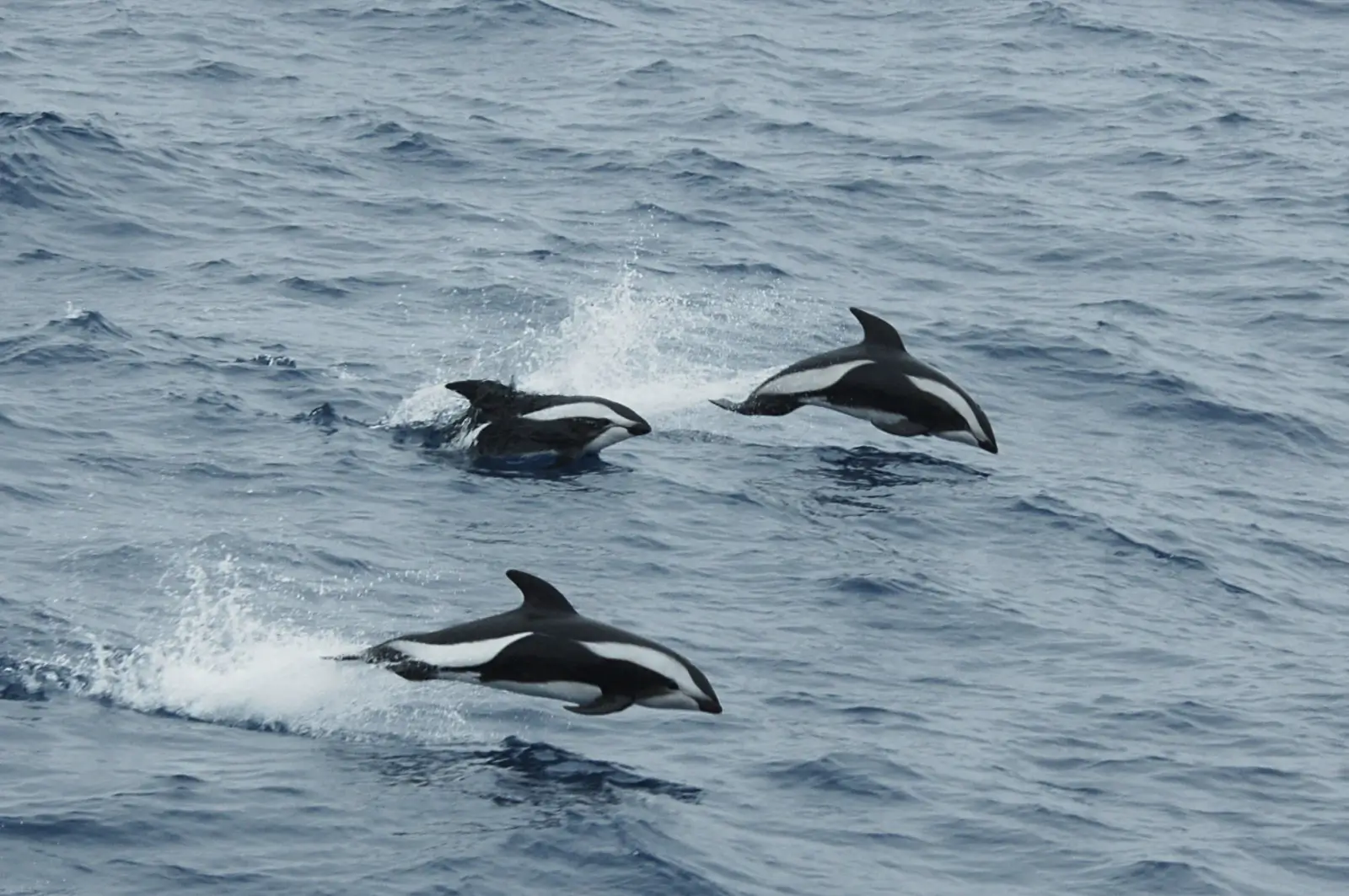
Though hourglass dolphins are especially rare, they’re actually not a threatened or endangered species.
Eight Antarctic Misconceptions - Nexta Expeditions
Blog

Eight Antarctic Misconceptions

Antarctica has given rise to some pretty far-fetched rumors.