Adlie Penguins In The Ross Sea Antarctica - Nexta Expeditions
Adélie penguins in the Ross Sea - Antarctica

Adélie penguins in the Ross Sea - Antarctica

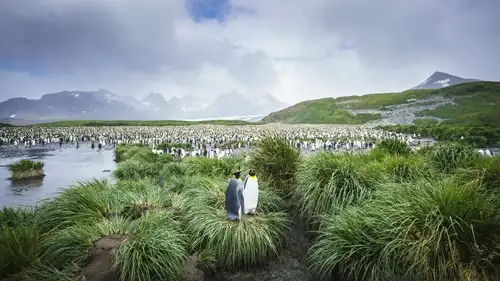
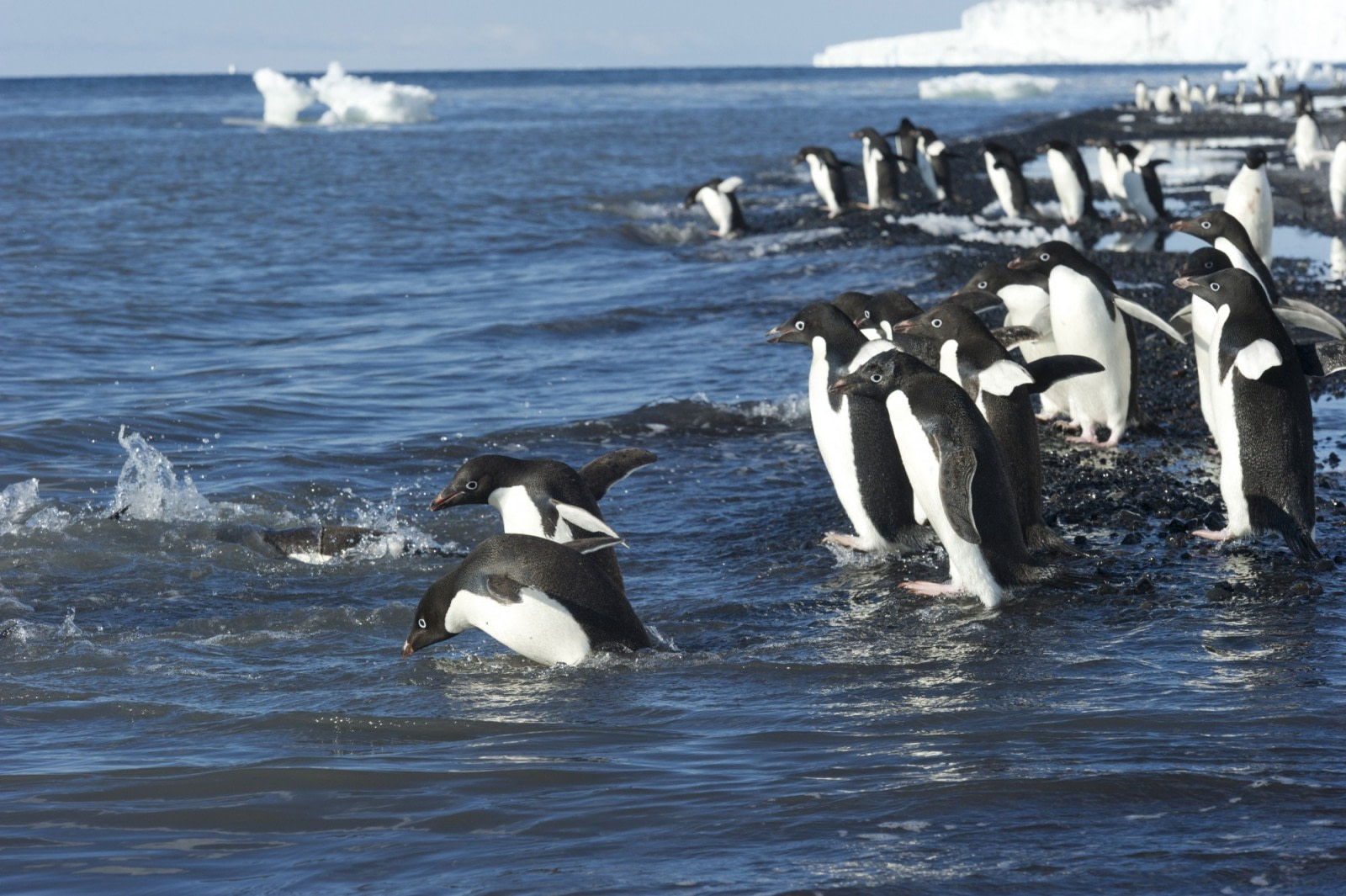
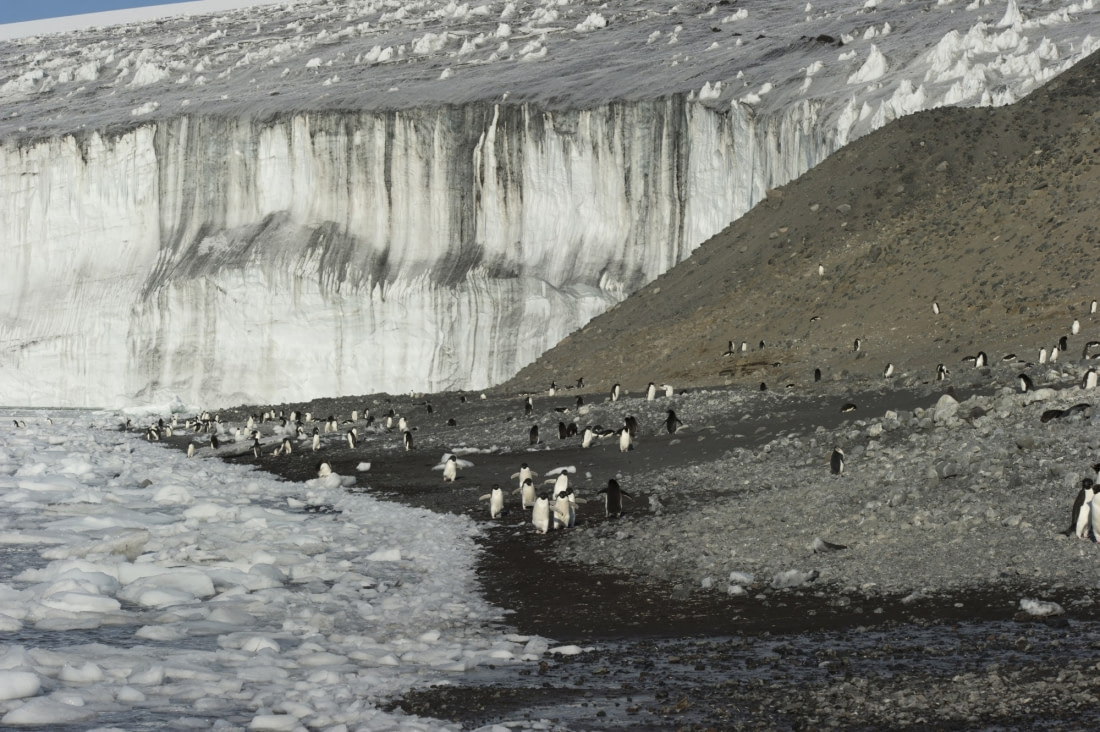
The Adélie penguin population in the Ross Sea has reached its highest numbers in 30 years, with up to a million breeding pairs during the summer. This accounts for about 38 percent of the entire Antarctic Adélie population.

Research by scientists Dr. Phil Lyver and Dr. Mandy Barron, along with Antarctic New Zealand and Bartonk Solutions, has shown that Adélie penguin colonies on Ross Island in the Ross Sea have been growing at an average rate of 6 percent annually since 2001. This is a significant recovery from the 1980s and 1990s when the population was declining by about 2 percent per year.
blog-image

The importance of monitoring Adélie populations

Adélie penguins serve as an indicator species for scientists studying changes in the marine ecosystem due to commercial fishing or climate change. They are particularly useful for monitoring because:

  • They consume krill, a crucial part of the food web. Changes in krill availability can affect not only Adélie penguins but also other predators like seals and whales, leading to fluctuations in their populations.
  • They rely on sea ice, which is expected to be impacted by climate change in terms of extent and thickness.

Additionally, Adélie penguins are easier to monitor compared to other Antarctic predators. They breed during the summer, making them accessible during 24-hour daylight, and they return to the same breeding sites on land each year, unlike whales and most seals that breed at sea or on pack ice.

How to count Adélie penguins

Scientists monitor Adélie populations by studying the reproductive and foraging activities of penguins at three colonies on Ross Island:

  • Cape Royds with an estimated 3,500 breeding pairs
  • Cape Bird with an estimated 60,000 breeding pairs
  • Cape Crozier with around 150,000 breeding pairs

Aerial counts of Adélie penguins

Since 1981, scientists have been counting Adélie penguins through aerial reconnaissance photography from helicopters or C130 Hercules aircraft. This is done in late November or early December to coincide with the incubation phase of breeding, allowing for accurate counts of breeding pairs and establishing baseline data on population trends.

Adélie penguins nest in large colonies, leading to competition for breeding space, food, and partners. These social factors, combined with physical factors like food availability, determine breeding success.

To measure social impacts, scientists fit individual penguins with metal bands on their left flippers. Each band has a unique number that can be read from a distance, allowing scientists to track individual penguins and study their survival, lifespan, breeding habits, and migration patterns.

Breeding success is also measured by sampling the condition of chicks. Chicks are weighed and measured to calculate a condition index, which helps compare chick health across different colonies and years.

Measuring Adélie foraging efforts

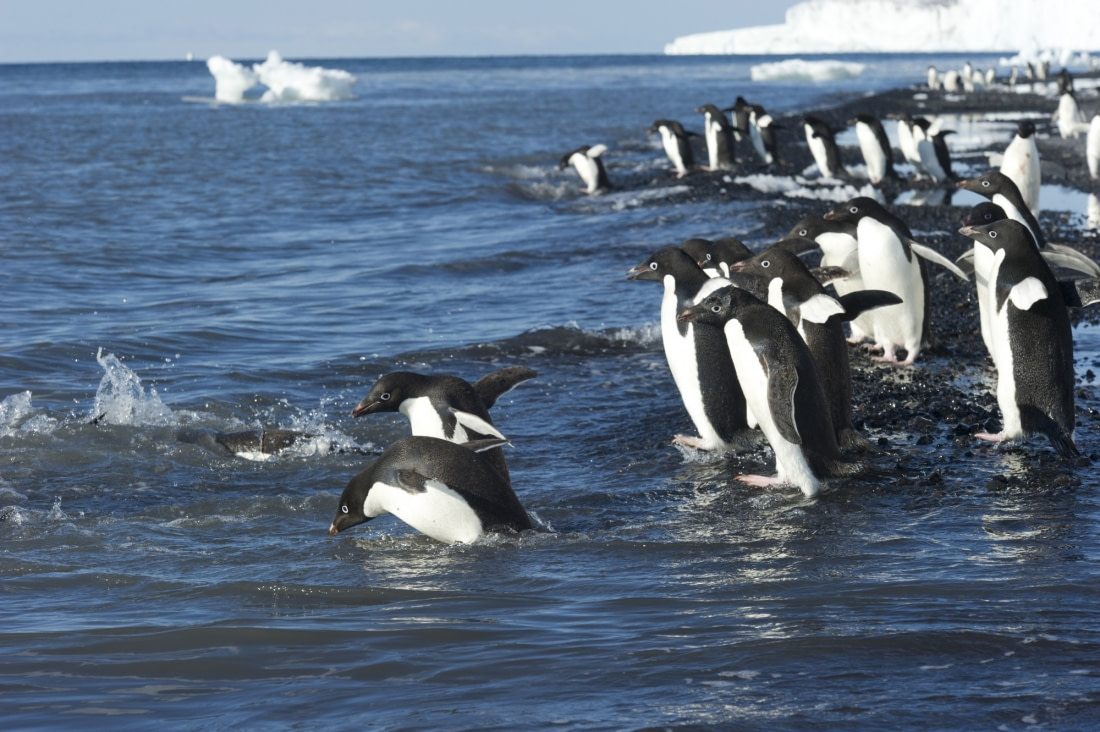
The study also examines parental foraging efforts by fencing off a group of 50 breeding pairs. The only way in or out of this area is over an electronic weighbridge. Each penguin has a small tag injected under the skin around the neck, acting like a barcode.

As penguins cross the weighbridge, sensors read the tag, weigh the bird, and record the direction of travel. This data helps scientists understand how long the birds spend at sea, how much food they bring back, and any differences in foraging behavior between males and females.
blog-image

In addition to tags, scientists use time depth recorders, satellite tags, and transmitters to study penguin behavior at sea. These devices are temporarily attached to the penguins' feathers and emit electronic pulses, allowing researchers to track their movements and activities.

Signals from these devices help determine specific behaviors, such as diving, resting on ice, or swimming. Location data is obtained through triangulation, providing insights into the size of foraging areas, overlap with adjacent colonies, and distance to feeding grounds.

Scientists are investigating what drives annual variations and increases in colony size. Adélie penguins thrive in areas with around 15 percent sea-ice coverage, which provides resting spots without limiting access to open water for foraging.

With rising sea temperatures, there is concern that around 75 percent of Adélie penguin colonies (70 percent of the breeding population) in Antarctica may decline or disappear by 2050. However, Ross Island colonies are located south of 70°S, potentially offering some protection from these changes.


Blog
go-leftgo-right

The South Georgia Seven: Hikes, Fjords, Whales, & Penguins - Nexta Expeditions
Blog

The South Georgia Seven: Hikes, Fjords, Whales, & Penguins

Few places encapsulate such a staggeringly rich assortment of sub-Antarctic scenery, wildlife, and outing opportunities as South Georgia.
How and When Did Greenland Become Covered in Ice? - Nexta Expeditions
Blog

How and When Did Greenland Become Covered in Ice?

Although it may be hard to believe, there was a time when Greenland was more green than icy. Today, those who embark on a Greenland expedition are greeted with views of the Greenland ice sheet and the marine life that thrives in this region, including seals and whales. Polar bears are also prominent in the northern and eastern parts of Greenland. These animals have adapted to their environment, but a few million years ago, the massive island would not have been as welcoming to them.
5 Misconceptions You Might Have About Greenland - Nexta Expeditions
Blog

5 Misconceptions You Might Have About Greenland

10 Tried-and-True Bird Photography Tips - Nexta Expeditions
Blog

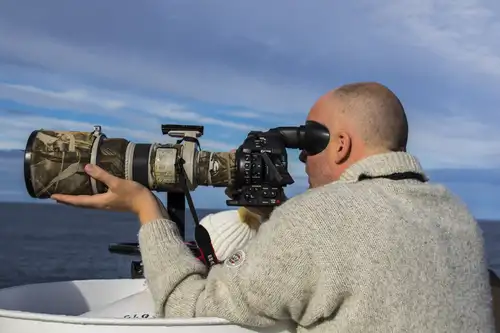
10 Tried-and-True Bird Photography Tips

It’s easy to understand our fascination with birds: they’re beautiful, graceful (usually), and most of them have the power of flight.
Franz Josef Land Sites, Species, and Experiences - Nexta Expeditions
Blog

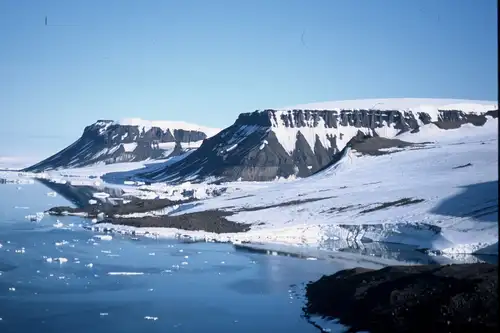
Franz Josef Land Sites, Species, and Experiences

The archipelago of Franz Josef Land is to Russia what Svalbard is to Norway: Both island groups offer excellent Arctic scenery, adventurous outdoor activities, and a good chance of seeing iconic species like polar bears and walruses - alongside a wide range of marine mammals and seabirds.
Deep Sea Dwellers: 10 Facts about The Antarctic Giant Isopod - Nexta Expeditions

Blog

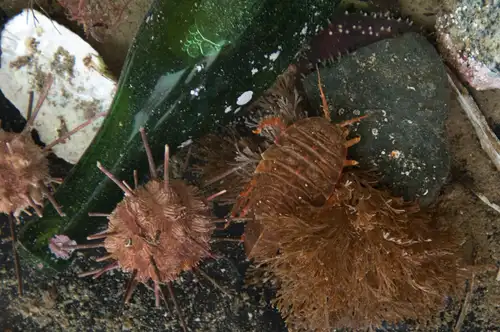
Deep Sea Dwellers: 10 Facts about The Antarctic Giant Isopod

On average, the Giant Antarctic Isopod grows to 9cm (3.5in.) in length. This may not seem very large, but factors including low light levels, freezing cold water, and a lack of oxygen prevent these isopods from growing very large. Other species of isopods, including the Giant Isopod, have been known to grow up to 40 cm (16 inches) in length!
Earth vs. Mars: Polar Regions Compared - Nexta Expeditions
Blog

Earth vs. Mars: Polar Regions Compared

It’s well-known that Mars, like Earth, has its own polar regions, often referred to as the Martian ice caps. These regions, similar to Earth's, are situated at the north and south poles and experience much lower temperatures compared to the areas in-between.
Going Green: Ascension Island Sea Turtles - Nexta Expeditions
Blog

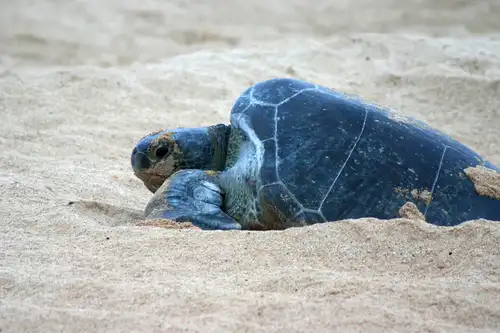
Going Green: Ascension Island Sea Turtles

Gold beaches, green mountains - and greener turtles.
Polar Diving: A Supreme Underwater Adventure - Nexta Expeditions
Blog

Polar Diving: A Supreme Underwater Adventure

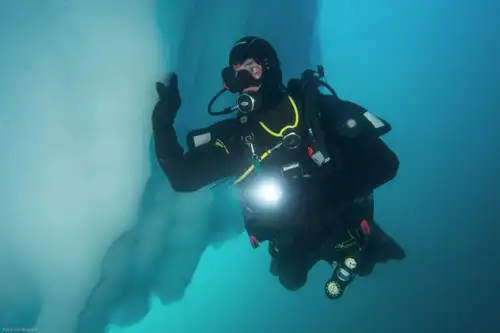
Most scuba divers are drawn to warm waters and tropical reefs, and it's easy to see why. However, even the most thrilling experiences can become repetitive if done too often.
Visiting the Nearly Unknown: New Zealand’s Campbell Island - Nexta Expeditions
Blog

Visiting the Nearly Unknown: New Zealand’s Campbell Island

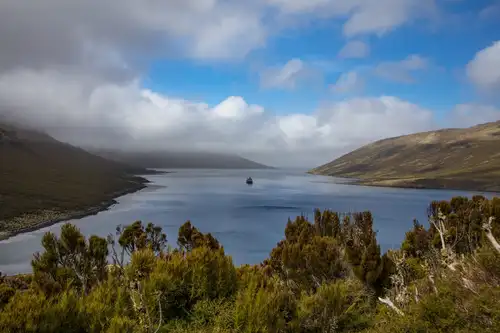
New Zealand is a renowned destination globally, and for good reason: It’s absolutely stunning. Almost every corner is filled with unparalleled beauty. But did you know that New Zealand includes several sub-Antarctic Islands that are almost completely unknown?
Under the Greenland Ice Sheet - Nexta Expeditions
Blog

Under the Greenland Ice Sheet

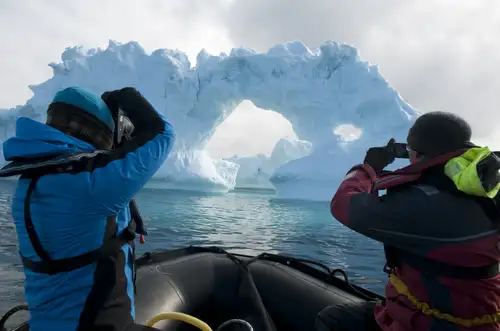
Anyone who ventures to the right part of the globe can encounter vast amounts of ice, but a Greenland cruise offers something truly unique: ice sculptures hidden beneath the northern ice sheet. Scientists once thought these sculptures were rocky hills buried in ice, similar to the Ghost Mountains in Antarctica. However, it turns out that Mother Nature has crafted one of the most exclusive art exhibits in the world. These sculptures are not visible from the surface, but some scientists have managed to get a sneak peek using radar equipment.
How Arctic Wildlife Differs from Antarctic - Nexta Expeditions
Blog

How Arctic Wildlife Differs from Antarctic

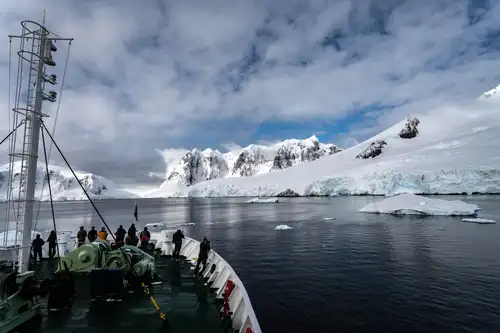
While the north and south poles share certain characteristics, they are also remarkably distinct. Both regions are cold and dry, yet each has its own unique terrain and climate. The Antarctic is particularly harsh and inhospitable, with only two native vascular plant species, whereas the Arctic tundra supports a wider range of fauna due to its relatively warmer temperatures and greater plant diversity. Here are some of the animals you can find in the Arctic compared to the Antarctic.
12 Things to Do in Antarctica - Nexta Expeditions
Blog

12 Things to Do in Antarctica

Traveling to Antarctica is unlike traveling to any other place on Earth.
Three Antarctica Cruise Deals - Nexta Expeditions
Blog

Three Antarctica Cruise Deals

For many travelers, Antarctica represents the ultimate polar destination. Its vast white landscapes offer an endless array of surreal vistas, much of its unique wildlife is found nowhere else on Earth, and its complete lack of an indigenous human population provides a sense of untouched seclusion that few other places can match.
12 photo tips to make better pictures on your Antarctica cruise - Nexta Expeditions
Blog

12 photo tips to make better pictures on your Antarctica cruise

During your trip in the Arctic or Antarctic cruise you and your camera equipment will be exposed to a variety of challenging conditions. Be careful with your equipment and protect it from the salty spray when in Zodiacs, on a beach, or on deck. Salt water and electronics is not a good mix!
The Arctic’s Most Phenomenal Fjords - Nexta Expeditions
Blog

The Arctic’s Most Phenomenal Fjords

Fjords are often linked with Norway, but they are not exclusive to that region. They are a common feature of the Arctic and are major attractions in Greenland and Svalbard.
Polar Cruises: The Ultimate Icebreaker - Nexta Expeditions
Blog

Polar Cruises: The Ultimate Icebreaker

Travel is one of life’s great eye openers. It brings you into contact with new people and perspectives, challenges old assumptions you haven’t held to the light in years, and invites you to make unexpected discoveries about the world around you – and most of all, yourself. Added to which, you get to visit places you never knew you loved until you saw them.
Flowers in Antarctica - Nexta Expeditions
Blog

Flowers in Antarctica

The polar regions are among the most inhospitable environments for plants and animals. Life here faces numerous challenges, including low temperatures, high winds, solar radiation, and cell freezing. The Antarctic continent experiences extreme conditions, with darkness during winter and continuous light during summer. Winter temperatures can drop to -60°C or lower.
Antarctica’s Hourglass Dolphin - Nexta Expeditions
Blog

Antarctica’s Hourglass Dolphin

Though hourglass dolphins are especially rare, they’re actually not a threatened or endangered species.
Penguin Wisdom: Life Lessons from Our Favorite Flightless Birds - Nexta Expeditions
Blog

Penguin Wisdom: Life Lessons from Our Favorite Flightless Birds

As enthusiasts of wildlife travel, we believe every creature has something valuable to impart - from the grand blue whale to the tiny cephalopod, the formidable polar bear to the elusive Arctic fox.