


 21 September 2026 - 01 Oct 2026
 11 Days/10 Nights
 Constable Pynt - Constable Pynt
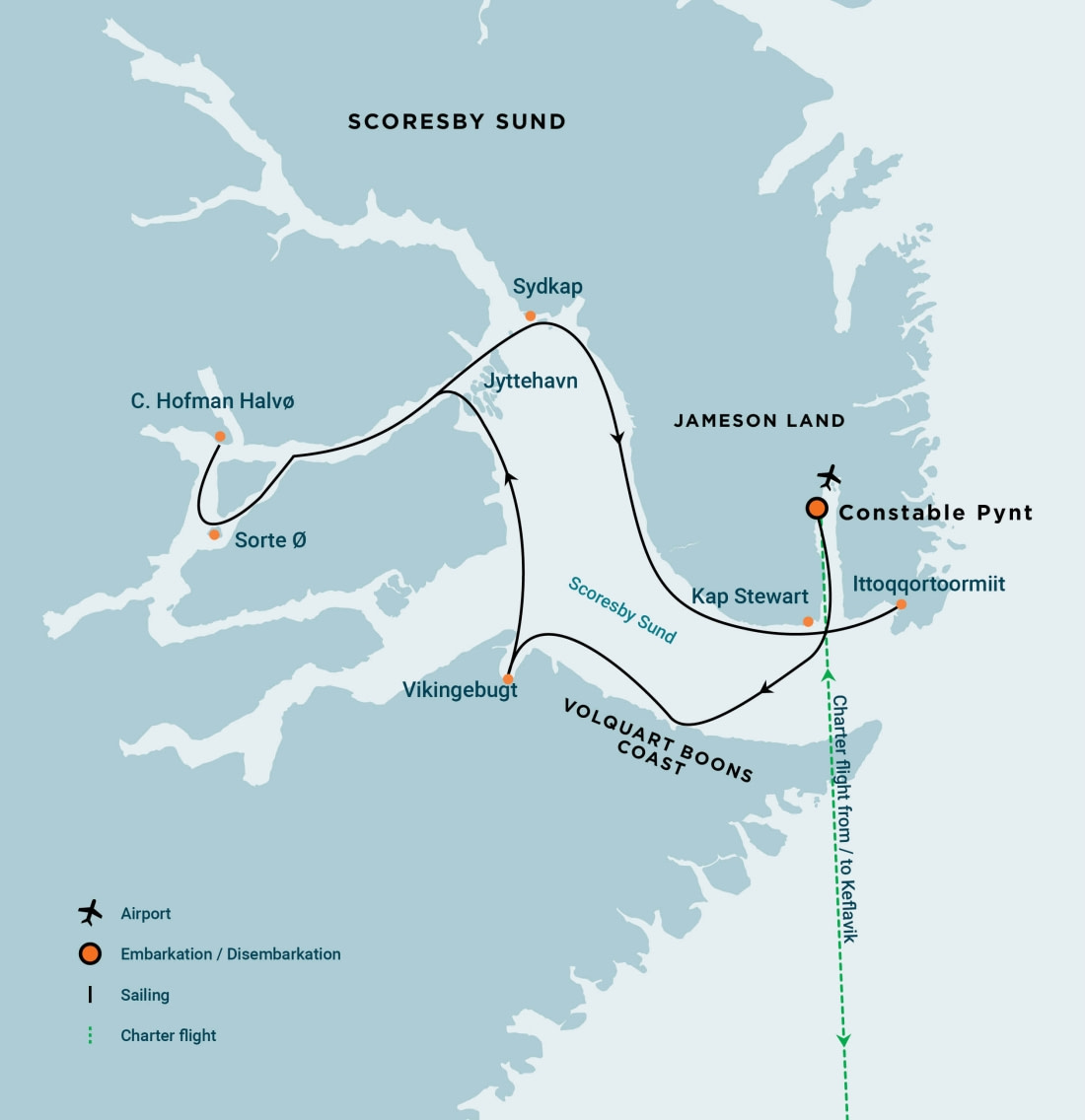
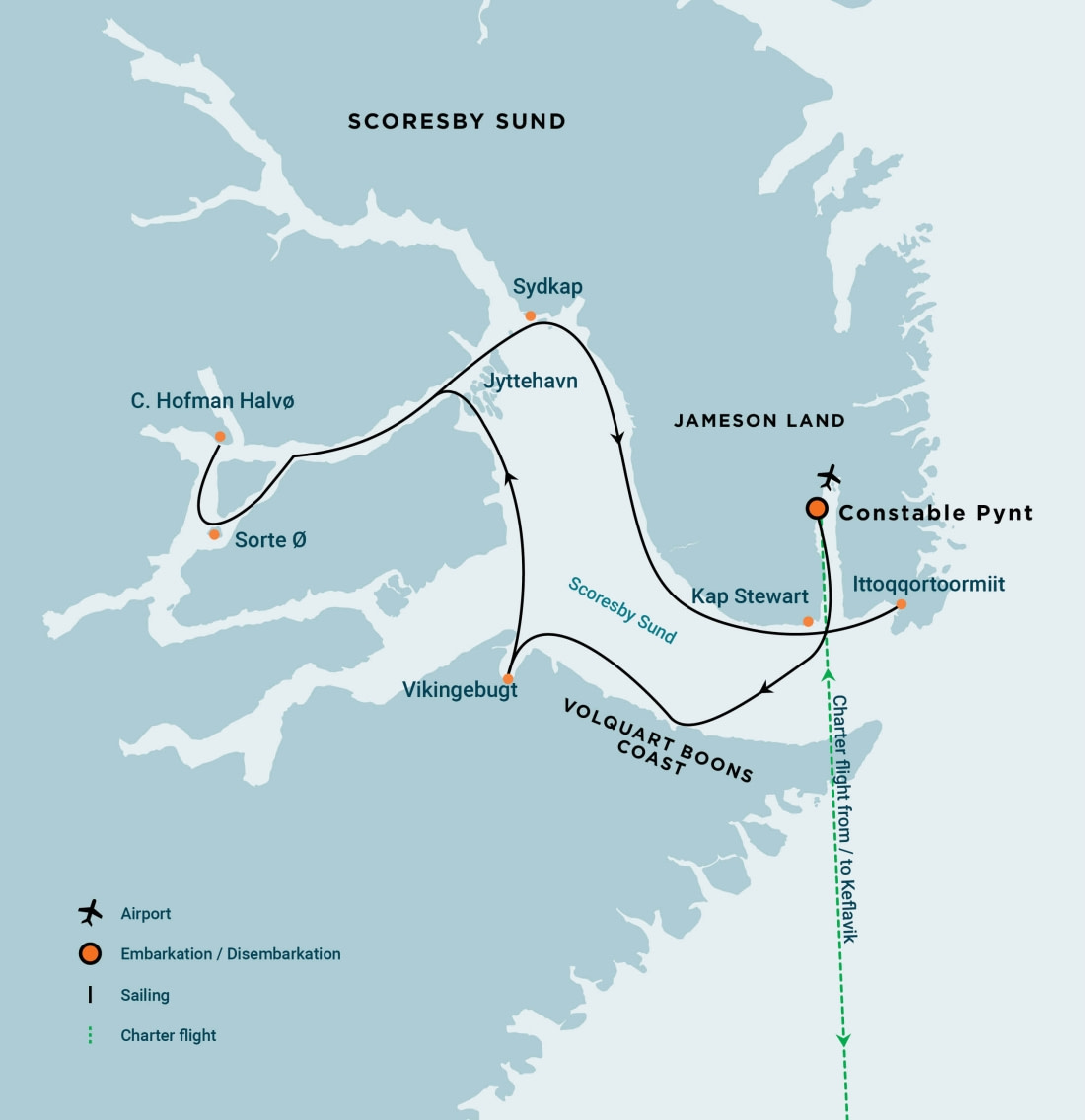
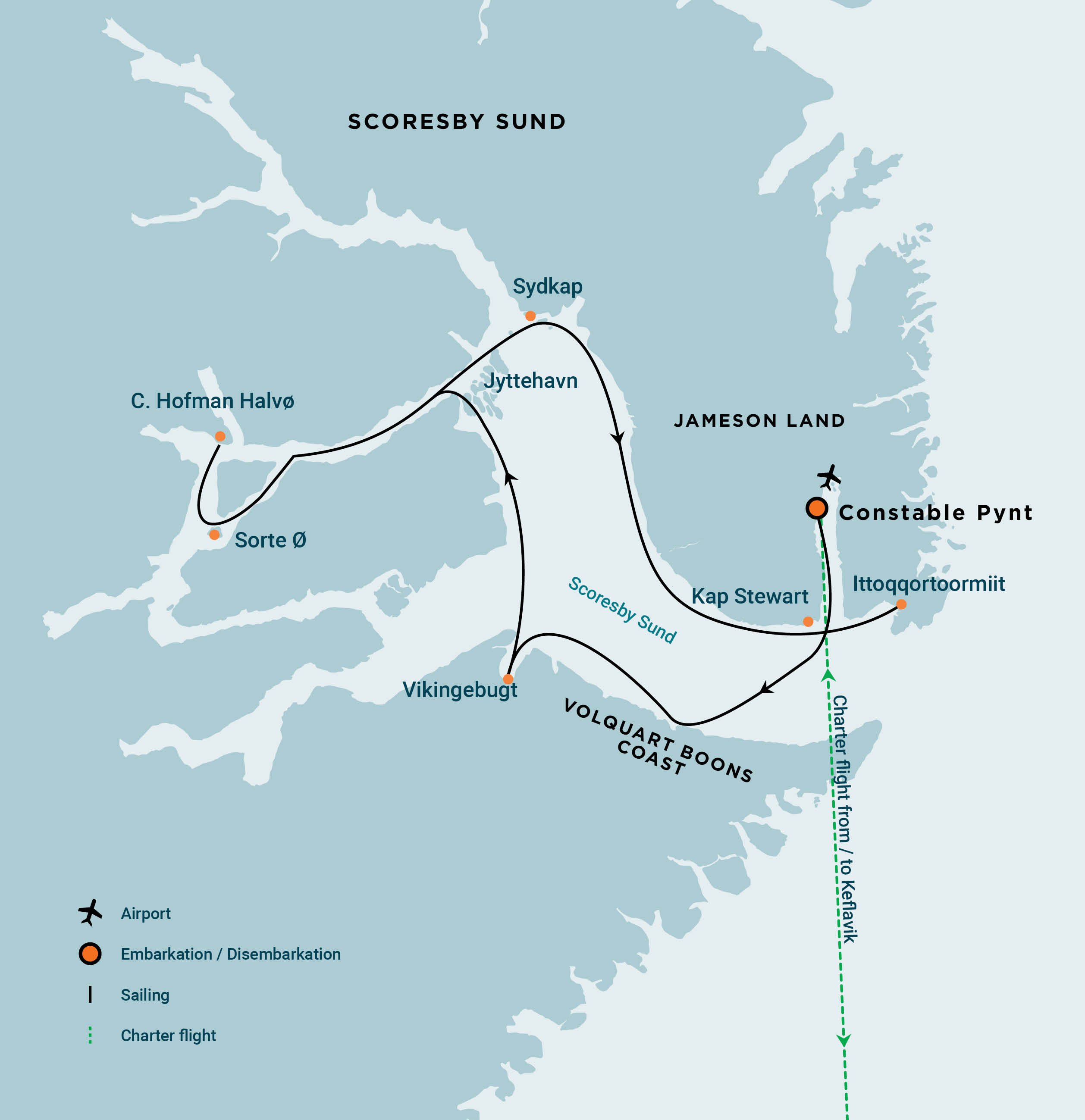
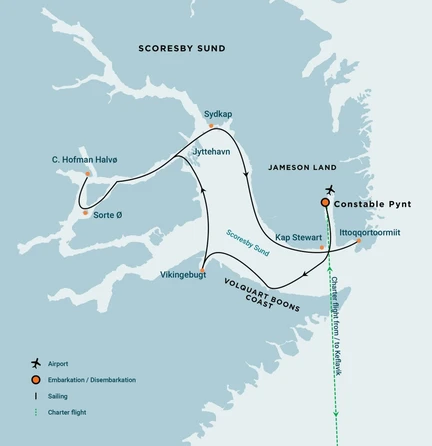
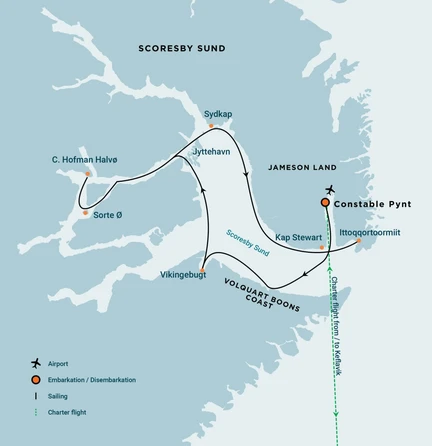
You arrive by chartered plane from Keflavik and land at Constable Pynt, the airfield at the head of Hurry Inlet. This area is known for its rich geological history.
Sailing among the glaciers
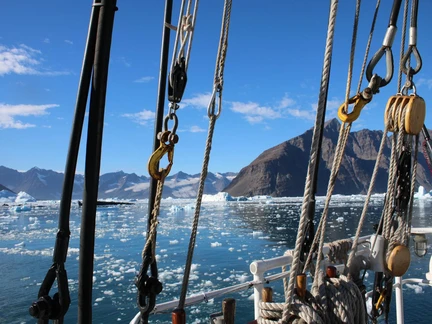
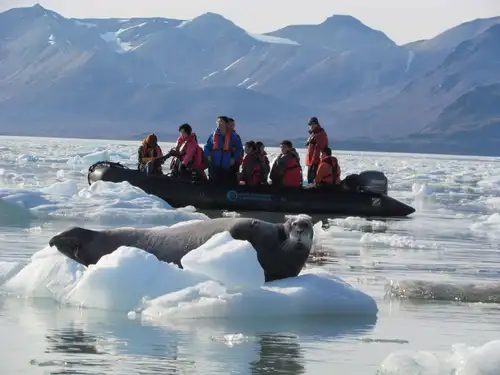
Enjoy the sights as we sail the glaciated Volquart Boons Coast. You may set out on a Zodiac cruise along one of the shoreline glacier fronts, with your first activity near Månegletcher or Vikingebugt.
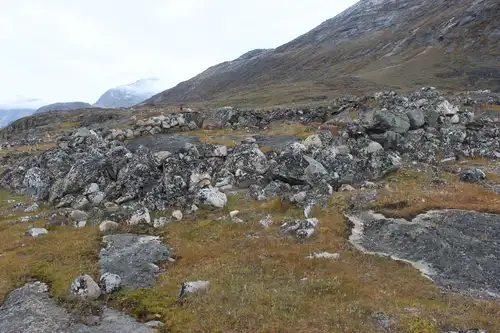
Inuit neighborhood of yesteryear
We sail by the east coast of Milne Land among giant icebergs. If possible, we will land at Charcot Havn, walk to the Charcot Glacier, then continue by the Bjørneør and sail to Øfjord.
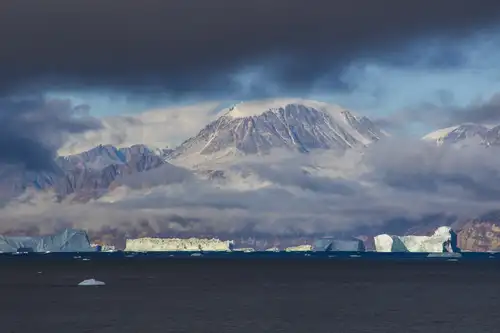
Mountain-fringed fjord & colossal icebergs
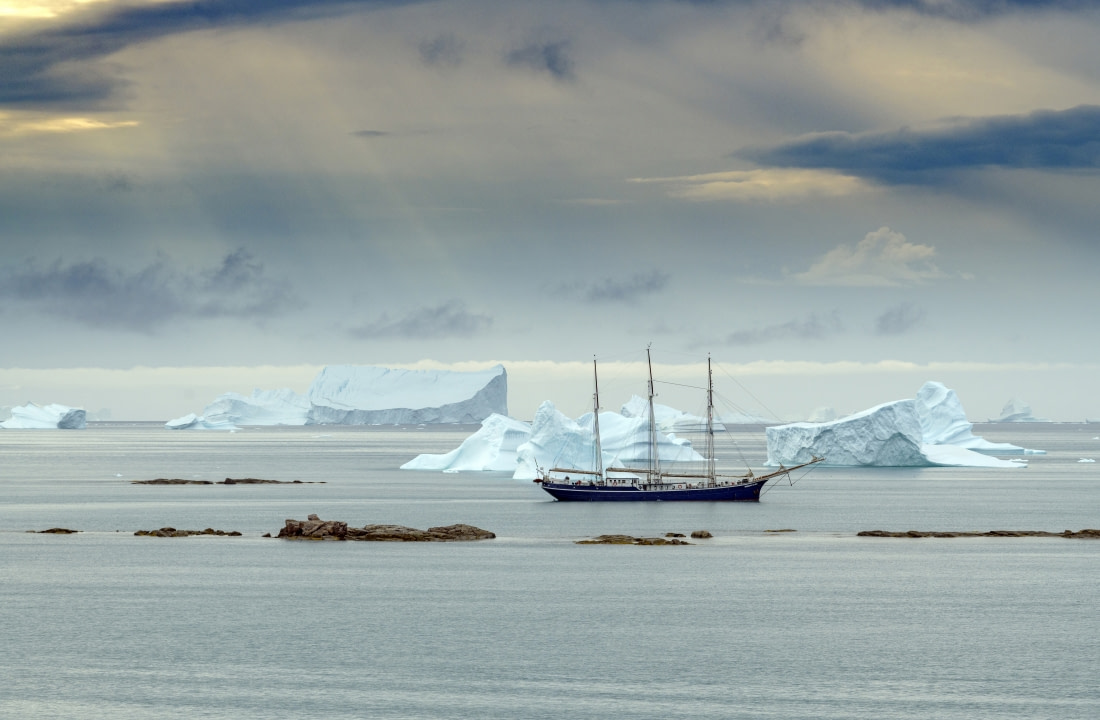
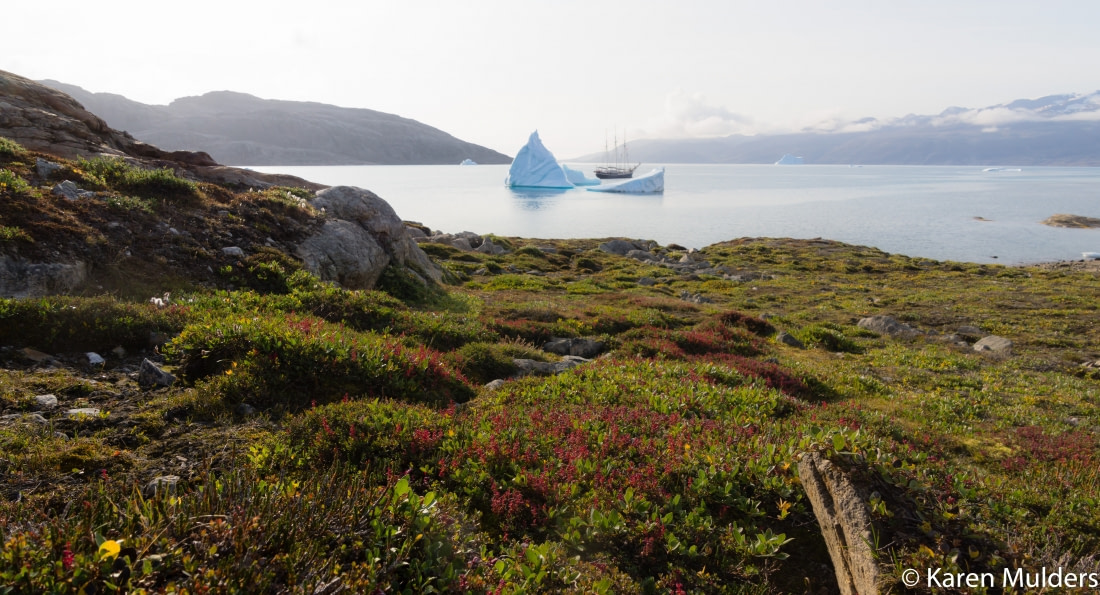
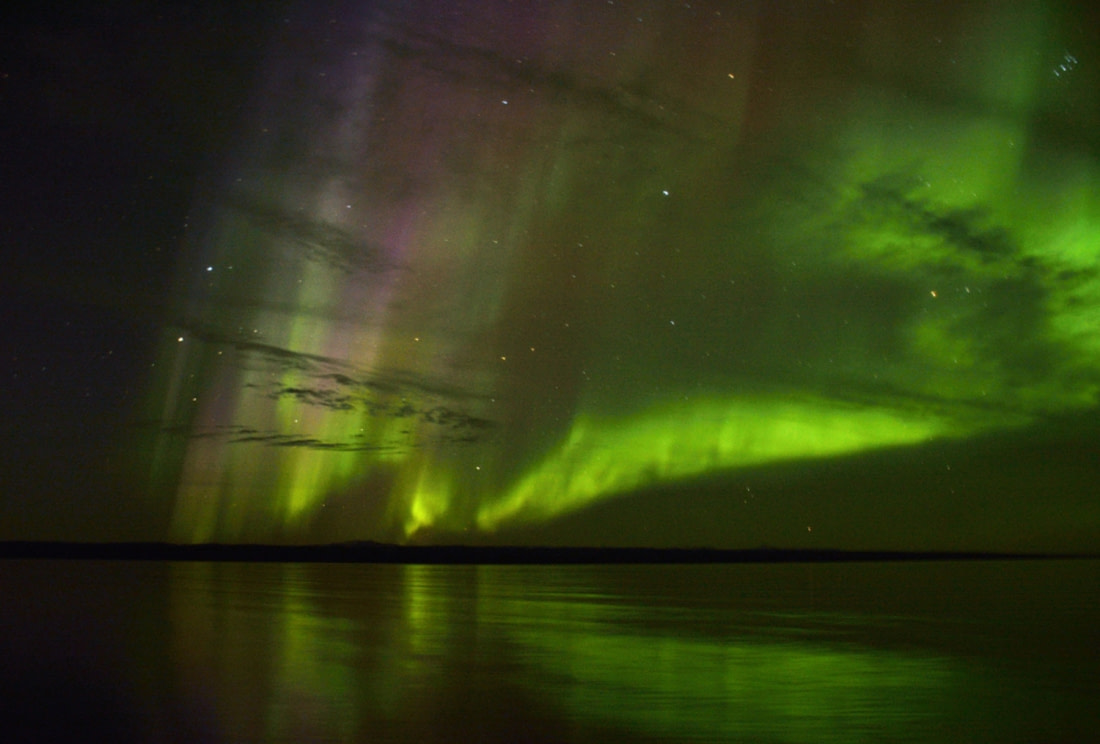
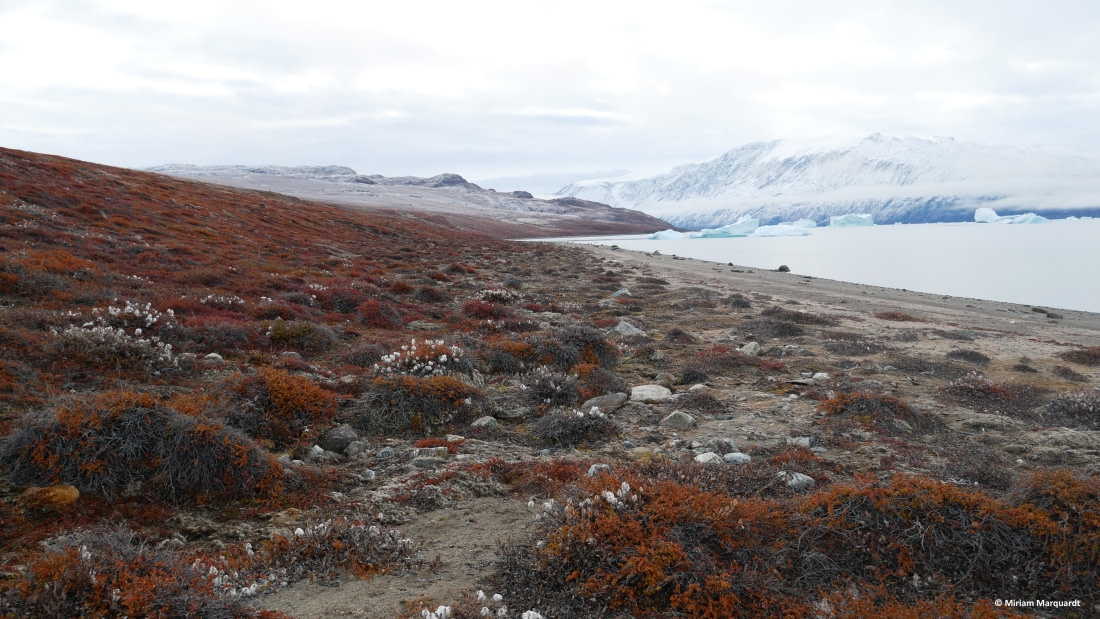
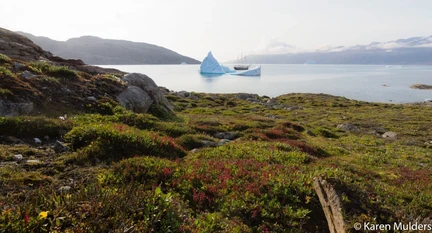
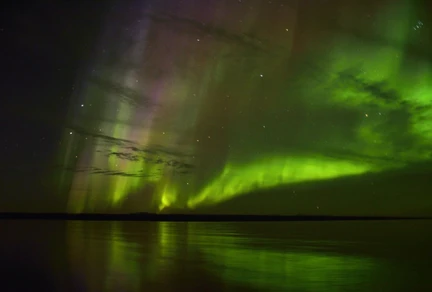
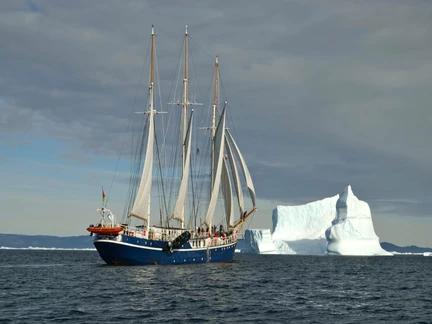
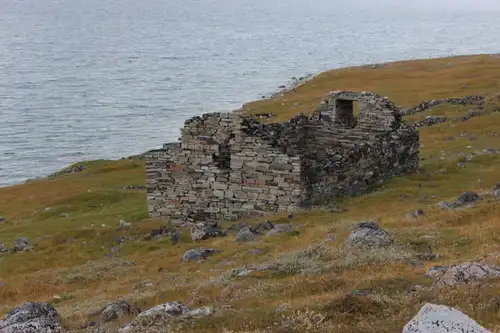
We visit the east entrance of Ø Fjord, one of the most impressive fjords in the world. The fjord is almost 40 nautical miles long, with mountains up to 2,000 meters high and icebergs over depths of more than 1,000 meters. We aim to land at Jyttehavn and hike the tundra. We may also sail into Harefjord, Rypefjord, and Rödefjord, walking into C. Hoffmanhalvöya and on Storö. Near Sydkap, you can see colossal icebergs, some over 100 meters high and more than a kilometer long. At Sakatajik, view the remains of Thule winter houses. If the sky is clear, you might see the aurora borealis.
The tundra of Jameson Land
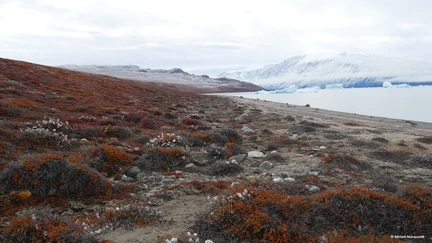
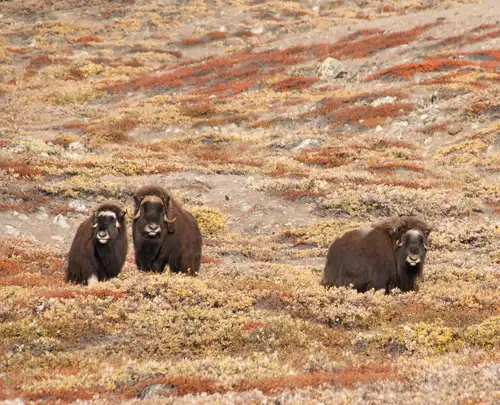
On the western shores of Jameson Land lies a vast tundra with grazing musk oxen. We will try to land on one of the areas, such as Tyskit Nunat, remembering Alfred Wegener’s efforts to cross Vandreblokken. We may also visit Kap Hooker or a lagoon west of Kap Stewart.
Settlement at Scoresbysund
Today’s stop is Ittoqqortoormiit, the largest settlement in Scoresbysund with about five hundred inhabitants. At the post office, you can buy stamps for your postcards or just stroll around to see the sled dogs and drying skins of seals and musk oxen.
The hikes of Hurry Inlet
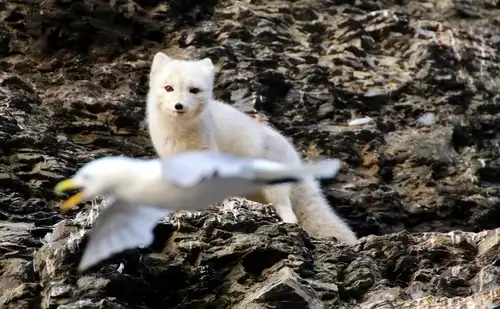
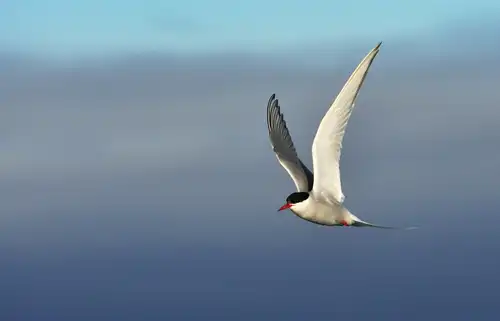
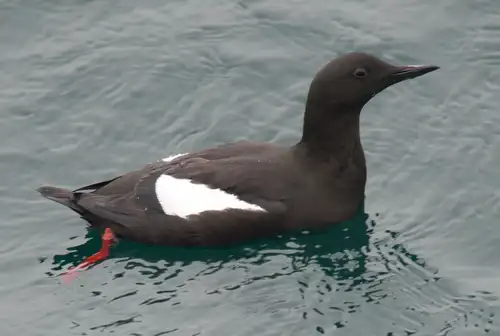
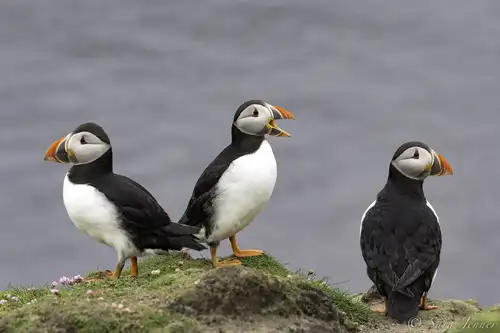
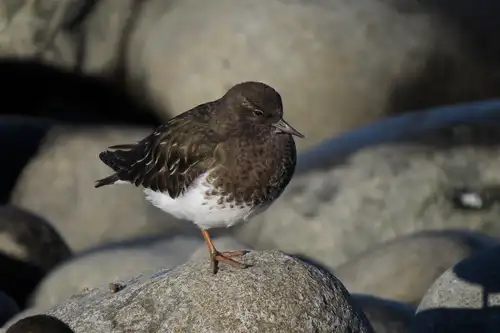
In the morning, stop on the south coast of Jameson Land, at a lagoon near Kap Stewart. Here, waders and geese gather for their autumn migration, and musk oxen and collared lemmings survive on the meager vegetation. Further inside Hurry Inlet, you may walk near the head of the fjord and one of the rivers. There is a chance to climb J.P. Koch Fjeld, near Hareelv. Scientists found fossils here linking fish and amphibians from the lower Cretaceous period. Spend the night at anchor off Constable Pynt.
Final call at Constable Pynt
We take the chartered plane from Constable Pynt to Keflavik, taking home memories for a lifetime.


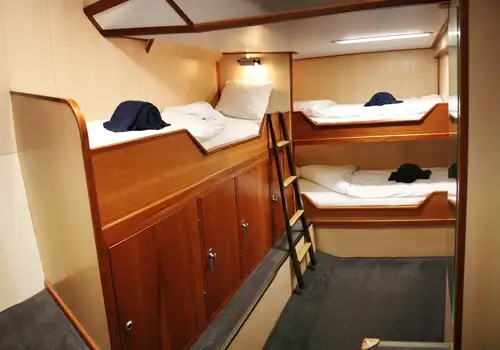


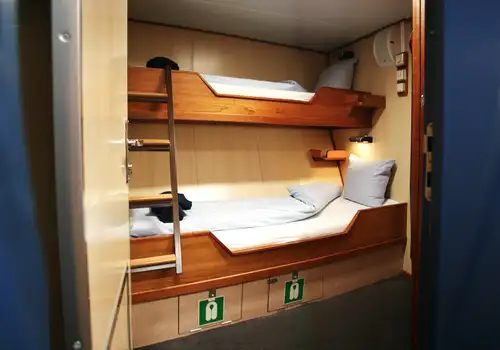
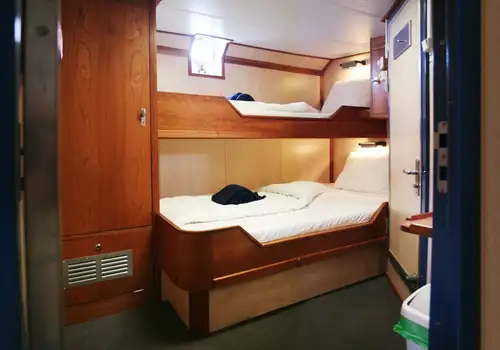
s/v Remvrandt van Rijin
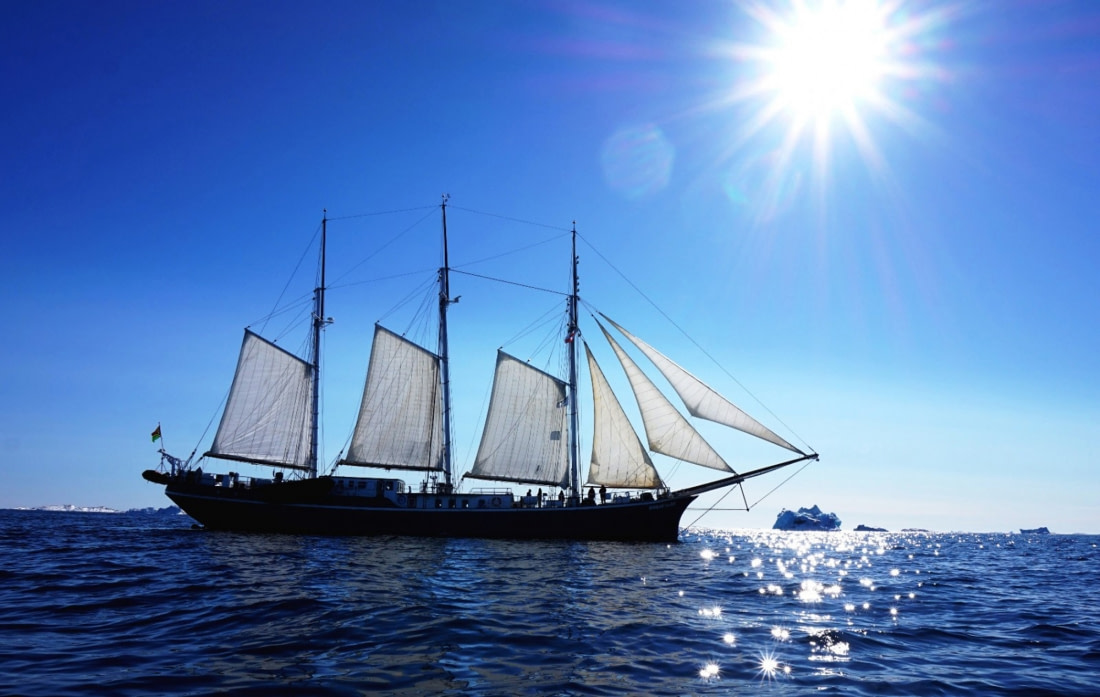
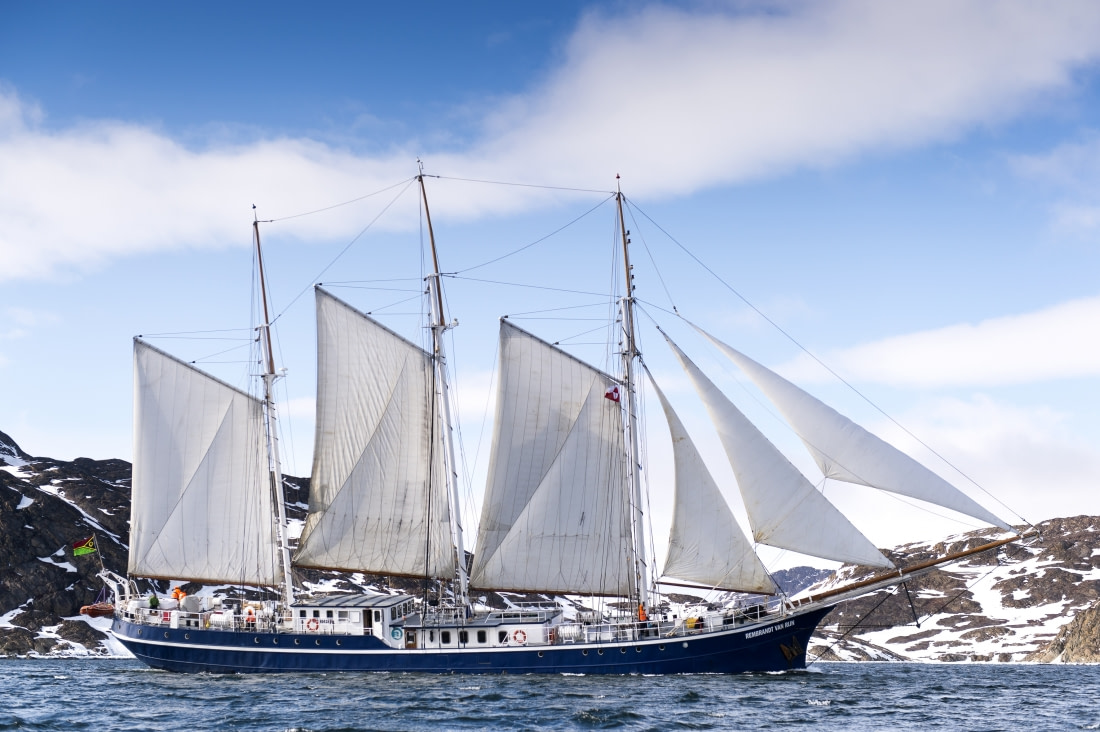
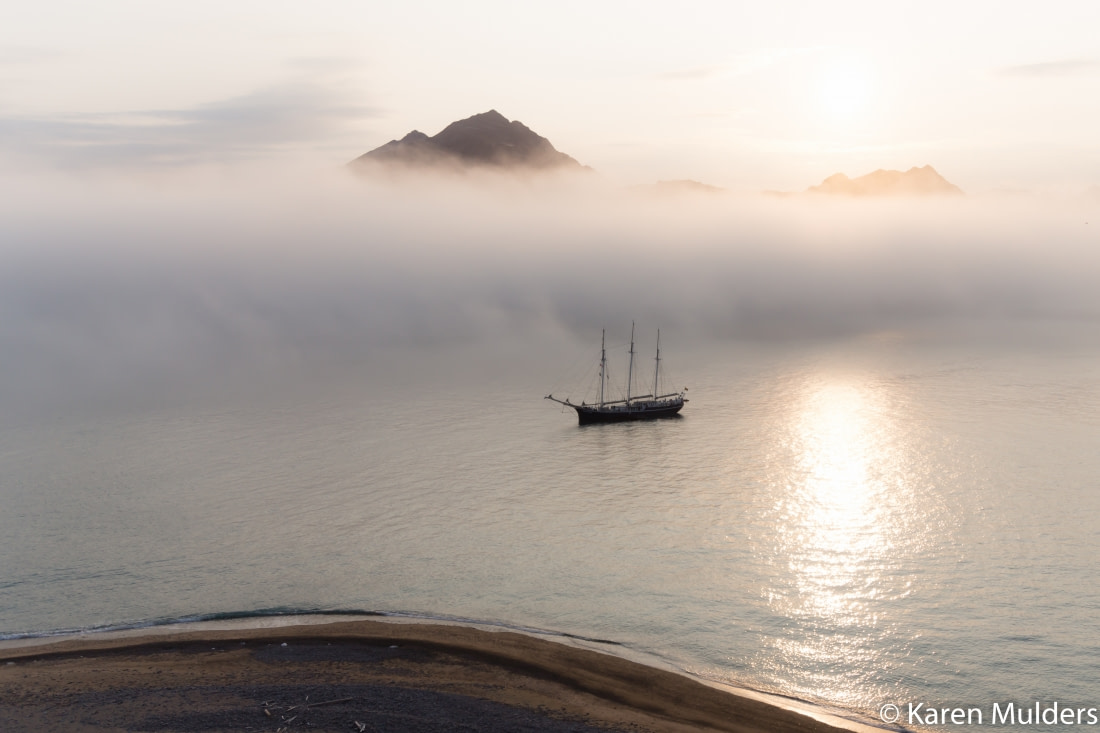
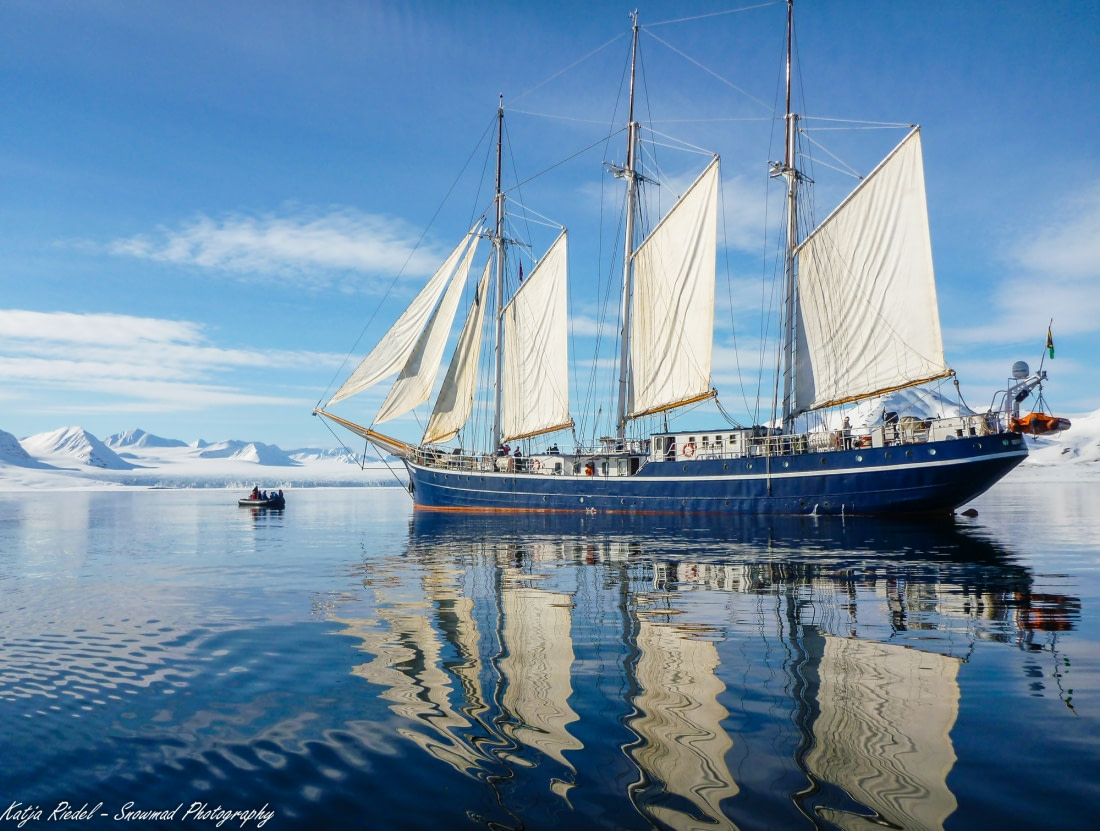
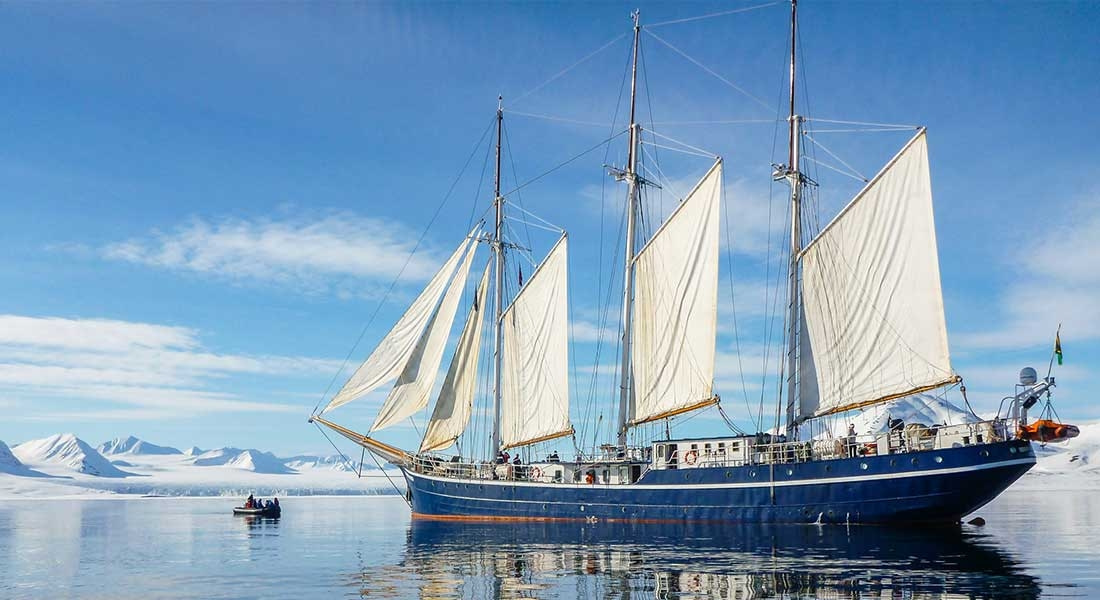
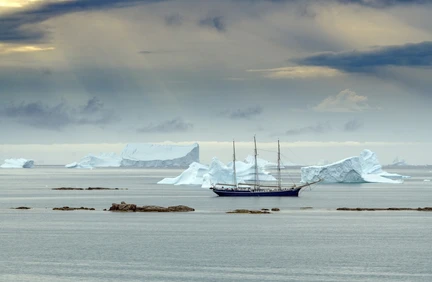
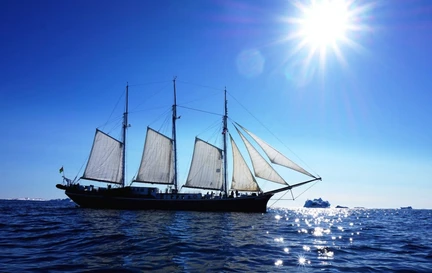
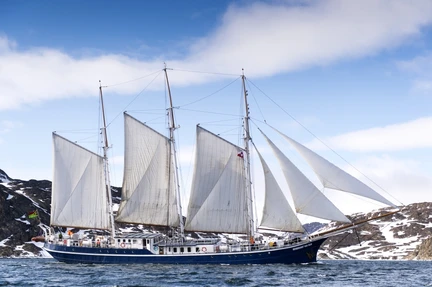
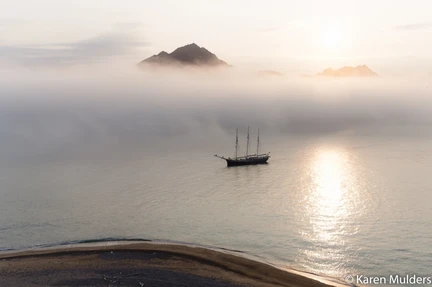
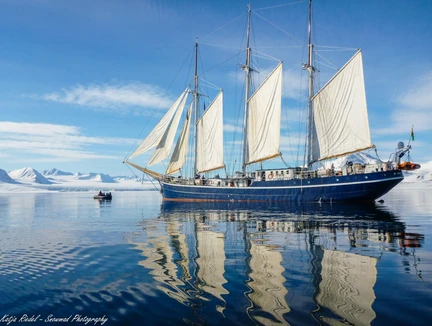
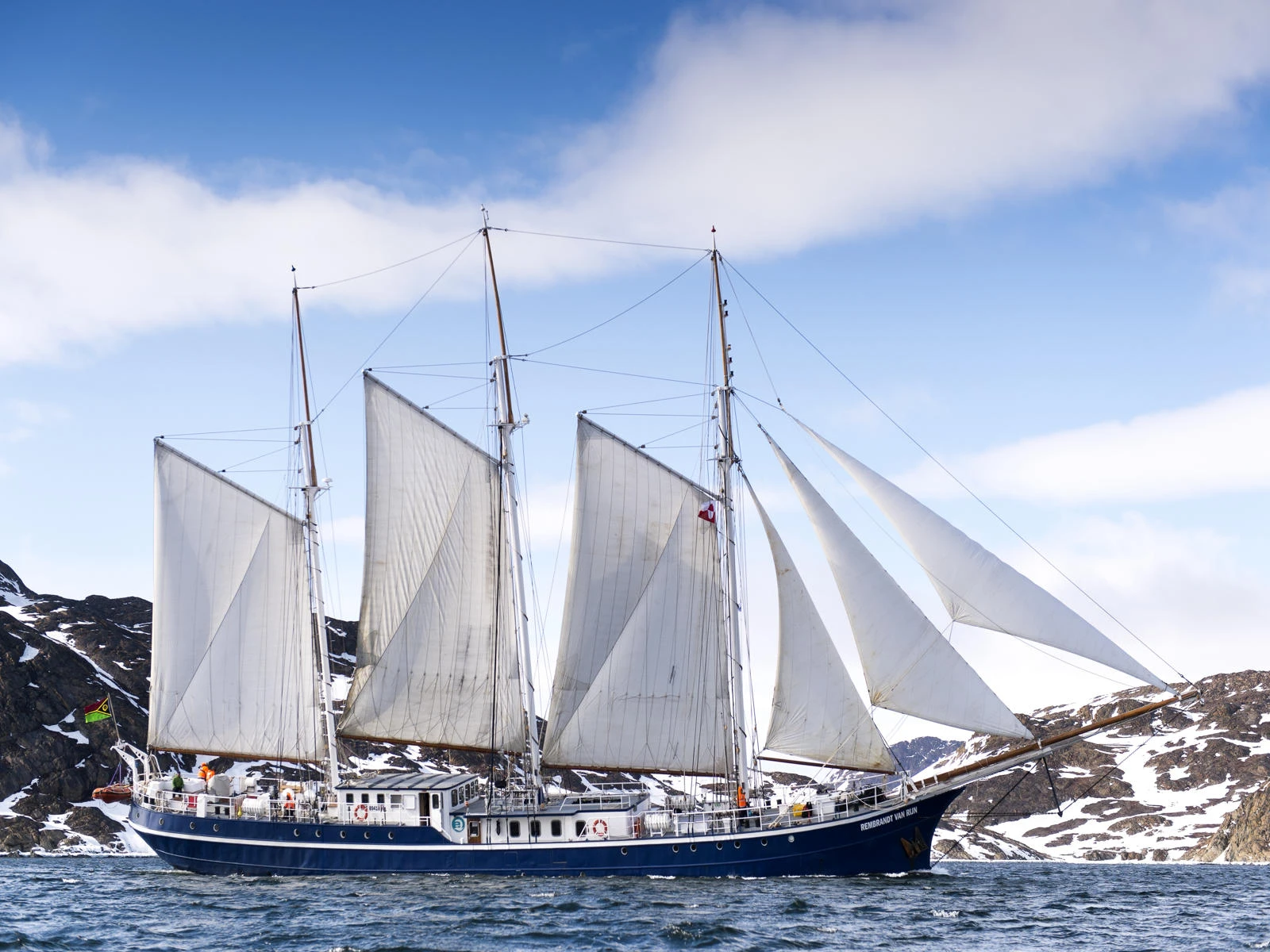
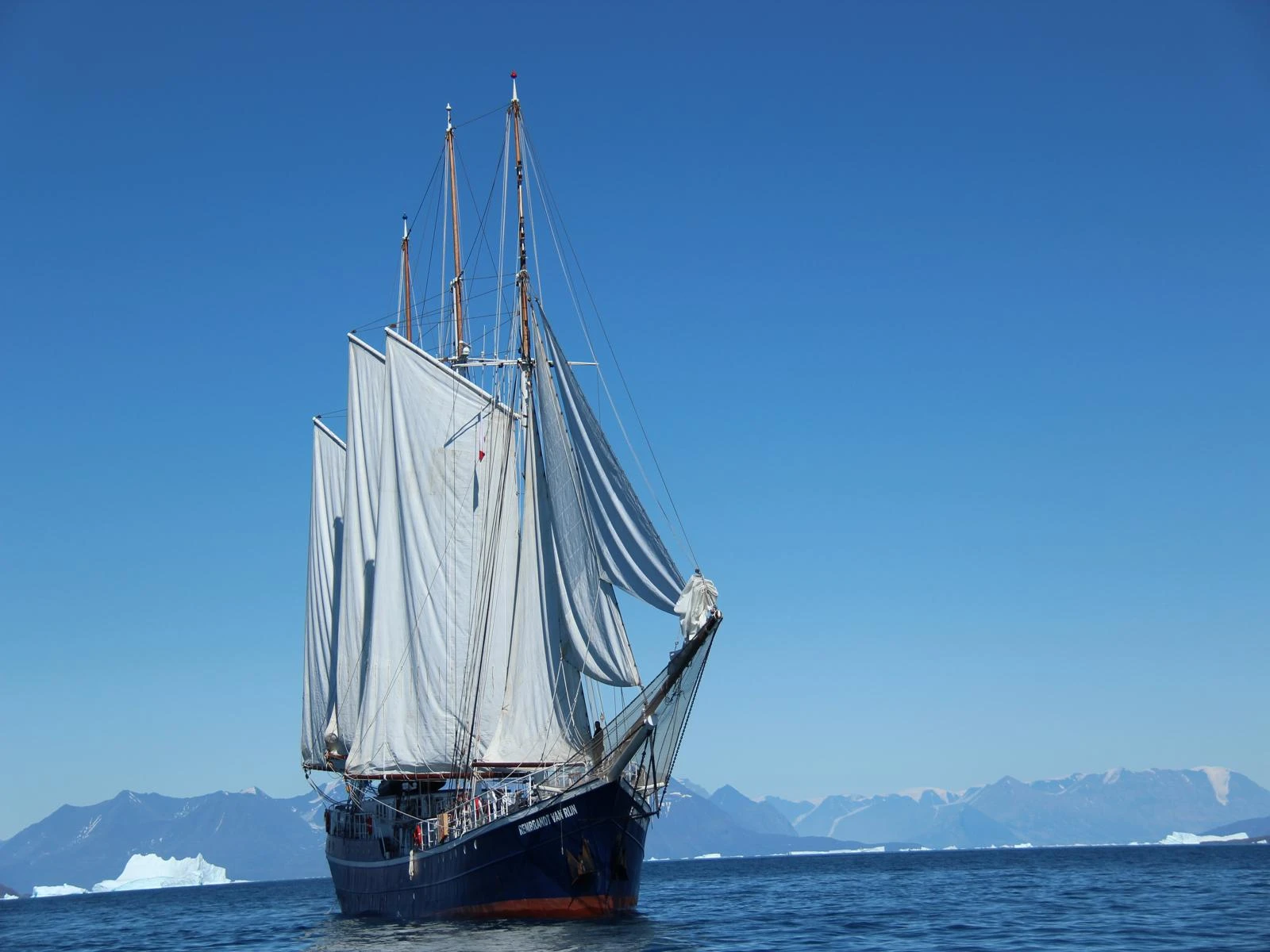
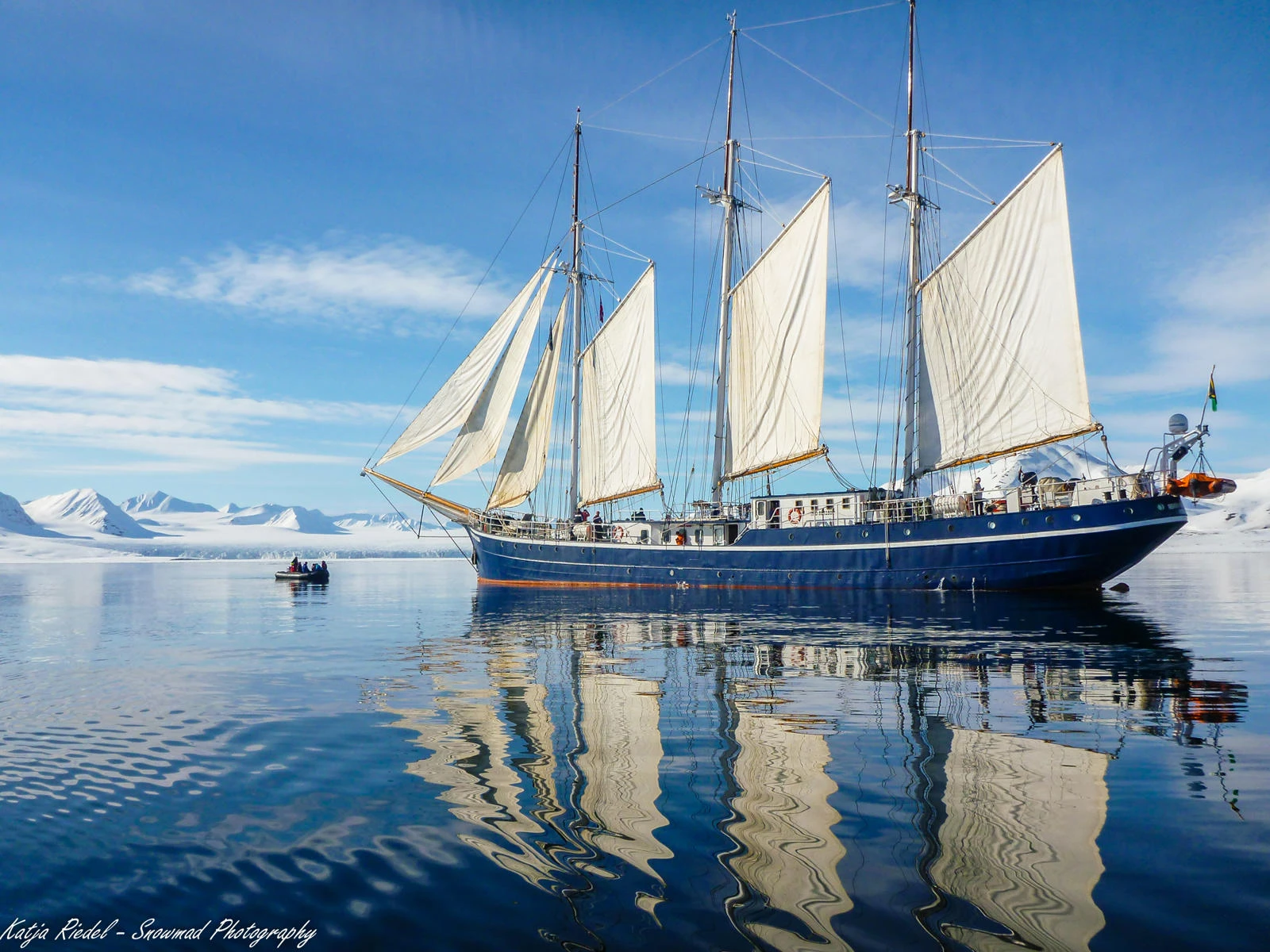
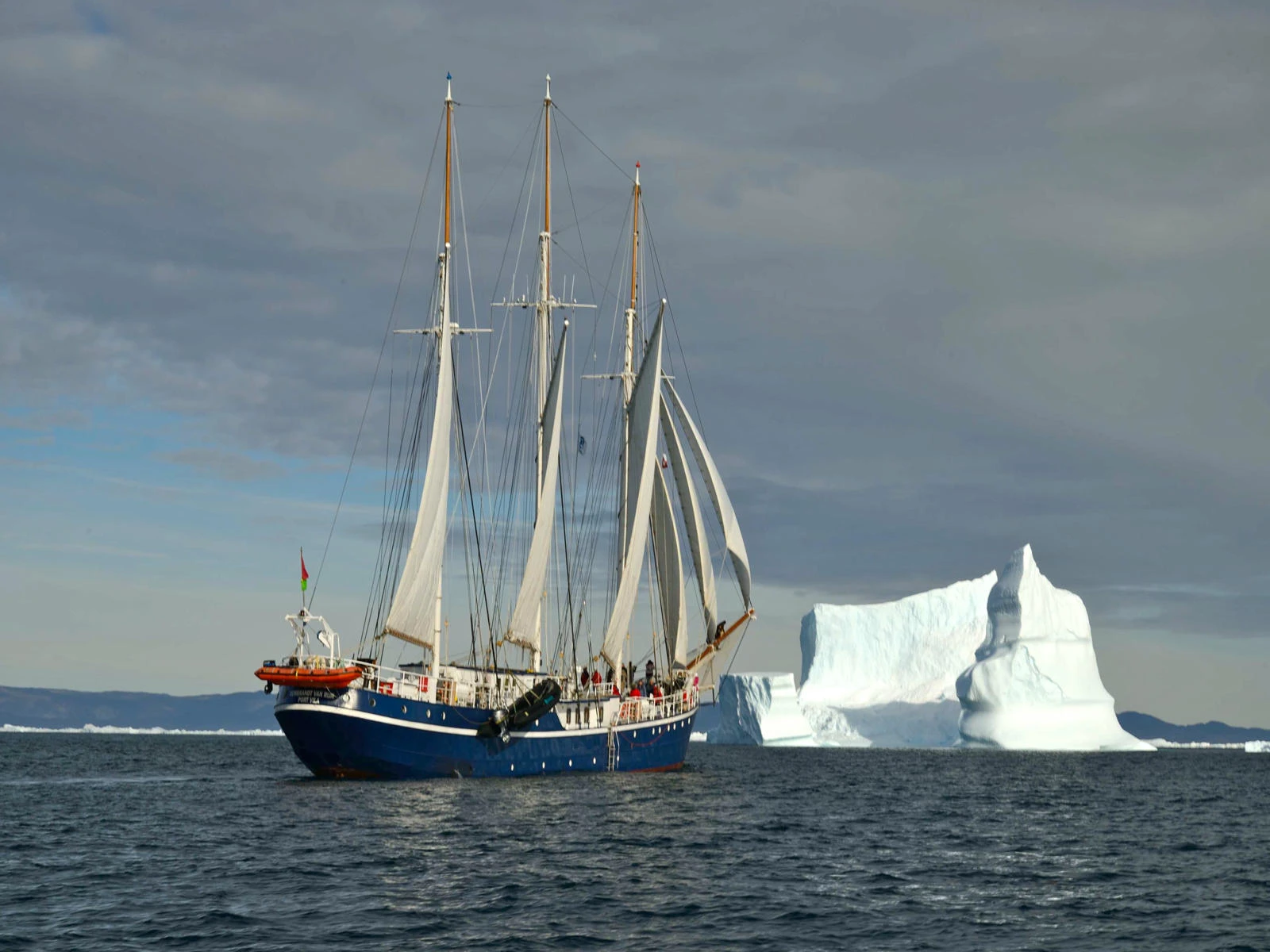
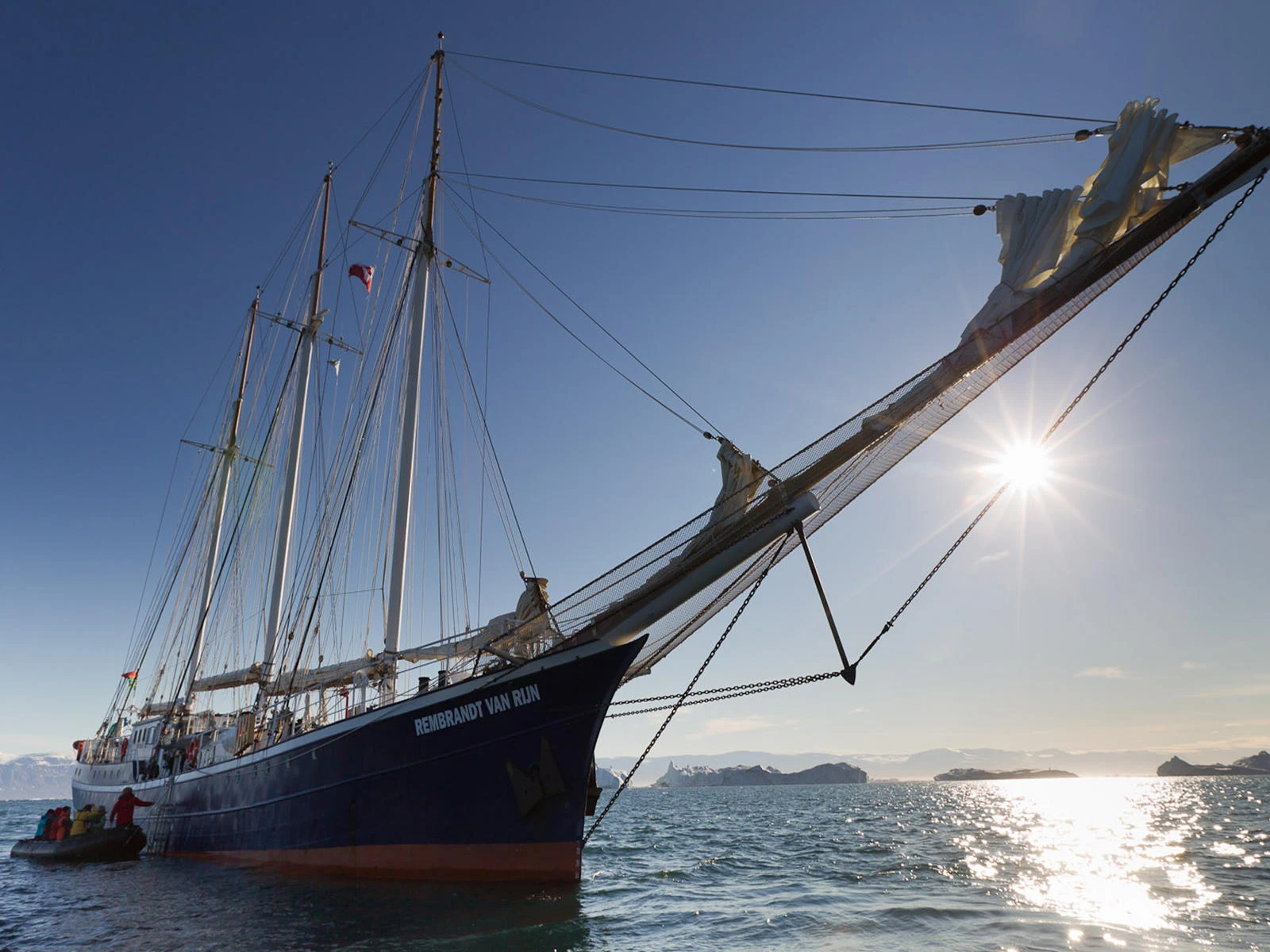
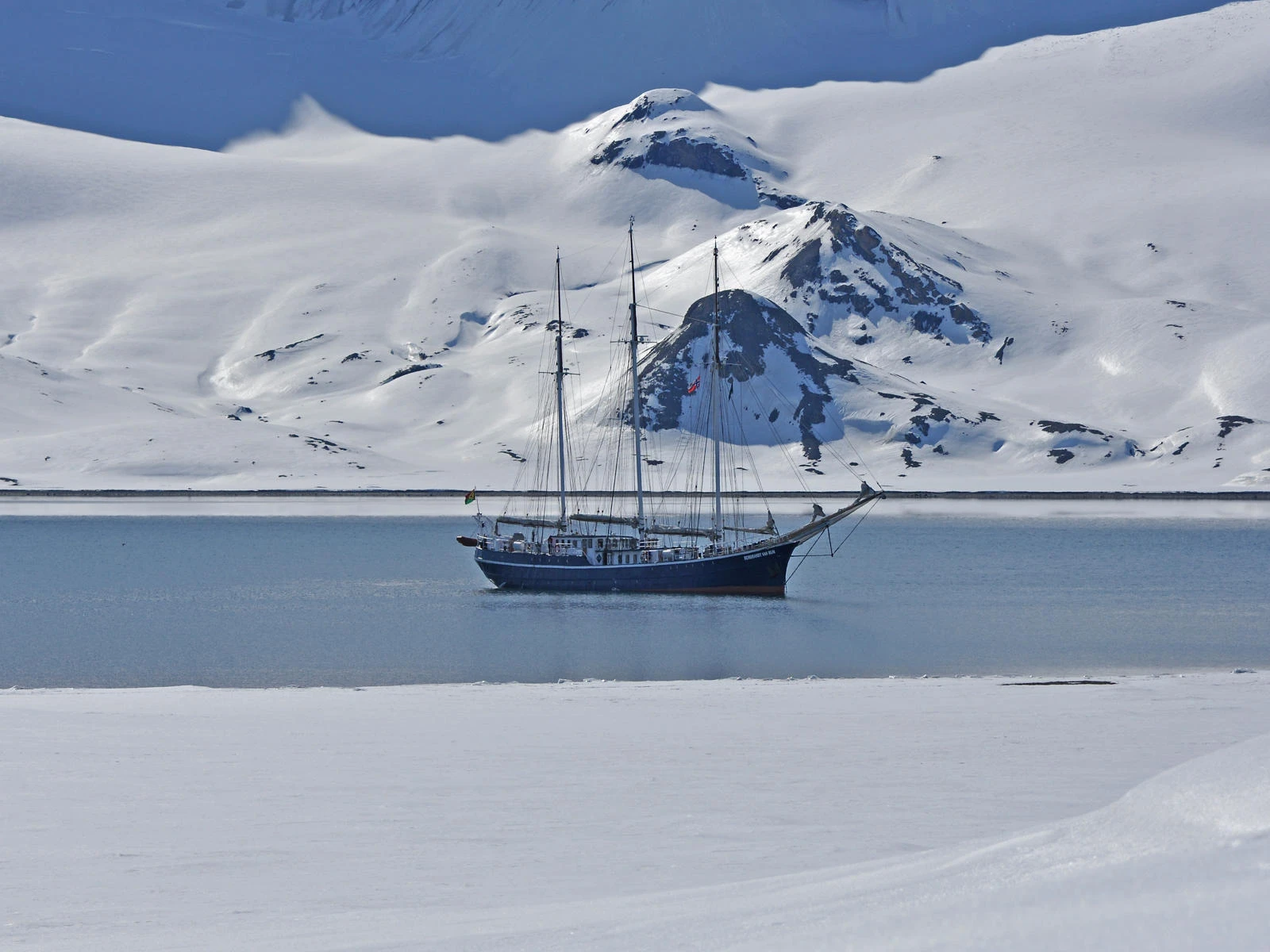
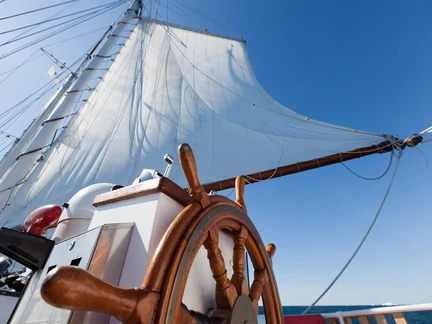
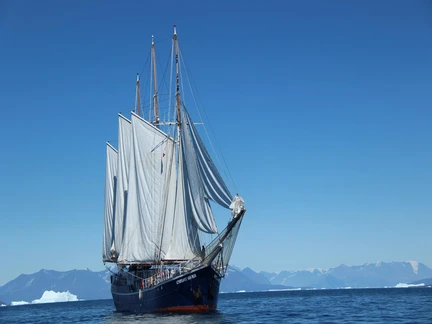
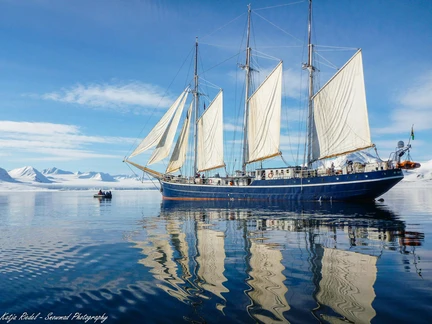
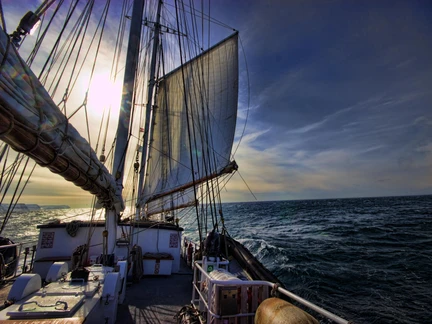
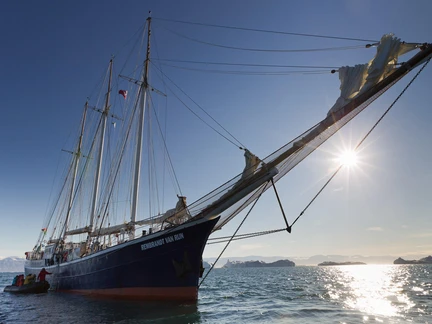
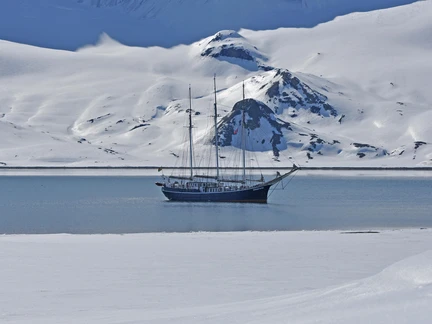
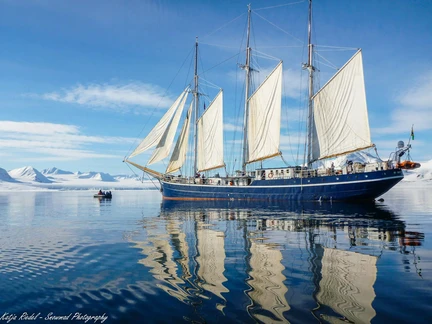
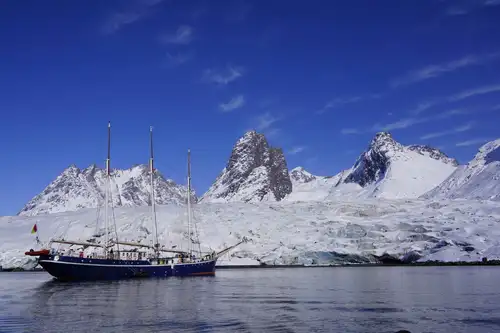
Our three-mast schooner, Rembrandt van Rijn, is ideally suited for expedition cruising among the fjords of Greenland and Spitsbergen.
Specifications
| Passengers: | 33 in 16 cabins |
| Staff & crew: | Crew 10 | Guides 2 |
| Length: | 49,50 meters |
| Breadth: | 6,65 meters (22,9 ft) |
| Draft: | 2,8 meters (8 ft) |
| Ice class: | Suitable to sail in the Svalbard and Greenlandic waters. |
| Displacement: | 435 tonnes |
| Propulsion: | 2 cummins engines together 550 KW |
| Speed: | 6,5 knots average cruising speed |
Cabins Gallery
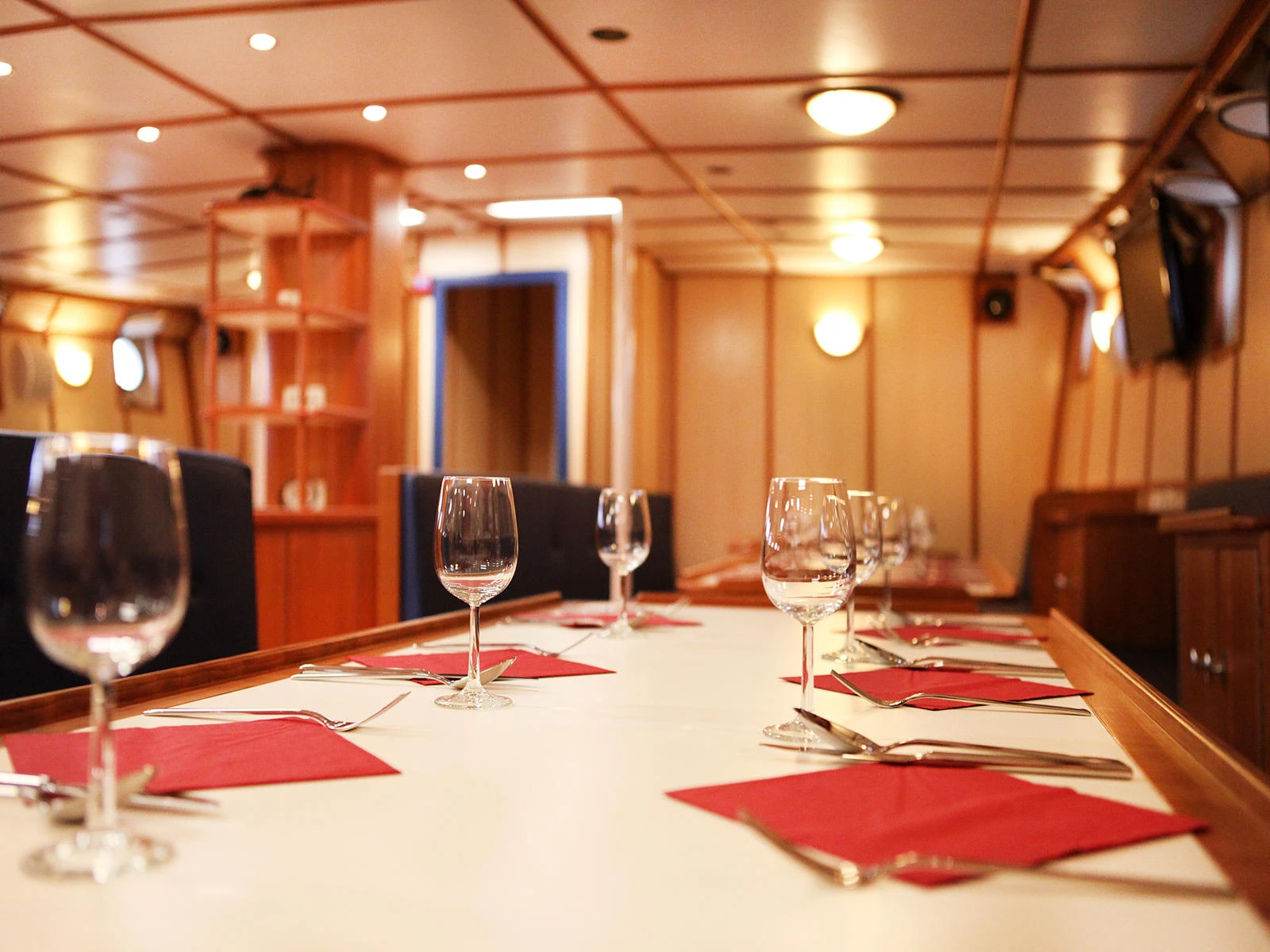
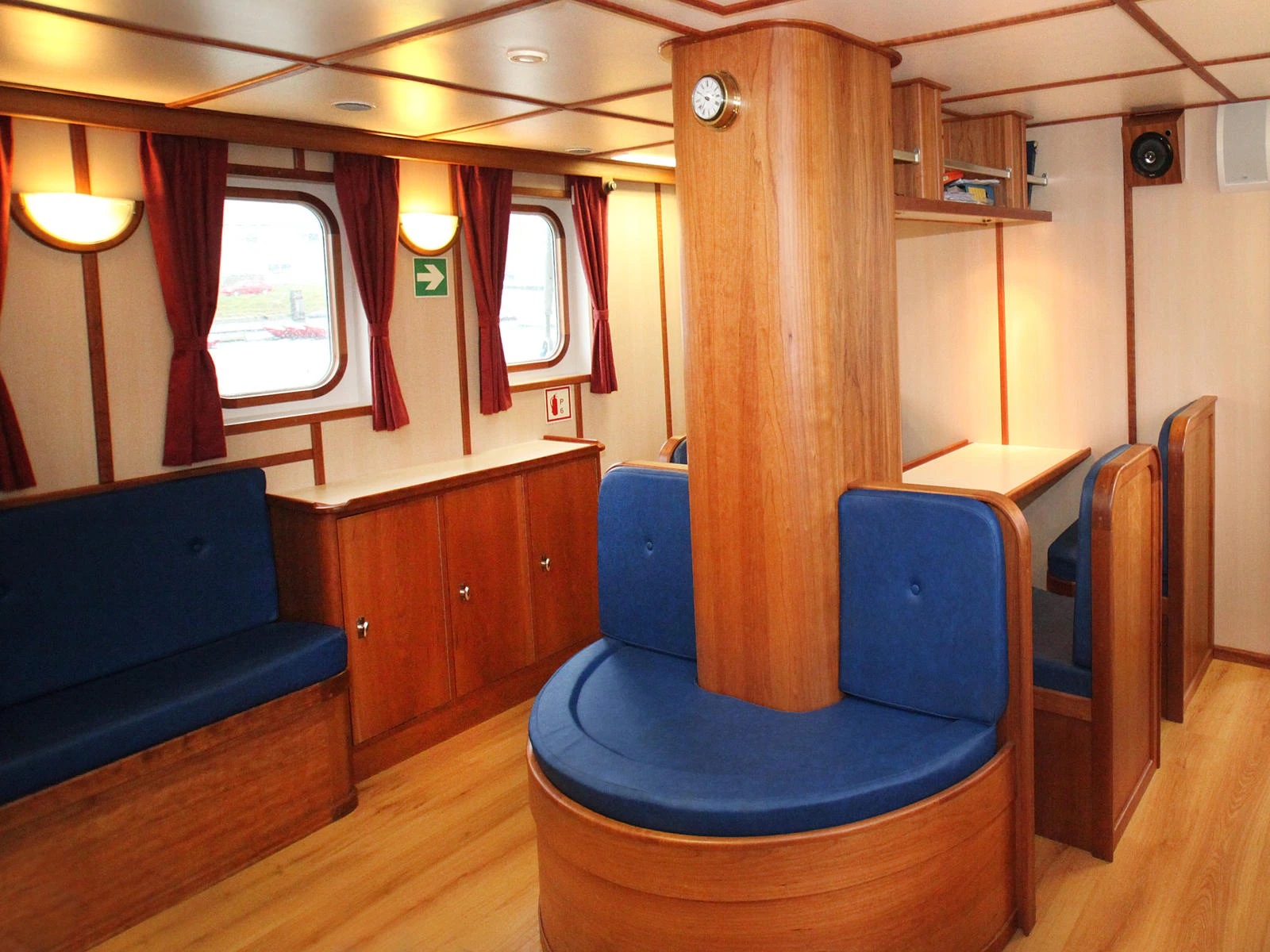
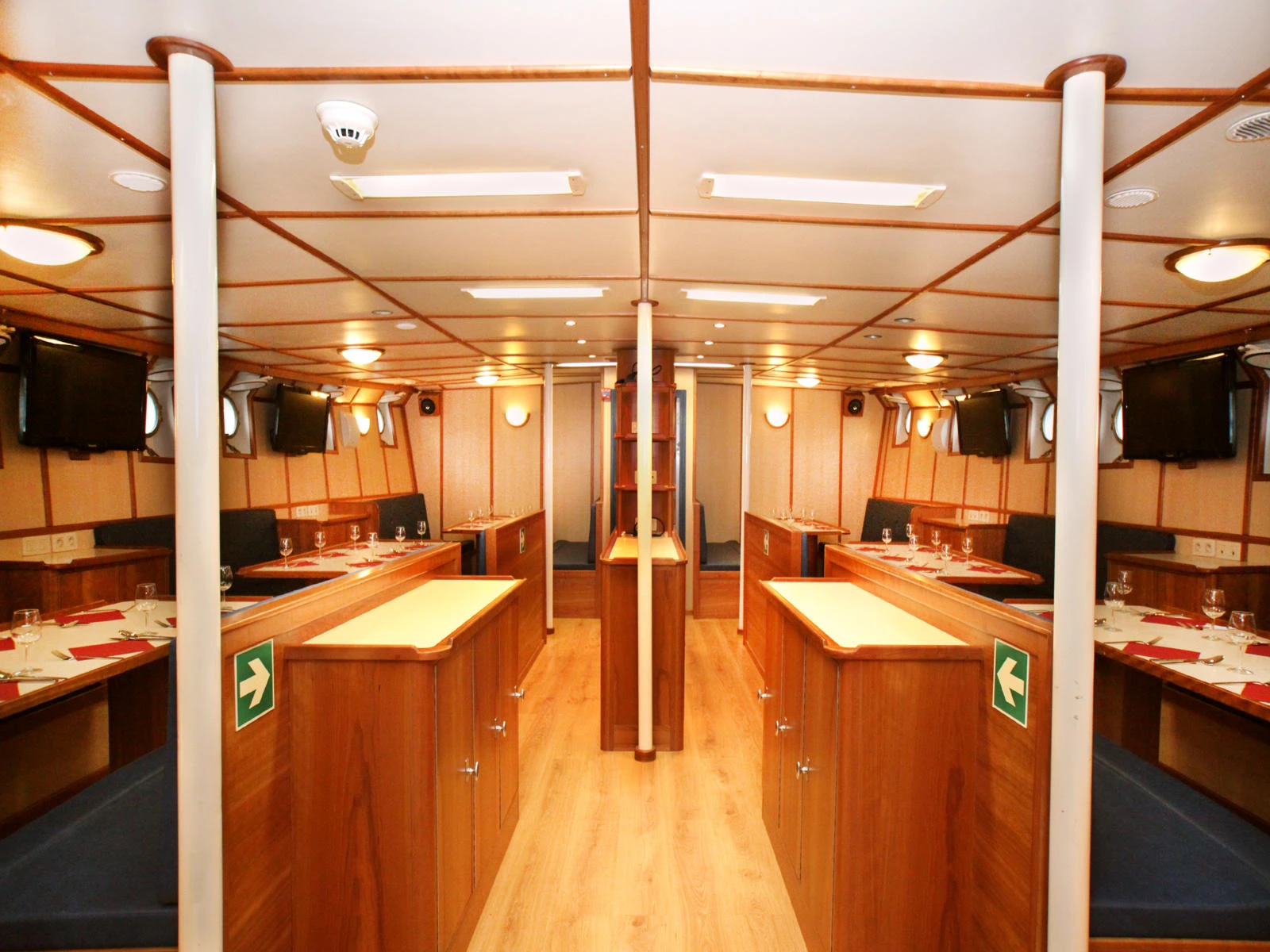
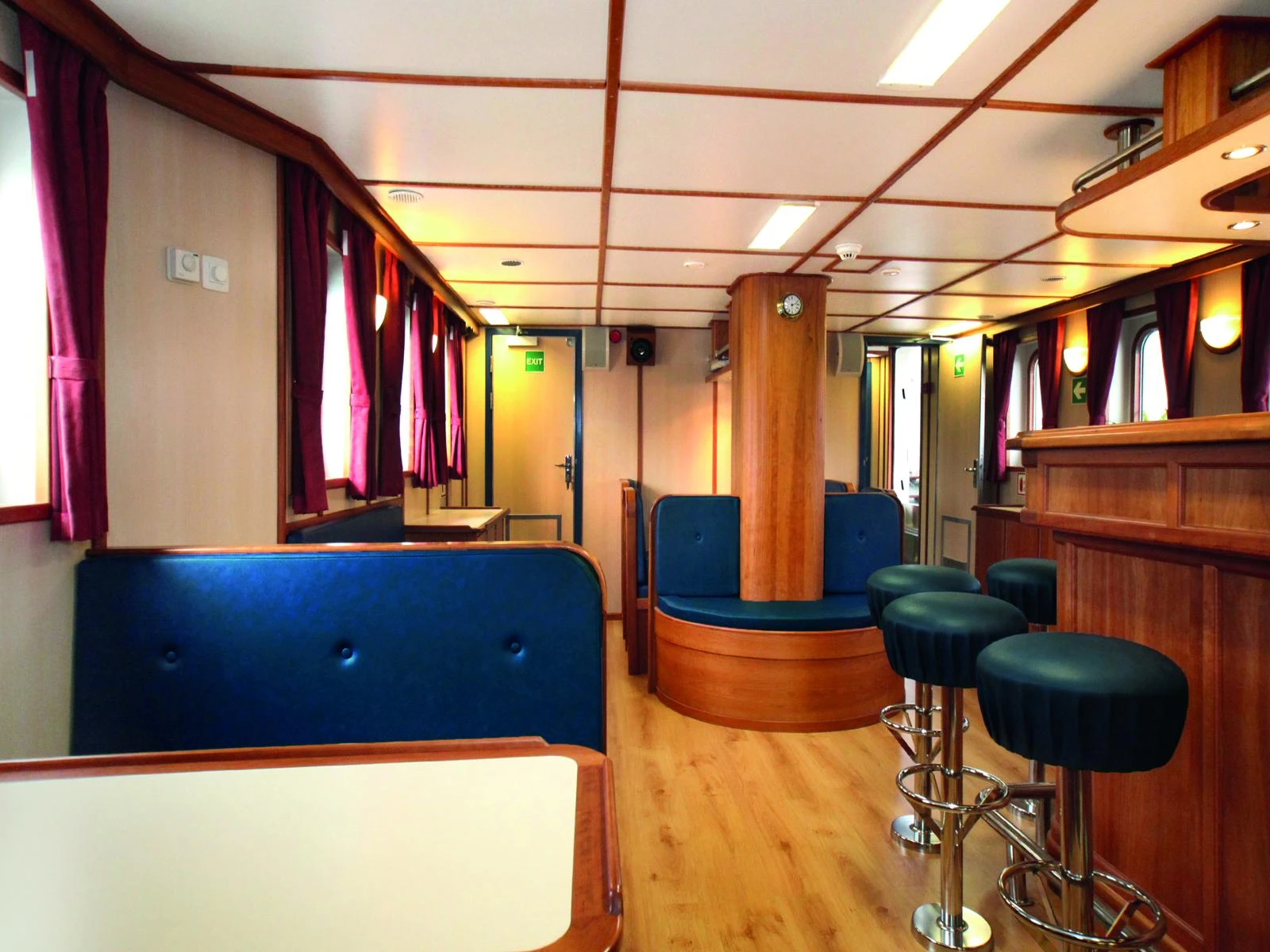
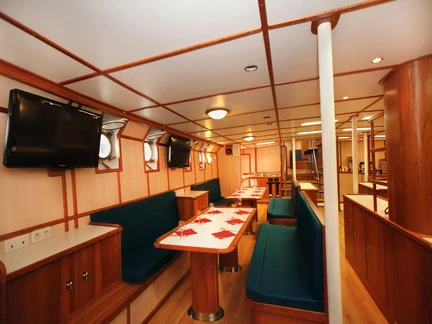
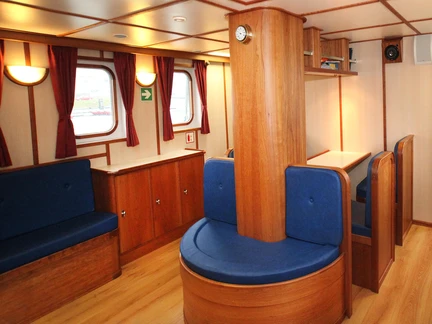
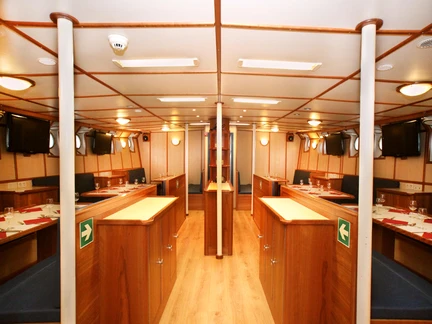
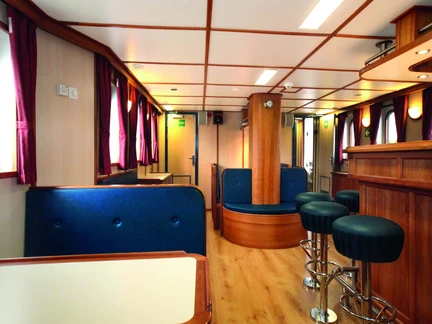
Ship Interior Gallery
Ship Exterior Gallery
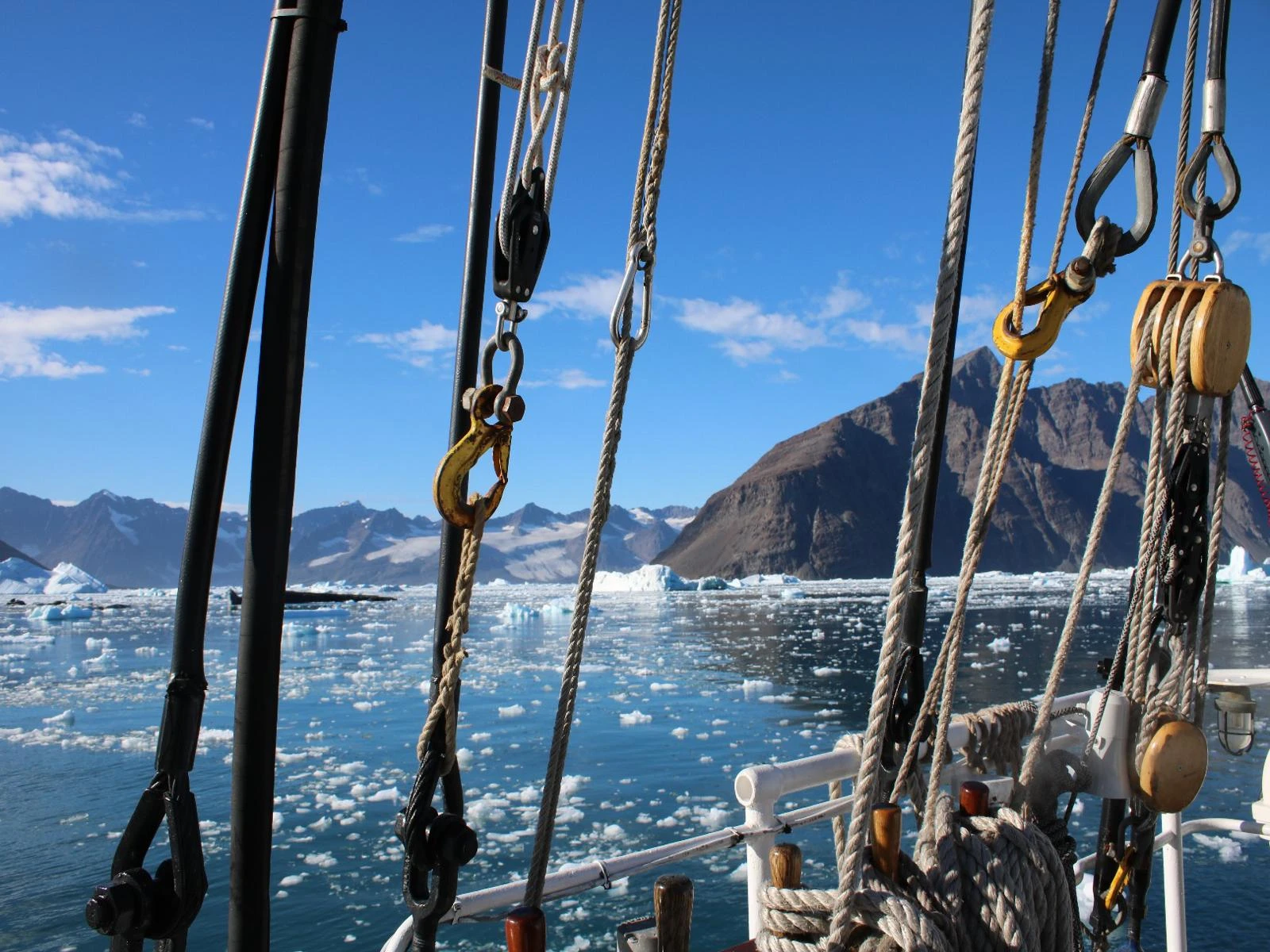
S/V Rembrandt Van Rijn was originally built as a herring lugger in 1947. The vessel was then rebuilt as a three-mast passenger sailing schooner in he Netherlands in 1994, sailing in Spitsbergen (1994 – 1996) and the Galápagos (1998 - 2001). The vessel later underwent a complete rebuilding and refurbishment program until 2011. The communication and navigation equipment has been completely renewed according to the latest SOLAS regulations.
Perfect for expedition cruising among small islands
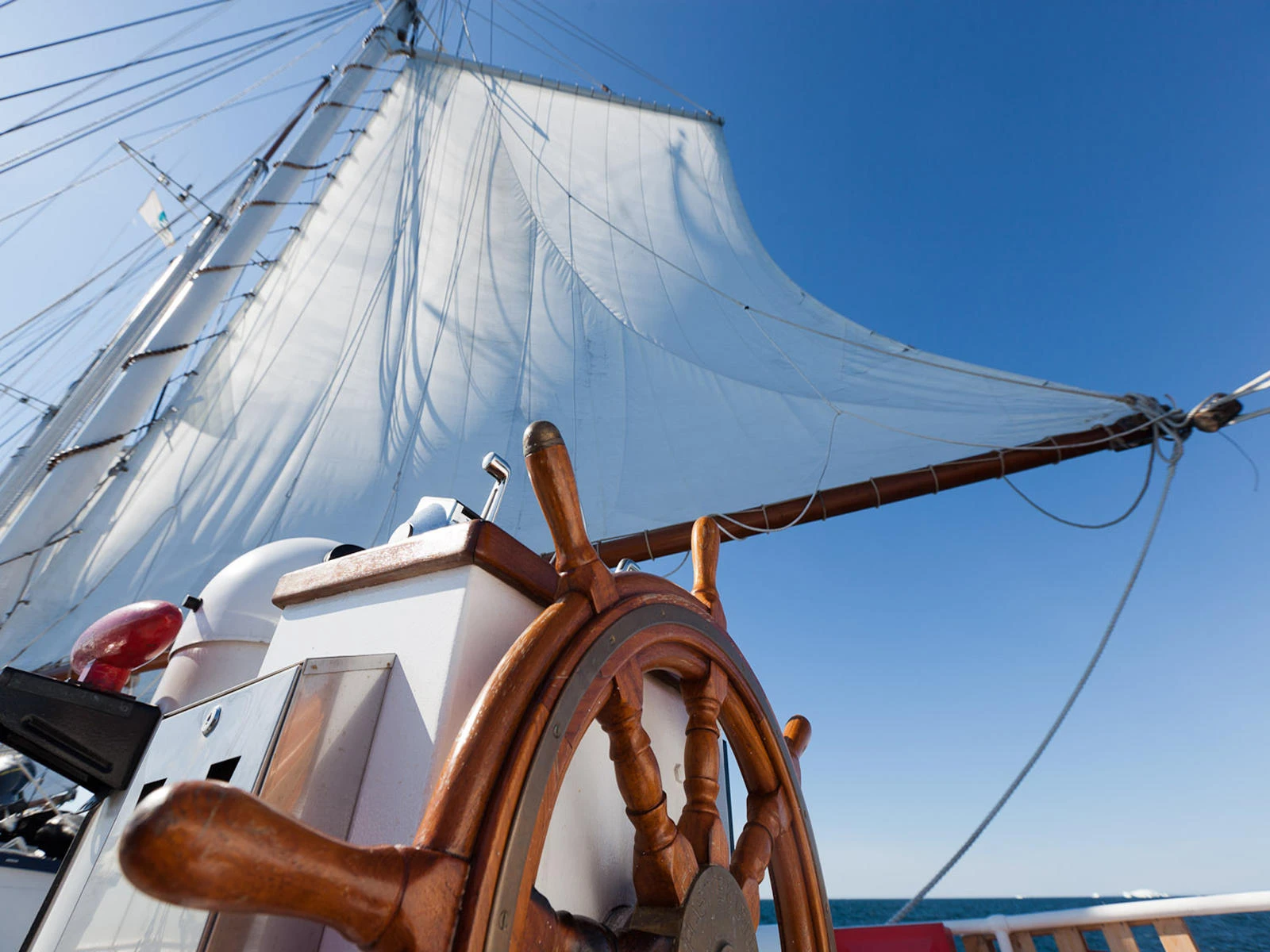
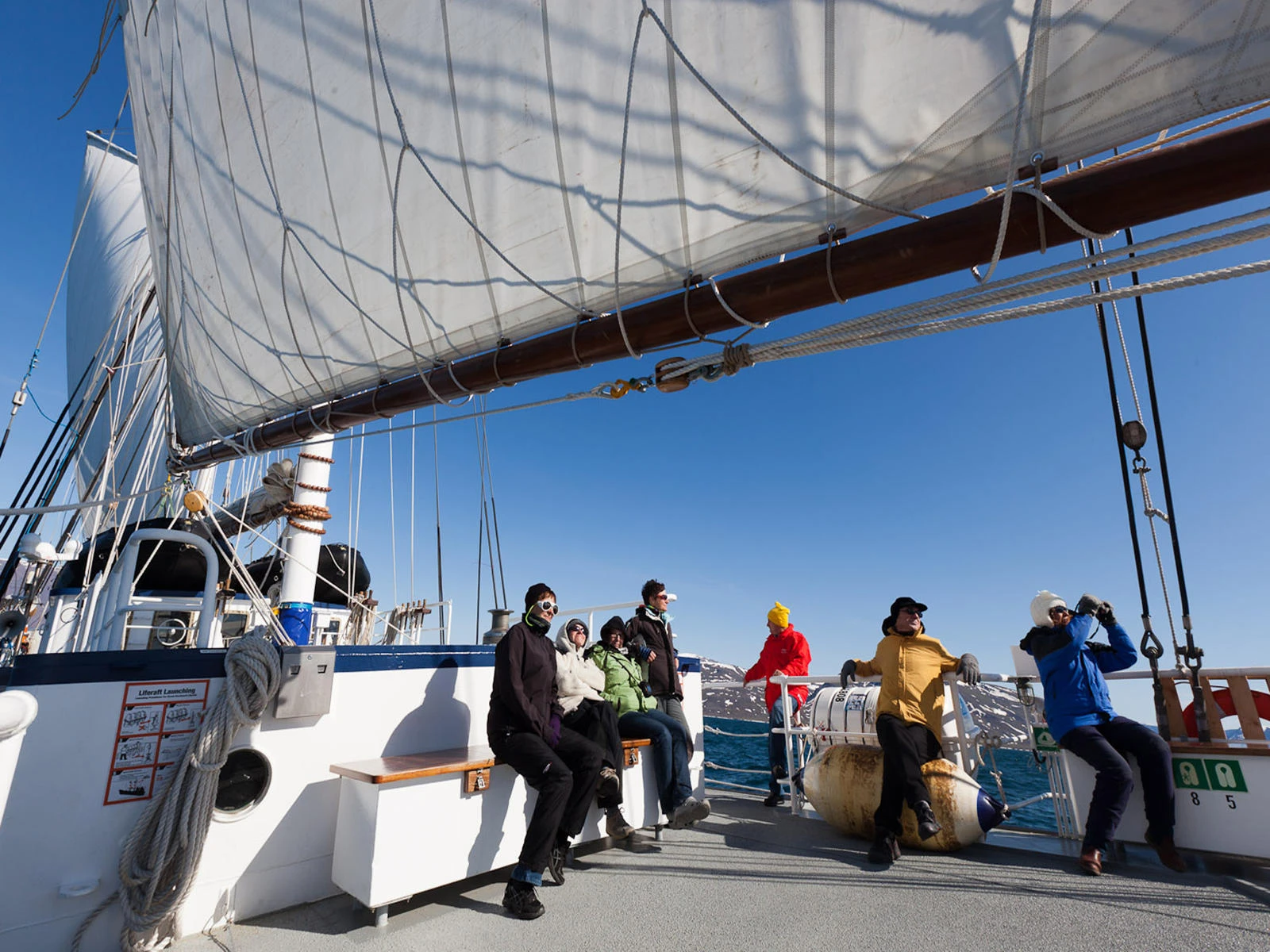
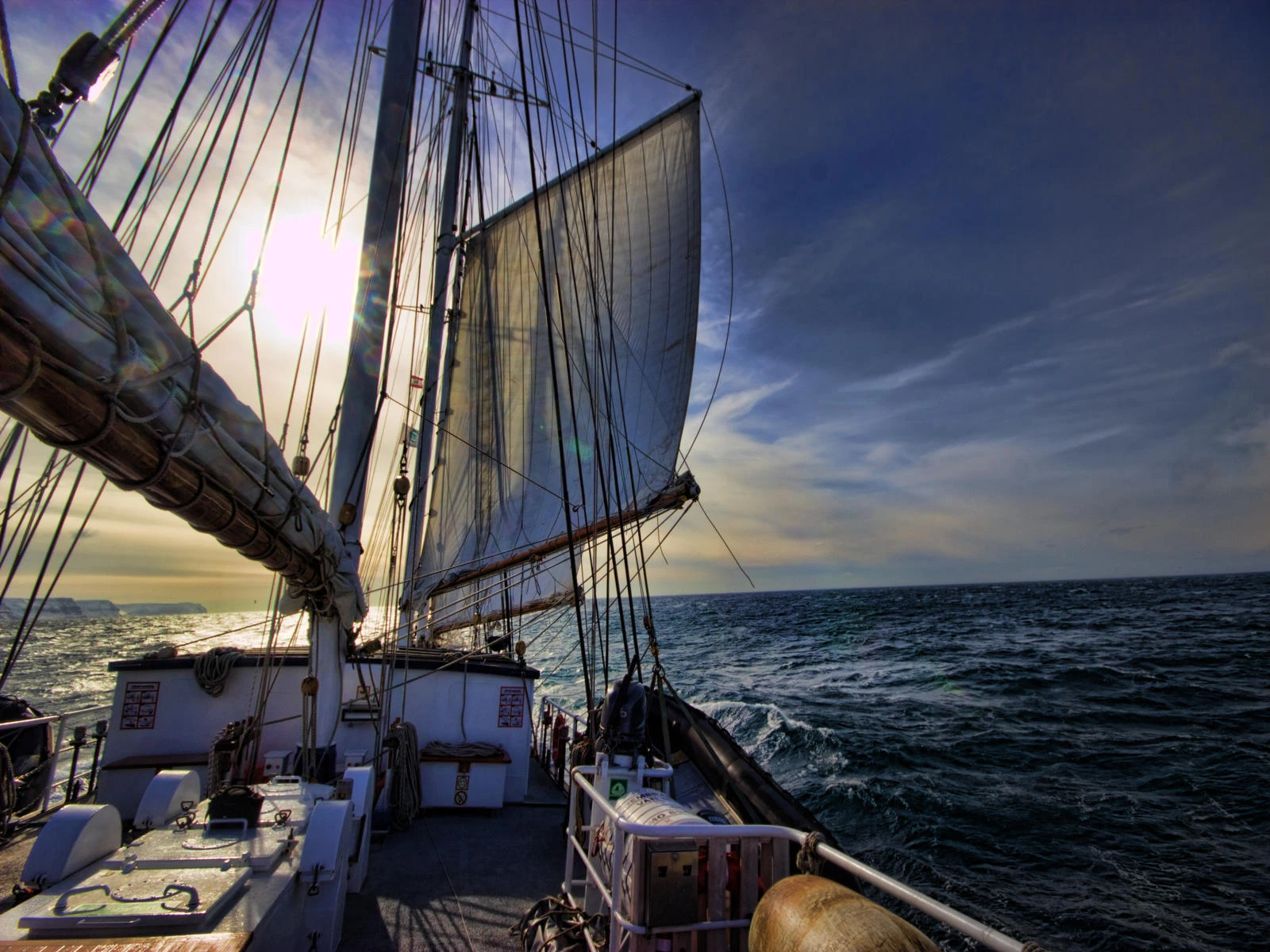
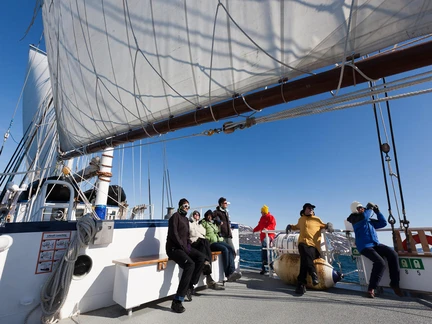
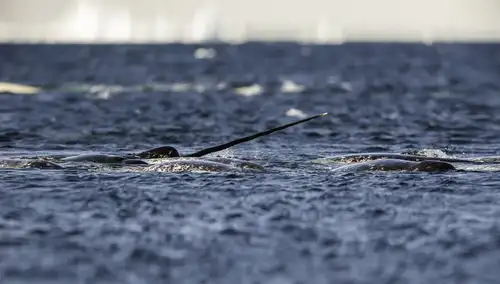
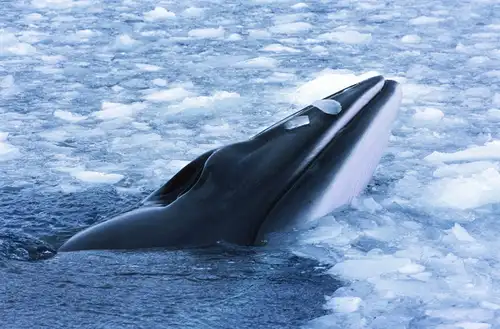
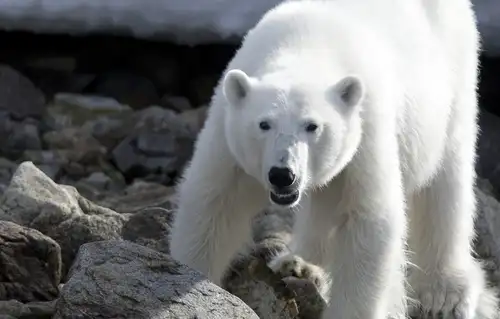
The ship is well suited for expedition cruising among small islands and offer good open deck viewing areas, also when under sail. The two inflatable rubber crafts (Zodiacs) enable landing and wildlife viewing opportunities in otherwise inaccessible areas.
Comfort and Character
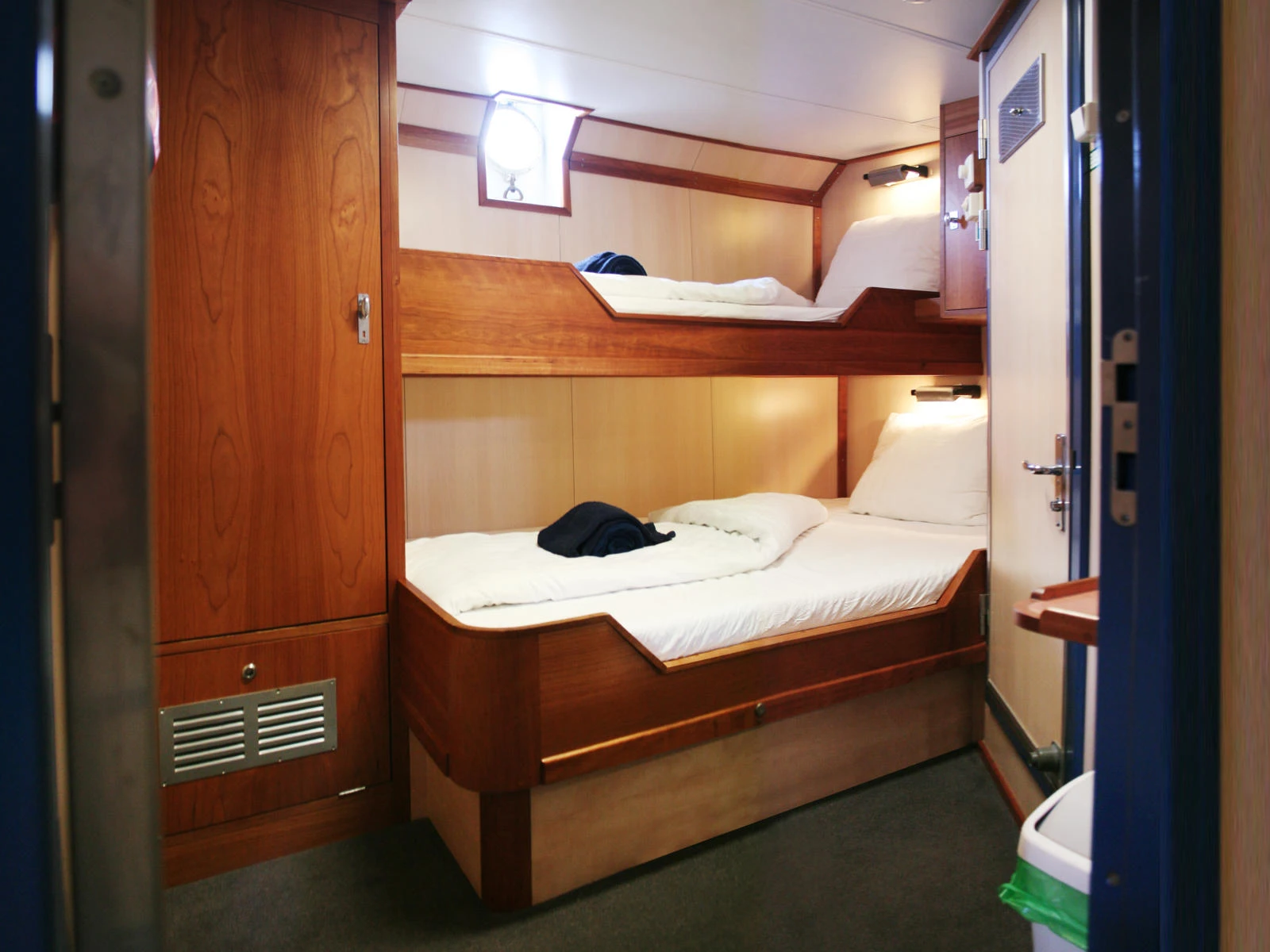
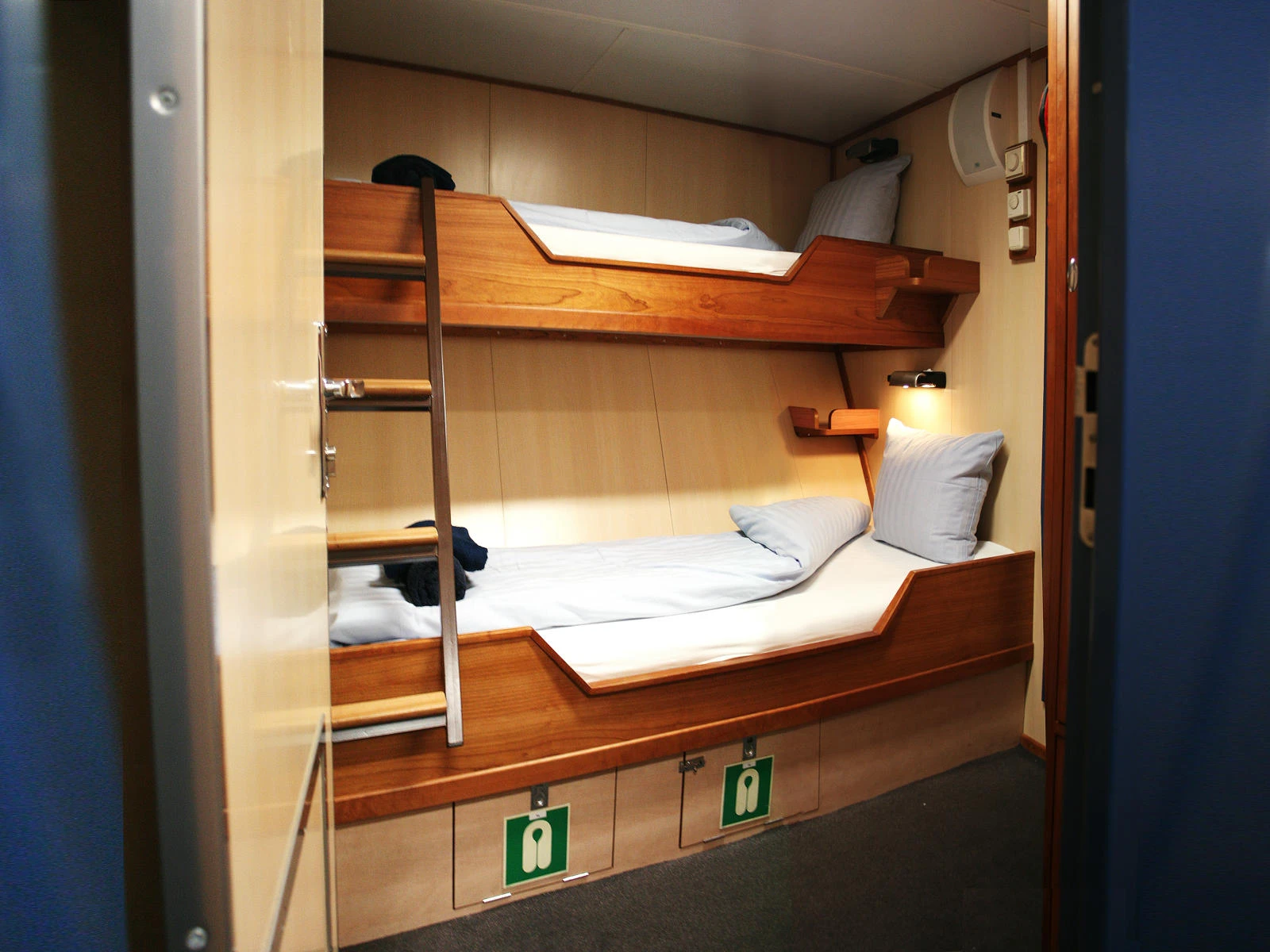
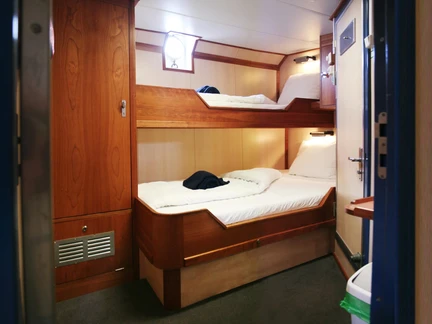
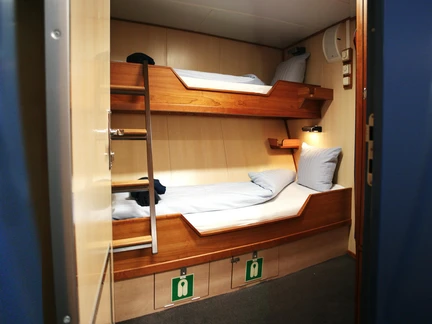
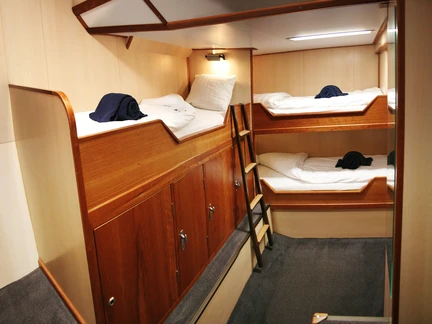
Rembrandt van Rijn measures 49,50 meters in length, 7 meters in width, and has a draft of 2,8 meters. The average cruising speed on engines is 6,5 knots. It has an experienced crew of 12 persons on board including 2 tour guides. The ship can accommodate a maximum of 33 passengers in 16 cabins. It has one Triple Private cabin (with shower and toilet and porthole), six Twin Private Inside cabins (with shower and toilet, no porthole), and nine Twin Private cabins (with shower and toilet and porthole).
Age range & Nationality onboard
Passengers on a typical voyage range from their 30s to their 80s - with a majority usually from 45 - 65, but a little younger on the Rembrandt van Rijn, between 30 - 55. Our expeditions attract independent-minded travellers from around the world. They are characterised by a strong interest in exploring remote regions. The camaraderie and spirit that develops aboard is an important part of the expedition experience. Many departures have several nationalities on board.
Catering
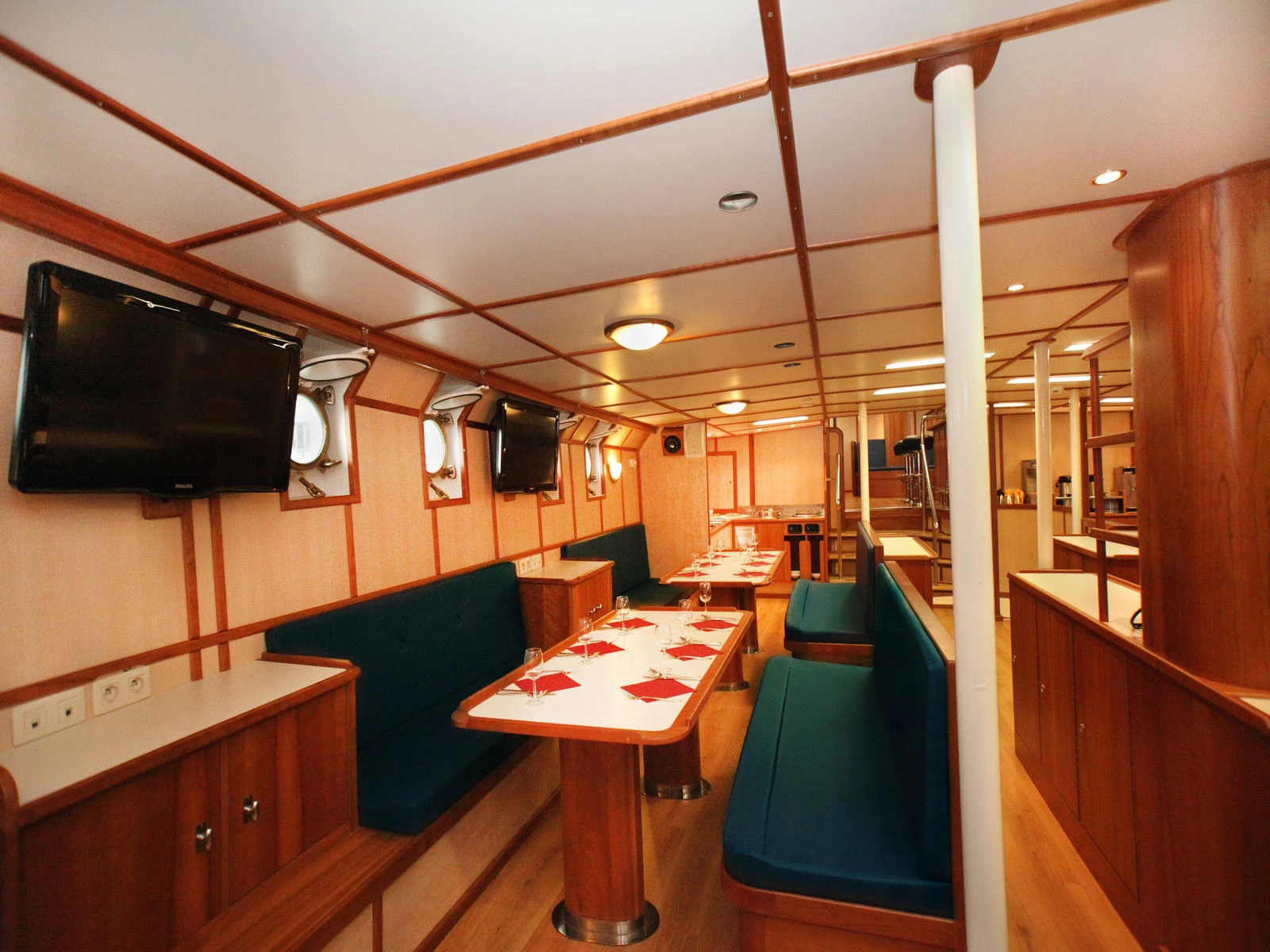
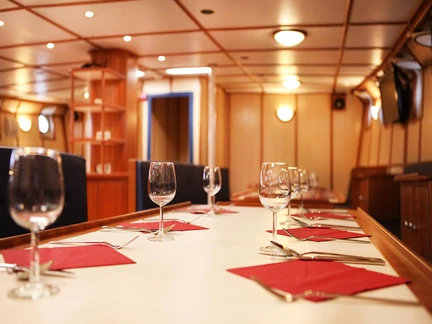
Three simple but good meals of international cuisine per day are served buffet style in the restaurant and is prepared by our cook.
Dress code
In keeping with our expeditions atmosphere, dress on board is informal. Bring casual and comfortable clothing for all activities. Keep in mind that much of the spectacular scenery can be appreciated from the deck, which can be slippery. Bring sturdy shoes with no-slip soles and make sure the parka is never far away in case of the call "Whales!" comes over the loudspeaker and you have to dash outside. Wear layers since it is comfortably warm aboard the ship - and often cold on deck.
Electric Current
The electrical supply aboard the ship is 220 volt 50hz. Electrical outlets are standard European with two thick round pins. U.S. passengers may need a 220v/110v converter.
Excursions & Landings
Every day there will be excursions on land, weather and ice permitting. The landings will take three to six hours per day over untracked areas. According to circumstances (the weather, the ice situation or the passengers´ wishes) the program can sometimes be adjusted. Ample time will be devoted to wildlife, vegetation, geography, and history.
Gratuities
The customary gratuity to the ship's crew and expedition leader is made as a blanket contribution at the end of the voyage. Tipping is a very personal matter and the amount you wish to give is at your discretion. We suggest to give cash in Euros, US Dollars or Danish kroner.
Non-smoking policy
On board our vessels we have a non-smoking policy. It is prohibited to smoke inside the ship. You can smoke in designated ares. Please respect the wishes of non-smokers.
The crew
The crew of the ´Rembrandt van Rijn´ consists of 9 experienced crew and 2 expedition guides and a cook. The sailors are in charge during sailing and will bring us ashore.
Your physical condition
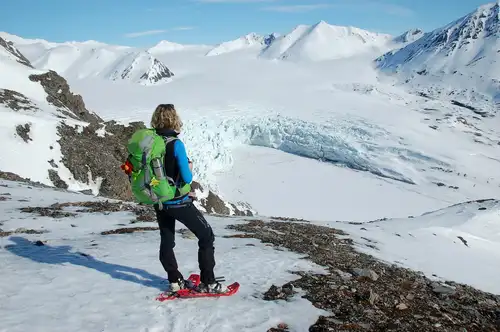
You must be in good general health and you should be able to walk several hours per day. The expedition is ship-based and physically not very demanding. Although we spend as much time as possible ashore, you are welcome to remain aboard the ship if you like. To join most excursions, you must be able to get up and down the ladder from the ship to the water level to board the Zodiacs. Staff will assist you in and out of the boats. This will become progressively easier with practice. Ashore it can be slippery and rocky. You are travelling in remote areas without access to sophisticated medical facilities, so you must not join this expedition if you have a life-threatening condition, or need daily medical treatment.

- All of our motor vessels have safe deposit boxes in the cabins. These small compartments (height 170mm x width 230mm x depth 170mm) are suitable for such items as phones, passports, keys, and jewelry but are not large enough to store larger items like laptops.
- Unfortunately, we're only able to provide voyages to passengers who meet a certain level of physical ability. Rough seas, rugged terrain, and physically demanding weather conditions are all commonly encountered during our voyages, which can at times be challenging even for people in peak physical fitness. The added difficulty of a wheelchair or other physical disability, therefor, could prevent us from making safe and timely shore landings, which in turn may undermine our voyage schedules and potentially put other passengers at risk.
- No, you are not able to get cash advances on the vessel.
- The currency used on all vessels is the Euro, but you can also pay with USD.
- Greenland is the world's biggest island stretching approximately 2800 kilometres (1750 miles) from north to south. 85% of Greenland is covered in ice and is therefore white on the map.
- Greenland uses Coordinated Universal Time (UTC), with a range of UTC +0 to -4. This means that if it is 18:00 UTC (6 p.m.) in Nuuk when you travel to Greenland, it would be 16:00 (4 p.m.) in New York City, USA, 21:00 (9 p.m.) in London, U.K. and 09:00 (9 a.m.) the next morning in the Antarctic South Pole.
- There are in total 16 cabins at the Rembrandt van Rijn: 1 triple Private cabin with porthole (with shower and toilet). 6 twin private inside cabins (with shower and toilet, no porthole). 9 twin cabins (with shower and toilet and porthole) .
- We reserve the right to apply a fuel surcharge. If a fuel surcharge is applicable, you will be informed. Please see our Terms and Conditions section 4.2 for details.

You May Also Like


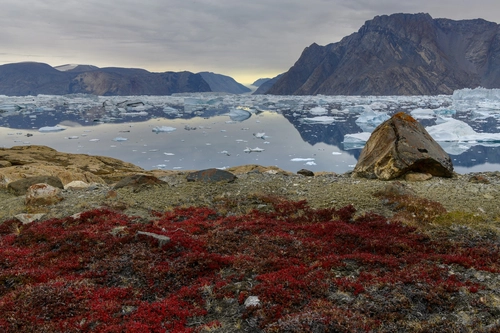
Spitsbergen - Northeast Greenland, Fly & Sail
12 Aug 2026 - 31 Aug 2026 20 Days / 19 Nights
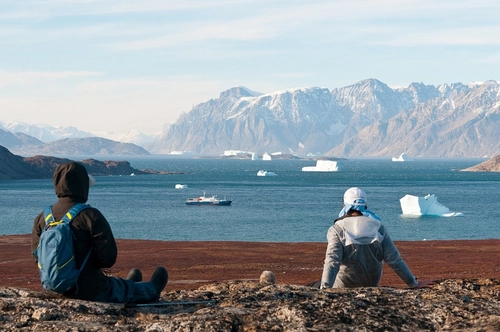
Northeast Greenland Extreme
15 Aug 2026 - 28 Aug 2026 14 Days / 13 Nights

East Greenland, Scoresby Sund, Including Long Hikes
16 Aug 2026 - 25 Aug 2026 10 Days / 9 Nights
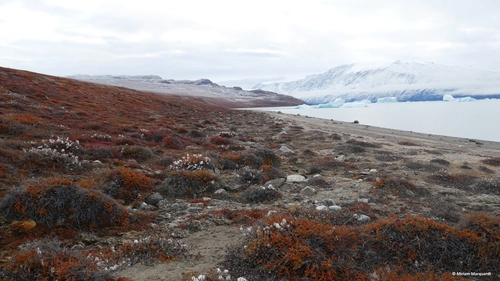
East Greenland, Scoresby Sund - Aurora Borealis, Fly & Sail
21 Sep 2026 - 01 Oct 2026 11 Days / 10 Nights
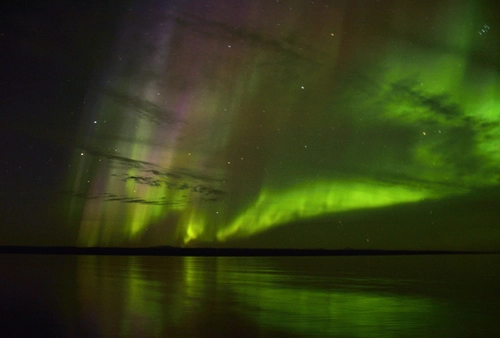
East Greenland, Scoresby Sund - Iceland , Aurora Borealis, Fly & Sail
01 Oct 2026 - 12 Oct 2026 12 Days / 11 Nights
The Norse Settlement of Greenland
Greenland's History: When Vikings Ruled the Ice Age
Six Seal Species You Might See On Your Greenland Cruise
Greenland: East vs. West
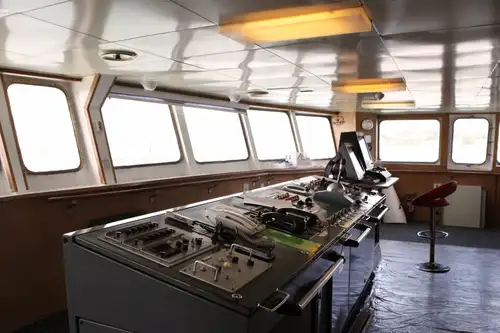
Navigating by touch through the sea ice
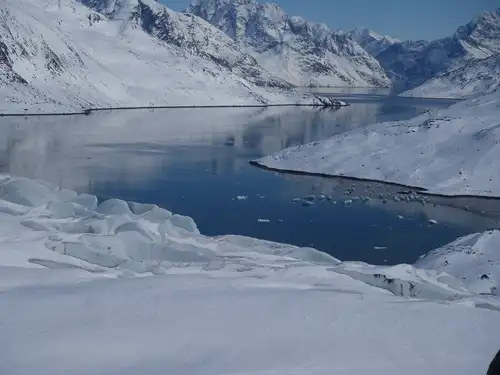
How and When Did Greenland Become Covered in Ice?
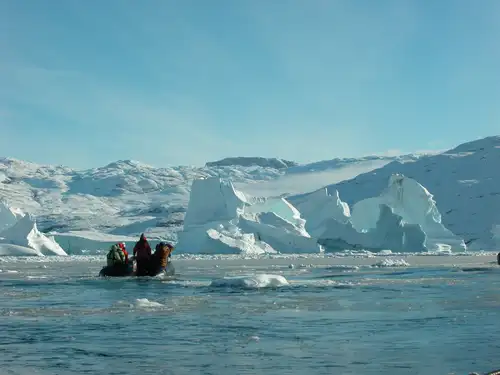
Discover the Scoresby Sund Fjord System in East Greenland
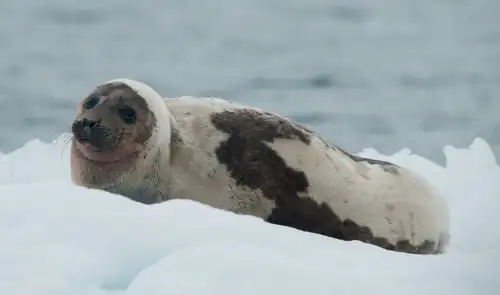
Harp seals harping on in Greenland
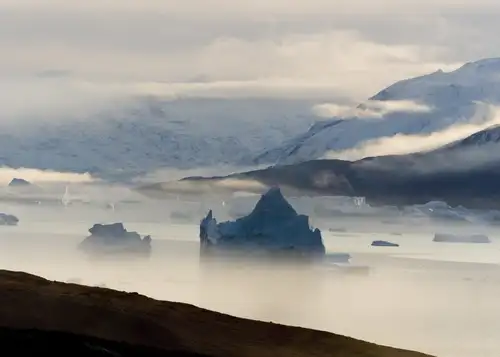
Peaks, Fjords, and Auroras: 14 East Greenland Attractions
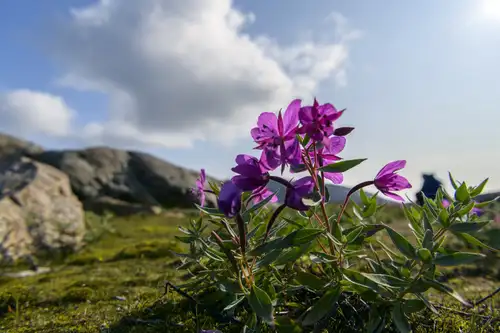
Arctic Flowers, Trees, and Other Plant Life
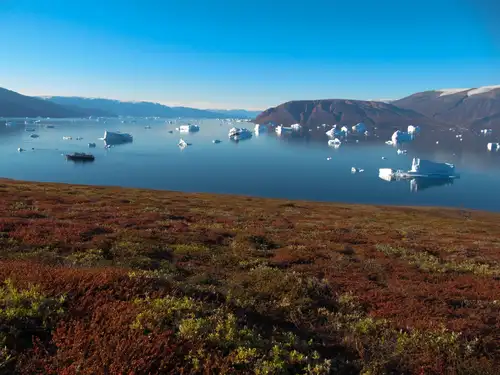
Northeast Greenland National Park
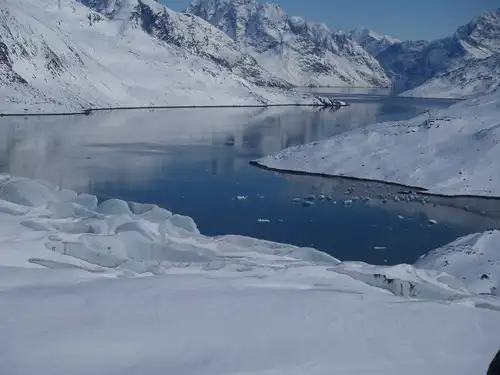
8 Scientific Wonders of the Arctic
Amphibian, reptiles and herbivore mammals in the Arctic
Arctic and Antarctic Basecamp Cruises – Choose Your Own Adventure
5 Misconceptions You Might Have About Greenland

The World Is Changing for Greenland's Native Inuit People
Five Birds You Might See on Your Greenland Cruise
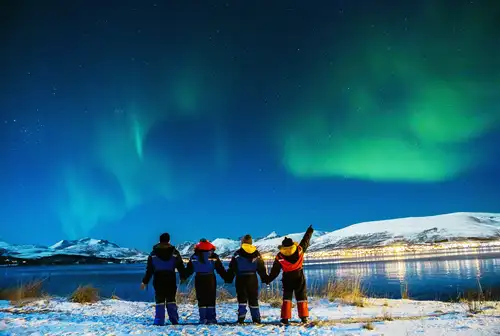
10 Tips for Photographing the Northern Lights

The Arctic Hare: Easter Bunny