Keep It Green Our Commitment To Sustainable Polar Travel - Nexta Expeditions
Keep It Green: Our Commitment to Sustainable Polar Travel

Keep It Green: Our Commitment to Sustainable Polar Travel

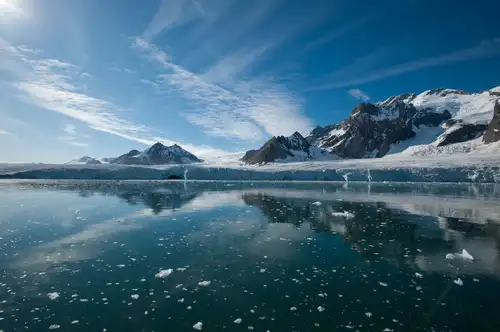
It doesn’t make much sense for expedition travel if every time we visit the polar regions we leave them worse than we found them. And that’s just considering things from a purely human perspective, which we don’t.

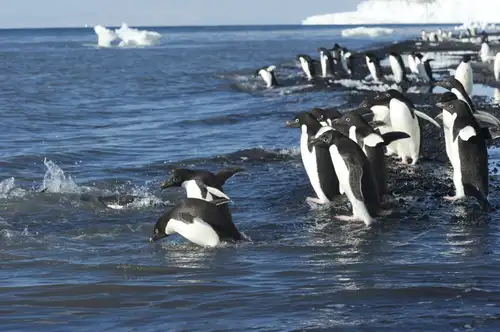
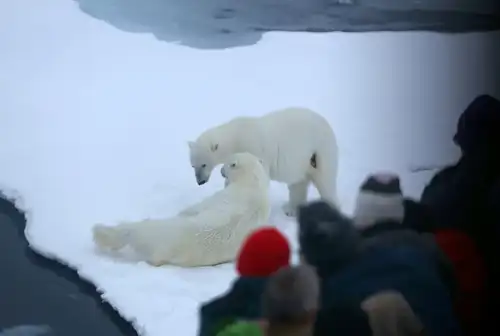
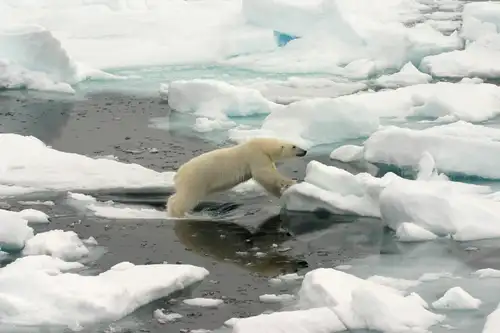
The polar bears, penguins, whales, seabirds, and other animals that depend on these regions surely have much more to say on this issue – and with a lot more expletives.

Taking their health and happiness into account, we strive to implement the most environmentally friendly mode of travel we can, ensuring those who cruise with us that they’re enjoying the polar terrain in the kindest way possible.

Here are a few ways we do this.
blog-image

It starts with the ships

More even than the expedition groups hiking the icy shorelines or kayaking the berg-bejeweled bays, it’s the vessels visiting the polar regions that leave the largest footprint.

This is not just due to their size, but also their numbers: In the 2017-18 season, there were almost 60,000 tourists who visited Antarctica alone, and most of them got there by ship. Indeed, that’s usually the only way to get to these remote locations.

So if the ships aren’t green, neither is the environment.

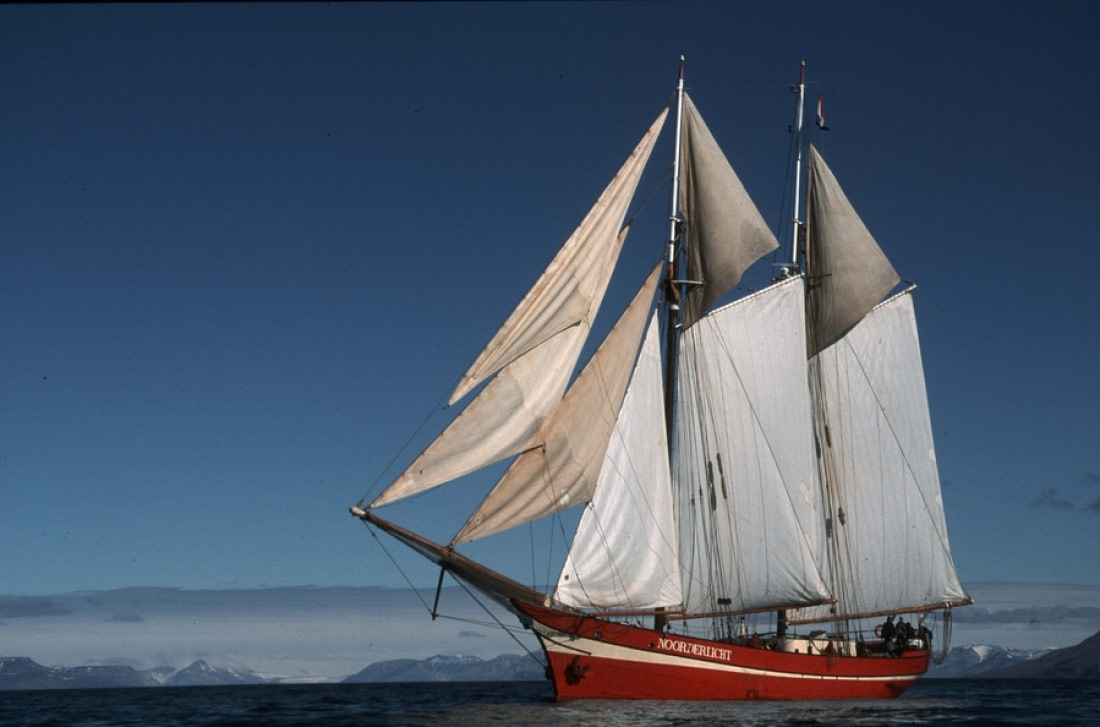
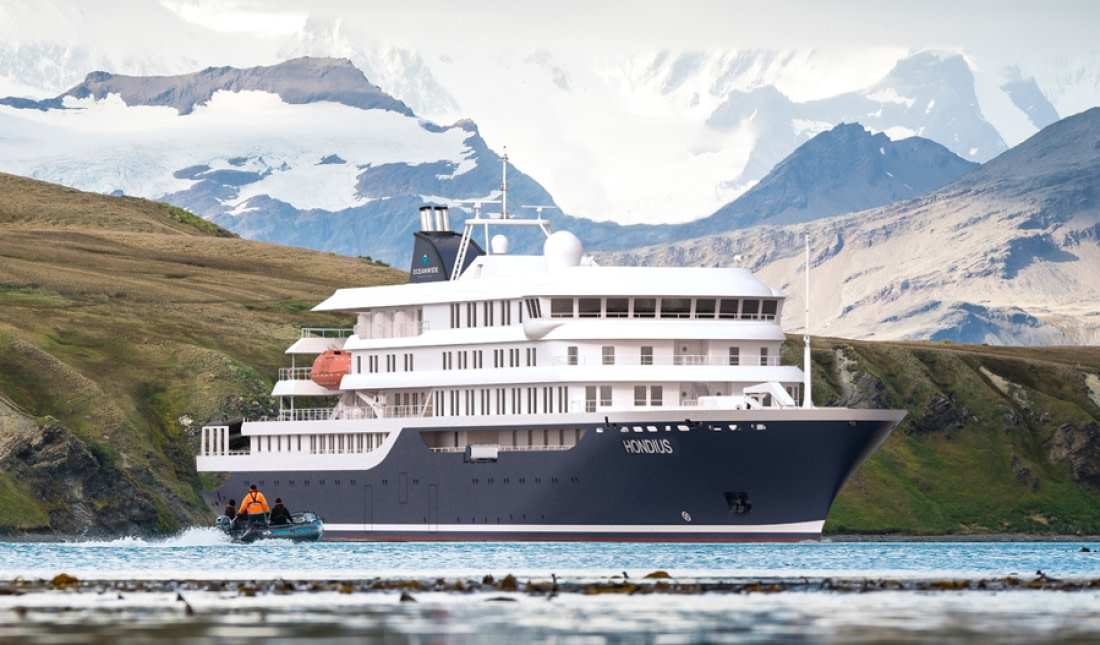
We seek to mitigate this impact by offering a traditional sailing vessel carrying 33 passengers. And our newest vessel, m/v Hondius, was designed from the ground up to employ only the latest green technology.
blog-image

Using LED lighting, steam heat, biodegradable paints and lubricants, and flexible power management systems that keep fuel consumption and CO2 levels low, Hondius will be one of the world’s most environmentally safe ships when it launches in the summer of 2019.

Additionally, next year we’re installing two new engines in our vessel Ortelius. These low-emission engines, like those in our other motorized vessels, comply with all the latest legislation.

We are also phasing out single-use plastics aboard our ships, opting instead for reusable water bottles included in each berth. Passengers can fill these bottles with desalinated water taken directly from the sea, further minimizing impact on the planet.
blog-image

Cleaning polar beaches (and preventing contamination)

On top of making sure the ships are creating less pollution, it’s just as important to remove the pollution that’s already in the environment.

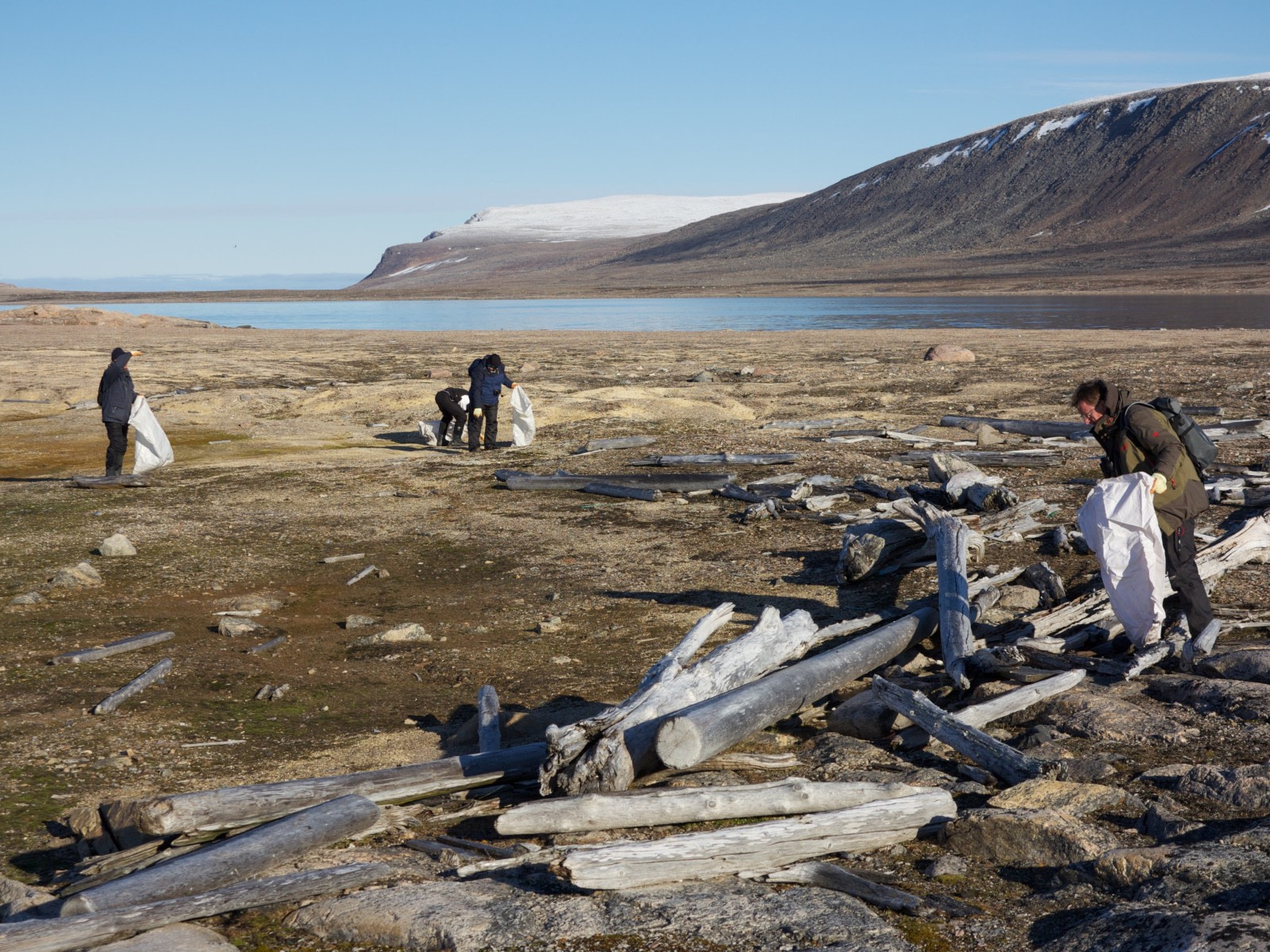
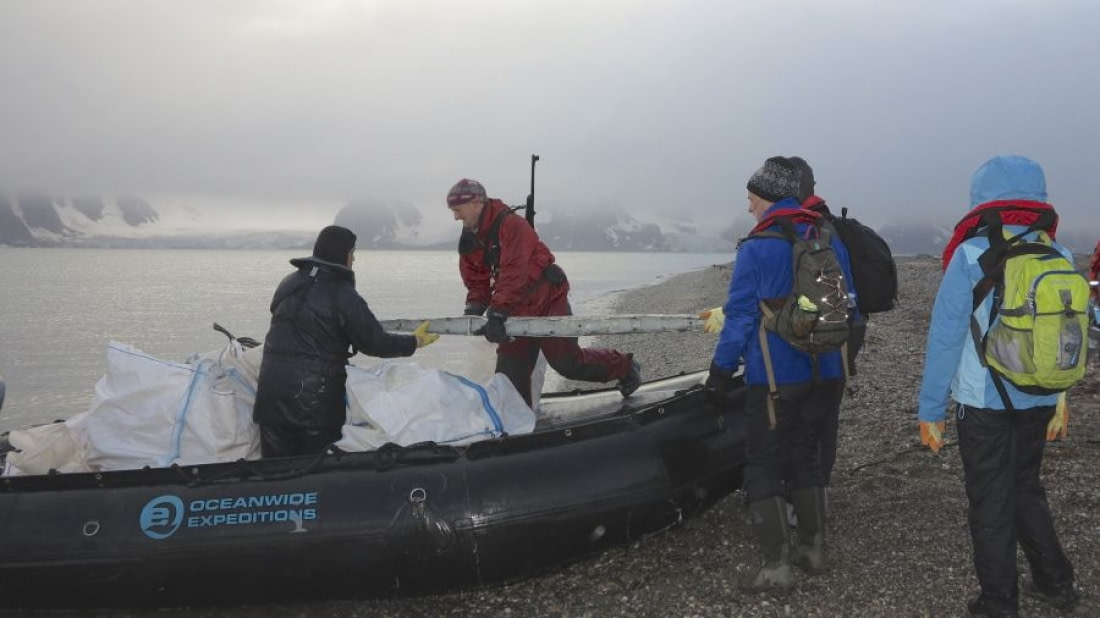
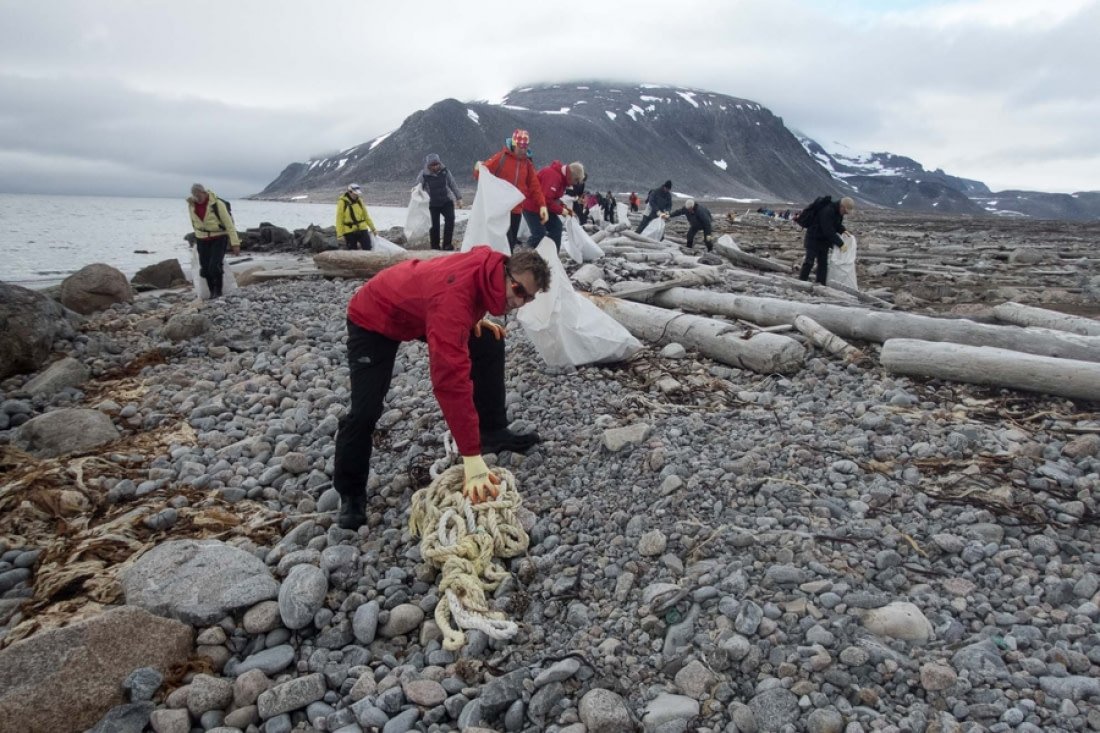
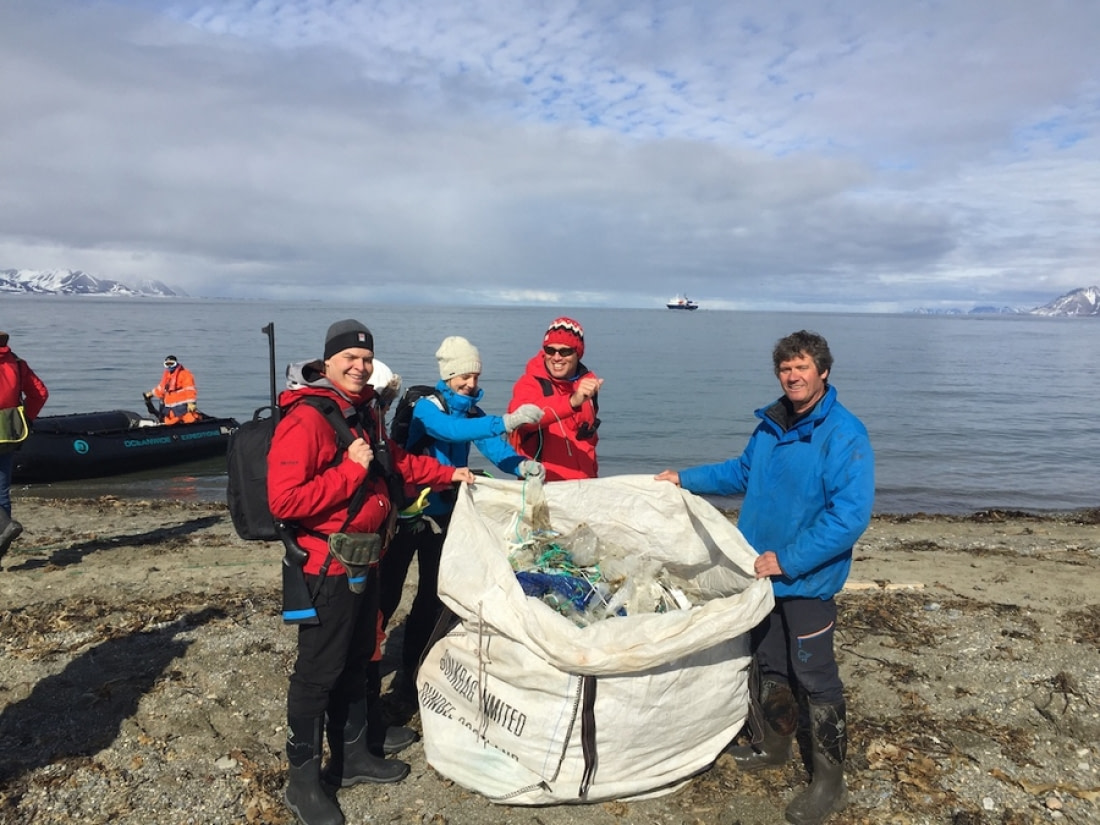
The bulk of Arctic waste washes to the shoreline, polluting feeding grounds. But in 2018, members of the Associated of Arctic Expedition Cruise Operators (AECO) led 128 beach cleanups that eliminated over 40 tons of refuse.
blog-image

These cleaning groups are composed mostly of tourists who volunteer their services during their cruise holidays, helping preserve an environment they’ve grown to love.

Not only that, we assist in the documentation and analysis of Arctic litter: We’re currently helping scientists like Wouter Jan Strietman monitor plastics and microplastics as part of his Arctic Litter Project with Wageningen University & Research.

As most Arctic plastics come from fisheries, part of this project is meant to instruct these large-scale sources of litter in better practices that will prevent future pollution.
blog-image

To further prevent harm to the polar ecosystem, we also work with scientists studying non-native species in the Arctic: Martine Van den Heuvel-Greve, for example, is on our vessel Plancius studying invasive marine species in the Arctic.

As for our own practices, our guests must always clean their boots in solution when leaving or entering the vessels. Plastic, after all, is not the only polar contaminant.
blog-image

Assisting polar climate research

Other long-term sustainability solutions lie in advancing our understanding of climate change, what its effects are, and how we can curtail (or possibly even reverse) its devastating impact.

Scientists in the polar regions, an area that represents the front line of climate change, are working hard to accomplish this by studying ice cores, weather fluctuations, and CO2 concentrations.
blog-image

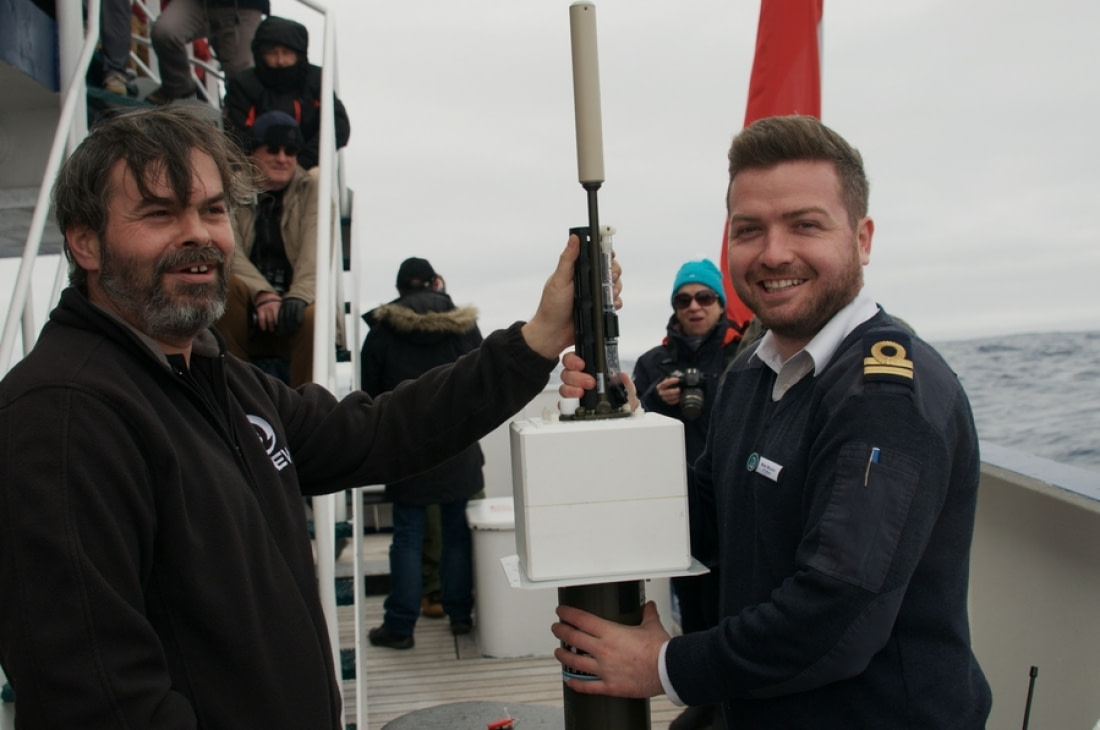
We host many of these researchers aboard our vessels and also hire some of them as lecturer-guides. This enables these scientists to share their findings with our polar passengers, who typically make for a highly receptive audience.

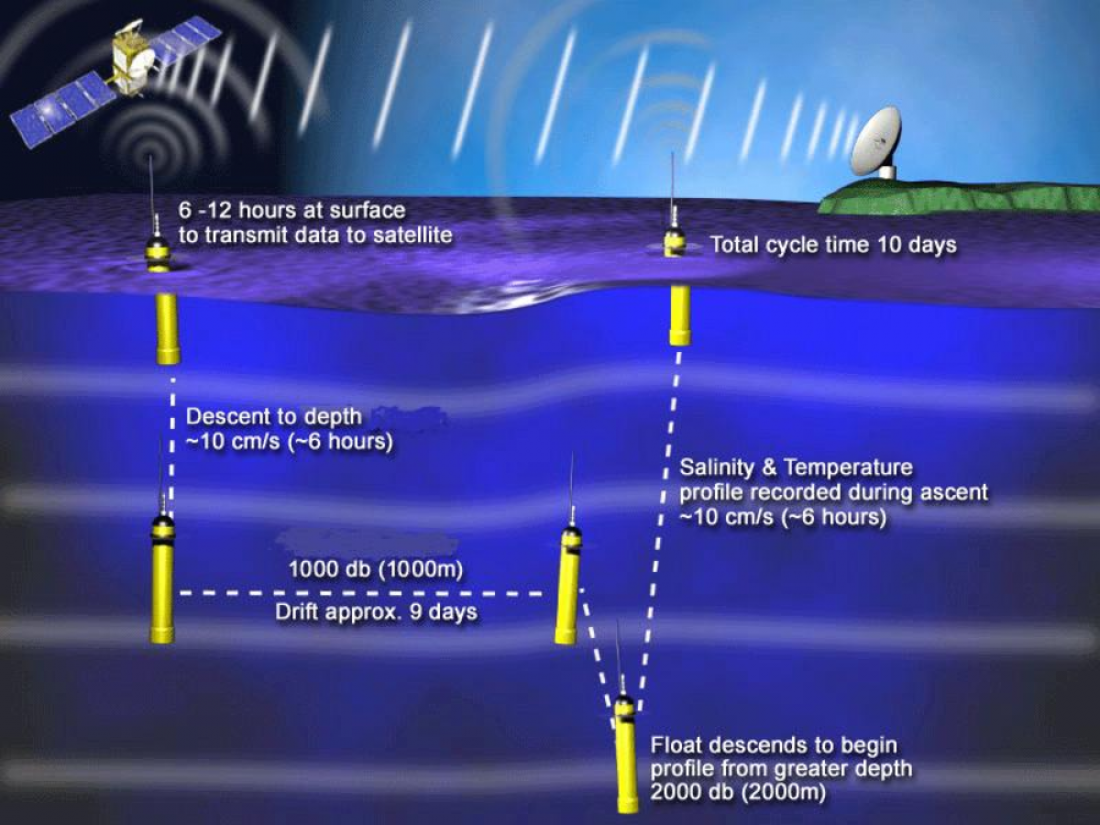
Moreover, we sometimes deliver scientific equipment. We’ve been helping position ARGO floats, for instance, since 2012. These floats measure water temperature, salinity, and pressure, all vital attributes for understanding how climate change impacts the oceans.
blog-image

The polar regions: to see or not to see

The risk-to-reward ratio of expedition travel boils down to a familiar conundrum:

On one hand, if nobody experiences these beautiful environments, how passionate are they likely to be about preserving them? On the other, it may be impossible to eliminate the impact of travel altogether, no matter how green your technology or strict your regulations.

This predicament’s obvious answer, and probably its most realistic, is that we continue zeroing in on that ever-elusive balance between exposure and conservation.

To do this, we have to keep green-tuning our technology to the same extent that we continue advancing our understanding of the vulnerable polar ecosystem.

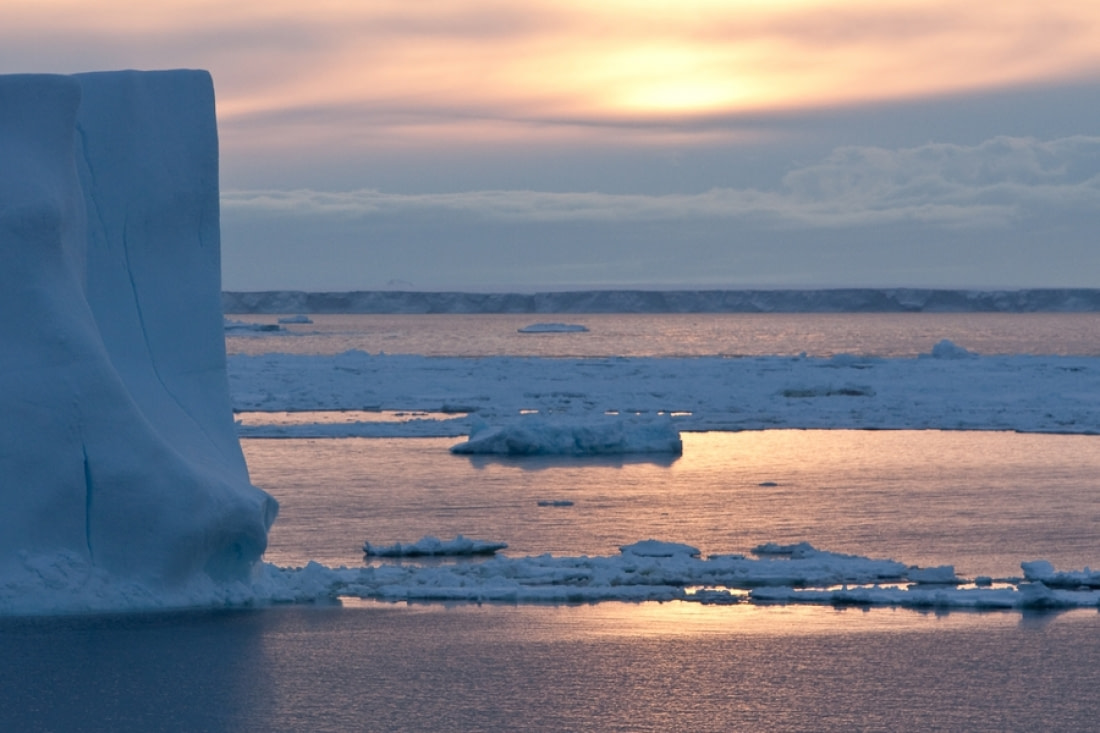
Our end goal should be an expedition industry that protects the polar regions as much as it reveals their transformative beauty to the world. Because while these areas are too good not to share, they’re also too precious (to us least of all) not to protect.

blog-image

Blog
go-leftgo-right

Deception Island deceptively active - Nexta Expeditions
Blog

Deception Island deceptively active

In Antarctica, the South Shetland archipelago is home to Deception Island, a volcanic-rounded island that is 15 km in diameter with a shield volcano. The volcano is mainly basalt-andesite and was one of the first parts of Antarctica to be discovered, probably around 1820 by UK and USA sealers.
Everything you need to know about Antarctic icebergs - Nexta Expeditions
Blog

Everything you need to know about Antarctic icebergs

The ice in Antarctica might seem static, but it is constantly moving. Pieces of ice are continuously breaking off from ice shelves, glaciers, or other icebergs. They float freely along with the Antarctic currents, with about 90 percent of their mass below the surface of the water. This fact is actually what gave rise to the nowadays popular phrase “the tip of the iceberg”. Regardless, the sighting of the first iceberg is always a moment to celebrate in any and all Antarctic expeditions. So that you may appropriately ready yourself for that joyous moment, in this article you will find everything you need to know about Antarctic icebergs.
Path of Polar Heroes: Hiking Shackleton’s Historic Route - Nexta Expeditions
Blog

Path of Polar Heroes: Hiking Shackleton’s Historic Route

“We had seen God in his splendors, heard the text that Nature renders.” ~Ernest Shackleton
True South: A New Flag for a Global Antarctica - Nexta Expeditions
Blog

True South: A New Flag for a Global Antarctica

When Evan Townsend signed up to spend the winter of 2018 working at an Antarctic research station, he had no reason to expect he would end the season by designing a new flag for the continent. He had even less reason to expect the support it would receive.
Seizing the Season: Spitsbergen’s Late Spring, Early Summer - Nexta Expeditions
Blog

Seizing the Season: Spitsbergen’s Late Spring, Early Summer

Most Arctic expedition cruises can be categorized into two main types: those that operate during the autumn and winter, focusing on the northern lights, and those that sail during the high season (mid to late summer), concentrating on a broader range of experiences.
10 Tried-and-True Bird Photography Tips - Nexta Expeditions
Blog

10 Tried-and-True Bird Photography Tips

It’s easy to understand our fascination with birds: they’re beautiful, graceful (usually), and most of them have the power of flight.
The Wildlife of Antarctica’s Seas and Skies - Nexta Expeditions
Blog

The Wildlife of Antarctica’s Seas and Skies

Antarctica is one of the most pristine environments on Earth, home to whales, penguins, seals, and birds, providing nature lovers with a treasure trove of wildlife memories to take back home.
International Polar Bear Day - Nexta Expeditions
Blog

International Polar Bear Day

It will come as no surprise to you that we're crazy about polar bears. We have multiple blogs about where to find polar bears, we offer dozens of polar bear trips, and we've even written a short story from a polar bear's point of view. (Yes, we actually did that.) So if you were to say that our love of polar bears borders on obsession, you wouldn't be far off.
All About Ice: Glaciers and Icebergs of the Arctic and Antarctica - Nexta Expeditions
Blog

All About Ice: Glaciers and Icebergs of the Arctic and Antarctica

It will come as no surprise to you that we're crazy about polar bears. We have multiple blogs about where to find polar bears, we offer dozens of polar bear trips, and we've even written a short story from a polar bear's point of view. (Yes, we actually did that.) So if you were to say that our love of polar bears borders on obsession, you wouldn't be far off.
Day and night in Antarctica - Nexta Expeditions
Blog

Day and night in Antarctica

At the Concordia station, a French-Italian research facility situated 3,233 meters above sea level at Dome C on the Antarctic Plateau, European Space Agency (ESA) scientists are investigating the effects of extended space missions. The station is more isolated than the International Space Station, with the nearest humans located 600 kilometers away.
10 Common Misconceptions About the Arctic - Nexta Expeditions
Blog

10 Common Misconceptions About the Arctic

The Arctic is a vast region. Truly immense.
Antarctic Icon: 44 Facts About the Emperor Penguin - Nexta Expeditions
Blog

Antarctic Icon: 44 Facts About the Emperor Penguin

What polar bears are for the Arctic, emperor penguins are for Antarctica. These flightless aquatic birds are probably the most recognizable animals in the southern polar regions and certainly among the most popular wildlife attractions for our passengers.
Six Must-See Svalbard Sites - Nexta Expeditions
Blog

Six Must-See Svalbard Sites

It's home to humanity's last-ditch supply of crop seeds, the world's northernmost settlement of over 1,000 people, and it is one of the best places on Earth to spot a polar bear.
Scoresby Sund: the Greatest Greenland Adventure - Nexta Expeditions
Blog

Scoresby Sund: the Greatest Greenland Adventure

In a land of expansive mountains, colossal glaciers, and majestic shorelines, few places are as expansive, colossal, or majestic as Scoresby Sund.
Imperial Antarctica: the Snow Hill Emperor Penguins - Nexta Expeditions
Blog

Imperial Antarctica: the Snow Hill Emperor Penguins

Recently, a rare achievement was made by visiting Antarctica’s northernmost emperor penguin colony on Snow Hill Island. Typically surrounded by impassable pack ice, Snow Hill is a notoriously difficult destination in the Weddell Sea cruise itinerary, only accessible using helicopters carried especially for this purpose.
Arctic vs. Antarctica: A Traveler’s Guide - Nexta Expeditions
Blog

Arctic vs. Antarctica: A Traveler’s Guide

Sunrises vs. sunsets, coffee vs. tea, Wonder Woman vs. Superman...
Why You Should Visit Greenland: 11 Things to See, Do, and Explore - Nexta Expeditions
Blog

Why You Should Visit Greenland: 11 Things to See, Do, and Explore

There's nothing quite like witnessing your first Greenland glacier, navigating into the island's largest fjord system (which also happens to be Earth's largest), or observing a humpback whale breach over the dark Greenland Sea.
An igneous paradise: Franklin Island - Nexta Expeditions
Blog

An igneous paradise: Franklin Island

In the most remote reaches of the world's oceans, those daring enough to embark on the Ortelius to the Ross Sea eagerly boarded zodiacs in the southernmost part of the Pacific Ocean.
Orcas of the Polar Seas - Nexta Expeditions
Blog

Orcas of the Polar Seas

The orca, also known as the killer whale, is the apex marine predator and possibly the most widespread vertebrate on the planet. While they are most numerous in colder regions like Antarctica, Norway, and Alaska, they also inhabit tropical and subtropical seas. Here, we’ll explore some essential orca facts you might want to know before encountering them in person, concluding with a fantastic video showcasing our top ten favorite killer whale facts.
Polar bear feast - Nexta Expeditions
Blog

Polar bear feast

The polar bear was relishing his meal; the snow and his face were turning red from the blood. As we observed him eating, our own stomachs began to grumble. It was time for lunch.