Five Reasons You Should Cruise The Ross Sea Immediately - Nexta Expeditions
Five Reasons You Should Cruise the Ross Sea Immediately

Five Reasons You Should Cruise the Ross Sea Immediately

In our search for lesser-known holiday spots that still offer fully developed amenities like spas and gift shops, we often miss out on some of the planet's truly underrated treasures.

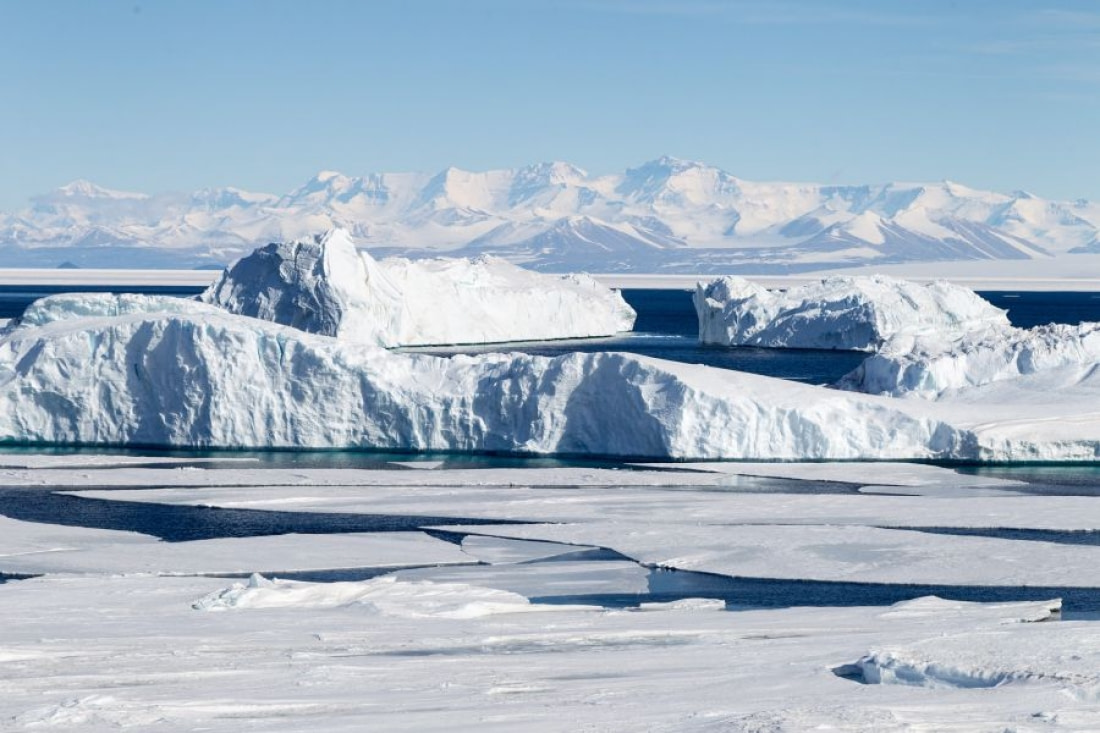
One such treasure is the Ross Sea, a vast expanse of over 600,000 square km (246,000 square miles) of ice-filled bay that even many dedicated polar enthusiasts rarely visit.

Situated between Antarctica’s Victoria Land and Marie Byrd Land, the Ross Sea is one of the least-visited polar regions in the world. Its isolation, harsh weather, and months of unbroken ice make it a less common destination among Antarctic travelers.

However, this shouldn't deter you from exploring it. Here are five compelling reasons to visit the Ross Sea.
blog-image

1. Ross Sea wildlife is among Antarctica’s most abundant

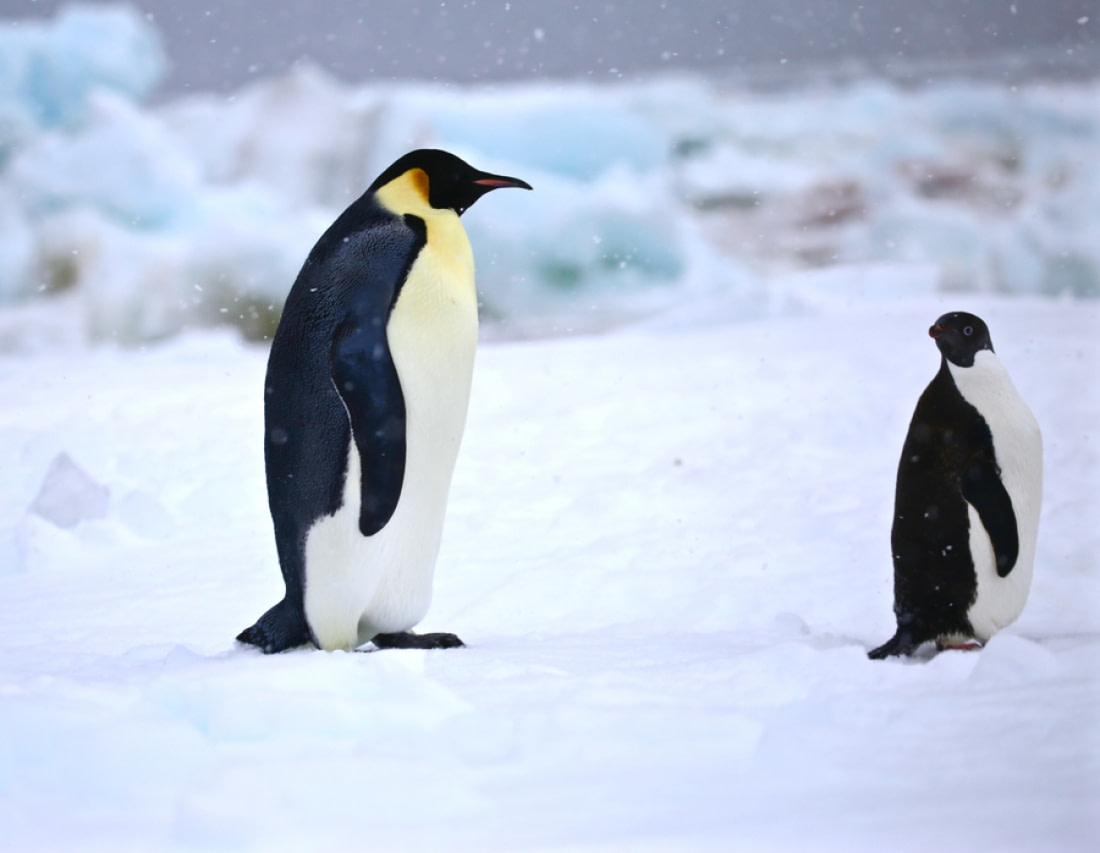
If iconic penguin species like emperors and Adélies aren't enough to entice you, consider the other wildlife in the Ross Sea: orcas, minke whales, Weddell and leopard seals, petrels, skuas, and countless other seabirds.

With 1,000 invertebrate species, 95 fish species, and 10 mammal species, the Ross Sea offers a rich array of wildlife that will leave you in awe.
blog-image

2. The Ross Ice Shelf is the largest ice formation of its kind

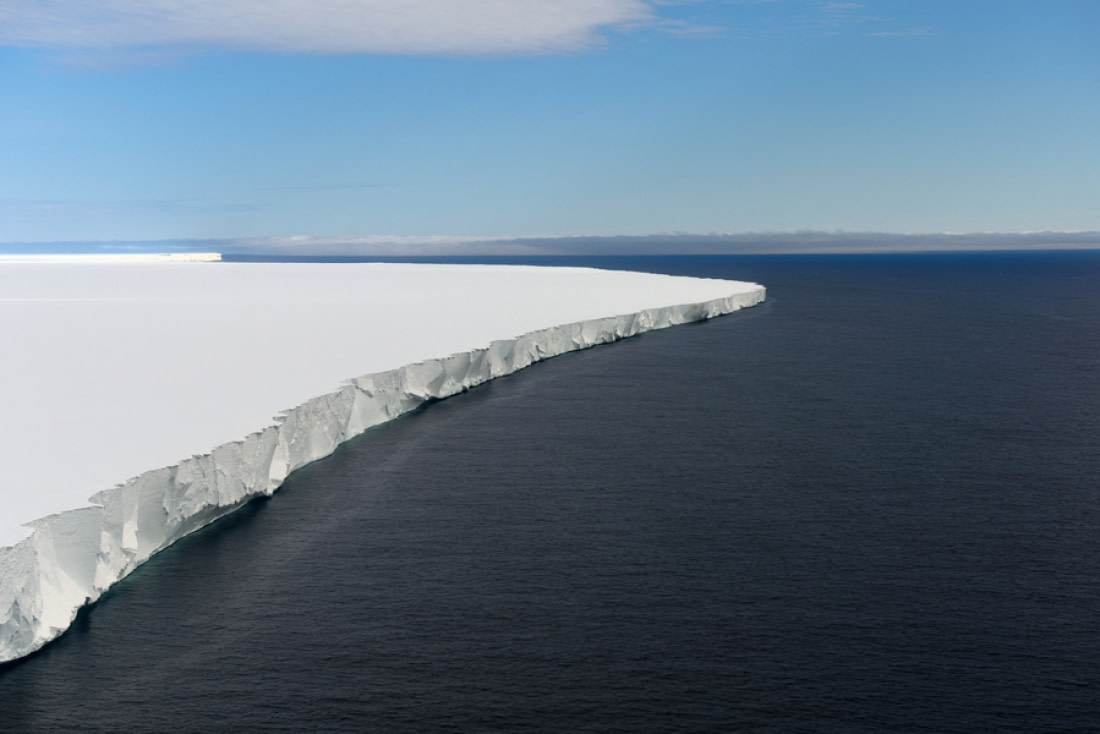
The Ross Ice Shelf spans 500,809 square km (193,363 square miles), making it comparable in size to some large countries like France, but with far less human traffic.

This ice shelf is several hundred meters thick, with about 90 percent of its mass hidden below the water's surface. On a Ross Sea cruise, you'll witness the impressive ice front, which stretches over 600 km (370 miles) and rises 15 to 50 meters (50 to 160 feet) above the sea.
blog-image

3. Some of the world’s greatest expeditions took place in the Ross Sea

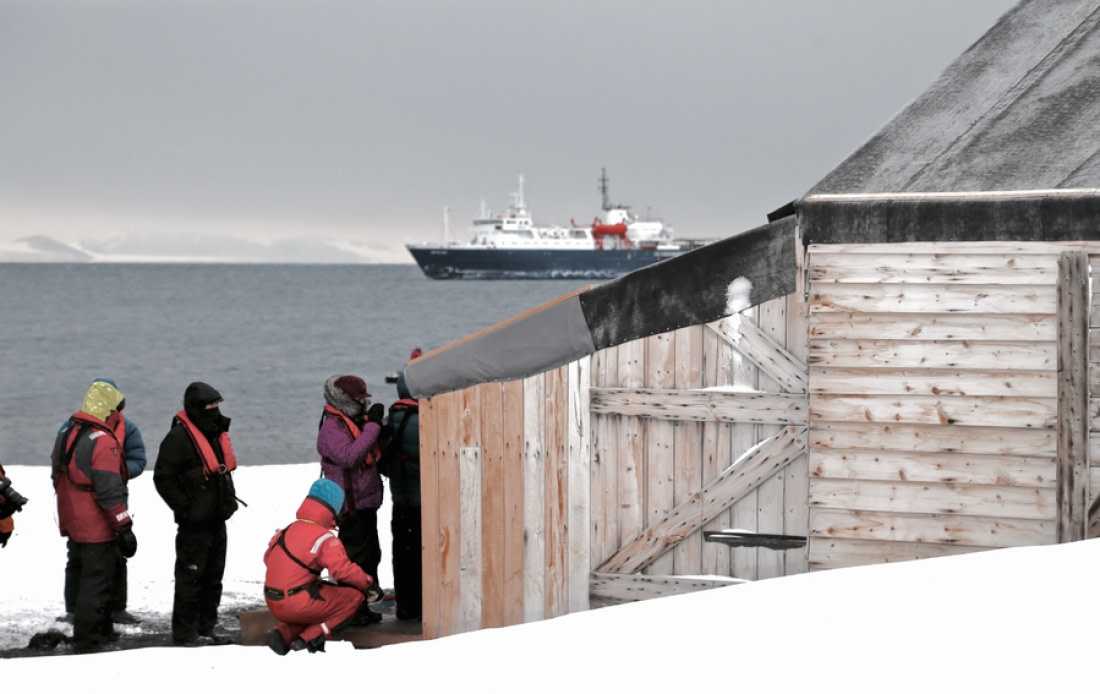
Legendary explorers like Shackleton, Scott, and Borchgrevink undertook some of their most daring expeditions in the Ross Sea.

Three huts built by these explorers to survive the harsh Antarctic winters still stand as silent witnesses to their trials. You can visit these historic huts on your Ross Sea voyage, as the route is partially designed around them.
blog-image

4. The Ross Sea has the southernmost active volcano on the planet

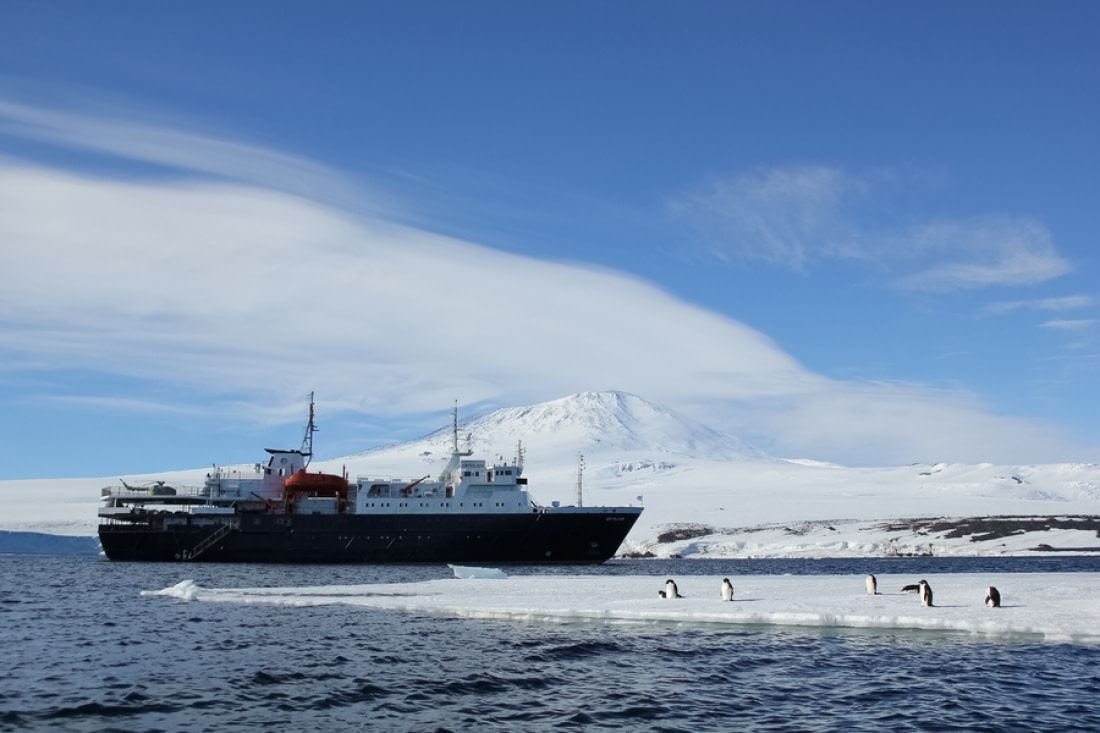
Even if you're not a volcano enthusiast, visiting the world's southernmost active volcano, Mount Erebus, is a unique experience.

Mount Erebus is the second-tallest volcano in Antarctica, standing at 3,794 meters (12,448 feet), and the sixth-highest mountain on the continent. It has been active for about 1.3 million years, making it a fascinating geological feature.

That's a long lifespan for a volcano that continuously erupts with flaming magma from deep within the Earth's crust.
blog-image

5. Earth’s second-largest marine reserve is in the Ross Sea

The Ross Sea is home to the world's second-largest marine reserve, a testament to its ecological importance.

In 2016, the Commission for the Conservation of Antarctic Marine Living Resources (CCAMLR) successfully established marine protection for the Ross Sea after years of effort.

This protection is crucial not only for preserving the area's rich biodiversity but also because the Ross Sea remains largely untouched by human activity. Its pristine beauty and ecological significance make it a must-visit destination.

Bonus reason: helicopters

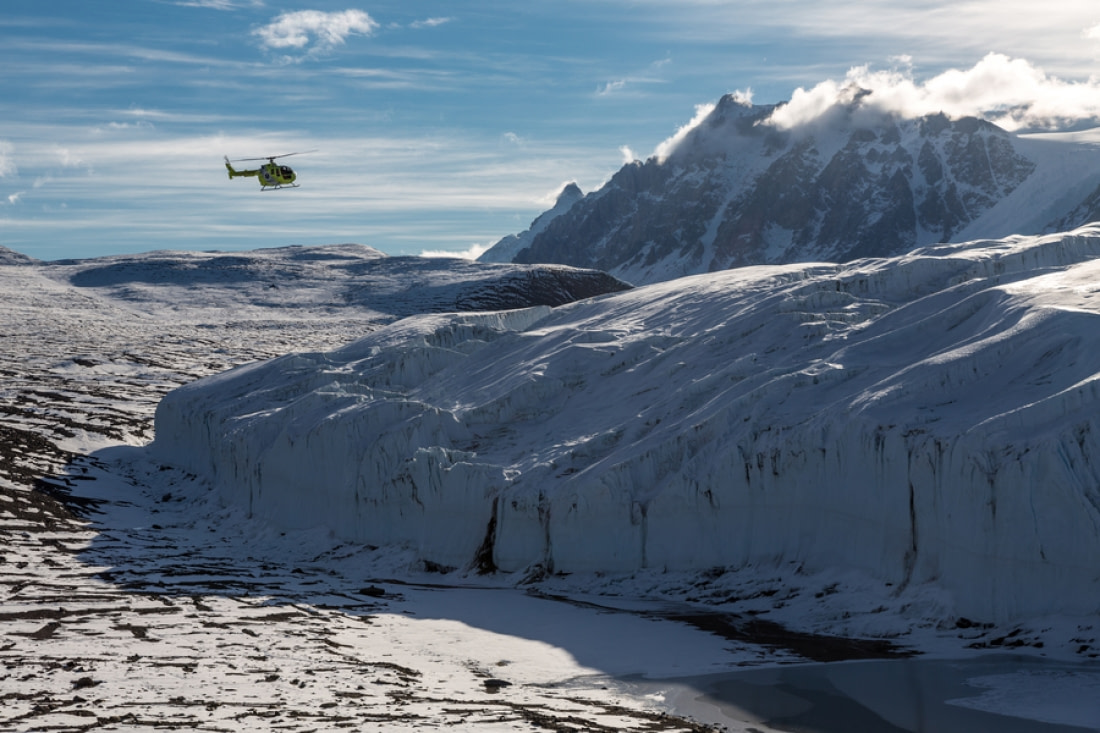
Did we mention the helicopters? Yes, you can also experience the Ross Sea from above, soaring over its snowy expanses in a helicopter. While we have our own theories about how amazing this is, we'll let you decide for yourself.

blog-image

Blog
go-leftgo-right

Adding Antarctica to Your Seven-Continents Bucket List - Nexta Expeditions

Blog

Adding Antarctica to Your Seven-Continents Bucket List

Many travelers aspire to visit all seven continents, a goal that fits naturally with the concept of a "bucket list," a term popularized by the 2007 movie.
Shackleton’s Push to the South Pole - Nexta Expeditions
Blog

Shackleton’s Push to the South Pole

On the evening of February 11, 1907, Irish-born polar explorer Ernest Shackleton, already among the more famous polar explorers in the world, announced his intention to embark on a momentous Antarctic expedition.
Polar Bear Sets Impressive New Diving Record - Nexta Expeditions
Blog

Polar Bear Sets Impressive New Diving Record

According to polar bear experts Rinie van Meurs and Dr. Ian Stirling, the new record for polar bear diving is an astounding three minutes and 10 seconds. Unless this particular polar bear has an unusually large lung capacity, we can now safely assume that these creatures have the ability to remain underwater for an extended period of time.
Fierce and Feathered: the Skuas of Antarctica - Nexta Expeditions

Blog

Fierce and Feathered: the Skuas of Antarctica

At first glance, the skuas you encounter in Antarctica may appear to be merely darker-feathered seagulls. But looks can be deceiving.
What to pack for your Atlantic Odyssey voyage? - Nexta Expeditions
Blog

What to pack for your Atlantic Odyssey voyage?

When packing, avoid burdening yourself with excessive clothing or gear. Opt for casual, practical attire that can be layered. Consider including the following:
Five Reasons Why Snowshoeing is a Perfect Polar Activity - Nexta Expeditions
Blog

Five Reasons Why Snowshoeing is a Perfect Polar Activity

One of the most beloved polar sports is also one of the oldest. Snowshoeing has been the preferred means of foot travel in the Arctic since antiquity, and in the years since Antarctica was discovered, it has been highly popular among researchers and polar tourists alike.
Five Birds You Might See on Your Greenland Cruise - Nexta Expeditions
Blog

Five Birds You Might See on Your Greenland Cruise

A Greenland expedition cruise offers birdwatchers a unique opportunity to capture stunning avian photographs. With over 230 bird species, Greenland boasts both spectacular landscapes and diverse winged wildlife.
A Look Into the International Research Stations of Antarctica - Nexta Expeditions
Blog

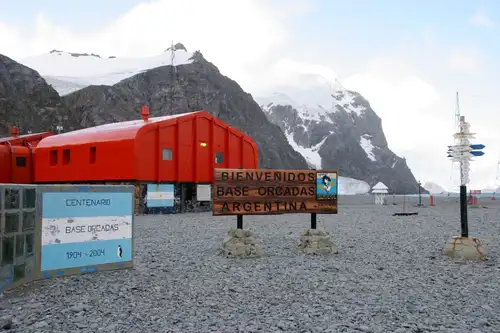
A Look Into the International Research Stations of Antarctica

In 1902, William S. Bruce, along with a team of naturalists, explorers, and sailors, embarked on the first Scottish expedition to Antarctica’s South Pole aboard the Scotia. The Scottish National Antarctic Expedition (SNAE) aimed to establish the continent's first meteorological station and explore its largely undocumented biological, topographic, and meteorological features.
Shackleton’s Long-Lost Endurance Discovered in Antarctica - Nexta Expeditions
Blog

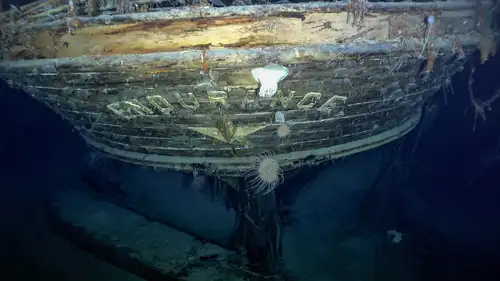
Shackleton’s Long-Lost Endurance Discovered in Antarctica

A discovery expedition launched by the Falklands Maritime Heritage Trust achieved a long-awaited mission when it located Anglo-Irish explorer Ernest Shackleton’s lost ship Endurance last Saturday (March 5).
Antarctic Icon: 44 Facts About the Emperor Penguin - Nexta Expeditions
Blog

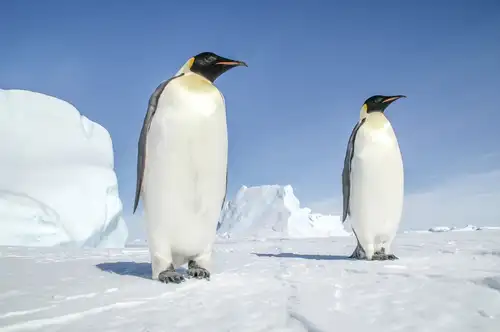
Antarctic Icon: 44 Facts About the Emperor Penguin

What polar bears are for the Arctic, emperor penguins are for Antarctica. These flightless aquatic birds are probably the most recognizable animals in the southern polar regions and certainly among the most popular wildlife attractions for our passengers.
10 Illuminating Facts about the Northern Lights - Nexta Expeditions

Blog

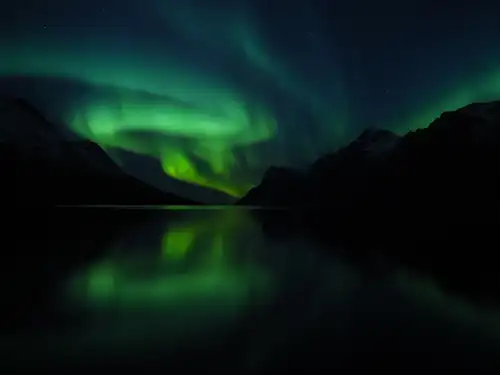
10 Illuminating Facts about the Northern Lights

In Roman mythology, Aurora was the goddess of the dawn. The term "borealis" is derived from the Greek word for "wind." Thus, "aurora borealis" translates to "dawn wind," commonly known as the Northern Lights. This natural phenomenon has captivated humanity for millennia and remains a major attraction in the Arctic, with numerous cruises dedicated to witnessing this mesmerizing light display.
The World Is Changing for Greenland's Native Inuit People - Nexta Expeditions
Blog

The World Is Changing for Greenland's Native Inuit People

You may know them as Eskimos, but the people of the Arctic are officially called the Inuit. Historically, they were hunters in the truest sense. For hundreds of years, they survived the world’s harshest conditions, living off their prey of whales, seals, polar bears, musk oxen, birds, fish, and reindeer. This has always been their way of life.
What’s so Special about East Spitsbergen? - Nexta Expeditions
Blog

What’s so Special about East Spitsbergen?

We’ve previously discussed our north Spitsbergen journeys and Spitsbergen circumnavigations, but the eastern parts of this incredible island have not received the attention they deserve. Despite the name, our east Spitsbergen voyages explore much more than just the eastern side of Spitsbergen.
Large and in Charge: Antarctica’s Southern Elephant Seals - Nexta Expeditions
Blog

Large and in Charge: Antarctica’s Southern Elephant Seals

Southern elephant seals are the largest species of seal on the planet and a highlight among Antarctica cruise wildlife.
15 Toothy Facts About the Atlantic Walrus - Nexta Expeditions
Blog

15 Toothy Facts About the Atlantic Walrus

The walrus is one of the most recognizable animals on the planet, and for good reason. Try sneaking into a cinema with those tusks!
The Best Arctic and Antarctic Trips for Families - Nexta Expeditions
Blog

The Best Arctic and Antarctic Trips for Families

Polar expedition cruises are often enjoyed by couples and an increasing number of solo travelers, but they can also be a fantastic adventure for families. If you have the budget to bring the whole family along, there are various polar trips that will make everyone equally excited about the ice.
Greenland's History: When Vikings Ruled the Ice Age - Nexta Expeditions
Blog

Greenland's History: When Vikings Ruled the Ice Age

A Greenland cruise offers a journey into a rich history filled with intriguing details that captivate polar expedition enthusiasts. Among the most fascinating historical aspects is the fact that Vikings once ruled this land. Anthropologists and climate scientists have long studied Greenland to pinpoint when and why the Vikings left. Recent findings have shed new light on this historical culture.
What the ice reveals about Antarctica - Nexta Expeditions
Blog

What the ice reveals about Antarctica

The continent you'll explore during your Antarctica cruise is far more than just an ice-covered land with penguins, whales, and seals. Beneath the thick ice lie hidden freshwater lakes teeming with thousands of microbes, hinting at a diverse array of life. In 2013, a team of researchers obtained the first uncontaminated water sample ever retrieved directly from an Antarctic lake.
5 Life Lessons You'll Learn in Antarctica - Nexta Expeditions
Blog

5 Life Lessons You'll Learn in Antarctica

Embarking on a journey to the Antarctic might seem daunting. However, cruise lines strive to simplify the process as much as possible. They typically assist with travel insurance, guide you to the embarkation point, and advise on the appropriate clothing to bring.
Narwhals: the Aquatic Unicorns of the Arctic - Nexta Expeditions
Blog

Narwhals: the Aquatic Unicorns of the Arctic

Though narwhals are among the rarest whale species encountered during our Arctic expeditions, a journey to the Arctic regions of Greenland and Svalbard always holds the potential for spotting these elusive creatures.