South Spitsbergen - Bear Island - Norway

Description
Highlights
Prices
Price start from :
$
3,050
Contact Us
calendar-img07 September 2026 - 12 Sep 2026
clock-img6 Days/5 Nights
route-imgLongyearbyen - Tromsø
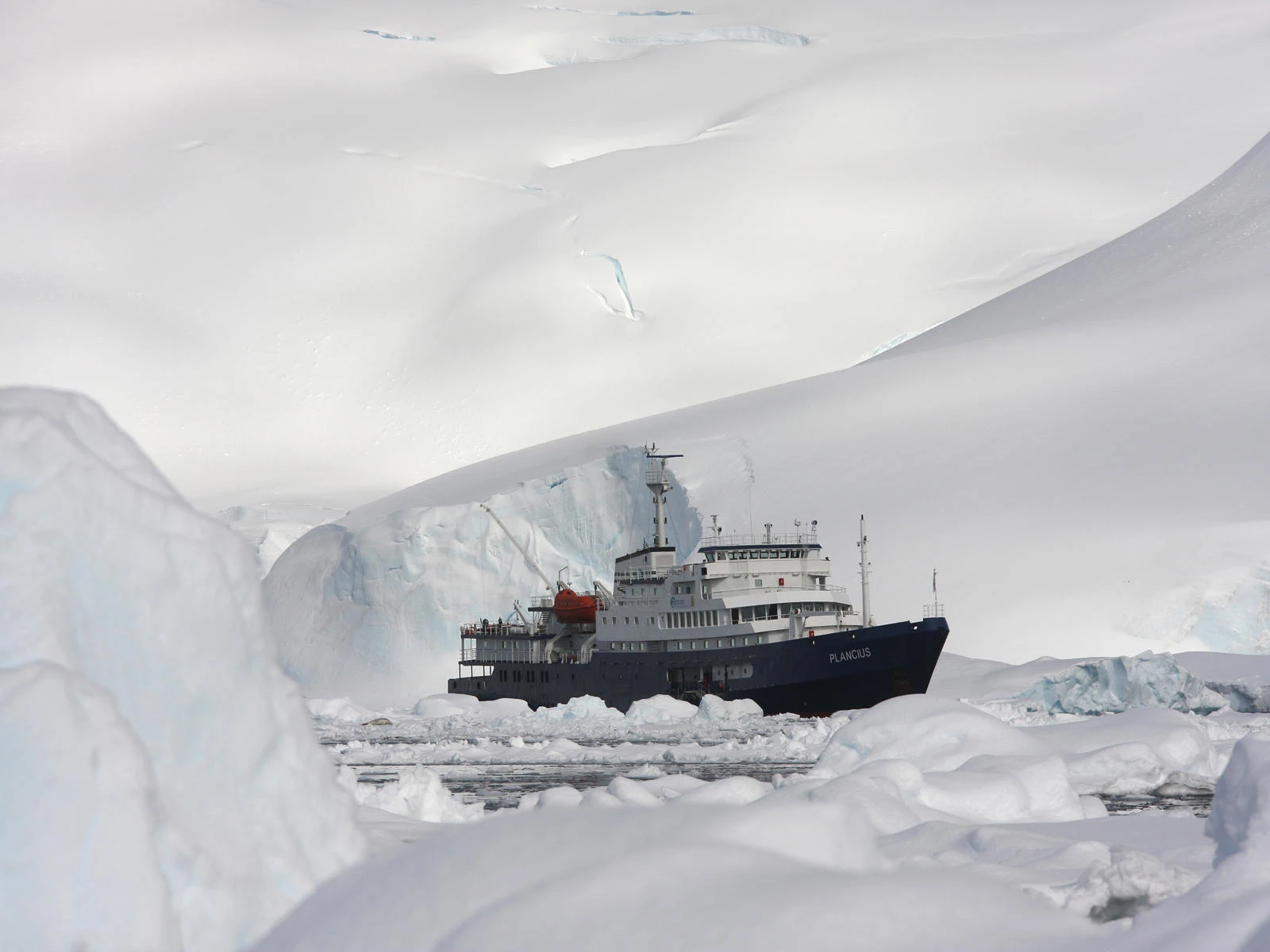
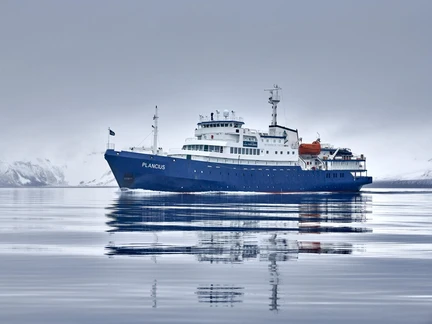
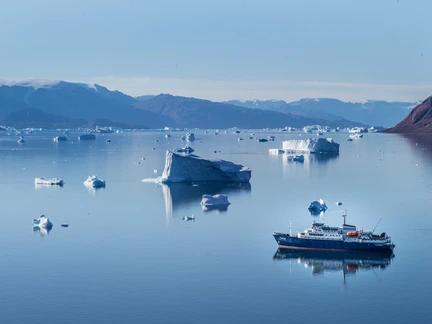
m/v Plancius
South Spitsbergen - Bear Island - Norway - gallery 0
Description
Cabins and Pricing
Ship Information
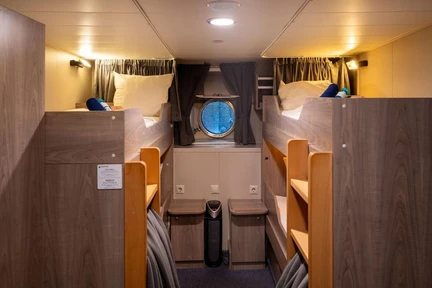
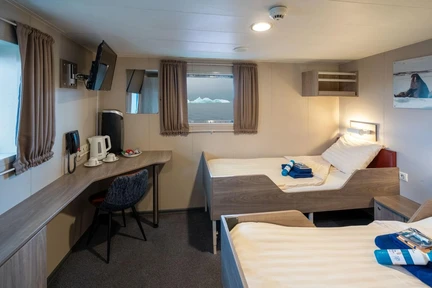
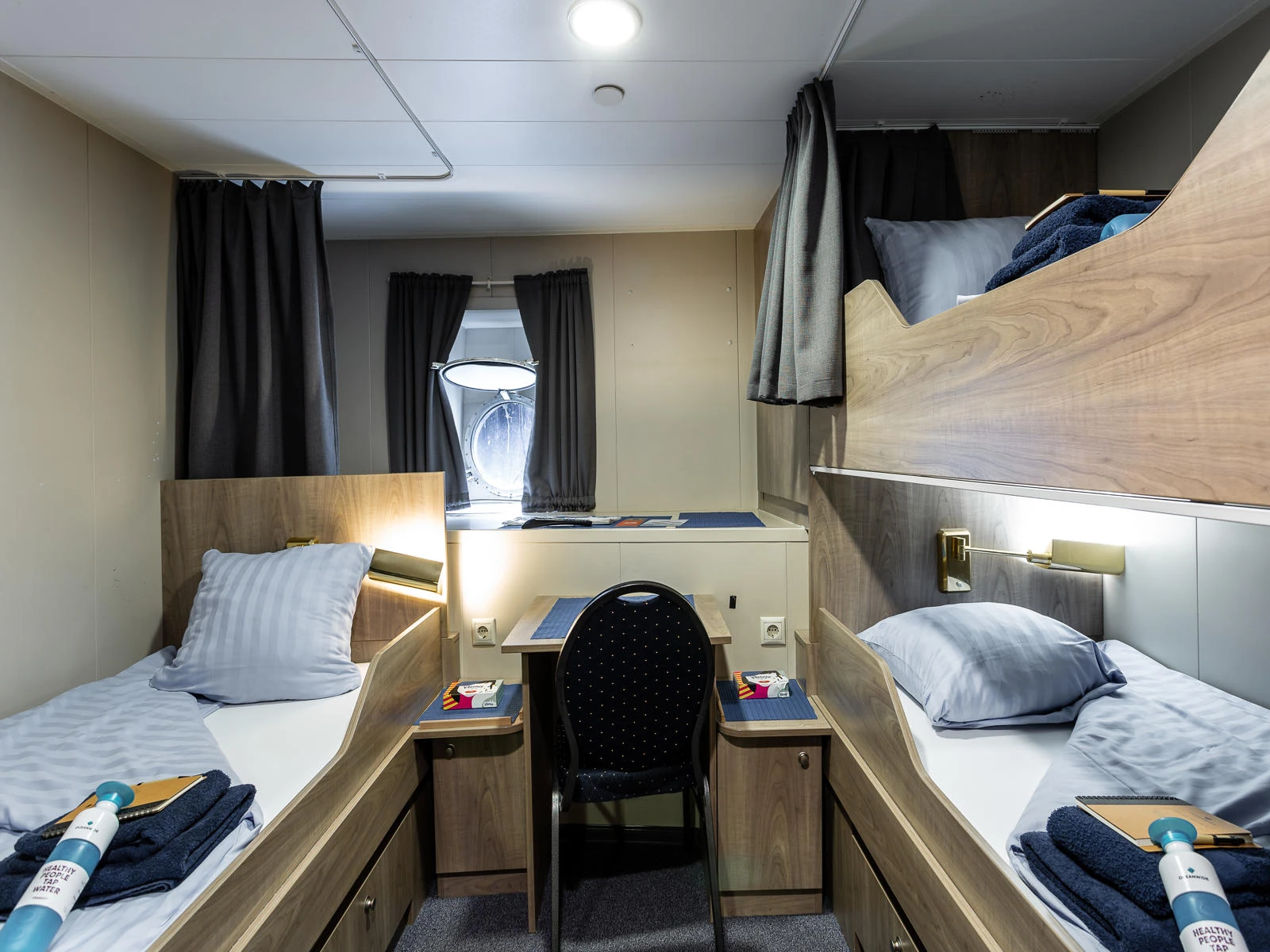
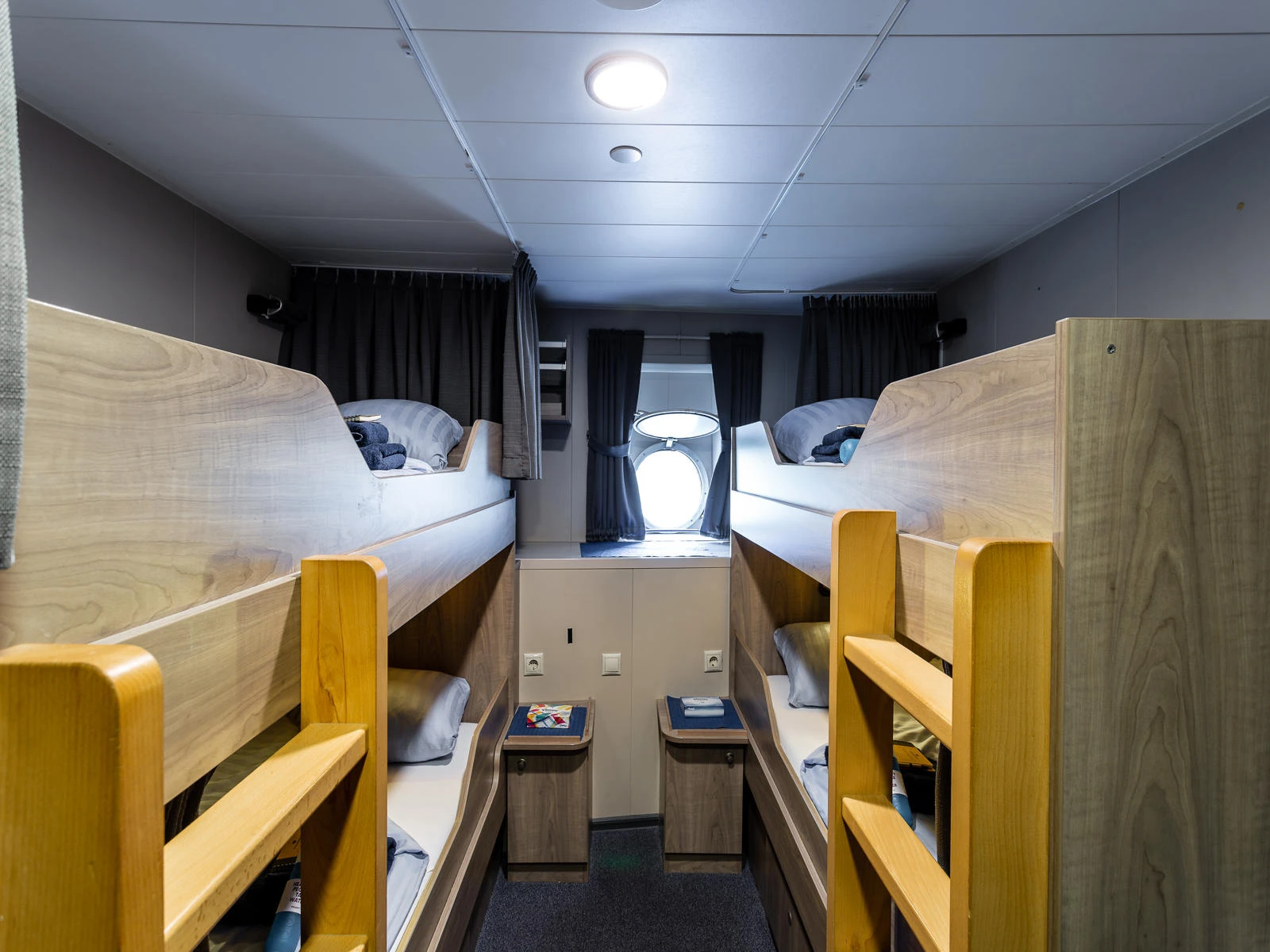
Quadruple Porthole
More Details
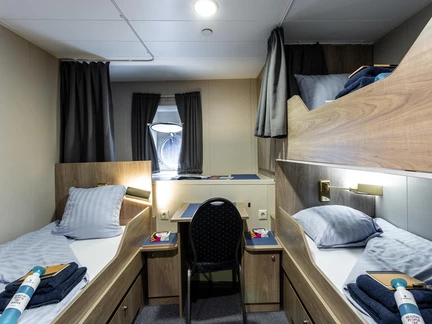
Quadruple Porthole
2 upper & lower berths
Shower
Shower
Tv
Tv
Hair Dryer
Hair Dryer
Deposit Box
Deposit Box
Family
Family
Wi-Fi
Wi-Fi
Storage
Storage
Complete Cabin
person-fill person-fill person-fill person-fill
USD
12200
Price for the complete cabin, fully occupied.
Request
Sharing Cabin
person-fill person-fill person-fill person-fill
USD
3050
Share your cabin with others for the best price.
Request
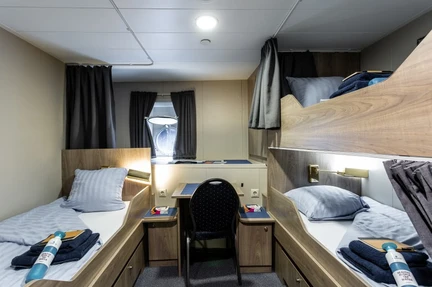
Triple Porthole
More Details
Triple Porthole
1 upper berth & 2 lower berths
Shower
Shower
Tv
Tv
Desk
Desk
Complete Cabin
person-fill person-fill person-fill
USD
10950
Price for the complete cabin, fully occupied.
Sold out!
Sharing Cabin
person-fill person-fill person-fill
USD
3650
Share your cabin with others for the best price.
Sold out!
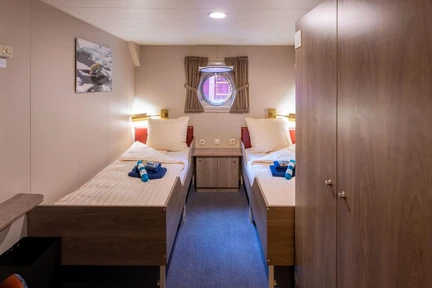
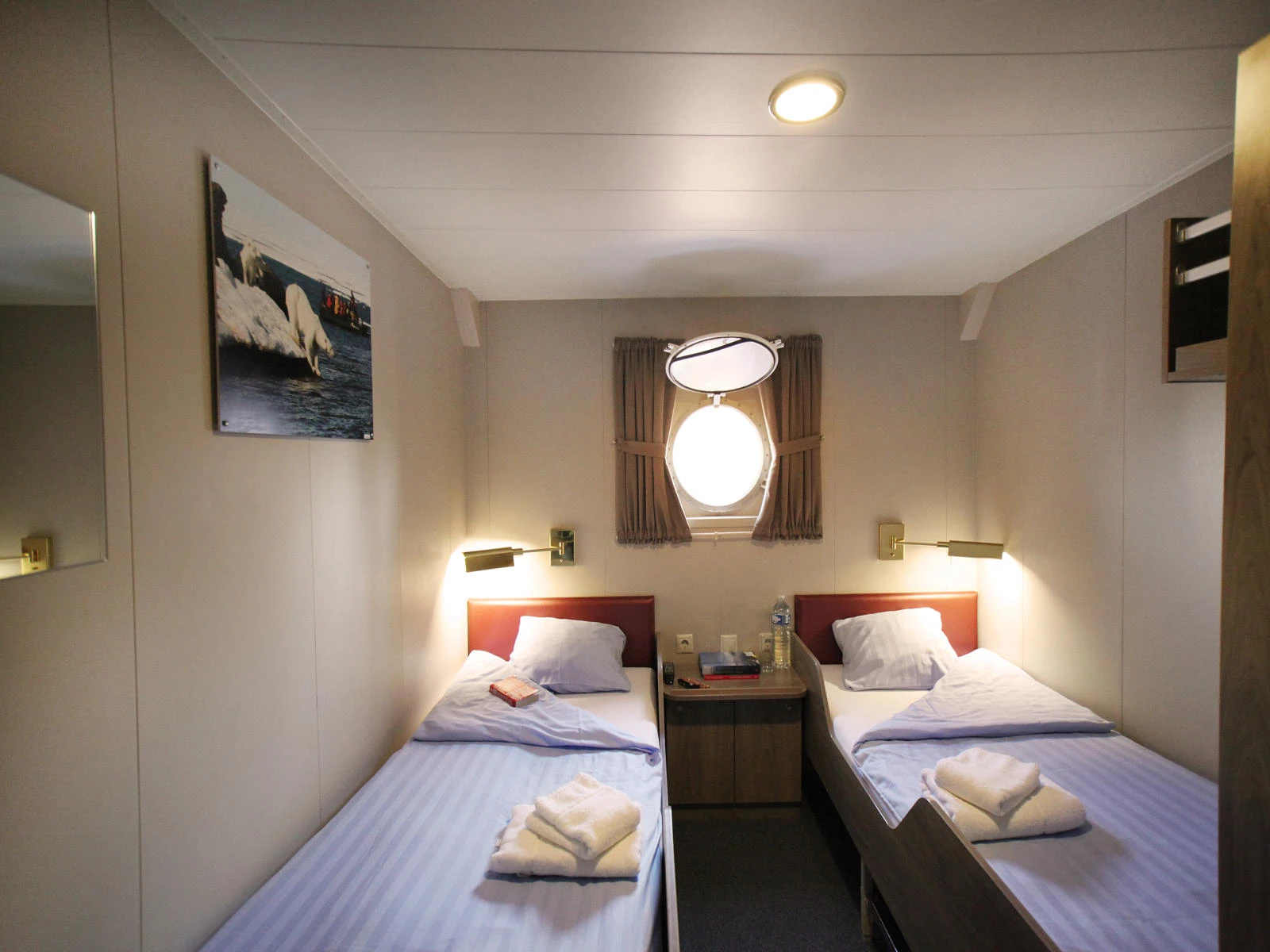
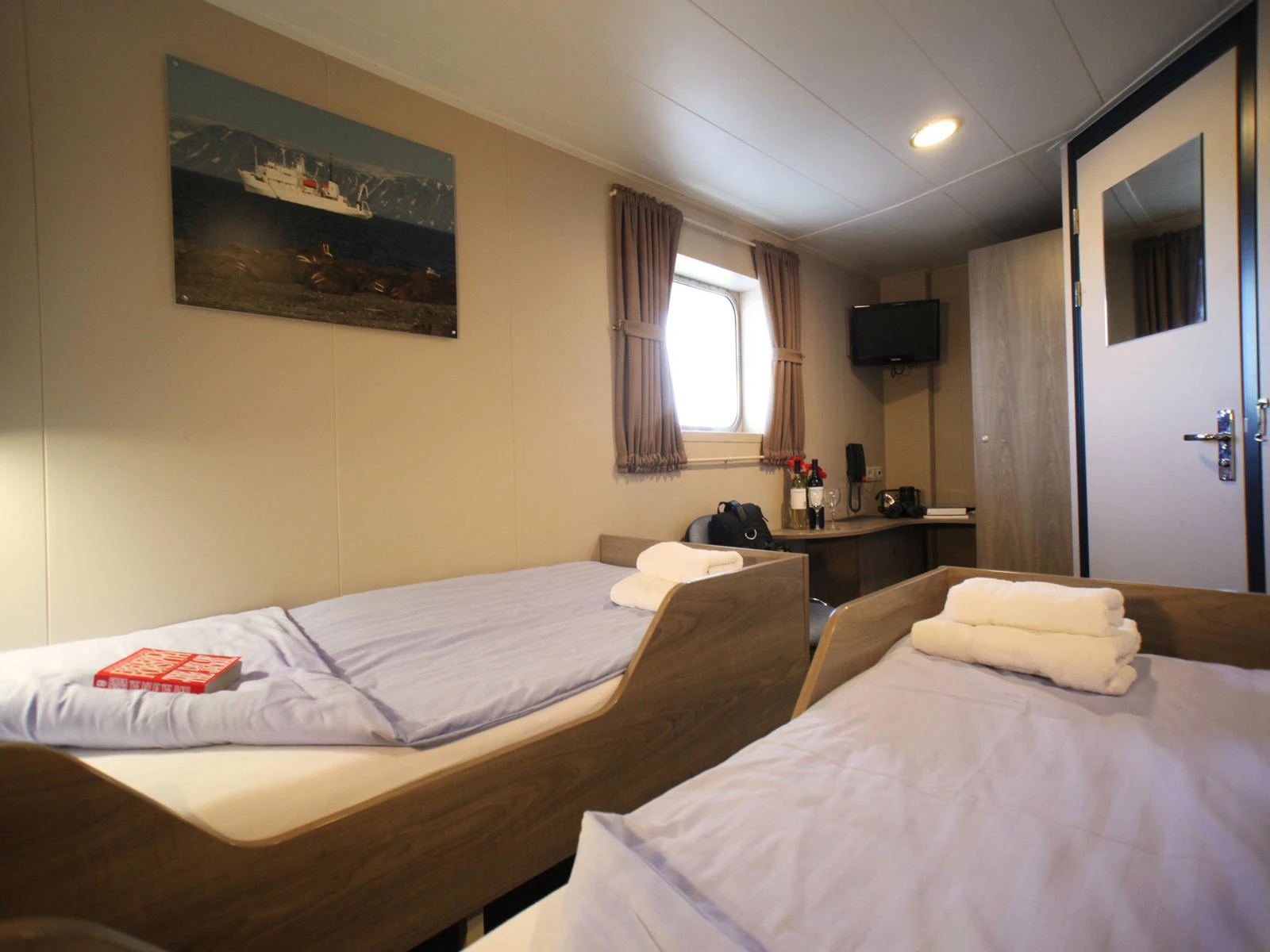
Twin Porthole
More Details
Twin Porthole
2 lower berths
Shower
Shower
Tv
Tv
Hair Dryer
Hair Dryer
Deposit Box
Deposit Box
Wi-Fi
Wi-Fi
Storage
Storage
Complete Cabin
person-fill person-fill
USD
8500
Price for the complete cabin, fully occupied.
Request
Single Cabin
person-fillperson-white
USD
7225
Price for the complete cabin occupied by 1 person (1.7x the shared rate).
Request
Sharing Cabin
person-fill person-fill
USD
4250
Share your cabin with others for the best price.
Request
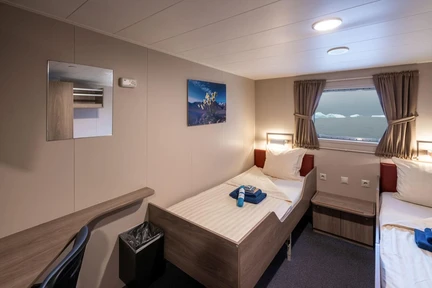
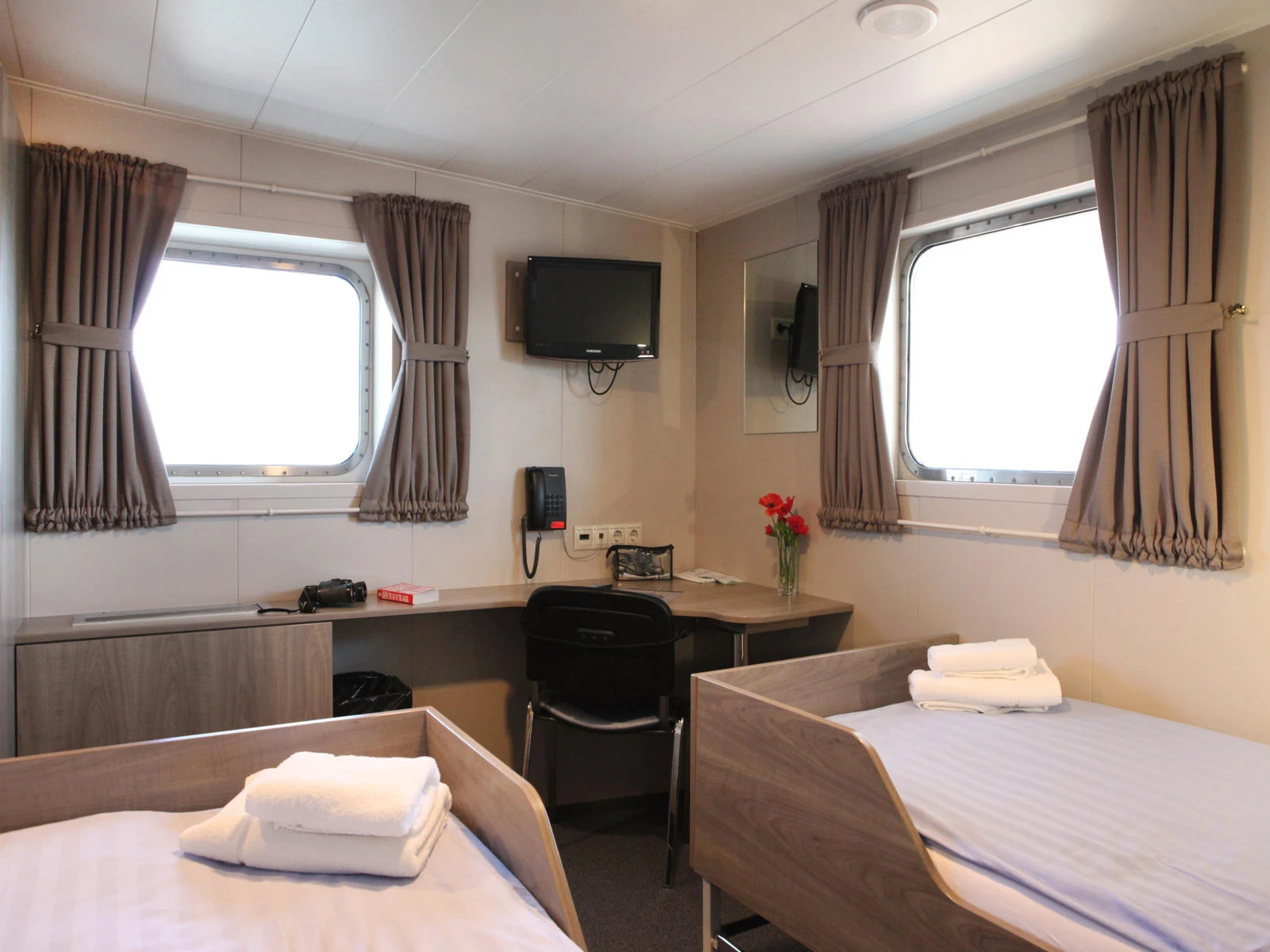
Twin Window
More Details
Twin Window
2 lower berths
Shower
Shower
Tv
Tv
Hair Dryer
Hair Dryer
Deposit Box
Deposit Box
Wi-Fi
Wi-Fi
Storage
Storage
Complete Cabin
person-fill person-fill
USD
9300
Price for the complete cabin, fully occupied.
Request
Single Cabin
person-fillperson-white
USD
7905
Price for the complete cabin occupied by 1 person (1.7x the shared rate).
Request
Sharing Cabin
person-fill person-fill
USD
4650
Share your cabin with others for the best price.
Request
Twin Deluxe
More Details
Twin Deluxe
2 lower berths
Shower
Shower
Tv
Tv
Hair Dryer
Hair Dryer
Deposit Box
Deposit Box
Wi-Fi
Wi-Fi
Storage
Storage
Complete Cabin
person-fill person-fill
USD
9800
Price for the complete cabin, fully occupied.
Request
Single Cabin
person-fillperson-white
USD
8330
Price for the complete cabin occupied by 1 person (1.7x the shared rate).
Request
Sharing Cabin
person-fill person-fill
USD
4900
Share your cabin with others for the best price.
Request
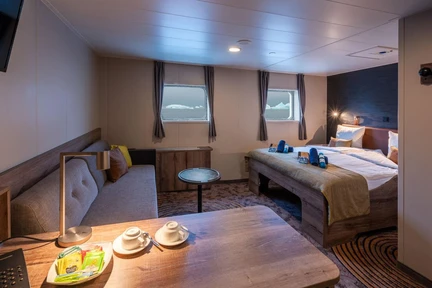
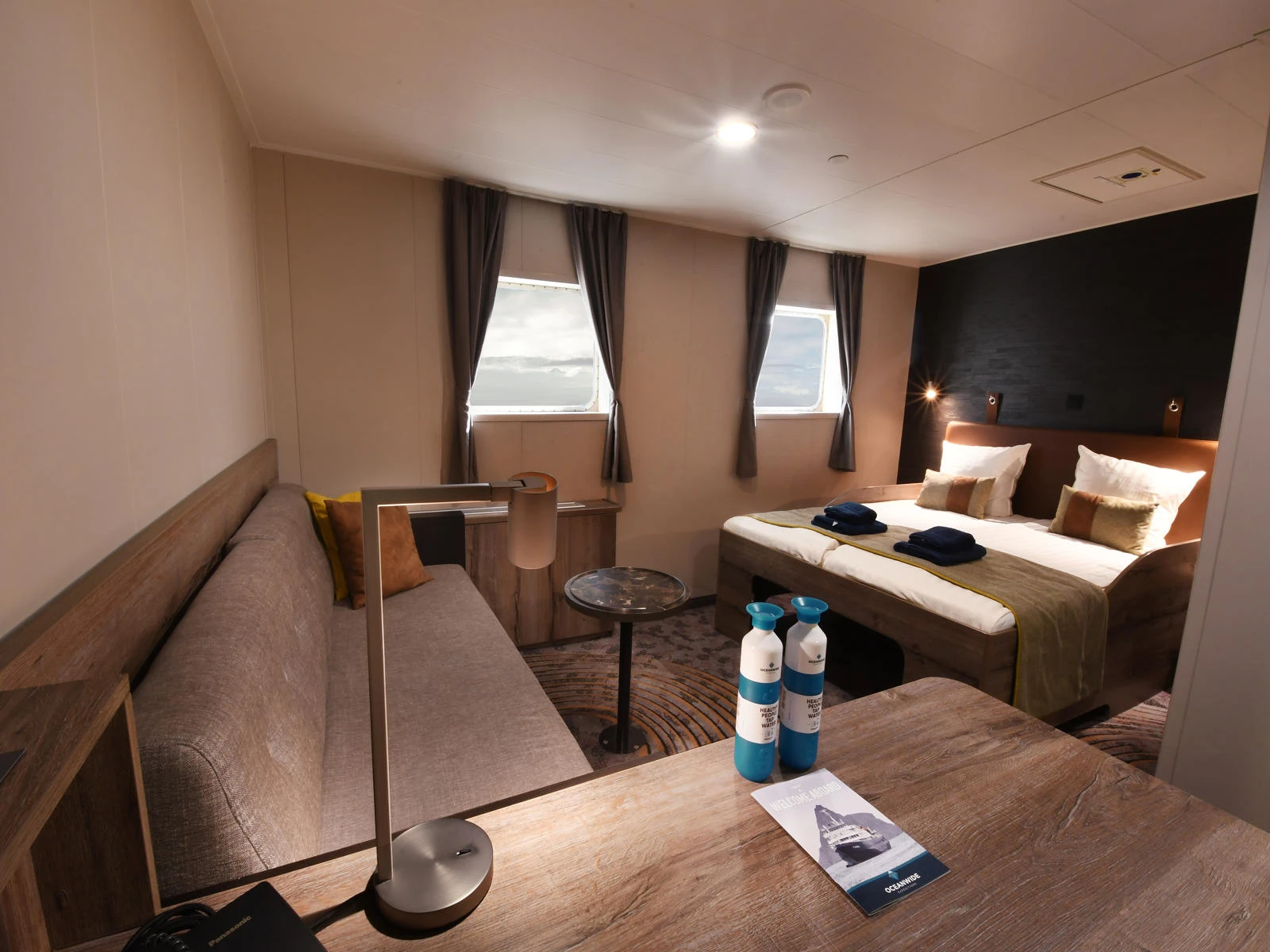
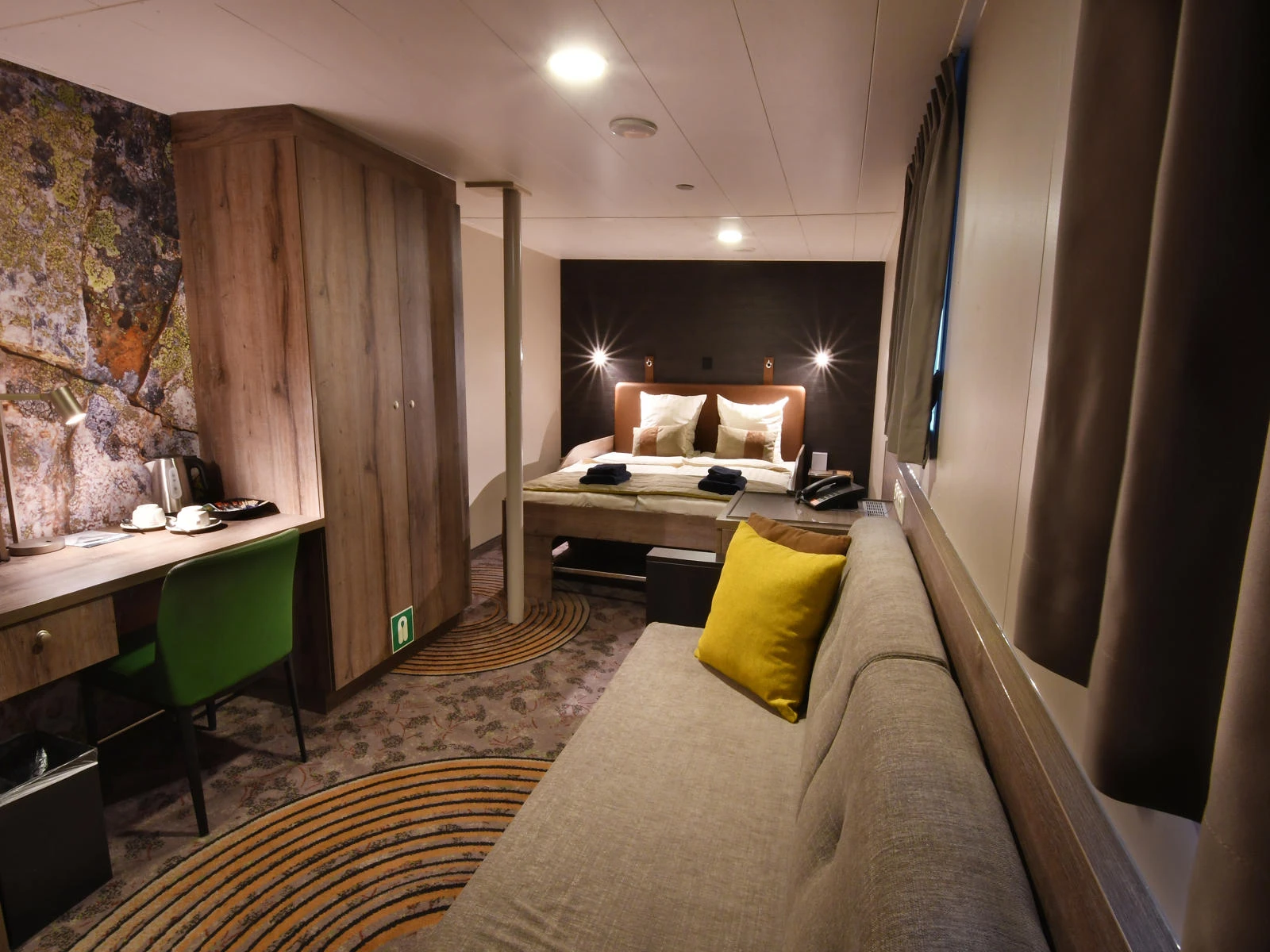
Superior
More Details
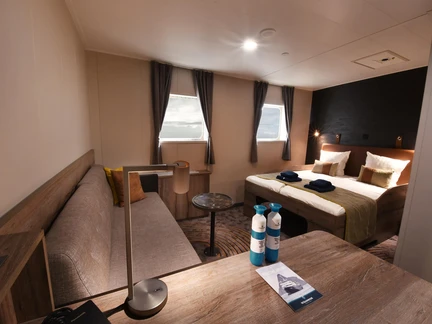
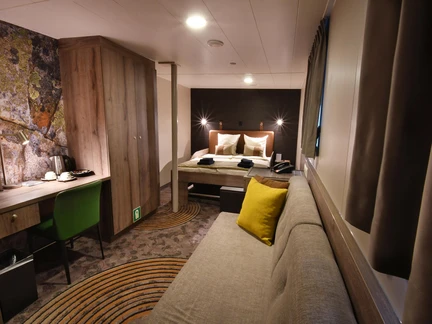
Superior
1 double bed, 1 sofa bed
Shower
Shower
Tv
Tv
Desk
Desk
Hair Dryer
Hair Dryer
Deposit Box
Deposit Box
Wi-Fi
Wi-Fi
Storage
Storage
Refrigerator
Refrigator
Coffee & Tea Maker
Coffee & Tea Maker
Complete Cabin
person-fill person-fill
USD
10900
Price for the complete cabin, fully occupied.
Request

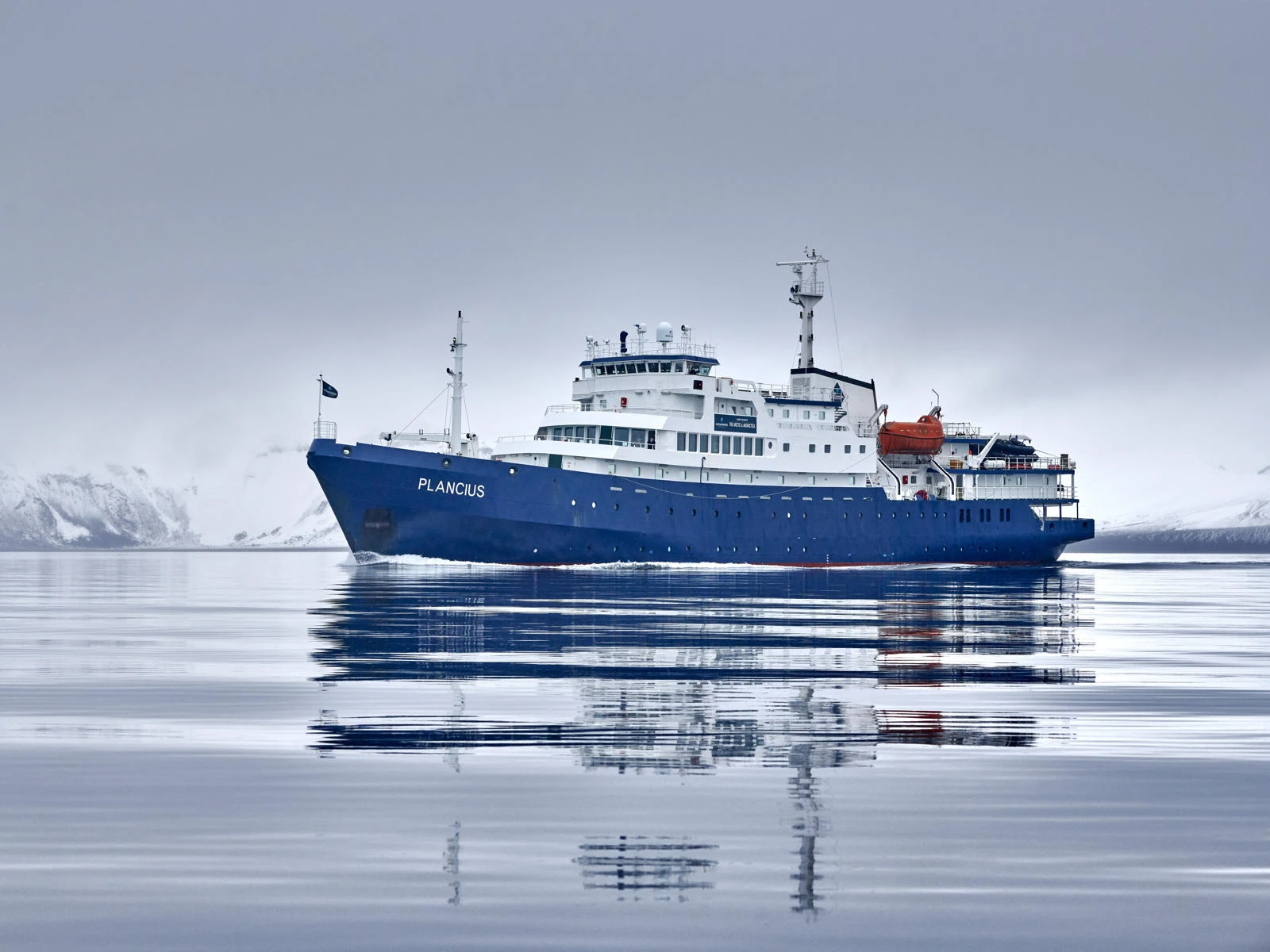
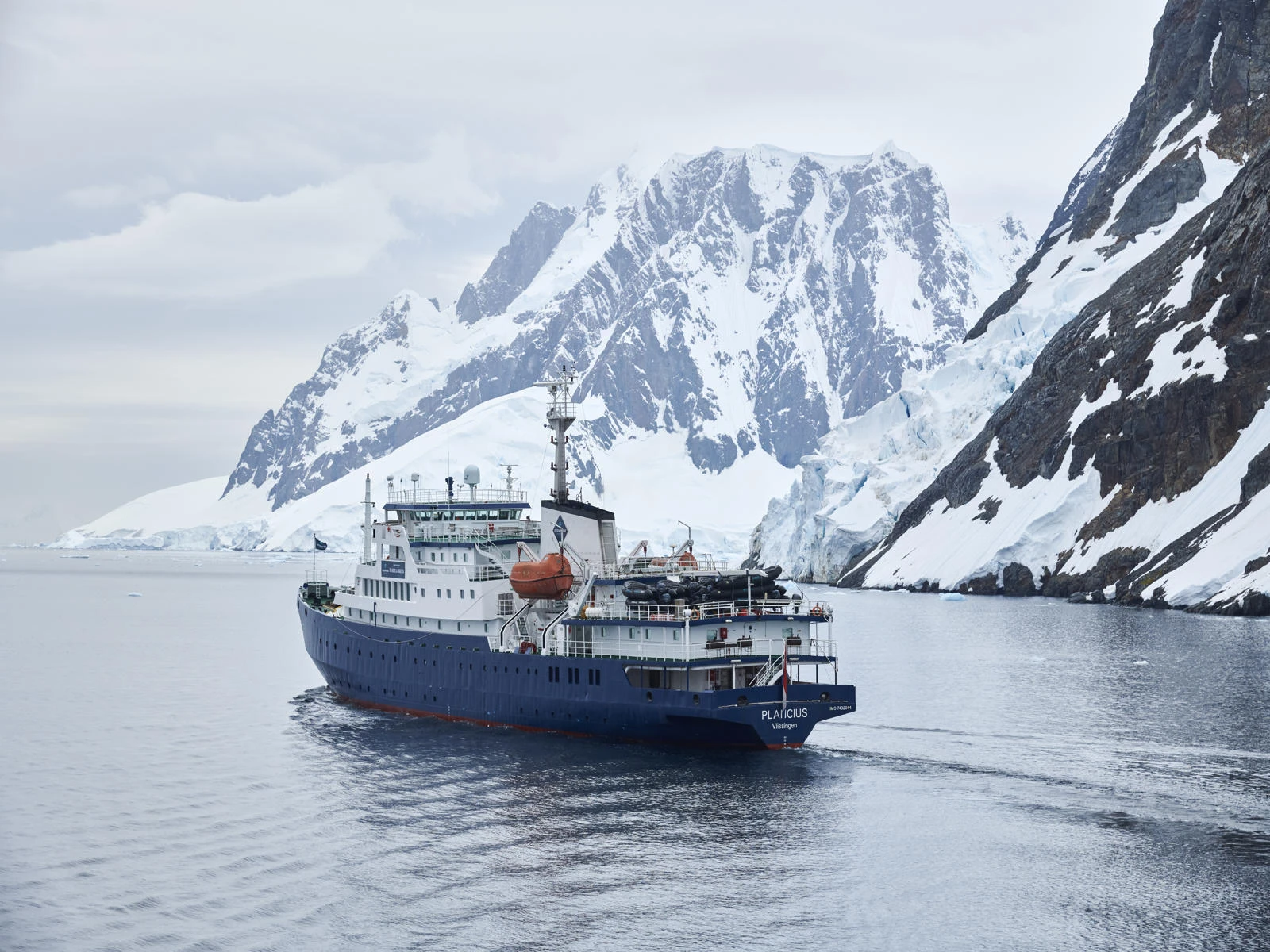
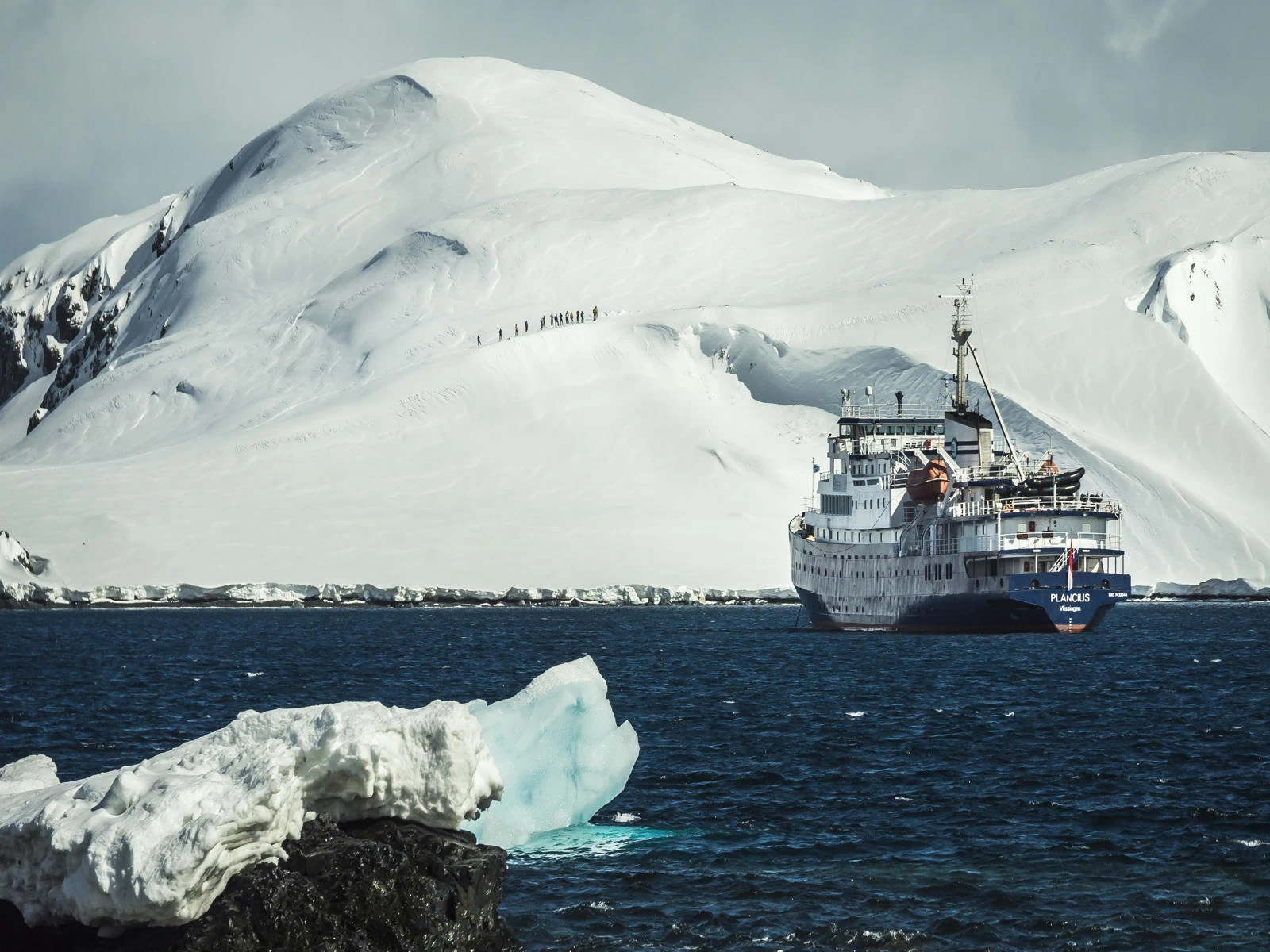
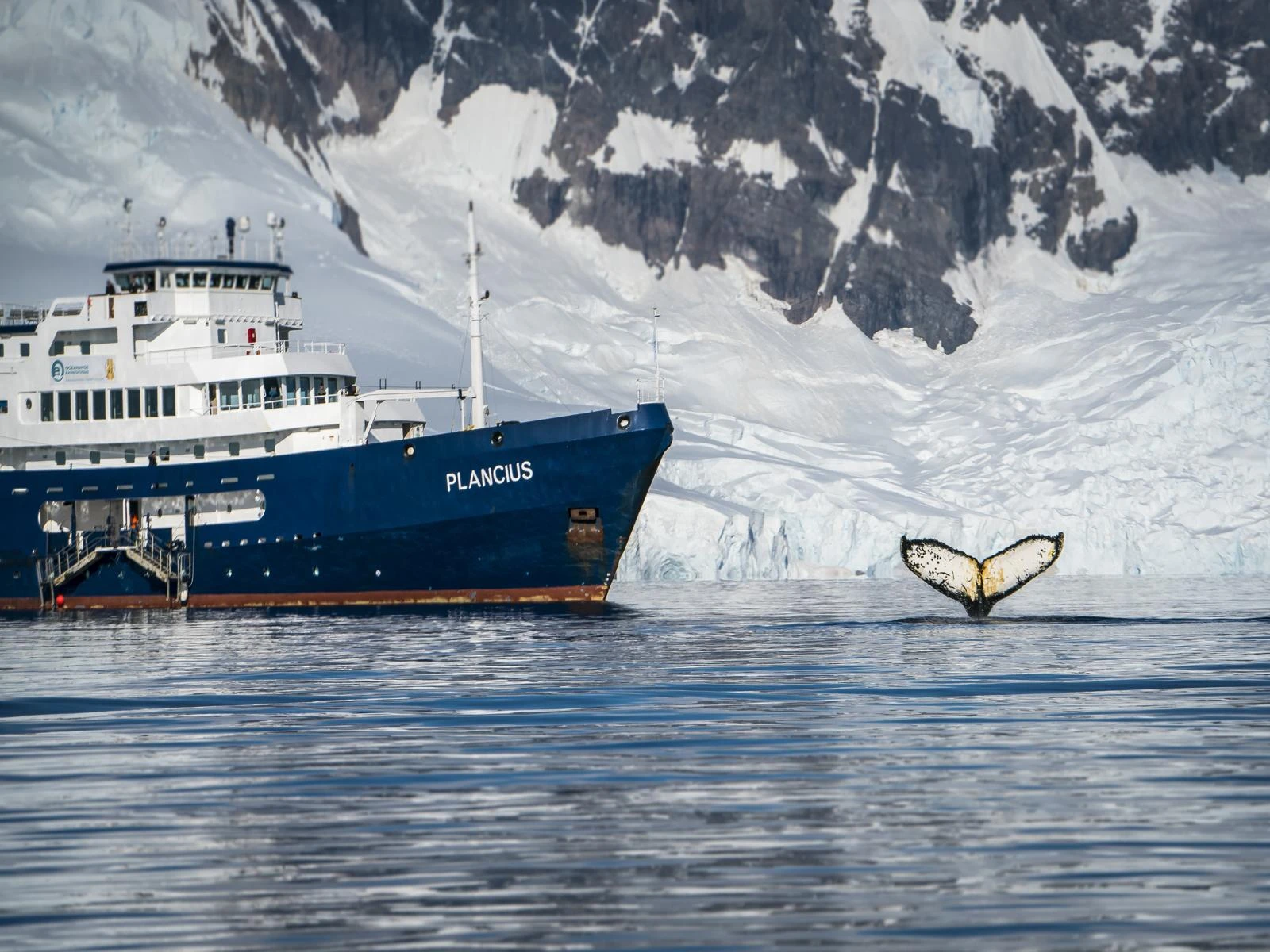
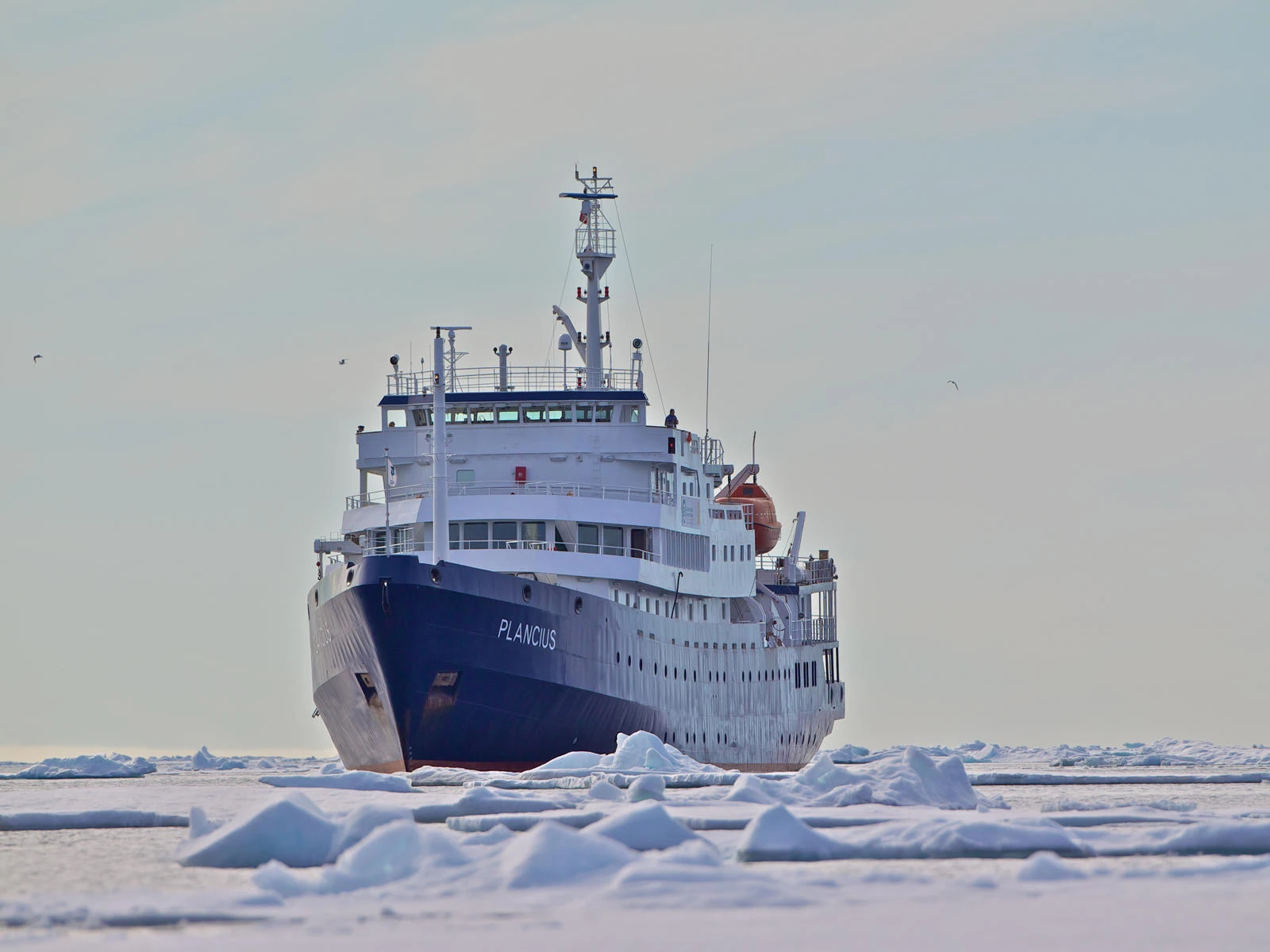
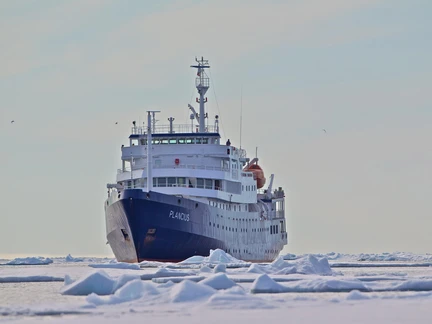
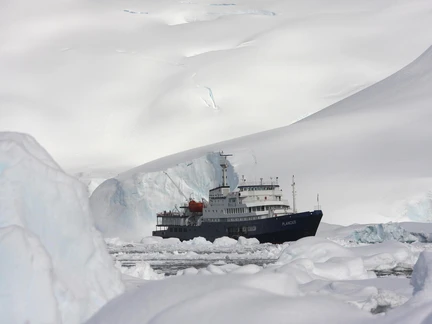
m/v Plancius

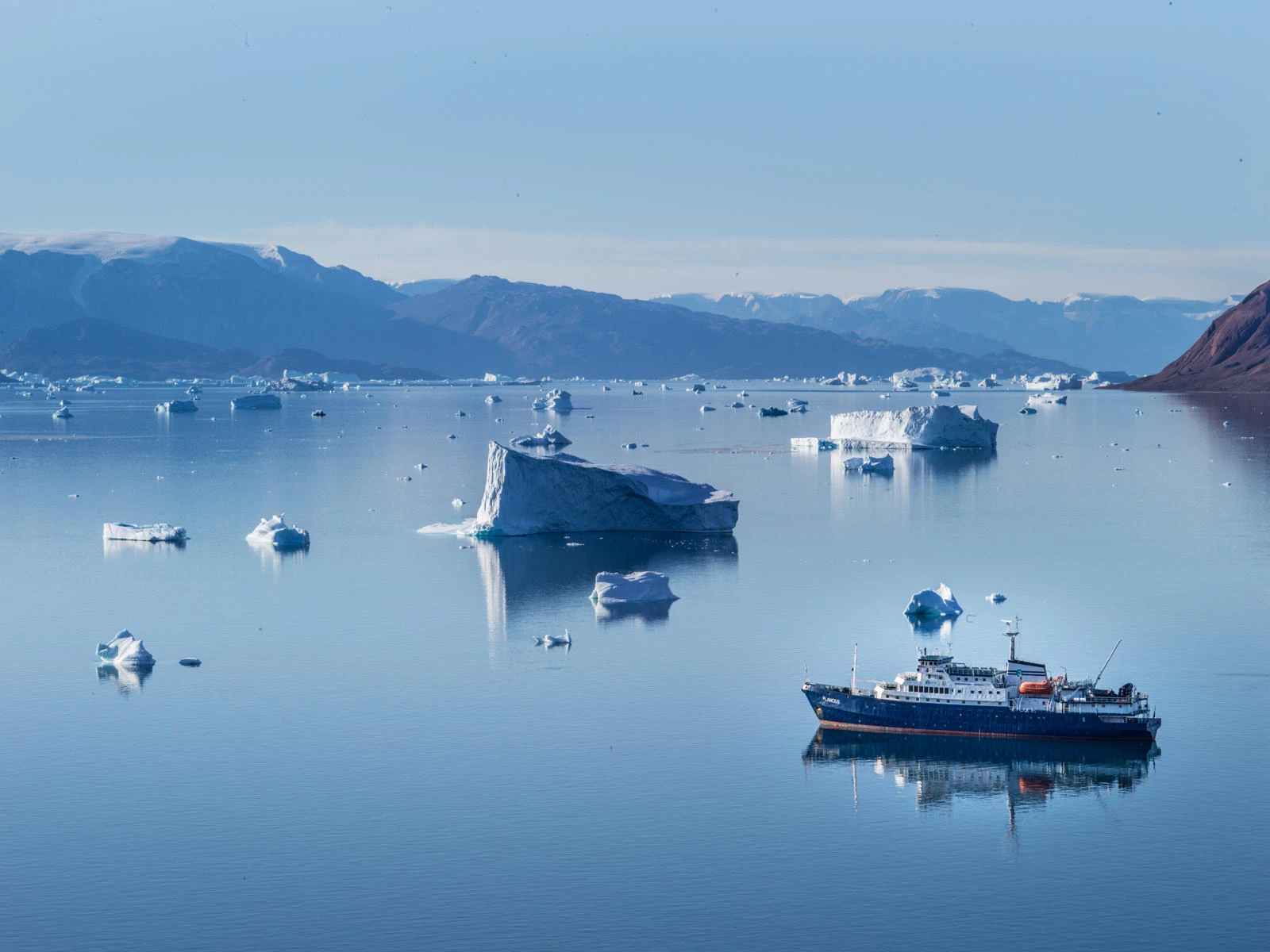
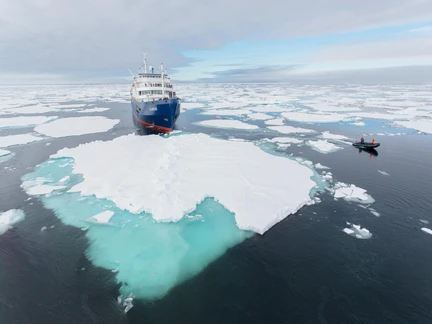
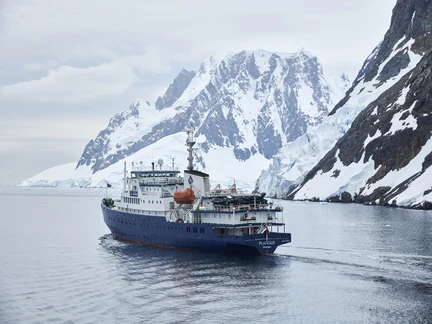
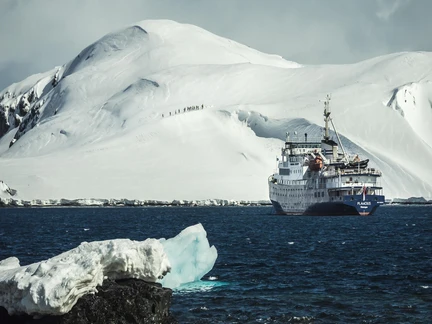
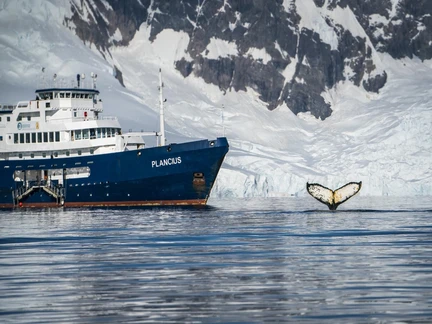
Our most longstanding vessel, Plancius, is a classic choice for many of our most popular polar voyages.
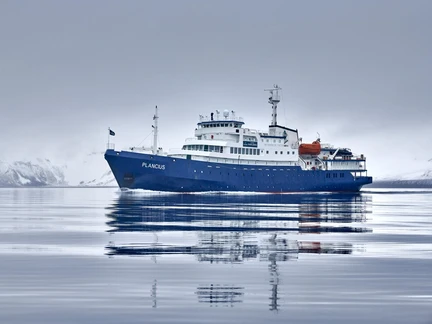
Specifications

Passengers: 108 passengers in 50 cabins
Staff & crew: Crew 40 | Guides 8 | Doctor 1
Length: 89 meters (293 feet)
Breadth: 14,5 meters (47 feet)
Draft: 5 meters (16 feet)
Ice class: 1D (Plancius has a Lloyds class notation 100A1 Passenger ship, Ice Class 1D at a draught of 5 meters)
Displacement: 3211 tonnes
Propulsion: 3x Diesel-Electric
Speed: 10.5 knots average cruising speed

Cabins Gallery

Show more

Ship Interior Gallery

Show more

Ship Exterior Gallery

Show more

M/v “Plancius” was built in 1976 as an oceanographic research vessel for the Royal Dutch Navy and was named “Hr. Ms. Tydeman”. The ship sailed for the Dutch Navy until June 2004 and was eventually purchased by the company. The vessel was completely rebuilt as a passenger vessel in 2009 and complies with the latest SOLAS-regulations (Safety Of Life At Sea). M/v “Plancius” is classed by Lloyd’s Register and flies the Dutch flag.

Perfect for any expedition

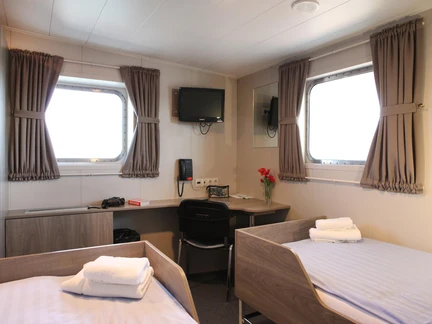
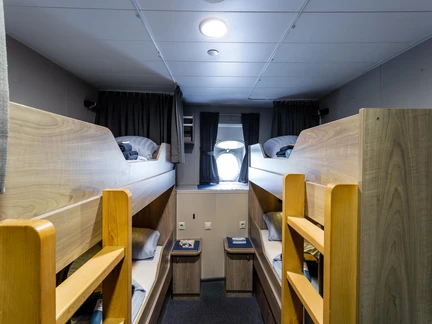
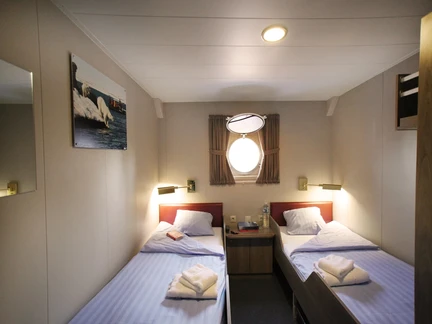
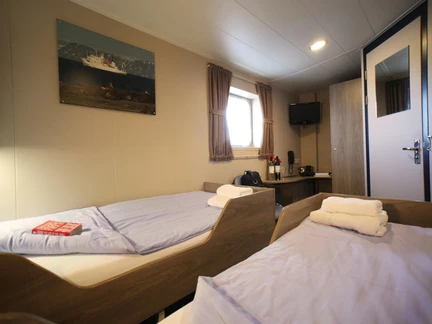
M/v “Plancius” accommodates 108 passengers with private toilets and shower in 4 quadruple porthole cabins, 9 twin porthole cabins, 25 twin cabins with windows and 2 twin deluxe cabins, all (ca. 12,5 square meters) and 10 twin superior cabins (ca. 21 square meters). All cabins offer lower berths (one queen-size bed in the superior cabins and two single beds in the twin cabins), except for the 4 quadruple cabins (for 4 persons in 2x upper and lower beds).

Plancius: a vessel with comfort and character

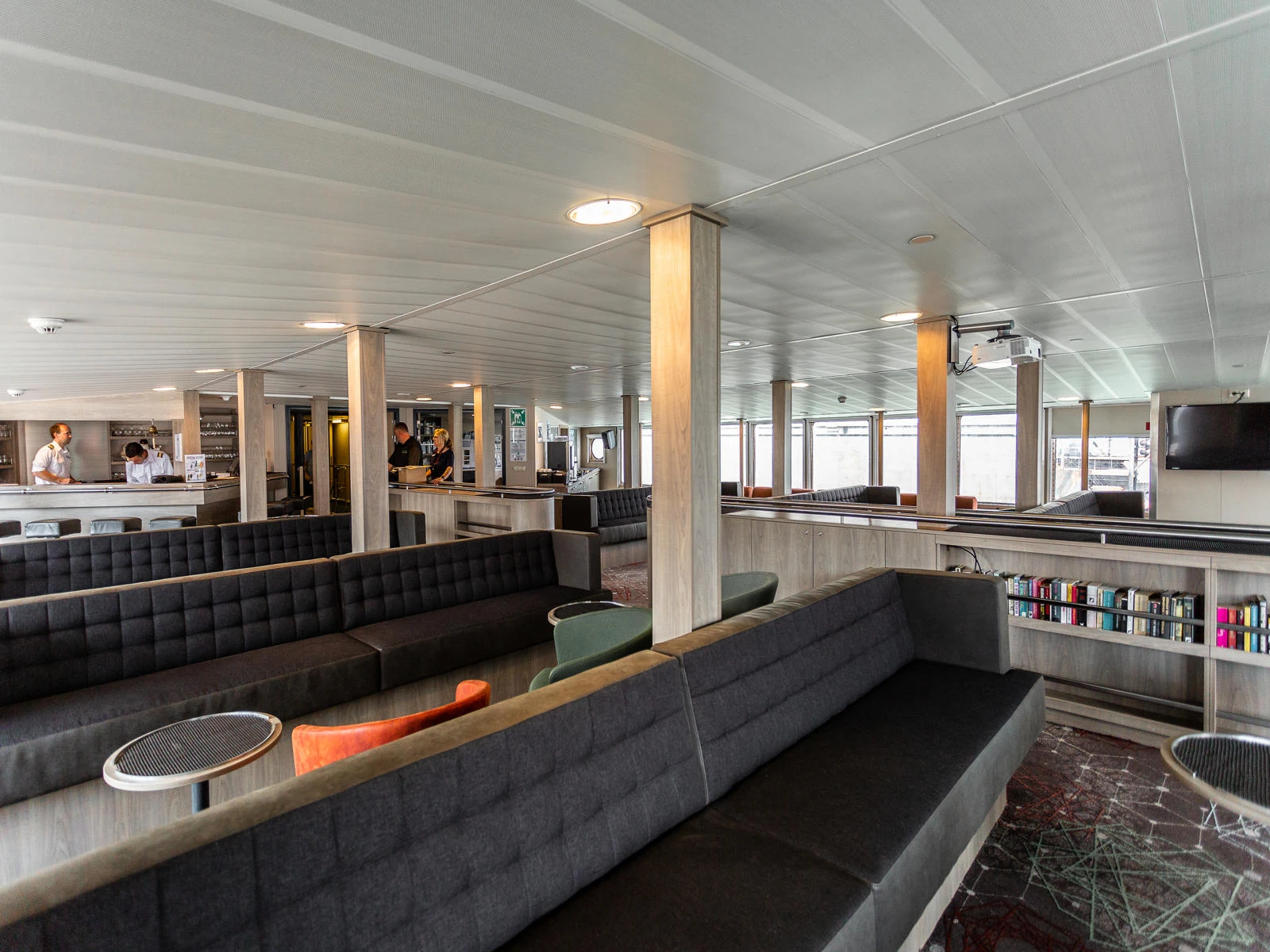
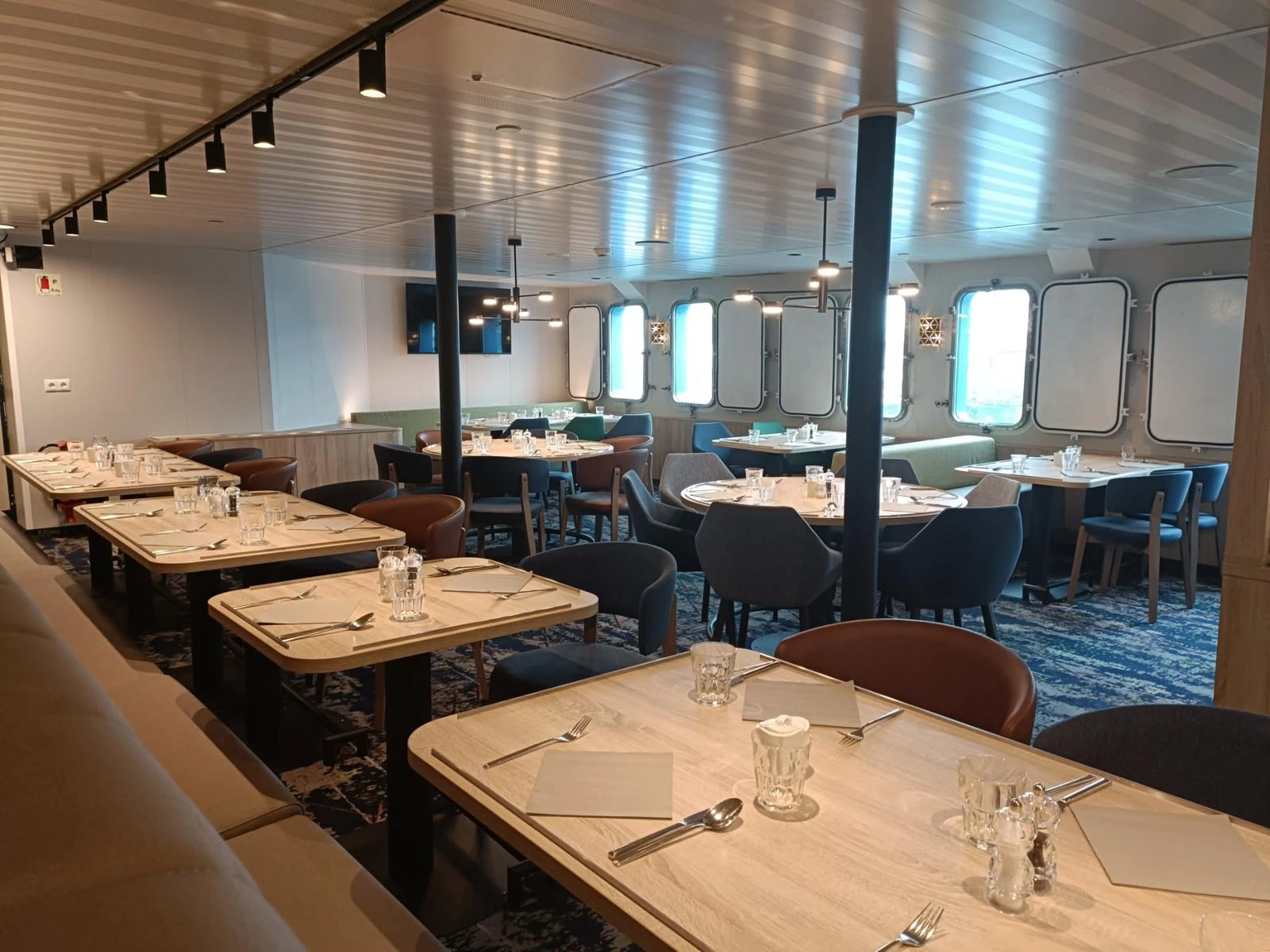
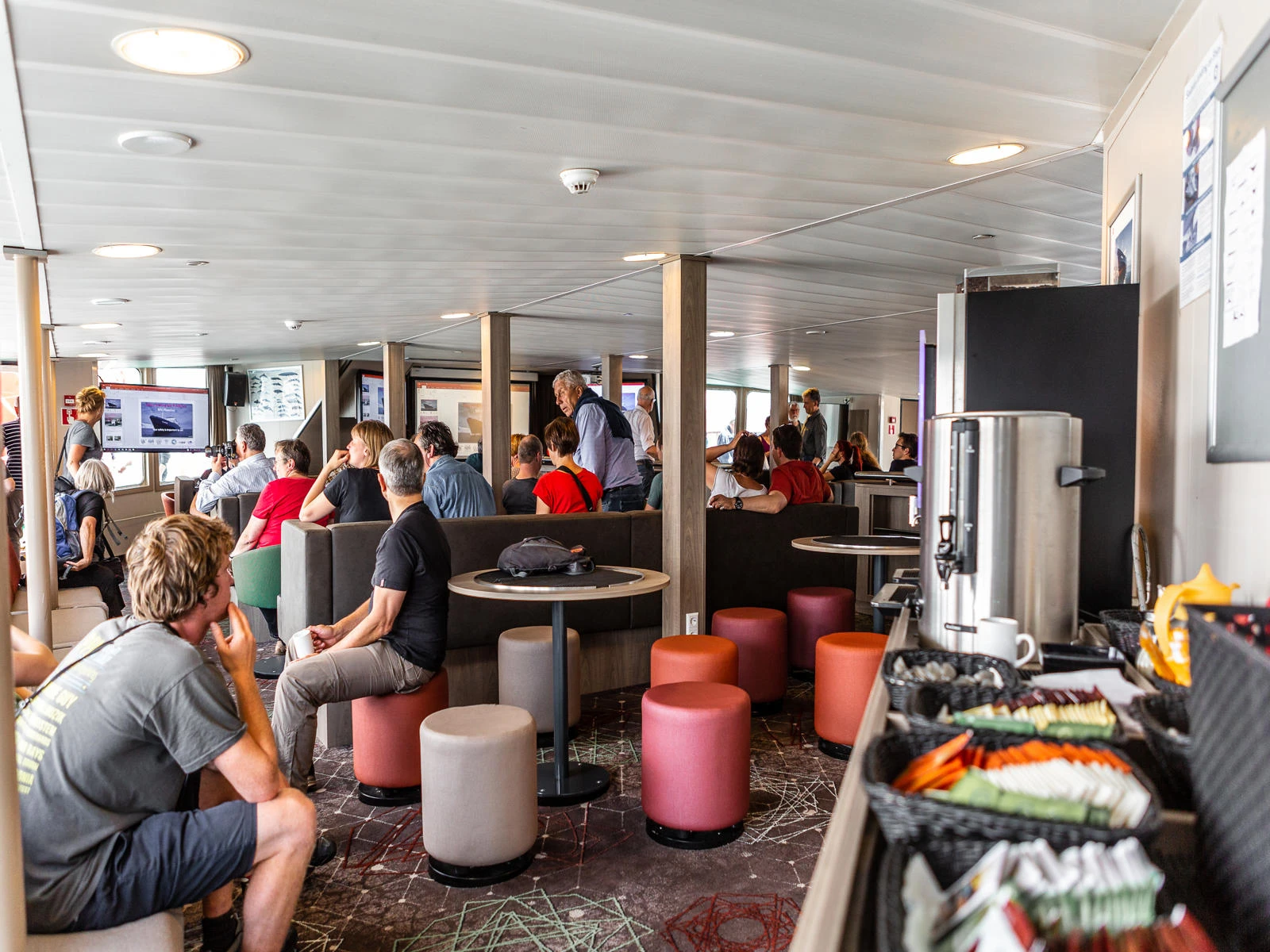
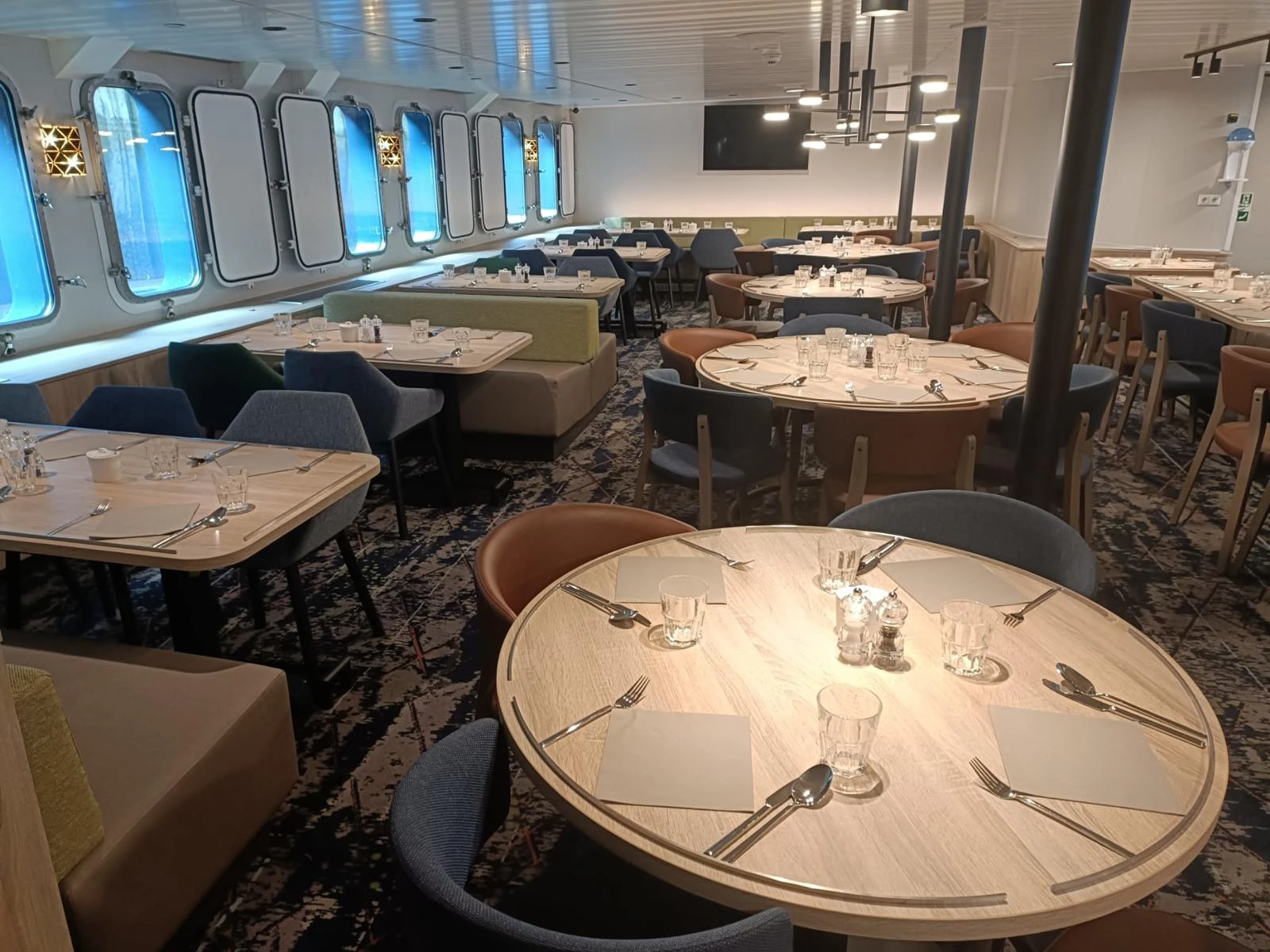
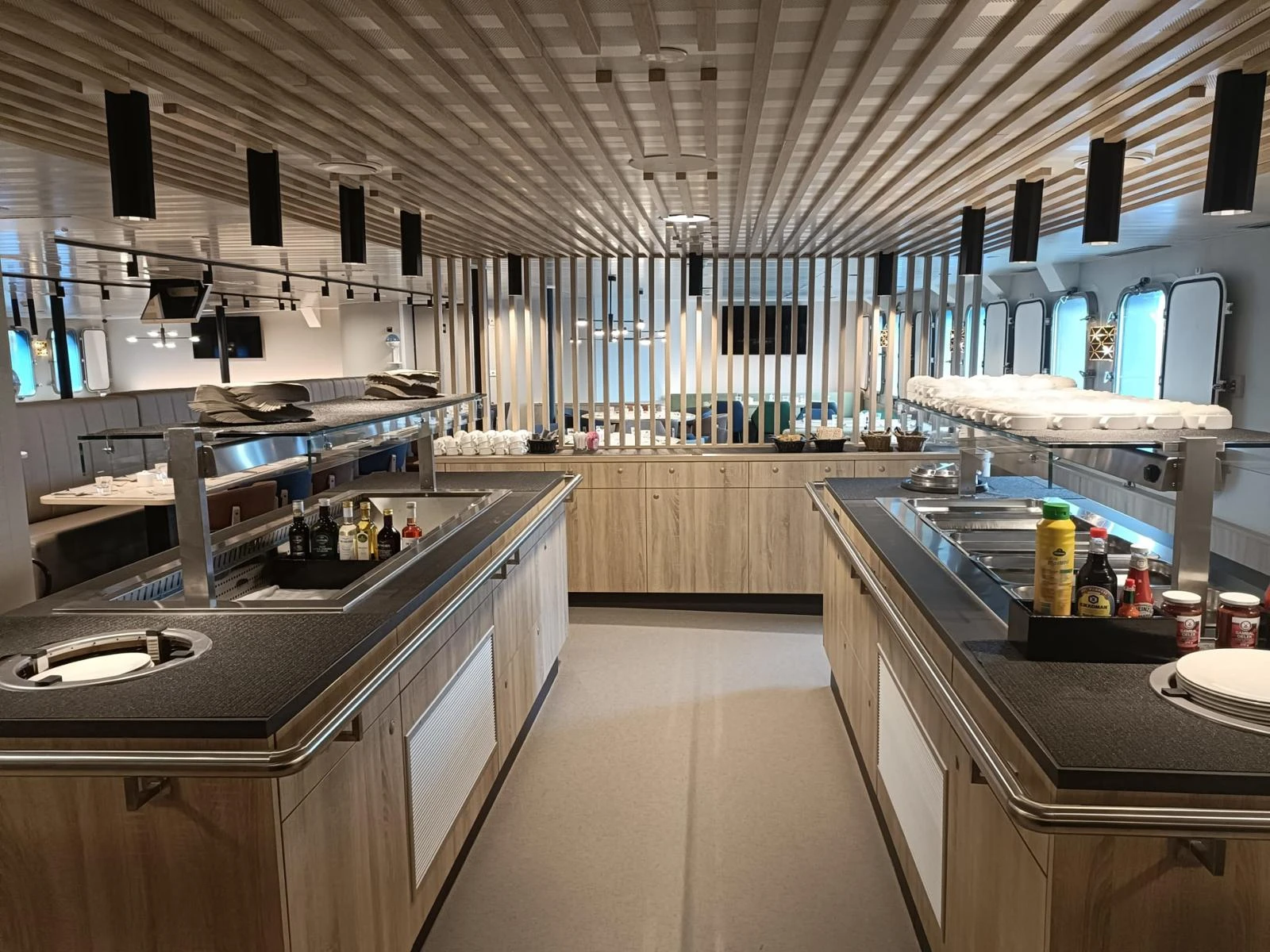
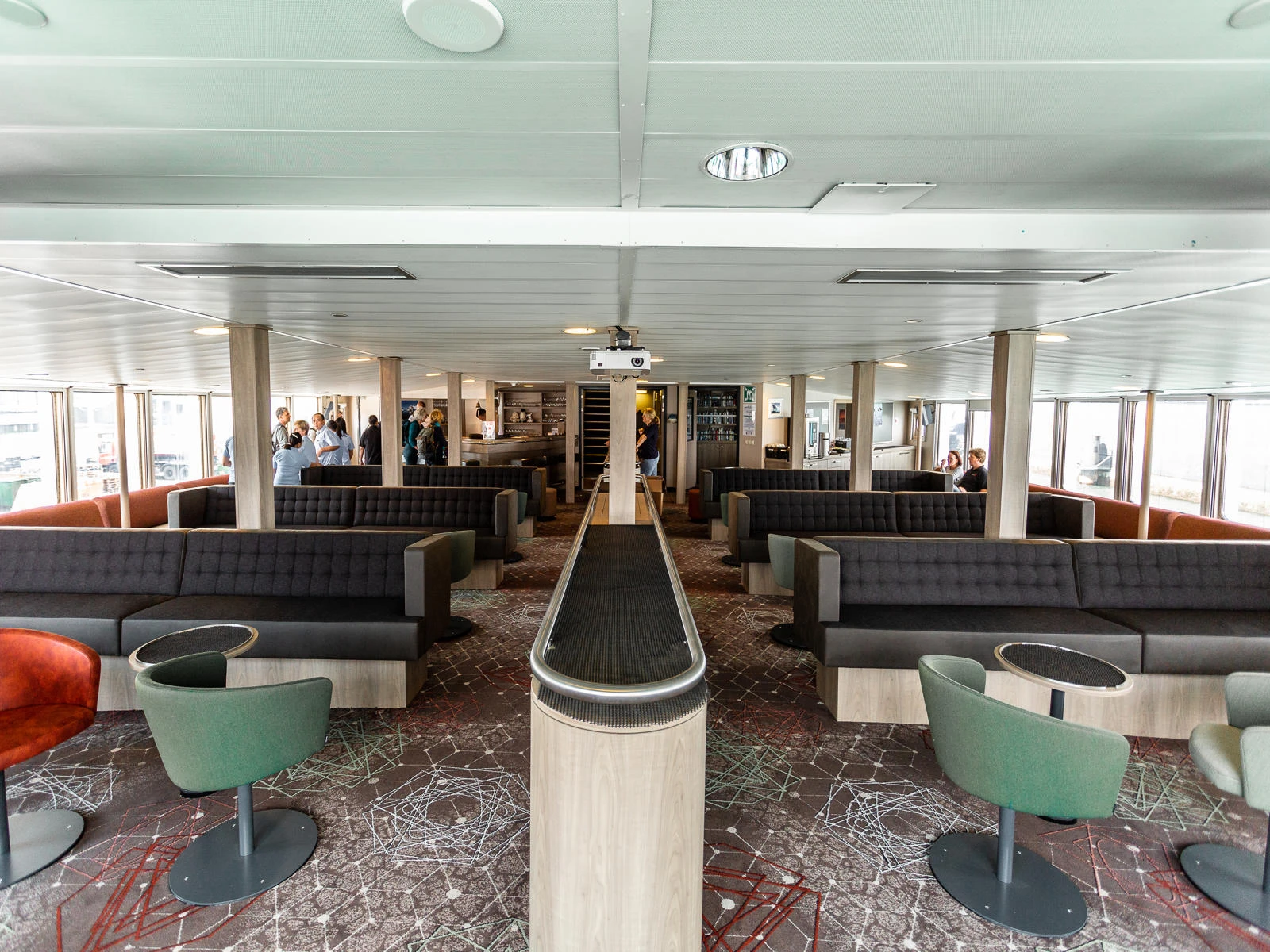
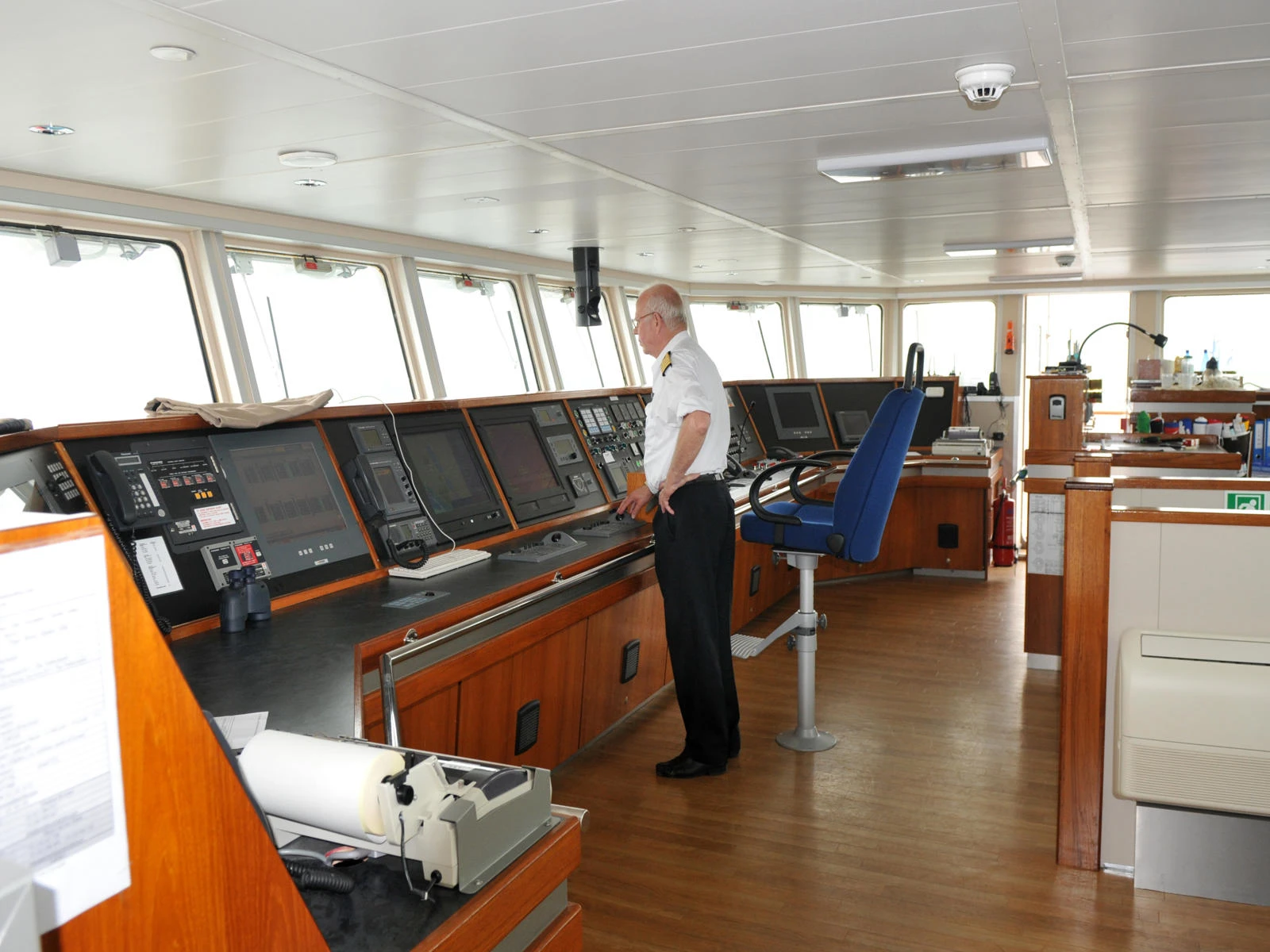
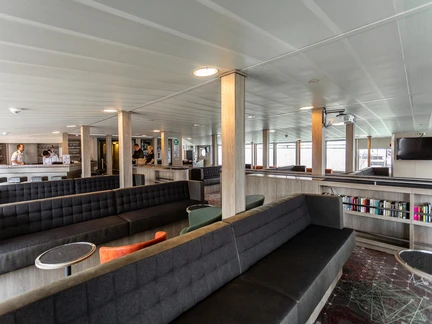
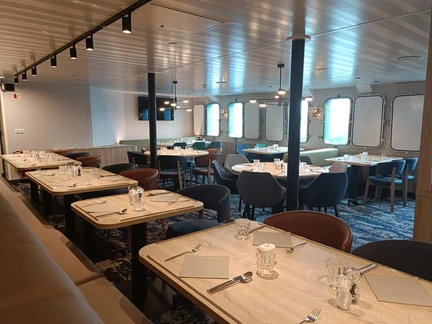
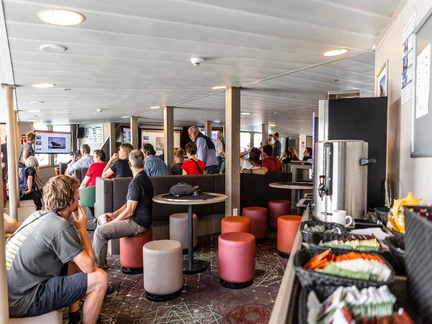
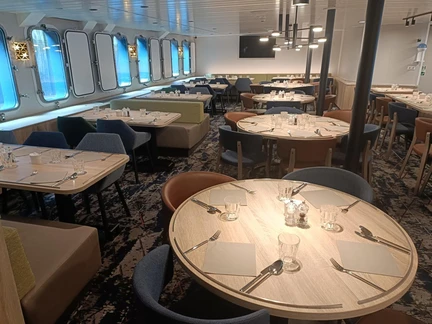
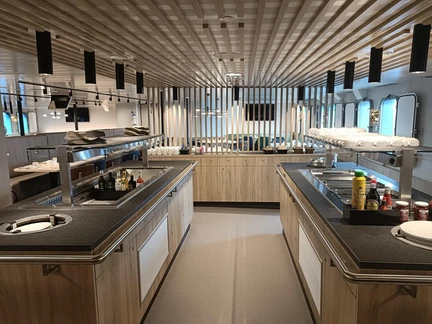
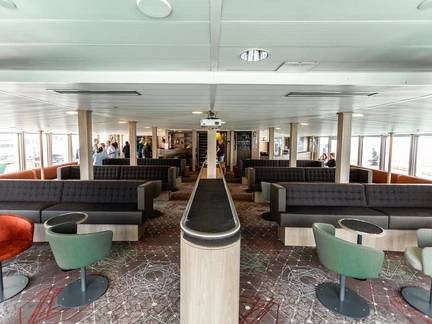
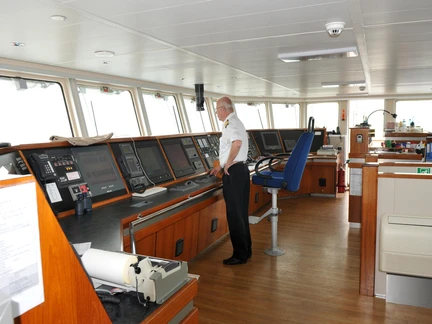
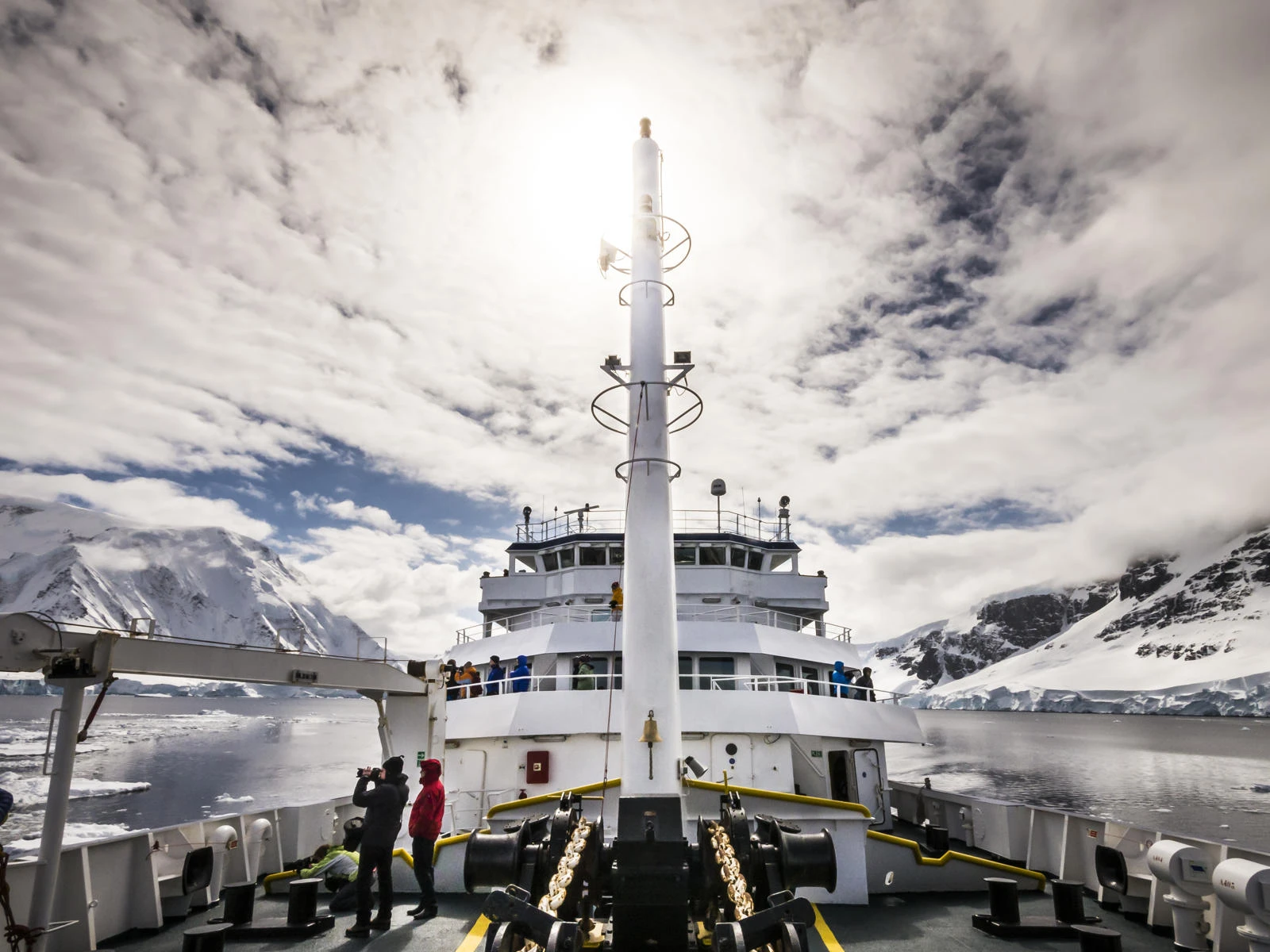
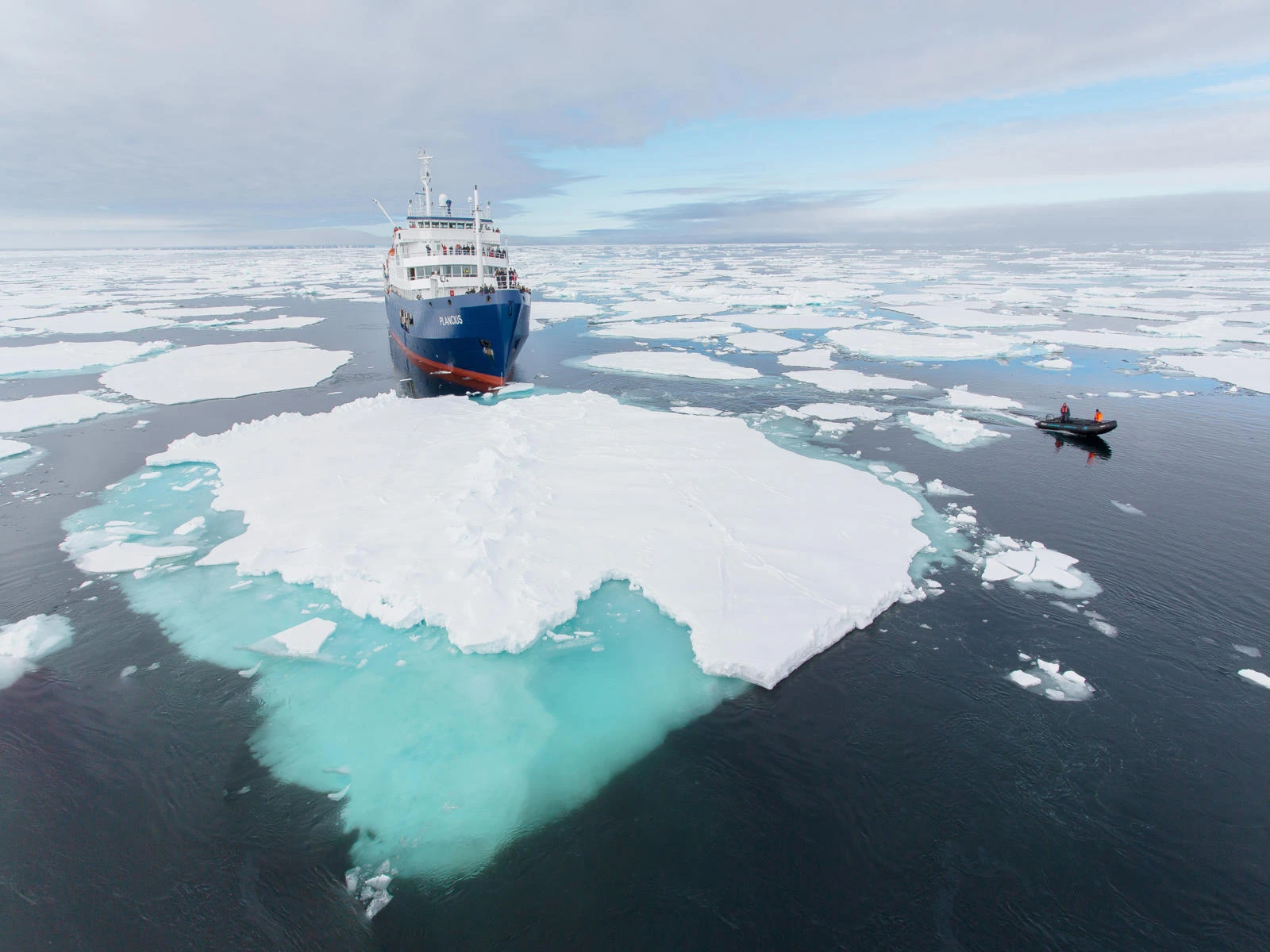
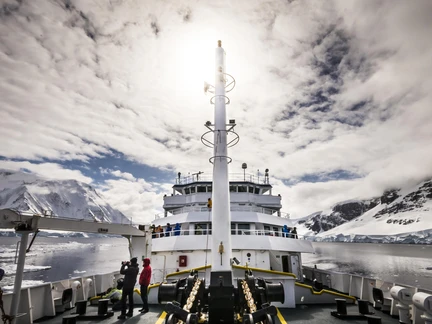
Please be aware that a small number of cabins may have a partially obstructed view due to the design requirements of the ship. The best view is always on the outer deck or the bridge. The vessel offers a restaurant/lecture room on deck 3 and a spacious observation lounge (with bar) on deck 5 with large windows, offering a full panorama view. M/v “Plancius” has large open deck spaces (with full walk-around possibilities on deck 4), giving excellent opportunities to enjoy the scenery and wildlife. She is furthermore equipped with 10 Mark V zodiacs, including 40 HP 4-stroke outboard engines and 2 gangways on the starboard side, guaranteeing a swift zodiac operation.

M/v “Plancius” is comfortable and nicely decorated, but is not a luxury vessel. Our voyages in the Arctic and Antarctic regions are primarily defined by an exploratory educational travel program, spending as much time ashore as possible. Plancius fully meets our demands to achieve this. The vessel is equipped with a diesel-electric propulsion system which reduces the noise and vibration of the vessel considerably. The 3 diesel engines generate 1.230 horsepower each, giving the vessel a speed of 10 - 12 knots. The vessel is ice-strengthened and was specially built for oceanographic voyages. M/v “Plancius” is manned by an international crew of 40 (20 nautical crew and 20 hotel crew), 8 expedition staff (1 expedition leader, 1 assistant expedition leader and 6 guides/lecturers), and 1 doctor.

Dress code

In keeping with our expedition atmosphere, dress on board is informal. Bring casual and comfortable clothing for all activities. Keep in mind that much of the spectacular scenery can be appreciated from deck, which can be slippery. Bring sturdy shoes with no-slip soles and make sure the parka is never far away in case of the call "Whales!" comes over the loudspeaker and you have to dash outside. Wear layers since it is comfortably warm aboard the ship - and often cold on deck.

Currency & payment

Refreshments from the bar and souvenirs will be charged to your cabin. The day before departure you can settle your bill with the Hotel Manager and pay by credit card (Visa or MasterCard) or cash (Euro or Dollar). We do not accept cheques of any kind. The price and standard currency on board our vessels is the Euro. Other currencies may be accepted at the discretion of the hotel manager at prevailing rates.

Electric current

The electrical supply aboard the ship is 220v, 60Hz. Electrical outlets are standard European with two thick round pins. You may need a 220v/110v converter.

Gratuities

The customary gratuity to the ship's service personnel is made as a blanket contribution at the end of the voyage which is divided among the crew. Tipping is a very personal matter and the amount you wish to give is at your discretion. As a generally accepted guideline, we suggest 8-15 Euro per person per day. It is better for the crew, if you can give them cash.

Non-smoking policy

On board our vessels we have a non-smoking policy. It is prohibited to smoke inside the ship. You can smoke in the designated smoking areas. Please respect the wishes of non-smokers.

Your physical condition

You must be in good general health and you should be able to walk several hours per day. The expedition is ship-based and physically not very demanding. Although we spend as much time as possible ashore, you are welcome to remain aboard the ship if you like. To join most excursions, you must be able to get up and down the steep gangway from the ship to the water level to board the Zodiacs. Staff will assist you in and out of the boats. This will become progressively easier with practice. Ashore it can be slippery and rocky. You are travelling in remote areas without access to sophisticated medical facilities, so you must not join this expedition if you have a life-threatening condition, or need daily medical treatment.

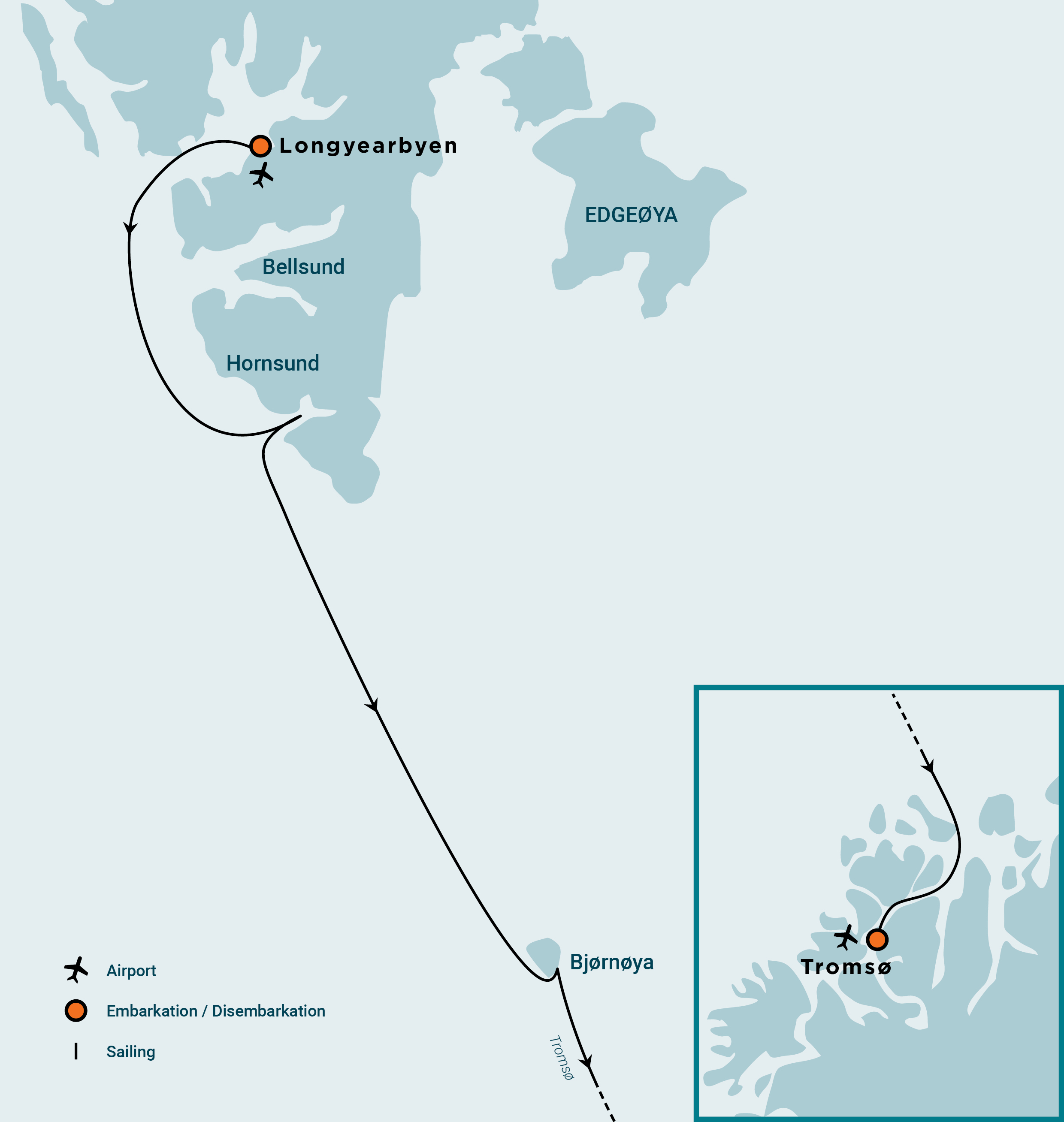
Map
Route of South Spitsbergen - Bear Island - Norway
Important
Included
Excluded
FAQ
Show All
ads from nexta

You May Also Like
go-leftgo-right

Blog
go-leftgo-right
Albatross, penguin and krill research in Antarctica - Nexta Expeditions
Blog

Albatross, penguin and krill research in Antarctica

In the Antarctic region, extensive research is being conducted by national Antarctic programmes from countries like the UK, Australia, and Japan. These studies aim to understand species in the air, on the ground, and in the sea, and how these species are interconnected without variables such as human impacts and climate change.
Eight Engaging Reindeer Facts - Nexta Expeditions
Blog

Eight Engaging Reindeer Facts

When we think about reindeer, we might also think of Saami herders or the holidays or teams of these beloved Arctic animals pulling a bell-covered sleigh across the nighttime sky. Only the first of these options, however, is something you're likely to encounter on an Arctic expedition cruise - and that's only in Northern Norway.
Seizing the Season: Spitsbergen’s Late Spring, Early Summer - Nexta Expeditions
Blog

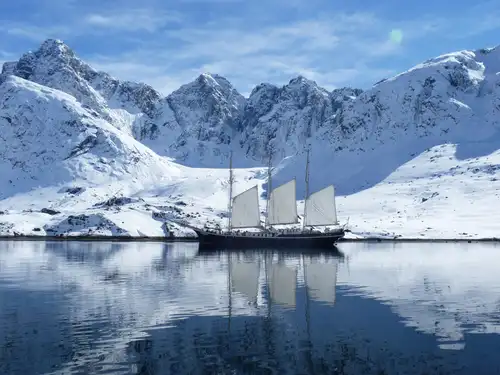
Seizing the Season: Spitsbergen’s Late Spring, Early Summer

Most Arctic expedition cruises can be categorized into two main types: those that operate during the autumn and winter, focusing on the northern lights, and those that sail during the high season (mid to late summer), concentrating on a broader range of experiences.
Why You Should Visit Greenland: 11 Things to See, Do, and Explore - Nexta Expeditions
Blog

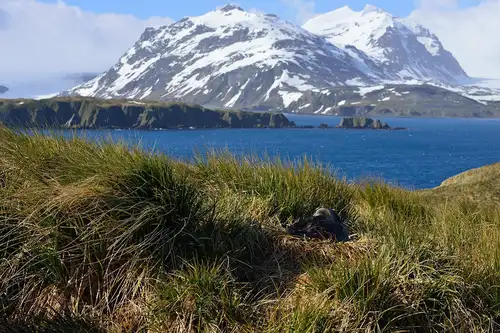
Why You Should Visit Greenland: 11 Things to See, Do, and Explore

There's nothing quite like witnessing your first Greenland glacier, navigating into the island's largest fjord system (which also happens to be Earth's largest), or observing a humpback whale breach over the dark Greenland Sea.
Flowers in Antarctica - Nexta Expeditions
Blog

Flowers in Antarctica

The polar regions are among the most inhospitable environments for plants and animals. Life here faces numerous challenges, including low temperatures, high winds, solar radiation, and cell freezing. The Antarctic continent experiences extreme conditions, with darkness during winter and continuous light during summer. Winter temperatures can drop to -60°C or lower.
A Day of Basecamp in Antarctica – Paradise Harbour - Nexta Expeditions
Blog

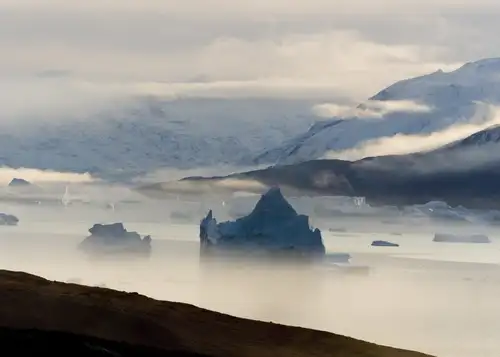
A Day of Basecamp in Antarctica – Paradise Harbour

After an early morning gathering of our camping group, we reached the entrance to Lemaire Channel. The snow and mist around the mountain peaks created a captivating atmosphere as we began our journey to Paradise Bay. The channel was dotted with impressive icebergs, and we even spotted a few sleeping humpback whales, providing ample photo opportunities.
Puffins: Clown Birds of the Atlantic - Nexta Expeditions
Blog

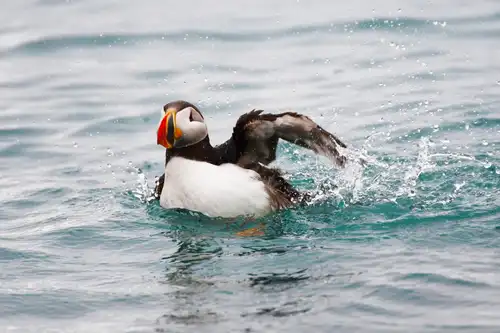
Puffins: Clown Birds of the Atlantic

Puffins are part of a family of 22 seabird species known as auks, which are pigeon-sized birds that thrive on a diet of small fish and crustaceans.
Polar Bear Sets Impressive New Diving Record - Nexta Expeditions
Blog

Polar Bear Sets Impressive New Diving Record

According to polar bear experts Rinie van Meurs and Dr. Ian Stirling, the new record for polar bear diving is an astounding three minutes and 10 seconds. Unless this particular polar bear has an unusually large lung capacity, we can now safely assume that these creatures have the ability to remain underwater for an extended period of time.
Peaks, Fjords, and Auroras: 14 East Greenland Attractions - Nexta Expeditions
Blog

Peaks, Fjords, and Auroras: 14 East Greenland Attractions

There really aren’t enough superlatives for East Greenland.
15 Falkland Islands Bird Photos - Nexta Expeditions
Blog

15 Falkland Islands Bird Photos

The remote sub-Antarctic archipelago of the Falkland Islands is a haven for bird enthusiasts, offering a unique and abundant selection of birds, especially seabirds.
“The polar bear will still be there” - Nexta Expeditions
Blog

“The polar bear will still be there”

For several hours, we had been navigating the pack ice in search of polar bears. Despite numerous binoculars scanning the ice, no bears were visible, and only a few tracks were found. This suggested we might be in an area with fewer bears. Later that morning, we decided to head a few miles east, suspecting a higher bear population there.
A Bug’s Life in Svalbard - Nexta Expeditions
Blog

A Bug’s Life in Svalbard

When you think about Svalbard wildlife, you might imagine reindeer, Arctic foxes, polar bears – the primary animal attractions that draw passengers to an Arctic cruise. But in fact, the Svalbard archipelago is a thriving location for over 1,000 species of terrestrial and freshwater invertebrates: animals that lack backbones. Despite this richness of life, however, these invertebrates are only found in the Isfjord and Kongsfjord areas of these wonderfully diverse islands.
Cheapest Antarctica Cruises: How to Save on Your Journey - Nexta Expeditions
Blog

Cheapest Antarctica Cruises: How to Save on Your Journey

Antarctica, the world’s most remote and pristine continent, is often seen as a destination reserved for luxury travelers. However, affordable options do exist, making this dream journey accessible to more adventurers. With careful planning and the right provider, like Nexta Expeditions, you can explore the icy wilderness without breaking the bank. This guide will show you how to save on your Antarctic cruise while still enjoying a high-quality experience.
Scenes from St. Andrews Bay:  12 Pics of Penguins, Seals, and More - Nexta Expeditions
Blog

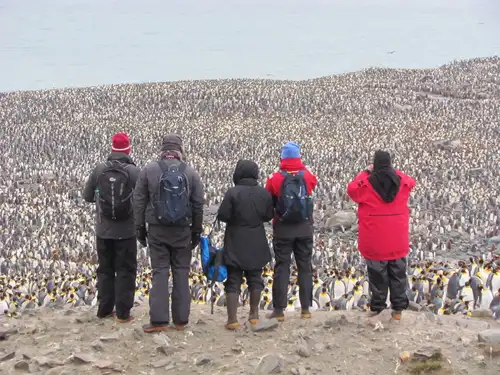
Scenes from St. Andrews Bay: 12 Pics of Penguins, Seals, and More

If you ever find yourself exploring the breathtaking sub-Antarctic island chain of South Georgia, one of the most captivating spots you'll encounter is the picturesque shoreline of St. Andrews Bay.
The Eight Great Penguin Species of Antarctica - Nexta Expeditions
Blog

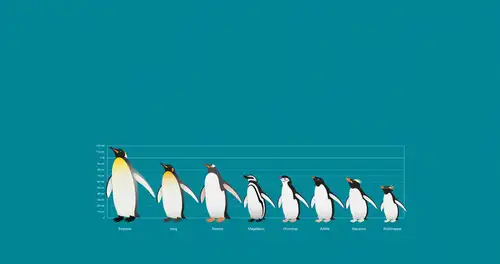
The Eight Great Penguin Species of Antarctica

There are 17 species of penguin on the planet, but the eight you’ll most likely recognize live in Antarctica, its nearby islands, and the sub-Antarctic archipelagos of South Georgia and the Falklands. These are the core species we tend to see on our expedition cruises.
The Eight Albatrosses of Antarctica and the Sub-Antarctic - Nexta Expeditions
Blog

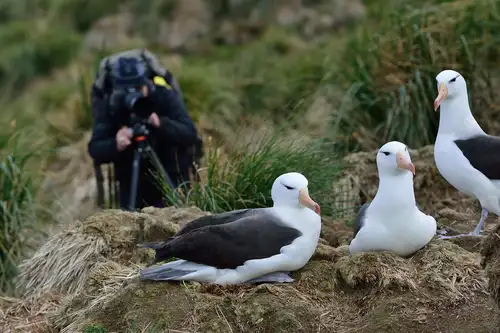
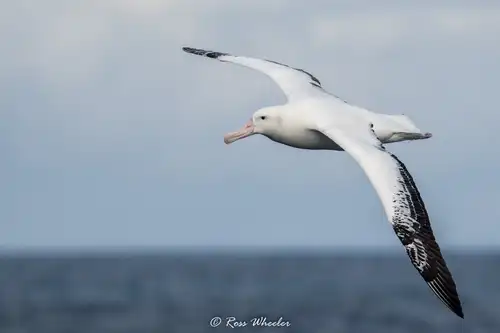
The Eight Albatrosses of Antarctica and the Sub-Antarctic

Our guests are typically wildlife enthusiasts, with a particular interest in bird life. While many bird lovers focus on the penguins we encounter, there's a smaller yet equally passionate group that favors the more airborne seabirds. Among this birdwatching subset, the albatross is a species that garners (and deserves) significant attention.
Visiting the Nearly Unknown: New Zealand’s Campbell Island - Nexta Expeditions
Blog

Visiting the Nearly Unknown: New Zealand’s Campbell Island

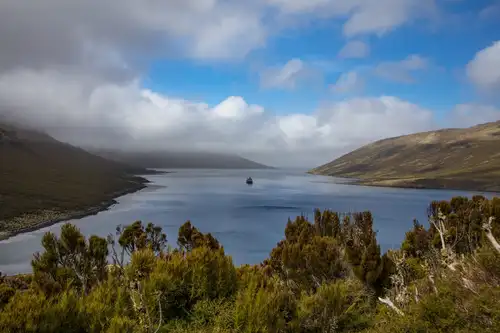
New Zealand is a renowned destination globally, and for good reason: It’s absolutely stunning. Almost every corner is filled with unparalleled beauty. But did you know that New Zealand includes several sub-Antarctic Islands that are almost completely unknown?
Secrets of the Snowy Owl: Habitat, Adaptations, and Other Facts - Nexta Expeditions

Blog

Secrets of the Snowy Owl: Habitat, Adaptations, and Other Facts

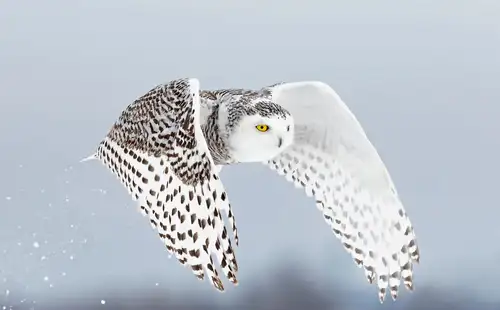
The snowy owl (Bubo scandiacus), also known as the great white owl or Arctic owl, is one of the most distinctive bird species on the planet. While you won’t find them in all areas of the Arctic – they don’t exist in Svalbard due to the lack of lemmings – snowy owls are seen in the polar regions of Eurasia and North America and are a potential visitor during Greenland cruises. The binomial species name, “scandiacus,” is derived from Scandinavia, as this is where the bird was first discovered. The snowy owl is the official bird of Quebec, and they are a must-see for countless bird watchers and naturalists.
The World Is Changing for Greenland's Native Inuit People - Nexta Expeditions
Blog

The World Is Changing for Greenland's Native Inuit People

You may know them as Eskimos, but the people of the Arctic are officially called the Inuit. Historically, they were hunters in the truest sense. For hundreds of years, they survived the world’s harshest conditions, living off their prey of whales, seals, polar bears, musk oxen, birds, fish, and reindeer. This has always been their way of life.
Harp seals harping on in Greenland - Nexta Expeditions
Blog

Harp seals harping on in Greenland

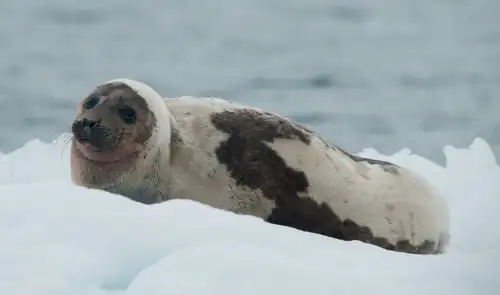
Harp seals are a moderately sized species, typically reaching about 1.6 meters in length and weighing around 130 kilograms. Both males and females are similar in size and weight, with males being only slightly larger. They possess a thick, robust body, a small broad and flat head, short narrow flippers, and a narrow muzzle.