Get To Know Your Ice - Nexta Expeditions
Get to Know Your Ice

Get to Know Your Ice

Ice plays a crucial role in everything from cooling your drink to regulating the planet's temperature. Let's explore the various forms of ice you might encounter during an Arctic or Antarctic adventure.

Ablation refers to the loss of ice or snow from an area due to evaporation, erosion, or melting.

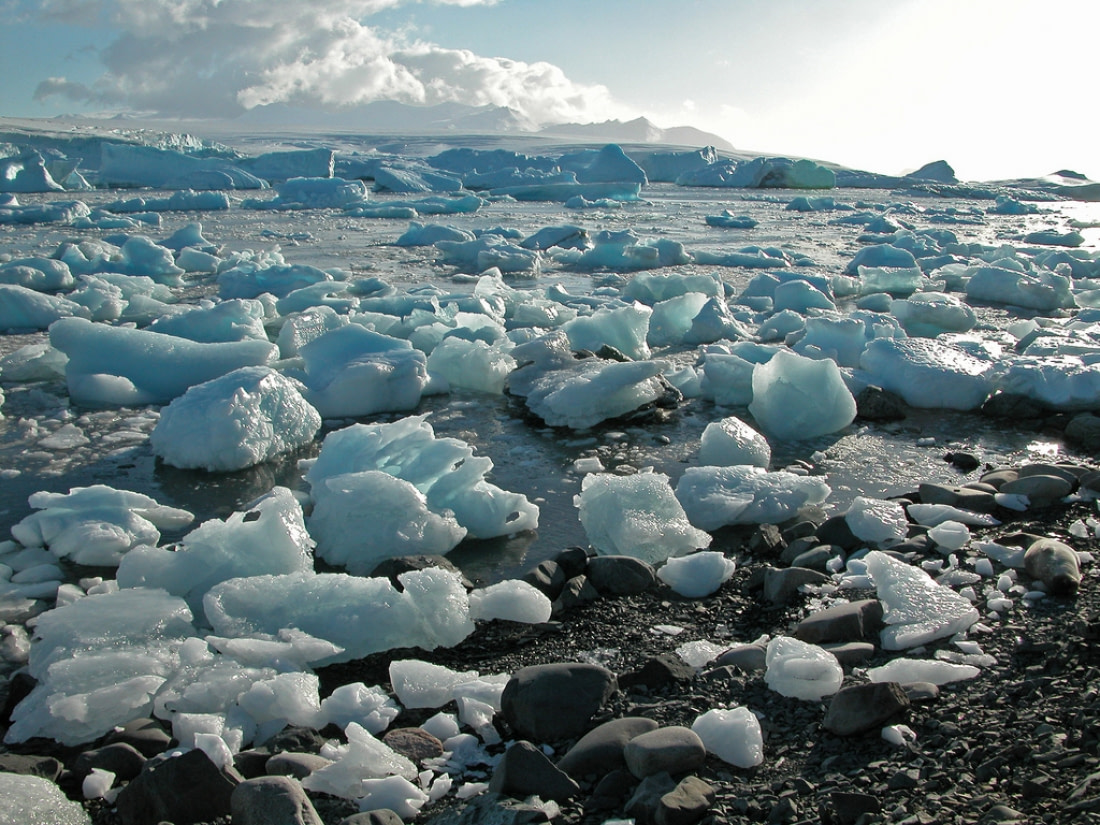
Bergy bits are small pieces of floating ice that have broken off from icebergs, ice shelves, or glaciers. They measure between 1 and 5 meters in height and cover an area of 100 to 300 square meters.
blog-image

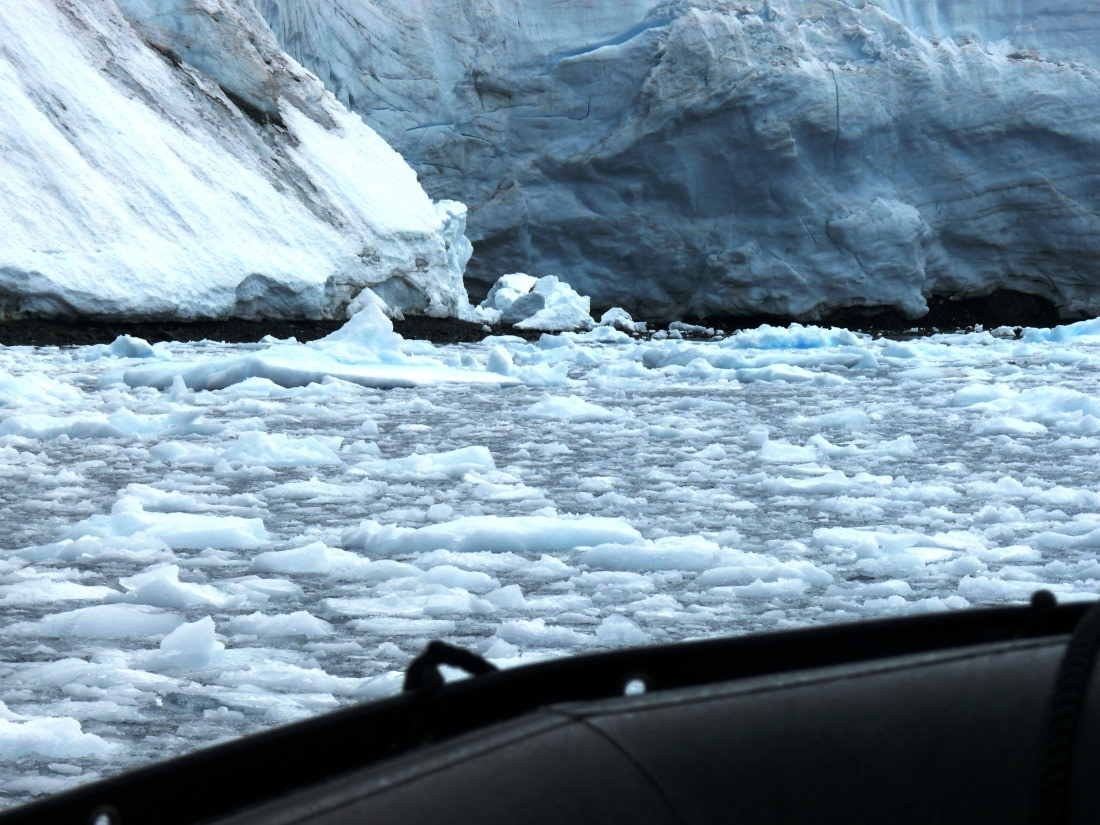
Brash ice forms when ice floes or pack ice break into smaller chunks. These pieces are generally less than 3 meters thick and 2 meters in diameter.
blog-image

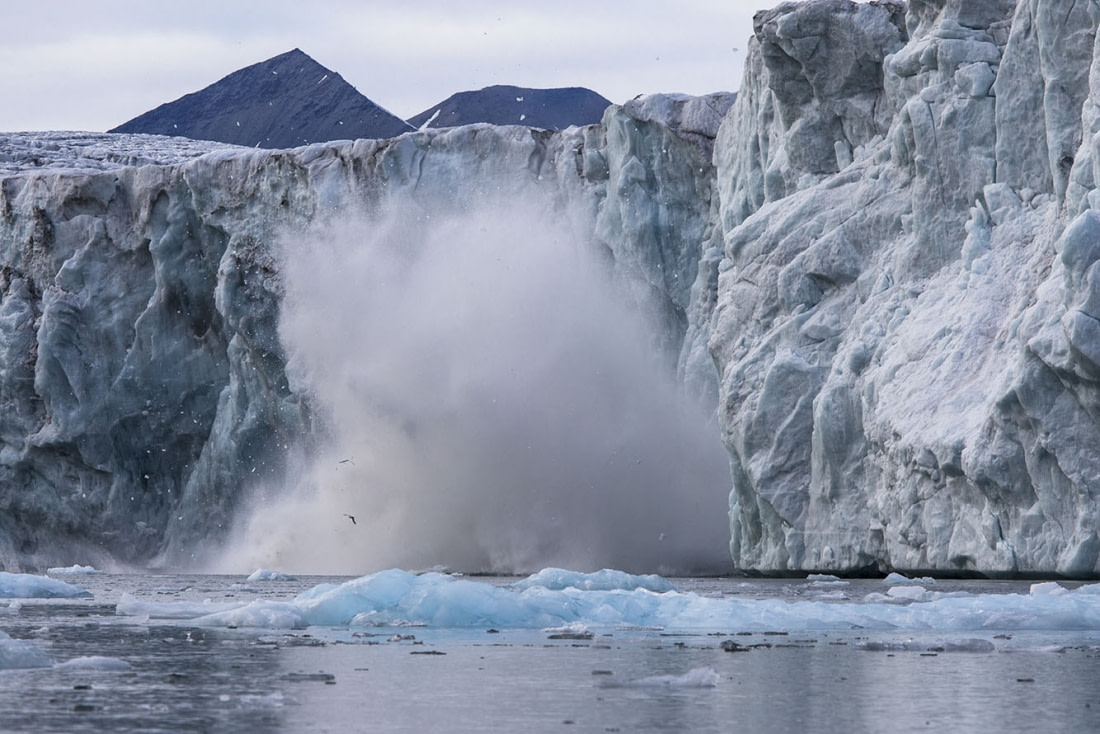
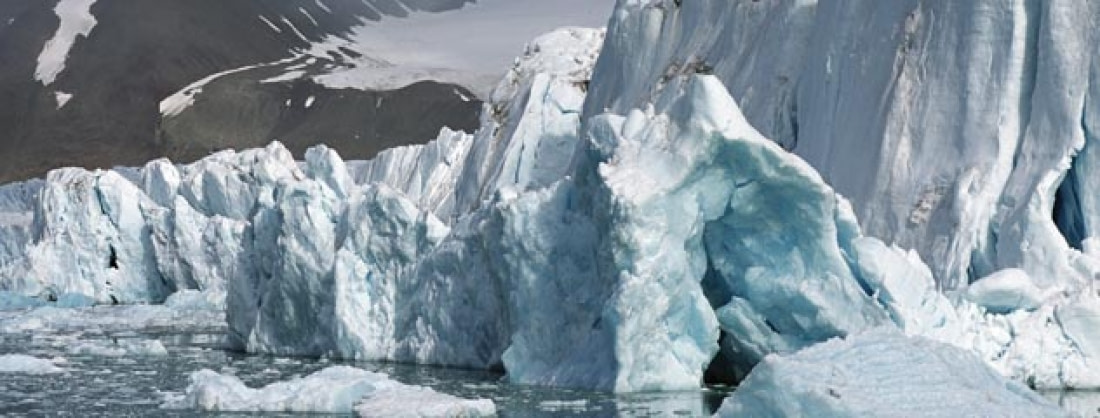
Calving is the process where chunks of ice break off from icebergs, ice shelves, or glaciers to form smaller ice bodies like bergy bits.
blog-image

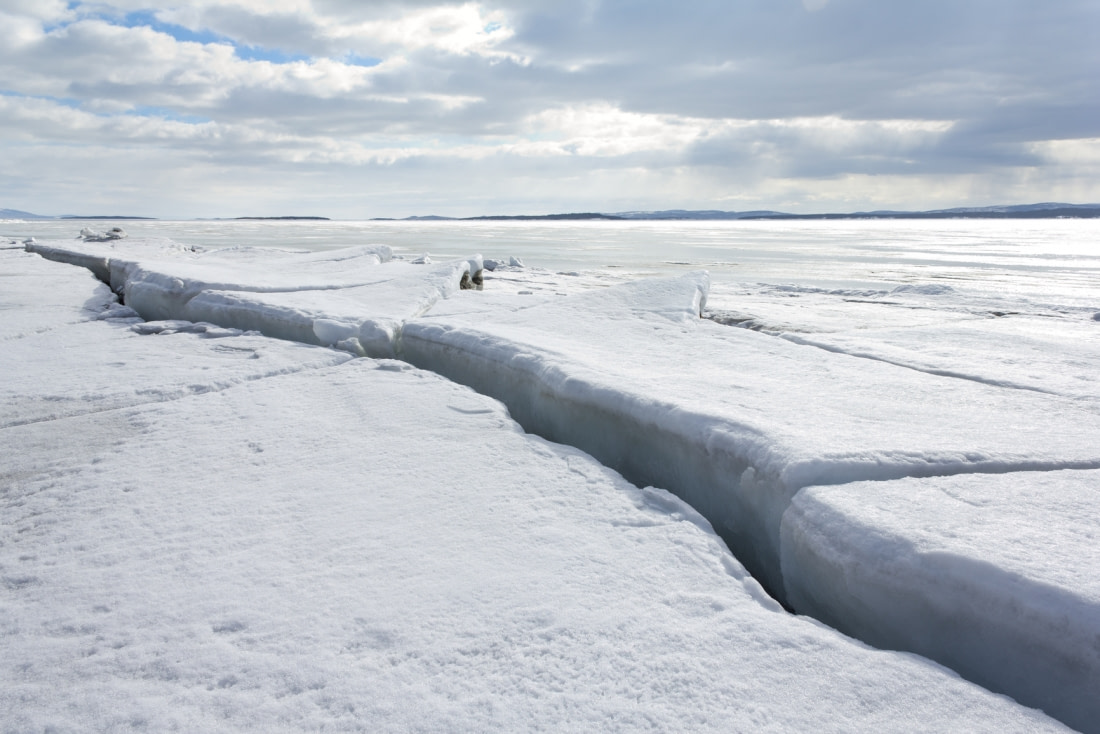
A crack is a slim cleavage in a piece of ice.

A crevasse is a larger split found in glaciers, often indicating that an iceberg is about to calve from a glacier section.
blog-image

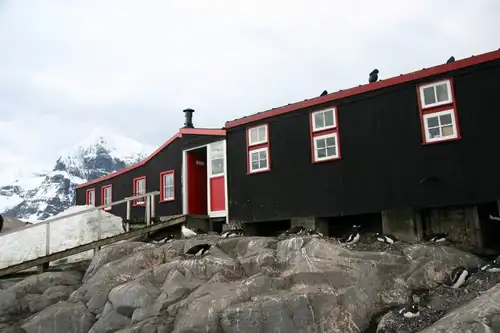
Fast ice is ice that remains attached to the land and does not drift away. It can support temporary housing stations, aircraft, and more.

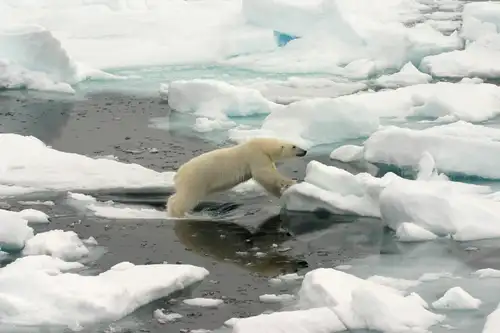
A floe is a piece of pack ice that has broken away and floats independently. Floes are categorized by size:

  • Small (less than 100 meters wide)
  • Medium (less than 300 meters)
  • Large (less than 2 kilometers)
  • Vast (less than 10 kilometers)
  • Giant (greater than 10 kilometers wide)

Frazil ice forms when ice first starts to develop on ocean waters, resembling a slushy mix of ice needles. As it freezes, it becomes known as grease ice due to its greasy appearance on the water.

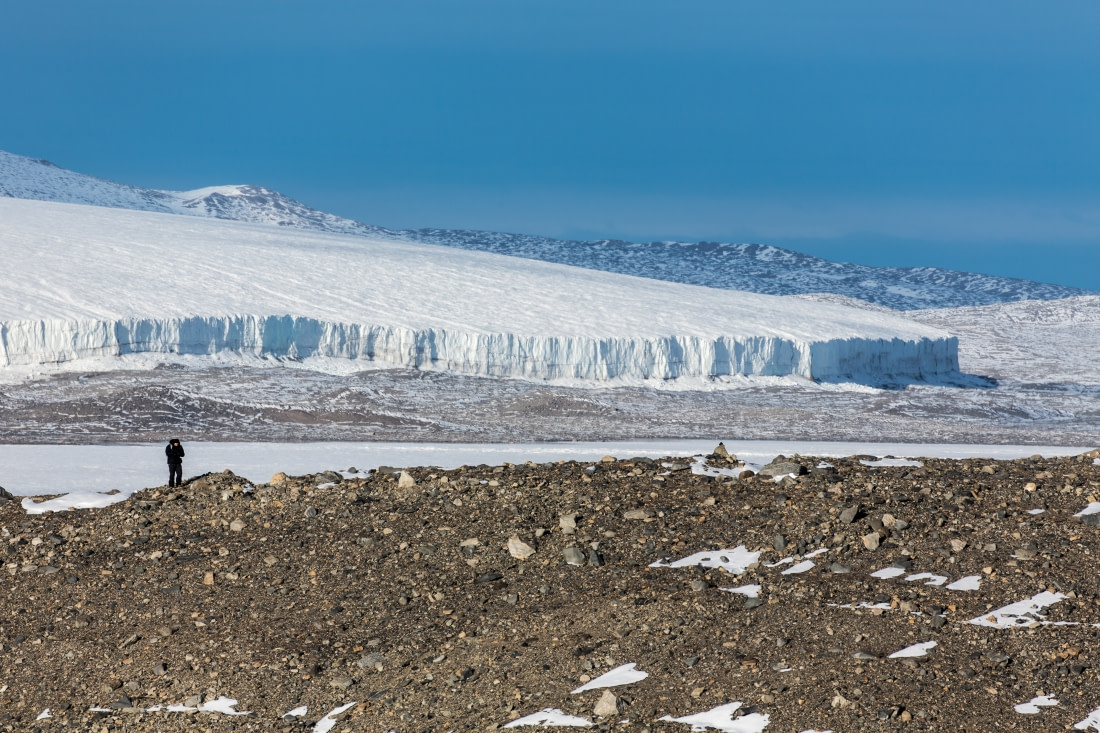
A glacier is a large body of ice found on land, slowly moving down mountains or across landscapes. One of the fastest-moving glaciers is the Jakobshavn Glacier in Greenland, which flows at about 20 meters per day.
blog-image

Glaciers can be further classified by their location or shape, such as continental glaciers that resemble domes or alpine glaciers that flow down valleys.

Glacier tongues are glaciers that extend into the water while remaining attached to land.
blog-image

Grease ice – see frazil ice above.

Growlers are small floating ice bodies, less than 1 meter in height and covering an area of no more than 20 square meters.

Hummocky ice consists of small mounds of ice that rise above a field of ice due to pressure.

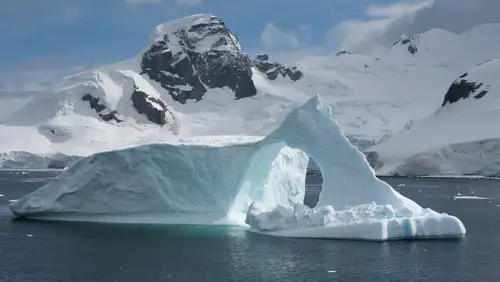
Icebergs are large floating masses of freshwater ice, with only about 20% visible above the water. To be classified as an iceberg, the ice must rise at least 5 meters above the water and cover an area of at least 500 square meters. Icebergs can weigh from hundreds of tonnes to billions of tonnes.

Types of icebergs include:

  • Dome icebergs with rounded tops.
  • Pinnacled icebergs with pointy tops.
  • Sloping icebergs with angled but relatively flat tops.
  • Tabular icebergs with flat tops and steep sides.
  • Weathered icebergs sculpted by the weather into various shapes.

Ice blinks are reflections of light bouncing off a field of ice onto the bottom of clouds.

Ice caps are massive sheets of ice covering up to 50,000 square kilometers.

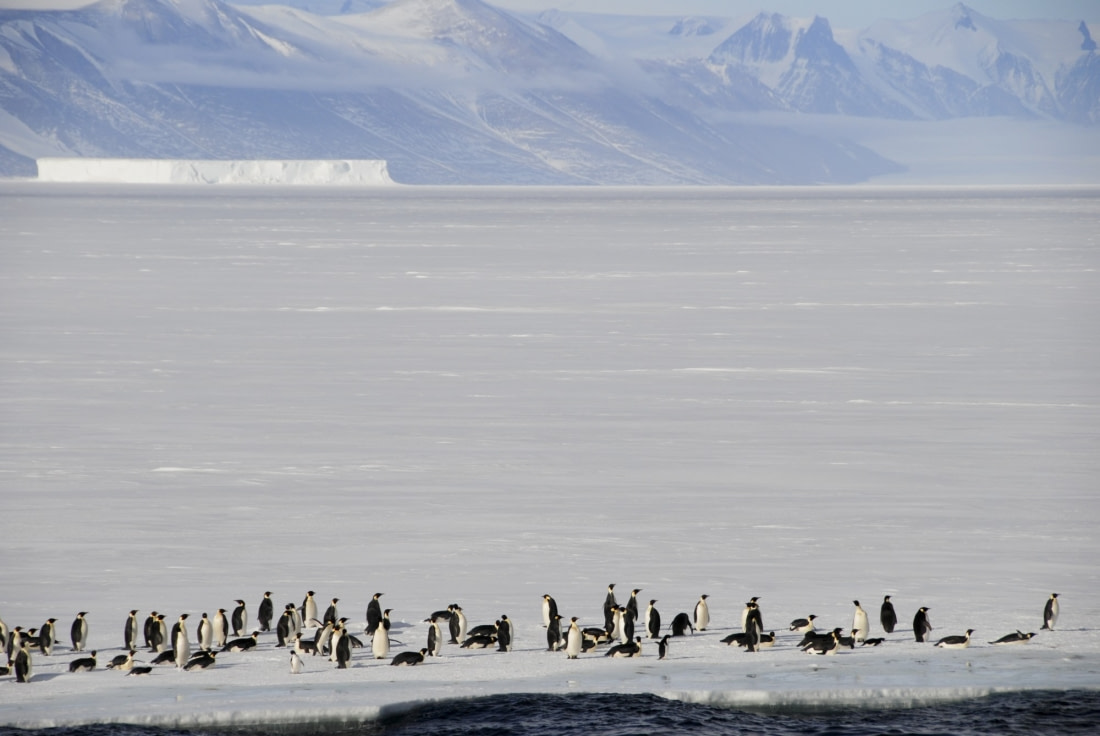
An ice edge is where the water meets the ice.
blog-image

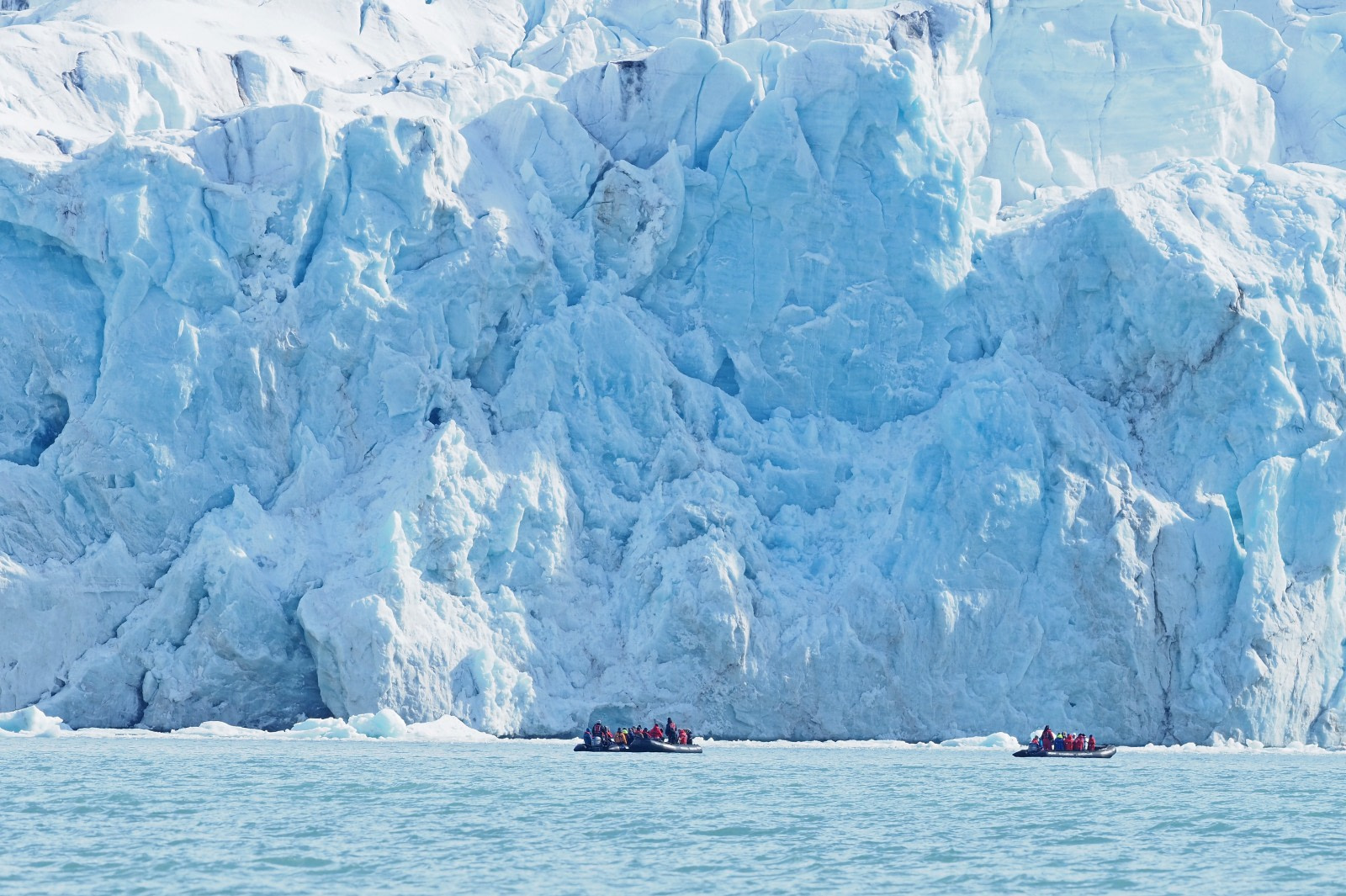
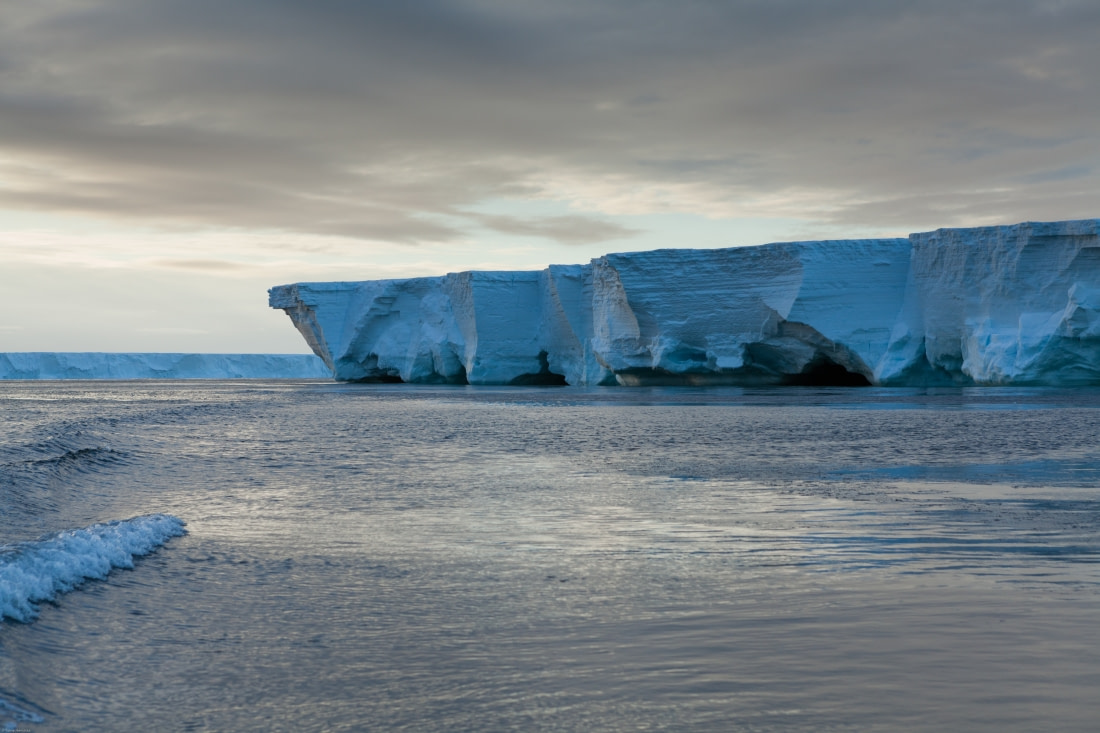
An ice front is a shelf of ice or a floating glacier rising up to 50 meters above the water's surface.

Ice shelves are sheets of ice that float on water but remain attached to land. They can be over a thousand kilometers thick, rise up to 50 kilometers above the water, and extend hundreds of kilometers along a coastline.
blog-image

Ice tongues are sections of ice that extend into the water while remaining attached to land.

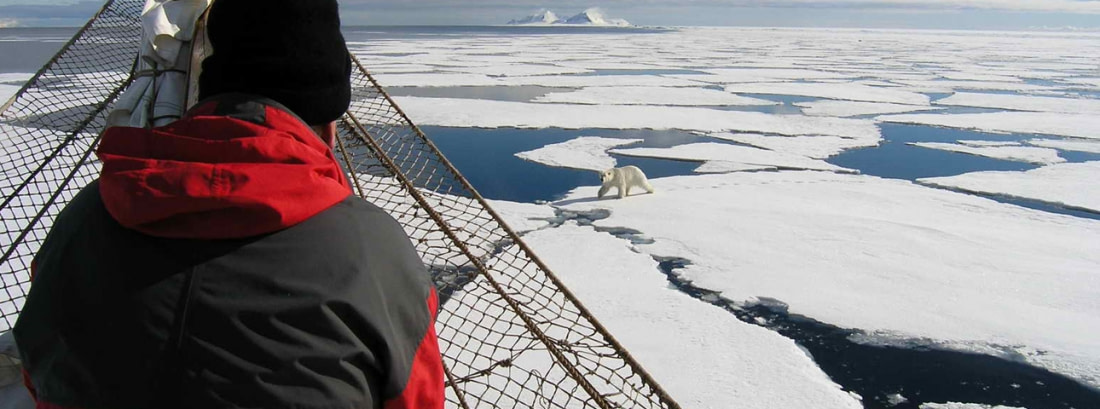
Leads are openings in pack ice that ships can navigate through, hoping the ice won't close up before they reach the other side.

Moraines are rocky debris left behind by a glacier. A terminal moraine marks the point where a glacier stopped advancing and began to retreat.

Nilas is the sludge on its way to becoming solid ice, still containing a lot of saltwater and moving with ocean waves.

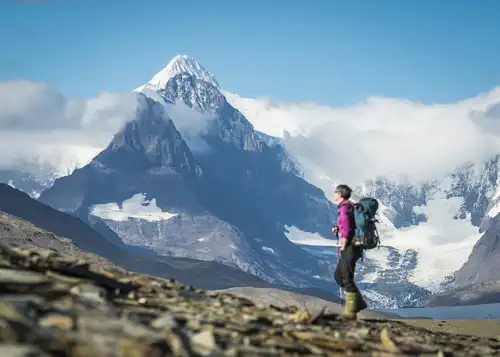
Nunatak refers to rocky formations like mountains that protrude above glaciers.

Pack ice consists of chunks of ice forming a continuous coverage over a section of water. "Open pack ice" means less than 60% ice coverage, "close pack ice" means up to 80%, and "very close pack ice" means 90%. "Consolidated pack ice" means no visible water, indicating a ship might be stuck for a while.
blog-image

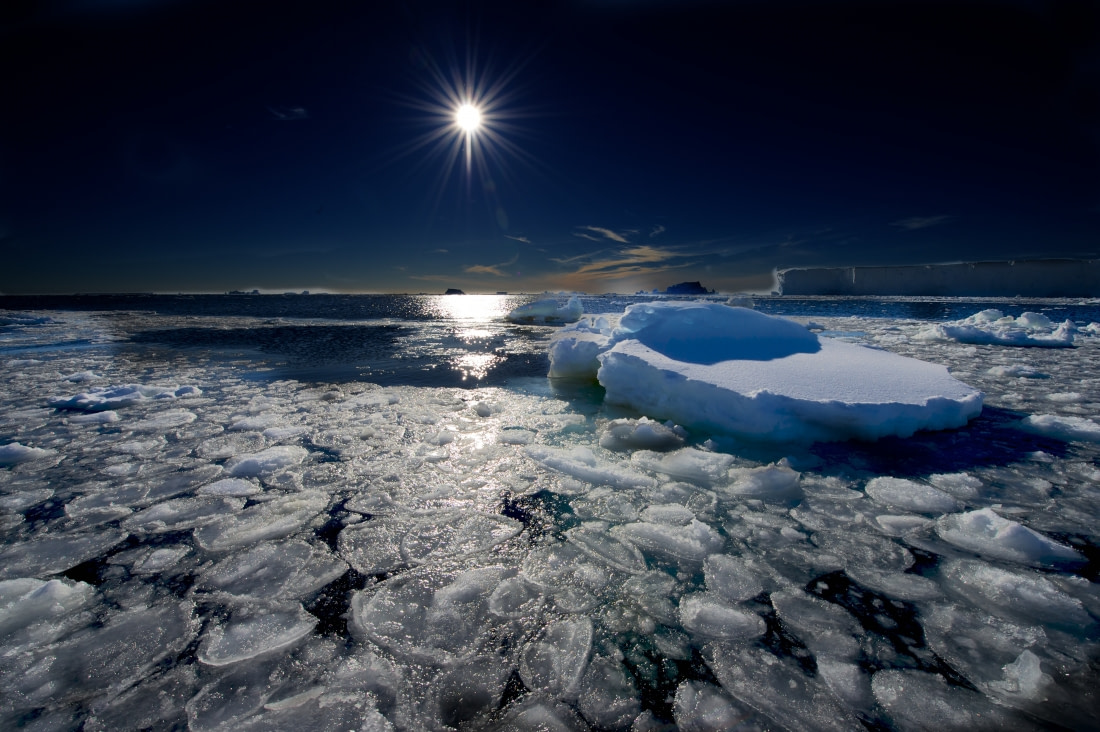
Pancake ice forms when wind and water push roundish bits of ice against each other, turning up the edges.
blog-image

Pressure ice forms due to wind and water, creating pressure ridges that rise above the ice plane.

Rafting ice occurs when one body of ice climbs on top of another, like a turtle mounting another turtle.

Rotten ice is melting or disintegrating ice that looks like a honeycomb due to water or air between the ice particles.

Sastrugi are ridges further shaped by the wind.

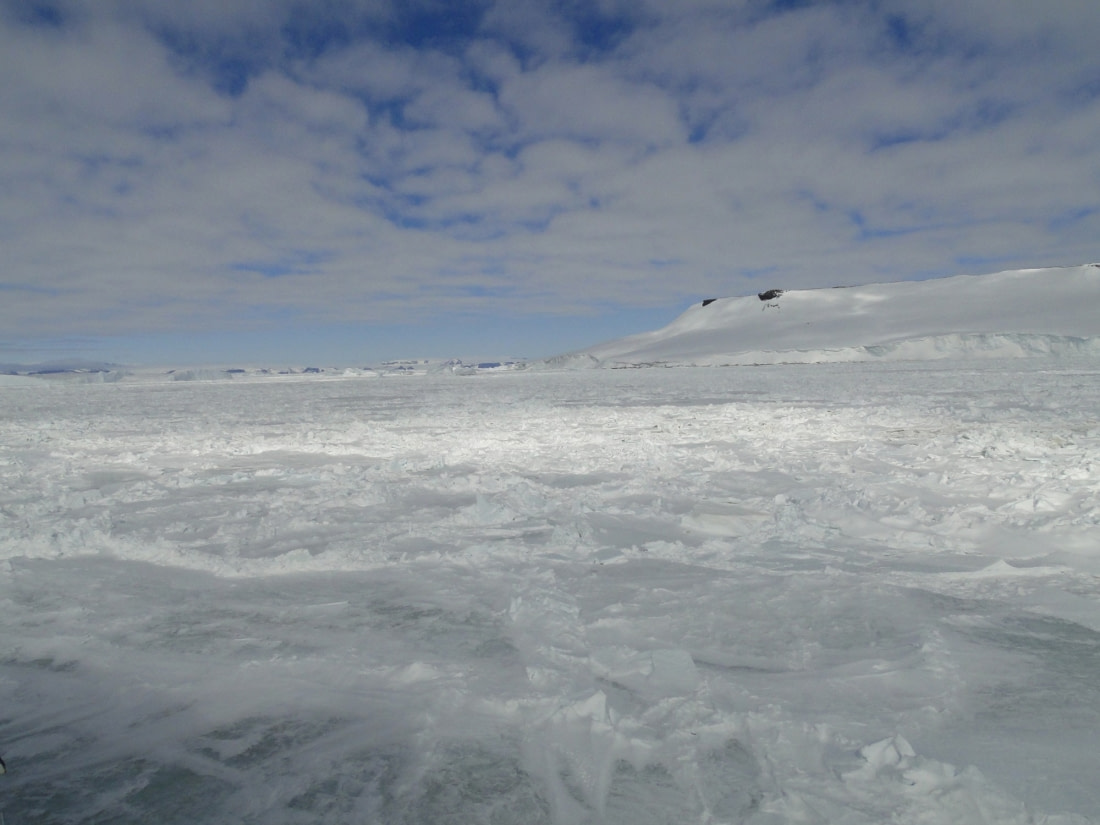
Sea ice forms on the sea and surrounds a body of land.
blog-image

Shuga refers to lumps of true ice forming out of grease ice.

Sludge or slush ice is a denser form of frazil ice, on its way to becoming true ice.

A glacier's snout is its terminus, where the glacier ends.

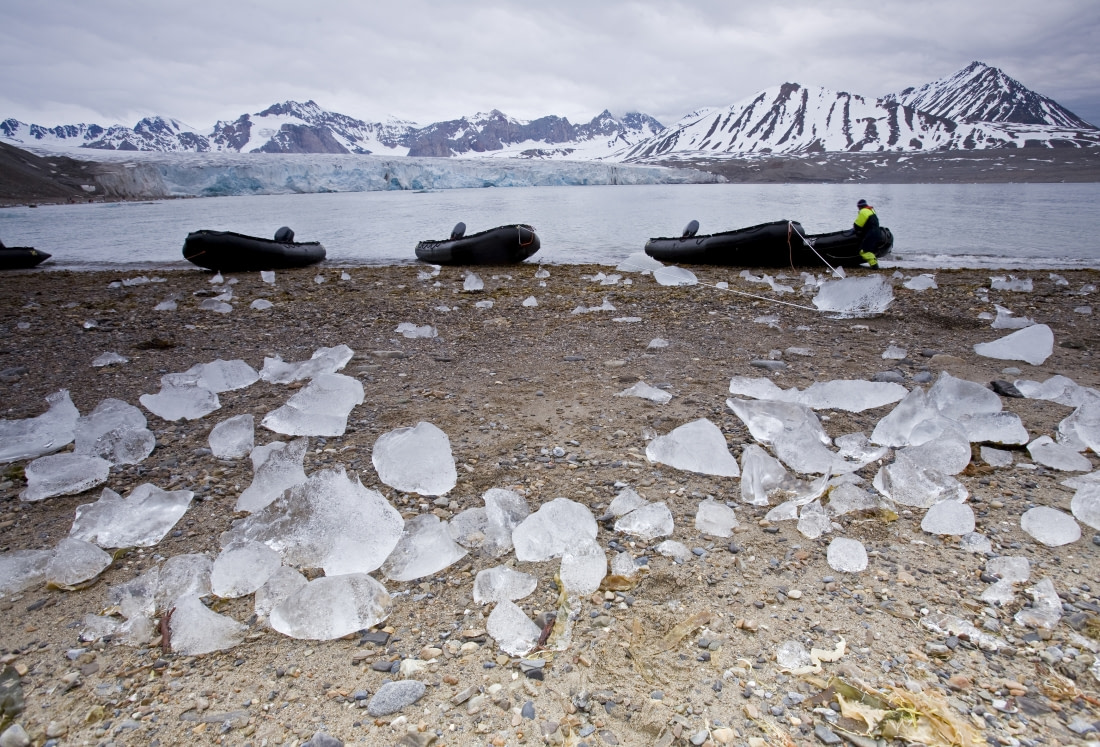
Stranded ice is ice left behind when the water beneath it recedes.
blog-image

Water sky is similar to ice blink but involves light reflecting off darker-colored water, creating a dark area on the clouds.


Blog
go-leftgo-right

The Eight Great Penguin Species of Antarctica - Nexta Expeditions
Blog

The Eight Great Penguin Species of Antarctica

There are 17 species of penguin on the planet, but the eight you’ll most likely recognize live in Antarctica, its nearby islands, and the sub-Antarctic archipelagos of South Georgia and the Falklands. These are the core species we tend to see on our expedition cruises.
The first race to the South Pole in 50 years - Nexta Expeditions
Blog

The first race to the South Pole in 50 years

Before the South Pole could be reached, the question was what exactly lay at the southern ends of Earth. The concept of Terra Australis Incognita, an unknown continent, was first introduced by Aristotle, who reasoned that a southern landmass must exist to ‘balance’ the known lands in the northern hemisphere.
How and When Did Greenland Become Covered in Ice? - Nexta Expeditions
Blog

How and When Did Greenland Become Covered in Ice?

Although it may be hard to believe, there was a time when Greenland was more green than icy. Today, those who embark on a Greenland expedition are greeted with views of the Greenland ice sheet and the marine life that thrives in this region, including seals and whales. Polar bears are also prominent in the northern and eastern parts of Greenland. These animals have adapted to their environment, but a few million years ago, the massive island would not have been as welcoming to them.
First to the North Pole: Five Failed but Brave Expeditions - Nexta Expeditions
Blog

First to the North Pole: Five Failed but Brave Expeditions

Being first to reach the North Pole was seen by several nations as economically invaluable due to the open polar sea said to encircle it, but for the explorers themselves it was also a gloriously adventurous grab for immortality.
Science of the Ross Ice Shelf - Nexta Expeditions
Blog

Science of the Ross Ice Shelf

Antarctica’s Ross Ice Shelf is vast, spanning 487,000 sq. km – comparable to the size of France – with a thickness that varies from a few hundred meters near the sea to over 1,200 meters away from the floating edge. The edge along the Ross Sea forms a towering ice wall, rising up to 50 meters above the water, with most of the ice submerged below the waterline.
10 Traits of Post-Ice-Age Greenland - Nexta Expeditions
Blog

10 Traits of Post-Ice-Age Greenland

Grasses, sedges, and other species of heath were the first arrivals, and are still commonly found in Greenland. Scientists have been able to work out how plants colonised Greenland by examining ancient pollen samples found in deposits at the bottom of lakes: Dwarf birch came to western Greenland around 9,000 years ago, and around 4,500 years ago – roughly the same time humans were first boating onto Greenland shores – green alders were taking up residence there.
A Look Into the International Research Stations of Antarctica - Nexta Expeditions
Blog

A Look Into the International Research Stations of Antarctica

In 1902, William S. Bruce, along with a team of naturalists, explorers, and sailors, embarked on the first Scottish expedition to Antarctica’s South Pole aboard the Scotia. The Scottish National Antarctic Expedition (SNAE) aimed to establish the continent's first meteorological station and explore its largely undocumented biological, topographic, and meteorological features.
12 photo tips to make better pictures on your Antarctica cruise - Nexta Expeditions
Blog

12 photo tips to make better pictures on your Antarctica cruise

During your trip in the Arctic or Antarctic cruise you and your camera equipment will be exposed to a variety of challenging conditions. Be careful with your equipment and protect it from the salty spray when in Zodiacs, on a beach, or on deck. Salt water and electronics is not a good mix!
Exploration of the Polar Regions - Nexta Expeditions
Blog

Exploration of the Polar Regions

From the Vikings via the first whale and seal hunters to Scott and Amundsen, from the maritime explorers Franklin and Nordenskiöld to present-day polar tourism, a quick tour through history reveals some of the aspects which motivated people to extend their horizons. Existential need, sheer curiosity, imperial greed, polar science, and a taste for adventure all converged in regions which pardon no mistakes.
Flowers in Antarctica - Nexta Expeditions
Blog

Flowers in Antarctica

The polar regions are among the most inhospitable environments for plants and animals. Life here faces numerous challenges, including low temperatures, high winds, solar radiation, and cell freezing. The Antarctic continent experiences extreme conditions, with darkness during winter and continuous light during summer. Winter temperatures can drop to -60°C or lower.
Graham Land: A landscape dominated by volcanoes - Nexta Expeditions
Blog

Graham Land: A landscape dominated by volcanoes

An Antarctic cruise may explore the upper tip of the Antarctic Peninsula where one finds Graham Land, a jagged, glaciated part of Antarctica with a landscape dominated by volcanoes. Despite the volcanoes being over 200 million years old they are far from extinct with volcanic activity occurring today. Graham Land is connected to Palmer Land at the point where the Antarctic Peninsula widens from around 75 km to around 200 km south of Marguerite Bay.
10 Terrific Antarctic Bird Facts - Nexta Expeditions
Blog

10 Terrific Antarctic Bird Facts

Antarctica is a premier destination for birdwatching, boasting around 45 unique species. Describing them all would require an extensive article, so here we will focus on 10 fascinating facts about the birds you can encounter in Antarctica.
Solargraphy & Pin Hole photography in the Arctic - Nexta Expeditions
Blog

Solargraphy & Pin Hole photography in the Arctic

Everything you need to know about Antarctic icebergs - Nexta Expeditions
Blog

Everything you need to know about Antarctic icebergs

The ice in Antarctica might seem static, but it is constantly moving. Pieces of ice are continuously breaking off from ice shelves, glaciers, or other icebergs. They float freely along with the Antarctic currents, with about 90 percent of their mass below the surface of the water. This fact is actually what gave rise to the nowadays popular phrase “the tip of the iceberg”. Regardless, the sighting of the first iceberg is always a moment to celebrate in any and all Antarctic expeditions. So that you may appropriately ready yourself for that joyous moment, in this article you will find everything you need to know about Antarctic icebergs.
Weddell seals: The data collectors scientists of Antarctica - Nexta Expeditions
Blog

Weddell seals: The data collectors scientists of Antarctica

Weddell seals inhabit some of the coldest and darkest waters deep within the Ross Sea ice, making them the southernmost naturally occurring mammals on Earth. During the winter and summer months, their movements are largely governed by the presence of sea ice and the availability of suitable breathing and exit holes.
Shackleton’s Long-Lost Endurance Discovered in Antarctica - Nexta Expeditions
Blog

Shackleton’s Long-Lost Endurance Discovered in Antarctica

A discovery expedition launched by the Falklands Maritime Heritage Trust achieved a long-awaited mission when it located Anglo-Irish explorer Ernest Shackleton’s lost ship Endurance last Saturday (March 5).
Under the Greenland Ice Sheet - Nexta Expeditions
Blog

Under the Greenland Ice Sheet

Anyone who ventures to the right part of the globe can encounter vast amounts of ice, but a Greenland cruise offers something truly unique: ice sculptures hidden beneath the northern ice sheet. Scientists once thought these sculptures were rocky hills buried in ice, similar to the Ghost Mountains in Antarctica. However, it turns out that Mother Nature has crafted one of the most exclusive art exhibits in the world. These sculptures are not visible from the surface, but some scientists have managed to get a sneak peek using radar equipment.
Secrets of the Snowy Owl: Habitat, Adaptations, and Other Facts - Nexta Expeditions
Blog

Secrets of the Snowy Owl: Habitat, Adaptations, and Other Facts

The snowy owl (Bubo scandiacus), also known as the great white owl or Arctic owl, is one of the most distinctive bird species on the planet. While you won’t find them in all areas of the Arctic – they don’t exist in Svalbard due to the lack of lemmings – snowy owls are seen in the polar regions of Eurasia and North America and are a potential visitor during Greenland cruises. The binomial species name, “scandiacus,” is derived from Scandinavia, as this is where the bird was first discovered. The snowy owl is the official bird of Quebec, and they are a must-see for countless bird watchers and naturalists.
The South Georgia Seven: Hikes, Fjords, Whales, & Penguins - Nexta Expeditions
Blog

The South Georgia Seven: Hikes, Fjords, Whales, & Penguins

Few places encapsulate such a staggeringly rich assortment of sub-Antarctic scenery, wildlife, and outing opportunities as South Georgia.
South Georgia Whaling Stations - Nexta Expeditions
Blog

South Georgia Whaling Stations

South Georgia is a paradise for animal enthusiasts. It stands out as one of the most wildlife-abundant destinations in our polar expeditions, whether in the Northern or Southern Hemisphere.