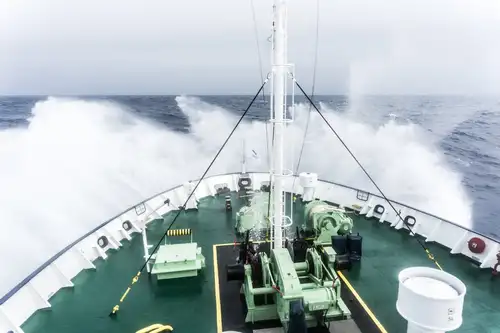
Taking A Polar Expedition Cruise Delivers No Shortage Of Show Stopping Highlights But One Of The Most Exhilarating Is Lifting Off From The Ship In A Helicopter And Taking Flight Over The Incomparable Antarctic Wilderness - Nexta Expeditions
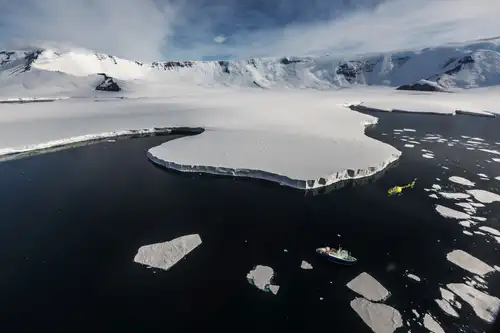
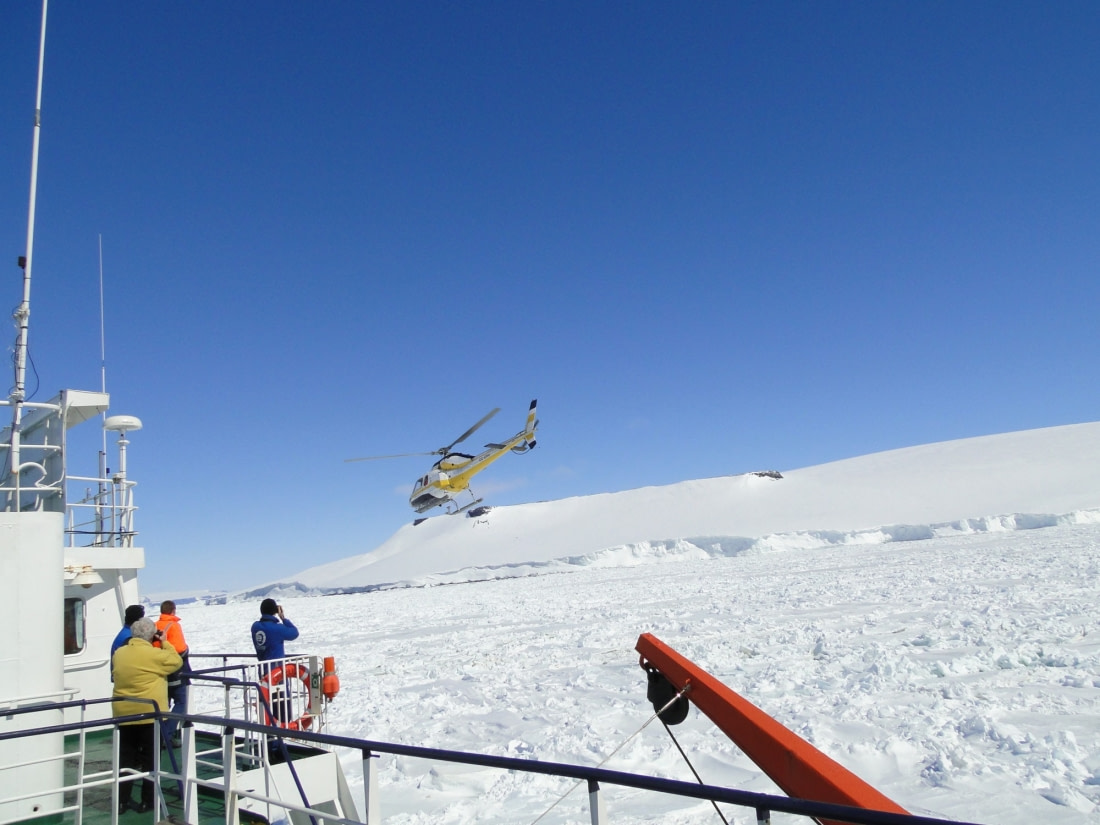
Taking a polar expedition cruise delivers no shortage of show-stopping highlights, but one of the most exhilarating is lifting off from the ship in a helicopter and taking flight over the incomparable Antarctic wilderness.

Taking a polar expedition cruise delivers no shortage of show-stopping highlights, but one of the most exhilarating is lifting off from the ship in a helicopter and taking flight over the incomparable Antarctic wilderness.

Embarking on a polar expedition cruise offers a plethora of breathtaking experiences, but one of the most thrilling is taking off from the ship in a helicopter and soaring over the stunning Antarctic wilderness.

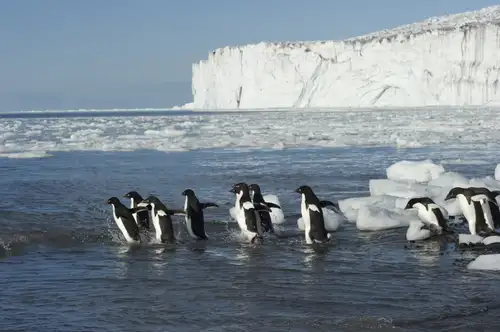
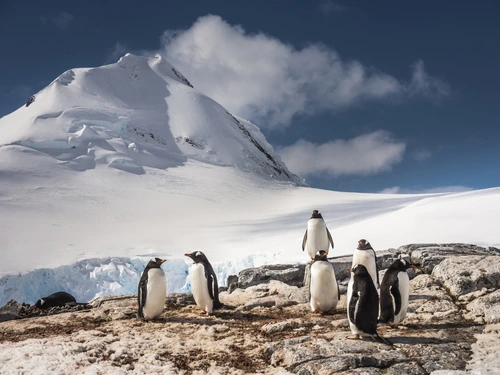
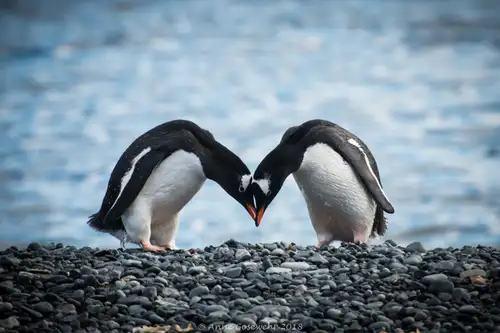
The penguins get so jealous.

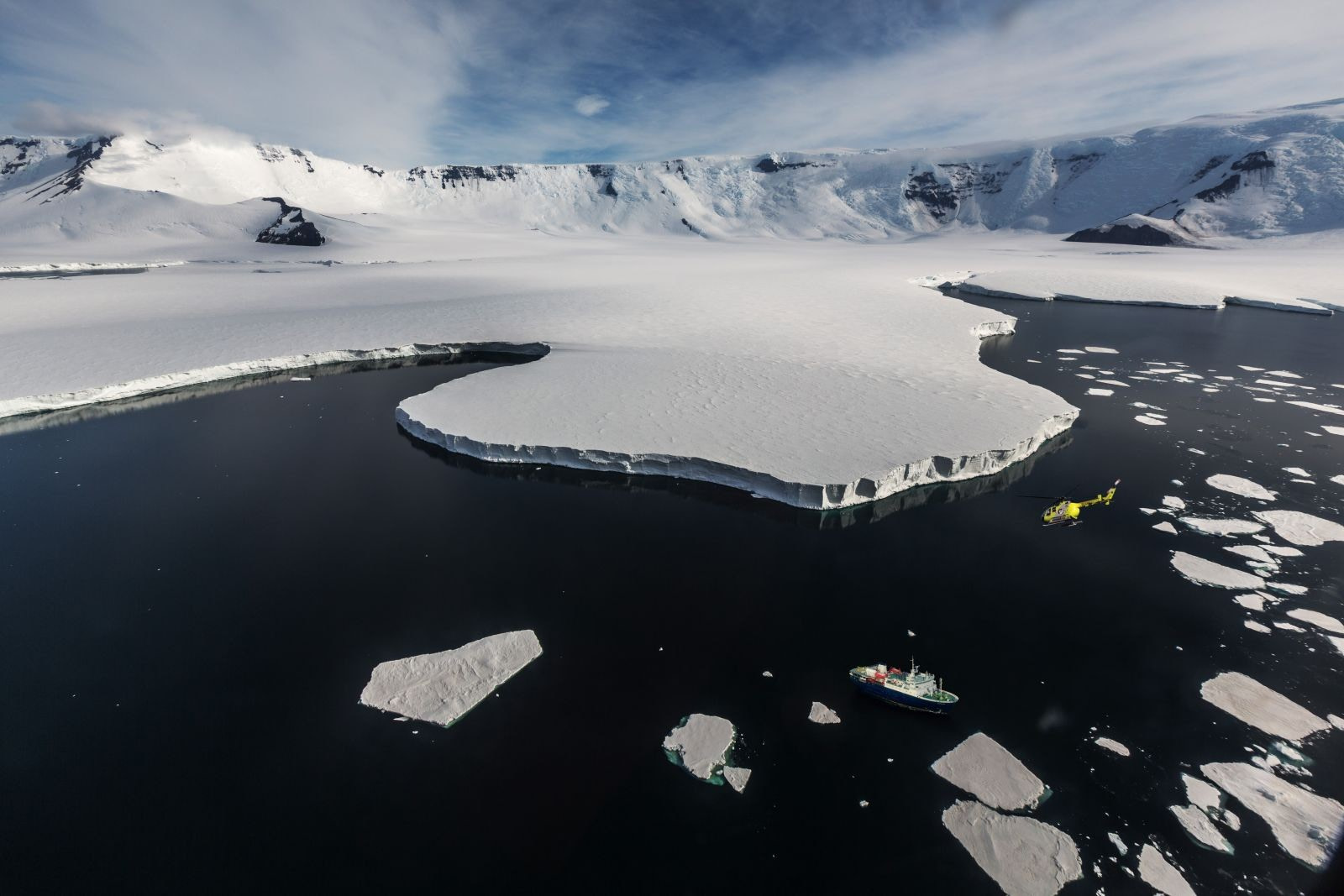
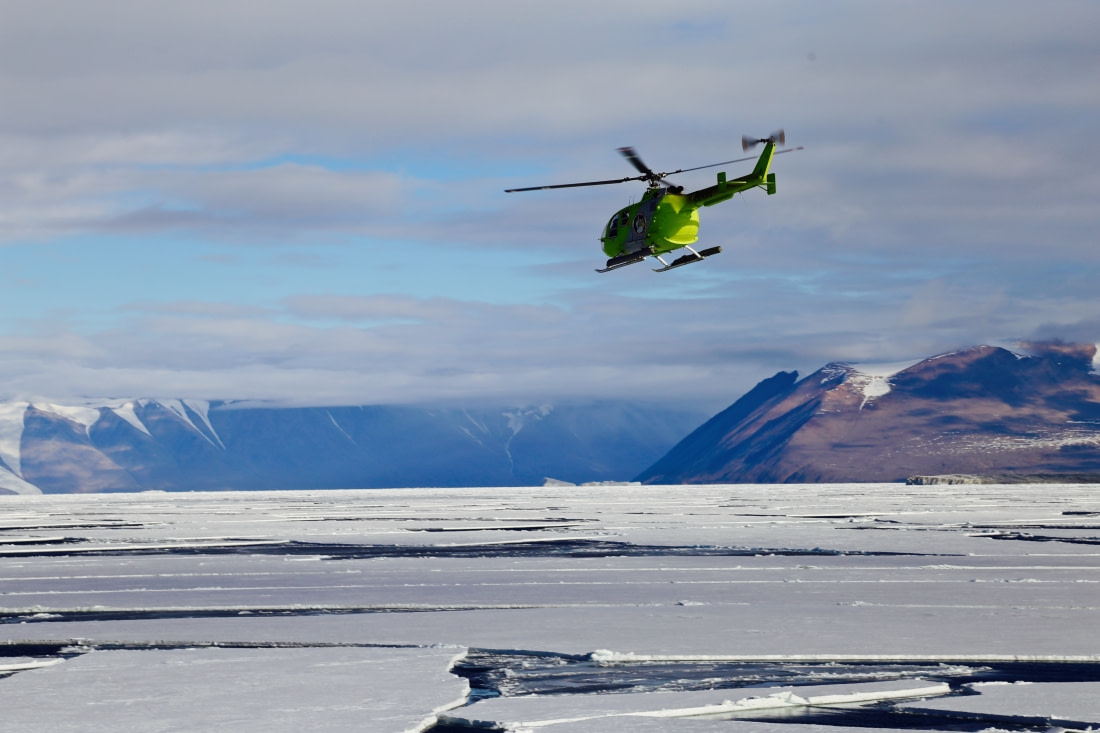
On certain Ortelius voyages, we have two helicopters on board that can, weather permitting, lift you off the ship and fly you into the Antarctic adventure of your dreams.

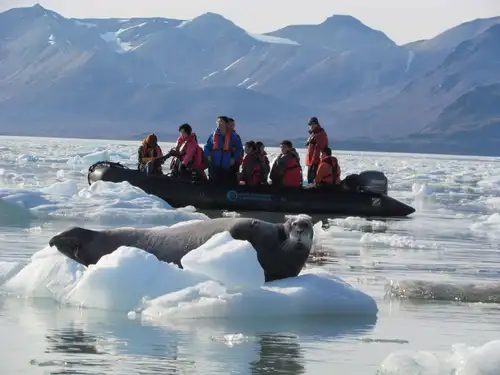
These aerial cruises take place in two of Antarctica’s most scenic and wildlife-rich regions: the Ross Sea and Weddell Sea, areas renowned for their diverse species of whales, seals, and seabirds – including penguins.

Here we’ll delve into some details of our exhilarating helicopter adventures.
blog-image

Helicopter cruises in Antarctica’s Ross Sea

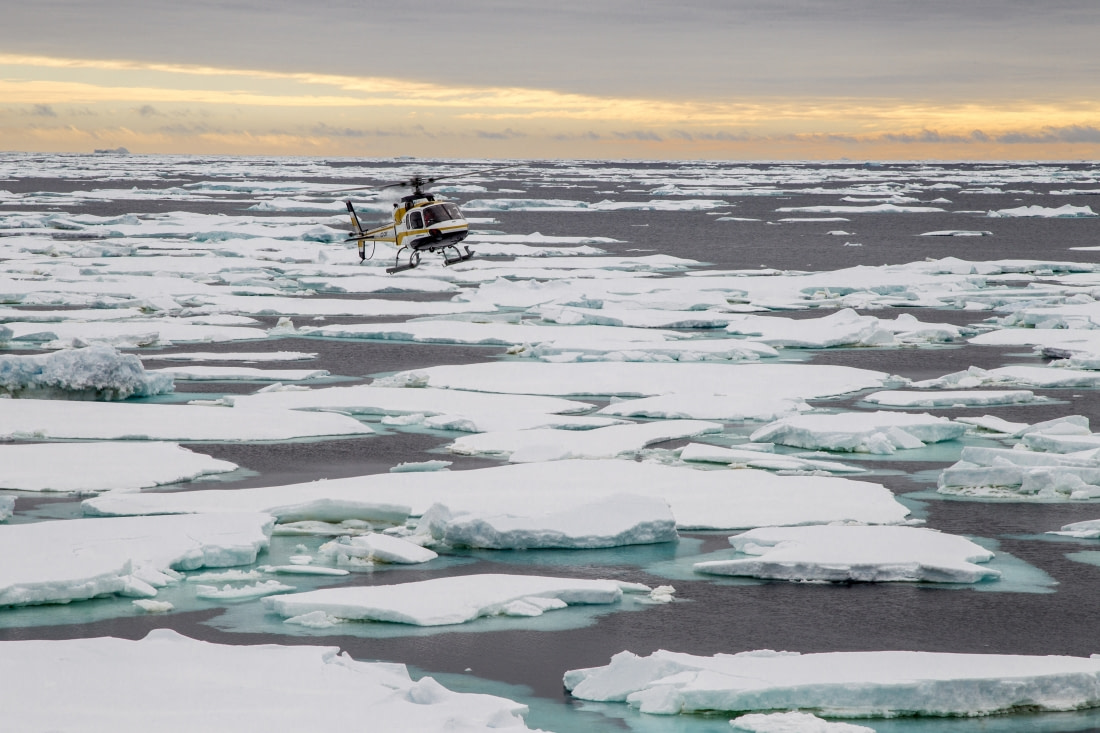
Our more frequent helicopter trips are our Ross Sea voyages, expansive Antarctic itineraries that run about a month long.

During these voyages, you’ll sail through the Bellingshausen Sea, Amundsen Sea, and finally the Ross Sea, potentially visiting such jaw-dropping locations as the Ross Ice Shelf, Ross Island, Shackleton’s cabin at Cape Royds, Scott’s cabin at Cape Evans, Inexpressible Island, Cape Adare, and more.

Many of these sites are legendary in the history of Antarctic exploration, having witnessed some of its most defining moments and personalities.
blog-image

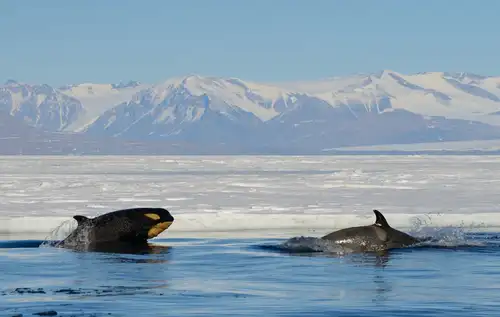
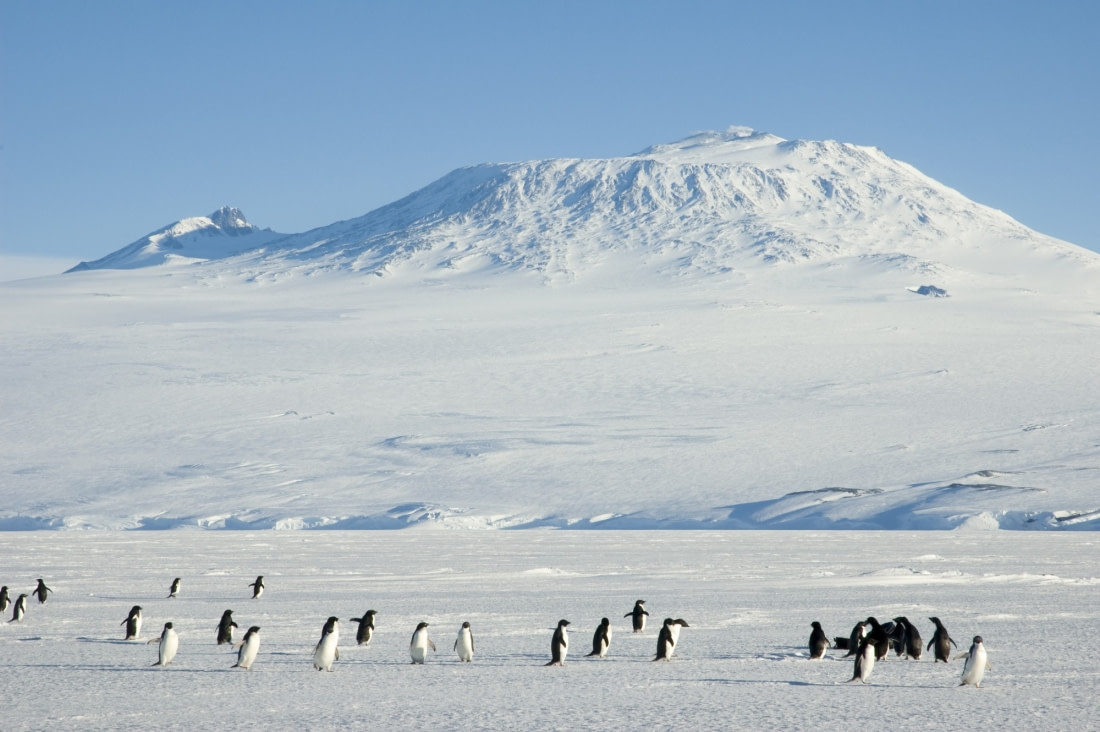
You’ll also have the chance to see some of the beloved polar wildlife that makes the Ross Sea such a coveted destination: Emperor and Adélie penguins, fin, minke, and orca whales (killer whales), elephant seals and fur seals, and a nearly inexhaustible list of seabirds may cross your path during your time in the Ross Sea.

Our helicopters enable us to attempt landings at places we would otherwise not be able to visit, such as the glaciated northern shore of Peter I Island, the colossal Ross Ice Shelf, and sometimes even in Antarctica’s Mars-like Dry Valleys.
blog-image

The Weddell Sea’s helicopter highlights

Less frequent but no less fantastic than our Ross Sea trips are our Weddell Sea voyages, where helicopters also prove invaluable to reaching areas impossible to see any other way.

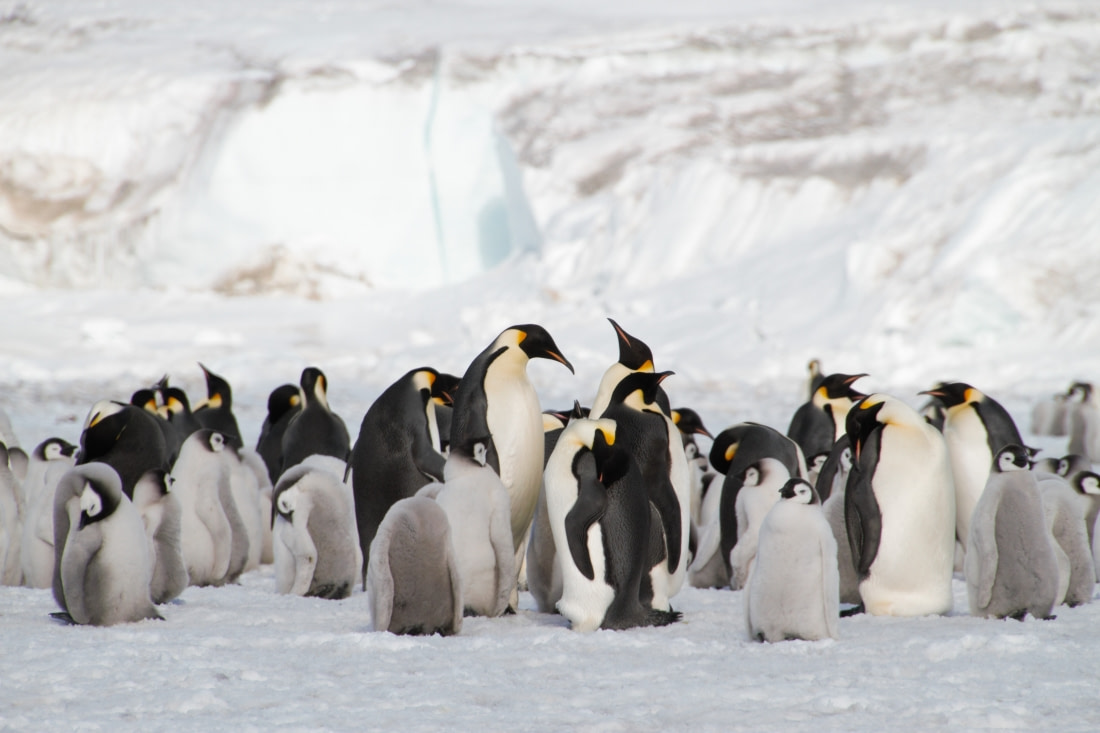
One of the highlights of our Weddell Sea cruises is no doubt the emperor penguin colony on Snow Hill Island, a seldom-visited location we nonetheless managed to take our passengers to in 2017, 2018, and 2019.

But our other intended Weddell Sea landings are similarly exciting, such as the western slopes of the Antarctic Sound, Seymour Island, Devil Island, Brown Bluff, and Deception Island, among other unforgettable locations.
blog-image

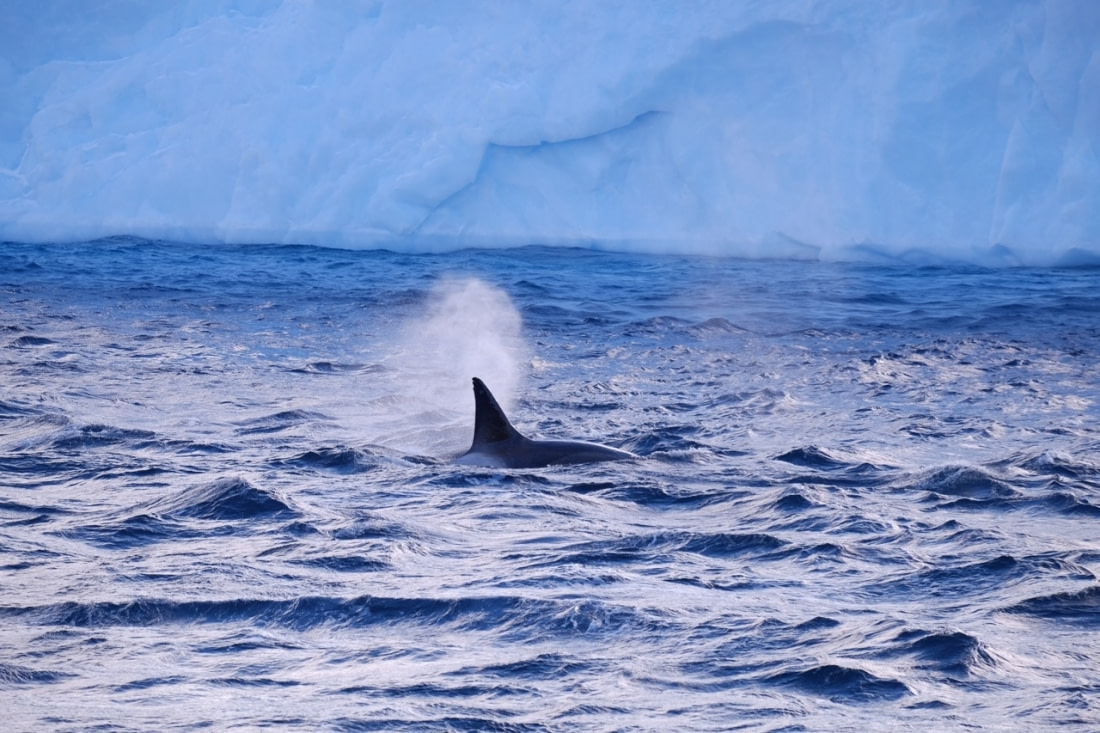
Emperor penguin sightings are the priority of these Weddell Sea trips, but you could also spot Adélies, chinstraps, and gentoos as well as fin, orca, and other whales, leopard seals, and a cast of beautiful seabirds comparable to those found in the Ross Sea.

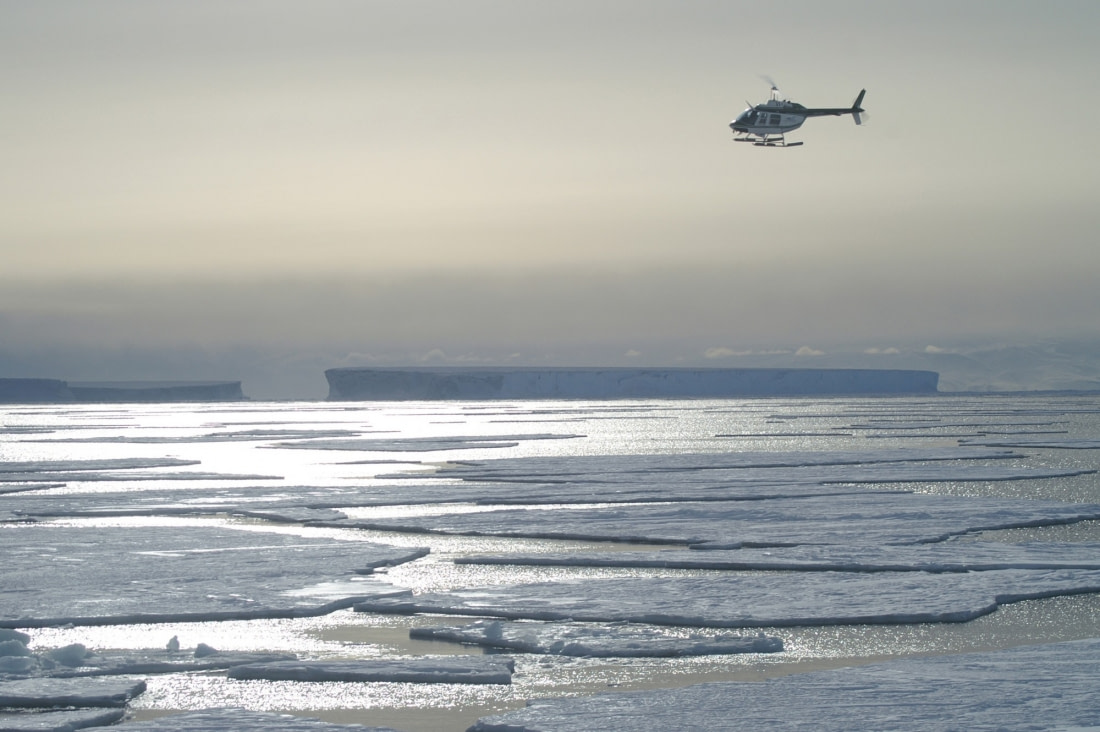
Our helicopters may land at or provide you panoramic views of several areas, such as Duse Bay or the Antarctic Sound, an especially awe-inspiring sight rarely enjoyed from the air.
blog-image

Flying in helicopters: a few final details

Rest assured that you’ll have all the information you need to stay safe and comfortable during your flights, or for the rest of our Antarctica helicopter trips, for that matter. In fact, you may get briefed more than you thought possible.

But when it comes to helicopters, “better safe than sorry” goes double.

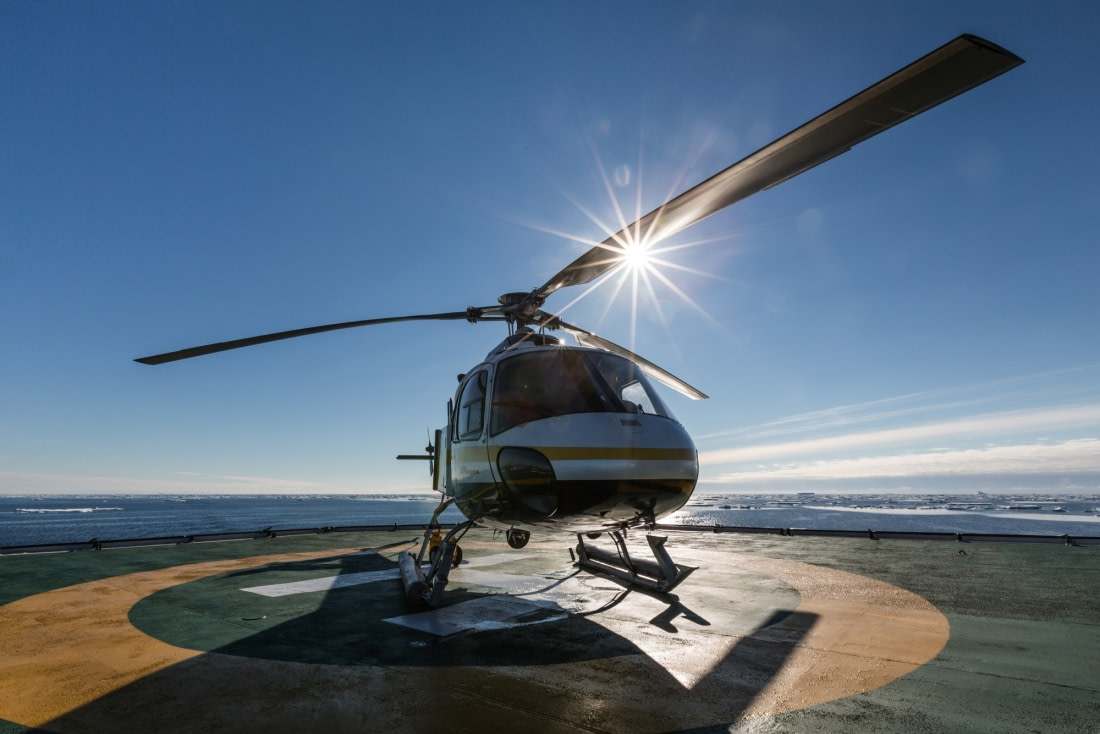
Before you ever set foot in a helicopter, we’ll thoroughly inform you as to proper procedure as well as the basic equipment on board, such as seat belts, life jackets, and survival equipment.
blog-image

These briefings are mandatory. Without them you’re grounded, literally.

For flights, you’ll be divided into groups of four or six passengers, depending on the number of seats in each helicopter. We understand that some people prefer to fly together, but this is not always possible.

We will make a dry run with each group, practicing helicopter procedure. This includes being called to the muster station, dressing for your flight, walking the route to the helicopter, and entering the helicopter (without running engines).

During the dry run, you’ll see how time-consuming helicopter operations can be. Hence our need for everyone to be informed, patient, and ready for take-off.
blog-image

As a friendly reminder, please keep in mind that helicopter operations of this type require strict regulations, more than are standard on our usual Antarctica cruises. We can only fly if all conditions are deemed safe. Weather, sea and sea ice, flying time and distance, visibility and technical issues can all impact flight plans, bringing helicopter ops to a grinding halt.

We cannot, therefore, guarantee everyone flying time or that we’ll even get to fly at all. Our first priority is your safety. Only after that can we try to get some air under your wings.

And all while trying not to make the penguins too jealous.
blog-image

These points represent only a summary of our helicopter operations info. You can get a more thorough version on our helicopter trips page.


Blog
go-leftgo-right

The Eight Great Penguin Species of Antarctica - Nexta Expeditions
Blog

The Eight Great Penguin Species of Antarctica

There are 17 species of penguin on the planet, but the eight you’ll most likely recognize live in Antarctica, its nearby islands, and the sub-Antarctic archipelagos of South Georgia and the Falklands. These are the core species we tend to see on our expedition cruises.
The History of Antarctica in Maps - Nexta Expeditions
Blog

The History of Antarctica in Maps

Long before human eyes ever beheld Antarctica, the ancients were convinced that it existed – or at least something like it.
What’s so Special about East Spitsbergen? - Nexta Expeditions
Blog

What’s so Special about East Spitsbergen?

We’ve previously discussed our north Spitsbergen journeys and Spitsbergen circumnavigations, but the eastern parts of this incredible island have not received the attention they deserve. Despite the name, our east Spitsbergen voyages explore much more than just the eastern side of Spitsbergen.
Polar bear feast - Nexta Expeditions
Blog

Polar bear feast

The polar bear was relishing his meal; the snow and his face were turning red from the blood. As we observed him eating, our own stomachs began to grumble. It was time for lunch.
Deep Sea Dwellers: 10 Facts about The Antarctic Giant Isopod - Nexta Expeditions
Blog

Deep Sea Dwellers: 10 Facts about The Antarctic Giant Isopod

On average, the Giant Antarctic Isopod grows to 9cm (3.5in.) in length. This may not seem very large, but factors including low light levels, freezing cold water, and a lack of oxygen prevent these isopods from growing very large. Other species of isopods, including the Giant Isopod, have been known to grow up to 40 cm (16 inches) in length!
Flowers in Antarctica - Nexta Expeditions
Blog

Flowers in Antarctica

The polar regions are among the most inhospitable environments for plants and animals. Life here faces numerous challenges, including low temperatures, high winds, solar radiation, and cell freezing. The Antarctic continent experiences extreme conditions, with darkness during winter and continuous light during summer. Winter temperatures can drop to -60°C or lower.
Of Treacherous Rocks & Audacious Fin Whales - Nexta Expeditions
Blog

Of Treacherous Rocks & Audacious Fin Whales

Soon large blows filled our view; small groups of fin whales sped by heading north all the while feeding on concentrations of krill & small fish. Group after group was seen, with many simply feeding in the general area and not heading anywhere in particular. Soon it became evident that we were not simply seeing a few random groups of fins, but a very large concentration spread out over a large area of sea just north and around the islands north of the South Shetlands. Dozens upon dozens of fin whales were feeding, diving around the ship and on the horizon in massive numbers; we must have seen well over fifty fin whales in the general area of Elephant Island, something many of the guides had never seen before.
Three Antarctica Cruise Deals - Nexta Expeditions
Blog

Three Antarctica Cruise Deals

For many travelers, Antarctica represents the ultimate polar destination. Its vast white landscapes offer an endless array of surreal vistas, much of its unique wildlife is found nowhere else on Earth, and its complete lack of an indigenous human population provides a sense of untouched seclusion that few other places can match.
10 Tried-and-True Bird Photography Tips - Nexta Expeditions
Blog

10 Tried-and-True Bird Photography Tips

It’s easy to understand our fascination with birds: they’re beautiful, graceful (usually), and most of them have the power of flight.
Bouvet Island: The Most Remote Island in the World - Nexta Expeditions
Blog

Bouvet Island: The Most Remote Island in the World

On January 1, 1739, French Commander Jean-Baptiste Charles Bouvet de Lozier made an extraordinary discovery: a volcanic island so remote that it lies 2,600 km (1,600 miles) from the nearest inhabited land.
The Enchanting Islands of Svalbard - Nexta Expeditions
Blog

The Enchanting Islands of Svalbard

Svalbard is an Arctic archipelago situated between the North Pole and the Norwegian mainland, offering visitors some of the most stunning wildlife and landscapes in the world. Here we explore seven of the most visited Svalbard islands, highlighting the many wonders that draw people back year after year.
Living the Antarctic Dream - Nexta Expeditions
Blog

Living the Antarctic Dream

From October to March, during the Austral summer, thousands of breeding gentoo, Adèlie, and chinstrap penguins flock to the Western Antarctic Peninsula to rear their chicks and feast on krill before the harsh winter arrives. Alongside the penguins, field biologists from around the world gather to study these habits for conservation research. Observing these animals is one thing, but residing in an Antarctic field station for an entire breeding season is another. One particular field camp on King George Island, managed by American scientists, has perfected this Antarctic lifestyle and has thrived for over 30 years.
Seizing the Season: Spitsbergen’s Late Spring, Early Summer - Nexta Expeditions
Blog

Seizing the Season: Spitsbergen’s Late Spring, Early Summer

Most Arctic expedition cruises can be categorized into two main types: those that operate during the autumn and winter, focusing on the northern lights, and those that sail during the high season (mid to late summer), concentrating on a broader range of experiences.
The Wildlife of Antarctica’s Seas and Skies - Nexta Expeditions
Blog

The Wildlife of Antarctica’s Seas and Skies

Antarctica is one of the most pristine environments on Earth, home to whales, penguins, seals, and birds, providing nature lovers with a treasure trove of wildlife memories to take back home.
The Ancient Fossil Forests of Antarctica - Nexta Expeditions
Blog

The Ancient Fossil Forests of Antarctica

Over a hundred years ago, Robert Falcon Scott’s expedition to Antarctica discovered fossils of plants on the Beardmore Glacier, less than 500 km (310 miles) from the South Pole. Edward Wilson, who was the expedition’s chief scientist, recorded the findings in his diary, stating that “most of the bigger leaves were like beech leaves in shape and venation.”
Greenland: East vs. West - Nexta Expeditions
Blog

Greenland: East vs. West

East and West Greenland offer vastly different experiences due to their unique climates, wildlife, habitation, and geology.
Puffins: Clown Birds of the Atlantic - Nexta Expeditions
Blog

Puffins: Clown Birds of the Atlantic

Puffins are part of a family of 22 seabird species known as auks, which are pigeon-sized birds that thrive on a diet of small fish and crustaceans.
Antarctica: When to Visit, How to Plan, What to Expect - Nexta Expeditions
Blog

Antarctica: When to Visit, How to Plan, What to Expect

Antarctica is an astonishing location loved in equal measure by ice enthusiasts and continent hoppers, but it also asks a lot in return for its prestigious polar status.
What the ice reveals about Antarctica - Nexta Expeditions
Blog

What the ice reveals about Antarctica

The continent you'll explore during your Antarctica cruise is far more than just an ice-covered land with penguins, whales, and seals. Beneath the thick ice lie hidden freshwater lakes teeming with thousands of microbes, hinting at a diverse array of life. In 2013, a team of researchers obtained the first uncontaminated water sample ever retrieved directly from an Antarctic lake.
Polar Cruises: The Ultimate Icebreaker - Nexta Expeditions
Blog

Polar Cruises: The Ultimate Icebreaker

Travel is one of life’s great eye openers. It brings you into contact with new people and perspectives, challenges old assumptions you haven’t held to the light in years, and invites you to make unexpected discoveries about the world around you – and most of all, yourself. Added to which, you get to visit places you never knew you loved until you saw them.