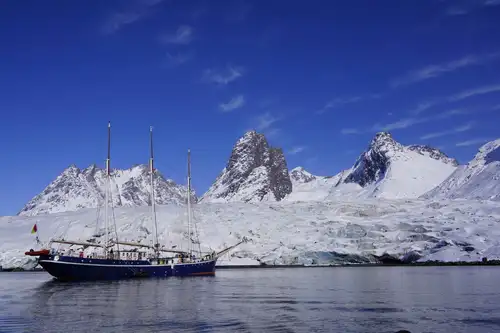


When we talk about Antarctica, it’s easy to slip into familiar words: amazing, astounding, extraordinary, exceptional. And though most Antarctic locations more than deserve these descriptions, some deserve them more than others.
The Weddell Sea is a prime example.
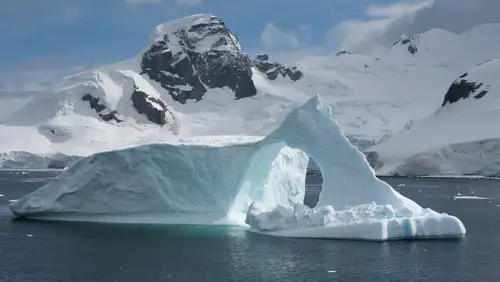
Claiming the waters east of the Antarctic Peninsula, the Weddell Sea includes some of the most incredible ice formations, wildlife, and weather conditions in Antarctica: mammoth glaciers, massive penguin colonies, and occasional white-out blizzards.
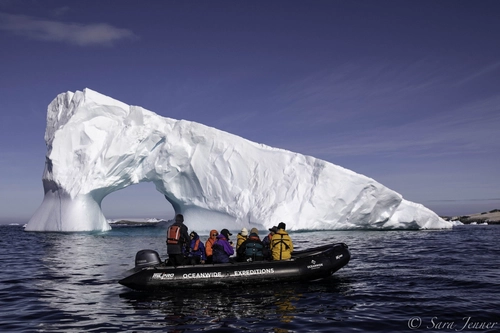
In fact, the limited accessibility of the Weddell Sea is partly due to its rugged features, which to many polar enthusiasts are among its most popular traits. In homage to the wonders of the Weddell Sea, here’s a breakdown of its most cherished locations – complete with pictures and impressions taken directly from our most recent trip logs.
Brown Bluff
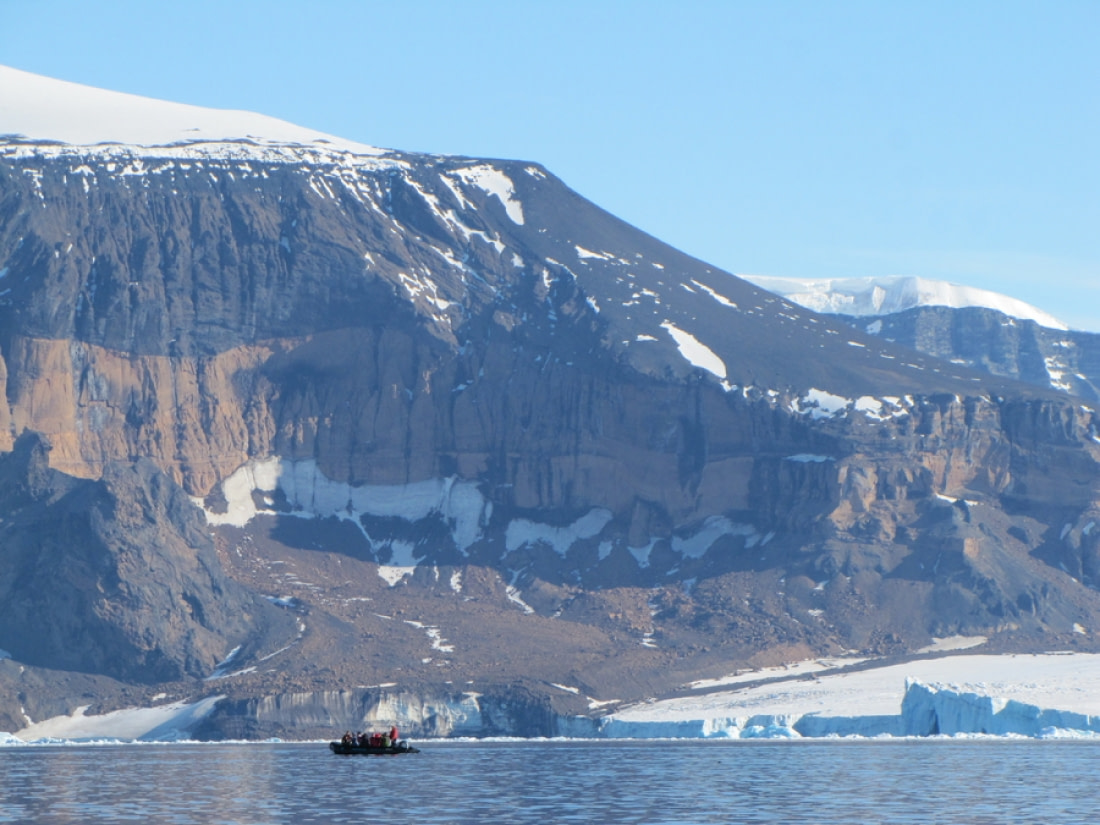
This precipitous area is perhaps the most scenic in the northern Antarctic Continent, with rocky slopes, fallen boulders, and beautiful volcanic creations capped with ice.
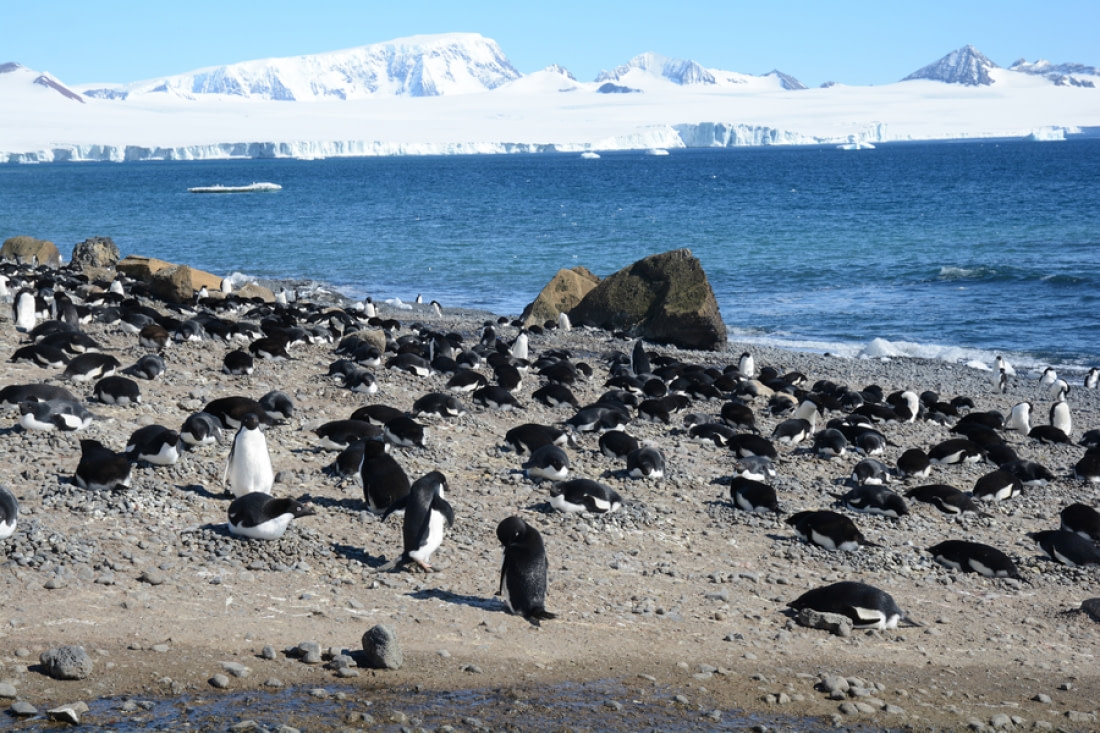
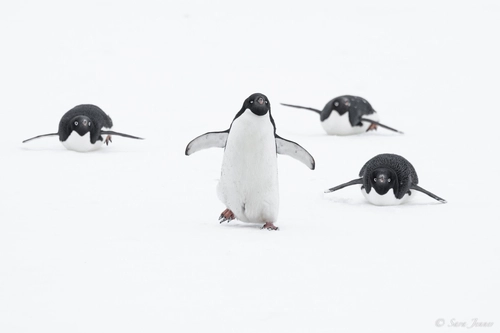
A large Adélie penguin rookery also lives there, with gentoo penguins and nesting snow petrels also to be seen.
Brown Bluff has been a consistent favorite among travelers to Antarctica, a fact evidenced by the December 3, 2016, trip log report from one of our guides:
“The approach to the landing site was quite spectacular, as we were zig-zagging between icebergs, taking in the great scenery with the cliffs of Brown Bluff in the background and glaciers to each side. Penguins were surfacing and diving underneath us, clearly visible in the clear waters.”
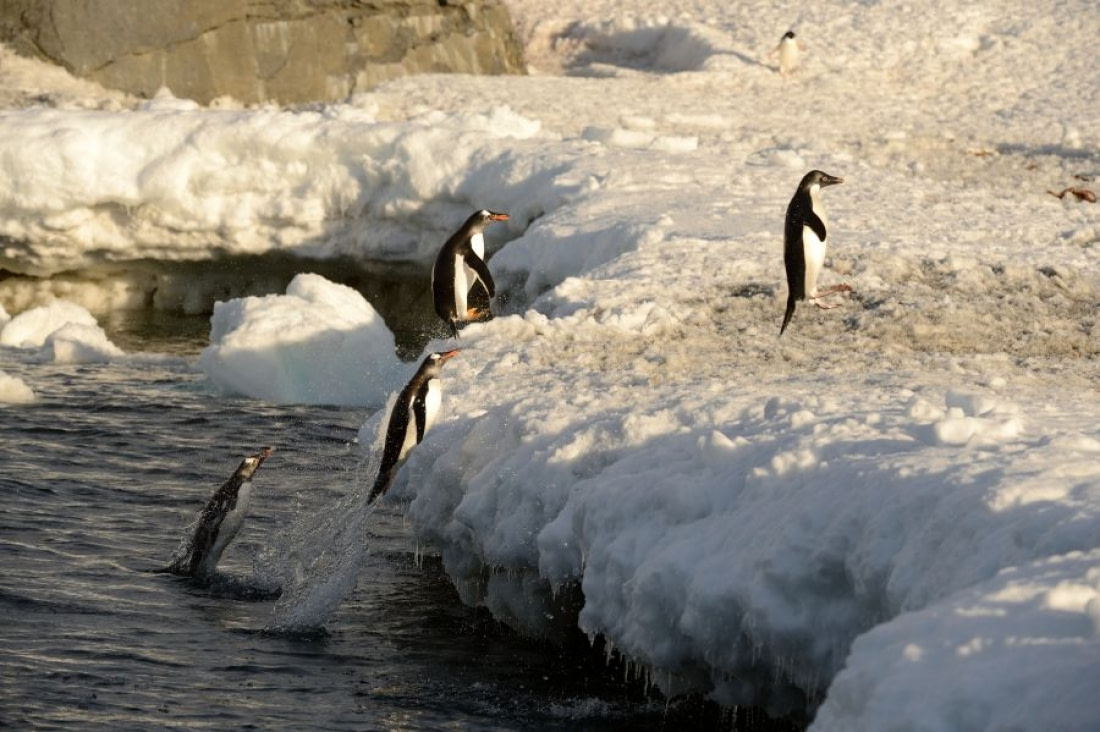
“The beach was crowded with Adélie and gentoo penguins waiting for their opportunity to jump into the cold water. Farther inland, we were able to watch gentoo penguins on their rocky nests, protecting their eggs from the cold and from predators. Some of the penguins already had their chicks – we were very lucky to see them so early in the season, especially as the chicks were still tiny, fluffy, and very cute!”
Paulet Island
Great as Brown Bluff is, it’s hardly the only place in Antarctica to see penguins. Paulet Island is a great location to encounter Adélies: A huge colony resides, breeds, and feeds on this small, circular, cinder-coned island northeast of the Antarctic Peninsula.
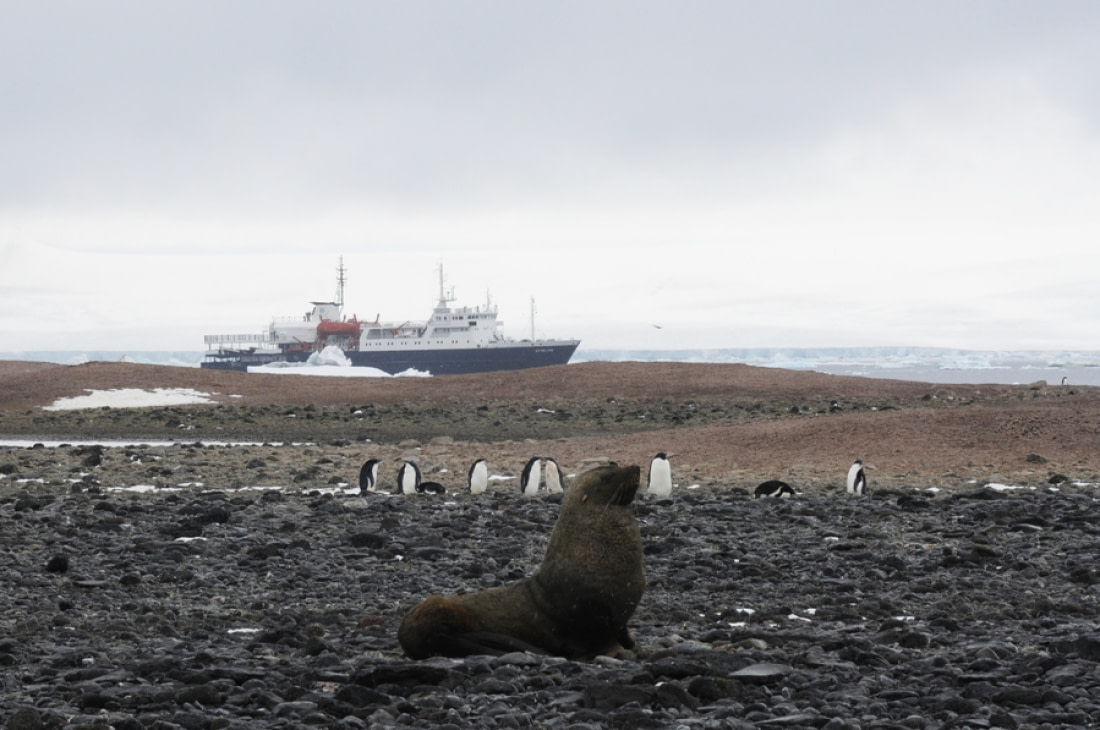
Due to its large seabird population, Paulet Island is also designated an Important Bird Area by BirdLife International. But sometimes weather can interfere with even the most perfect landing plan. During our November 23, 2018, Weddell Sea voyage, for example, we needed to divert from Paulet Island to Hope Bay, as described by one of our guides in the trip log:
“After one of the most exciting days of our lives, flying in the helicopters to spend some time with the emperor penguins, we started experiencing some true Antarctic conditions, so we decided to change the plans and go straight to Hope Bay (the afternoon plan) instead of Paulet Island.”
But as you will see below, Hope Bay is far from an inferior Antarctic site.
Hope Bay
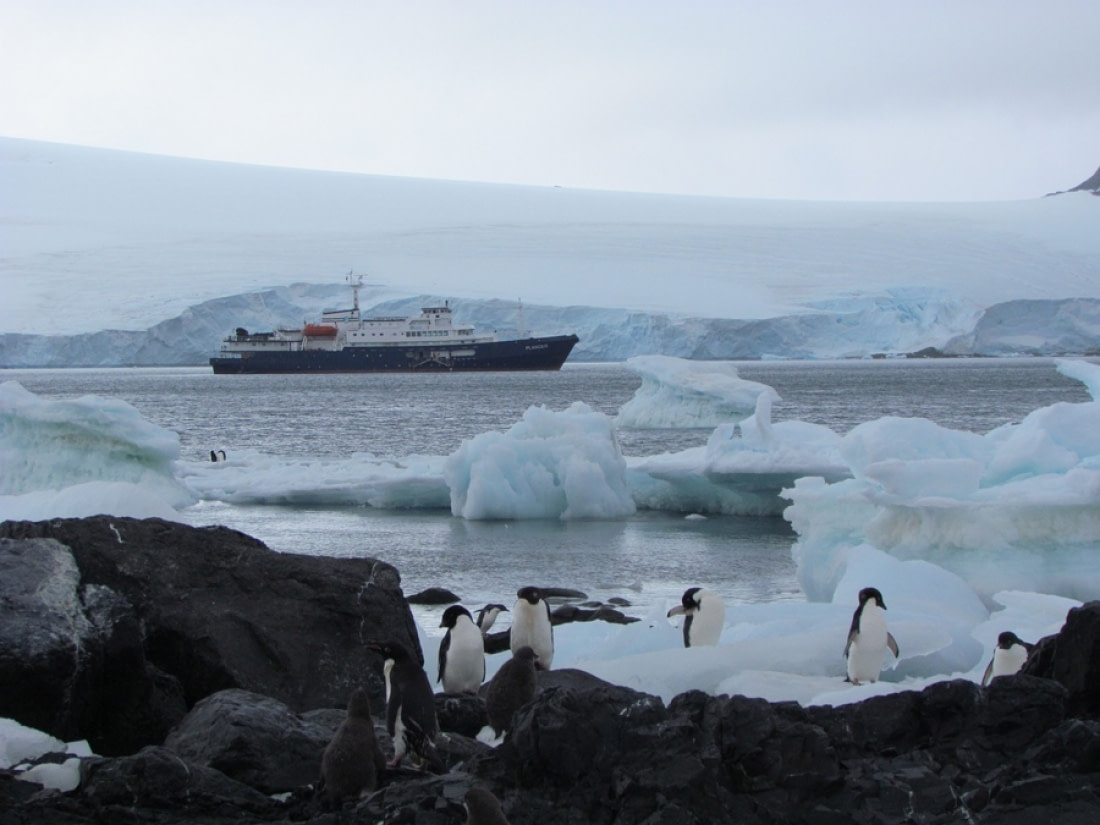
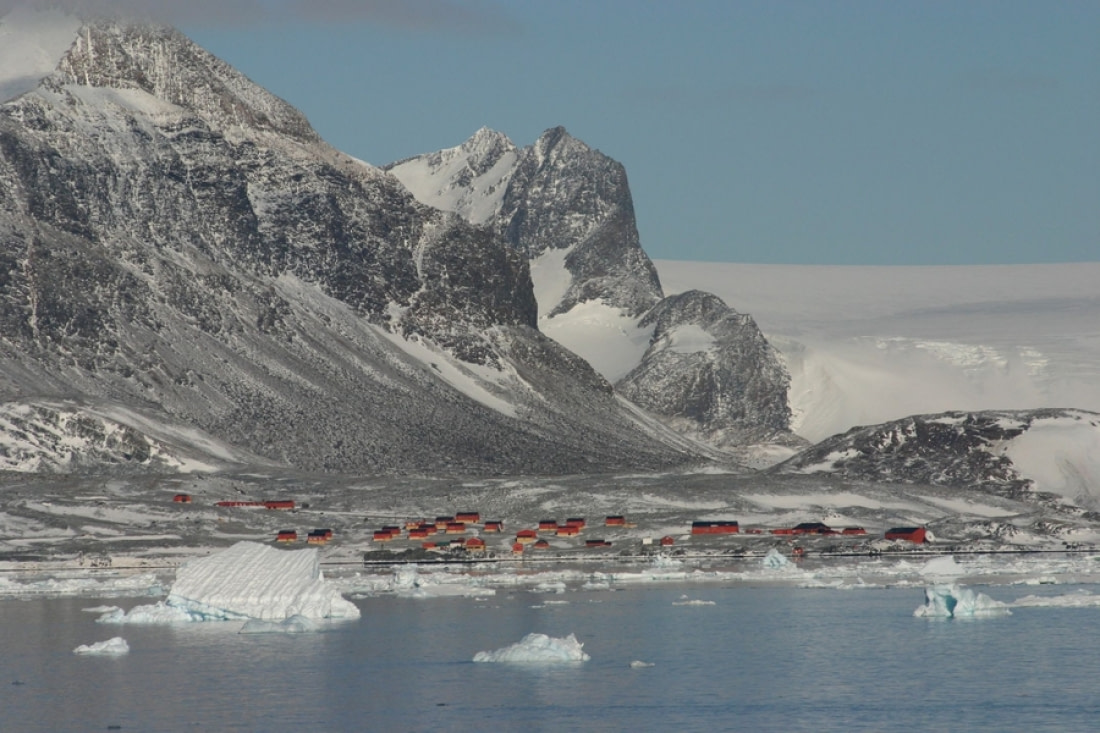
This prized area on the Trinity Peninsula offers multiple options for encounters with Antarctic terrain, wildlife, and even one of the scientific research stations on the continent.
Hope Bay is also an Important Bird Area under BirdLife International, housing one of Antarctica’s largest Adélie penguin colonies: 125,000 pairs are reported to nest here, along with gentoo penguins, Antarctic terns, brown skuas, snowy sheathbills, and other species.
Though we can seldom see these birds too closely due to restrictions by researchers at the nearby Esperanza Station, sometimes we are lucky enough to be granted access.
Devil Island
You can experience another large Adélie penguin rookery (as well as stunning views of Terror Gulf and Antarctica’s second-largest volcano, Mount Erebus) at the ominously named Devil Island. The island also offers a magnificent vantage points for hikers. One of the sights you may encounter is a waterfall created by melting ice that drops from the cliffs close to Cape Well-met.
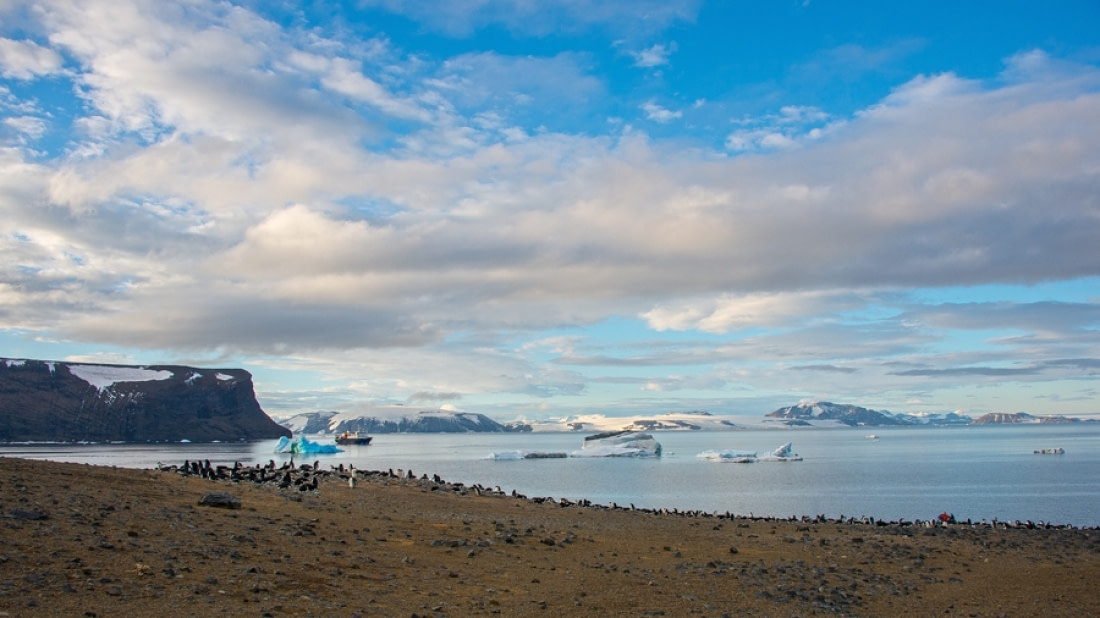
Our guides regularly send back glowing reports of their voyages to Devil Island, such as in the following trip log entry from December 2, 2016:
“During dinner we arrived at Devil Island, where we would go ashore. We landed between two large Adélie penguin colonies. It was really nice to sit down and watch these very pretty black and white penguins walk around, steal pebbles or incubate their eggs. Apart from the many Adélie penguins, we also saw several Wilson’s storm petrels flying around, breeding in the scree slopes above the penguin colony. We returned to the ship, cruising around the big icebergs in the bay, nicely lit by the setting sun. Back on the ship, the mood was cheerful after this really special Antarctic day!”
Snow Hill Island
For most visitors to Antarctica, deciding on a favorite location is a torturous exercise. There are, after all, so many places in Antarctica that are beloved for entirely different reasons. One area is great for shoreline kayaking or inland snowshoeing, another for camping or photography, and still others are loved simply for their abundance of flocking seabirds.
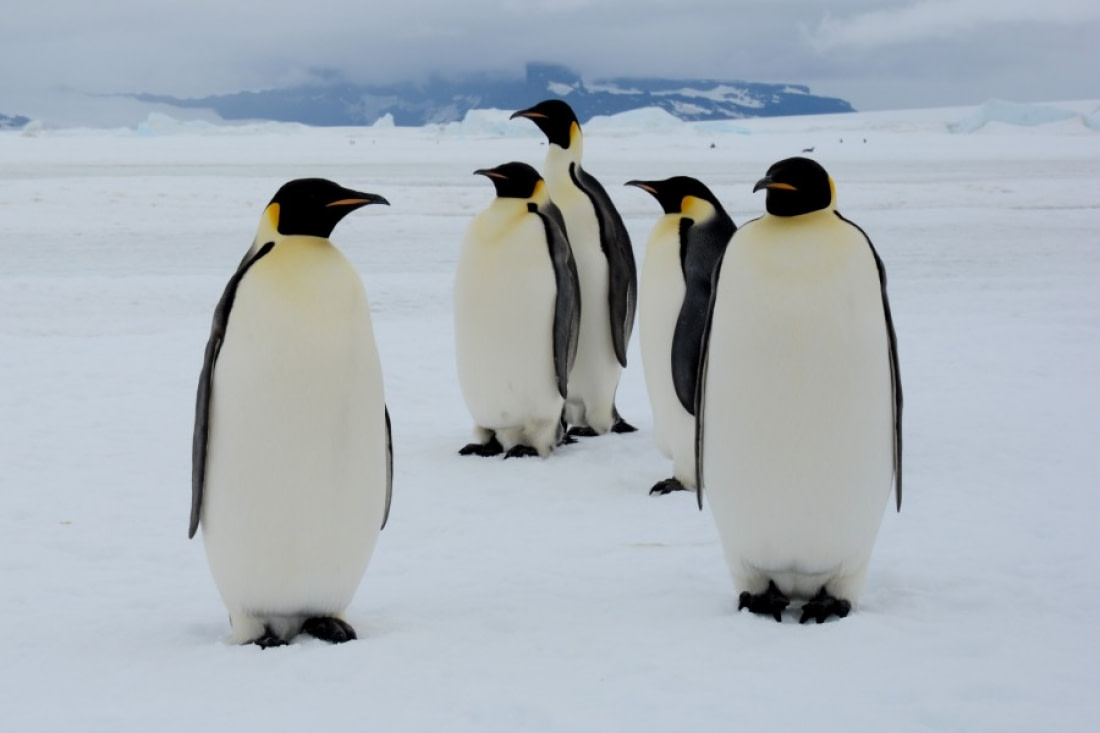
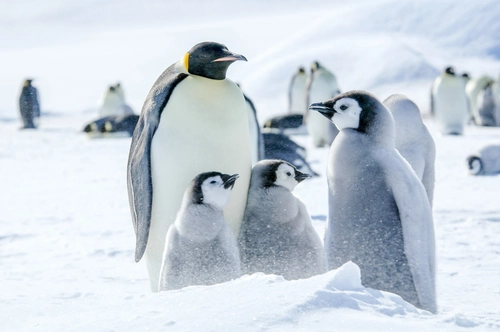
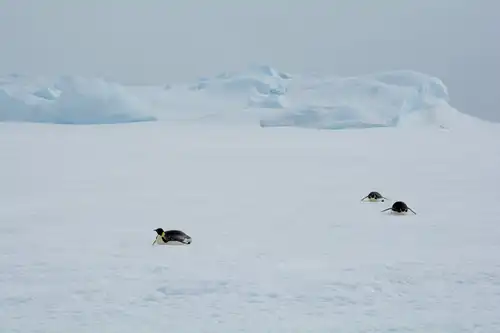
That said, Snow Hill Island is high in the running for an “all-time favorite” among passengers and guides alike, perhaps due as much to its renowned emperor penguin colony as to the fact that we can so rarely reach it. In recent years, however, Antarctica weather has favored our attempts.
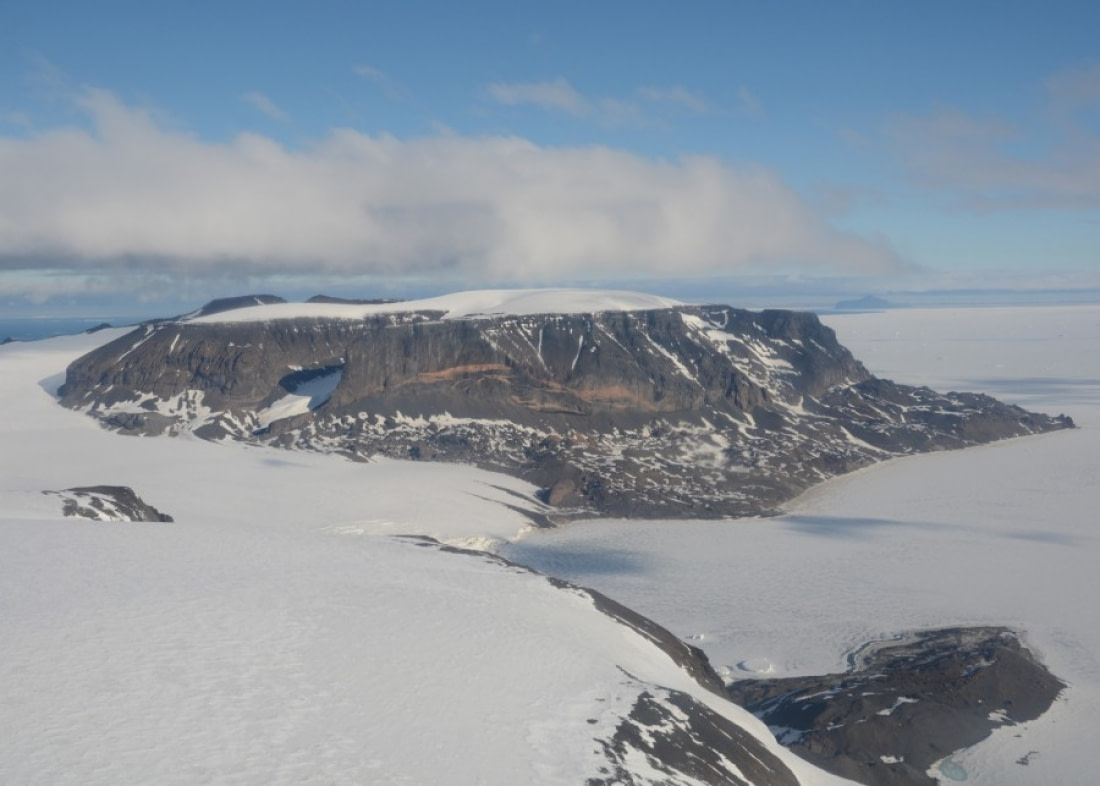
In 2017, 2018, and 2019, we succeeded in making helicopter landings at Snow Hill Island, hiking groups of passengers to the emperor colony there. During our most recent attempt, it was initially unclear whether or not the weather would allow for a landing. But then the following report came back from one of our guides:
“The doors were closed, thumbs up given, and the helicopter was off the deck. Icebergs trapped in the land-locked sea ice made for a surreal landscape below, and the occasional seal, hauled out next to a breathing hole, raised its head in curiosity as a noisy shiny bug flew by overhead. Perhaps 20 minutes has never gone so quickly, with so much unfamiliar terrain to watch… But then – what is that, those stains on the ice below? The colony!”
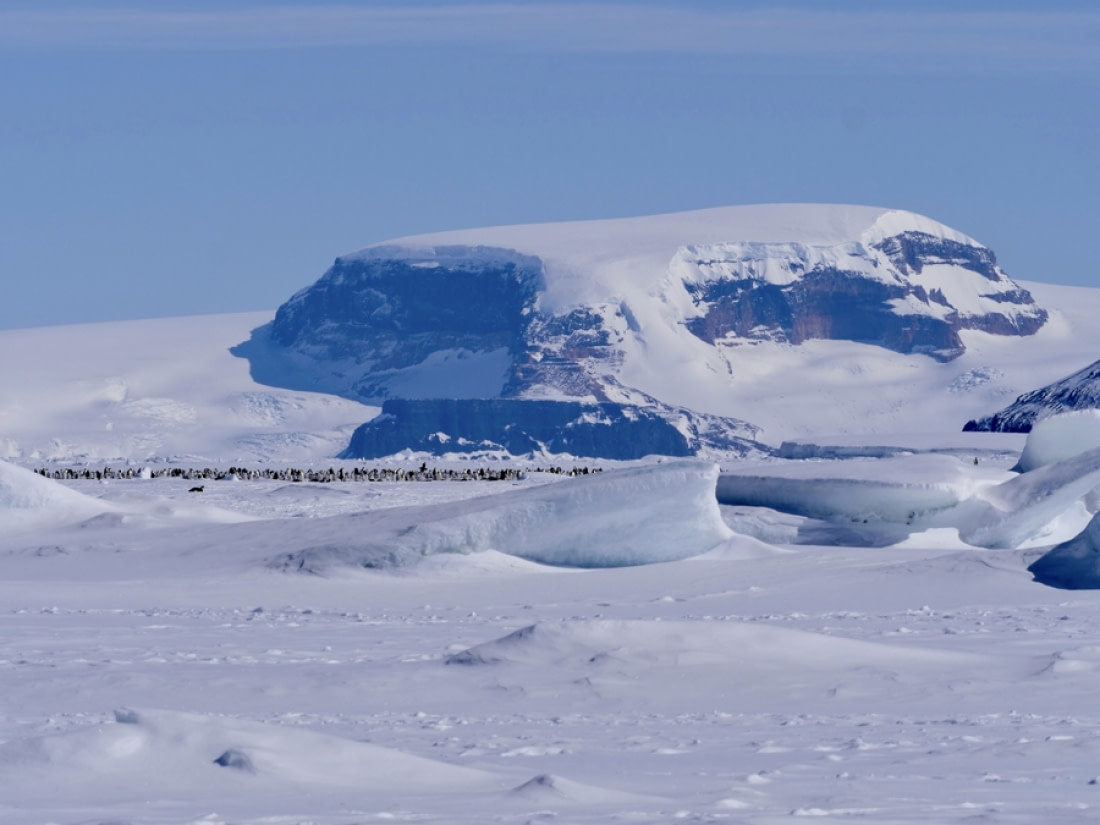
“Like an abstract work of art, small pods of penguins – mostly looking like grey, fuzzy blotches with the occasional black spots – were scattered below. And looking closer, finely shaded lines streamed out and away from the pods of penguins in all directions. Penguin tracks covered the ice surface in such a beautiful pattern of biological chaos. Then, all of a sudden, the helicopter was on the ground and the doors were opened… We’re really here! After a short briefing, we were set loose on the trail of the emperor penguins. Perhaps all we needed to do was follow our noses: The smell of the colony certainly preceded the sight of it.”
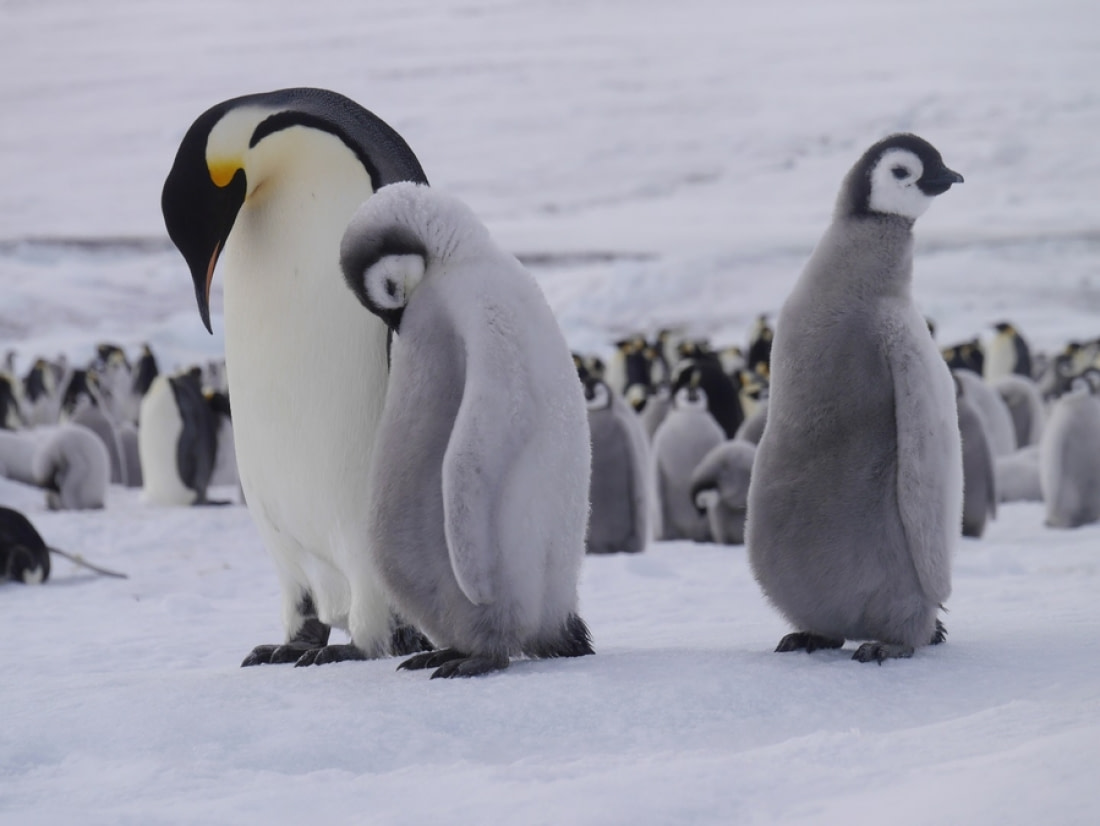
“Before even getting close to the denser pods of birds, it was easy to be distracted and waylaid by individual penguins, who seemed keen for a chat, trying to get the measure of these strange, tall creatures who had come for a visit. Kneeling down for a better camera angle may have resulted in more attention than expected. Looking up from the viewfinder, it seemed more than a few people were surprised to be the subject of some scrutiny themselves – though with a few prods or pecks of a beak instead of a camera lens. What a glorious experience! The wind, the sun, the impressive cloud formations… And the ever-present noise of the colony: pairs bonding after returning from feeding; chicks calling out to parents, begging for more food; frustrated skuas not finding the meal they were hoping for, all against the backdrop of the wind and the deep, deep Antarctic silence.”
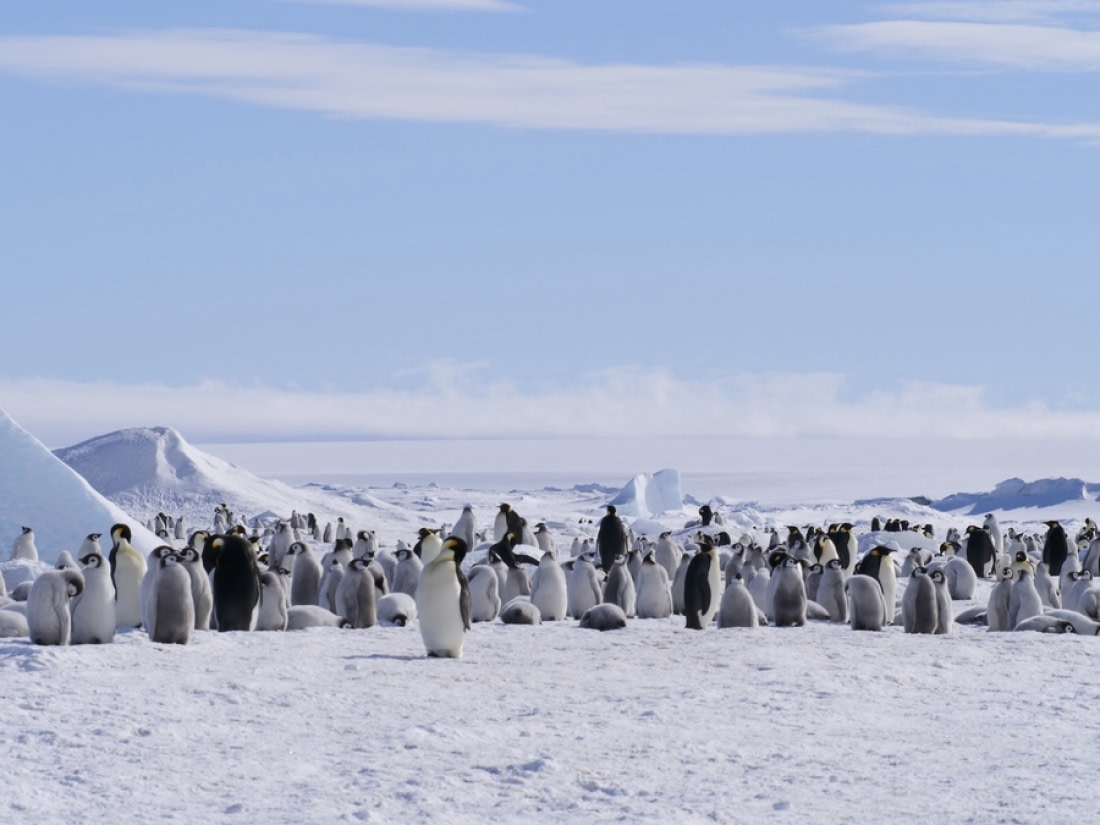
“Which was broken all too soon by the hum of an approaching helicopter – at once the sad sound of parting as well as the reassurance of a warm home to return to. The fact that all groups made it, even the captain, is an incredible success for this voyage. Many cheers were made in the bar as we drank celebratory champagne. Hooray for those who visited, those who made it possible, and most of all for the penguins – the steadfast colonizers of this icy world.”
 22 Jan - 18 Feb 2026
 09 Mar - 23 Mar 2026
 17 Mar - 29 Mar 2026
 15 Nov - 25 Nov 2026
25 Nov - 05 Dec 2026
15 Nov - 25 Nov 2026
25 Nov - 05 Dec 2026
Related Trips
Remote Weddell Sea Explorer incl. South Georgia - South Sandwich Islands - Neuschwabenland - Larsen Ice Shelf - Paulet and Devil Island - Elephant Island, incl. helicopters
22 Jan 2026 - 18 Feb 2026  28 Days / 27 Nights
Antarctica - Elephant Island - Weddell Sea - Polar Circle - Aurora Australis / Southern Lights
09 Mar 2026 - 23 Mar 2026 15 Days / 14 Nights
Antarctica - Weddell Sea Explorer Basecamp - free polar activities (kayaking, hiking, photo workshop, snorkeling)
17 Mar 2026 - 29 Mar 2026 13 Days / 12 Nights
Weddell Sea – In search of the Emperor Penguin, incl. helicopters
15 Nov 2026 - 25 Nov 2026 11 Days / 10 Nights
Weddell Sea – In search of the Emperor Penguin, incl. helicopters
25 Nov 2026 - 05 Dec 2026 11 Days / 10 Nights

Weddell Sea - Basecamp
05 Dec 2026 - 17 Dec 2026 13 Days / 12 Nights
Weddell Sea – In search of the Emperor Penguin, incl. helicopters
05 Dec 2026 - 15 Dec 2026 11 Days / 10 Nights

Remote Weddell Sea Explorer - incl. helicopters
07 Feb 2027 - 06 Mar 2027 28 Days / 27 Nights

Antarctica - Weddell Sea Explorer
02 Mar 2027 - 12 Mar 2027 11 Days / 10 Nights
Antarctica - Elephant Island - Weddell Sea - Polar Circle
12 Mar 2027 - 26 Mar 2027 15 Days / 14 Nights

Blog


The Research Stations of Antarctica and the sub-Antarctic
Northeast Greenland National Park
Seven Facts About Antarctic and Sub-Antarctic Penguins
Inside the Svalbard Global Seed Vault
The Wildlife of Antarctica’s Seas and Skies
The Seasons of Antarctica: When to Visit and Why
Arctic Icon: 10 Facts about the Polar Bear
Birds of the North: 29 Arctic Birds and Seabirds
Seven Sublime Antarctic Bays
Polar Cuisine in Pictures
Circumnavigating Spitsbergen
The secrets of Antarctic seals revealed
Camping in Antarctica: a True Expedition Experience
Scenes from St. Andrews Bay: 12 Pics of Penguins, Seals, and More
Five Reasons to Love St. Helena
Orcas (aka Killer Whales) of Antarctica and the sub-Antarctic
Five Reasons Why Snowshoeing is a Perfect Polar Activity
Encounter with the emperor penguin in Antarctica
All things ice in the Antarctic