
Most scuba divers are drawn to warm waters and tropical reefs, and it's easy to see why. However, even the most thrilling experiences can become repetitive if done too often.
Now, imagine diving into a realm that only a select few have ever witnessed—a glacial world so uniquely stunning that only a handful of seasoned cold-water divers get to explore it. This is the allure, challenge, and unparalleled reward of polar diving. For a glimpse of this extraordinary experience, check out our Antarctic diving video at the end.
For now, let's delve into the benefits and specifics of this unique polar sport...
The rich rewards of polar diving
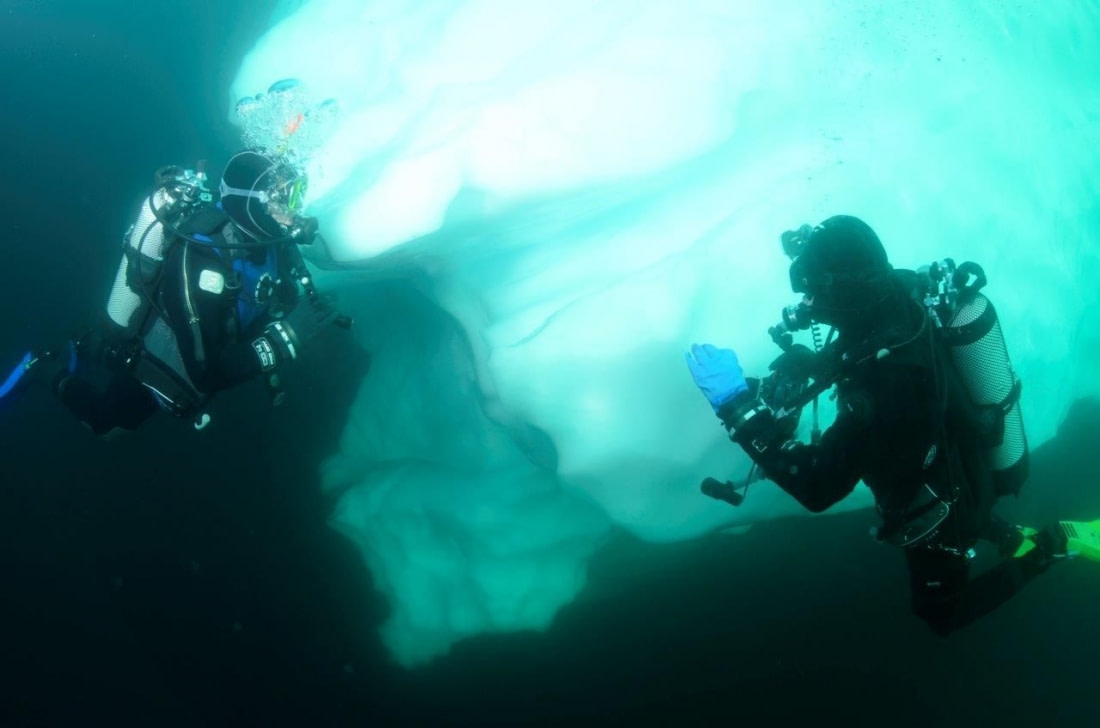
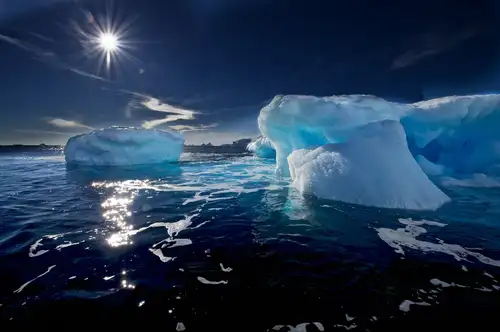
The icy waters of the Arctic and Antarctic regions host a diverse array of marine life that you won't find anywhere else. The various ice formations create a vibrant display of colors and patterns that are truly one-of-a-kind.
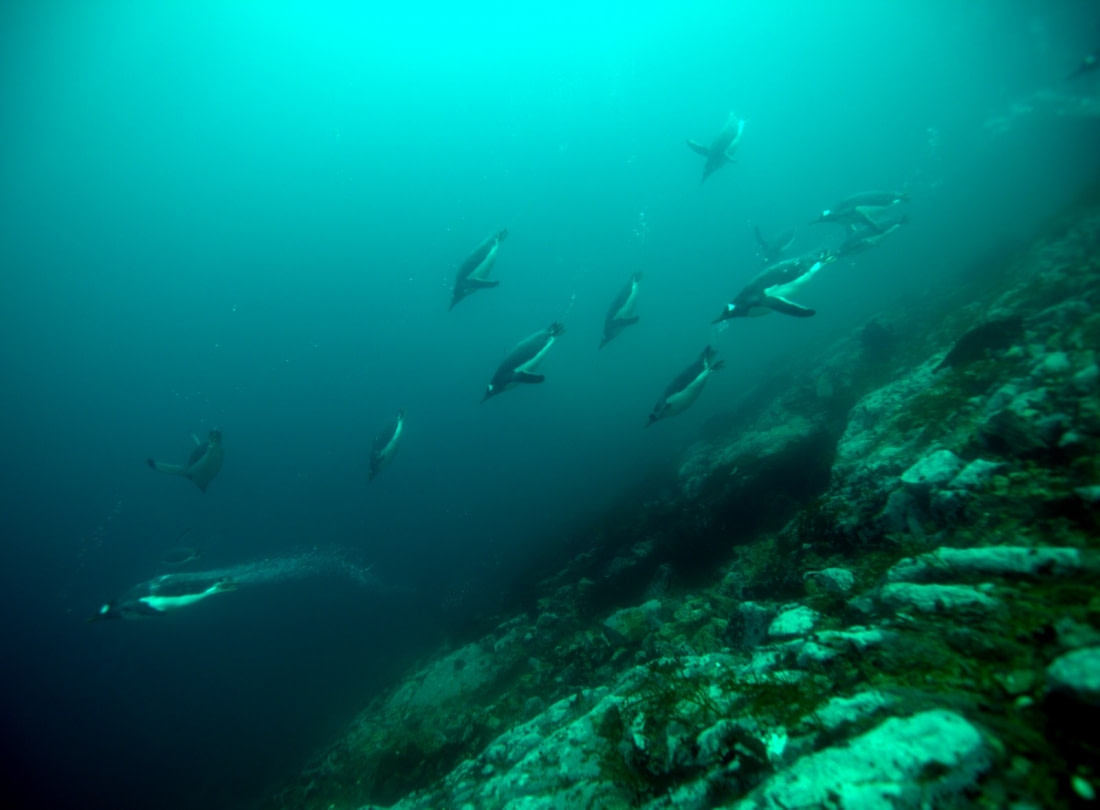
Among the fascinating creatures you might encounter are sea squirts, squat lobsters, dogfish, sea butterflies, and shrubby horsetails. In the Arctic, you may see common seals, while in Antarctica, you could swim alongside seals like leopard seals and even some penguin species. We hope you get to see them all!
However, please remember that we cannot guarantee sightings of these animals, whether above or below the water. In the polar regions, nature dictates the terms, not us.
Polar diving equipment
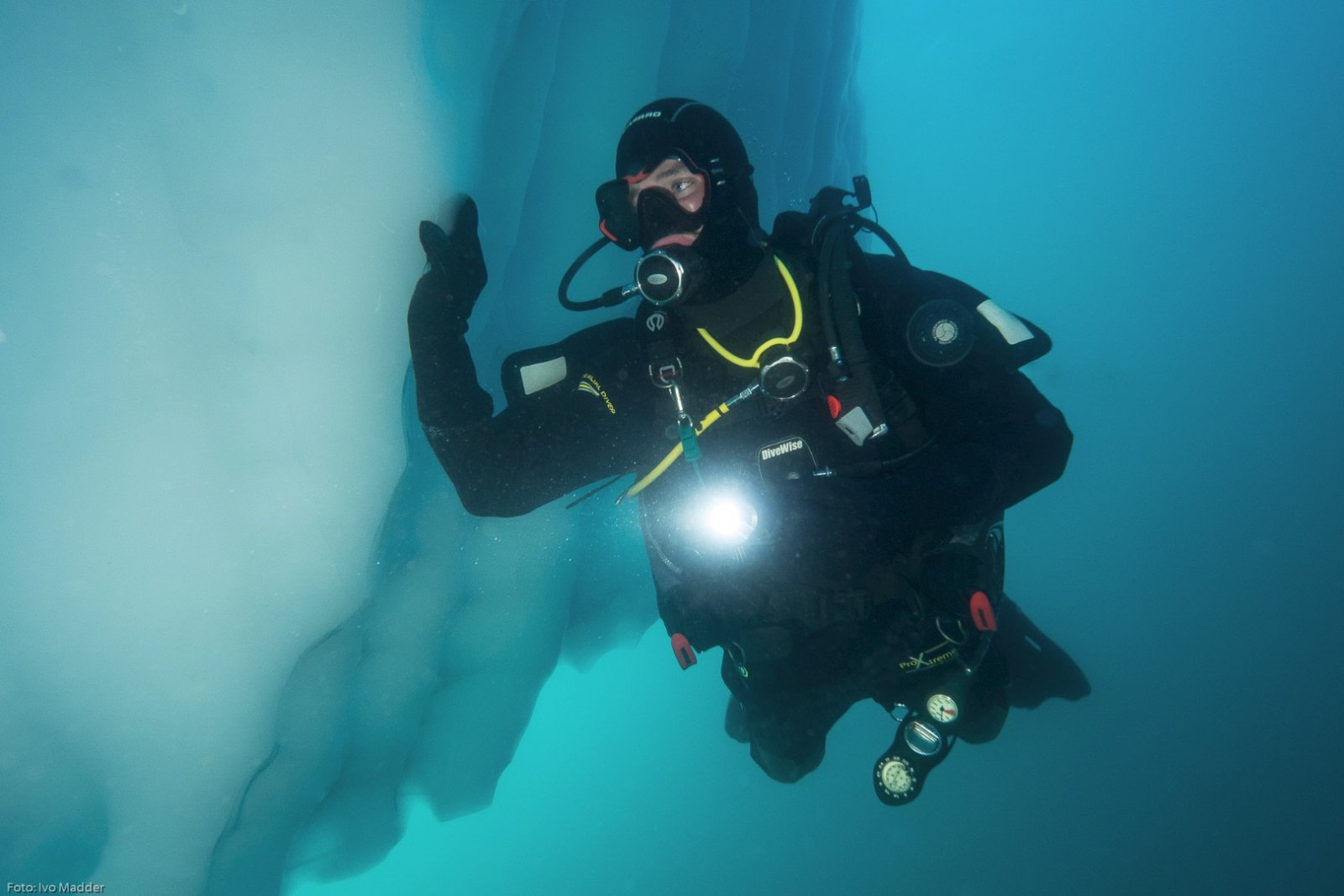
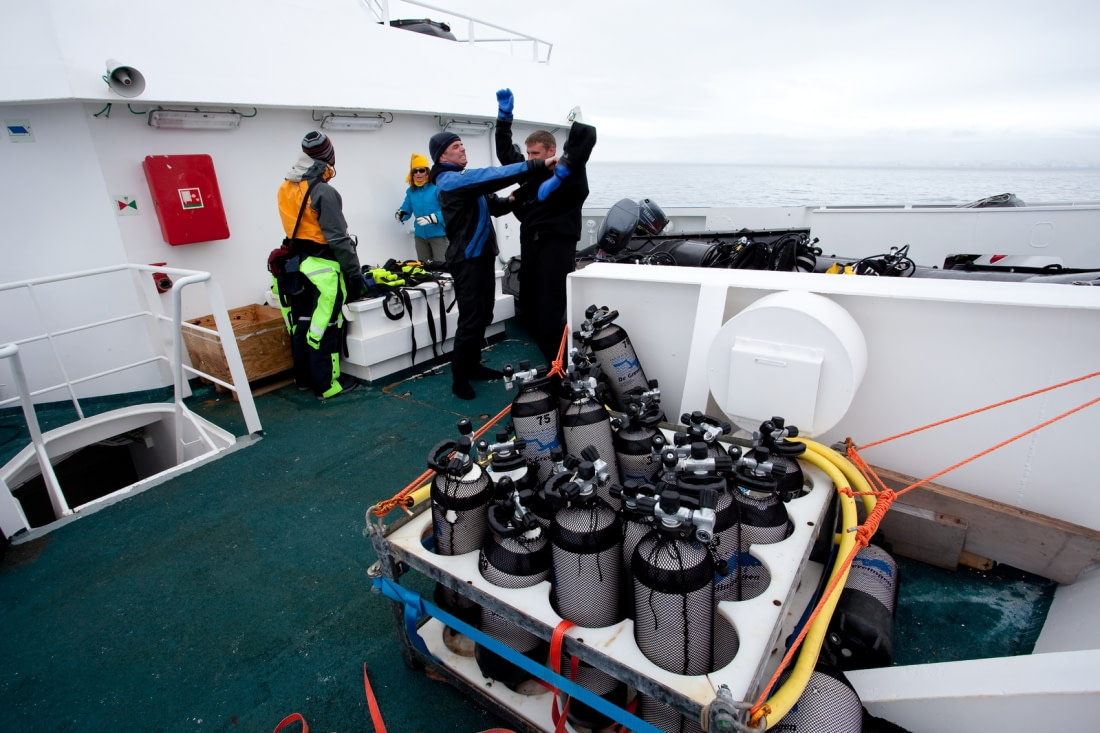
Scuba diving always requires preparation, caution, and the right equipment. Cold-water diving demands even more attention to these aspects. Keeping the body warm is crucial, as standard diving gear doesn't function well in near-freezing temperatures.
Traditional wetsuits are insufficient for polar diving in Antarctica or the Arctic. Dry suits are necessary, featuring sealing systems designed to keep divers dry.
Cold-water regulators are also essential, as they are built to resist freezing and ensure proper air flow. For those seeking extra comfort, heated diving undergarments can maintain your body temperature at Caribbean levels.
Experience in polar diving
Polar diving requires more experience than traditional scuba diving, and our safety regulations reflect this. In addition to holding an internationally recognized scuba certificate, polar divers must verify at least 30 logged cold-water dives before participating in our polar diving program.
This requirement is due to the unique dangers of the polar environment. For instance, the frigid water can cause regulators to free-flow air, so divers need to practice handling this issue. Hypothermia is another risk, making it crucial to recognize its symptoms and abort the dive if necessary.
Polar diving conditions
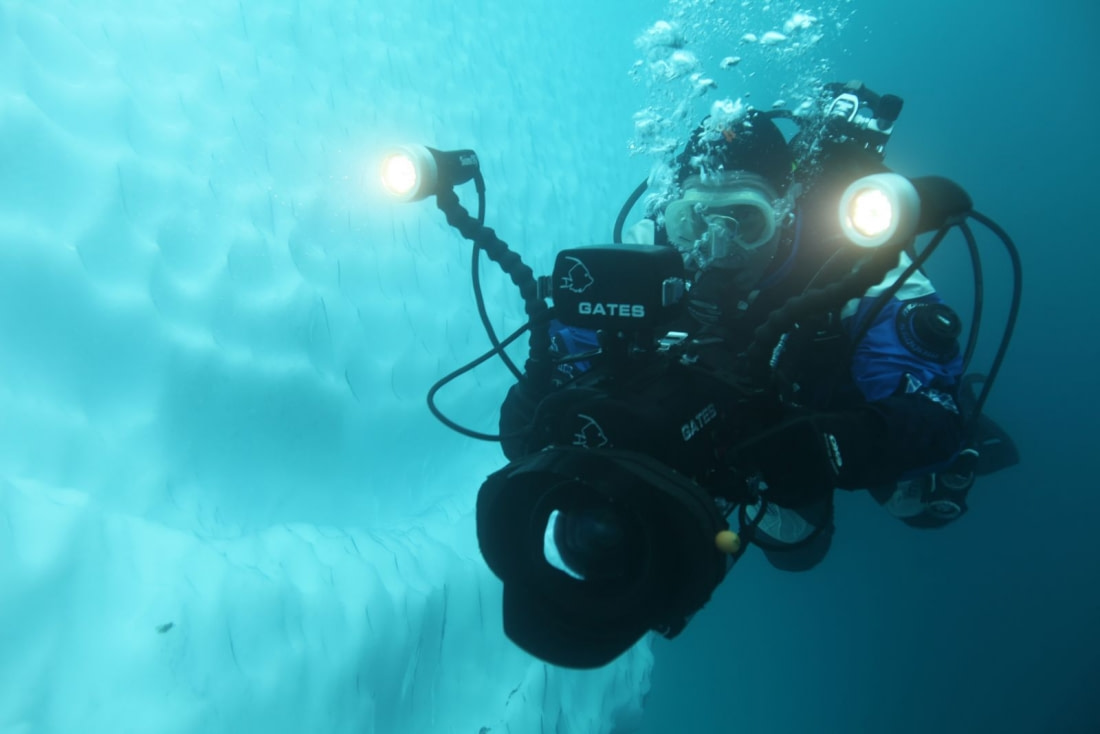
All dives should have a comprehensive dive plan, but this is even more critical for polar diving.
Our polar dive leaders are highly trained experts with extensive experience in diving in Antarctica and the Arctic. Given the unpredictable ice and weather conditions in these regions, we always have a solid strategy for entries and exits, considering the possibility of shifting surface ice, blizzards, and katabatic winds (in Antarctica).
As anyone who has taken an Antarctica cruise or Arctic trip can attest, flexibility is key in the polar regions. You can learn more about gear, safety, and dive conditions on our polar diving page.

A word about polar wreck diving
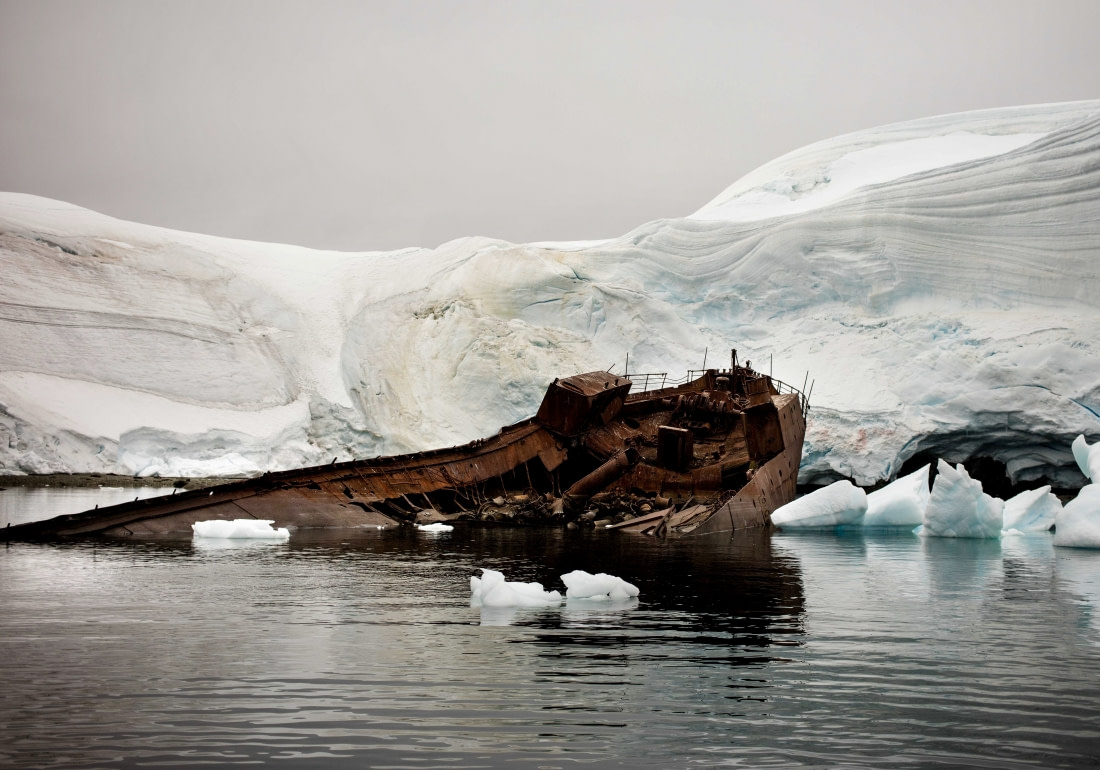
One of the perks of the cold polar waters is their ability to preserve shipwrecks. Wreck diving is a favorite among our divers, and for good reason.
In Antarctica's Wilhelmina Bay, we offer dives to the remains of the historic whaling ship, Guvernøren, which sank in 1915 under mysterious circumstances that remain unexplained. The above-water scenery and wildlife in Wilhelmina are also breathtaking. Even if you don't dive here, you won't be disappointed.
Experience polar diving in motion pictures
We promised you a video, and here it is.
While this clip focuses on Antarctic diving, remember that we also offer numerous fantastic Arctic options. Until you join us on a polar diving adventure in either region, let this video ignite your passion for icy underwater exploration!


Blog


Science of the Ross Ice Shelf
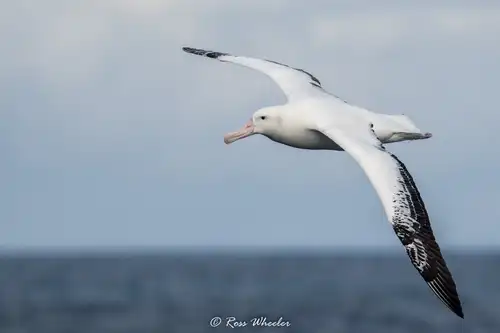
The Eight Albatrosses of Antarctica and the Sub-Antarctic
Tracking Greenland’s Wildlife from Space
Discover the Scoresby Sund Fjord System in East Greenland
A visit to the fascinating island of Jan Mayen

The First Overwintering Hut in Antarctica
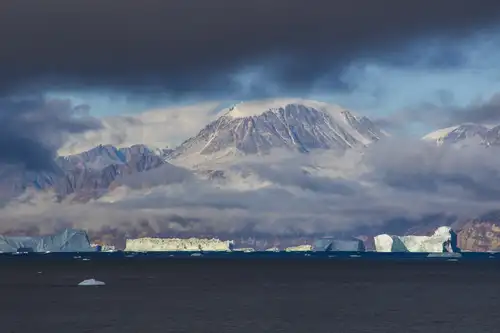
Greenland: East vs. West
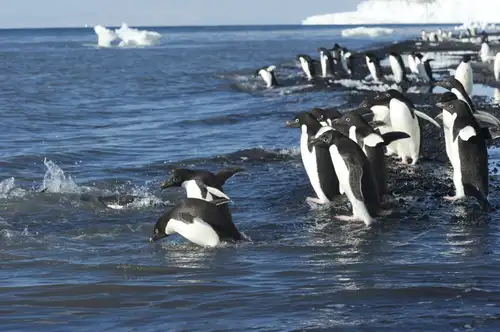
Adélie penguins in the Ross Sea - Antarctica
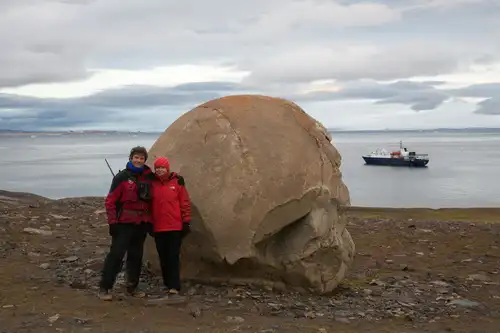
The Return to Franz Josef Land
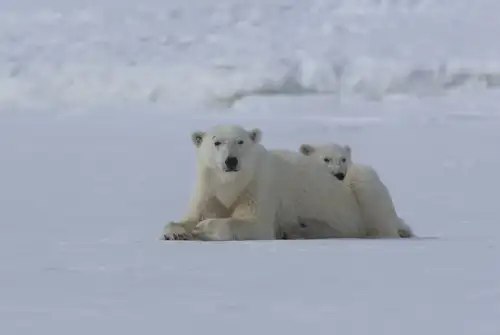
Polar Bears and Pack Ice: 22 Pics from North Spitsbergen
Living the Antarctic Dream
Arctic Seals
What’s so Special about East Spitsbergen?
Arctic Foxes: Constant Gardeners of the Arctic
The Most Enchanting Antarctica Cruise Islands
Under the Greenland Ice Sheet
Polar Bear Primer: Eight Facts About the Arctic Wanderer
Harp seals harping on in Greenland
Everything you need to know about Antarctic icebergs