10 Terrific Antarctic Bird Facts - Nexta Expeditions
10 Terrific Antarctic Bird Facts

10 Terrific Antarctic Bird Facts

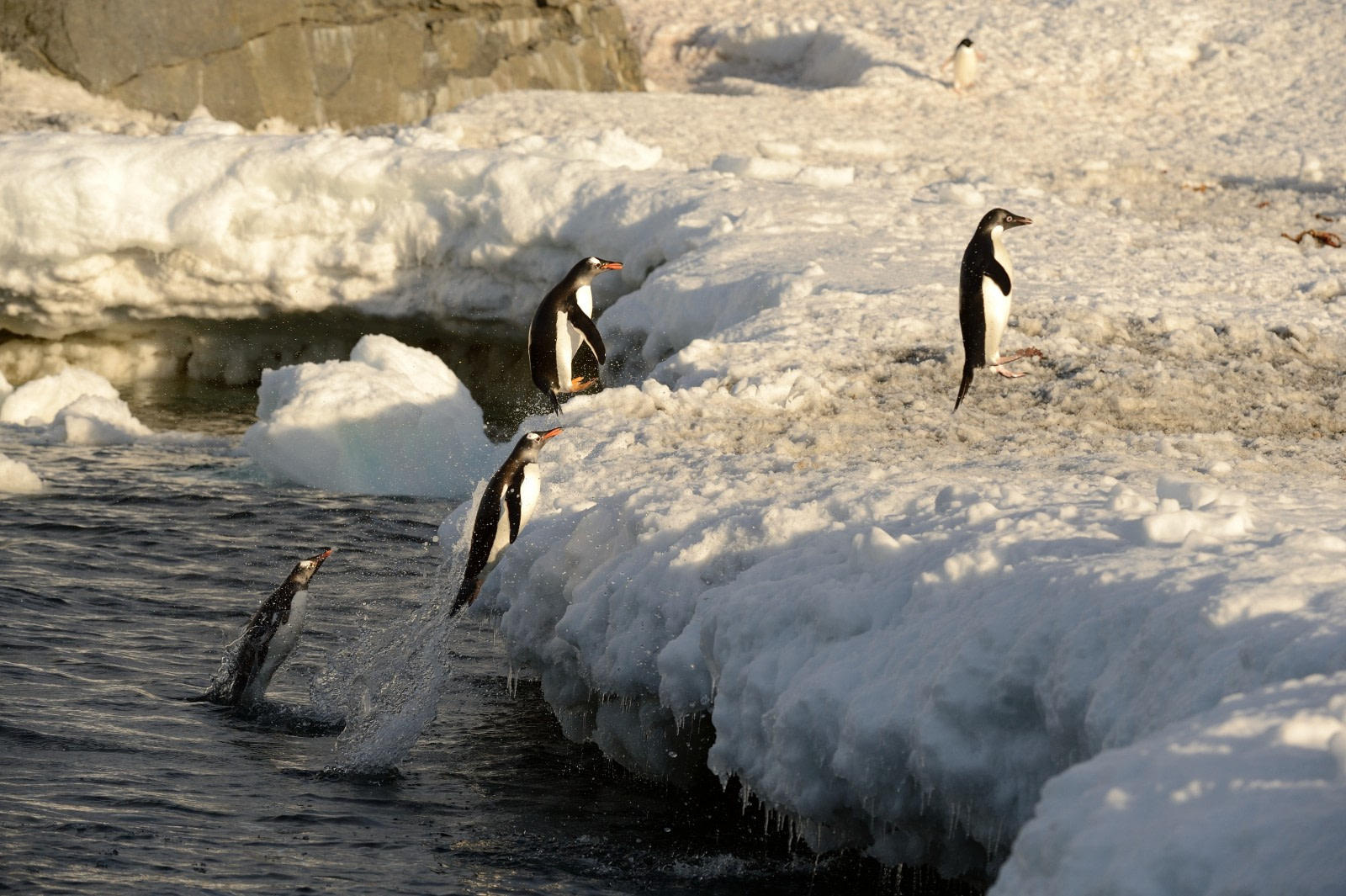
Antarctica is a premier destination for birdwatching, boasting around 45 unique species. Describing them all would require an extensive article, so here we will focus on 10 fascinating facts about the birds you can encounter in Antarctica.
blog-image

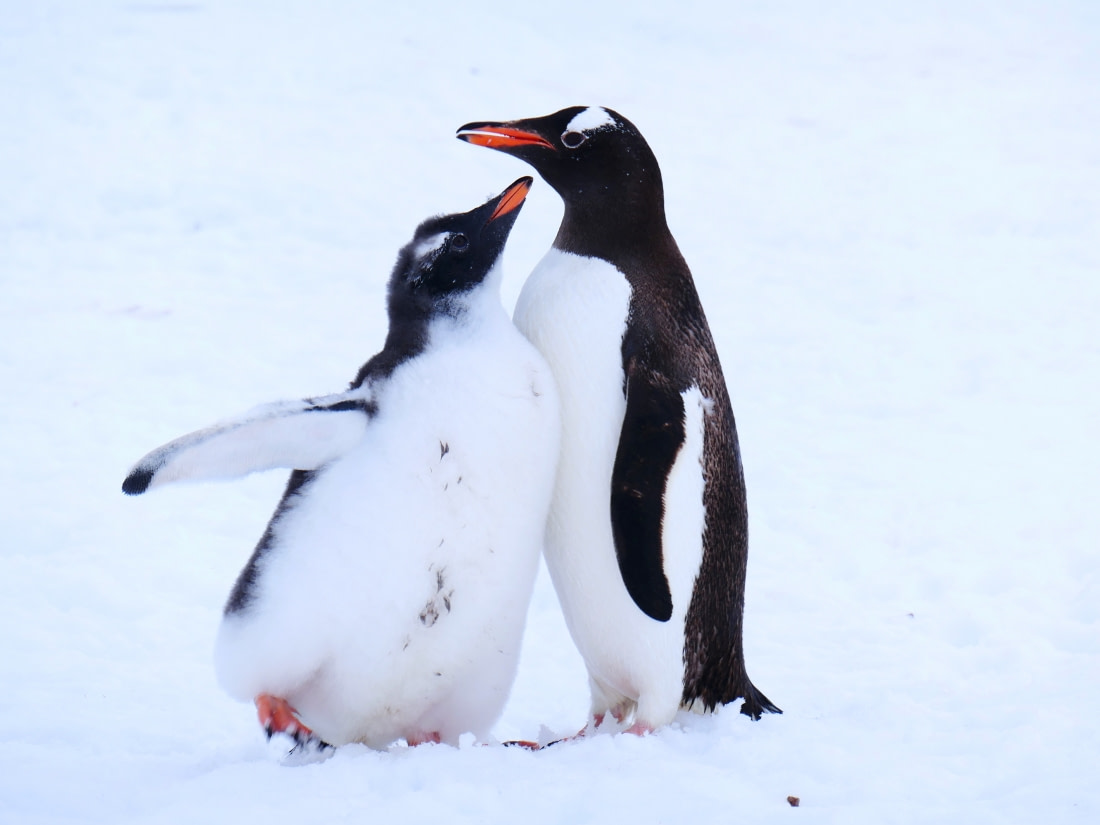
1. The name “penguin” is from two old Welsh names meaning “white head”

The ancient Welsh seafarers who named penguins were likely thinking of the flightless great auk (now extinct) of the North Atlantic, which had a white mark on its head. Most penguins actually have black heads. While great auks and some penguins can resemble one another, they are otherwise unrelated. The word comes from “pen,” meaning head, and “gwyn,” meaning white.

blog-image

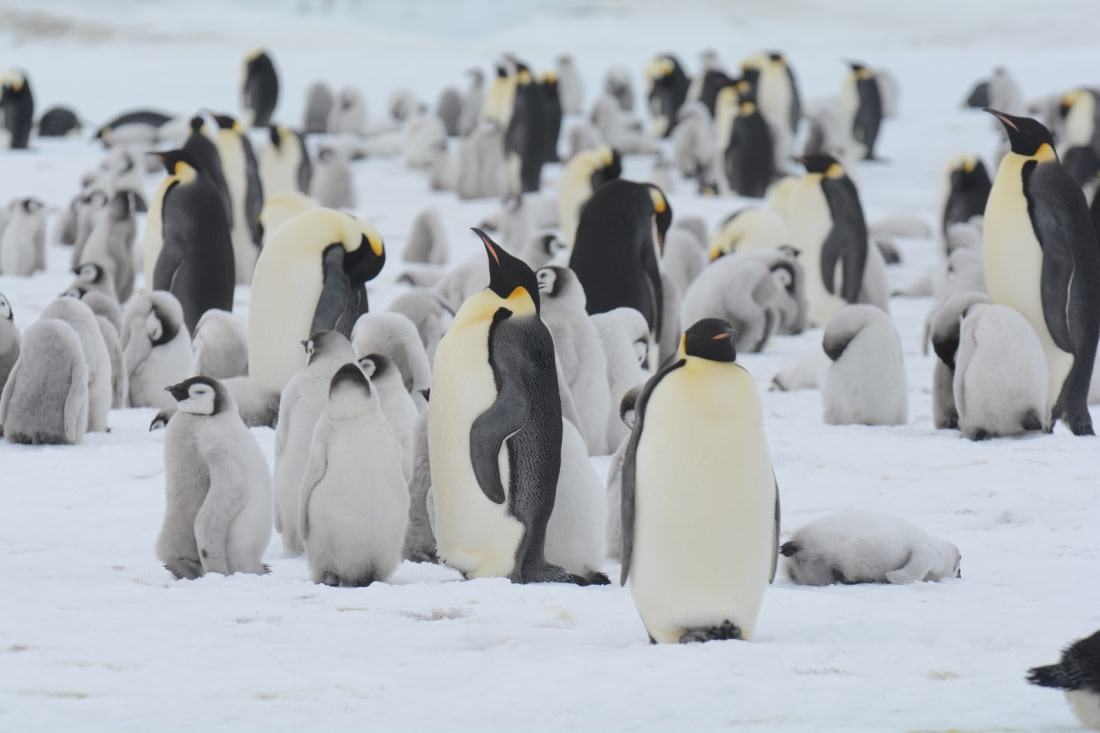
2. Emperor penguins have no nests

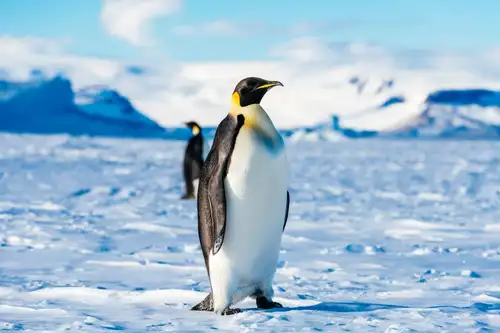
While standing on sea ice, emperor penguins incubate one egg on their webbed feet, holding it against their brood patch. The male emperor penguin also fasts for up to three months during the coldest part of the winter, taking full responsibility for the 65-day incubation.
blog-image

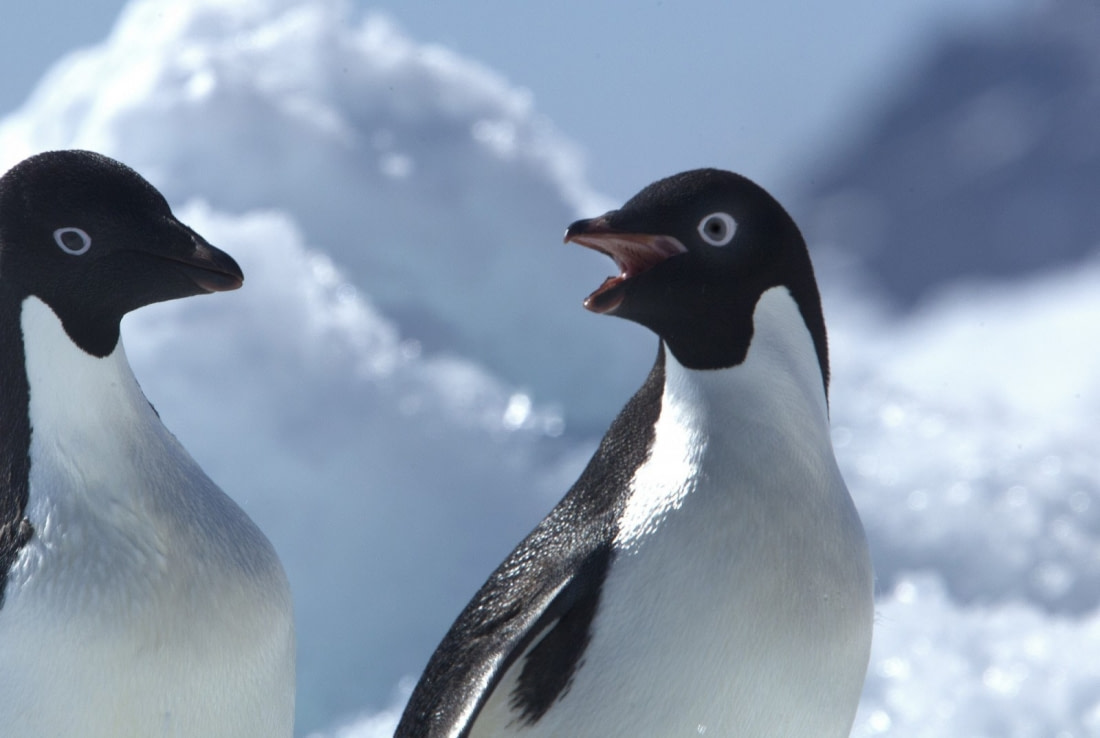
3. The Adélie is the most abundant (and studied) of all penguins

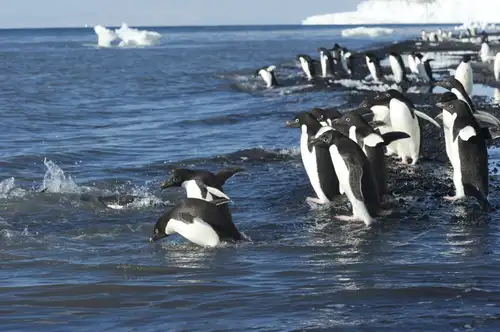
The male Adélie has a fasting period of up to seven weeks, during which he can lose nearly half of his body weight. The fast starts on his return to the rookery after he has spent winter among the pack ice. It continues through part of the incubation period, which he shares with his mate. The female Adélie penguin lays two eggs, which take about 35 days to hatch.
blog-image

4. Flipper bands are the only safe way to band penguins

Over 45,000 Adélies were flipper banded in a study by Johns Hopkins University biologists, which is one of the reasons this particular species is so well studied. Experts have to apply these bands, keeping aware that the flipper will double its width during the moult.
blog-image

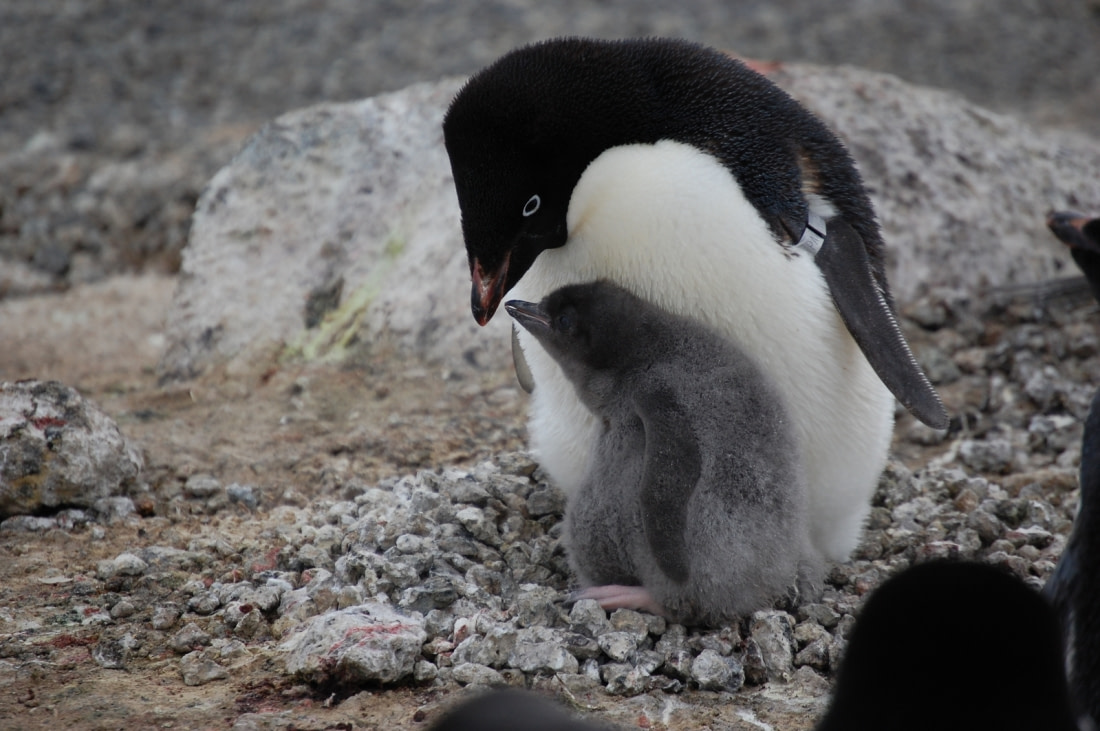
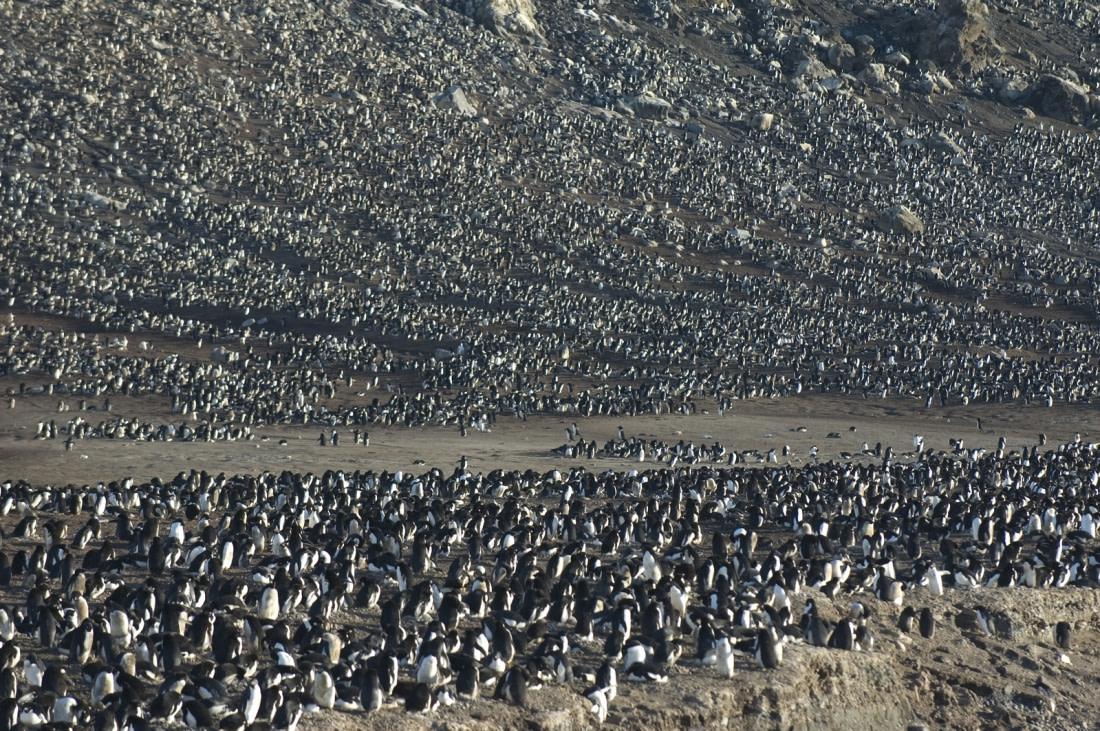
5. Penguins can recognize their chicks in crèches of 200 or more

Adélies feed their own chicks, no others. They recognize their young mostly by sound, as penguin chicks are virtually indistinguishable in appearance. This ability to use sound to locate their young is observed in many colonial seabirds.
blog-image

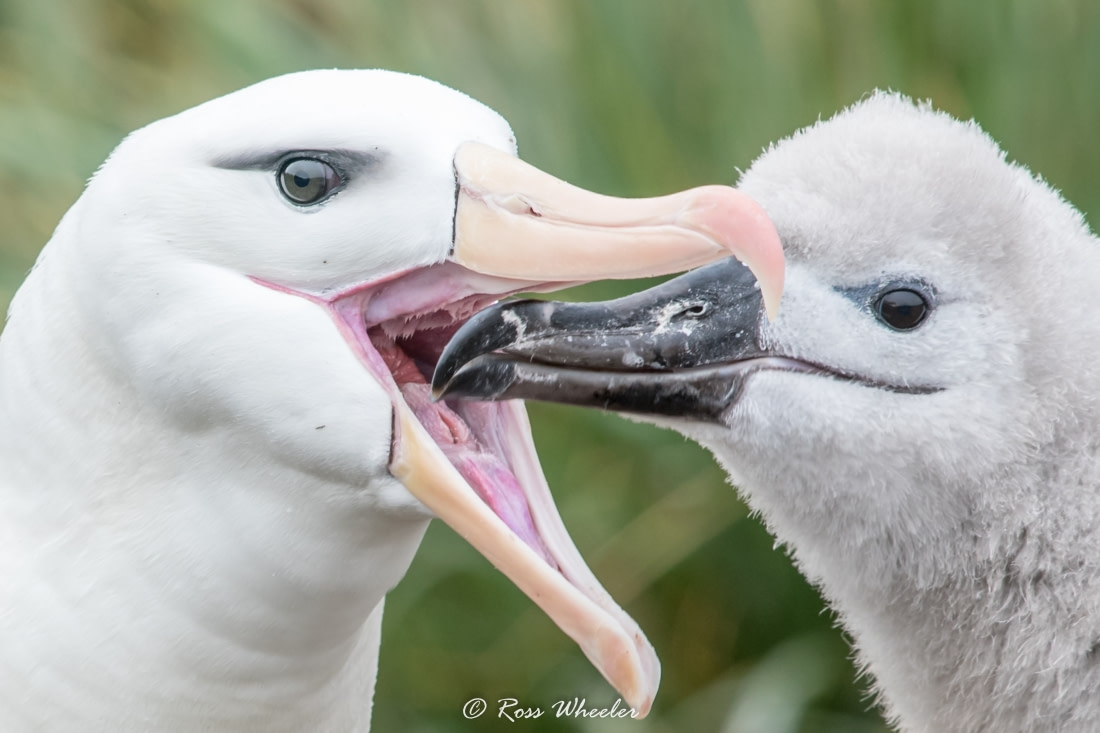
6. Egg laying is highly variable among Antarctic birds

Six species of albatrosses, 23 species of petrels, and the emperor penguin lay only one egg. Meanwhile, southern black-backed gulls, imperial shags, and sheathbills have large clutches and often lay three or occasionally four eggs.
blog-image

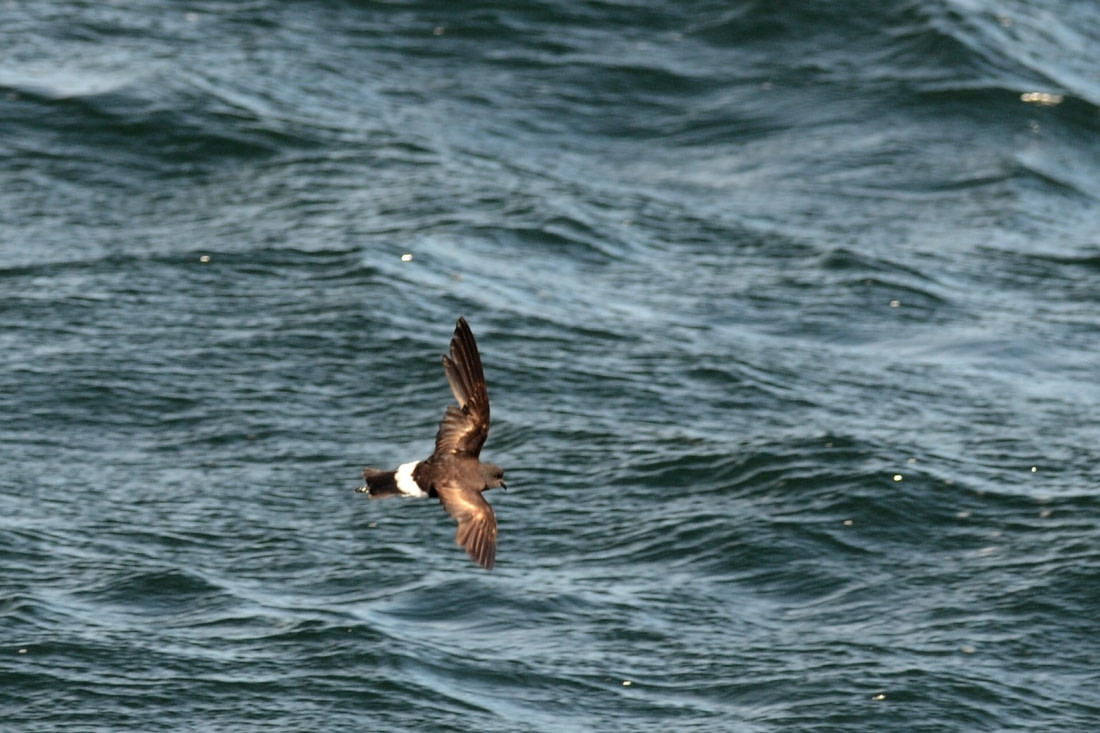
7. During migration to the Arctic, Antarctic birds are not just trading one cold location for another

It seems silly to migrate thousands of miles only to exchange one polar region for another, right? We might wonder why Antarctic birds do not choose a warmer area to justify all that traveling. But as it turns out, the polar regions have massive ecosystems that offer a lot of feeding options, especially when compared to more tropical locations. The Wilson’s storm petrel, for example, breeds only in Antarctica but migrates to the Northern Hemisphere in summer, taking advantage of the seasonal food increase there.
blog-image

8. The Arctic tern has the longest migration of any bird

Arctic terns make a round trip of up to 35,000 km (22,000 miles) each year, by consequence seeing more sunlight than any animal on Earth. That is a lot of flying over their roughly 29-year lifespan, as they are ready to fly about 21-24 days after birth.

blog-image

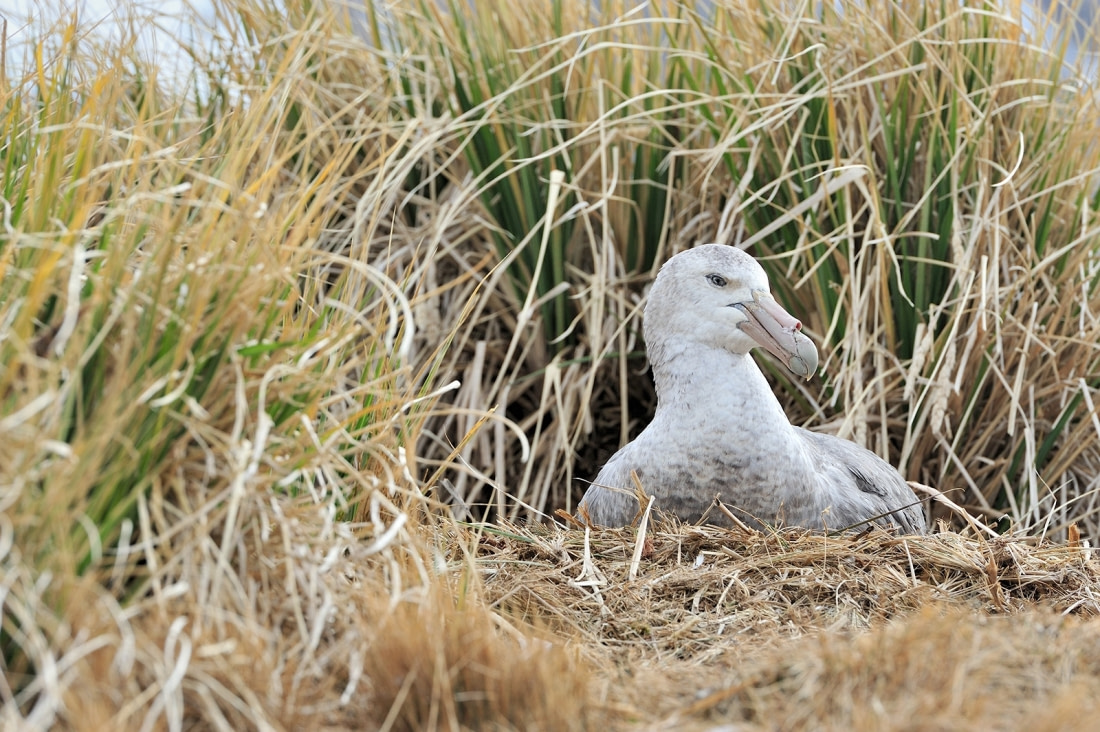
9. Giant petrels and wandering albatrosses circumnavigate the Southern Ocean

The giant petrel in particular soars in the west wind zone. Banding research has shown that the young do not return to their natal breeding places until at least six years old.
blog-image

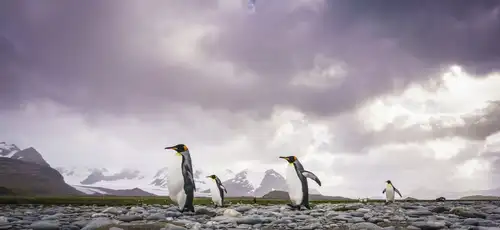
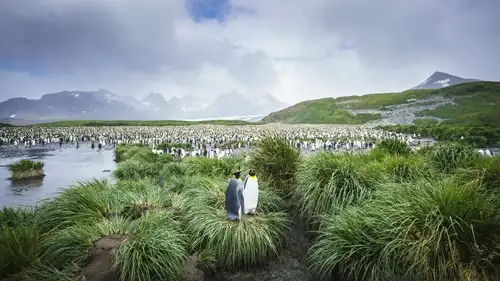
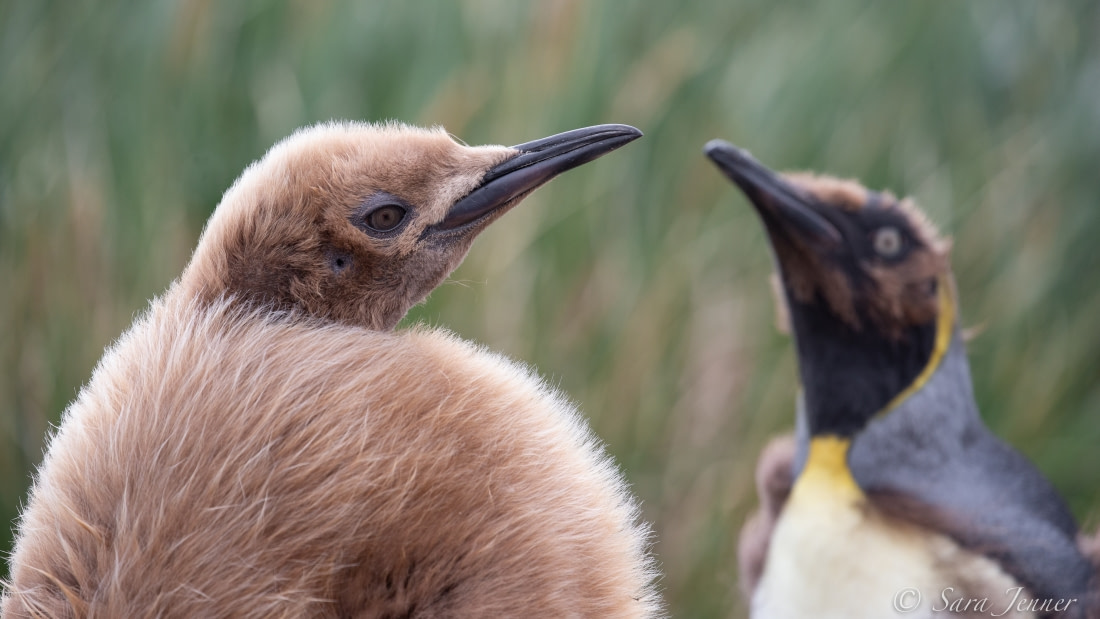
10. King penguin chicks were once thought to be a separate species than adults

The early European explorers who first saw king penguins and their chicks assumed they were a different species, and it is not hard to see why. King penguin juveniles have thick brown plumage, a stark contrast to the mostly gray adults. By early late spring or early summer, the king chicks fledge this down and begin to resemble adults.
blog-image

Check out our video on the Antarctic birds we most often see

Watch our expedition leader and resident bird expert, Martin Berg, discuss a few of the more common birds we see in on our trips to Antarctica. And if you are interested in seeing any of these birds for yourself (not to mention some of the most exotic landscapes on the planet), join us soon on one of our many Antarctic cruises!


Blog
go-leftgo-right

Ice streams and lakes under the Greenland Ice Sheet - Nexta Expeditions
Blog

Ice streams and lakes under the Greenland Ice Sheet

The Greenland ice sheet is a dynamic mass of dense, flowing, and deforming ice. Snow deposited on the central parts of the ice sheet is gradually compressed into ice that slowly moves towards the ice margin. At the ice margin, the ice is removed by melting or by breaking off into icebergs.
North Norway, Northern Lights, and All the Pretty Whales - Nexta Expeditions
Blog

North Norway, Northern Lights, and All the Pretty Whales

At first glance, visiting Northern Norway outside of a blazing-hot summer might seem daunting for the average traveler.
Svalbard vs. the Canadian Arctic - Nexta Expeditions
Blog

Svalbard vs. the Canadian Arctic

It’s easy to assume the Arctic is uniform, a vast expanse of northern freeze shaped by snow, ice, and endless darkness.
Weddell Sea, Shackleton’s Endurance, and New Swabia - Nexta Expeditions
Blog

Weddell Sea, Shackleton’s Endurance, and New Swabia

Our Antarctica 2023-24 cruise program is packed with incredible expeditions, including a new itinerary that explores key locations such as South Georgia, the Weddell Sea, and the more easterly region of New Swabia (Neuschwabenland).
Science of the Ross Ice Shelf - Nexta Expeditions
Blog

Science of the Ross Ice Shelf

Antarctica’s Ross Ice Shelf is vast, spanning 487,000 sq. km – comparable to the size of France – with a thickness that varies from a few hundred meters near the sea to over 1,200 meters away from the floating edge. The edge along the Ross Sea forms a towering ice wall, rising up to 50 meters above the water, with most of the ice submerged below the waterline.
Hot Ice: Breeding Practices of Five Polar Animals - Nexta Expeditions
Blog

Hot Ice: Breeding Practices of Five Polar Animals

Last Valentine's Day we gave you 14 wildlife pictures highlighting the ins, outs, ups, and downs of polar romance. This year we're moving on to something a little more advanced: the nitty-gritty details of polar wildlife breeding rituals.
10 Popular Bird Watching Binoculars - Nexta Expeditions
Blog

10 Popular Bird Watching Binoculars

Binoculars are a staple for outdoor enthusiasts, often packed with minimal thought alongside essentials like bug spray, sunblock, and waterproof matches. However, for certain groups, binoculars are indispensable, particularly for bird watchers. If you're part of this technical hobbyist community, here are 10 birding binoculars you should know about.
Three Antarctica Cruise Deals - Nexta Expeditions
Blog

Three Antarctica Cruise Deals

For many travelers, Antarctica represents the ultimate polar destination. Its vast white landscapes offer an endless array of surreal vistas, much of its unique wildlife is found nowhere else on Earth, and its complete lack of an indigenous human population provides a sense of untouched seclusion that few other places can match.
8 Scientific Wonders of the Arctic - Nexta Expeditions
Blog

8 Scientific Wonders of the Arctic

The Arctic’s frozen landscape not only contains scenic gems, it also prompts fascinating advances in research. Here are some of the eight best.
A Bug’s Life in Svalbard - Nexta Expeditions
Blog

A Bug’s Life in Svalbard

When you think about Svalbard wildlife, you might imagine reindeer, Arctic foxes, polar bears – the primary animal attractions that draw passengers to an Arctic cruise. But in fact, the Svalbard archipelago is a thriving location for over 1,000 species of terrestrial and freshwater invertebrates: animals that lack backbones. Despite this richness of life, however, these invertebrates are only found in the Isfjord and Kongsfjord areas of these wonderfully diverse islands.
Shackleton’s Push to the South Pole - Nexta Expeditions
Blog

Shackleton’s Push to the South Pole

On the evening of February 11, 1907, Irish-born polar explorer Ernest Shackleton, already among the more famous polar explorers in the world, announced his intention to embark on a momentous Antarctic expedition.
True South: A New Flag for a Global Antarctica - Nexta Expeditions
Blog

True South: A New Flag for a Global Antarctica

When Evan Townsend signed up to spend the winter of 2018 working at an Antarctic research station, he had no reason to expect he would end the season by designing a new flag for the continent. He had even less reason to expect the support it would receive.
How and When Did Greenland Become Covered in Ice? - Nexta Expeditions
Blog

How and When Did Greenland Become Covered in Ice?

Although it may be hard to believe, there was a time when Greenland was more green than icy. Today, those who embark on a Greenland expedition are greeted with views of the Greenland ice sheet and the marine life that thrives in this region, including seals and whales. Polar bears are also prominent in the northern and eastern parts of Greenland. These animals have adapted to their environment, but a few million years ago, the massive island would not have been as welcoming to them.
Under the Greenland Ice Sheet - Nexta Expeditions
Blog

Under the Greenland Ice Sheet

Anyone who ventures to the right part of the globe can encounter vast amounts of ice, but a Greenland cruise offers something truly unique: ice sculptures hidden beneath the northern ice sheet. Scientists once thought these sculptures were rocky hills buried in ice, similar to the Ghost Mountains in Antarctica. However, it turns out that Mother Nature has crafted one of the most exclusive art exhibits in the world. These sculptures are not visible from the surface, but some scientists have managed to get a sneak peek using radar equipment.
Islands of the Blessed: Things to Do Around Cape Verde - Nexta Expeditions
Blog

Islands of the Blessed: Things to Do Around Cape Verde

We visit Cape Verde and its capital city of Praia during our occasional St. Helena to Cape Verde voyages. Characterized by peaceful days at sea, these trips allow you to see some of the lesser-known gems of the Atlantic.
Seven Frightfully Fun Polar Ghost Stories - Nexta Expeditions
Blog

Seven Frightfully Fun Polar Ghost Stories

The polar regions are unparalleled when it comes to ghost stories.
Narwhals: the Aquatic Unicorns of the Arctic - Nexta Expeditions
Blog

Narwhals: the Aquatic Unicorns of the Arctic

Though narwhals are among the rarest whale species encountered during our Arctic expeditions, a journey to the Arctic regions of Greenland and Svalbard always holds the potential for spotting these elusive creatures.
Antarctica’s first Marine Protected Area - Nexta Expeditions
Blog

Antarctica’s first Marine Protected Area

In October of this year, the Commission for the Conservation of Antarctic Marine Living Resources, which includes 24 countries such as the United States, the European Union, Australia, and New Zealand, reached a consensus on a New Zealand/United States proposal to establish a large-scale Marine Protected Area (MPA) in the Ross Sea region.
Eight Antarctic Misconceptions - Nexta Expeditions
Blog

Eight Antarctic Misconceptions

Antarctica has given rise to some pretty far-fetched rumors.
The Ultimate Traveler’s Guide to the Arctic and Antarctica - Nexta Expeditions
Blog

The Ultimate Traveler’s Guide to the Arctic and Antarctica

Sunrises or sunsets? Coffee or tea? Polar bears or penguins?