Baleen Whales The Gentle Giants Of The Ocean - Nexta Expeditions
Baleen Whales – The Gentle Giants of the Ocean

Baleen Whales – The Gentle Giants of the Ocean

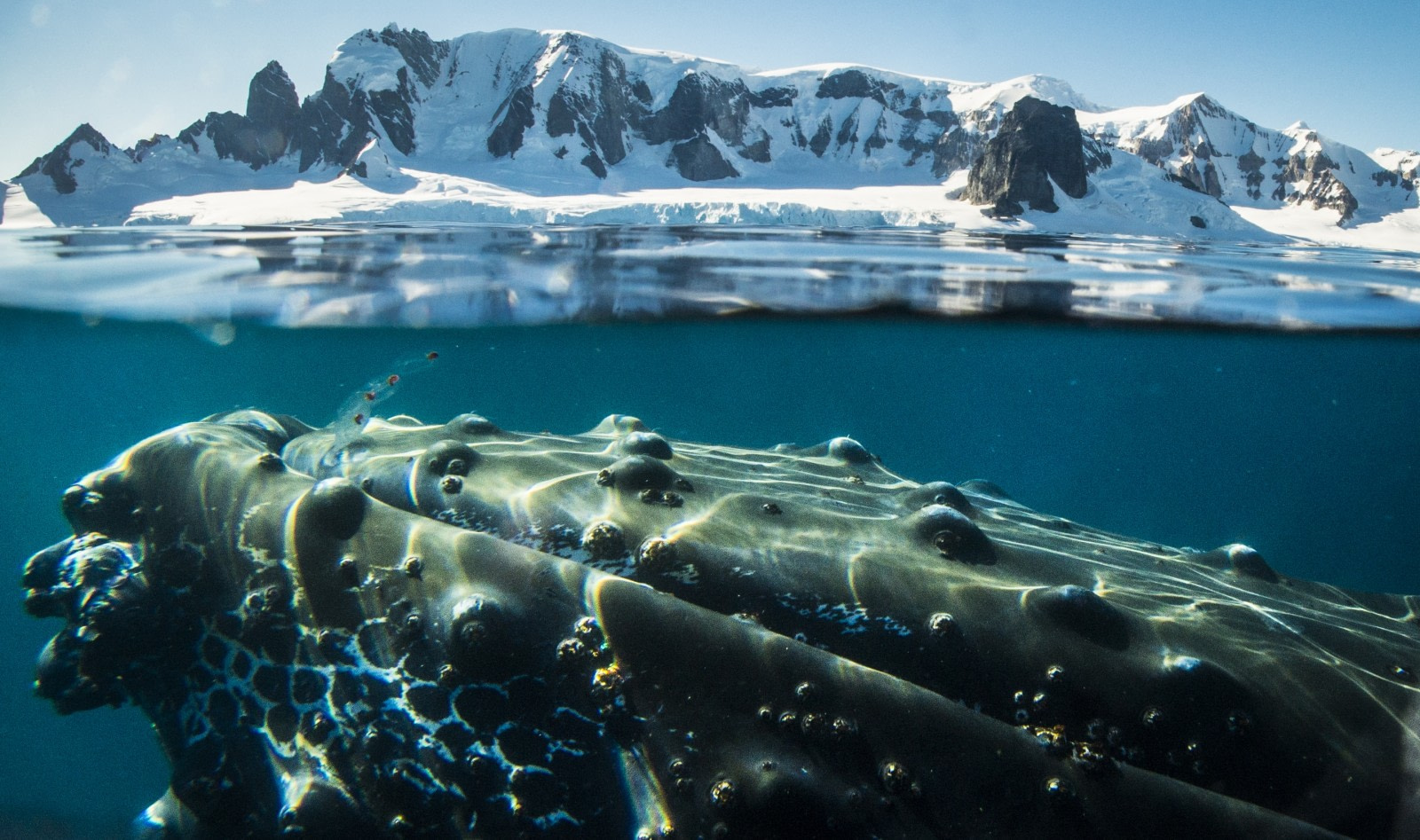
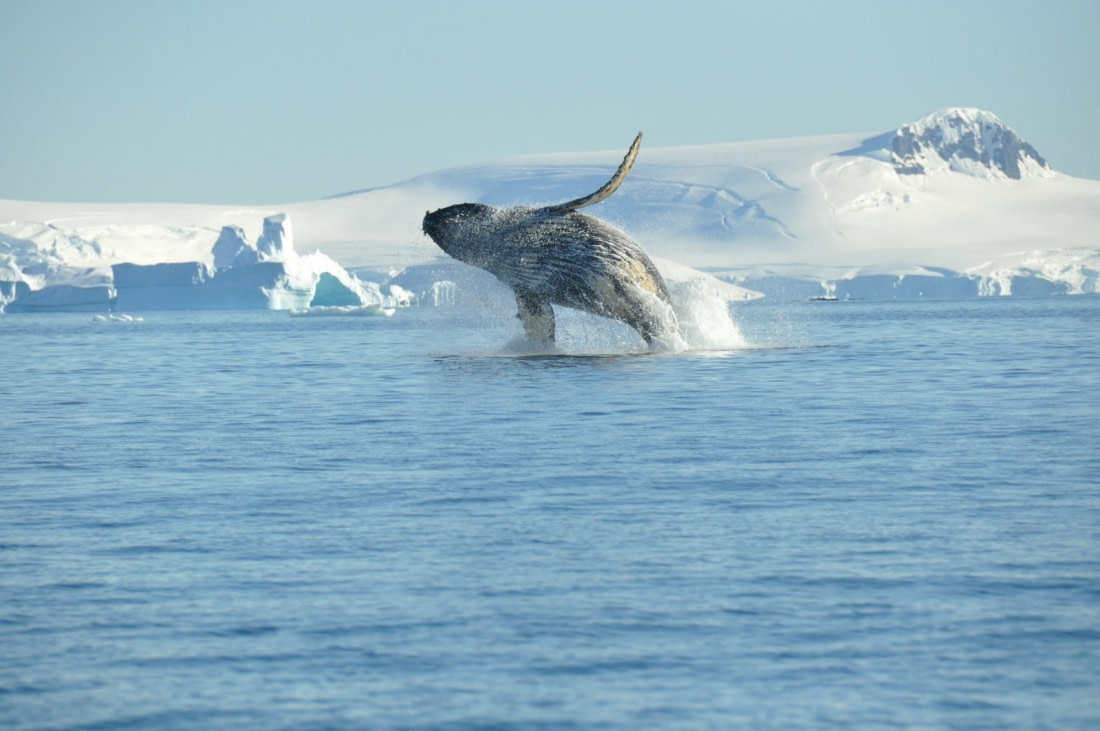
They are the largest animals on Earth, yet they thrive on some of the tiniest creatures. These giants can reach lengths of 30 meters (90 feet), but it is the microscopic zooplankton, krill, and small fish that sustain them. These are the baleen whales. Unlike toothed whales, baleen whales lack teeth. Instead, they use plates of baleen in their mouths to trap and consume their tiny prey.
blog-image

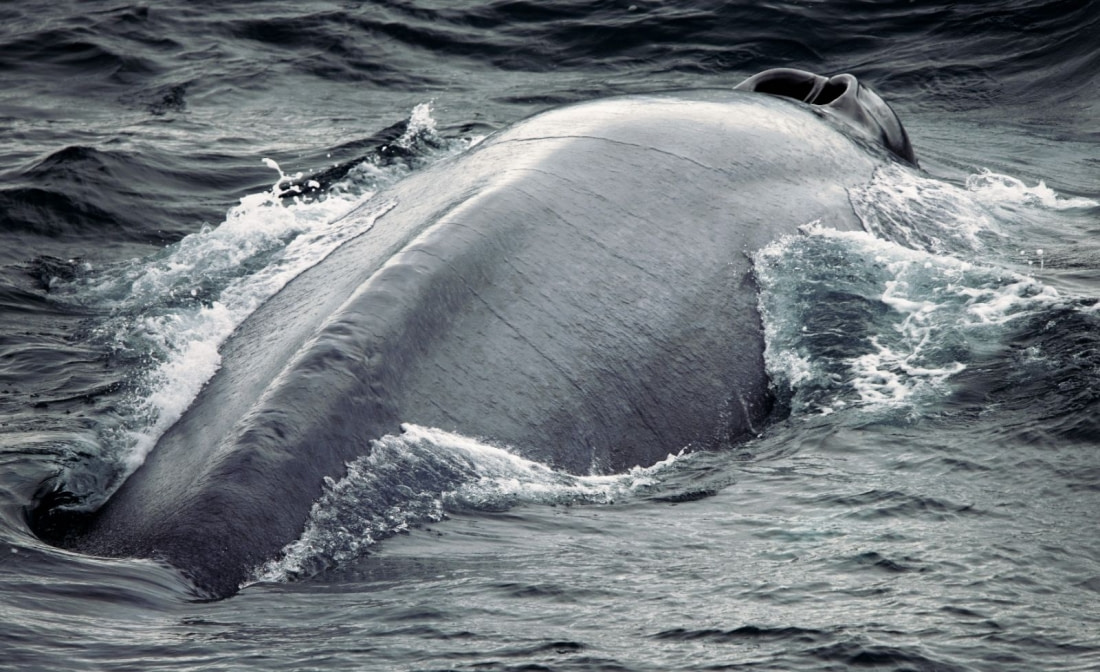
The baleen are comb-like filaments, part of the whale’s mouth structure. Baleen is a protein similar to the keratin found in human fingernails and hair. When feeding, these whales take in large quantities of ocean water, straining it to capture their food. Another unique feature of baleen whales is their paired blowholes, unlike toothed whales that have a single blowhole.

Some baleen whales feed by swimming with their mouths wide open to capture water and prey near the surface, known as lunge feeding. Others stay below the surface, opening their mouths to ingest large amounts of water. When they close their mouths, the water is expelled through the rows of baleen, trapping the food.

Types of baleen whales you can spot

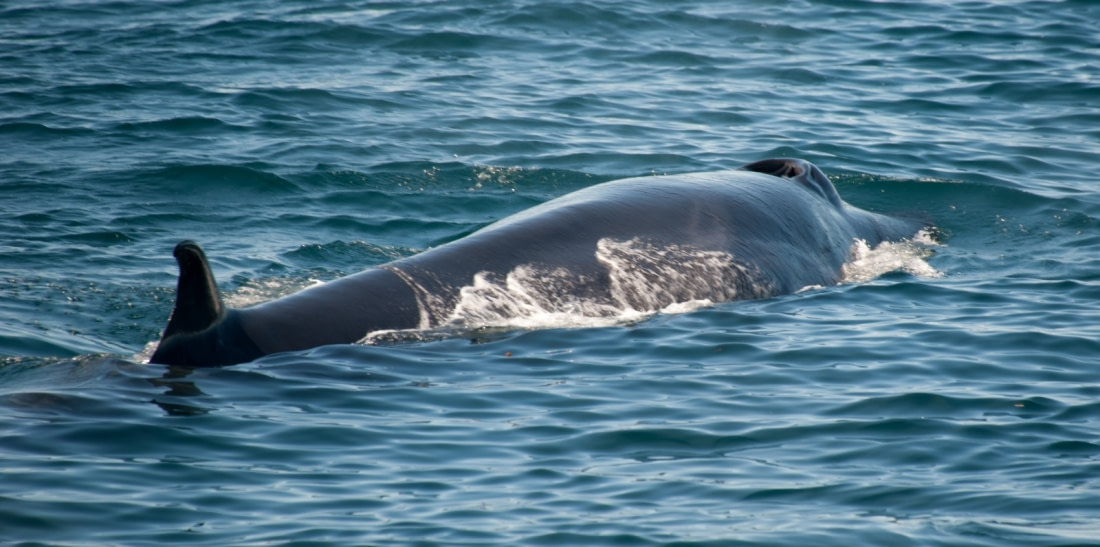
There are many species of baleen whales, ranging from the approximately 2-meter (6 feet) pygmy Right whale to the enormous blue whale. In total, there are 15 known species. Some of the baleen whales spotted on Arctic cruises include the minke, fin, sei, blue, humpback, and bowhead. Among the toothed whales, orcas, sperm whales, Northern bottlenose, narwhal, and beluga have been sighted.
blog-image

How baleen whales swim

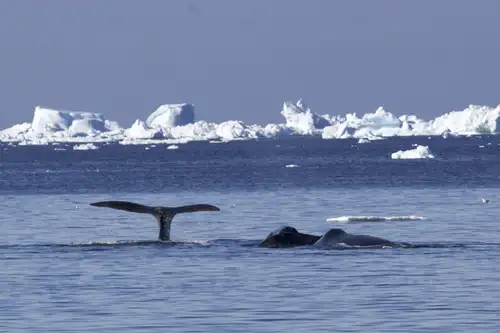
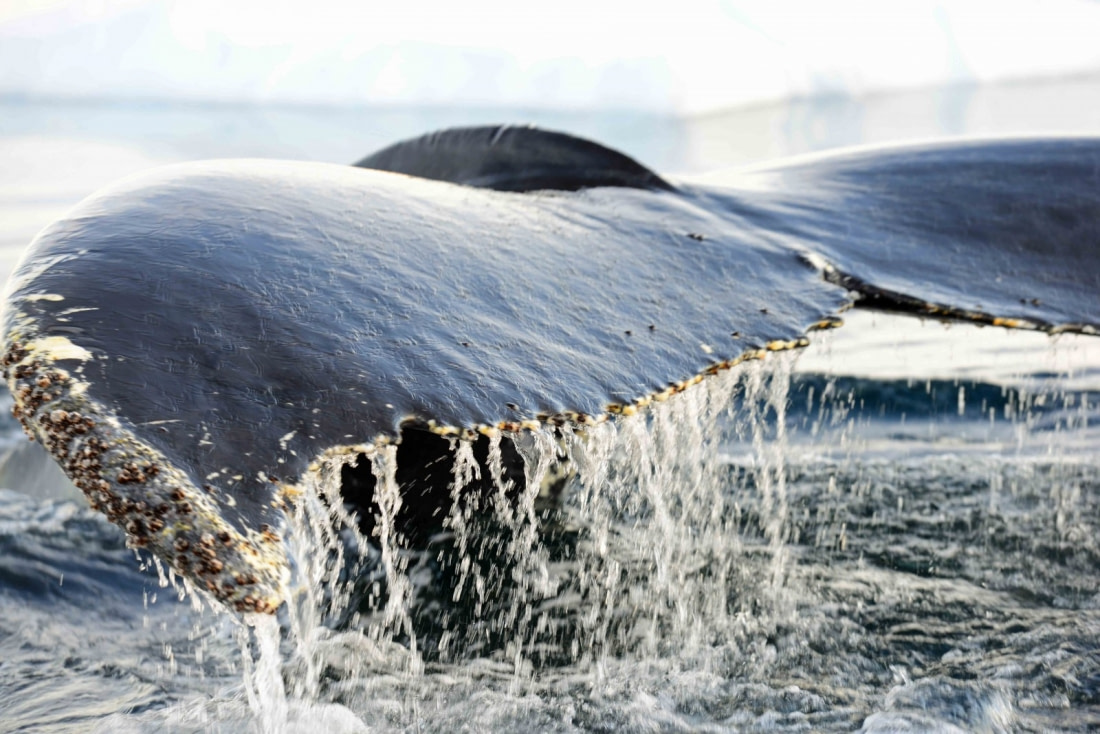
Like penguins, sea turtles, and otters, baleen whales have flippers that help propel them forward and steer. Unlike those other species, whales have a large rear fluke, which they raise and lower to create forward motion. Some whale species are known to leap out of the water to gain additional speed when necessary.
blog-image

The baleen are expert divers

Baleen whales are expert divers, with some reaching depths of 470 meters (1,540 feet). Their unique anatomy has evolved to make such dives possible. Their lungs are designed to collapse under the immense pressure of deep dives, preventing damage. Baleen whales’ lungs are also highly efficient at extracting oxygen from the air, about four times more efficient than human lungs. Their heart rate drops to around 10 beats per minute to conserve oxygen during dives.

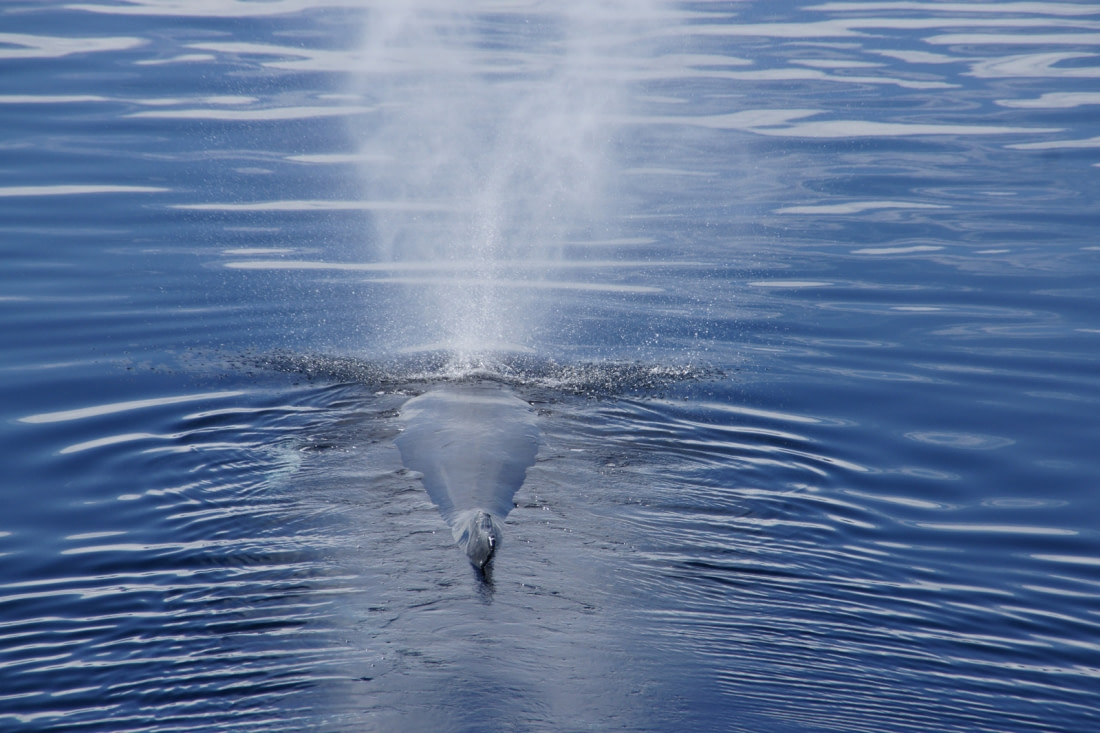
However, as mammals, whales must periodically return to the surface to breathe. They breathe through blowholes located at the top of their heads. When surfacing, they expel carbon dioxide dramatically, spraying surrounding seawater into the air, leading to the classic whaling expression, “Thar she blows!”
blog-image

Reproduction & whale song of the baleen whale

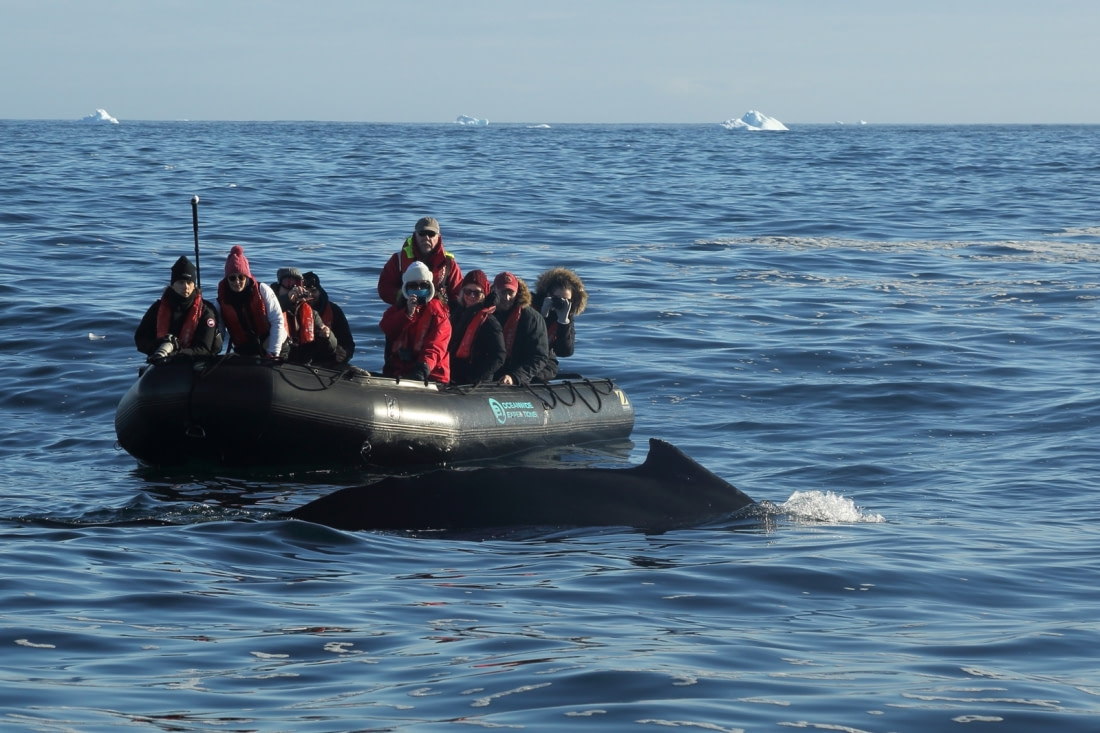
During the breeding season, baleen whales communicate or “sing.” It is believed they use folds in their larynx to produce sounds. The blue whale’s low-pitched song can be as loud as 190 decibels and heard hundreds of kilometers away. The humpback whale sings the most complex songs, consisting of groans, roars, and chirps, often repeated for hours. It is thought that all male humpbacks from a specific geographical area sing the same songs throughout the breeding season.
blog-image

The whale gestation period is about a year, during which they grow rapidly. Shortly before birth, a blue whale fetus gains around 100 kg (220 lb) per day and measures about 7 meters (23 feet) long at birth. During nursing, the calf can gain 80 kg (180 lb) a day. By the time they reach sexual maturity at 5-10 years, they will have grown to a length of 20-24 meters (66-79 feet). Whales can live up to 80-130 years, with 19th-century harpoons found in deceased whales indicating this remarkable longevity.
blog-image

Why do baleen whales migrate?

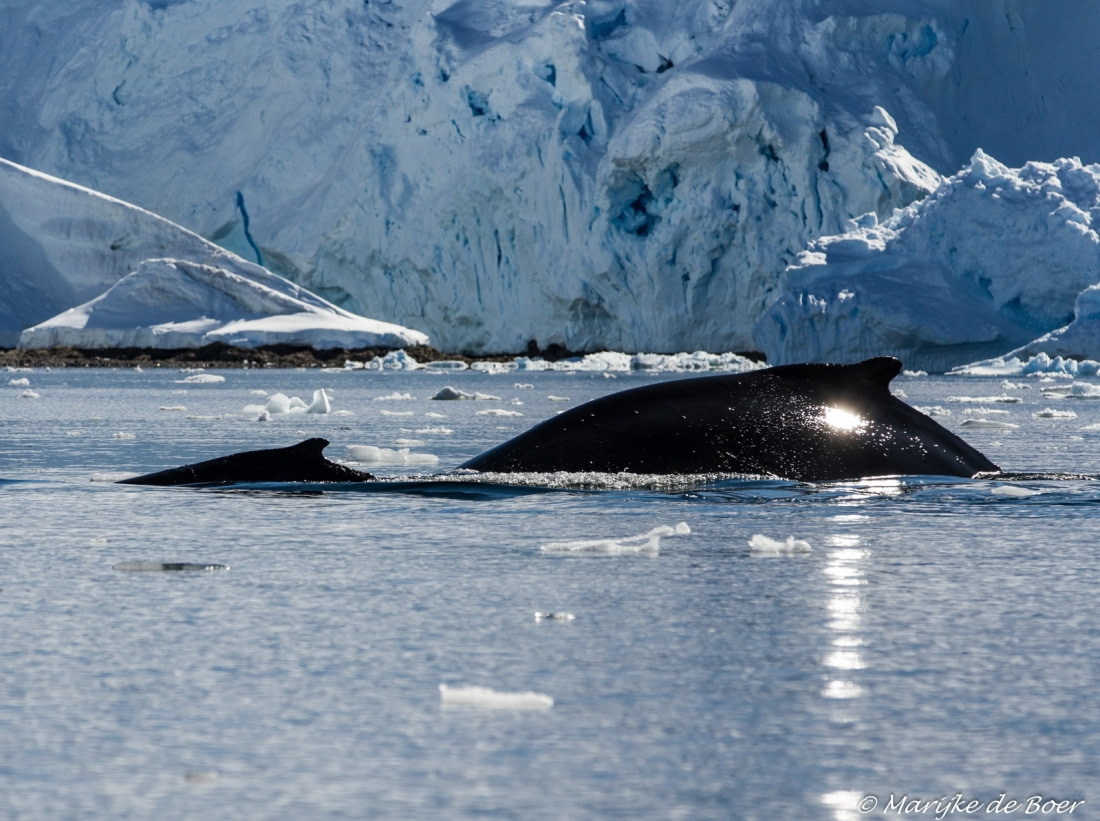
Baleen whales migrate for several reasons, primarily related to calving and newborns. Young baleen whales have not yet developed a thick layer of blubber to insulate them from cold Arctic waters, prompting migration to warmer tropical climates. Warmer waters are also thought to be safer for calves, protecting them from predators like killer whales.
blog-image

In spring and summer, baleen whales migrate back to Arctic waters to feed on abundant plankton blooms. Some, like the gray whale, migrate as much as 23,000 km (14,000 miles) from the Arctic to the Baja Peninsula and back.

Whale hunting: an ancient story

For thousands of years, humans have hunted whales for food and oil. The Inuit hunted whales throughout the Arctic Ocean for their blubber and baleen. In the 19th century, whales were also hunted for their whalebone, used in women’s corsets, buggy whips, and umbrellas.

blog-image

With no controls on hunting activity, whale populations eventually became depleted. It wasn’t until 1982 that the International Whaling Commission placed hunting limits to protect whales from extinction. Most countries have now ceased all whaling activities. However, humans are not the only predators of baleen whales. Calves and newborns are also preyed upon by killer whales.

Other threats to baleen whales include climate change, which has led to declines in sea ice, affecting their habitat, and ocean acidification. Additionally, commercial shipping poses a hazard. Baleen whales cannot always hear the low-frequency propeller noise and may be unaware of a ship’s presence until it is too late. Sonar used by ships also interferes with whale vocalizations, complicating their communication.

Conservation and the future of the baleen whale

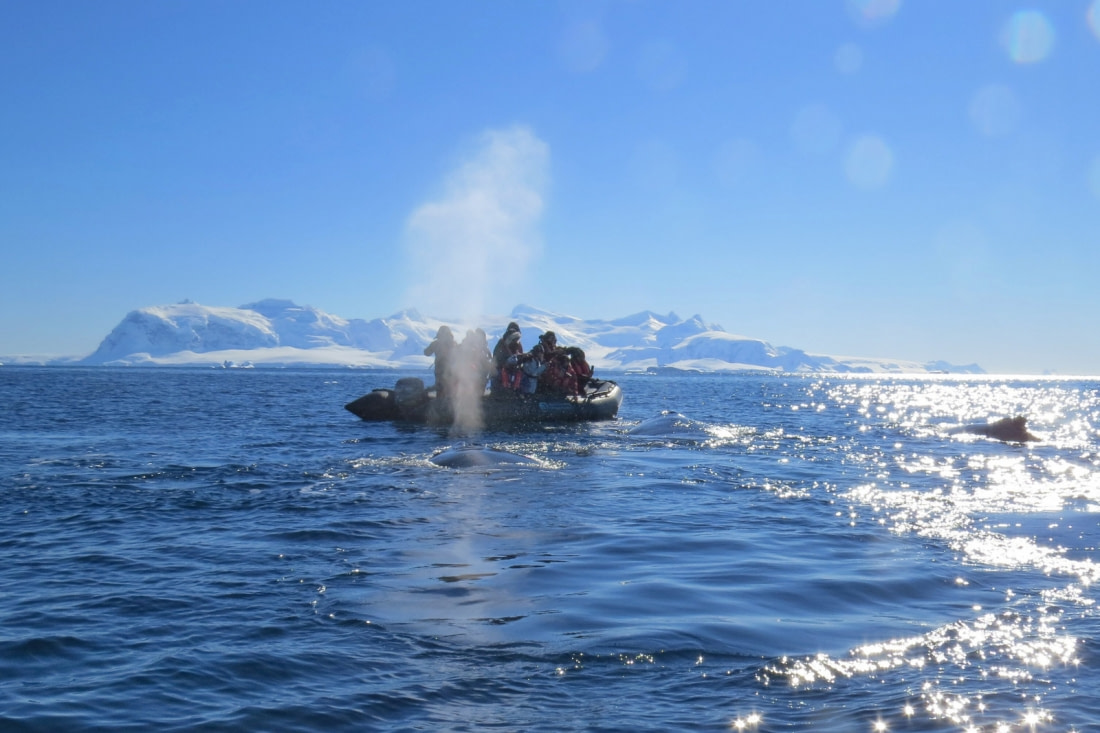
Over the last 30-40 years, efforts to slow down and halt whale hunting have increased. This has been accompanied by movements to promote whale watching, which serves both recreational and scientific purposes. A 2009 study estimated that 13 million people go whale watching annually, generating over $2 billion in tourism revenue worldwide. Many countries have now ceased all whale hunting activities, while others observe strict limits.
blog-image

There are many humane reasons for this, but perhaps the most practical one is voiced by conservationists: a whale is worth much more alive and watched than hunted and dead.


Blog
go-leftgo-right

Churches in Antarctica - Nexta Expeditions
Blog

Churches in Antarctica

'Below 40 degrees South there is no law; below 50 degrees South, there is no God', goes the old adage. When faced with a storm in the turbulent and freezing waters of the Drake Passage, one might think so.
The Mysteries of the Beluga Whale - Nexta Expeditions
Blog

The Mysteries of the Beluga Whale

Beluga whales, also known as white whales, sea canaries, and sometimes melonheads, are a rare but cherished sight during Arctic cruises, thanks to their striking appearance. Despite the rarity of beluga sightings, a good amount is known about these friendly-faced cetaceans.
Penguins, Petrels, and Prions: Top Antarctica Bird Tour Spots - Nexta Expeditions
Blog

Penguins, Petrels, and Prions: Top Antarctica Bird Tour Spots

If anyone tells you Antarctica is for the birds, they’re right.
Top 10 Antarctic Attractions - Nexta Expeditions
Blog

Top 10 Antarctic Attractions

There’s a reason people go to such lengths to visit Antarctica, and its abundance of whales, seals, penguins, and seabirds are only part of the polar story.
Deep Sea Dwellers: 10 Facts about The Antarctic Giant Isopod - Nexta Expeditions
Blog

Deep Sea Dwellers: 10 Facts about The Antarctic Giant Isopod

On average, the Giant Antarctic Isopod grows to 9cm (3.5in.) in length. This may not seem very large, but factors including low light levels, freezing cold water, and a lack of oxygen prevent these isopods from growing very large. Other species of isopods, including the Giant Isopod, have been known to grow up to 40 cm (16 inches) in length!
The Impact of Small vs. Large Cruise Ships - Nexta Expeditions
Blog

The Impact of Small vs. Large Cruise Ships

The generalization that larger ships impact the environment more than smaller ships seems like such a no-brainer that if someone said it to you, you’d be easily forgiven for thinking you were being tricked.
Taking the Polar Plunge - Nexta Expeditions
Blog

Taking the Polar Plunge

There are some human activities that for many people simply defy understanding: We juggle chainsaws, we breathe fire, we fling ourselves out of perfectly good airplanes.
First to the North Pole: Five Failed but Brave Expeditions - Nexta Expeditions
Blog

First to the North Pole: Five Failed but Brave Expeditions

Being first to reach the North Pole was seen by several nations as economically invaluable due to the open polar sea said to encircle it, but for the explorers themselves it was also a gloriously adventurous grab for immortality.
Five Birds You Might See on Your Greenland Cruise - Nexta Expeditions
Blog

Five Birds You Might See on Your Greenland Cruise

A Greenland expedition cruise offers birdwatchers a unique opportunity to capture stunning avian photographs. With over 230 bird species, Greenland boasts both spectacular landscapes and diverse winged wildlife.
Shackleton’s Long-Lost Endurance Discovered in Antarctica - Nexta Expeditions
Blog

Shackleton’s Long-Lost Endurance Discovered in Antarctica

A discovery expedition launched by the Falklands Maritime Heritage Trust achieved a long-awaited mission when it located Anglo-Irish explorer Ernest Shackleton’s lost ship Endurance last Saturday (March 5).
Two for the Snow: Polar Cruises for Couples - Nexta Expeditions
Blog

Two for the Snow: Polar Cruises for Couples

Do you know the old saying, “Cold hands, warm heart”? In our opinion, that bodes well for couples who visit the polar regions.
The Ins, Outs, and Ups of Polar Mountaineering & Ski Mountaineering - Nexta Expeditions
Blog

The Ins, Outs, and Ups of Polar Mountaineering & Ski Mountaineering

Traveling to the polar regions, whether to the Arctic or Antarctica, is an adventure almost no matter what you do.
The Enchanting Islands of Svalbard - Nexta Expeditions
Blog

The Enchanting Islands of Svalbard

Svalbard is an Arctic archipelago situated between the North Pole and the Norwegian mainland, offering visitors some of the most stunning wildlife and landscapes in the world. Here we explore seven of the most visited Svalbard islands, highlighting the many wonders that draw people back year after year.
What to Pack for Your Expedition Cruise to the Arctic or Antarctica - Nexta Expeditions
Blog

What to Pack for Your Expedition Cruise to the Arctic or Antarctica

It’s easy to get confused about what to pack for a polar cruise. Some items are provided and some are not, and it’s not always clear which is which. This article will make your polar pack list painstakingly clear. Promise.
10 Popular Bird Watching Binoculars - Nexta Expeditions
Blog

10 Popular Bird Watching Binoculars

Binoculars are a staple for outdoor enthusiasts, often packed with minimal thought alongside essentials like bug spray, sunblock, and waterproof matches. However, for certain groups, binoculars are indispensable, particularly for bird watchers. If you're part of this technical hobbyist community, here are 10 birding binoculars you should know about.
Cheapest Antarctica Cruises: How to Save on Your Journey - Nexta Expeditions
Blog

Cheapest Antarctica Cruises: How to Save on Your Journey

Antarctica, the world’s most remote and pristine continent, is often seen as a destination reserved for luxury travelers. However, affordable options do exist, making this dream journey accessible to more adventurers. With careful planning and the right provider, like Nexta Expeditions, you can explore the icy wilderness without breaking the bank. This guide will show you how to save on your Antarctic cruise while still enjoying a high-quality experience.
“The polar bear will still be there” - Nexta Expeditions
Blog

“The polar bear will still be there”

For several hours, we had been navigating the pack ice in search of polar bears. Despite numerous binoculars scanning the ice, no bears were visible, and only a few tracks were found. This suggested we might be in an area with fewer bears. Later that morning, we decided to head a few miles east, suspecting a higher bear population there.
Penguins, Albatrosses, Petrels: The Winged Wildlife of South Georgia - Nexta Expeditions
Blog

Penguins, Albatrosses, Petrels: The Winged Wildlife of South Georgia

South Georgia’s location south of the Antarctic Convergence gives the island a more Antarctic-like climate compared to other regions at the same latitude. The climate here is marked by cold, cloudy, wet, and windy conditions with highly variable weather.
Eight Ultimate Antarctica Adventures - Nexta Expeditions
Blog

Eight Ultimate Antarctica Adventures

Antarctica has adventure in its bones. Long before most travelers even reach the continent, they have to cross the Drake Passage, an oft-tumultuous waterway considered by many a hallmark of high adventure in itself. Once you do reach the Antarctic shores, the variations of landscape and wildlife are as multiform as the activities you can pursue there. While not all of these activities can or should be shoehorned into a single article, this piece will give you a survey of the top eight. Like everything in the polar regions, these activities are subject to weather conditions – and your own threshold for adventure.
The bowhead whale, whaling about the Arctic - Nexta Expeditions
Blog

The bowhead whale, whaling about the Arctic

The bowhead whale typically resides near pack ice, often in shallow waters. These whales are commonly found north of Europe, between Canada and Greenland, in the Hudson Bay area, the Okhotsk Sea, and the Bering, Chukchi, and Beaufort seas. In these regions, they filter food through their large baleen plates. Bowheads are known to open their large mouths and graze along the surface, in the water column, or on the sea floor.