Experience King Penguins Seals And More In South Georgia - Nexta Expeditions
Experience King Penguins, Seals and More in South Georgia

Experience King Penguins, Seals and More in South Georgia

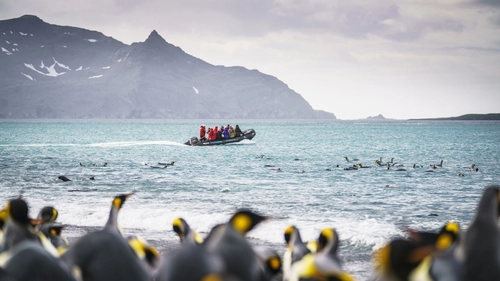
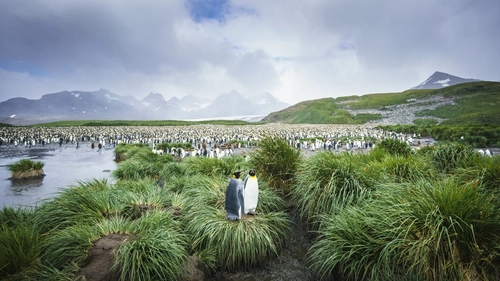
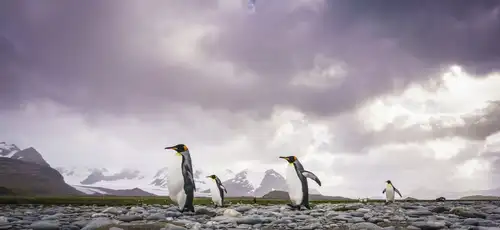
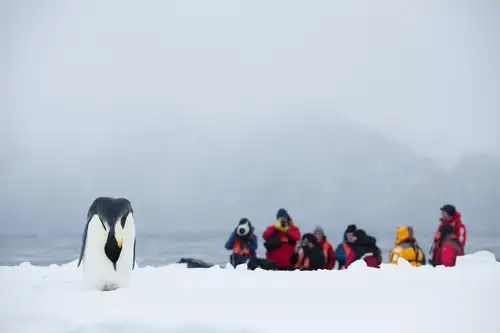
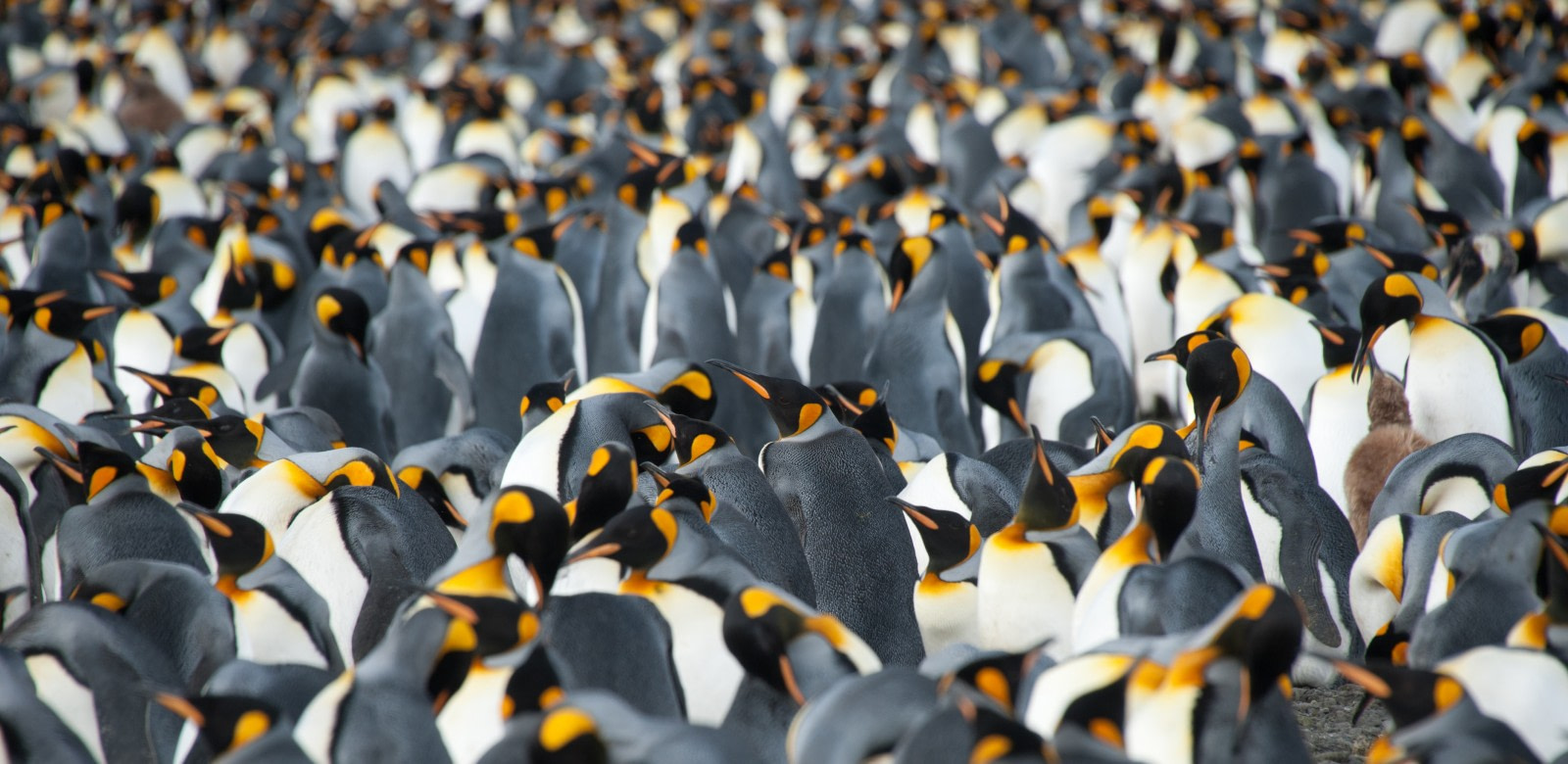
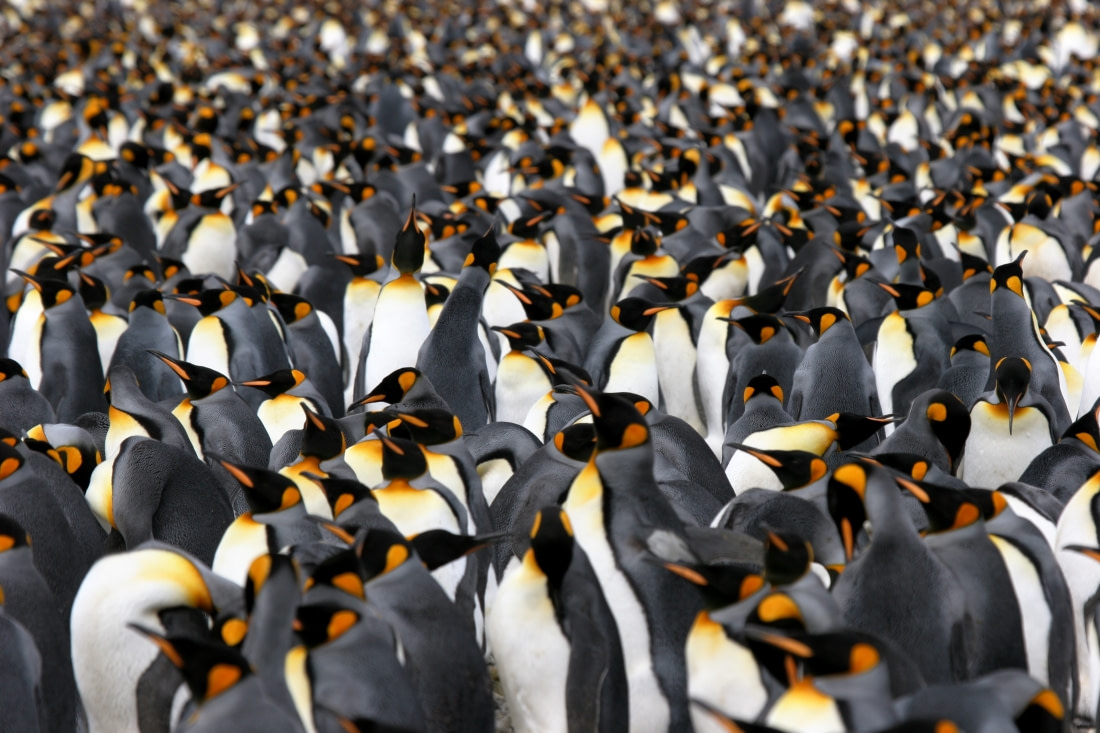
One of the most remarkable aspects of South Georgia Island is its immense population of King penguins. This island serves as a significant breeding ground, and breathtaking aerial photos have captured the sight of hundreds of thousands of King penguins gathered together. This colony is known as the largest crèche in the world, making it one of the top destinations globally for observing King penguins.
blog-image

King penguin facts

The King penguins found in South Georgia belong to the second largest penguin species in the world. They can grow up to 100 cm (39 inches) tall, with a maximum average adult weight of 16 kg (35 lbs). These penguins are primarily black and white, with distinctive yellow markings on their heads. Most King penguins inhabit the Sub-Antarctic region and have adapted to thrive in these conditions. Their bodies boast an impressive 70 feathers per 6.45 square cm (1 square inch). They have three inner layers of down feathers for insulation, while the outer feathers are waterproof and oiled. This combination allows them to flourish in cold climates and glide gracefully into the water. King penguin chicks are hatched and raised in colonies without actual nests. Each mating pair has its own small territory within the colony. It takes up to 16 months to fledge each chick, and adult mating pairs can rear no more than two chicks over a three-year period.

Macaroni penguins

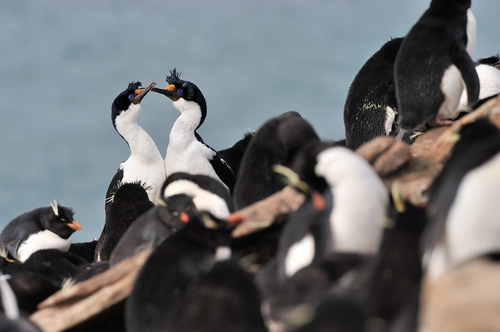
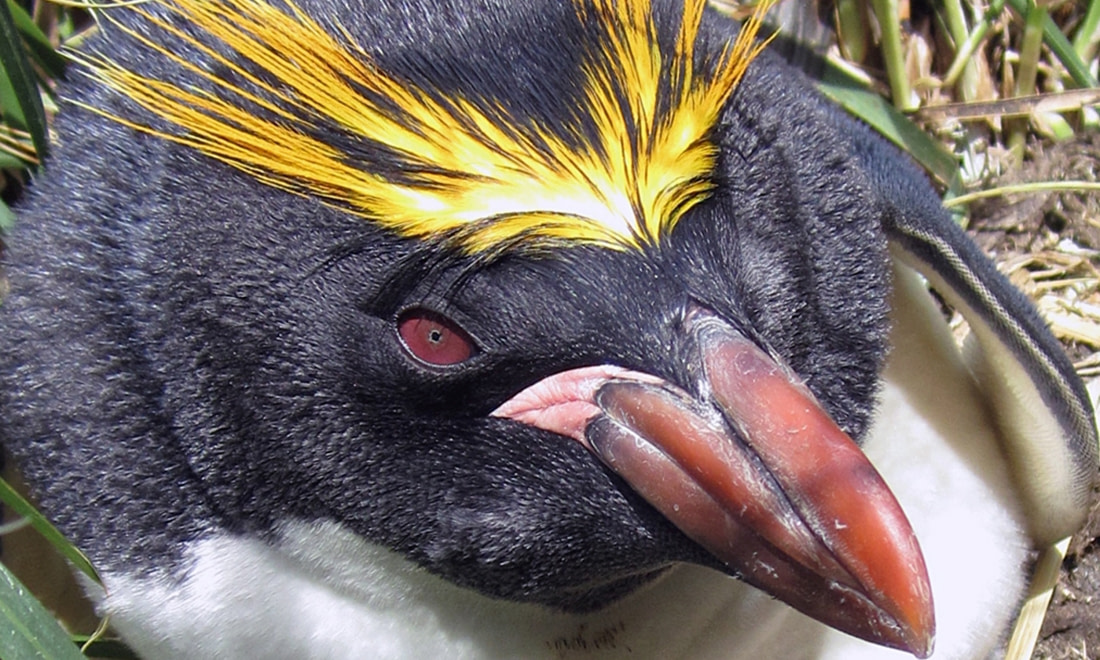
Many visitors to South Georgia Island come to see King penguins, but they are not the only penguin species in the area. Macaroni penguins are also abundant here. The 3 million breeding pairs on South Georgia constitute the largest macaroni penguin population in the world. This species gets its name from its unique yellow crest feathers, which early explorers thought resembled the 18th-century men's hat style called macaroni. Macaroni penguins are characterized by their large, orange-brown bill, pink feet, white undersides, and black backs. They also have a small section of pink skin extending from each eye to the base of their bill.
blog-image

The average height of a Macaroni penguin is 71 cm (28 inches), and they typically weigh around 5.5 kg (12 lbs). These penguins can dive 48 meters (157.5 feet) in search of food, primarily krill. The breeding season begins each year in October and November, with both parents sharing the 37-day incubation process.

Additional penguins

While King and Macaroni penguins are the most notable, visitors might also encounter chinstrap and gentoo penguins. Overall, South Georgia is one of the best places in the world for penguin enthusiasts to observe and photograph these fascinating creatures.

Other species of note

Penguins are a major attraction for adventurers seeking a once-in-a-lifetime trip, but they are not the only wildlife worth observing on or near South Georgia Island. Seals are also a significant part of the local ecosystem, with two species frequently spotted by travelers.

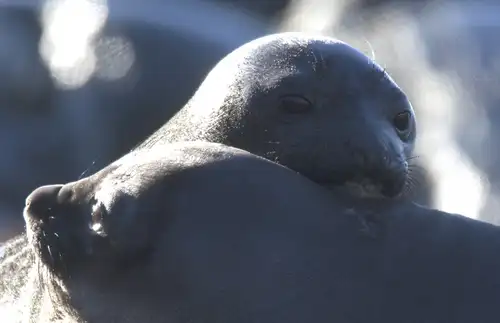
  1. Elephant Seals – These carnivorous mammals can live up to 22 years in the wild. They haul out and rest in large piles, covering some beaches during their main breeding season. Adult male elephant seals can reach lengths of 6 meters (20 feet) and weigh up to 4,000 kg (8,800 lbs). They can remain submerged for an impressive two-hour duration. There are two types of elephant seals: southern and northern. The southern type, found in South Georgia, is the largest seal species in the world and can dive up to 1,500 meters (4,921 feet) in search of food.
  2. Antarctic Fur Seals – Smaller than elephant seals, fur seals are often considered the cuter of the two species. These carnivorous mammals have an average life expectancy of up to 30 years. Adult fur seals range from 1.2 to 3.1 meters (4 to 10 feet) in length and can weigh up to 317 kg (700 lbs). One fascinating fact about fur seals is that female seals and their cubs communicate via a unique call specific to them. Researchers have found that this call remains recognizable even after four years apart, and it may extend to an even longer time frame.

The wandering albatross

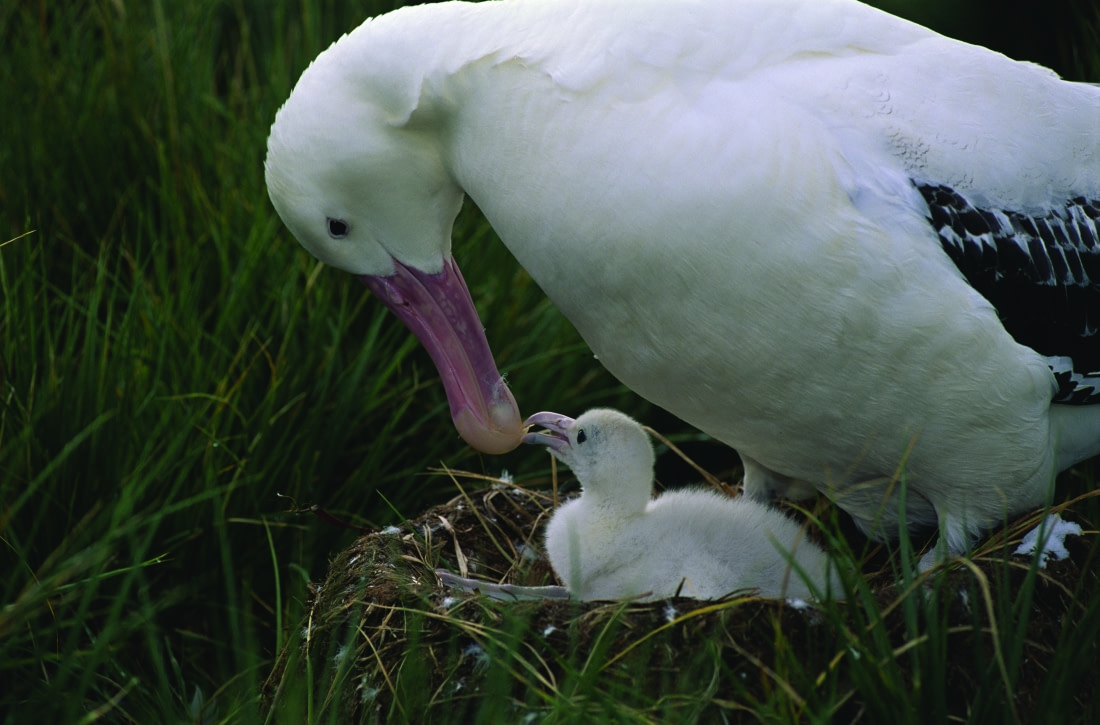
Another significant point of interest for wildlife enthusiasts is the wandering albatross population. This is the largest bird species capable of flight, with a wingspan reaching up to 3.4 meters (11 feet). The wandering albatross can weigh up to 10 kg (22 lbs). Typically, these birds have white and brown feathers, with some also featuring a few grey feathers. The wandering albatross breeds every other year, taking around nine months from reuniting with their mate after a year at sea to fledging their one chick. This species is also known for its ability to travel up to 16,093 km (10,000 miles) without flapping its wings, thanks to dynamic soaring.
blog-image

Reaching South Georgia

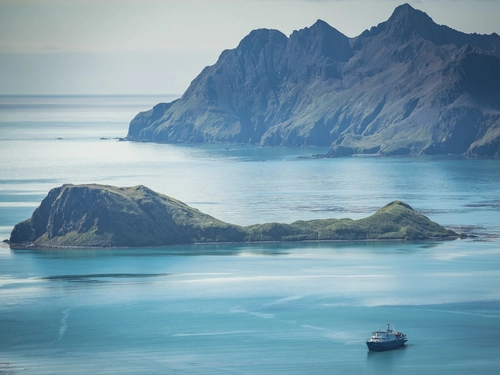
Due to South Georgia's remote location in the Southern Ocean, it is not a common tourist destination. Unlike standard cruise destinations, our ships venture to some of the most remote and rugged places on earth, offering a unique and memorable experience. If you are ready for an adventure, our experienced team can help you reach some of the most fascinating Antarctica cruises on earth.
Best Deals

Related Trips

Falkland Islands - South Georgia - Antarctica - Nexta Expeditions
Antarctica
Ushuaia

Falkland Islands - South Georgia - Antarctica

calendar21 Dec 2025 - 08 Jan 2026
clock19 Days / 18 Nights
From $ 15.600 per person
Falkland Islands - South Georgia - Antarctica - Nexta Expeditions
Antarctica
Ushuaia

Falkland Islands - South Georgia - Antarctica

calendar19 Jan 2026 - 06 Feb 2026
clock19 Days / 18 Nights
From $ 16.600 per person
Remote Weddell Sea Explorer incl. South Georgia - South Sandwich Islands - Neuschwabenland - Larsen Ice Shelf - Paulet and Devil Island - Elephant Island, incl. helicopters - Nexta Expeditions
Antarctica
Ushuaia

Remote Weddell Sea Explorer incl. South Georgia - South Sandwich Islands - Neuschwabenland - Larsen Ice Shelf - Paulet and Devil Island - Elephant Island, incl. helicopters

calendar22 Jan 2026 - 18 Feb 2026
clock28 Days / 27 Nights
From $ 26.500 per person
% Save up to $ 7.350
Falkland Islands - South Georgia - Antarctica - Nexta Expeditions
Antarctica
Ushuaia

Falkland Islands - South Georgia - Antarctica

calendar28 Jan 2026 - 16 Feb 2026
clock20 Days / 19 Nights
From $ 12.650 per person
Falkland Islands - South Georgia - Elephant Island - Antarctica - Polar Circle - Nexta Expeditions
Antarctica
Ushuaia

Falkland Islands - South Georgia - Elephant Island - Antarctica - Polar Circle

calendar16 Feb 2026 - 10 Mar 2026
clock23 Days / 22 Nights
From $ 17.800 per person
Atlantic Odyssey, excl. Antarctic Peninsula - Nexta Expeditions
Antarctica
Ushuaia

Atlantic Odyssey, excl. Antarctic Peninsula

calendar01 Apr 2026 - 24 Apr 2026
clock24 Days / 23 Nights
From $ 9.050 per person
Falkland Islands - South Georgia - Antarctic Peninsula - Photography special - Nexta Expeditions
Antarctica
Puerto Madryn

Falkland Islands - South Georgia - Antarctic Peninsula - Photography special

calendar24 Oct 2026 - 13 Nov 2026
clock21 Days / 20 Nights
From $ 14.850 per person
Falkland Islands - South Georgia - Antarctic Peninsula - Nexta Expeditions
Antarctica
Puerto Madryn

Falkland Islands - South Georgia - Antarctic Peninsula

calendar03 Nov 2026 - 23 Nov 2026
clock21 Days / 20 Nights
From $ 14.850 per person
Falkland Islands - South Georgia - Antarctic Peninsula - Nexta Expeditions
Antarctica
Ushuaia

Falkland Islands - South Georgia - Antarctic Peninsula

calendar23 Nov 2026 - 11 Dec 2026
clock19 Days / 18 Nights
From $ 15.100 per person
Falkland Islands - South Georgia - Antarctic Peninsula - Birding - Nexta Expeditions
Antarctica
Ushuaia

Falkland Islands - South Georgia - Antarctic Peninsula - Birding

calendar11 Dec 2026 - 29 Dec 2026
clock19 Days / 18 Nights
From $ 15.100 per person
Falkland Islands - South Georgia - Antarctica - Nexta Expeditions
Antarctica
Ushuaia

Falkland Islands - South Georgia - Antarctica

calendar27 Dec 2026 - 14 Jan 2027
clock19 Days / 18 Nights
From $ 15.100 per person
Falkland Islands - South Georgia - Antarctica - Nexta Expeditions
Antarctica
Ushuaia

Falkland Islands - South Georgia - Antarctica

calendar16 Jan 2027 - 03 Feb 2027
clock19 Days / 18 Nights
From $ 17.400 per person

Blog
go-leftgo-right

Around Spitsbergen vs. North Spitsbergen - Nexta Expeditions
Blog

Around Spitsbergen vs. North Spitsbergen

Svalbard, particularly Spitsbergen, was the first polar expedition cruise destination. It's no surprise that there are numerous trip programs available in this region. Among the most unique are the Around Spitsbergen and North Spitsbergen cruises.
Fierce and Feathered: the Skuas of Antarctica - Nexta Expeditions
Blog

Fierce and Feathered: the Skuas of Antarctica

At first glance, the skuas you encounter in Antarctica may appear to be merely darker-feathered seagulls. But looks can be deceiving.
Two for the Snow: Polar Cruises for Couples - Nexta Expeditions
Blog

Two for the Snow: Polar Cruises for Couples

Do you know the old saying, “Cold hands, warm heart”? In our opinion, that bodes well for couples who visit the polar regions.
A Diving Dream Fulfilled - Nexta Expeditions
Blog

A Diving Dream Fulfilled

Last January, Mark Hatter achieved a dream he’d been training for over two years. Booking his berth aboard the m/v Ortelius and making the long flight to Ushuaia, Argentina, he and two of his friends sailed down the famous Drake Passage, bound for Earth’s southernmost continent. But their Antarctica trip was not just about shoreline walks and photographing penguins.
A Day on m/v Plancius - Nexta Expeditions
Blog

A Day on m/v Plancius

Stepping aboard this long-running expedition vessel, it’s easy to forget that she’s been making voyages to the polar regions since “Afternoon Delight” by Starland Vocal Band was on the Billboard Hot 100.
Hot Ice: Breeding Practices of Five Polar Animals - Nexta Expeditions
Blog

Hot Ice: Breeding Practices of Five Polar Animals

Last Valentine's Day we gave you 14 wildlife pictures highlighting the ins, outs, ups, and downs of polar romance. This year we're moving on to something a little more advanced: the nitty-gritty details of polar wildlife breeding rituals.
The bio-richness of the Ross Sea - Nexta Expeditions
Blog

The bio-richness of the Ross Sea

The Ross Sea is one of the most stunning and untouched marine areas globally. This sea, which remains frozen for most of the year, spans 3.6 million square kilometers (1.4 million square miles) along the Antarctic coast south of New Zealand. Its waters harbor a biologically diverse ecosystem of species that have flourished, unchanged, for millennia.
Polar Bears and Pack Ice: 22 Pics from North Spitsbergen - Nexta Expeditions
Blog

Polar Bears and Pack Ice: 22 Pics from North Spitsbergen

Last month, we explored one of the premier Arctic cruise destinations in our North Spitsbergen blog. That post not only detailed our itinerary in this breathtaking region but also highlighted some of the stunning locations where you might encounter polar bears, whales, walruses, seals, seabirds, and the mesmerizing ice formations of the far north.
Freshwater ecosystems in the Arctic - Nexta Expeditions
Blog

Freshwater ecosystems in the Arctic

The Arctic, surprisingly, hosts a rich and varied array of freshwater ecosystems, including lakes, ponds, rivers, streams, deltas, and wetlands. Some of the world's largest rivers and deltas, such as the Lena, Ob, and Yenisei, are found in this region.
The Dirty Details of Antarctica's Dry Valleys - Nexta Expeditions
Blog

The Dirty Details of Antarctica's Dry Valleys

Situated on the western coast of McMurdo Sound, the McMurdo Dry Valleys represent the largest ice-free region in Antarctica.
The Plants of Antarctica - Nexta Expeditions
Blog

The Plants of Antarctica

Surviving in Antarctica is a monumental challenge for any plant. The extreme cold, limited sunlight, scarce moisture, poor soil, and short growing season make it nearly impossible for most flora to thrive. Yet, some plants have adapted to these harsh conditions and have managed to flourish where others cannot.
12 Things to Do in Antarctica - Nexta Expeditions
Blog

12 Things to Do in Antarctica

Traveling to Antarctica is unlike traveling to any other place on Earth.
Seven Tips to Get the Most out of Your Expedition Cruise - Nexta Expeditions
Blog

Seven Tips to Get the Most out of Your Expedition Cruise

Polar cruises are easy to enjoy, but there’s an art to getting the most out of them.
Franz Josef Land Sites, Species, and Experiences - Nexta Expeditions
Blog

Franz Josef Land Sites, Species, and Experiences

The archipelago of Franz Josef Land is to Russia what Svalbard is to Norway: Both island groups offer excellent Arctic scenery, adventurous outdoor activities, and a good chance of seeing iconic species like polar bears and walruses - alongside a wide range of marine mammals and seabirds.
Coming Back from the Brink: The Fur Seals of Antarctica - Nexta Expeditions
Blog

Coming Back from the Brink: The Fur Seals of Antarctica

Once hunted to the brink of extinction, the Antarctic fur seal is now one of the most populous and charismatic species of seal you’re likely to encounter during your Antarctica trips. Unlike other members of its large family, the fur seal has external ears, or pinnae, a short snout, and a thick coat of dark brown fur. Male seals tend to be larger than females, with weights ranging from 91 kg (200 lbs.) to 215 kg (474 lbs.).
The World Is Changing for Greenland's Native Inuit People - Nexta Expeditions
Blog

The World Is Changing for Greenland's Native Inuit People

You may know them as Eskimos, but the people of the Arctic are officially called the Inuit. Historically, they were hunters in the truest sense. For hundreds of years, they survived the world’s harshest conditions, living off their prey of whales, seals, polar bears, musk oxen, birds, fish, and reindeer. This has always been their way of life.
Keep It Green: Our Commitment to Sustainable Polar Travel - Nexta Expeditions
Blog

Keep It Green: Our Commitment to Sustainable Polar Travel

It doesn’t make much sense for expedition travel if every time we visit the polar regions we leave them worse than we found them. And that’s just considering things from a purely human perspective, which we don’t.
Arctic on Foot: Hiking and Snowshoeing the Far North - Nexta Expeditions
Blog

Arctic on Foot: Hiking and Snowshoeing the Far North

The focus of our voyages is always to get you off the ship and into the action as frequently as possible. While we travel from site to site on ice-strengthened vessels, our expeditions are crafted to provide you with the maximum firsthand experience of the polar regions and their unique wildlife.
The History of Antarctica in Maps - Nexta Expeditions
Blog

The History of Antarctica in Maps

Long before human eyes ever beheld Antarctica, the ancients were convinced that it existed – or at least something like it.
The Pack Ice and Polar Bears of North Spitsbergen - Nexta Expeditions
Blog

The Pack Ice and Polar Bears of North Spitsbergen

The Arctic archipelago of Svalbard is renowned for being one of the prime locations to observe polar bears. The largest island in this region, Spitsbergen, not only offers sightings of these majestic Arctic creatures but also provides a unique opportunity to experience the phenomenon of pack ice.