Adlie Penguins The Little People Of The Antarctic - Nexta Expeditions
Adélie Penguins: the Little People of the Antarctic

Adélie Penguins: the Little People of the Antarctic

Described as “an object of endless pleasure and amusement” by Apsley Cherry-Garrard, survivor of Robert Falcon Scott’s ill-fated Terra Nova expedition to the South Pole, the Adélie penguin stands with the regal and iconic emperor penguin as one of only two penguin species found on mainland Antarctica.

Though their blue-black bodies, sooty orange beaks, white bellies, and white-rimmed eyes cannot compare to the sleek, long beaks, and yellow-trimmed necks of the aptly-named Emperor penguin, Adélie penguins make up for the plainness of their ornamentation with a lively, playful nature, never failing to showcase their unique and charming personalities.

blog-image

The Adélie penguin reputation for recklessness

Named for the mostly glacial Adélie Land – discovered by French explorer Jules Dumont d’Urville in 1840 and memorialized in the 2005 documentary, March of the Penguins – these “little people of the Antarctic,” as Cherry-Garrard called them, have long won hearts for their fearless curiosity, humorous antics, and generally puckish behavior.

Indeed, their relentless curiosity sometimes gets the better of them, as seen in Scott’s description of what he called the Adélie’s “pig-headed disregard for [its] own safety.” In his journal, the great explorer notes how the penguins would frequently leap onto the ice floes where he and his sled dogs were passing, waddle up to the pack and begin poking at the dogs to get a closer look. Sadly, these overly-confident penguins often met with tragic ends when they came within reach of the snarling dogs.

blog-image

Predator avoidance: an Adélie penguin talent

During shoreline walks, passengers of Antarctica cruises are often delighted to see portly, rump-legged Adélies spread their flippers and scurry to meet them at the water’s edge, squawking and turning their heads to one another as if in search of an explanation for the new arrivals. Animal lovers are sure to marvel at the Adélie’s impish spunk and are often struck by their tendency to behave, as Cherry-Garrard noted, “like children, or like old men, full of their own importance and late for dinner.”

Observers may even gasp in shock at this childlike naughtiness: The penguins sometimes push an unlucky member of their group from an ice terrace to be sure the water below is clear of sea-leopards, steal rocks from their neighbors’ nests, or force their chicks to chase them around the nesting ground before they’ll give up their regurgitated krill dinners.

blog-image

Adélie penguins are far-ranging travelers

Though beloved for their quirks and playfulness, Adélie penguins should not be taken for layabouts. Unable to fly, these animals spend much of their lives on their feet, marching an average of 13,000 km (over 8,000 miles) in a year as they move back and forth between their hunting and breeding grounds.

In the early part of spring, before the warmer weather melts the large Antarctic ice sheets, the penguins may have to walk nearly 50 km (30 miles) from their nests to reach open water, where they hope to find krill, silverfish, and squid. The Adélie are also skilled and resilient water hunters, sometimes traveling nearly 300 km (185 miles) in search of a meal, swimming at speeds of close to 75 kph (46 mph) and diving as deep as 175 meters (575 feet) in pursuit of their prey.

blog-image

Hands-off parenting is not the Adélie way

This industriousness carries over into the penguins’ breeding habits, as the Adélie come together to build vast tracts of circular nests, with the largest colonies containing over 180,000 stone-lined nests. Male and female penguins – the two sexes nearly indistinguishable without close inspection – share responsibility for the protection of their offspring, with each mate taking a turn warming a pair of eggs while the other sets out on a hunt. This is essential to keep the next generation safe from predators such as the aggressive skua gull, which strives to distract Adélie parents just long enough to snatch an egg or chick. Even the most vigilant Adélie parent cannot guarantee their offspring’s survival, however, as a poor hunting yield often means only one of the two chicks will live.

blog-image

Adélie penguin chicks carve their own paths

The chicks that do manage to survive soon find themselves faced with more danger. At about three weeks old, both Adélie penguin parents return to the sea to hunt, leaving the hatched chicks to fend for themselves. The infants instinctively cluster into a large group – known as a crèche – to keep each other warm, and at about 9 weeks old their downy coats are replaced with waterproof feathers, allowing the young Adélie penguins to dive into the icy waters and hunt for themselves.

blog-image

The Antarctic celebrity of the Adélie penguin

In many stages of their lives, then, the Adélie penguin can be seen as one of Antarctica’s scrappiest underdogs, fighting with what Cherry-Garrard called the most “gallant pluck.” It is perhaps because of this fierce yet spirited attitude that many visitors, particularly those who embark on Antarctic Peninsula trips, come to cherish the Adélie so deeply, seeing these penguins as “more as familiar friends than as casual acquaintances...sometimes solemn, sometimes humorous, enterprising, chivalrous, cheeky – and always...a welcome and, in some ways, an almost human friend.”


blog-image

Blog
go-leftgo-right

Visiting the Nearly Unknown: New Zealand’s Campbell Island - Nexta Expeditions
Blog

Visiting the Nearly Unknown: New Zealand’s Campbell Island

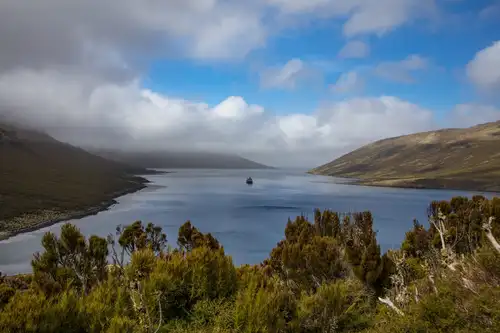
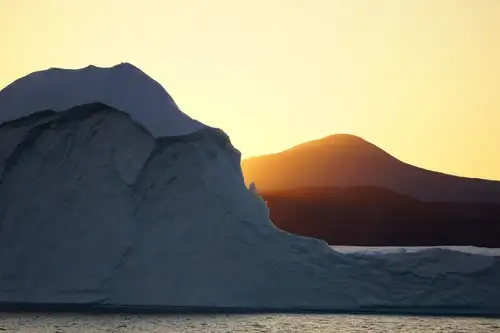
New Zealand is a renowned destination globally, and for good reason: It’s absolutely stunning. Almost every corner is filled with unparalleled beauty. But did you know that New Zealand includes several sub-Antarctic Islands that are almost completely unknown?
Light in the Land of the Midnight Sun - Nexta Expeditions
Blog

Light in the Land of the Midnight Sun

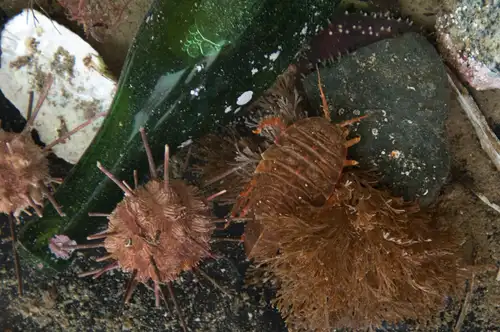
The midnight sun, also referred to as the polar day, is a fascinating natural event observed within the Arctic and Antarctic circles. During the polar summer, the sun remains above the horizon for 24 hours a day, resulting in continuous daylight without any sunrise or sunset. This phenomenon occurs due to the Earth's seasonal tilt towards the sun during the summer months in these regions.
Deep Sea Dwellers: 10 Facts about The Antarctic Giant Isopod - Nexta Expeditions
Blog

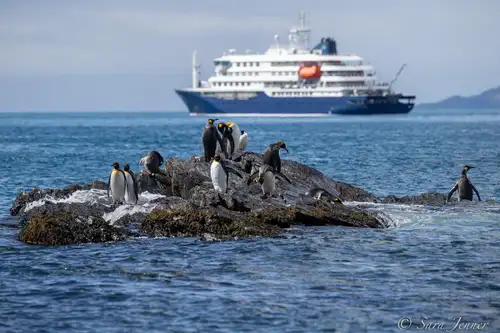
Deep Sea Dwellers: 10 Facts about The Antarctic Giant Isopod

On average, the Giant Antarctic Isopod grows to 9cm (3.5in.) in length. This may not seem very large, but factors including low light levels, freezing cold water, and a lack of oxygen prevent these isopods from growing very large. Other species of isopods, including the Giant Isopod, have been known to grow up to 40 cm (16 inches) in length!
Weddell Sea, Shackleton’s Endurance, and New Swabia - Nexta Expeditions

Blog

Weddell Sea, Shackleton’s Endurance, and New Swabia

Our Antarctica 2023-24 cruise program is packed with incredible expeditions, including a new itinerary that explores key locations such as South Georgia, the Weddell Sea, and the more easterly region of New Swabia (Neuschwabenland).
The First Overwintering Hut in Antarctica - Nexta Expeditions
Blog

The First Overwintering Hut in Antarctica

In 1899, Carsten Borchgrevink and his nine crewmen became the first to spend the winter in a hut in Antarctica. (Technically, the Belgian Antarctic Expedition of 1897-1899 was the first to overwinter there, though this was done on their vessel after it was caught in ice.) Borchgrevink and his men spent the dark winter months isolated in a dirty hut, surrounded by equipment and sled dogs fighting each other outside.
Diving in Antarctica: The Ultimate Underwater Experience - Nexta Expeditions
Blog

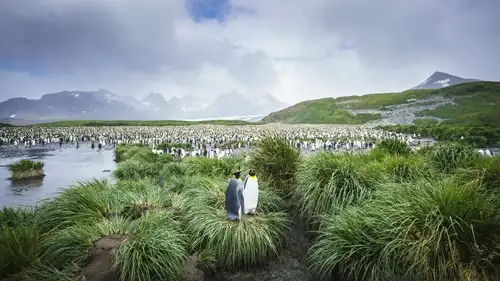
Diving in Antarctica: The Ultimate Underwater Experience

Ice diving offers an extraordinary experience on an Antarctica diving trip. The dive sites are teeming with a unique array of colorful marine life, including penguins and leopard seals, which are exclusive to this region.
The South Georgia Seven: Hikes, Fjords, Whales, & Penguins - Nexta Expeditions
Blog

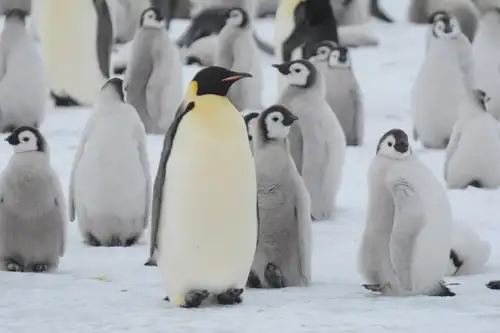
The South Georgia Seven: Hikes, Fjords, Whales, & Penguins

Few places encapsulate such a staggeringly rich assortment of sub-Antarctic scenery, wildlife, and outing opportunities as South Georgia.
12 Tips to Help Keep Birds Safe During an Antarctic Cruise - Nexta Expeditions
Blog

12 Tips to Help Keep Birds Safe During an Antarctic Cruise

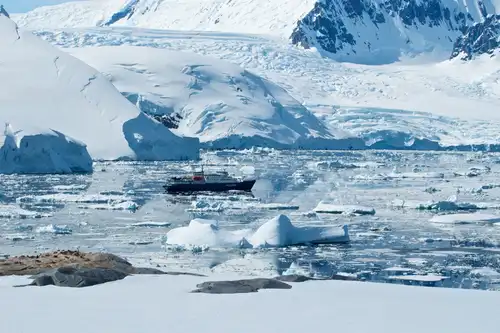
One of the most incredible experiences on an Antarctic cruise is observing the numerous penguins in their natural environment. Naturally, passengers often worry about the potential of disturbing the penguins and other Antarctic birds, which could disrupt their breeding and nesting patterns.
Svalbard’s 12 Most Iconic Animals - Nexta Expeditions
Blog

Svalbard’s 12 Most Iconic Animals

Each of our Arctic regions offers its own distinct and unforgettable features: Greenland boasts mountainous shorelines and record-setting fjords, Northern Norway is renowned for the aurora borealis and historic masted schooners, and Svalbard (especially Spitsbergen) is where you're most likely to encounter a variety of Arctic wildlife.
10 Books and Films To Prepare for your Antarctica cruise - Nexta Expeditions
Blog

10 Books and Films To Prepare for your Antarctica cruise

The deep sea remains one of the most mysterious and least explored regions on our planet. With its vast, dark expanses and unique ecosystems, it continues to captivate scientists and adventurers alike.
Guidelines for visitors to Antarctica - Nexta Expeditions
Blog

Guidelines for visitors to Antarctica

Activities in the Antarctic are governed by the Antarctic Treaty of 1959 and associated agreements, collectively known as the Antarctic Treaty System. The Treaty established Antarctica as a zone dedicated to peace and science. In 1991, the Antarctic Treaty Consultative Parties adopted the Protocol on Environmental Protection to the Antarctic Treaty, designating the Antarctic as a natural reserve.
Greenland's History: When Vikings Ruled the Ice Age - Nexta Expeditions
Blog

Greenland's History: When Vikings Ruled the Ice Age

A Greenland cruise offers a journey into a rich history filled with intriguing details that captivate polar expedition enthusiasts. Among the most fascinating historical aspects is the fact that Vikings once ruled this land. Anthropologists and climate scientists have long studied Greenland to pinpoint when and why the Vikings left. Recent findings have shed new light on this historical culture.
Taking the Polar Plunge - Nexta Expeditions
Blog

Taking the Polar Plunge

There are some human activities that for many people simply defy understanding: We juggle chainsaws, we breathe fire, we fling ourselves out of perfectly good airplanes.
The History of Antarctica in Maps - Nexta Expeditions
Blog

The History of Antarctica in Maps

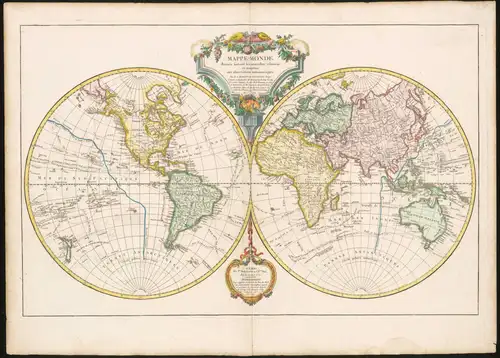
Long before human eyes ever beheld Antarctica, the ancients were convinced that it existed – or at least something like it.
Deception Island deceptively active - Nexta Expeditions
Blog

Deception Island deceptively active

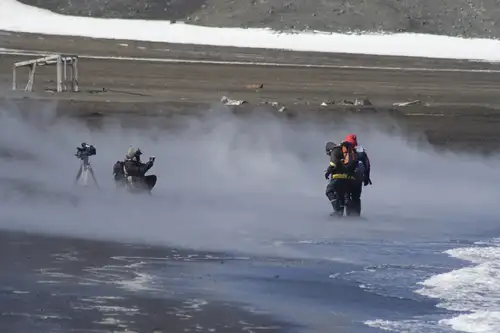
In Antarctica, the South Shetland archipelago is home to Deception Island, a volcanic-rounded island that is 15 km in diameter with a shield volcano. The volcano is mainly basalt-andesite and was one of the first parts of Antarctica to be discovered, probably around 1820 by UK and USA sealers.
Arctic Flowers, Trees, and Other Plant Life - Nexta Expeditions
Blog

Arctic Flowers, Trees, and Other Plant Life

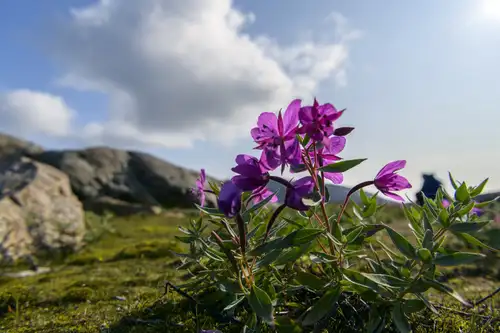
When many people think of the Arctic, they probably imagine a stark white wasteland devoid of anything except snow, glaciers, and the occasional far-wandering polar bear.
Cheapest Antarctica Cruises: How to Save on Your Journey - Nexta Expeditions
Blog

Cheapest Antarctica Cruises: How to Save on Your Journey

Antarctica, the world’s most remote and pristine continent, is often seen as a destination reserved for luxury travelers. However, affordable options do exist, making this dream journey accessible to more adventurers. With careful planning and the right provider, like Nexta Expeditions, you can explore the icy wilderness without breaking the bank. This guide will show you how to save on your Antarctic cruise while still enjoying a high-quality experience.
15 Fantastic Photos of Antarctica - Nexta Expeditions
Blog

15 Fantastic Photos of Antarctica

It is often said that it's impossible to take a bad picture in Antarctica.
Narwhals: the Aquatic Unicorns of the Arctic - Nexta Expeditions
Blog

Narwhals: the Aquatic Unicorns of the Arctic

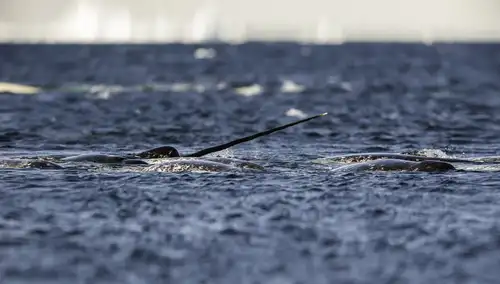
Though narwhals are among the rarest whale species encountered during our Arctic expeditions, a journey to the Arctic regions of Greenland and Svalbard always holds the potential for spotting these elusive creatures.
Freshwater ecosystems in the Arctic - Nexta Expeditions
Blog

Freshwater ecosystems in the Arctic

The Arctic, surprisingly, hosts a rich and varied array of freshwater ecosystems, including lakes, ponds, rivers, streams, deltas, and wetlands. Some of the world's largest rivers and deltas, such as the Lena, Ob, and Yenisei, are found in this region.