Antarctica When To Visit How To Plan What To Expect - Nexta Expeditions
Antarctica: When to Visit, How to Plan, What to Expect

Antarctica: When to Visit, How to Plan, What to Expect

Antarctica is an astonishing location loved in equal measure by ice enthusiasts and continent hoppers, but it also asks a lot in return for its prestigious polar status.

For one, you have to know when to visit Antarctica. And this isn’t just to avoid the proverbial “high season.” It’s because visiting Antarctica as a tourist simply isn’t possible at any other time than the Southern Hemisphere summer. Also, Antarctica is really far away. That’s true almost no matter where you live, unless you happen to live in the southernmost city in South America. And lastly, Antarctica is great at obliterating expectations – usually in a good way.

But if you do not know the best time to go to Antarctica or the trip that suits you best, you might be missing out on your ideal Antarctic adventure. Thankfully, however, you’ve found this article, which will give you the the basics on when to go, how to prepare, and what to expect on your once-in-a-lifetime voyage to Antarctica.
blog-image

When to travel to Antarctica

Unless you’re a scientist or journalist traveling on special assignment, Antarctica is virtually off limits to you during the boreal (Northern Hemisphere) summer. What’s left are the austral summer months, specifically November through February.

Within this timeframe, however, there are many particulars of light and weather that may help you decide when to make your Antarctica cruise.

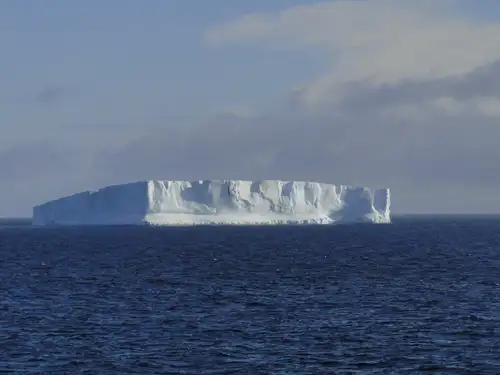
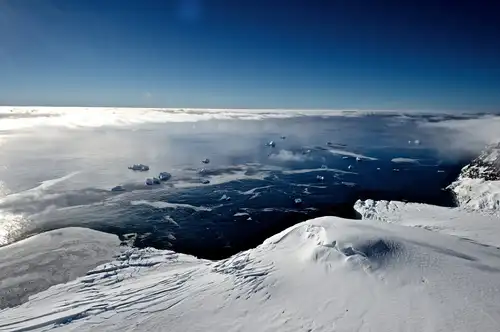
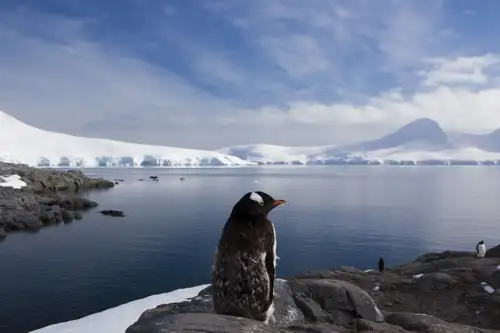
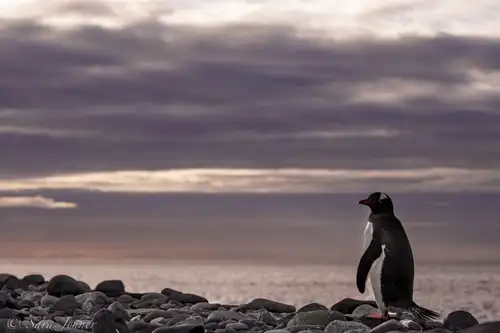
In the early season, penguins are mating and nesting and generally at their most active. The weather is colder, however, and most of the sea ice is still breaking up, so while shorelines are most pristine at this time, they can also be less accessible and more snowbound.

Later on, from December through January, is when you’ll get the most hours of sunlight.

For many travelers, more daylight is a good thing. It means better visibility, which means a sharper visual experience. But the reflection from Antarctic snow can create quite a glare, so if you’re not prepared for 20-hour days (or if you’re a vampire), it’s best to avoid this period.

blog-image

At the end of the austral summer, throughout February, is when you’ll usually have the widest range of excursion options.

This is because everything in Antarctica has warmed up by this time, making passage to the more southerly areas of the continent possible. And because warmer seas are more hospitable to krill, you’re also more likely to see Antarctica’s whale species in February.

Obviously, then, the success of your Antarctica cruise has a lot to do with scheduling and planning, which leads nicely to our next subtopic.

How to plan your Antarctic cruise (or which trip to book)

Even after you’ve decided when to take your trip to Antarctica, there are still numerous cruises from which to choose. And each has its own price tag.

For example, you can take a trip that’s mostly about whale watching, or you can book a cruise that’s heavy on activities but light on locations, or you can embark on an Antarctic voyage that focuses on both Antarctic and sub-Antarctic destinations.

And that’s assuming you know how long you can go and how much you can spend.

Still, don’t be discouraged: The option aren’t that varied. Most cruises to Antarctica last about one to three weeks, with only the multi-location outliers spanning around a month. And generally speaking, the longer the cruise, the bigger the budget.

Often, therefor, it helps to focus on your ideal trip and narrow it down from there.

Our Antarctic Peninsula voyages, for example, are best for those who want to see the most iconic Antarctic scenery as well as one or two penguin rookeries. These trips usually last one or two weeks and cost about 6,000 EU / 6,800 USD (or whatever conversion currently applies).

Longer Antarctic Peninsula trips that also include the Falklands, South Shetlands, or South Georgia, are great for wildlife enthusiasts, in particular birders. For us, these multi-stop voyages tend to last three weeks and run around 10,000 EU / 11,300 USD, depending on options.

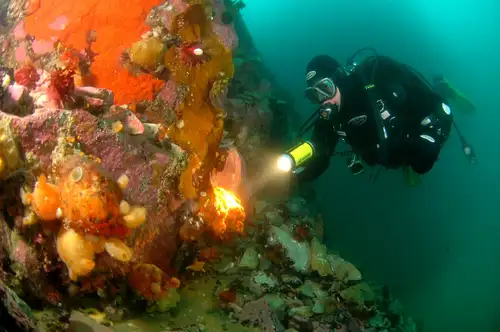
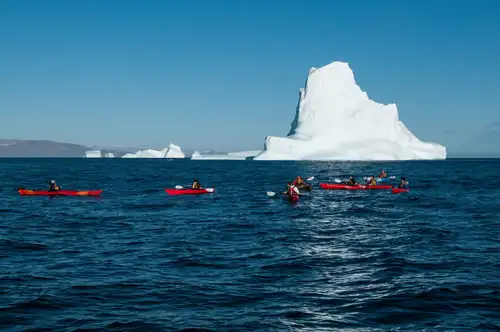
Other cruises are geared toward adventurers, like our Basecamp trips, which anchor in one or two locations and offer activities like mountaineering, kayaking, hiking, even scuba diving. These trips last about a week and are priced only on request.

blog-image

What to expect from Antarctic nature, wildlife, and activities

In a word, you can expect amazement.

More elaborately, we have to say that the true extent of what you can “get” out of an Antarctica voyage can’t be conveyed in words.

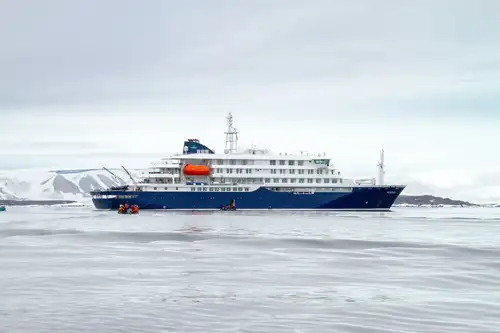
We could mention logistics, such as the fact that you’ll do a lot traveling in Zodiacs, have your choice of walking groups, and usually make two excursions per day.

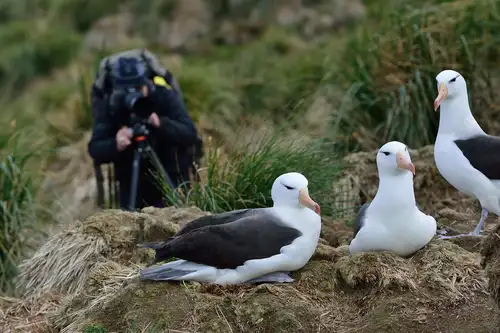
We could go through our polar protocol, which obliges us to start your trip with a detailed safety briefing, provide boot solution to keep Antarctic landing sites free of contaminants, and ensure passengers stay at a respectful distance from all wildlife.

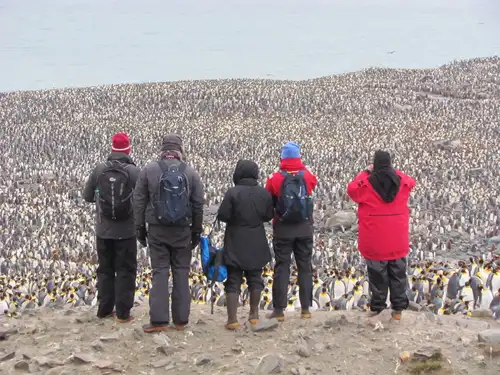
We could even talk about the eye-popping vastness of the penguin colonies you might encounter, the sound a minke whale makes when it spouts over an icy twilit bay, or the feel of the polar wind gusting down from the stark white heights of the Eternity Range.

Still, these are just words. And everyone is impressed by different things.

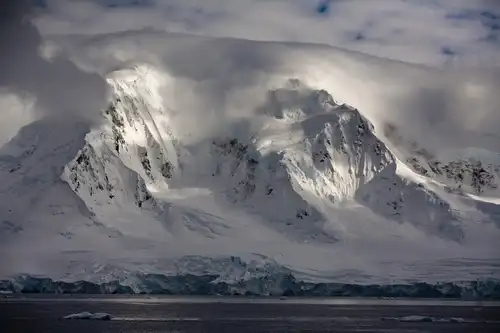
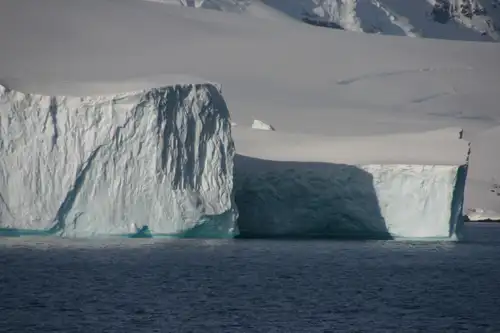
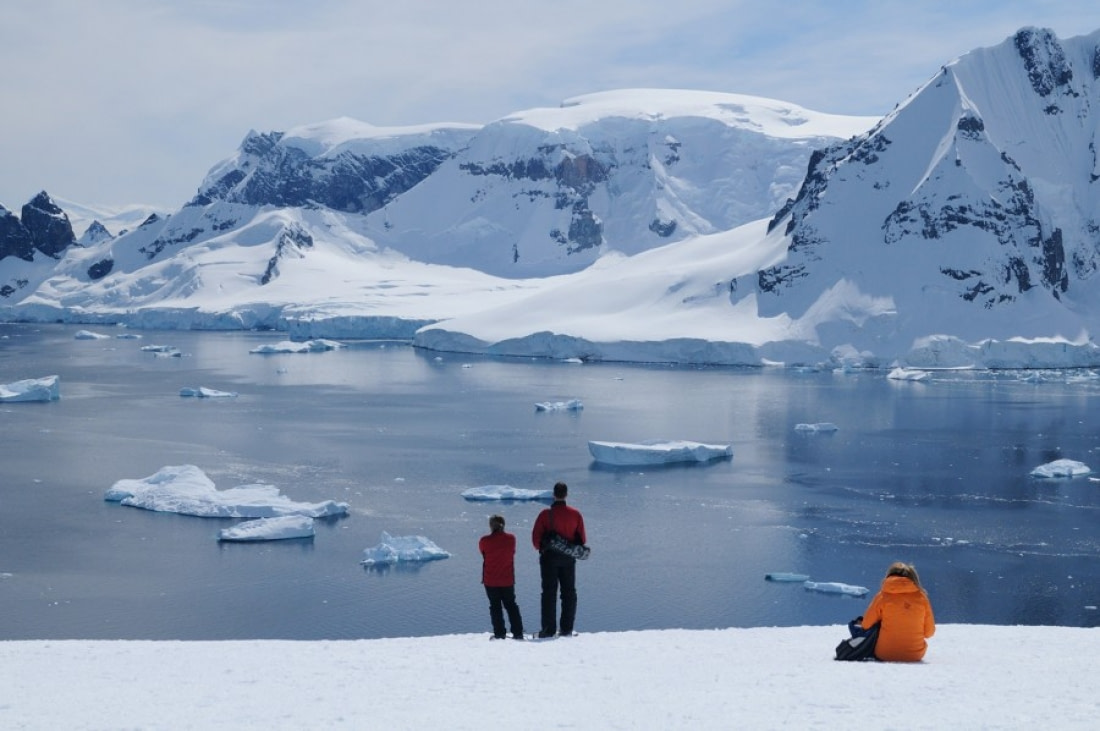
But words and preferences notwithstanding, it’s hard to stand on a dazzling Antarctic shore – surrounded on all sides by a primordial vision of Earth’s ancient ice-clutched prehistory – and not be utterly, unforgettably astounded.


blog-image

Blog
go-leftgo-right

The Ultimate Traveler’s Guide to the Arctic and Antarctica - Nexta Expeditions
Blog

The Ultimate Traveler’s Guide to the Arctic and Antarctica

Sunrises or sunsets? Coffee or tea? Polar bears or penguins?
10 Weather-Fueled Facts about Antarctica - Nexta Expeditions
Blog

10 Weather-Fueled Facts about Antarctica

Most of us have at least a vague notion of what makes the North and South Poles so brutally, bone-chillingly cold: They receive less sunlight than the rest of the planet, what sunlight they do receive arrives at an angle, and they’re usually buried under endless mounds of ice and snow. This holds especially true for the South Pole and its centerpiece, Antarctica. Fewer people know, however, what drives Antarctic weather, or what results from it. Here are ten weather-related facts about the most southern continent that will put your polar meteorology ahead of the curve.
Fierce and Feathered: the Skuas of Antarctica - Nexta Expeditions
Blog

Fierce and Feathered: the Skuas of Antarctica

At first glance, the skuas you encounter in Antarctica may appear to be merely darker-feathered seagulls. But looks can be deceiving.
The Northern Lights dancing across the skies - Nexta Expeditions
Blog

The Northern Lights dancing across the skies

The Northern Lights typically manifest in a belt with a radius of 2,500 kilometers centered on the magnetic North Pole. This auroral zone spans northern Scandinavia, Iceland, the southern tip of Greenland, and continues over northern Canada, Alaska, and along the northern coast of Siberia.
10 Traits of Post-Ice-Age Greenland - Nexta Expeditions
Blog

10 Traits of Post-Ice-Age Greenland

Grasses, sedges, and other species of heath were the first arrivals, and are still commonly found in Greenland. Scientists have been able to work out how plants colonised Greenland by examining ancient pollen samples found in deposits at the bottom of lakes: Dwarf birch came to western Greenland around 9,000 years ago, and around 4,500 years ago – roughly the same time humans were first boating onto Greenland shores – green alders were taking up residence there.
The Wildlife of Antarctica’s Seas and Skies - Nexta Expeditions
Blog

The Wildlife of Antarctica’s Seas and Skies

Antarctica is one of the most pristine environments on Earth, home to whales, penguins, seals, and birds, providing nature lovers with a treasure trove of wildlife memories to take back home.
Arctic Mythology: Inuit, Saami, and the Ancient Greeks - Nexta Expeditions
Blog

Arctic Mythology: Inuit, Saami, and the Ancient Greeks

The Arctic locations we visit aren’t merely made up of phenomenal landscapes, exotic wildlife, and more adventure than a Hardy Boys novel.
Antarctica in Pictures: Photos from 2018 - Nexta Expeditions
Blog

Antarctica in Pictures: Photos from 2018

Pictures can never truly capture the essence of an experience, and this is especially true for the breathtaking adventures in Antarctica.
Eight Ultimate Antarctica Adventures - Nexta Expeditions
Blog

Eight Ultimate Antarctica Adventures

Antarctica has adventure in its bones. Long before most travelers even reach the continent, they have to cross the Drake Passage, an oft-tumultuous waterway considered by many a hallmark of high adventure in itself. Once you do reach the Antarctic shores, the variations of landscape and wildlife are as multiform as the activities you can pursue there. While not all of these activities can or should be shoehorned into a single article, this piece will give you a survey of the top eight. Like everything in the polar regions, these activities are subject to weather conditions – and your own threshold for adventure.
Day and night in Antarctica - Nexta Expeditions
Blog

Day and night in Antarctica

At the Concordia station, a French-Italian research facility situated 3,233 meters above sea level at Dome C on the Antarctic Plateau, European Space Agency (ESA) scientists are investigating the effects of extended space missions. The station is more isolated than the International Space Station, with the nearest humans located 600 kilometers away.
Birding Opportunities Abound in Spitsbergen - Nexta Expeditions
Blog

Birding Opportunities Abound in Spitsbergen

Seabirds are the most prevalent type of bird in Spitsbergen. Experts have estimated that there are 164 bird species that have been found throughout Spitsbergen at various points during recent history, but only 30 of them are known to turn to the Svalbard Islands as their primary breeding spot.
Baleen Whales – The Gentle Giants of the Ocean - Nexta Expeditions
Blog

Baleen Whales – The Gentle Giants of the Ocean

They are the largest animals on Earth, yet they thrive on some of the tiniest creatures. These giants can reach lengths of 30 meters (90 feet), but it is the microscopic zooplankton, krill, and small fish that sustain them. These are the baleen whales. Unlike toothed whales, baleen whales lack teeth. Instead, they use plates of baleen in their mouths to trap and consume their tiny prey.
Penguins, Petrels, and Prions: Top Antarctica Bird Tour Spots - Nexta Expeditions
Blog

Penguins, Petrels, and Prions: Top Antarctica Bird Tour Spots

If anyone tells you Antarctica is for the birds, they’re right.
Shackleton’s Push to the South Pole - Nexta Expeditions
Blog

Shackleton’s Push to the South Pole

On the evening of February 11, 1907, Irish-born polar explorer Ernest Shackleton, already among the more famous polar explorers in the world, announced his intention to embark on a momentous Antarctic expedition.
Churches in Antarctica - Nexta Expeditions
Blog

Churches in Antarctica

'Below 40 degrees South there is no law; below 50 degrees South, there is no God', goes the old adage. When faced with a storm in the turbulent and freezing waters of the Drake Passage, one might think so.
12 Tips to Help Keep Birds Safe During an Antarctic Cruise - Nexta Expeditions
Blog

12 Tips to Help Keep Birds Safe During an Antarctic Cruise

One of the most incredible experiences on an Antarctic cruise is observing the numerous penguins in their natural environment. Naturally, passengers often worry about the potential of disturbing the penguins and other Antarctic birds, which could disrupt their breeding and nesting patterns.
Seven Frightfully Fun Polar Ghost Stories - Nexta Expeditions
Blog

Seven Frightfully Fun Polar Ghost Stories

The polar regions are unparalleled when it comes to ghost stories.
Antarctic Icon: 44 Facts About the Emperor Penguin - Nexta Expeditions
Blog

Antarctic Icon: 44 Facts About the Emperor Penguin

What polar bears are for the Arctic, emperor penguins are for Antarctica. These flightless aquatic birds are probably the most recognizable animals in the southern polar regions and certainly among the most popular wildlife attractions for our passengers.
Explore Antarctica Without Leaving Your Couch - Nexta Expeditions
Blog

Explore Antarctica Without Leaving Your Couch

There are numerous ways to embark on an Antarctica expedition from the comfort of your home. Explore these fantastic resources to experience the White Continent without leaving your couch.
Discover the Scoresby Sund Fjord System in East Greenland - Nexta Expeditions
Blog

Discover the Scoresby Sund Fjord System in East Greenland

Are you considering a trip to Greenland? One destination you absolutely must visit is the world's largest fjord with stunning landscapes: Scoresby Sund.