Gough Island Seabird Capital Of The South Atlantic - Nexta Expeditions
Gough Island: Seabird Capital of the South Atlantic

Gough Island: Seabird Capital of the South Atlantic

Gough Island is a remote volcanic island in the South Atlantic, uninhabited except for a small party of meteorologists and (sometimes) biologists.

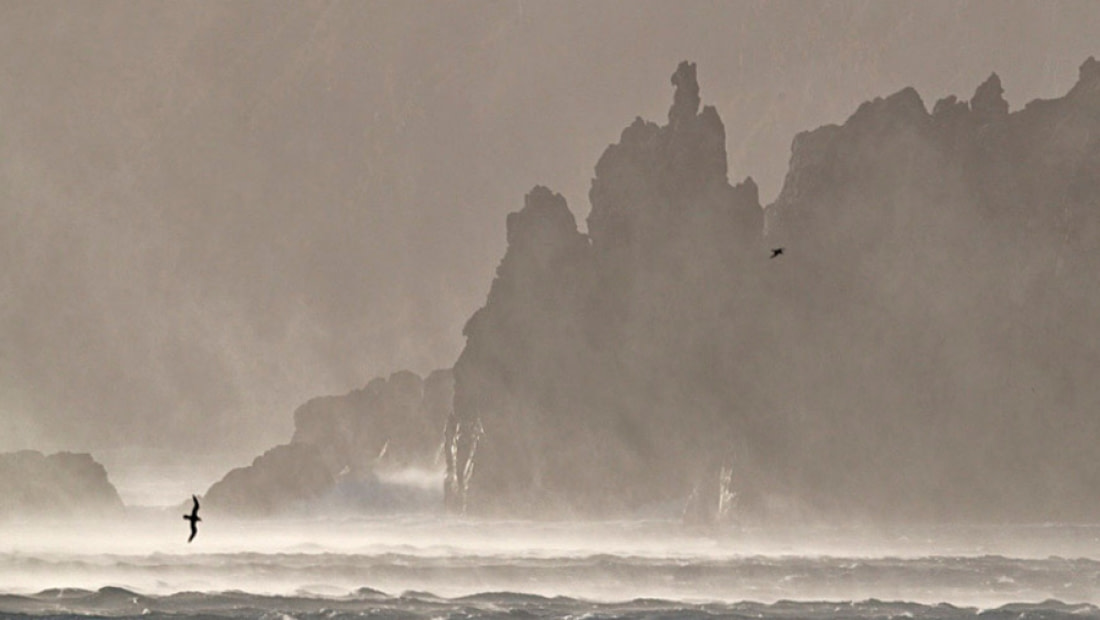
Set in the midst of the Roaring Forties, a Southern Hemisphere area of strong western winds between 40 and 50 degrees latitude, Gough Island is often buffeted by strong westerly gusts as well as powerful sea swells.

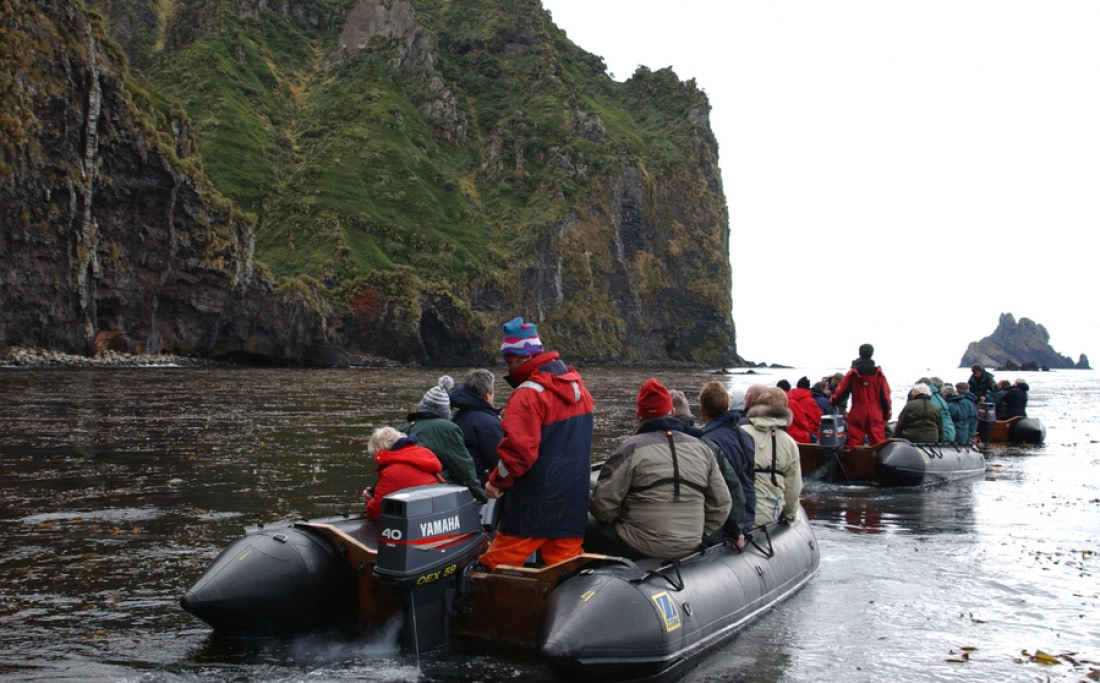
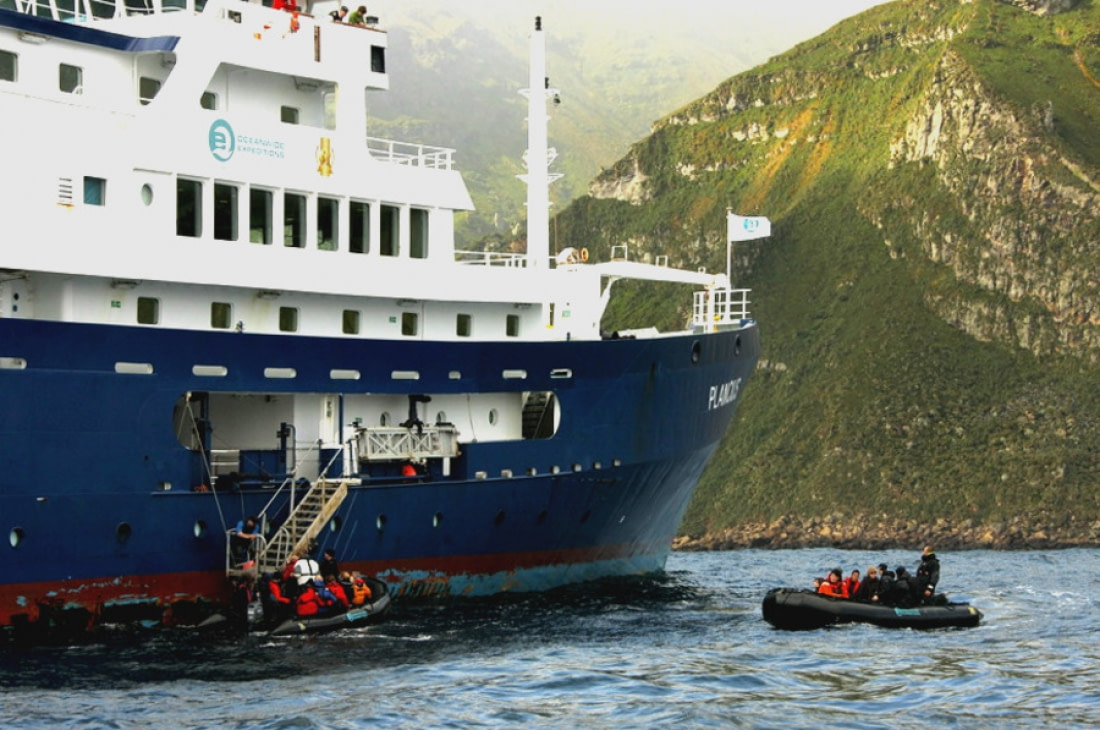
Only a few vessels visit Gough Island each year due to its remoteness and severe weather.
blog-image

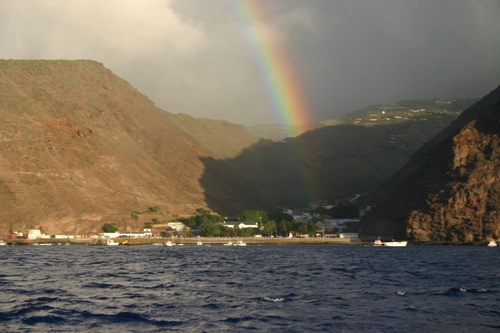
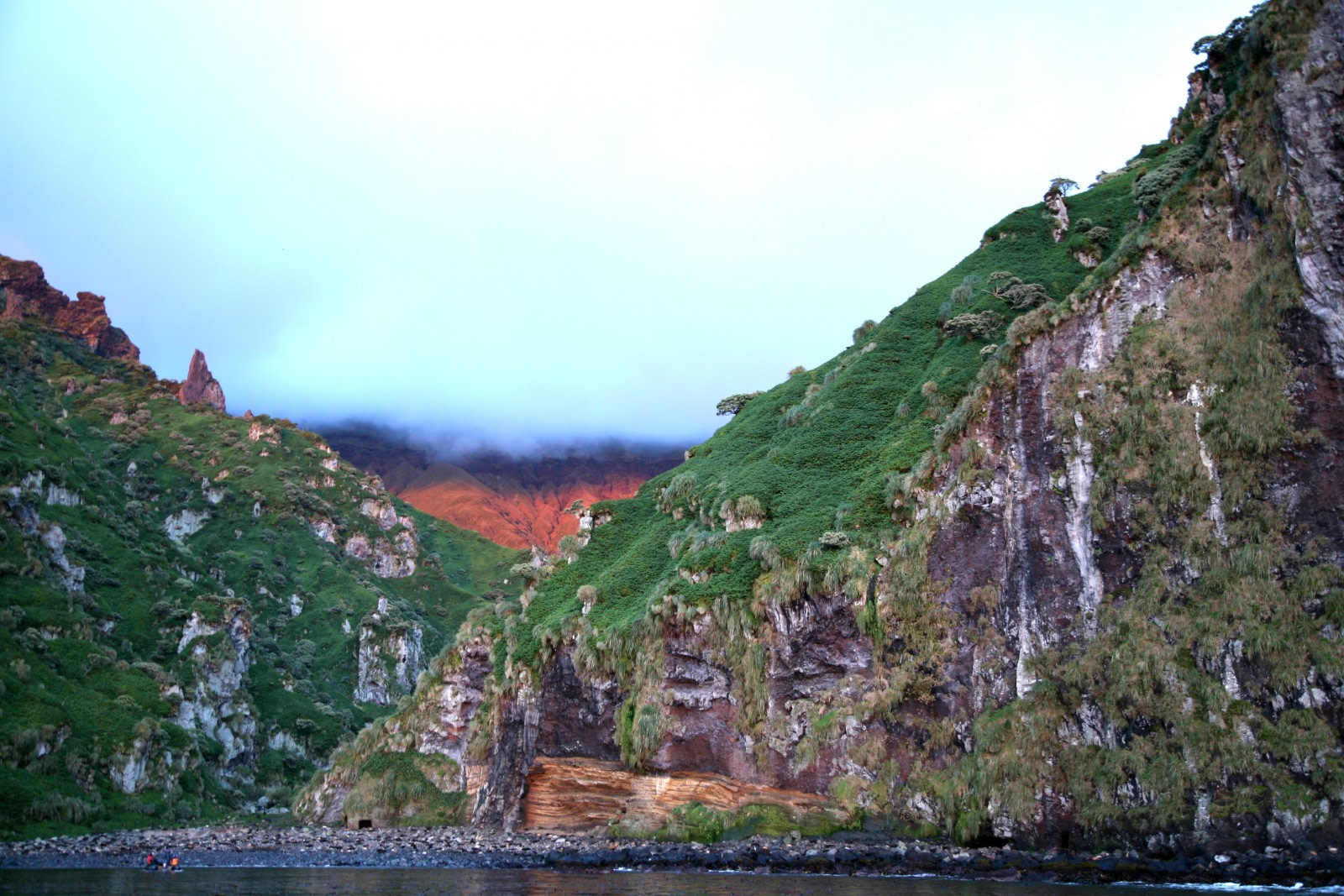
The first eye-popping glimpse of Gough Island

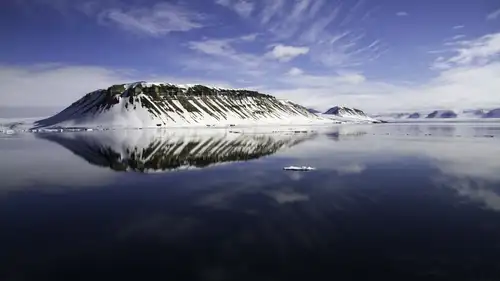
Like many South Atlantic islands, Gough Island is volcanic and visually mind blowing. Steep cliffs several hundred meters high frame the island, telling of towering mountains and deep-carved valleys that create dramatic natural scenery.

The island receives a great deal of rain, and after a fresh fall you can often see peat-stained waterfalls cascading down the cliffs.
blog-image

The Gough Island seabird paradise

Though Gough Island is not well known even among many seasoned travelers, it is most famous for its wealth of breeding seabirds.

Situated near the Subtropical Convergence Zone, where temperate waters mix with subtropical waters, Gough Island is highly attractive to both warm- and cold-water seabirds.

In fact, nowhere else in the world do Antarctic terns and tropical brown noddies nest side by side than on Gough Island. Despite this feature, however, it is the incredible array of tubenose seabirds that truly sets Gough Island apart.
blog-image

The tubenose seabird feeding grounds of Gough Island

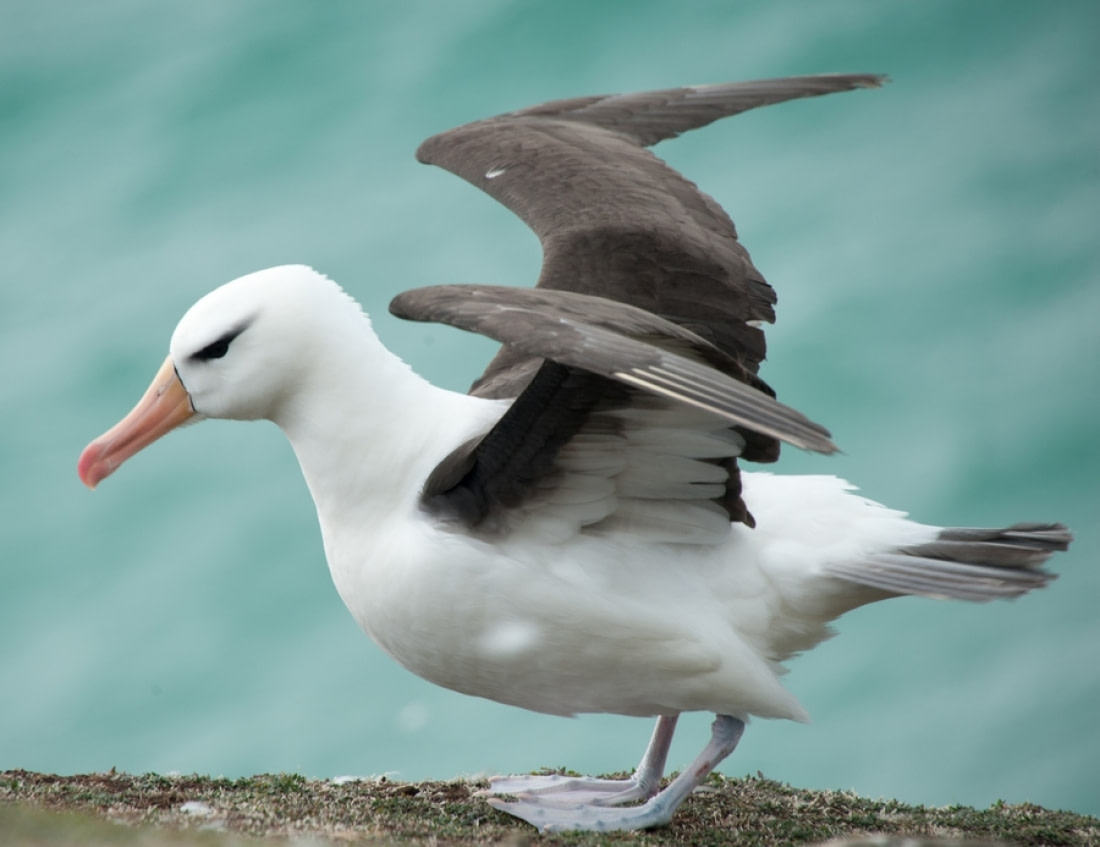
The seas surrounding Gough Island are some of the richest seabird feeding grounds anywhere in the Atlantic Ocean.

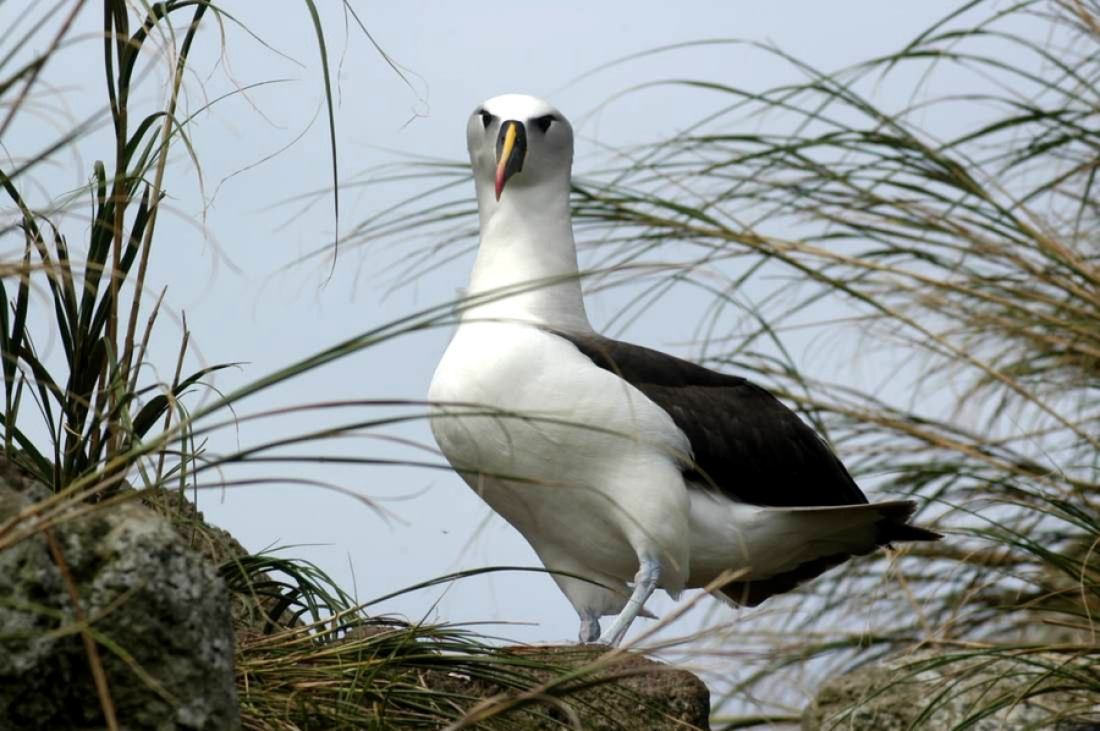
Some cruises have counted over 20 tubenose species around Gough Island, including birds from South Georgia (black-browed albatrosses, Cape petrels, Antarctic prions), New Zealand (shy albatrosses), and the Indian Ocean (white-headed petrels).

Gough Island and Tristan da Cunha also hold the world’s only breeding colonies of Tristan albatrosses, Indian yellow-nosed albatrosses, Atlantic petrels, and spectacled petrels.

Seeing such birds in such numbers is enough to get any birder’s heart pumping.
blog-image

Further Gough Island seabirds

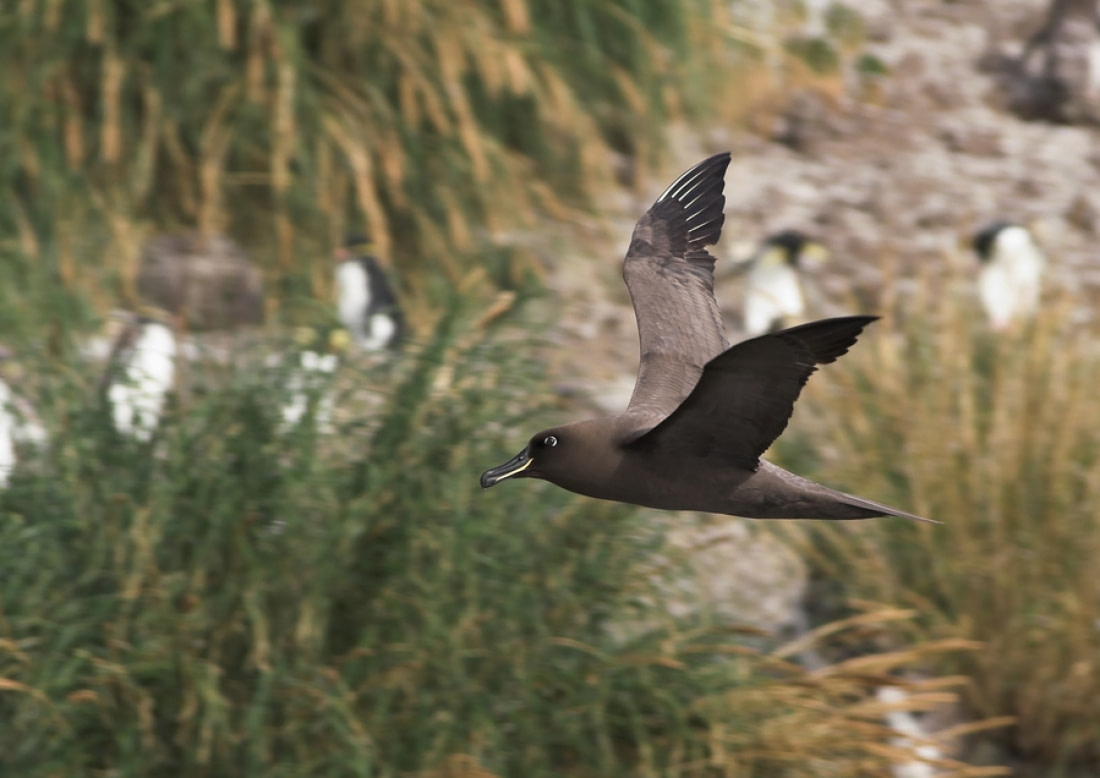
Other tubenose seabirds on Gough Island include sooty albatrosses, great-winged petrels, Kerguelen petrels, soft-plumaged petrels, grey petrels, great shearwaters, sub-Antarctic little shearwaters, broad-billed prions, and white-bellied storm petrels.

Though this is not meant to be a complete list of Gough Island seabirds, it does cover the more commonly seen varieties.

blog-image

Gough Island feeding frenzies

Landings on Gough Island are not permitted due to conservation reasons, but you may still see some action even at a distance.

Circumnavigations of Gough Island have revealed, for example, large pods of dusky dolphins accompanied by a feeding frenzy of hundreds of seabirds. We cannot promise you this on your own Gough Island trip, of course, but the possibilities are always there.
blog-image

The rare rockhopper penguins of Gough Island

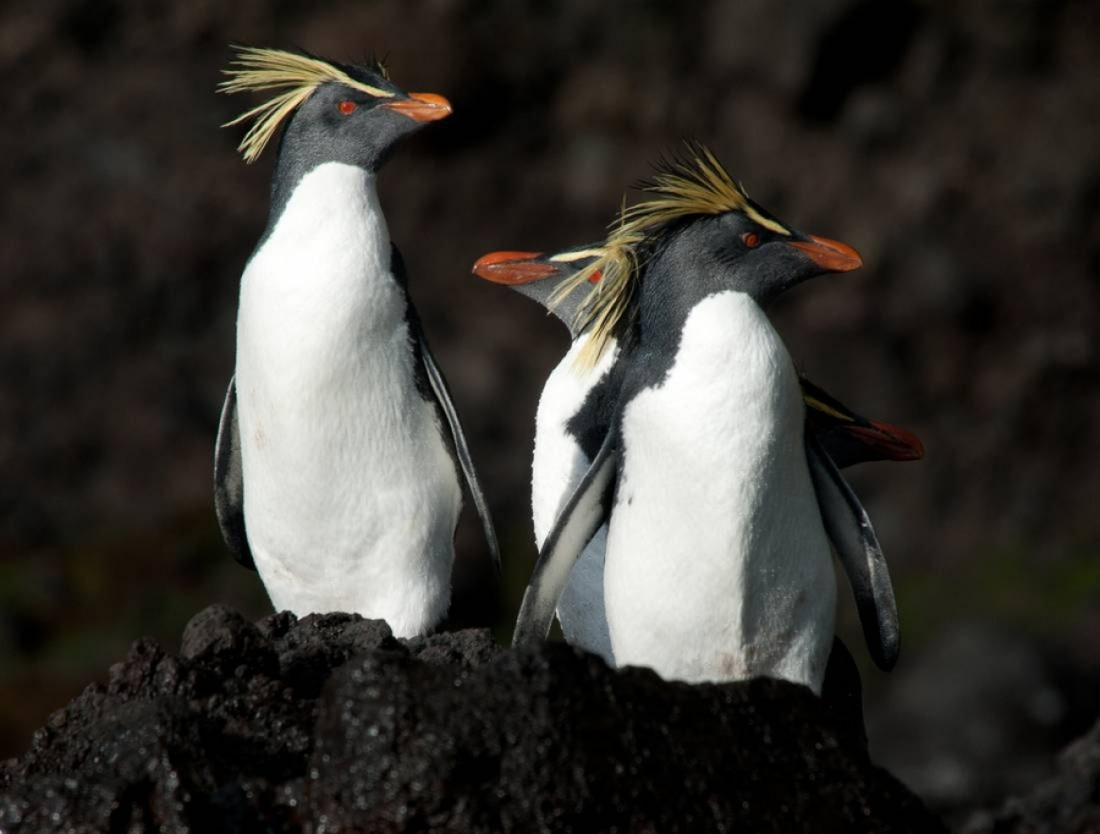
On the east side of Gough Island lies Quest Bay, which is known for its rookery of northern rockhopper penguins.

Northern rockhoppers have longer yellow crests than their southern cousins, and they can only be found on a handful of remote and rarely visited islands in the South Atlantic and South Indian Ocean. Gough Island fits the bill, so to speak.

Not only do northern rockhopper penguins sport the best hairstyles, they are also among the most seldom-seen penguin species in the world.
blog-image

Gough Island’s equally rare fount of fur seals

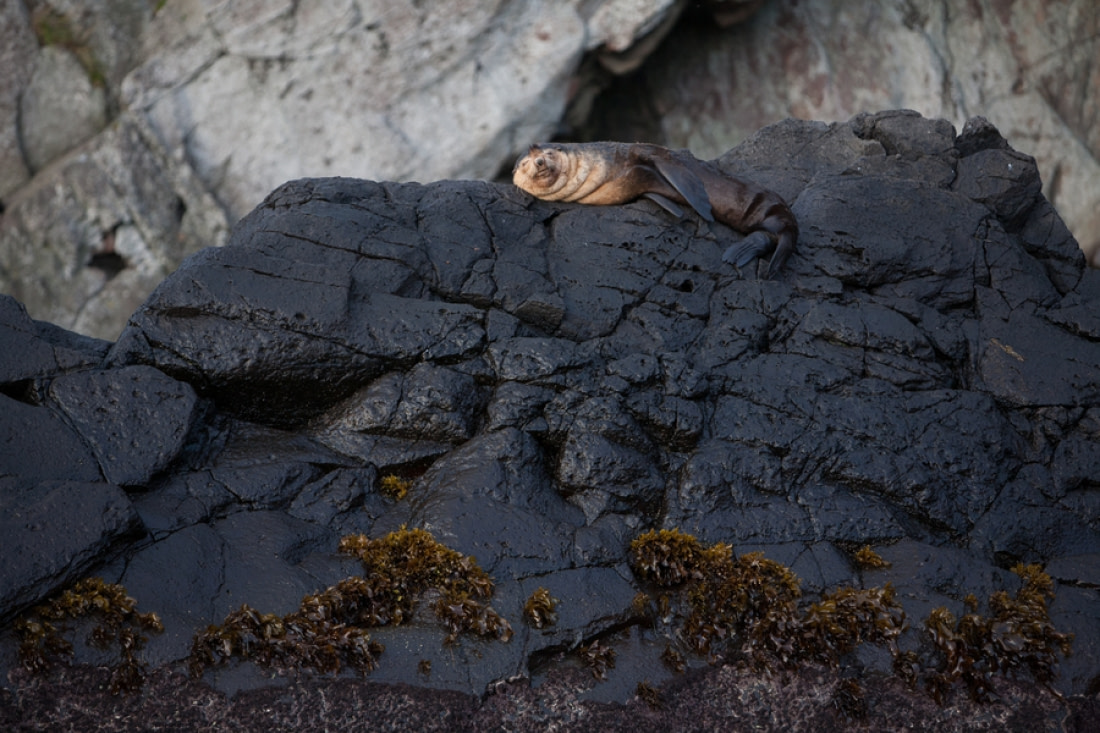
You might also encounter sub-Antarctic fur seals on the shores of Gough Island.

Males have a striking color pattern, with a lovely blond face and chest against a black body. These seals share a similar range with northern rockhoppers and are also rarely encountered, further evidence of how unique Gough Island wildlife is.
blog-image

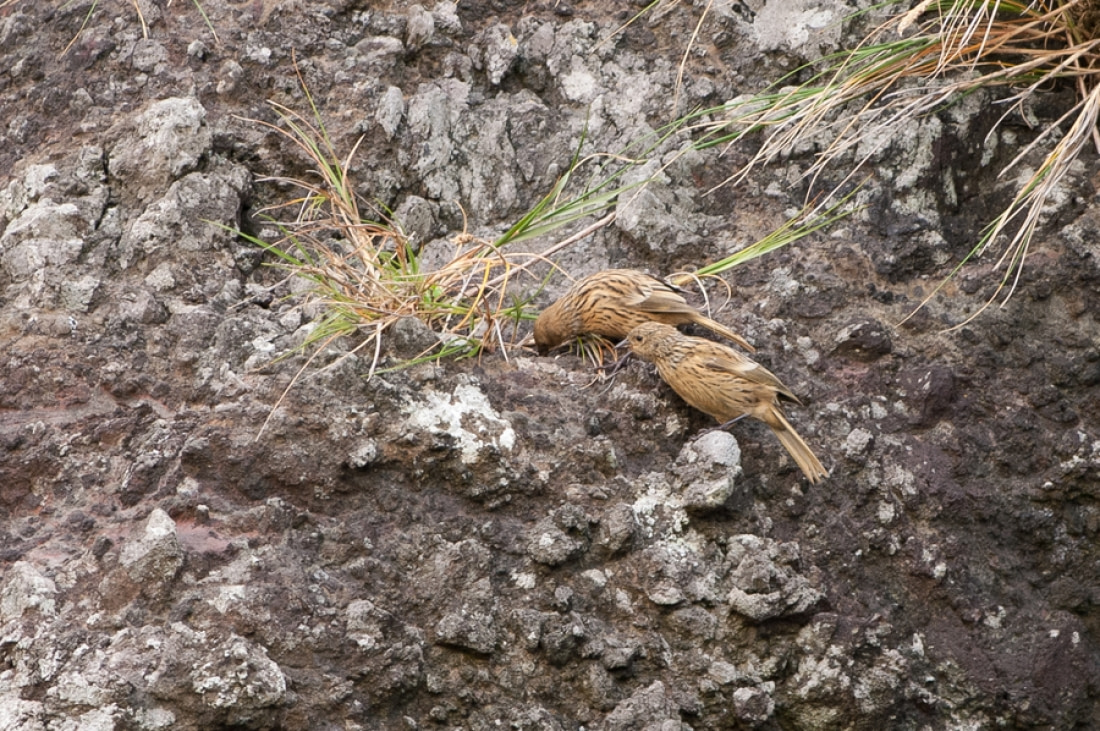
Endemic Gough Island birds: Gough moorhens & Gough buntings

Gough Island houses two endemic land birds, distinct species evolved from South American ancestors and found nowhere else in the world: the Gough moorhen and Gough bunting.

The Gough bunting is particularly unique, being the only member of the genus Rowettia.
blog-image

UNESCO World Heritage Site: Gough and Inaccessible Islands

Because of its wildly diverse flora, fauna, and unusually undisturbed ecosystem, Gough Island (along with the relatively close Inaccessible Island) is a protected wildlife reserve and World Heritage Site under UNESCO.

Not surprisingly, then, Gough Island is also one of the most beautiful and fascinating locations for birders and nature lovers alike.

blog-image

Best Deals

Related Trips

Atlantic Odyssey, excl. Antarctic Peninsula - Nexta Expeditions
Antarctica
Ushuaia

Atlantic Odyssey, excl. Antarctic Peninsula

calendar01 Apr 2026 - 24 Apr 2026
clock24 Days / 23 Nights
From $ 9.050 per person
Atlantic Odyssey, excl. Antarctic Peninsula - Nexta Expeditions
Antarctica
Ushuaia

Atlantic Odyssey, excl. Antarctic Peninsula

calendar04 Apr 2027 - 27 Apr 2027
clock24 Days / 23 Nights
From $ 9.450 per person

Blog
go-leftgo-right

“The polar bear will still be there” - Nexta Expeditions
Blog

“The polar bear will still be there”

For several hours, we had been navigating the pack ice in search of polar bears. Despite numerous binoculars scanning the ice, no bears were visible, and only a few tracks were found. This suggested we might be in an area with fewer bears. Later that morning, we decided to head a few miles east, suspecting a higher bear population there.
Polar Amore: 14 Wildlife Pics to Warm up Your Valentine’s Day - Nexta Expeditions
Blog

Polar Amore: 14 Wildlife Pics to Warm up Your Valentine’s Day

For several hours, we had been navigating the pack ice in search of polar bears. Despite numerous binoculars scanning the ice, no bears were visible, and only a few tracks were found. This suggested we might be in an area with fewer bears. Later that morning, we decided to head a few miles east, suspecting a higher bear population there.
Arctic vs. Antarctica: A Traveler’s Guide - Nexta Expeditions

Blog

Arctic vs. Antarctica: A Traveler’s Guide

Sunrises vs. sunsets, coffee vs. tea, Wonder Woman vs. Superman...
What to Pack for Your Expedition Cruise to the Arctic or Antarctica - Nexta Expeditions
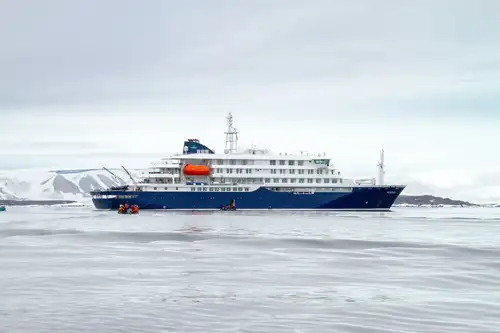
Blog

What to Pack for Your Expedition Cruise to the Arctic or Antarctica

It’s easy to get confused about what to pack for a polar cruise. Some items are provided and some are not, and it’s not always clear which is which. This article will make your polar pack list painstakingly clear. Promise.
Seven Tips to Get the Most out of Your Expedition Cruise - Nexta Expeditions
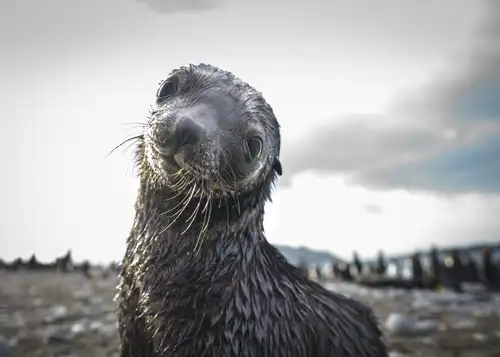
Blog

Seven Tips to Get the Most out of Your Expedition Cruise

Polar cruises are easy to enjoy, but there’s an art to getting the most out of them.
The secrets of Antarctic seals revealed - Nexta Expeditions
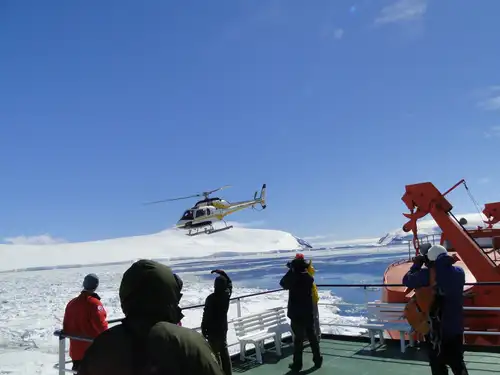
Blog

The secrets of Antarctic seals revealed

There are only six species of seals that inhabit the Antarctic: Southern elephant seals, Antarctic fur seals, crabeater seals, leopard seals, Ross seals, and Weddell seals. While we are familiar with these species, much about their lives remains a mystery.
The Wonderful Weddell Sea: Places, Pics, and Impressions - Nexta Expeditions
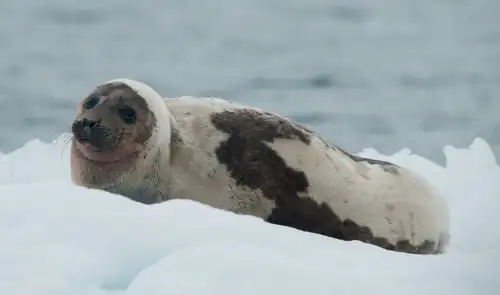
Blog

The Wonderful Weddell Sea: Places, Pics, and Impressions

When we talk about Antarctica, it’s easy to slip into familiar words: amazing, astounding, extraordinary, exceptional. And though most Antarctic locations more than deserve these descriptions, some deserve them more than others.
Harp seals harping on in Greenland - Nexta Expeditions
Blog

Harp seals harping on in Greenland

Harp seals are a moderately sized species, typically reaching about 1.6 meters in length and weighing around 130 kilograms. Both males and females are similar in size and weight, with males being only slightly larger. They possess a thick, robust body, a small broad and flat head, short narrow flippers, and a narrow muzzle.
Five Reasons to Love St. Helena - Nexta Expeditions
Blog

Five Reasons to Love St. Helena

Being one of the most remote islands on Earth gives St. Helena a unique allure. Named after a Roman empress and the mother of Constantine the Great, this island also holds the distinction of being Napoleon’s final place of exile, making it a fascinating topic of conversation.
International Polar Bear Day - Nexta Expeditions
Blog

International Polar Bear Day

It will come as no surprise to you that we're crazy about polar bears. We have multiple blogs about where to find polar bears, we offer dozens of polar bear trips, and we've even written a short story from a polar bear's point of view. (Yes, we actually did that.) So if you were to say that our love of polar bears borders on obsession, you wouldn't be far off.
The Ice-Jewelled Geology of Spitsbergen - Nexta Expeditions
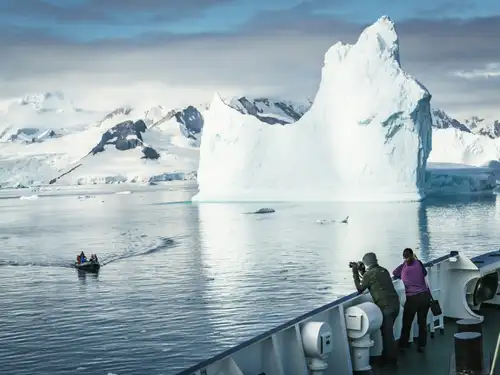
Blog

The Ice-Jewelled Geology of Spitsbergen

The Svalbard archipelago is located in the Arctic Ocean, roughly 660 km (410 miles) north of Norway's northernmost point. This region is a haven for geologists, boasting a rich geological history that spans from the Mesozoic era (65-245 million years ago) through the Cambrian era (570 million years ago) and back to the Archean era, over 3.5 billion years ago.
The Classic Polar Cruise: Antarctic Peninsula Facts, Pics, and More - Nexta Expeditions
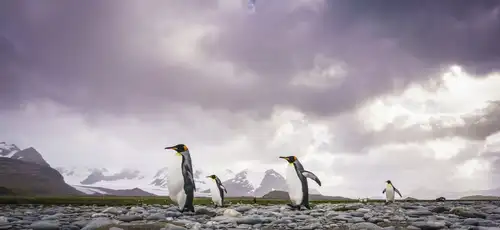
Blog

The Classic Polar Cruise: Antarctic Peninsula Facts, Pics, and More

When it comes to experiencing the vast wonders of Antarctica, the Antarctic Peninsula stands out as an unparalleled destination.
Penguins, Albatrosses, Petrels: The Winged Wildlife of South Georgia - Nexta Expeditions
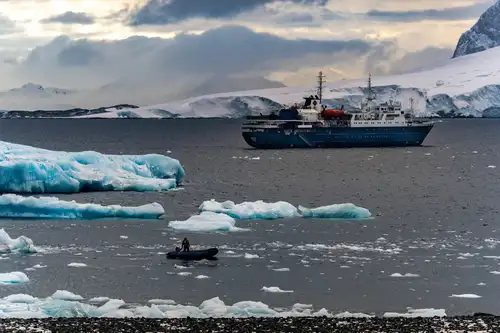
Blog

Penguins, Albatrosses, Petrels: The Winged Wildlife of South Georgia

South Georgia’s location south of the Antarctic Convergence gives the island a more Antarctic-like climate compared to other regions at the same latitude. The climate here is marked by cold, cloudy, wet, and windy conditions with highly variable weather.
The Seasons of Antarctica: When to Visit and Why - Nexta Expeditions
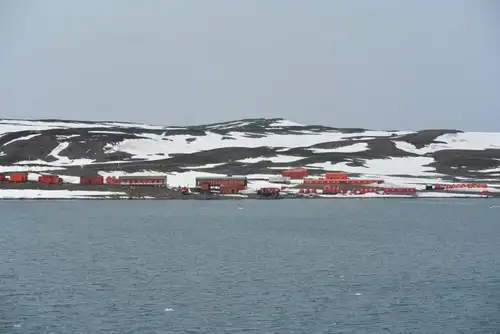
Blog

The Seasons of Antarctica: When to Visit and Why

You’ve decided to book your dream trip – an adventurous Antarctica cruise that will give you a winning chance to see otherworldly environments, encounter exotic wildlife, and take part in activities that will spoil your inner explorer like nothing else.
Living the Antarctic Dream - Nexta Expeditions
Blog

Living the Antarctic Dream

From October to March, during the Austral summer, thousands of breeding gentoo, Adèlie, and chinstrap penguins flock to the Western Antarctic Peninsula to rear their chicks and feast on krill before the harsh winter arrives. Alongside the penguins, field biologists from around the world gather to study these habits for conservation research. Observing these animals is one thing, but residing in an Antarctic field station for an entire breeding season is another. One particular field camp on King George Island, managed by American scientists, has perfected this Antarctic lifestyle and has thrived for over 30 years.
South Georgia Whaling Stations - Nexta Expeditions
Blog

South Georgia Whaling Stations

South Georgia is a paradise for animal enthusiasts. It stands out as one of the most wildlife-abundant destinations in our polar expeditions, whether in the Northern or Southern Hemisphere.
11 Seals You May See in Antarctica or the Arctic - Nexta Expeditions
Blog

11 Seals You May See in Antarctica or the Arctic

1. Weddell seals – These seals are known for their calm demeanor and spend most of their lives beneath the Antarctic ice. Although they need to come up for air, they can remain underwater for up to 45 minutes. Weddell seals can dive to depths of 610 meters (2,000 feet) in search of food. These vocal animals usually have one pup annually and can grow up to 3 meters (10 feet) and weigh 544 kg (1,200 lbs).
Freshwater ecosystems in the Arctic - Nexta Expeditions
Blog

Freshwater ecosystems in the Arctic

The Arctic, surprisingly, hosts a rich and varied array of freshwater ecosystems, including lakes, ponds, rivers, streams, deltas, and wetlands. Some of the world's largest rivers and deltas, such as the Lena, Ob, and Yenisei, are found in this region.
Book Recommendations for Your Polar Cruise - Nexta Expeditions
Blog

Book Recommendations for Your Polar Cruise

Though books can't replace the experience of visiting the polar regions, they make excellent companions for your journey. We reached out to our social media followers, many of whom are past or future travelers, to gather their recommendations for polar-related books. The results were impressive, and we've compiled them below in no particular order.
The Evolving Shipboard Eco-traveler - Nexta Expeditions
Blog

The Evolving Shipboard Eco-traveler

Feeling stuck in the monotony of everyday life? Looking for a change of scenery? Look no further! Most of us spend our lives on solid ground, despite our bodies being composed of 71.5% water. You'd think we'd have a natural inclination to be in or on the water! So why not try something different? Consider an Arctic holiday adventure on the same waters that famous explorers once navigated!