Cruising Solo The Benefits Of Single Passenger Polar Travel - Nexta Expeditions
Cruising Solo: The Benefits of Single-Passenger Polar Travel

Cruising Solo: The Benefits of Single-Passenger Polar Travel

Traveling is often done with family, friends, or romantic partners. However, the benefits of solo travel, especially in polar regions, deserve more attention.

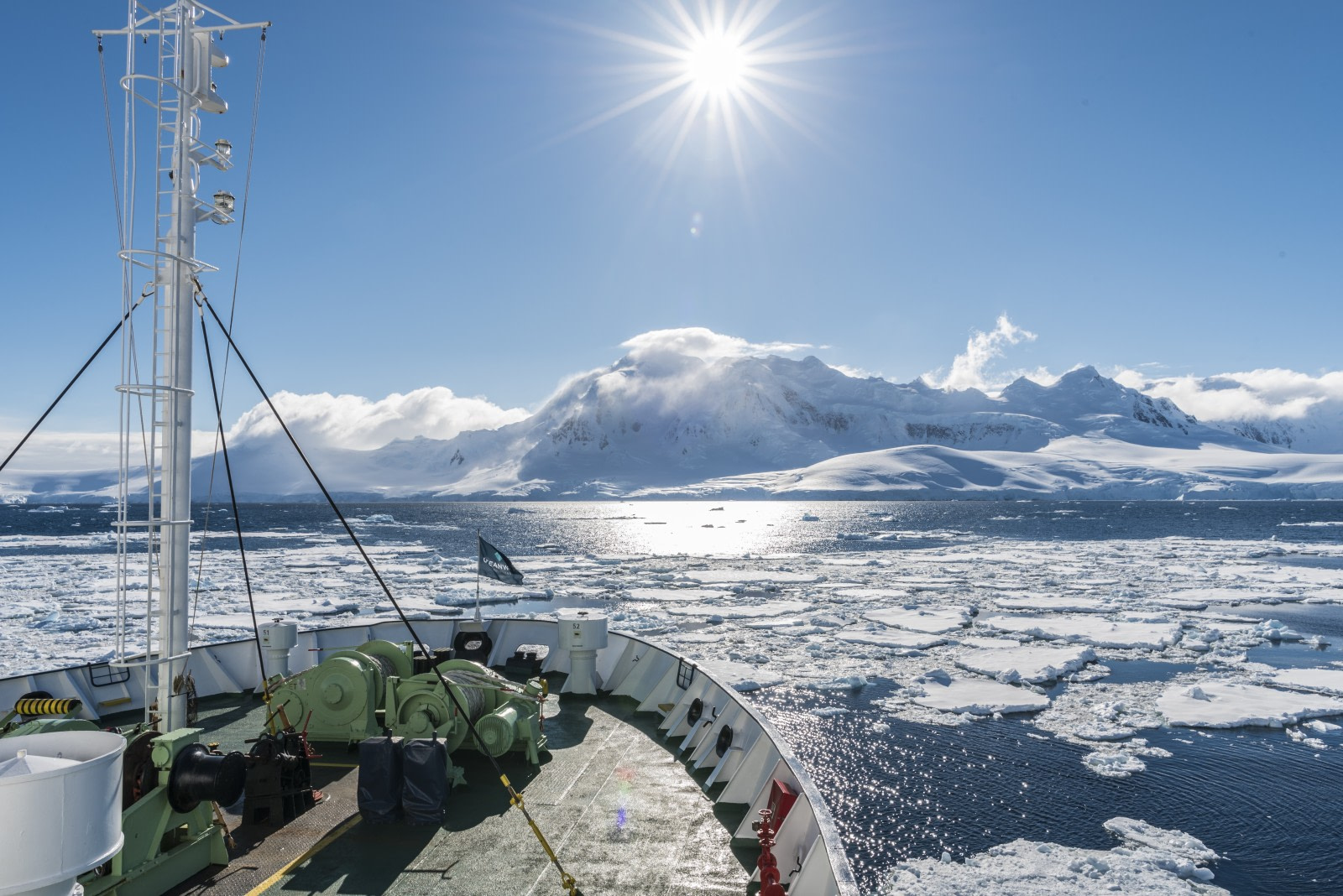
The Arctic and Antarctica are not typical holiday spots. They aren't cultural trips or party vacations, despite what the polar bears might say. Instead, polar travel is about exploring breathtaking landscapes, observing unique wildlife, and engaging in thrilling outdoor activities. Sometimes, the meditative nature of these experiences is best enjoyed alone.

Here we’ll explore a few benefits of visiting the Arctic and Antarctica as a single traveler, ending with a quick FAQ in case you’re considering such a voyage.
blog-image

First of all, you’re not really alone on a polar cruise

Anywhere from 35 to 40 percent of passengers visit the polar regions solo. So what do these savvy travelers know that others might not?

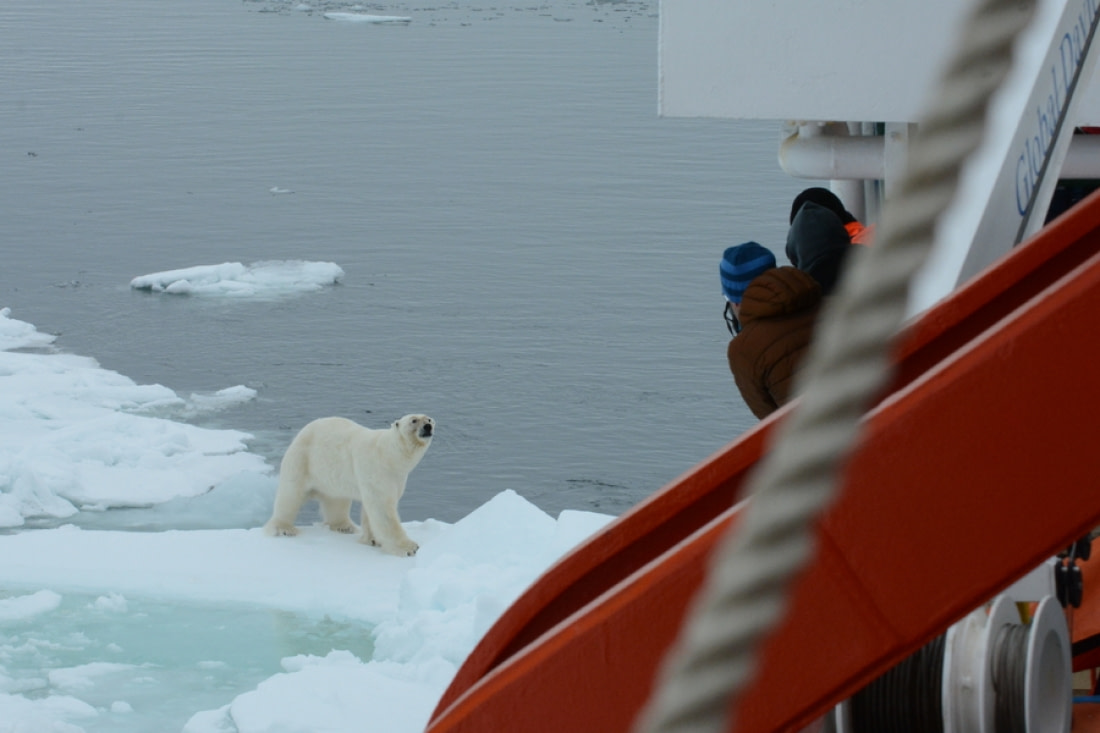
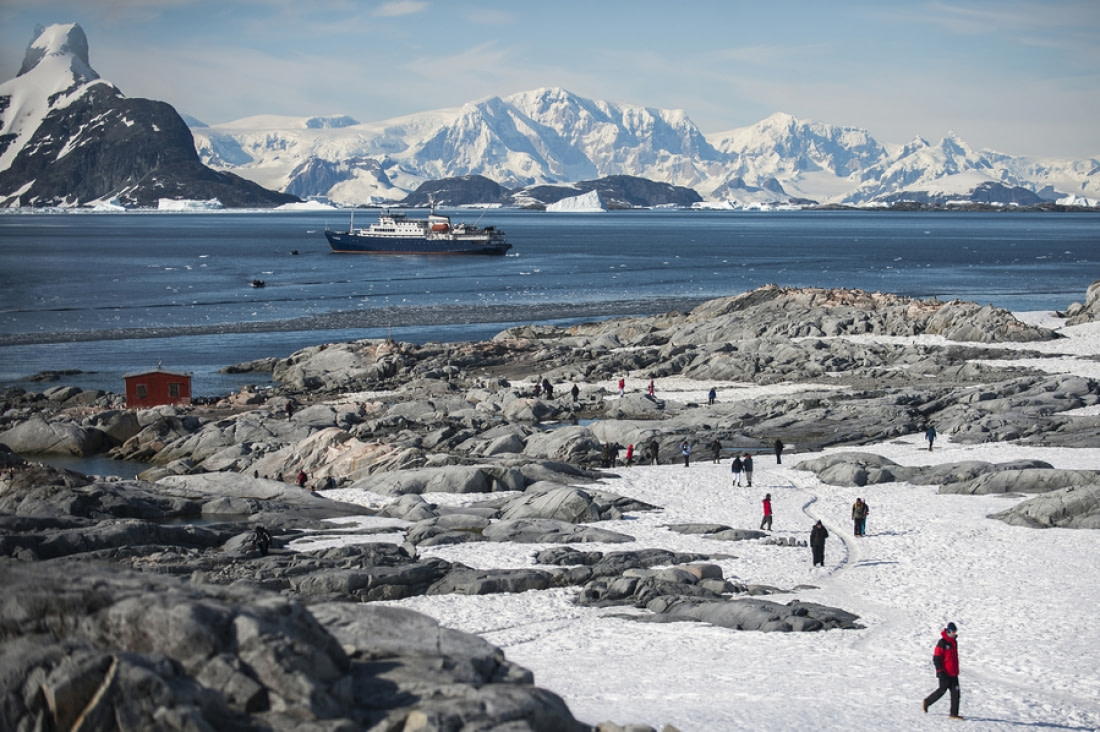
For starters, you're not truly alone when you travel solo to the Arctic and Antarctica, at least not on a standard polar cruise. Most vessels carry about 100 passengers, not including the crew and expedition guides.

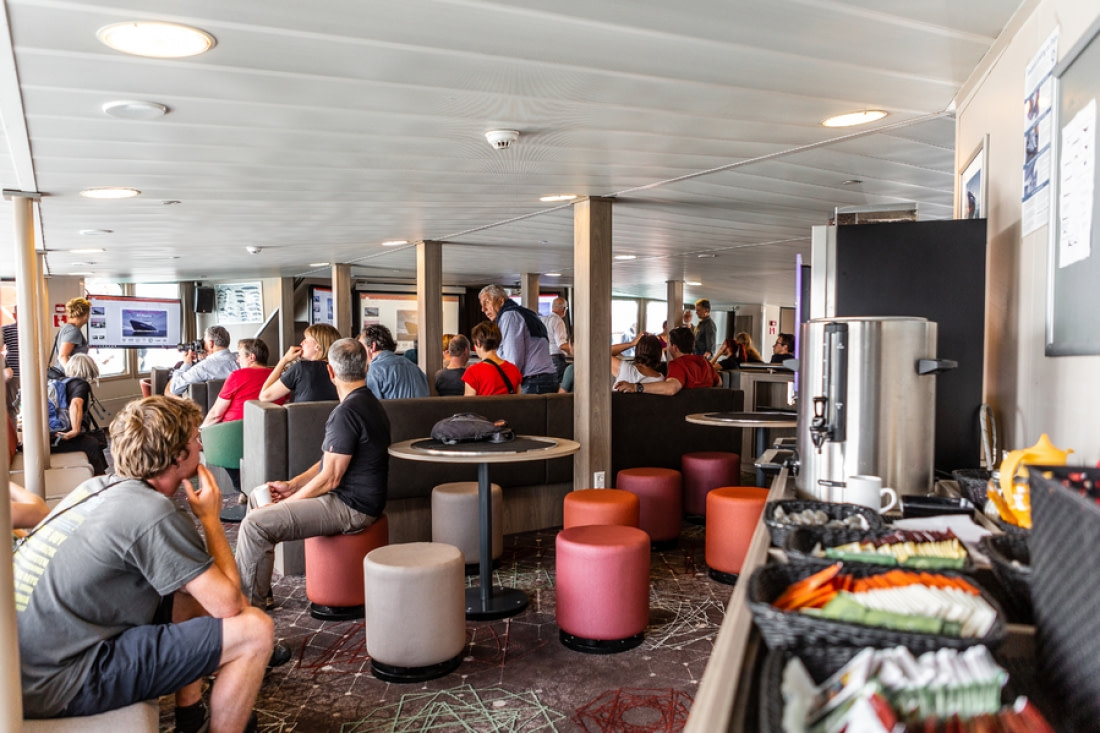
Additionally, Zodiac cruises typically include around eight people per boat, and shore landings are made in larger groups.
blog-image

The Arctic and Antarctica are great places for silent reflection

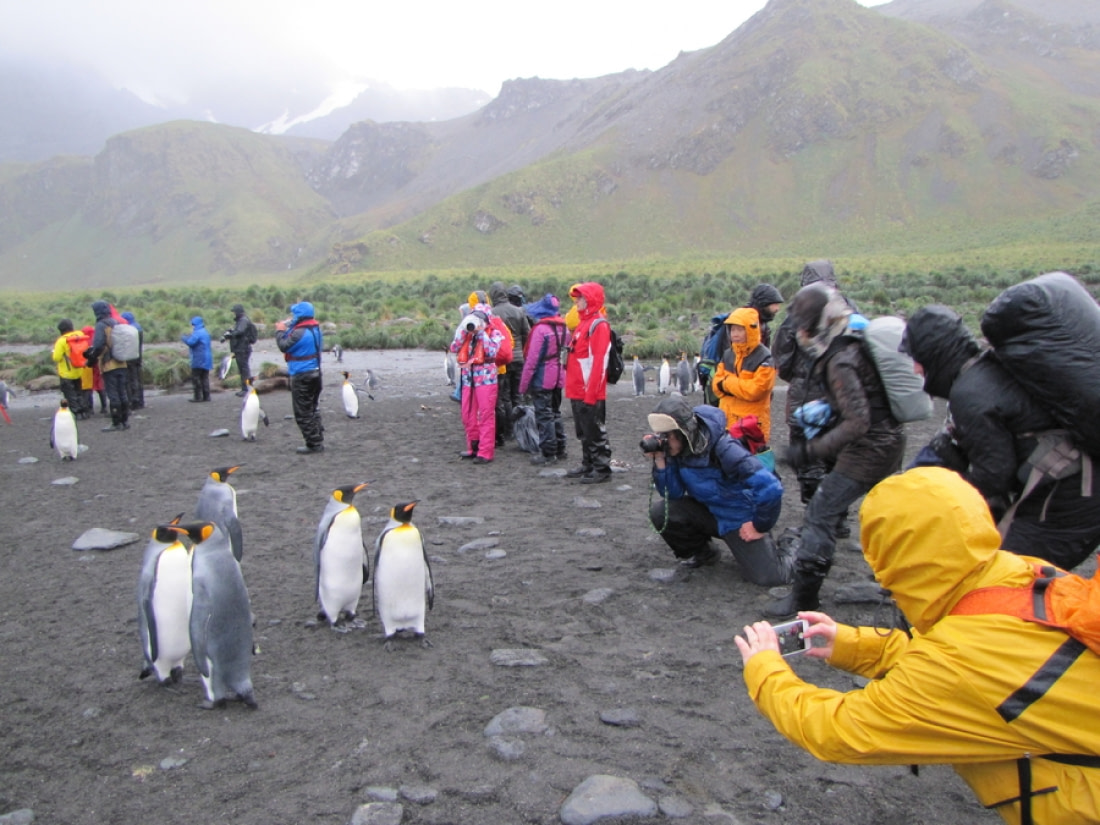
Peace can be found in a Tibetan monastery, the forests of the American west, or on the Mediterranean's rolling blue waves. But in the polar regions, silence finds you whether you seek it or not. The natural stillness of these remote areas lends itself to quiet reflection on nature and our place within it.
blog-image

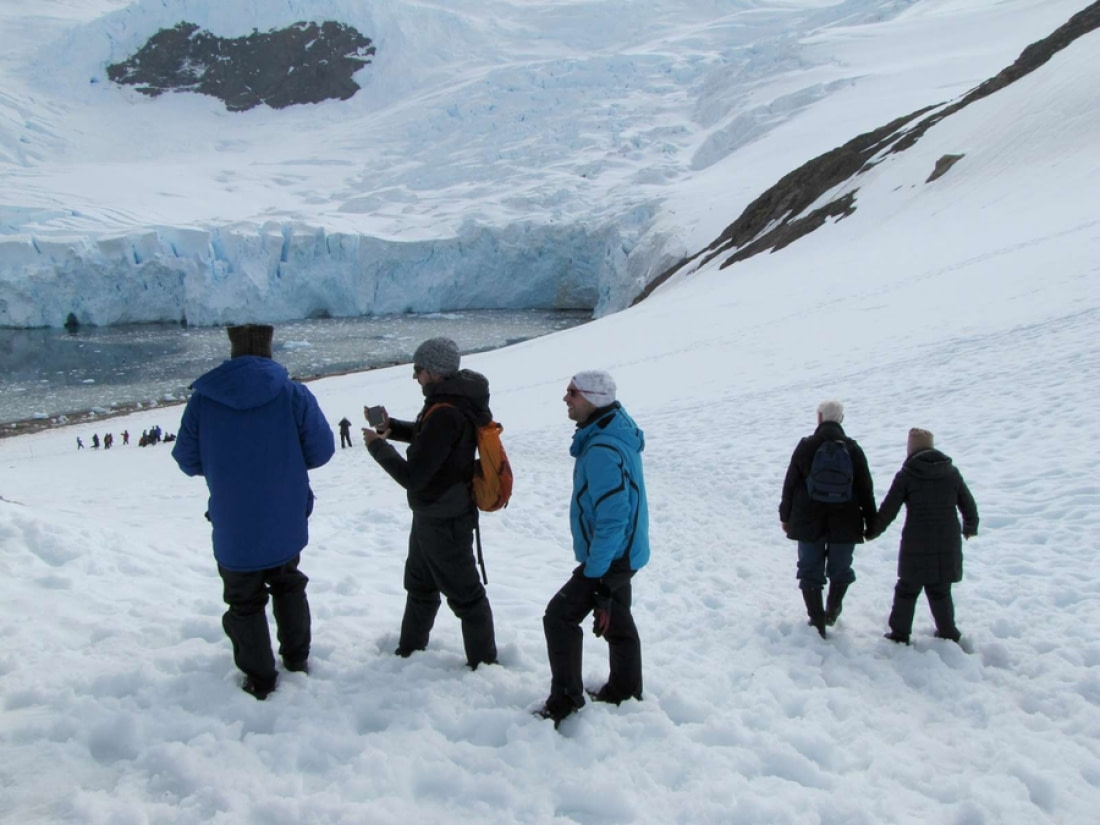
Not having to maintain conversation with travel companions allows you to fully immerse yourself in the experience. Traveling solo also means you don't have to worry about whether your companions are enjoying their trip as much as you are. You won't have to divide your attention as much when traveling alone.

This may sound anti-social, but sometimes alone time is beneficial if it leads to a superior experience in a place most people are never fortunate enough to visit.
blog-image

Polar cruises provide a fine venue in which to make new friends

You might think, “If I’m taking a polar cruise to enjoy some much-needed alone time, why would I want to make friends on board?” The answer is, you don’t have to if you don’t want to. After all, it’s your vacation.

But there are some upsides to making acquaintances on polar cruises. For one, the friendship has a definite beginning and end that generally coincides with the length of the cruise. Some people keep in touch with those they meet on cruises, because the trips do create a high sense of camaraderie, but this is not required.
blog-image

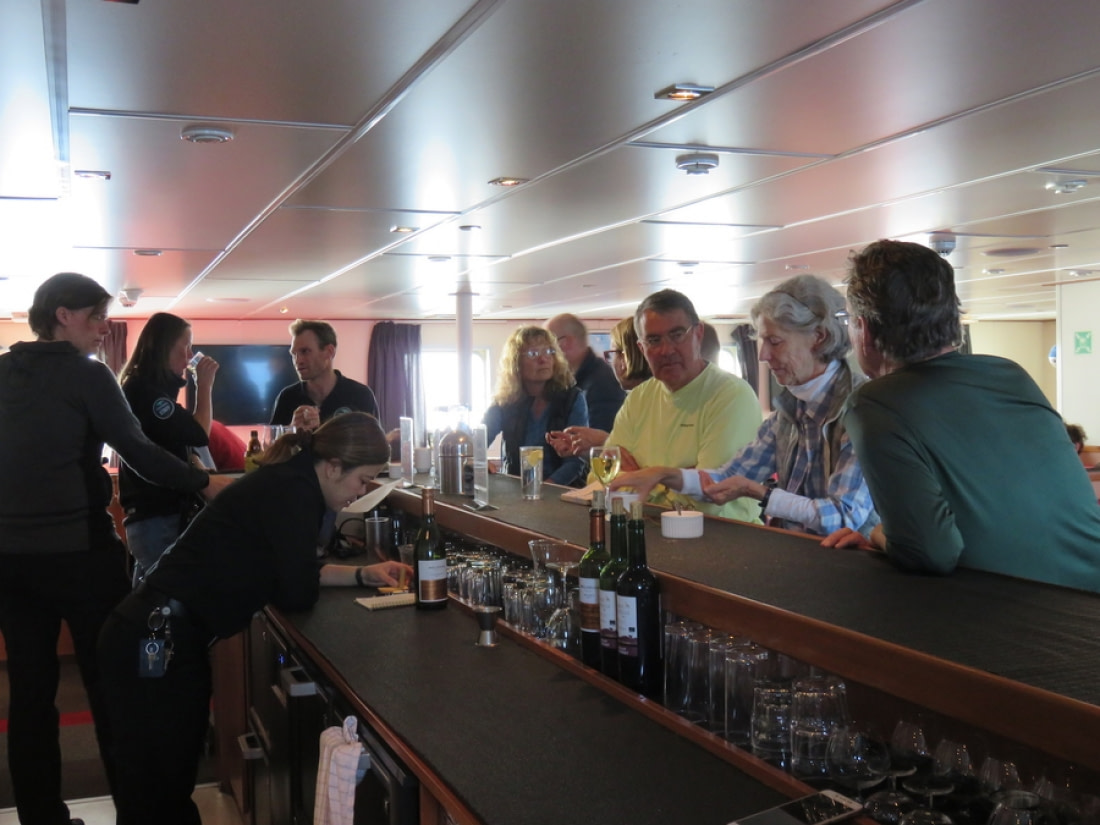
Also, the people you meet on a polar cruise provide a fascinating survey of the world. Passengers come from all over the planet, so there’s really no telling with whom you could share a room (unless you reserve your own cabin, of course): It could be a teacher from Germany, a journalist from Argentina, or a wine producer from China – if you’re lucky.

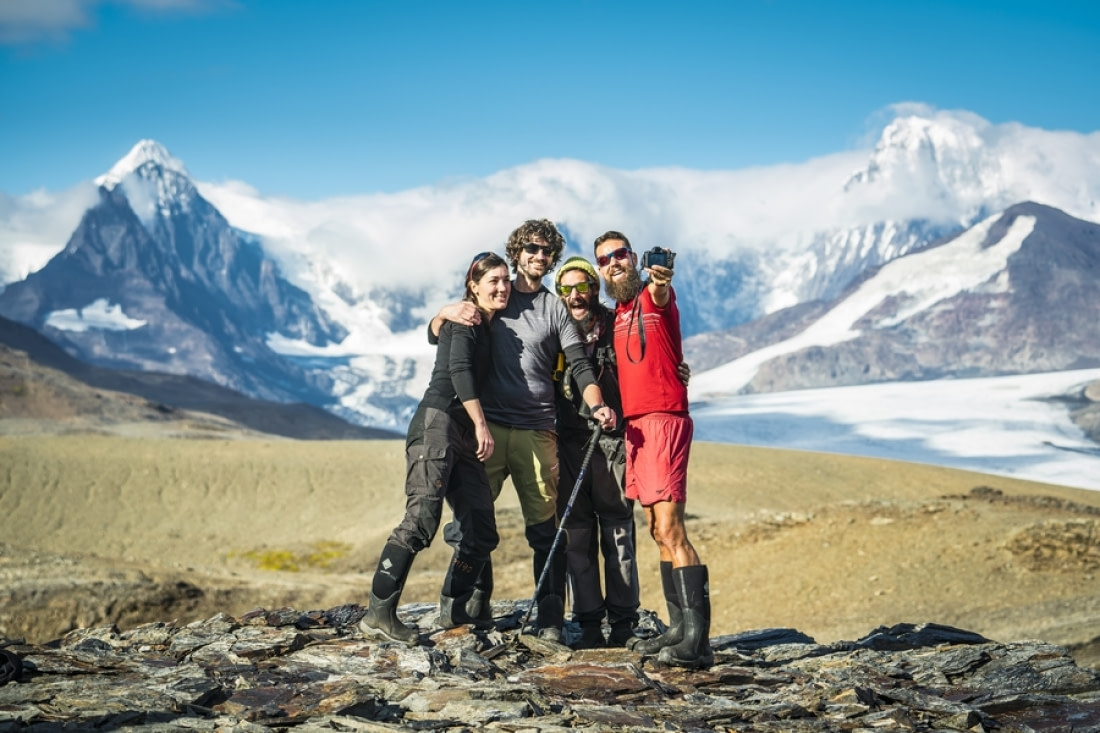
Lastly, the kind of people you encounter on Arctic and Antarctic trips are typically independent, adventure-minded individuals. With people like that around you, you’ll have plenty to talk about.

And even if you’re not much of a conversationalist, this type of person will probably understand. They’ll know it’s easy to talk away the magic of a place like the polar regions. And anyway, like Shakespeare said, “Silence is the perfectest herald of joy.”
blog-image

When you travel as a single passenger, you choose your own adventure

Expedition cruises to the Arctic and Antarctica always run by a fairly tight schedule of intended landings, typically altered only in the event of unusual or potentially dangerous weather, ice conditions, or wildlife sightings.

But while this means you can’t control all aspects of what you do and when, traveling alone will allow you to decide entirely for yourself which activities you want to partake in.

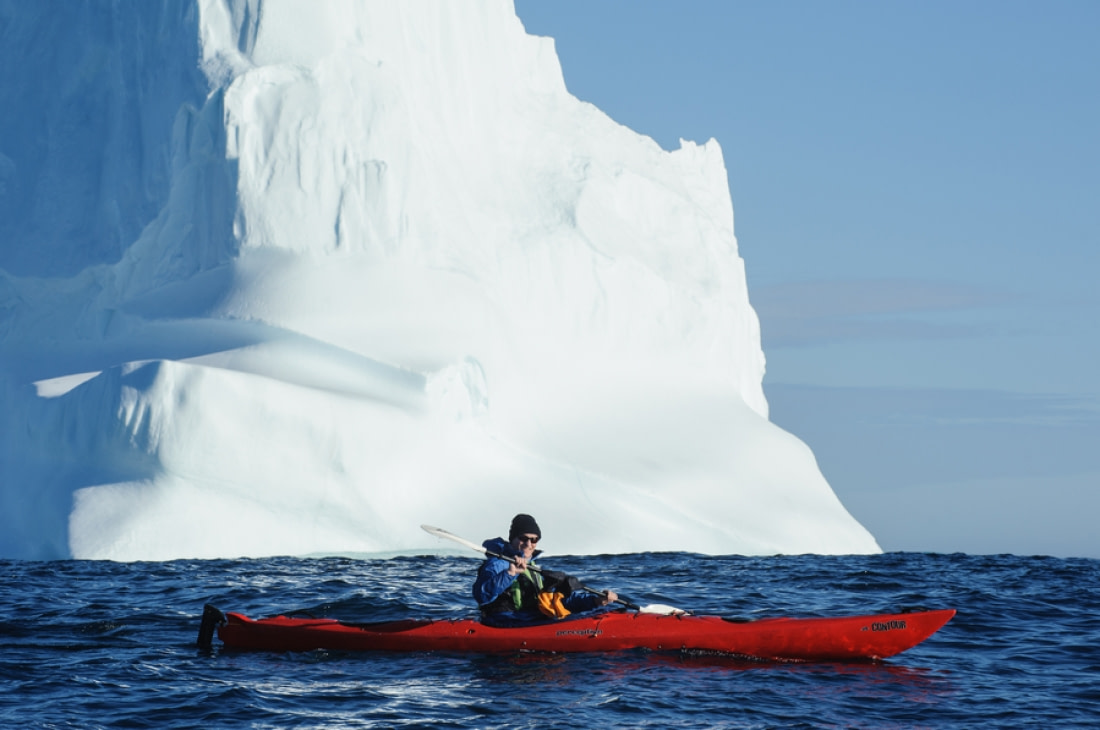
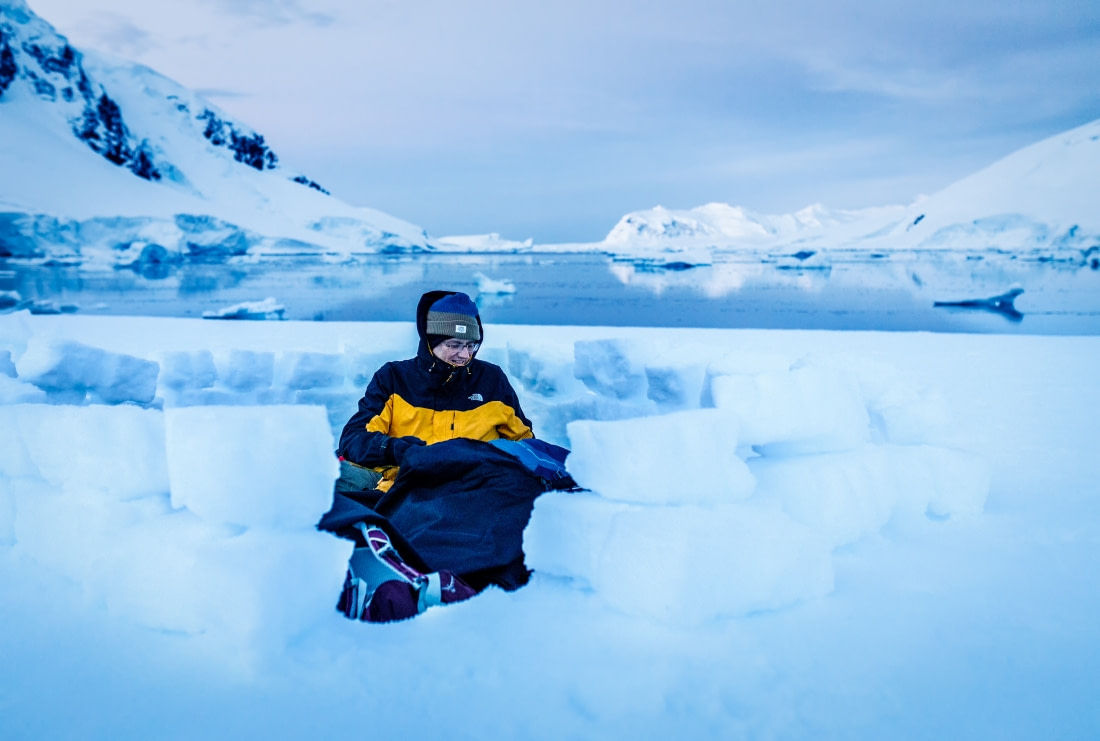
For example, polar voyages have twice-daily shore landings often divided into walking groups ranging from leisurely to moderate to more ambitious. You might be obliged to go where your companions go when you travel in a group, but not so when you travel alone. Also, some cruises offer supplemental activities like kayaking, mountaineering, or camping, just to name a few.
blog-image

A single traveler can book these activities based solely on their own interests and abilities, while group travelers tend to stick together. Obviously, this is not true for all groups. Some companions are either all interested in the same things or are happy to divide and regroup as desired.

The point is, there’s a lot of freedom that goes with single-passenger travel that does not exist (or is harder to negotiate) when you travel with other people. Given the kind of experience most travelers seek in the polar regions, it can therefore be advantageous to consider flying (cruising) solo.
blog-image

Arctic and Antarctic single-passenger travel FAQ

If you’re considering an Arctic or Antarctic cruise but are still undecided, read the answers to these frequently-asked-questions. It may make your decision a little easier.

  • Is it possible to have a cabin all to myself?

Yes, it is possible for all but quad and triple cabins. The rate to have a cabin to yourself is 1.7x the price of a single berth.

  • Who will I share a cabin with?

If you don’t book a cabin to yourself, you’ll share it with whoever happened to book the other berth. We always pair cabin mates with the same gender, however, keeping males and females together.

  • Can I choose who I share a cabin with?

Not unless you have specifically booked together.

  • When assigning cabin mates, do you keep in mind age and nationality?

No, we only consider gender when assigning cabin mates.

  • If I book a berth in a shared cabin and there is no roommate, do I have to pay the single supplement fee?

No, you only pay for the berth you use.

  • Is it likely that I’ll have a cabin to myself?

Sometimes, but it’s not particularly likely. If we’re not able to give you a cabin to yourself, we’ll ask if you mind sharing a cabin.

blog-image

Blog
go-leftgo-right

Danger Beneath the Water: 10 Facts About Leopard Seals - Nexta Expeditions
Blog

Danger Beneath the Water: 10 Facts About Leopard Seals

If your thirst for adventure leads you to Antarctica, you may be lucky enough to cross paths with a leopard seal while you’re there. These amazing animals are wonderful to observe both in and out of the water, and they are a coveted part of the polar wildlife experience.
The Ancient Fossil Forests of Antarctica - Nexta Expeditions
Blog

The Ancient Fossil Forests of Antarctica

Over a hundred years ago, Robert Falcon Scott’s expedition to Antarctica discovered fossils of plants on the Beardmore Glacier, less than 500 km (310 miles) from the South Pole. Edward Wilson, who was the expedition’s chief scientist, recorded the findings in his diary, stating that “most of the bigger leaves were like beech leaves in shape and venation.”
10 Tips for Photographing the Northern Lights - Nexta Expeditions
Blog

10 Tips for Photographing the Northern Lights

The northern lights, also known as the aurora borealis, offer some of the most breathtaking photographic opportunities in the Arctic. However, capturing this stunning phenomenon requires more than just luck. To take your best northern lights photos, it's helpful to understand some key aspects of aurora-specific photography.
Six Seal Species You Might See On Your Greenland Cruise - Nexta Expeditions
Blog

Six Seal Species You Might See On Your Greenland Cruise

If you spot a grand old whiskered man lounging in solitary splendor, there's a good chance you're looking at a bearded seal. Your Greenland cruise will take you to bays where these solitary fellows (except during breeding season) hunt for fish in the relatively shallow waters near the shores.
The Eight Great Penguin Species of Antarctica - Nexta Expeditions
Blog

The Eight Great Penguin Species of Antarctica

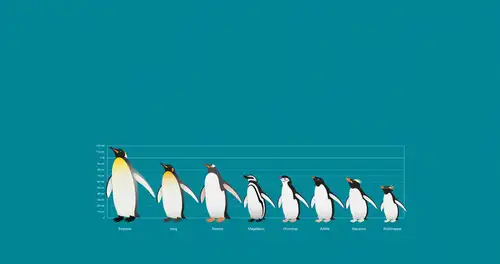
There are 17 species of penguin on the planet, but the eight you’ll most likely recognize live in Antarctica, its nearby islands, and the sub-Antarctic archipelagos of South Georgia and the Falklands. These are the core species we tend to see on our expedition cruises.
Seven Tips to Get the Most out of Your Expedition Cruise - Nexta Expeditions
Blog

Seven Tips to Get the Most out of Your Expedition Cruise

Polar cruises are easy to enjoy, but there’s an art to getting the most out of them.
Ice streams and lakes under the Greenland Ice Sheet - Nexta Expeditions
Blog

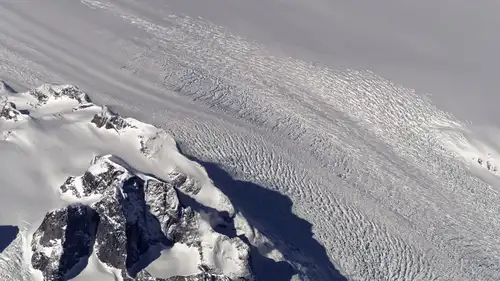
Ice streams and lakes under the Greenland Ice Sheet

The Greenland ice sheet is a dynamic mass of dense, flowing, and deforming ice. Snow deposited on the central parts of the ice sheet is gradually compressed into ice that slowly moves towards the ice margin. At the ice margin, the ice is removed by melting or by breaking off into icebergs.
Polar Cuisine in Pictures - Nexta Expeditions
Blog

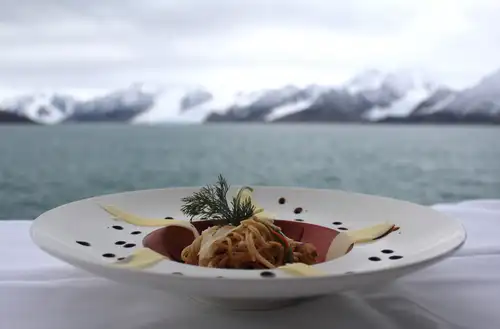
Polar Cuisine in Pictures

Embarking on a polar expedition cruise to some of the world's most remote and wild locations doesn’t mean you have to compromise on fine dining.
Five Reasons Why Snowshoeing is a Perfect Polar Activity - Nexta Expeditions
Blog

Five Reasons Why Snowshoeing is a Perfect Polar Activity

One of the most beloved polar sports is also one of the oldest. Snowshoeing has been the preferred means of foot travel in the Arctic since antiquity, and in the years since Antarctica was discovered, it has been highly popular among researchers and polar tourists alike.
Imperial Antarctica: the Snow Hill Emperor Penguins - Nexta Expeditions
Blog

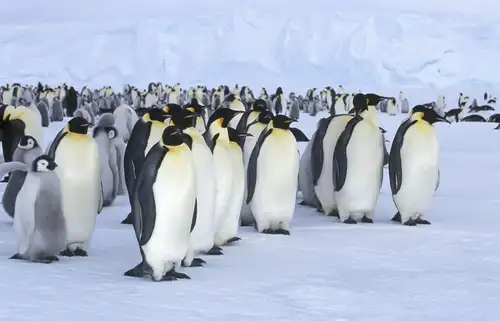
Imperial Antarctica: the Snow Hill Emperor Penguins

Recently, a rare achievement was made by visiting Antarctica’s northernmost emperor penguin colony on Snow Hill Island. Typically surrounded by impassable pack ice, Snow Hill is a notoriously difficult destination in the Weddell Sea cruise itinerary, only accessible using helicopters carried especially for this purpose.
Bouvet Island: The Most Remote Island in the World - Nexta Expeditions
Blog

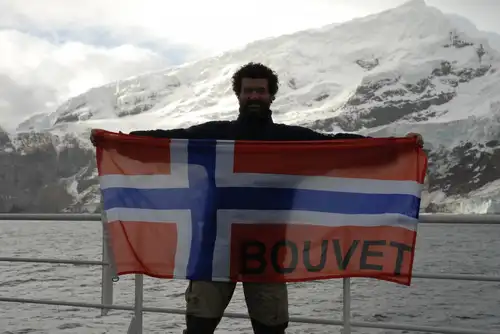
Bouvet Island: The Most Remote Island in the World

On January 1, 1739, French Commander Jean-Baptiste Charles Bouvet de Lozier made an extraordinary discovery: a volcanic island so remote that it lies 2,600 km (1,600 miles) from the nearest inhabited land.
Book Recommendations for Your Polar Cruise - Nexta Expeditions
Blog

Book Recommendations for Your Polar Cruise

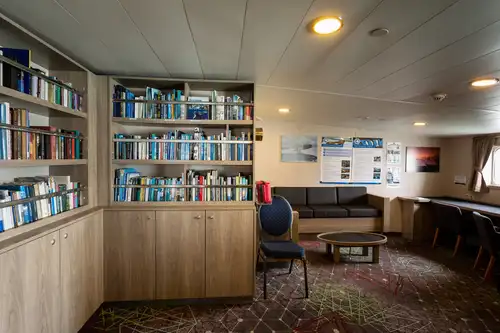
Though books can't replace the experience of visiting the polar regions, they make excellent companions for your journey. We reached out to our social media followers, many of whom are past or future travelers, to gather their recommendations for polar-related books. The results were impressive, and we've compiled them below in no particular order.
Penguin Wisdom: Life Lessons from Our Favorite Flightless Birds - Nexta Expeditions
Blog

Penguin Wisdom: Life Lessons from Our Favorite Flightless Birds

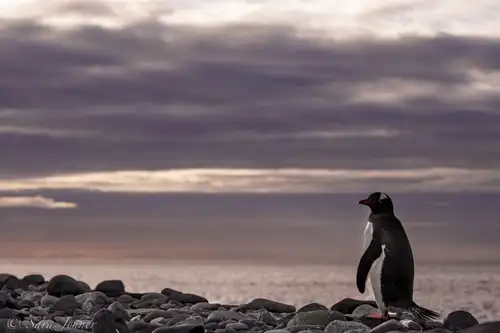
As enthusiasts of wildlife travel, we believe every creature has something valuable to impart - from the grand blue whale to the tiny cephalopod, the formidable polar bear to the elusive Arctic fox.
All things ice in the Antarctic - Nexta Expeditions
Blog

All things ice in the Antarctic

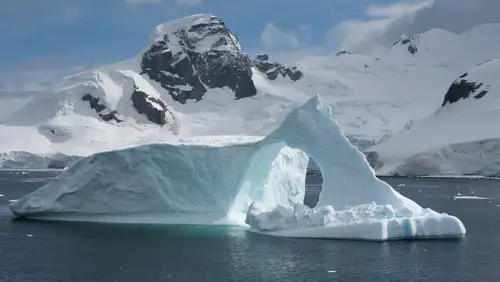
The first documented sighting of an iceberg in Antarctica occurred on February 1, 1700, when Edmond Halley was on an expedition to measure the Earth's magnetic field. He noted in his diary that he encountered "great Islands of Ice, of Soe Incredible a hight and Magnitude that I scare dare to write my thoughts on it."
Birds of the North: 29 Arctic Birds and Seabirds - Nexta Expeditions
Blog

Birds of the North: 29 Arctic Birds and Seabirds

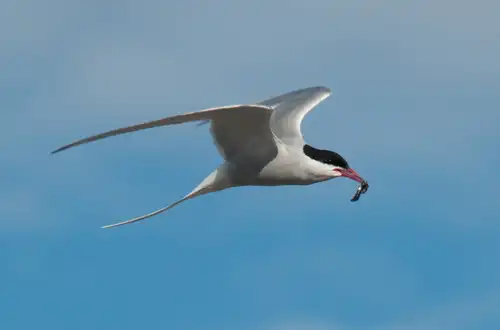
The Arctic is home to some of the world’s most majestic mammals, both on land and sea. However, the bird life in this region is equally remarkable, showcasing numerous exotic species that are highly prized by bird enthusiasts worldwide.
Birding Opportunities Abound in Spitsbergen - Nexta Expeditions
Blog

Birding Opportunities Abound in Spitsbergen

Seabirds are the most prevalent type of bird in Spitsbergen. Experts have estimated that there are 164 bird species that have been found throughout Spitsbergen at various points during recent history, but only 30 of them are known to turn to the Svalbard Islands as their primary breeding spot.
Day and night in Antarctica - Nexta Expeditions
Blog

Day and night in Antarctica

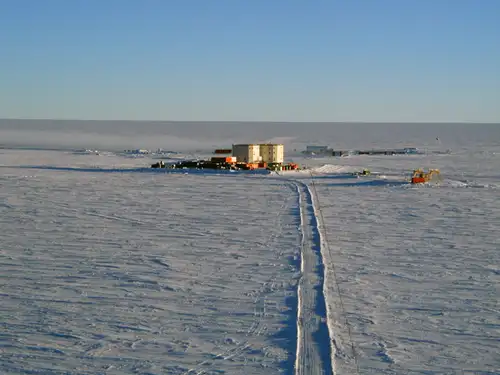
At the Concordia station, a French-Italian research facility situated 3,233 meters above sea level at Dome C on the Antarctic Plateau, European Space Agency (ESA) scientists are investigating the effects of extended space missions. The station is more isolated than the International Space Station, with the nearest humans located 600 kilometers away.
The Ways and Wildlife of the Weddell Sea - Nexta Expeditions
Blog

The Ways and Wildlife of the Weddell Sea

The Weddell Sea is situated off the coast of Antarctica, at the southernmost part of the Atlantic Ocean. Its coordinates are 75 degrees south and 47 degrees west, encompassing the Argentine, Chilean, and British territories of Antarctica. The severe weather and extensive pack ice have historically made the Weddell Sea challenging to access, but modern icebreaker ships are now enabling explorers to venture into this remote area.
South Georgia Whaling Stations - Nexta Expeditions
Blog

South Georgia Whaling Stations

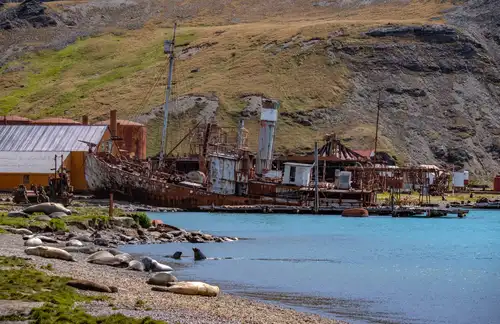
South Georgia is a paradise for animal enthusiasts. It stands out as one of the most wildlife-abundant destinations in our polar expeditions, whether in the Northern or Southern Hemisphere.
Svalbard’s Texas Bar - Nexta Expeditions
Blog

Svalbard’s Texas Bar

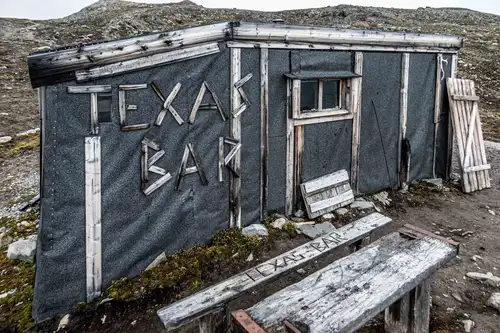
Texas Bar is one of the historic areas we visit on certain Svalbard trips, and it always proves to be a cherished landing site among both our guides and guests. This might be surprising, however, given that its name can be a bit misleading.