Get To Know Your Ice - Nexta Expeditions
Get to Know Your Ice

Get to Know Your Ice

Ice plays a crucial role in everything from cooling your drink to regulating the planet's temperature. Let's explore the various forms of ice you might encounter during an Arctic or Antarctic adventure.

Ablation refers to the loss of ice or snow from an area due to evaporation, erosion, or melting.

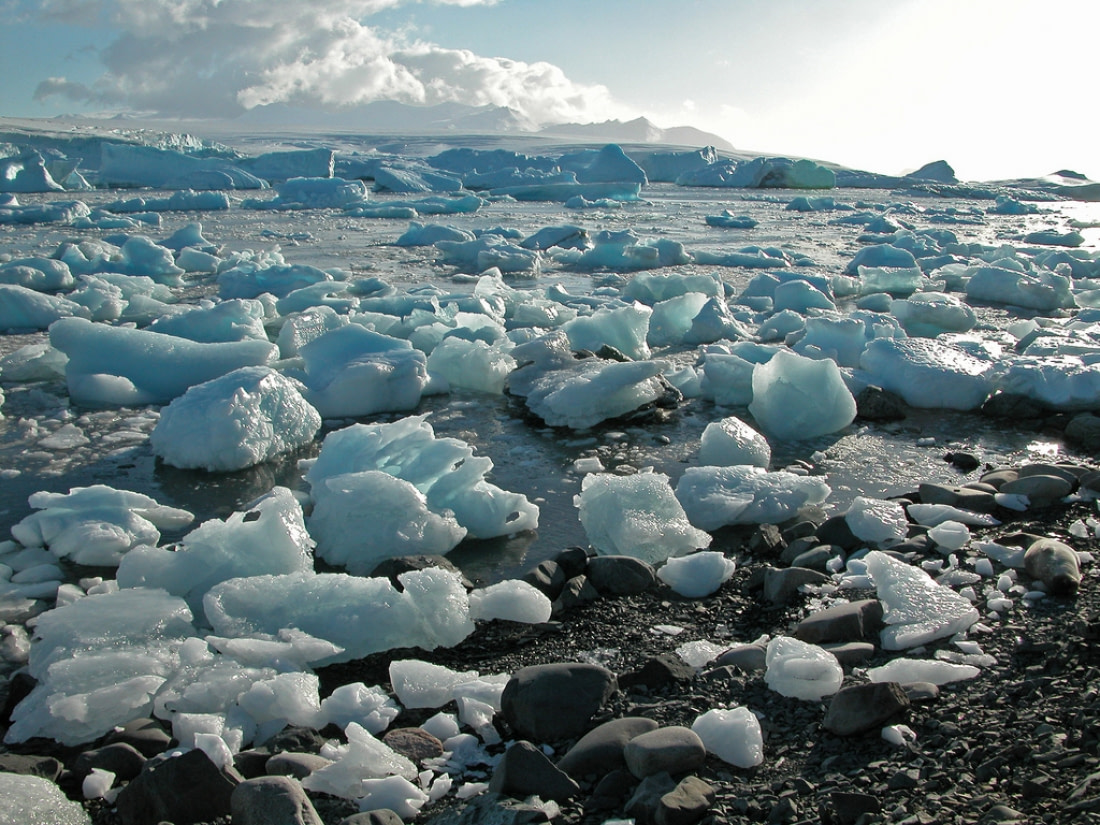
Bergy bits are small pieces of floating ice that have broken off from icebergs, ice shelves, or glaciers. They measure between 1 and 5 meters in height and cover an area of 100 to 300 square meters.
blog-image

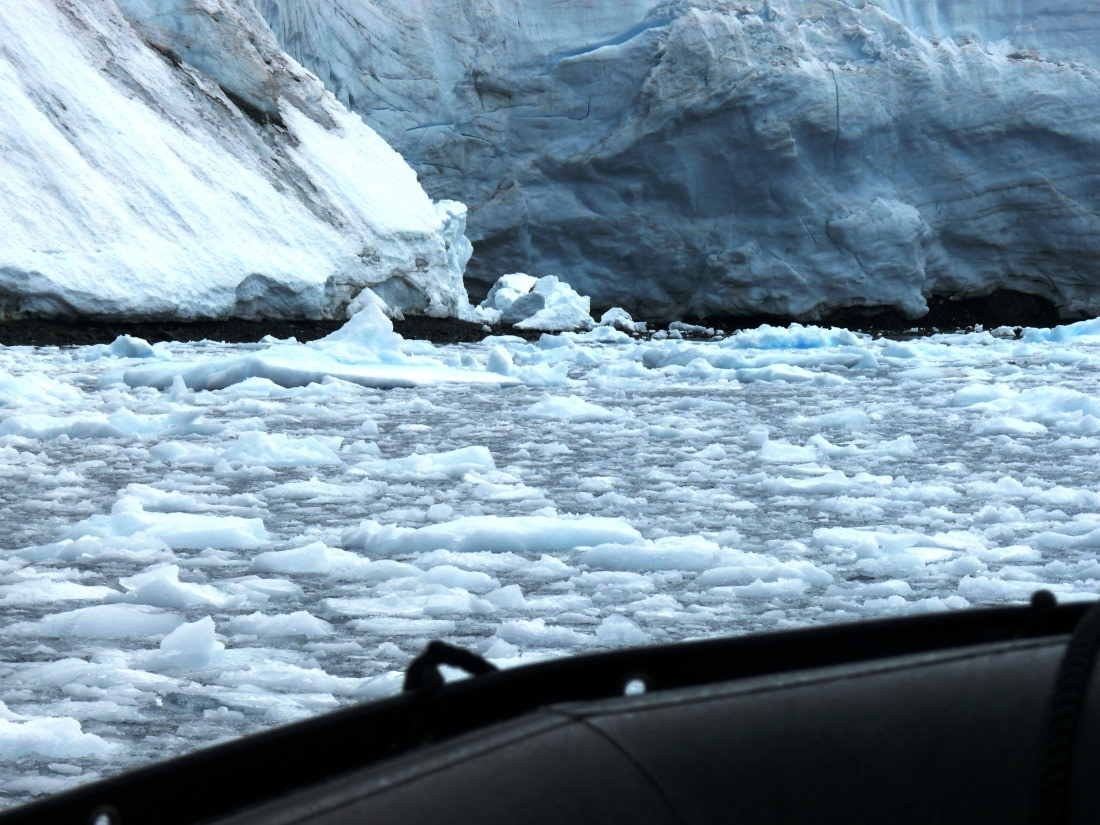
Brash ice forms when ice floes or pack ice break into smaller chunks. These pieces are generally less than 3 meters thick and 2 meters in diameter.
blog-image

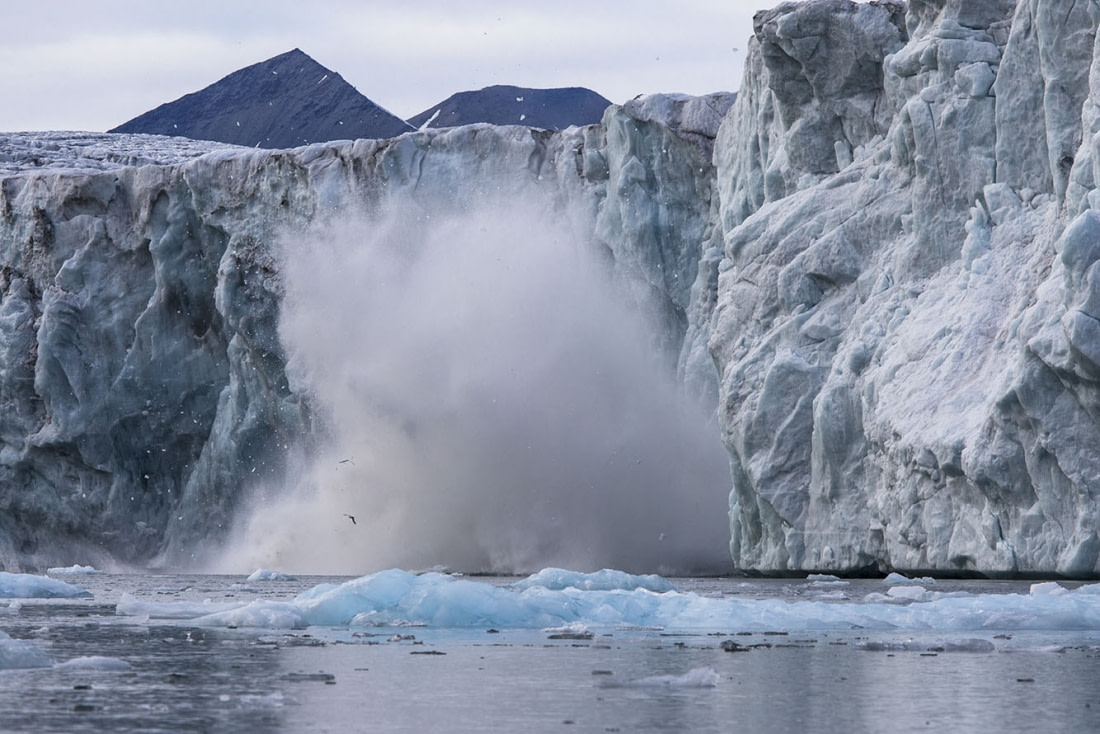
Calving is the process where chunks of ice break off from icebergs, ice shelves, or glaciers to form smaller ice bodies like bergy bits.
blog-image

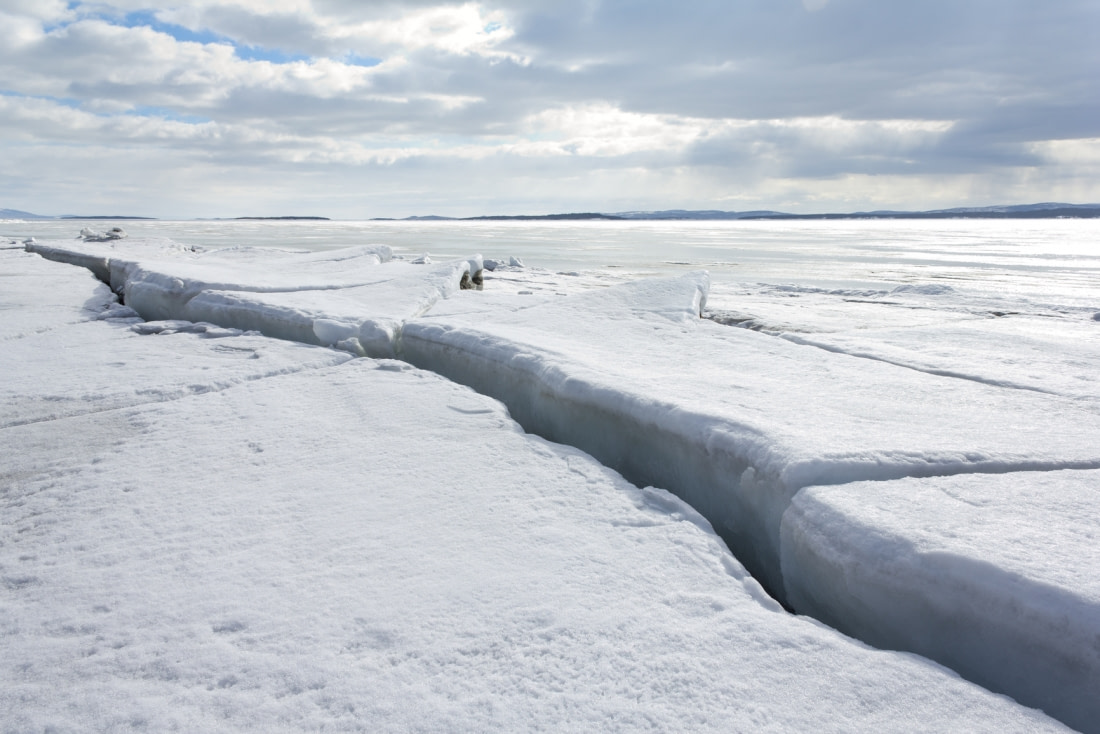
A crack is a slim cleavage in a piece of ice.

A crevasse is a larger split found in glaciers, often indicating that an iceberg is about to calve from a glacier section.
blog-image

Fast ice is ice that remains attached to the land and does not drift away. It can support temporary housing stations, aircraft, and more.

A floe is a piece of pack ice that has broken away and floats independently. Floes are categorized by size:

  • Small (less than 100 meters wide)
  • Medium (less than 300 meters)
  • Large (less than 2 kilometers)
  • Vast (less than 10 kilometers)
  • Giant (greater than 10 kilometers wide)

Frazil ice forms when ice first starts to develop on ocean waters, resembling a slushy mix of ice needles. As it freezes, it becomes known as grease ice due to its greasy appearance on the water.

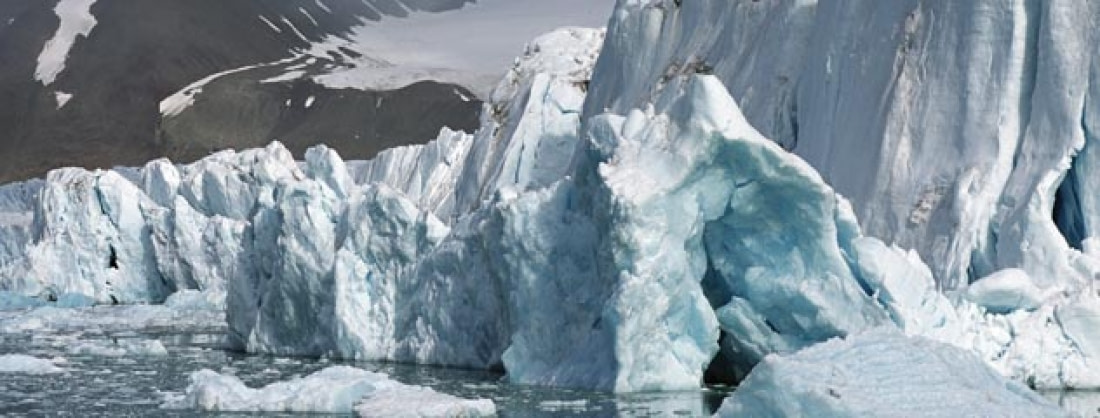
A glacier is a large body of ice found on land, slowly moving down mountains or across landscapes. One of the fastest-moving glaciers is the Jakobshavn Glacier in Greenland, which flows at about 20 meters per day.
blog-image

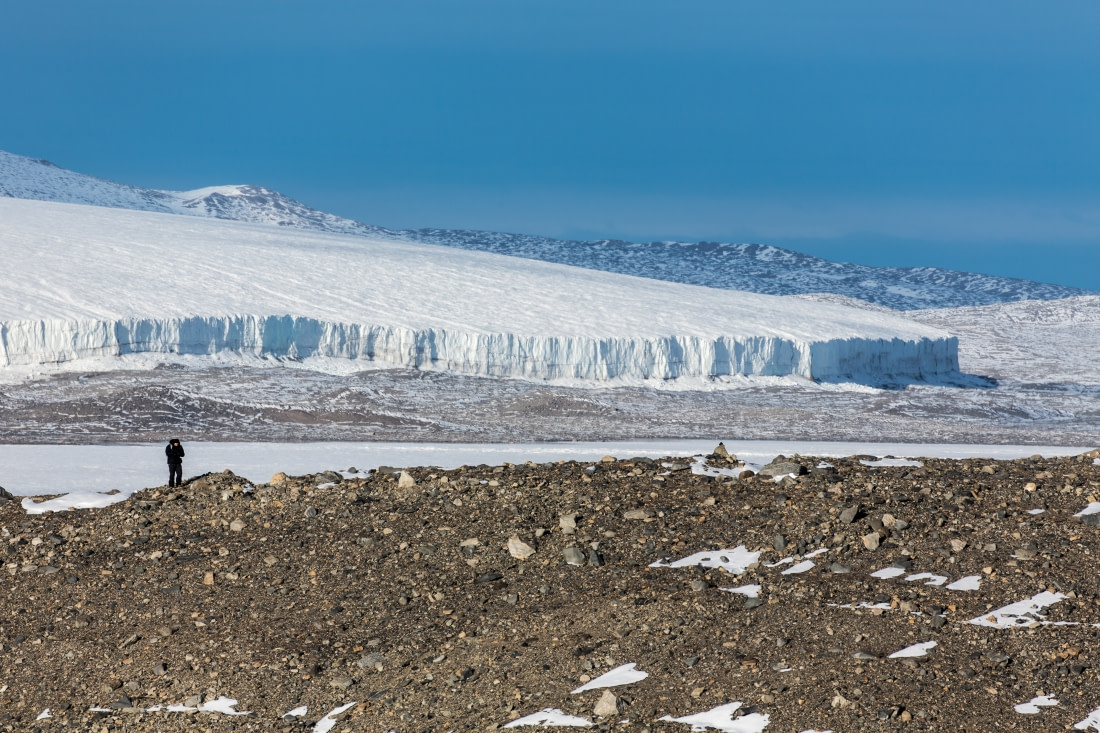
Glaciers can be further classified by their location or shape, such as continental glaciers that resemble domes or alpine glaciers that flow down valleys.

Glacier tongues are glaciers that extend into the water while remaining attached to land.
blog-image

Grease ice – see frazil ice above.

Growlers are small floating ice bodies, less than 1 meter in height and covering an area of no more than 20 square meters.

Hummocky ice consists of small mounds of ice that rise above a field of ice due to pressure.

Icebergs are large floating masses of freshwater ice, with only about 20% visible above the water. To be classified as an iceberg, the ice must rise at least 5 meters above the water and cover an area of at least 500 square meters. Icebergs can weigh from hundreds of tonnes to billions of tonnes.

Types of icebergs include:

  • Dome icebergs with rounded tops.
  • Pinnacled icebergs with pointy tops.
  • Sloping icebergs with angled but relatively flat tops.
  • Tabular icebergs with flat tops and steep sides.
  • Weathered icebergs sculpted by the weather into various shapes.

Ice blinks are reflections of light bouncing off a field of ice onto the bottom of clouds.

Ice caps are massive sheets of ice covering up to 50,000 square kilometers.

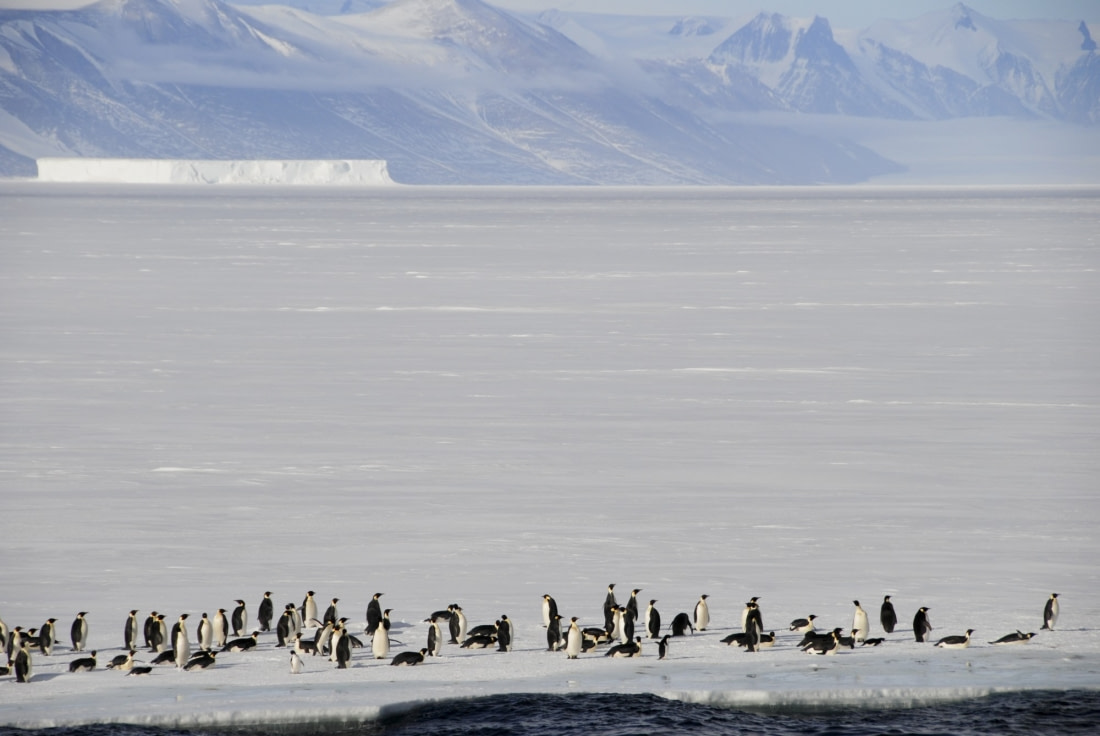
An ice edge is where the water meets the ice.
blog-image

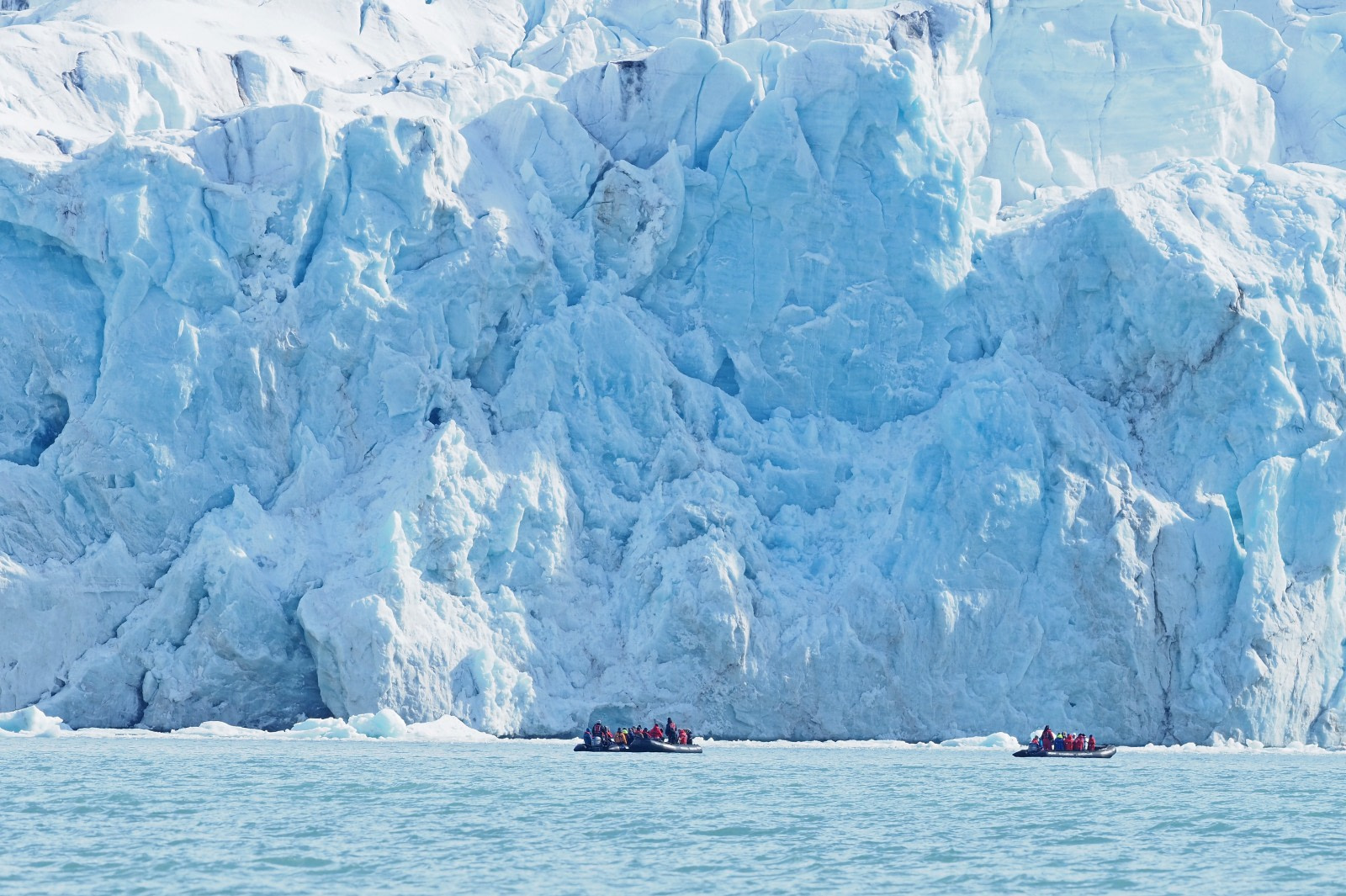
An ice front is a shelf of ice or a floating glacier rising up to 50 meters above the water's surface.

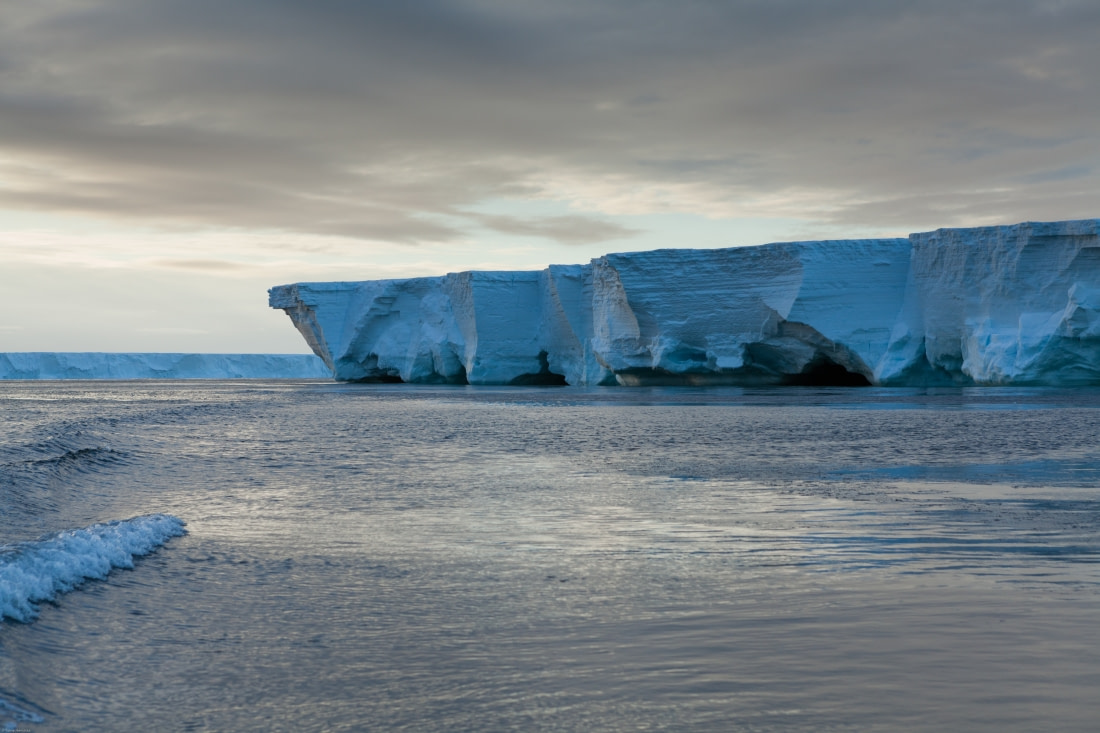
Ice shelves are sheets of ice that float on water but remain attached to land. They can be over a thousand kilometers thick, rise up to 50 kilometers above the water, and extend hundreds of kilometers along a coastline.
blog-image

Ice tongues are sections of ice that extend into the water while remaining attached to land.

Leads are openings in pack ice that ships can navigate through, hoping the ice won't close up before they reach the other side.

Moraines are rocky debris left behind by a glacier. A terminal moraine marks the point where a glacier stopped advancing and began to retreat.

Nilas is the sludge on its way to becoming solid ice, still containing a lot of saltwater and moving with ocean waves.

Nunatak refers to rocky formations like mountains that protrude above glaciers.

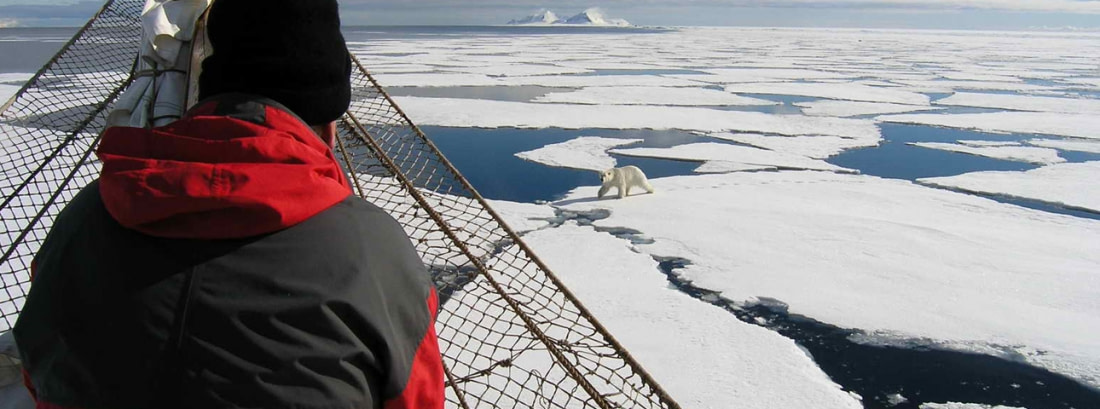
Pack ice consists of chunks of ice forming a continuous coverage over a section of water. "Open pack ice" means less than 60% ice coverage, "close pack ice" means up to 80%, and "very close pack ice" means 90%. "Consolidated pack ice" means no visible water, indicating a ship might be stuck for a while.
blog-image

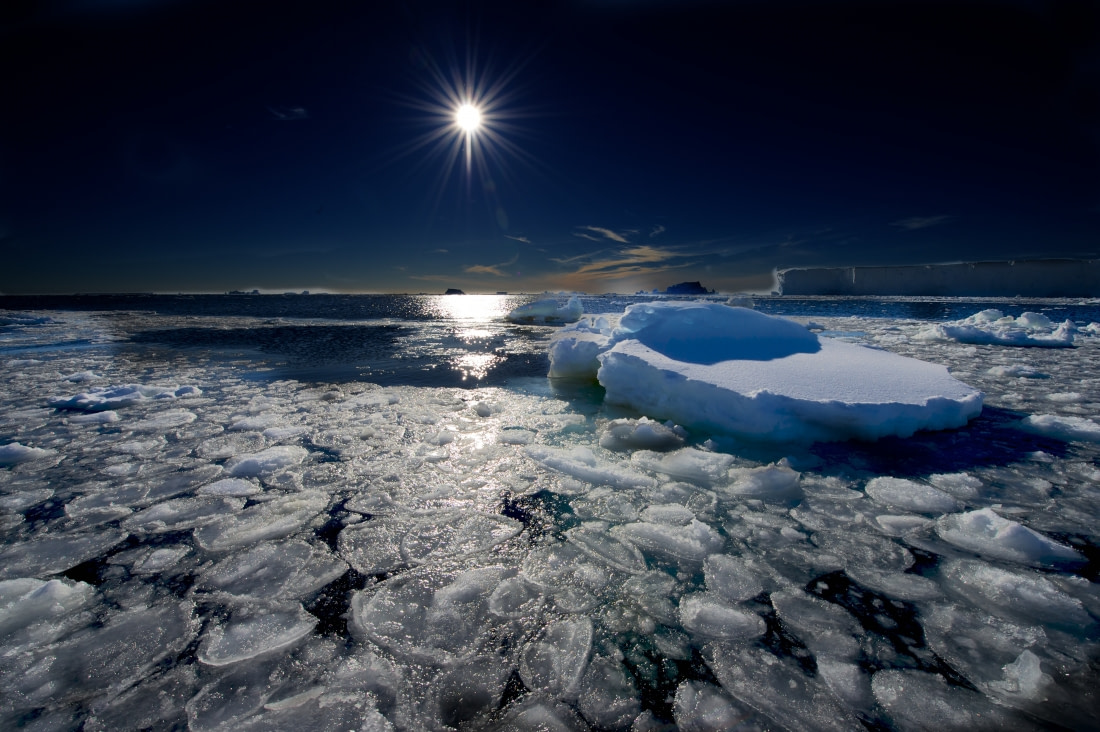
Pancake ice forms when wind and water push roundish bits of ice against each other, turning up the edges.
blog-image

Pressure ice forms due to wind and water, creating pressure ridges that rise above the ice plane.

Rafting ice occurs when one body of ice climbs on top of another, like a turtle mounting another turtle.

Rotten ice is melting or disintegrating ice that looks like a honeycomb due to water or air between the ice particles.

Sastrugi are ridges further shaped by the wind.

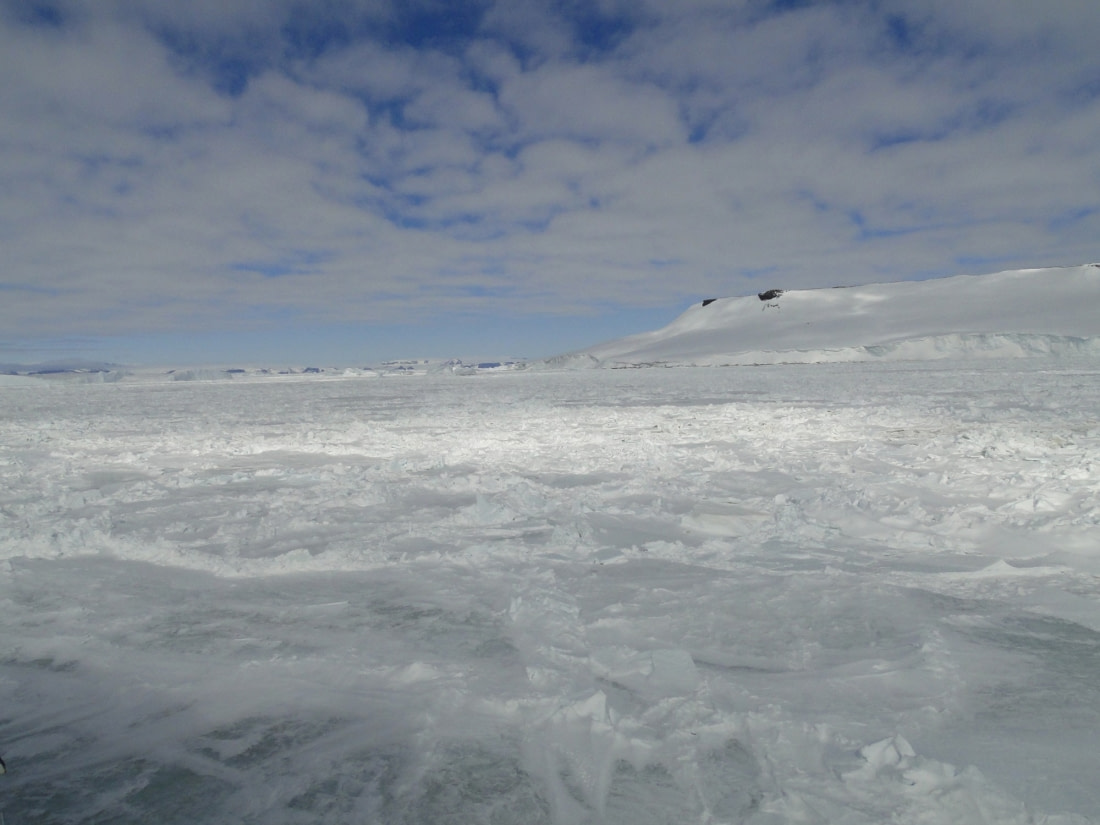
Sea ice forms on the sea and surrounds a body of land.
blog-image

Shuga refers to lumps of true ice forming out of grease ice.

Sludge or slush ice is a denser form of frazil ice, on its way to becoming true ice.

A glacier's snout is its terminus, where the glacier ends.

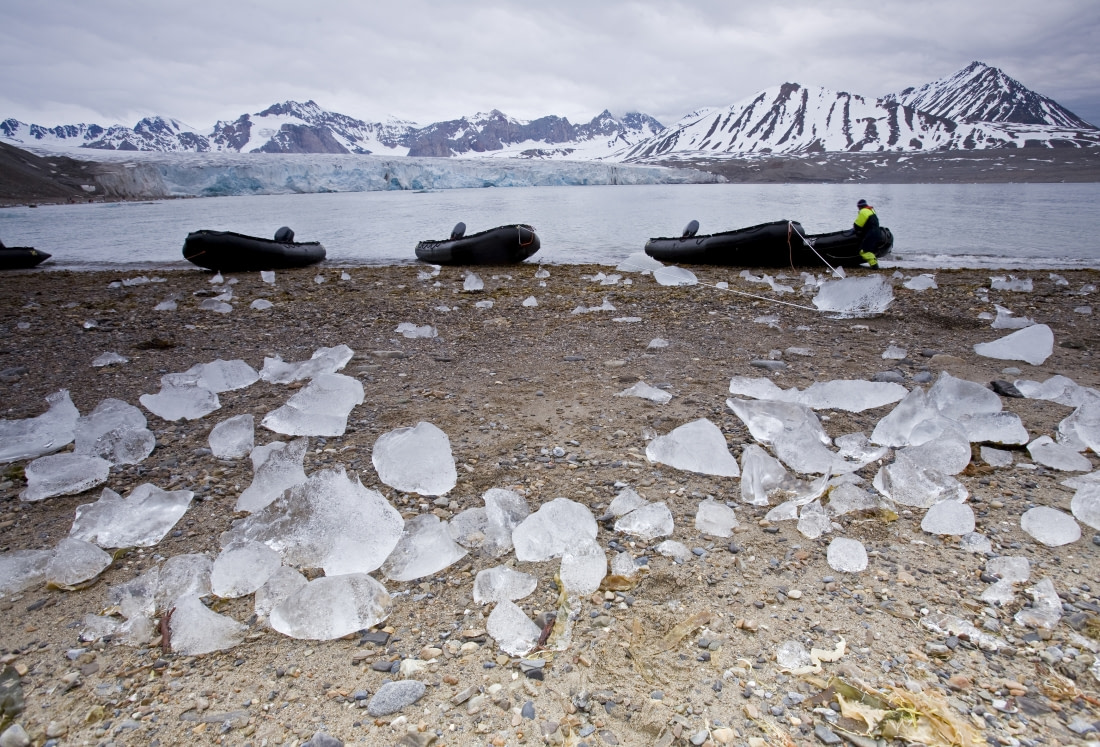
Stranded ice is ice left behind when the water beneath it recedes.
blog-image

Water sky is similar to ice blink but involves light reflecting off darker-colored water, creating a dark area on the clouds.


Blog
go-leftgo-right

Ancient Arctic Exploration - Nexta Expeditions
Blog

Ancient Arctic Exploration

When it comes to polar exploration, the Arctic boasts a much longer history compared to Antarctica.
Penguins, Petrels, and Prions: Top Antarctica Bird Tour Spots - Nexta Expeditions
Blog

Penguins, Petrels, and Prions: Top Antarctica Bird Tour Spots

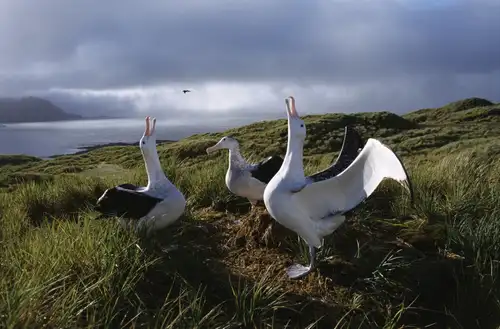
If anyone tells you Antarctica is for the birds, they’re right.
Albatross, penguin and krill research in Antarctica - Nexta Expeditions
Blog

Albatross, penguin and krill research in Antarctica

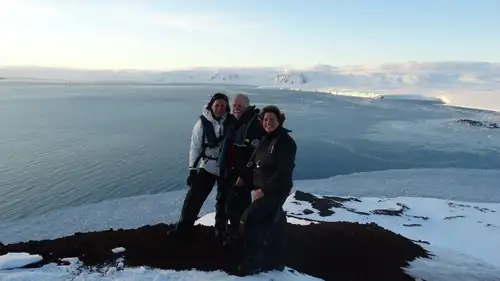
In the Antarctic region, extensive research is being conducted by national Antarctic programmes from countries like the UK, Australia, and Japan. These studies aim to understand species in the air, on the ground, and in the sea, and how these species are interconnected without variables such as human impacts and climate change.
Polar Cruises: The Ultimate Icebreaker - Nexta Expeditions
Blog

Polar Cruises: The Ultimate Icebreaker

Travel is one of life’s great eye openers. It brings you into contact with new people and perspectives, challenges old assumptions you haven’t held to the light in years, and invites you to make unexpected discoveries about the world around you – and most of all, yourself. Added to which, you get to visit places you never knew you loved until you saw them.
Polar Bear Primer: Eight Facts About the Arctic Wanderer - Nexta Expeditions
Blog

Polar Bear Primer: Eight Facts About the Arctic Wanderer

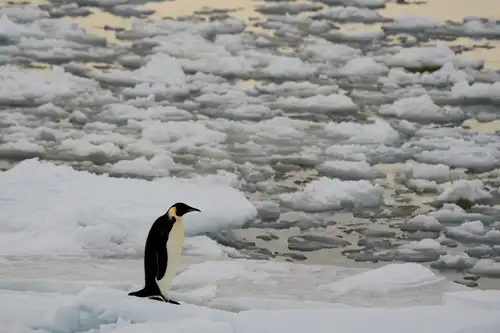
Polar bears inhabit the Arctic region across 19 subpopulations, including areas in Alaska, Canada, Greenland, Norway, and Russia. These majestic creatures prefer the edges of pack ice where currents and wind interact, creating a dynamic environment of melting and refreezing that forms ice patches and leads, which are open spaces in the sea between sea ice.
The Ways and Wildlife of the Weddell Sea - Nexta Expeditions
Blog

The Ways and Wildlife of the Weddell Sea

The Weddell Sea is situated off the coast of Antarctica, at the southernmost part of the Atlantic Ocean. Its coordinates are 75 degrees south and 47 degrees west, encompassing the Argentine, Chilean, and British territories of Antarctica. The severe weather and extensive pack ice have historically made the Weddell Sea challenging to access, but modern icebreaker ships are now enabling explorers to venture into this remote area.
Taking the Polar Plunge - Nexta Expeditions
Blog

Taking the Polar Plunge

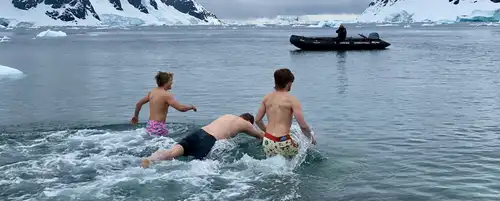
There are some human activities that for many people simply defy understanding: We juggle chainsaws, we breathe fire, we fling ourselves out of perfectly good airplanes.
The Evolving Shipboard Eco-traveler - Nexta Expeditions
Blog

The Evolving Shipboard Eco-traveler

Feeling stuck in the monotony of everyday life? Looking for a change of scenery? Look no further! Most of us spend our lives on solid ground, despite our bodies being composed of 71.5% water. You'd think we'd have a natural inclination to be in or on the water! So why not try something different? Consider an Arctic holiday adventure on the same waters that famous explorers once navigated!
Going Green: Ascension Island Sea Turtles - Nexta Expeditions
Blog

Going Green: Ascension Island Sea Turtles

Gold beaches, green mountains - and greener turtles.
The Norse Settlement of Greenland - Nexta Expeditions
Blog

The Norse Settlement of Greenland

Erik the Red is a significant and vibrant figure in the history of the Norse Vikings. His story is primarily documented in the Icelandic Sagas Huaksbók (14th Century) and Skalhóltsbók (15th Century). These accounts offer slightly different versions of events that occurred 3-400 years earlier. The original saga of Erik the Red is believed to have been written around 1200 A.D., with the Skalhóltsbók version considered closest to the original. Additionally, Flateyjarbók (13th Century), which includes the Saga of the Greenlanders, is a crucial source for understanding the settlement of Greenland and the discovery of Vinland – North America.
Antarctica Cities (and Five Other Things That Don’t Exist There) - Nexta Expeditions
Blog

Antarctica Cities (and Five Other Things That Don’t Exist There)

Why write about what you won't find in Antarctica? Most travel blogs highlight what a destination offers, but many polar tourists visit Antarctica to experience a new world and escape their old one.
Arctic Foxes: Constant Gardeners of the Arctic - Nexta Expeditions
Blog

Arctic Foxes: Constant Gardeners of the Arctic

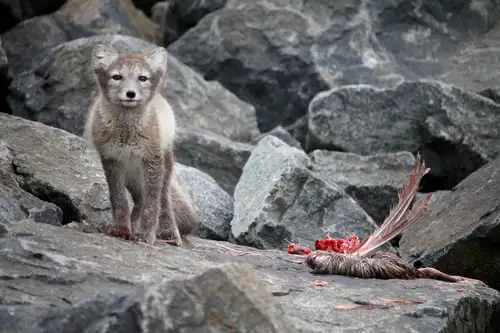
Given how widespread their habitat is, it is little wonder that Arctic foxes are one of the animals we most often see during our Greenland and Svalbard expeditions. The Arctic fox is a circumpolar species whose feeding grounds include North America, Eurasia, even Iceland, ranging from nearly the North Pole all the way down to the sub-Arctic islands.
Amphibian, reptiles and herbivore mammals in the Arctic - Nexta Expeditions
Blog

Amphibian, reptiles and herbivore mammals in the Arctic

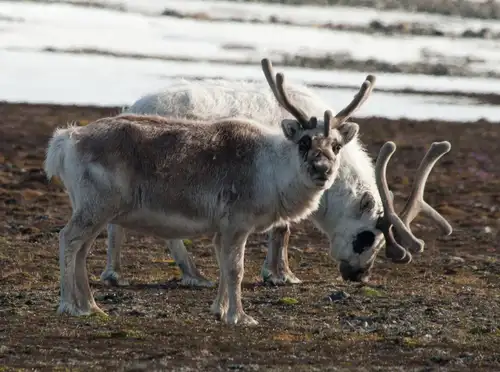
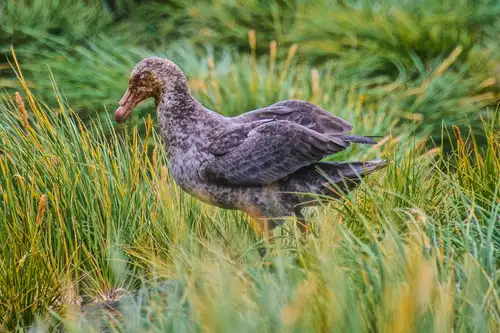
Arctic ecosystems are relatively young in geological terms, having primarily developed over the past three million years. Generally, species richness is lower in the Arctic compared to more southerly regions, aligning with scientific observations that biodiversity decreases from the Equator to the poles.
The Giant Petrels of King George Island - Nexta Expeditions
Blog

The Giant Petrels of King George Island

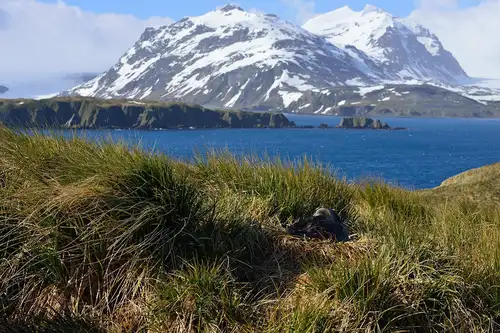
Antarctica is undeniably one of the world’s premier birding destinations.
Flowers in Antarctica - Nexta Expeditions
Blog

Flowers in Antarctica

The polar regions are among the most inhospitable environments for plants and animals. Life here faces numerous challenges, including low temperatures, high winds, solar radiation, and cell freezing. The Antarctic continent experiences extreme conditions, with darkness during winter and continuous light during summer. Winter temperatures can drop to -60°C or lower.
Top 10 Antarctic Attractions - Nexta Expeditions
Blog

Top 10 Antarctic Attractions

There’s a reason people go to such lengths to visit Antarctica, and its abundance of whales, seals, penguins, and seabirds are only part of the polar story.
The Seven Best Things to Do in Antarctica - Nexta Expeditions
Blog

The Seven Best Things to Do in Antarctica

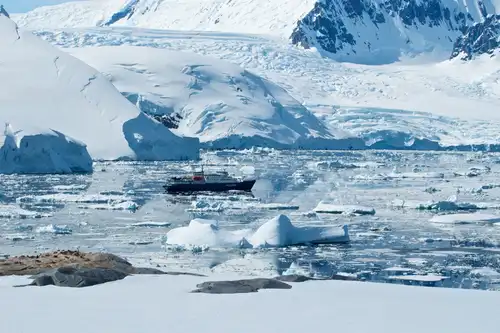
Unless you’re a scientist, there’s no such thing as a means-to-an-end trip to Antarctica.
10 Books and Films To Prepare for your Antarctica cruise - Nexta Expeditions
Blog

10 Books and Films To Prepare for your Antarctica cruise

The deep sea remains one of the most mysterious and least explored regions on our planet. With its vast, dark expanses and unique ecosystems, it continues to captivate scientists and adventurers alike.
Port Pastimes: 7 Fun Things to Do in Longyearbyen - Nexta Expeditions
Blog

Port Pastimes: 7 Fun Things to Do in Longyearbyen

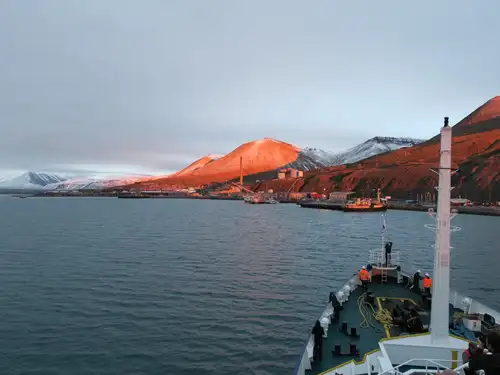
Waiting in port for an Arctic expedition cruise to begin might seem a little like waiting for water to boil or coffee to brew or a Seinfeld reunion to materialize: Time seems to defy its own laws, life slows to a crawl, and you begin to wonder if it’s really going to be worth it.
What to Expect When Crossing the Drake Passage - Nexta Expeditions
Blog

What to Expect When Crossing the Drake Passage

Positioned between the southern tail of South America and the Antarctic Peninsula's north-sweeping arm is a lively little waterway known as the Drake Passage.