

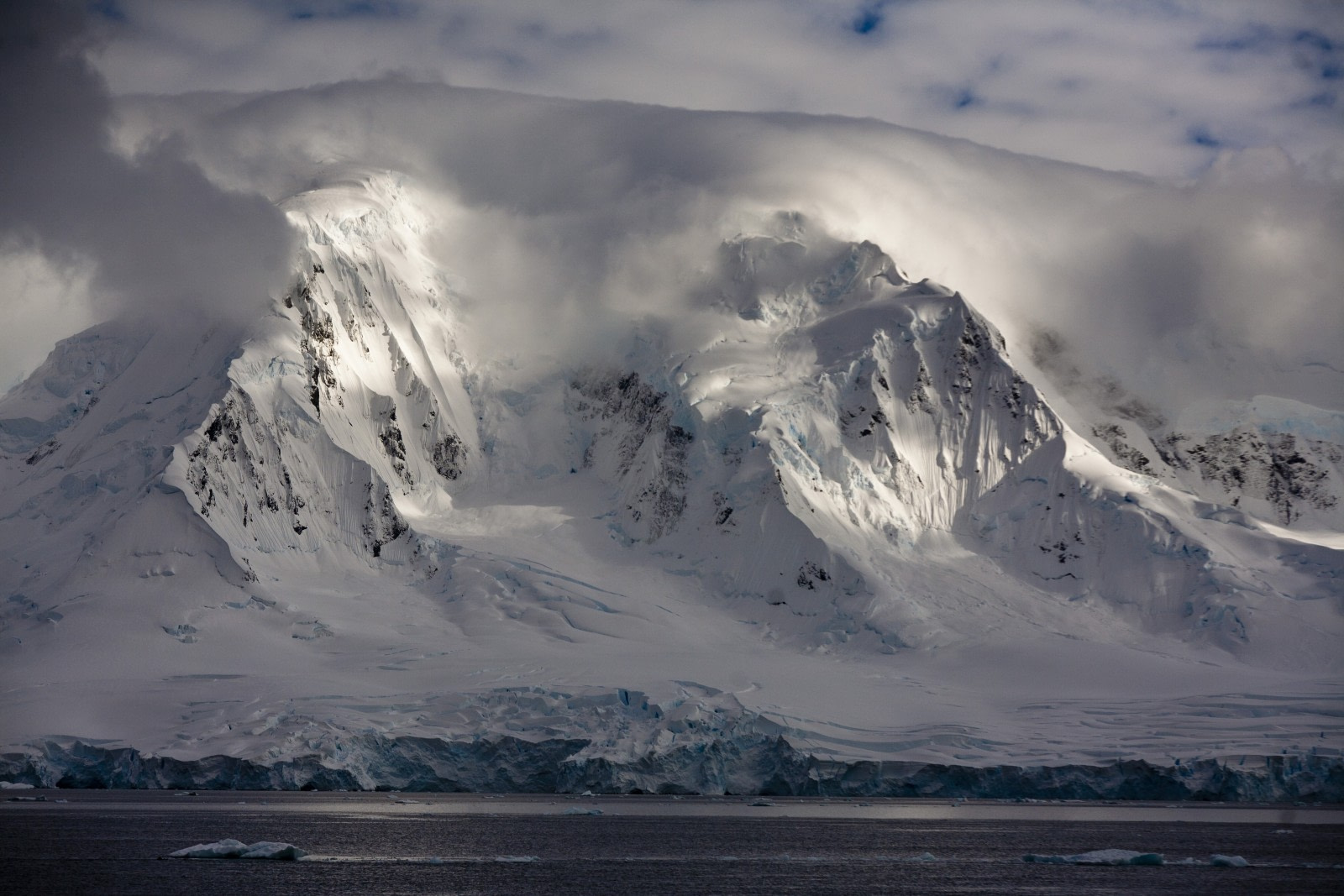
Over a hundred years ago, Robert Falcon Scott’s expedition to Antarctica discovered fossils of plants on the Beardmore Glacier, less than 500 km (310 miles) from the South Pole. Edward Wilson, who was the expedition’s chief scientist, recorded the findings in his diary, stating that “most of the bigger leaves were like beech leaves in shape and venation.”
At the time, these findings were dismissed by scientists as misidentifications, their significance overlooked for more than 100 years. But when you set foot in the Antarctic Peninsula or Ross Ice Shelf region today, many scientific advances have proven that you are in fact walking in ancient, once-thriving forests.
Antarctic coniferous trees
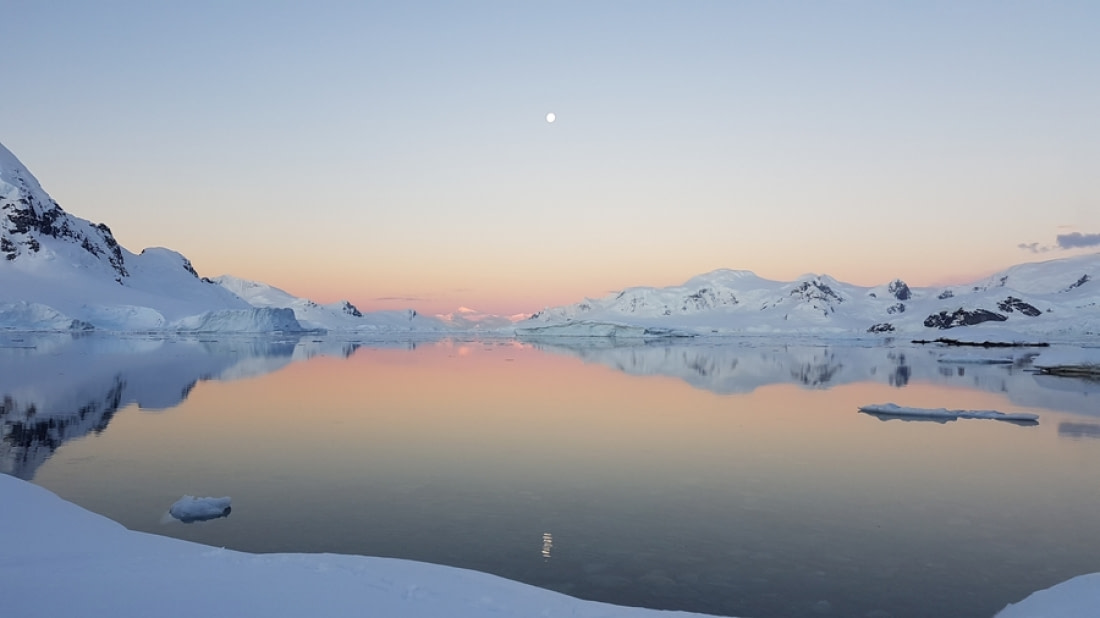
In a small part of Alexander Island, on the west coast of the Antarctic Peninsula, ancient fossil trees that date back 100 million years can be found, with logs up to seven metres high (23 feet) still found standing upright. The roots of these coniferous trees are still attached to the carbonaceous soil deposits today. Their root systems indicate that these trees thrived on the rich plains alongside large meandering rivers.
However, the coarse sand that buries the trunks shows the power of floods in the area that eventually covered the whole plain in thick sediment. Fossilised leaves found in the area show that there was a large diversity of plants that once lived there. In fact, the area was dominated by evergreen species and had a temperate rainforest at about 75°S, while today this latitude is cold and frozen.
100 million years ago, despite a winter that witnessed around 70 days of darkness, the forests were thriving in much warmer conditions. The warmth came from the size of the landmass, with Gondwanaland keeping away the cold currents that today encircle Antarctica. Researchers have found that the floodplains in the area were covered with ferns, small podocarps, and conifers. On the coastal plain, the open canopy forests were thick with conifers and ferns.
Antarctica’s formerly balmy climate
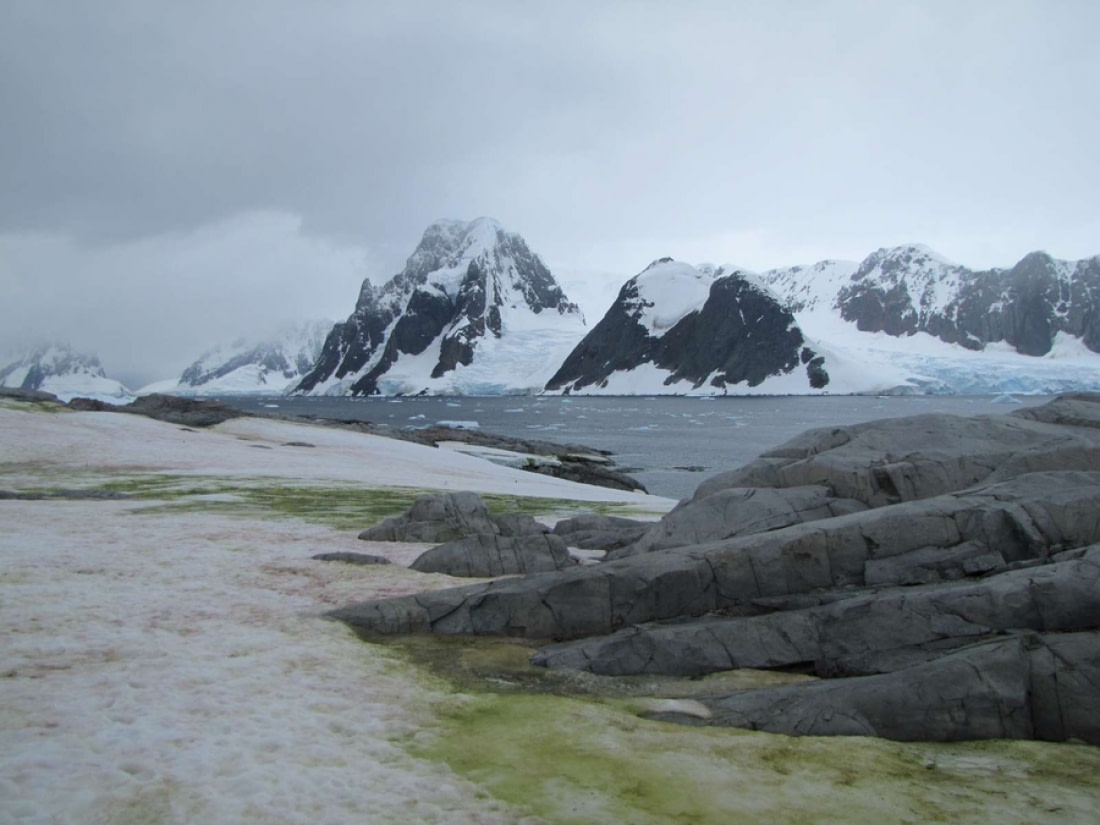
Unlike today’s temperatures in the Antarctic Peninsula, fossilised leaves found in sandstones and siltstones in the James Ross Basin of the Antarctic Peninsula region indicate that the mean annual temperatures for the area were 13 – 21°C (55 – 69°F). The fossil plants are indicative that the area had a warm climate without extended periods of winter temperatures below freezing, along with adequate moisture in the air for growth.
Fossilised Antarctic pollen revealing tundra
Scientists from Rice University in the United States, conducting research on fossilised pollen found in the Antarctic Peninsula, were amazed to find that the region was covered in tundra up to 12 million years ago. Scientists already knew that 55 million years ago Antarctica was ice-free and forested.
The continent’s vast ice sheets began forming around 38 million years ago, with the Antarctic Peninsula being the last place to be covered in ice. However, there was an ongoing debate among scientists as to how fast this glaciation occurred.
Over a three-year period, scientists determined the exact species of plants that existed on the peninsula 12 million years ago and found that the fossil record indicated a long, gradual process of glaciation over the peninsula.
Detailing plants on the Antarctic Peninsula
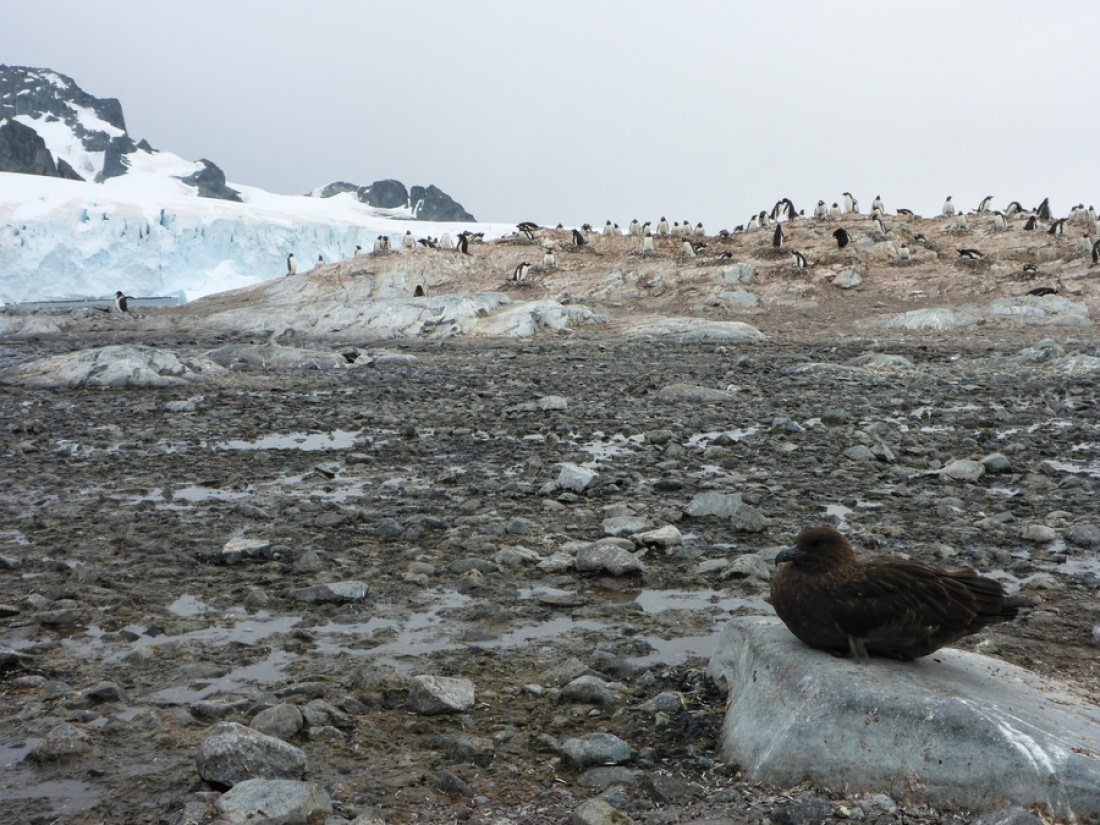
The scientists from Rice University also detailed the exact species of plants that existed on the peninsula over the past 36 million years. The pollen record in the sedimentary layers enabled the construction of a detailed picture of rapid decline in the forests during the late Eocene, around 35 million years ago, and widespread glaciation in the middle Miocene, around 13 million years ago.
It is easier said than done, as the fossilised pollen was located under 30 metres (100 feet) of dense sedimentary rock in areas off the coast of the peninsula, in shallow waters that are covered in ice for most of the year. Those who have embarked on an Antarctic Peninsula cruise would know the rugged conditions in which these researchers worked.
Dating the Antarctic sediments
Not only did the Rice University scientists have to date the pollen, they also had to date the age of various sediments in each core sample taken. They determined whether the rocks formed below an ice sheet in open marine conditions or in a combined glacial-marine setting.
Their research involved painstaking counts, categorisation, and examination of the texture of thousands of sand grains preserved in the sediment. Their goal was to find out how much of the area was covered by glaciers over the past 36 million years.
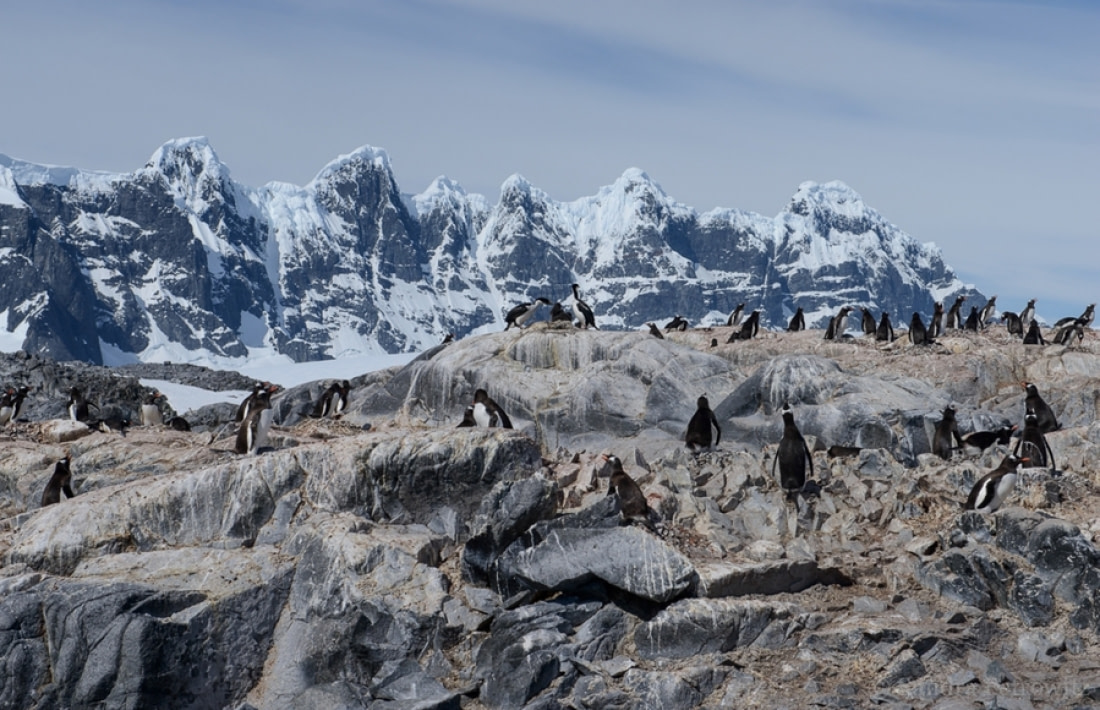
A forest high in Antarctica’s mountains
Meanwhile, researchers from UW-Milwaukee climbed the frozen slopes of the Transantarctic Mountains and found grey rocks containing fossils from Antarctica’s forested past. They found fossil fragments of 13 trees and discovered fossils of trees that are over 260 million years old, meaning that this particular forest was growing at the end of the Permian Period, before the first dinosaurs.
At that time, Antarctica was still at the South Pole. The scientists were hoping to find fossils from the Permian Period, as this period ended 251 million years ago with a mass extinction caused by a sudden shift from icehouse to greenhouse conditions. During this time, more than 90 percent of species disappeared, including the polar forests.
Low diversity of plants
The scientists are trying to figure out why these hardy species went extinct. It is estimated that this extinction event was relatively quick in geological terms, occurring over 200,000 years. During that time, volcanoes in Siberia released an enormous quantity of greenhouse gases into the atmosphere.
The scientists found that the forests had a low diversity of plants each, and specific functions affected how the whole forest responded to environmental change. This is in contrast to modern forests today, which have wider plant diversity and therefore are more adaptable to change.
Nonetheless, the Antarctic forest was quite resilient, with the plants able to survive through polar extremes of 24-hour light in summer and complete darkness in winter.
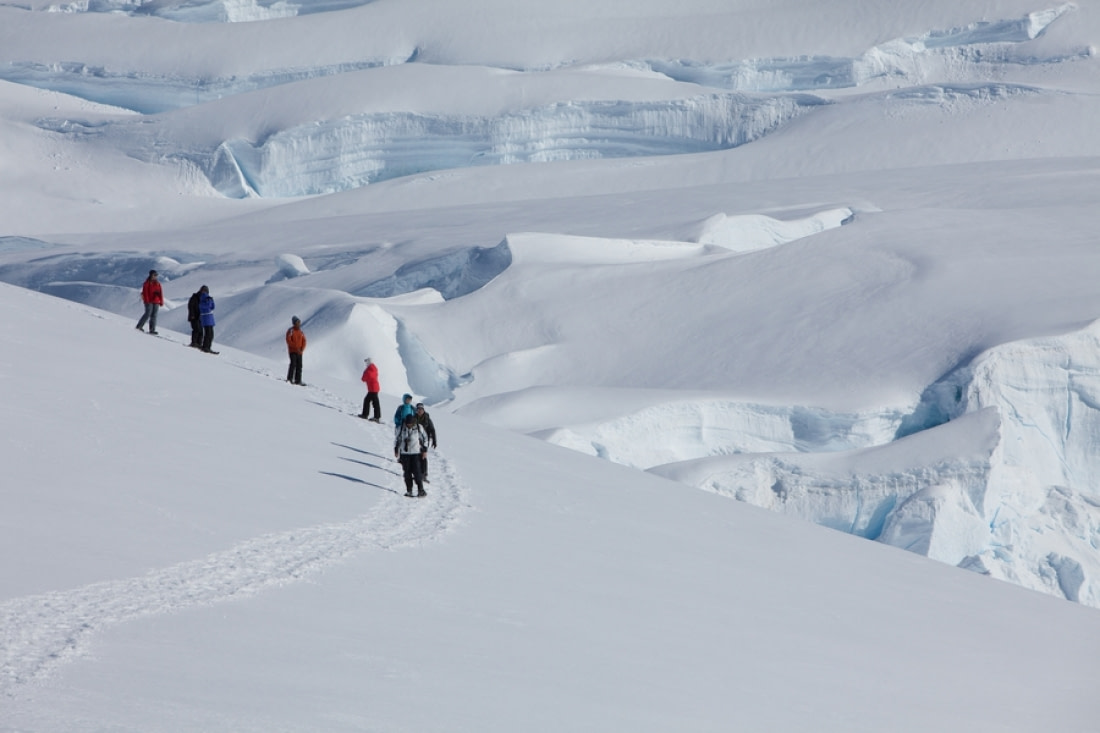
Antarctic plants turning on and off their growing cycles
By studying the preserved Antarctic tree rings, the researchers found that these trees transitioned from summer activity to winter dormancy within a month. Modern plants, meanwhile, make the transition over several months.
The next question researchers are working on is how months of perpetual light affect the plants’ day and night cycles. There are no other plants living currently that have the ability to turn on and off their growing cycles, so scientists will next study how these plants managed to force themselves out of dormancy when it was still dark.
The fossil food of Antarctica
The remnants of ancient forests are providing a source of life today in Lake Whillans, which sits below nearly 1 km (0.61 mile) of ice in west Antarctica. Despite a heavy layer of ice on top, there is liquid water in the lake.
When scientists drilled through the ice and took samples of the lake’s water and the sediment beneath it, they found the water contained a thriving microbial community. The sediment contained microfossils of marine organisms, fossilised pollen from both beech trees and conifers, and pollen some 34 million years old.
In fact, both types of fossils are providing nutrients to the microbial community that is living in pitch darkness and at high pressures and low temperatures. Though an Antarctica trip reveals how amazing the region is from a sensory perspective, the findings of researchers in Antarctica similarly reveal how amazing the inner workings of the terrain continue to be.


Blog


Port Pastimes: 7 Fun Things to Do in Longyearbyen
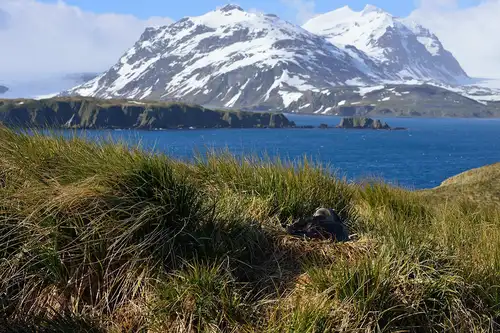
The Plants of Antarctica
Around Spitsbergen vs. North Spitsbergen
Life migrating through the Polar Front
The Wonderful Weddell Sea: Places, Pics, and Impressions
Antarctica’s Hourglass Dolphin
The Research Stations of Antarctica and the sub-Antarctic
Svalbard’s Texas Bar
15 Toothy Facts About the Atlantic Walrus
Antarctica in Pictures: Photos from 2018
15 Falkland Islands Bird Photos

Shackleton’s Push to the South Pole
8 Scientific Wonders of the Arctic
Shackleton’s Long-Lost Endurance Discovered in Antarctica
The Secret Life of Glaciers: How They Form, Move, and Melt

A visit to the fascinating island of Jan Mayen
Polar Bears and Pack Ice: 22 Pics from North Spitsbergen
Eight Antarctic Misconceptions
Polar bear feast