

A discovery expedition launched by the Falklands Maritime Heritage Trust achieved a long-awaited mission when it located Anglo-Irish explorer Ernest Shackleton’s lost ship Endurance last Saturday (March 5).
Crushed by sea ice in 1915 during the Imperial Trans-Antarctic Expedition, the vessel was found in an astonishingly preserved state 3,000 meters (10,000 feet) deep on the Weddell Sea floor, near the southern leg of our Remote Weddell Sea Explorer route.

The searchers were on the verge of ending their expedition, having scoured most of their predefined search area over two weeks. Then, on the 100th anniversary of Shackleton’s burial at Grytviken, South Georgia, they finally found their prize.
Since that momentous discovery, which mission leader John Shears said was often deemed impossible, the team has been using remotely operated submersibles to capture photos and videos of the vessel. They’ve done this from the same South African icebreaker, Agulhas II, which they also used for the search.
Endurance is now a designated monument protected by the Antarctic Treaty, meaning the vessel cannot be disturbed nor any artifacts removed from it. But the search team’s photos already crisply detail the ship’s name on the stern and its five-pointed Polaris star below, which gave the ship its original name. Anchors, dishware, even boots have also been photographed.
Polar biologists think the good condition of the ship may be in part due to the absence of wood-eating sea life that tends to consume timbered vessels. These organisms are not present in the forestless region of Antarctica, though that hasn’t stopped a number of other marine animals from claiming real estate on and around the ship: sponges, sea squirts, anemones, and many other such species have happily appropriated areas once occupied by Shackleton’s indomitable crew.

The discovery of Endurance is not only made sweeter by its pristine condition, however. Any student of polar history will tell you the ship forms a centerpiece of expedition lore for its association with one of the greatest rescue stories in recorded history: Shackleton’s journey from Elephant Island to South Georgia.

After Endurance sunk in the Weddell Sea, her crew made an arduous lifeboat voyage to Elephant Island. But this was just the beginning for Shackleton and five of his men, who then sailed 1,336 km (830 miles) in one of their 6-meter (20-foot) lifeboats to South Georgia, which they reached fifteen days later in hurricane winds. Upon landing, they next had to achieve a hellish 36-hour land trek to the whaling station of Stromness before finding a rescue team for their fellows back on Elephant Island.

The end of this expedition (and not long after, Shackleton’s death) are often cited as the end of the Heroic Age of Antarctic Exploration. But the discovery of Endurance promises scientists and scholars of the period exciting new findings we look forward to learning about in the months to come.


Blog


Large and in Charge: Antarctica’s Southern Elephant Seals
Orcas (aka Killer Whales) of Antarctica and the sub-Antarctic
Adélie Penguins: the Little People of the Antarctic
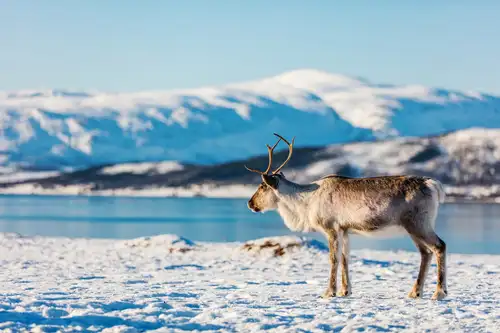
Eight Engaging Reindeer Facts

Five of History’s Greatest Polar Explorers
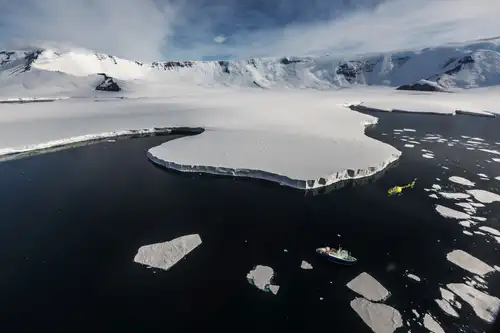
Taking a polar expedition cruise delivers no shortage of show-stopping highlights, but one of the most exhilarating is lifting off from the ship in a helicopter and taking flight over the incomparable Antarctic wilderness.
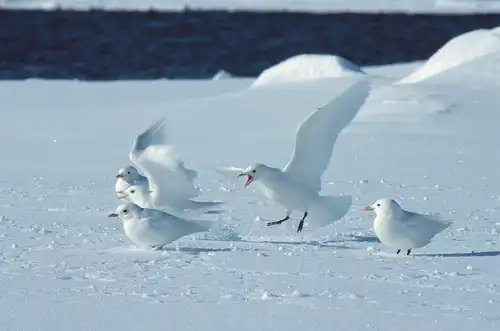
Birds of the North: 29 Arctic Birds and Seabirds
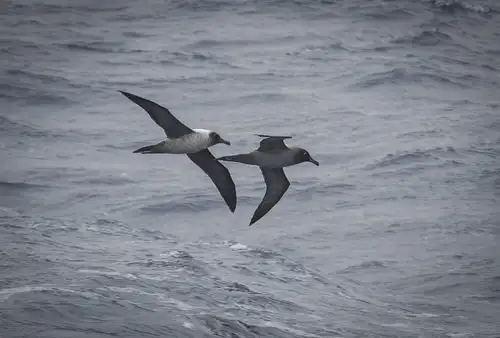
Birds of the South: 33 Antarctic Birds and Seabirds
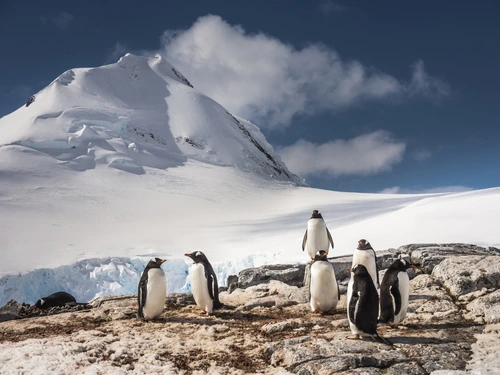
Top Antarctica Cruise Experiences for 2025
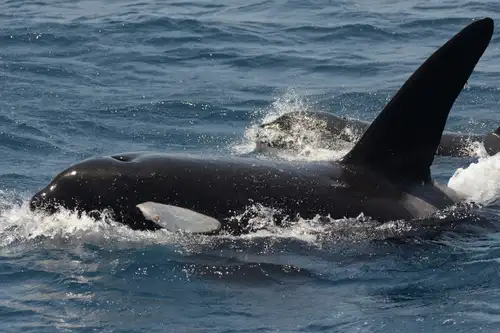
8 Whales You Might See During Your Antarctica Cruise
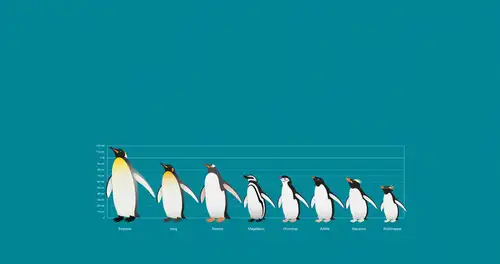
The Eight Great Penguin Species of Antarctica
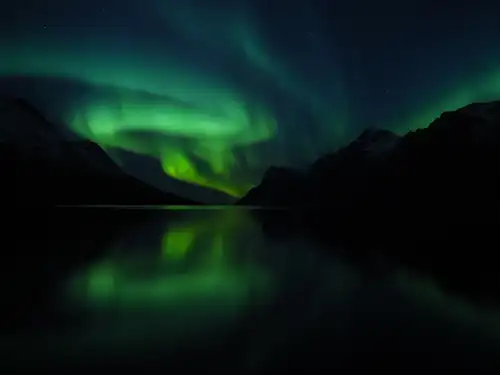
10 Illuminating Facts about the Northern Lights
Hondius Photography and Video Workshops

True South: A New Flag for a Global Antarctica
The South Georgia Seven: Hikes, Fjords, Whales, & Penguins

Visa to Argentina for Antarctic Expedition Travelers (2025 Guide)
Greenland: Where the Kayak Was Invented
Tracking Greenland’s Wildlife from Space
Seven Sublime Antarctic Bays