The Pack Ice And Polar Bears Of North Spitsbergen - Nexta Expeditions
The Pack Ice and Polar Bears of North Spitsbergen

The Pack Ice and Polar Bears of North Spitsbergen

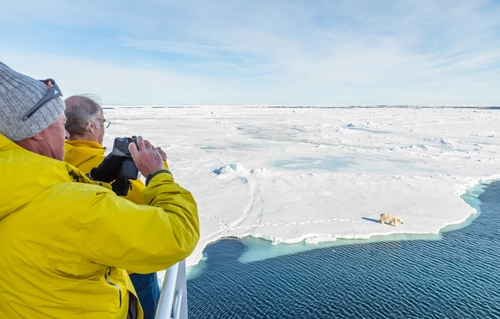
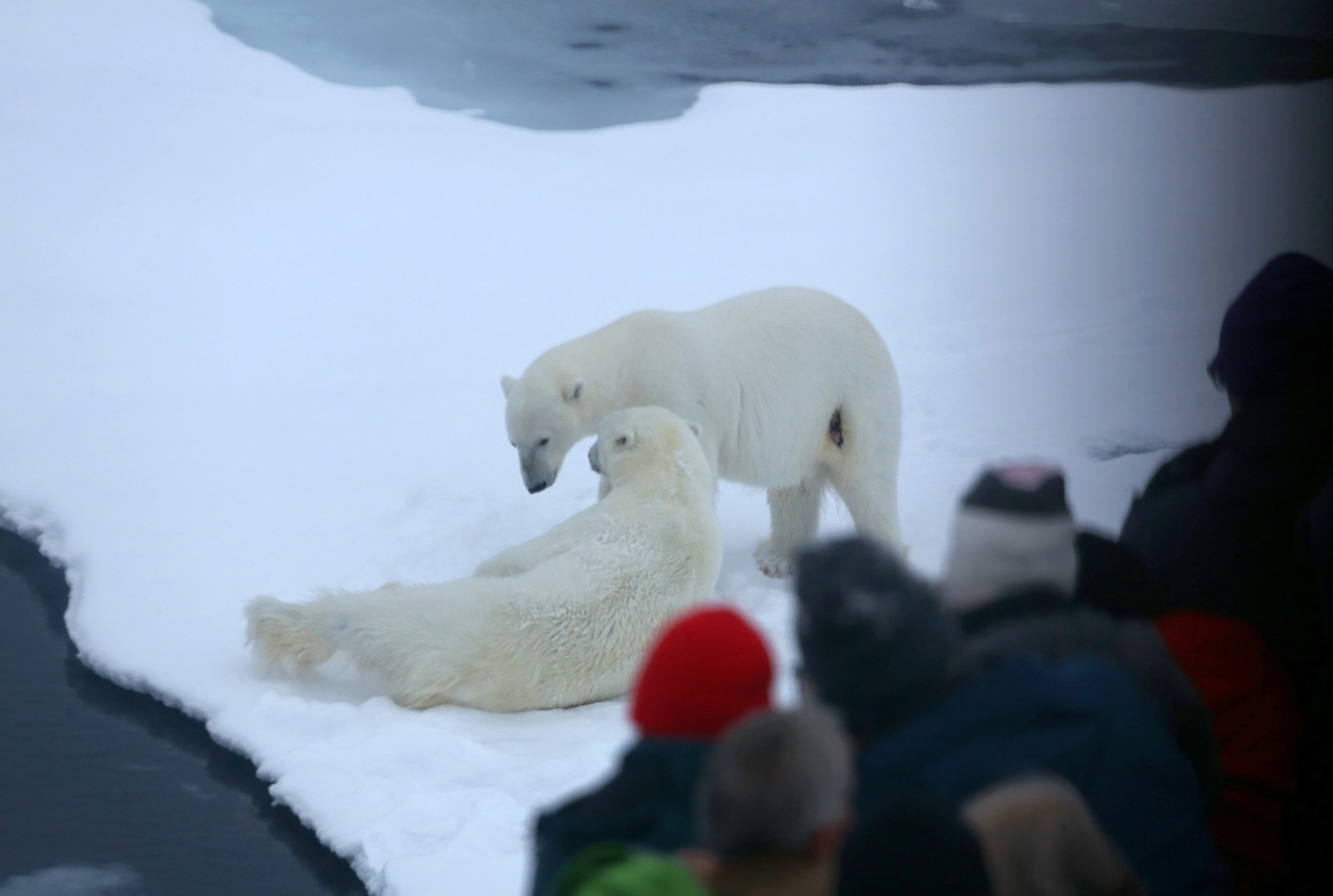
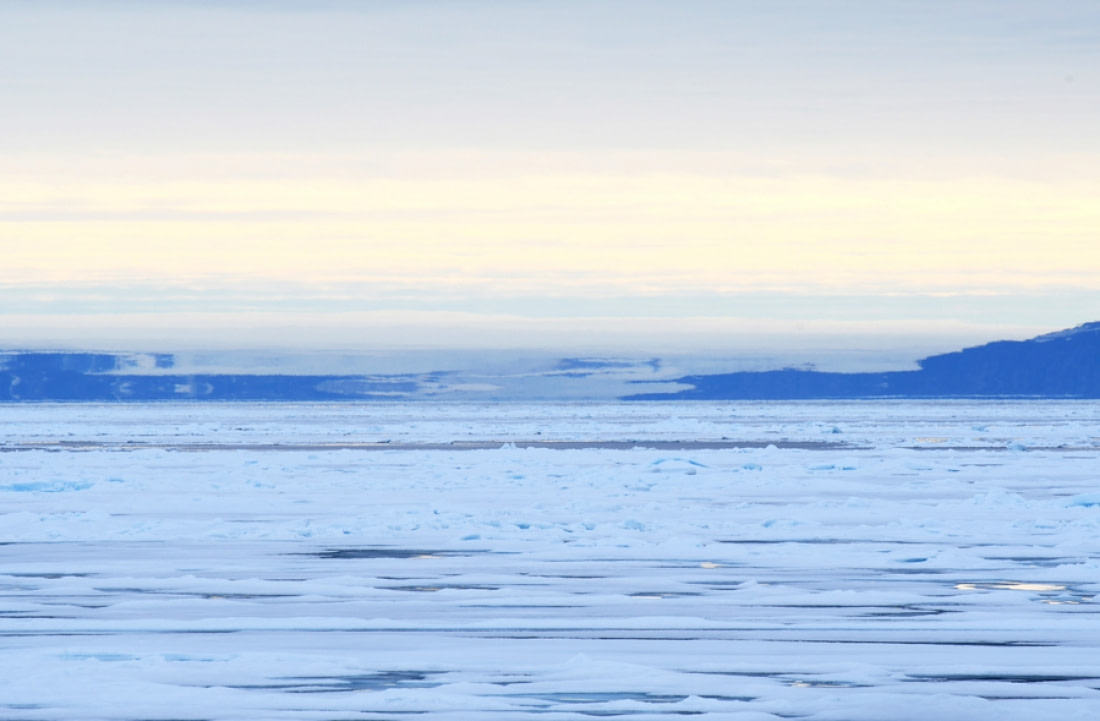
The Arctic archipelago of Svalbard is renowned for being one of the prime locations to observe polar bears. The largest island in this region, Spitsbergen, not only offers sightings of these majestic Arctic creatures but also provides a unique opportunity to experience the phenomenon of pack ice.

However, we have yet to delve into the specifics of north Spitsbergen, which stands out as the ultimate spot in the entire island chain to witness both pack ice and polar bears.

In this article, we will address this oversight by detailing a Svalbard trip that thoroughly explores the quest for bears and ice - a voyage aptly named “North Spitsbergen, in Search of Polar Bears and Pack Ice.”
blog-image

A brief day-by-day glance at our North Spitsbergen quest for polar bears and pack ice

This exhilarating voyage, while encompassing other exotic Arctic wildlife and landscapes, primarily focuses on the two most iconic elements of the region.
blog-image

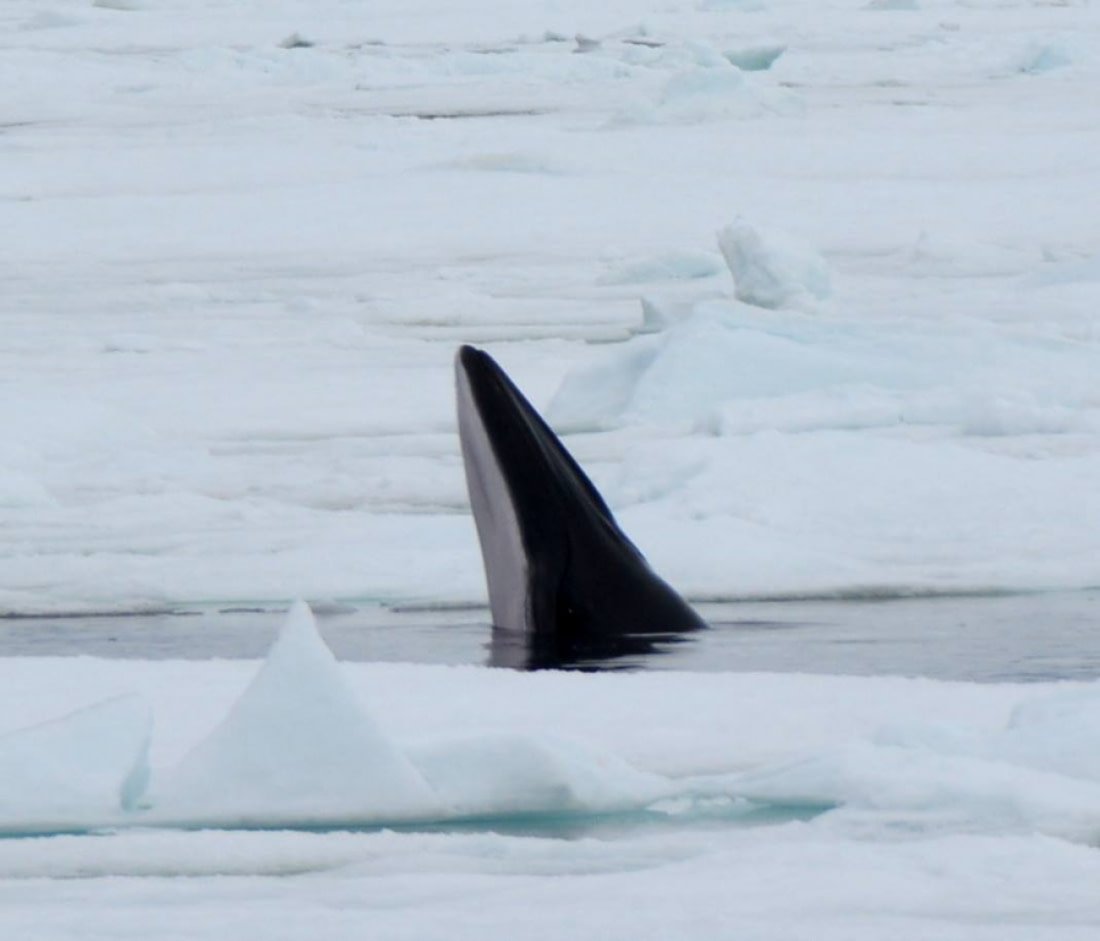
Like other Svalbard cruises, this journey begins in Longyearbyen, the administrative center, where you can explore local attractions before embarking. By early evening, you’ll be sailing out of Isfjorden, where it’s advisable to keep an eye out for minke whales.
blog-image

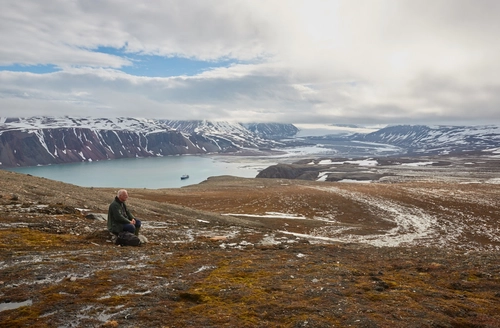
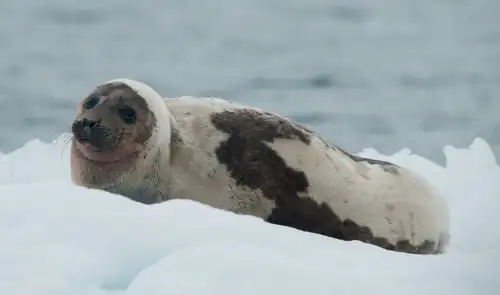
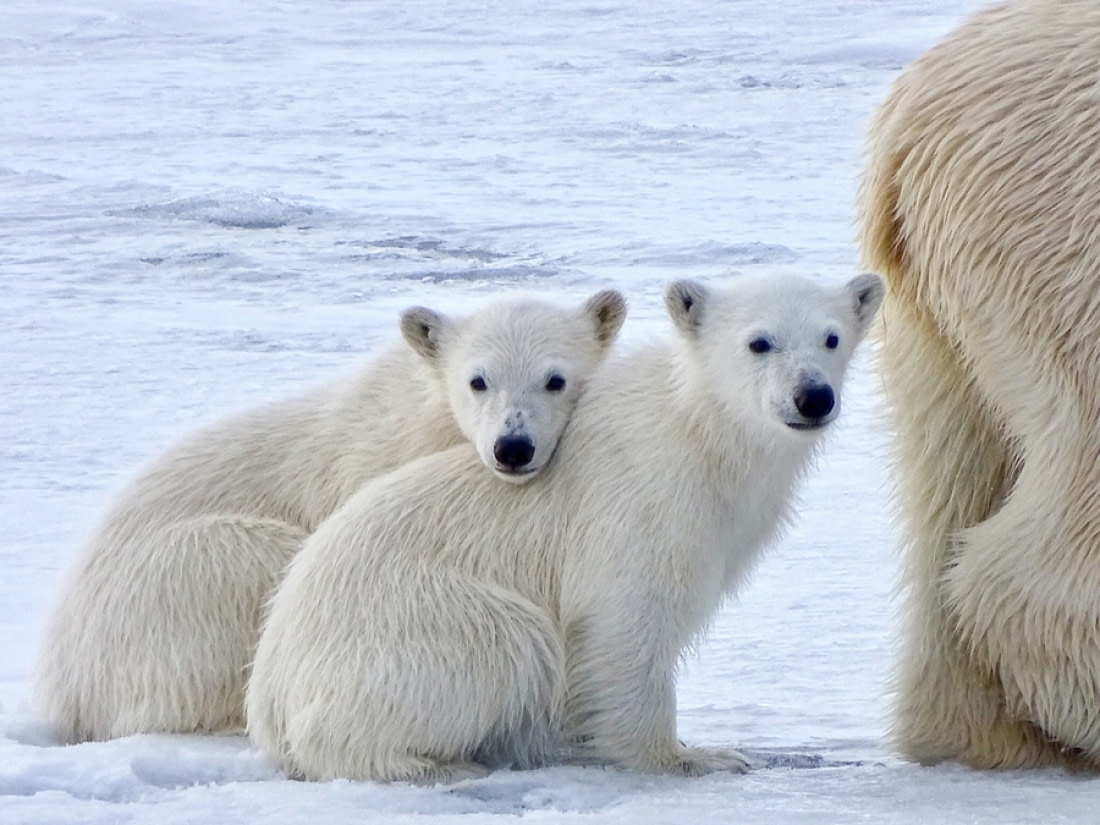
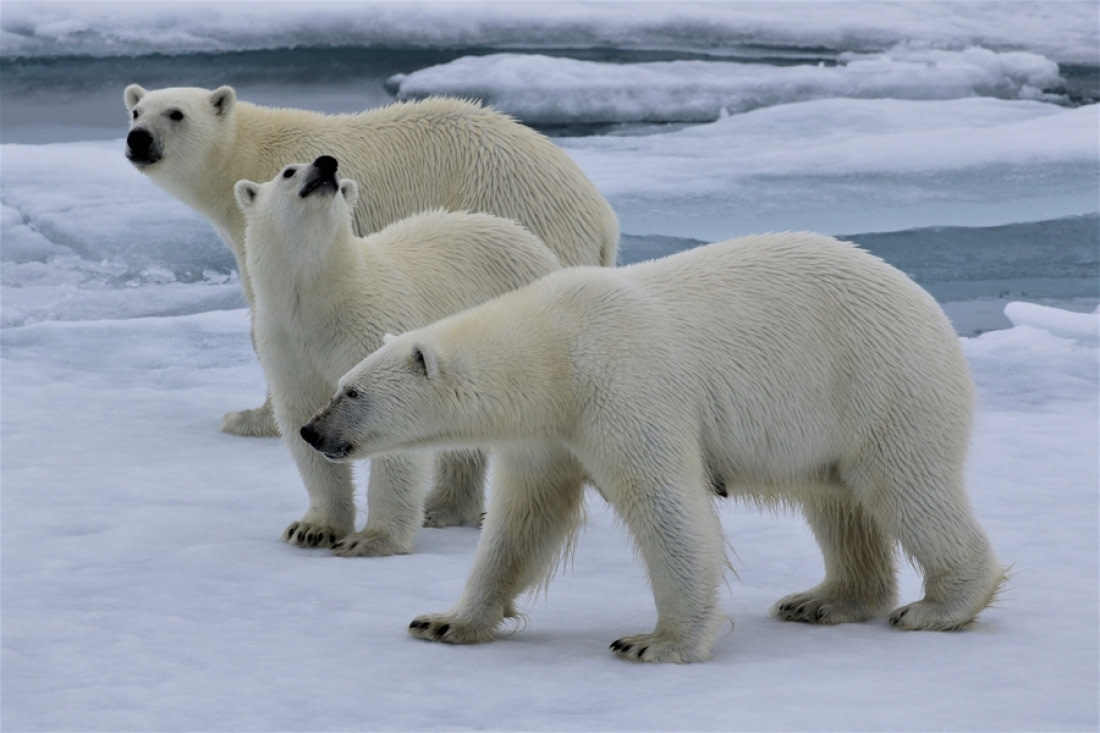
The next day, you’ll reach Raudfjorden, a vast fjord filled with glaciers. This area is home to ringed and bearded seals, thriving seabird colonies, rich vegetation, and polar bears.
blog-image

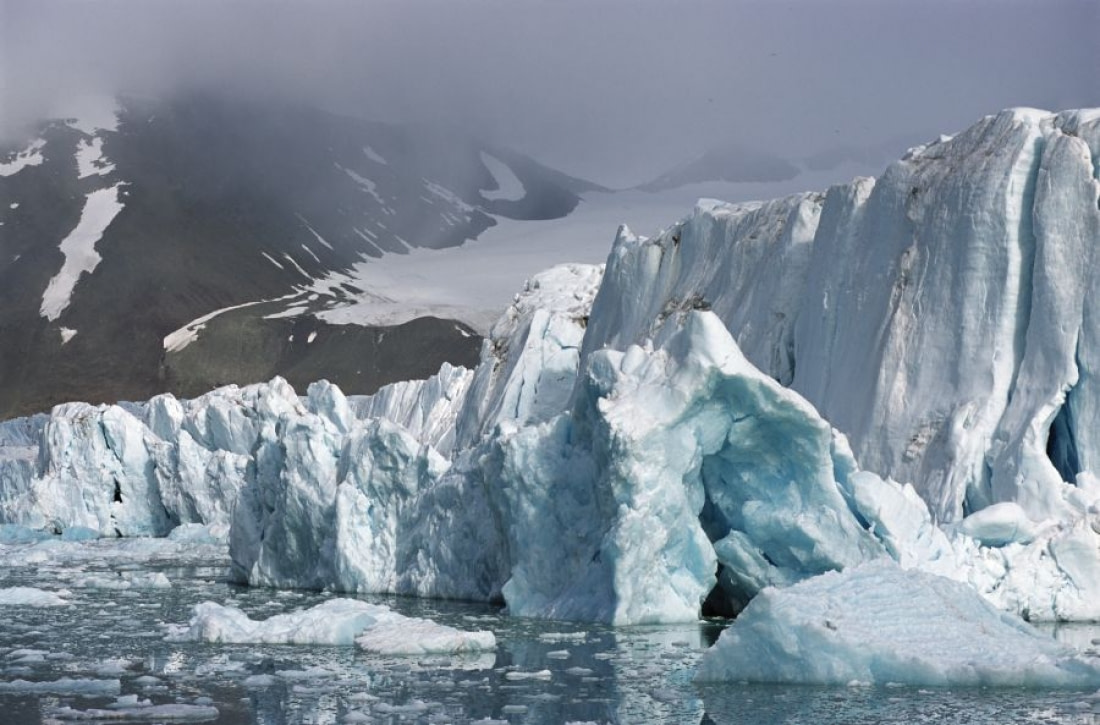
On day three, you’ll visit Liefdefjorden. Weather permitting, you’ll see the massive Monaco Glacier, which is 5 km (3.1 miles) long. Thousands of kittiwakes frequent this area, and the glacier’s base is a popular hunting ground for polar bears.
blog-image

If weather or pack ice conditions hinder sailing early in the season, an alternate route along the west coast of Spitsbergen will be chosen.

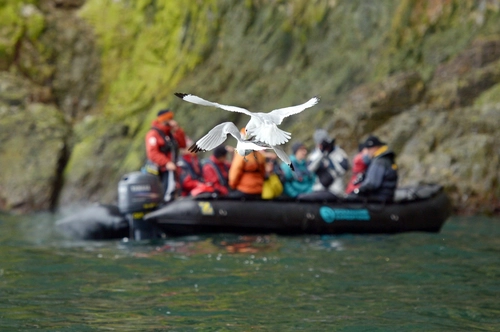
On day four, you’ll enter Hinlopen Strait, where you might spot bearded seals, ringed seals, polar bears, and occasionally blue whales. Zodiac cruises through the ice floes of Lomfjordshalvøya and visits to the bird cliffs of Alkefjellet, home to thousands of Brünnich’s guillemots, are highlights of this area.

blog-image

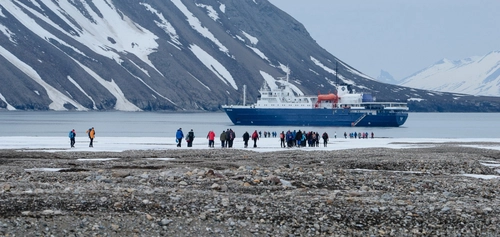
A same-day landing on Nordaustlandet, the second-largest island in Svalbard, might also be attempted. Here, you could see reindeer, pink-footed geese, and walruses. If pack ice prevents sailing into Hinlopen, alternative routes are available.

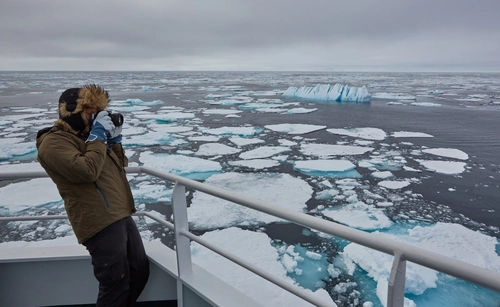
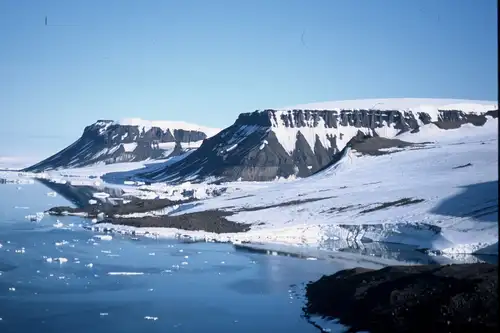
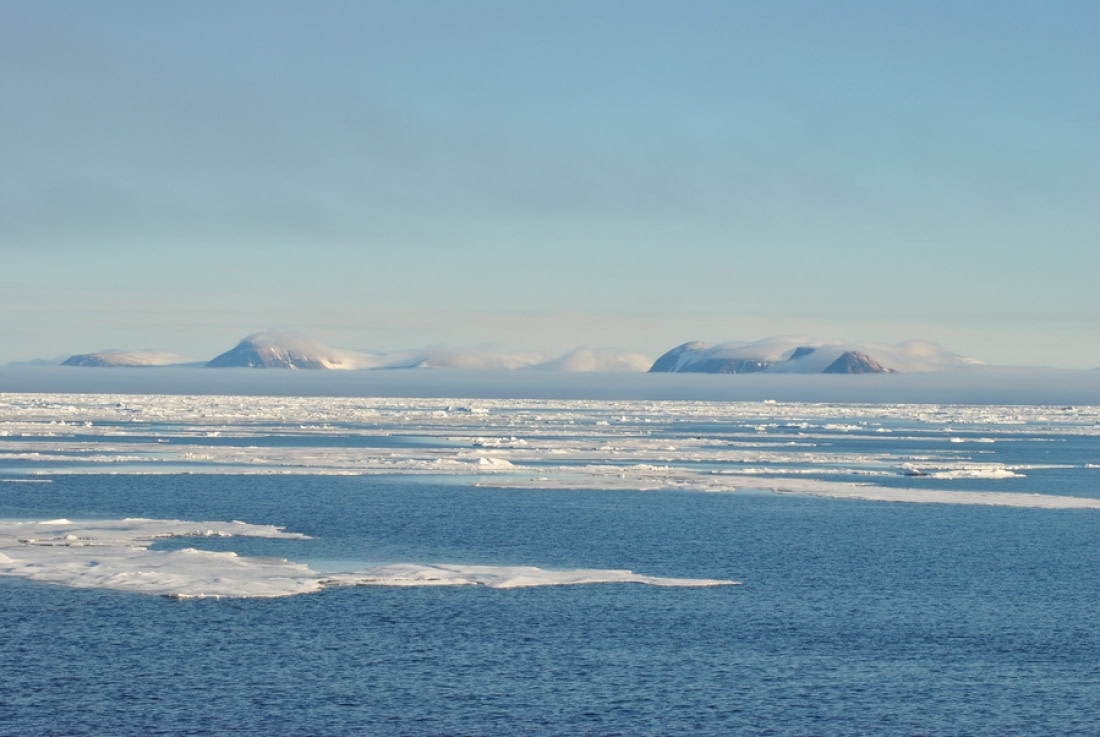
Day five takes you to the Seven Islands, reaching the northernmost point of the voyage at 80° north, just 870 km (540 miles) from the North Pole. Polar bears are sometimes seen here, so the ship will spend several hours among the pack ice before heading west again.
blog-image

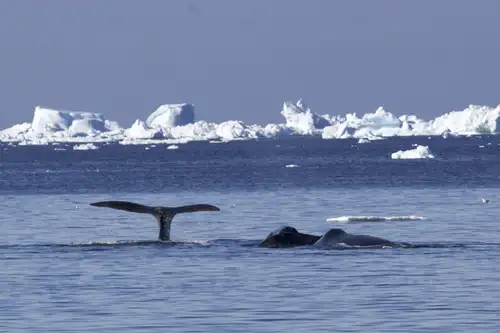
On the sixth day, the expedition retraces its route west, keeping an eye out for polar bears and elusive Greenland (bowhead) whales. About 40 nautical miles west of Spitsbergen, you’ll be sailing along the edge of the continental shelf.

blog-image

This area is where fin whales forage during the summer in upwelling zones, where cold, nutrient-rich water rises from the sea’s depths. Upon reaching the mouth of Kongsfjorden, there’s a good chance of spotting more minke whales.

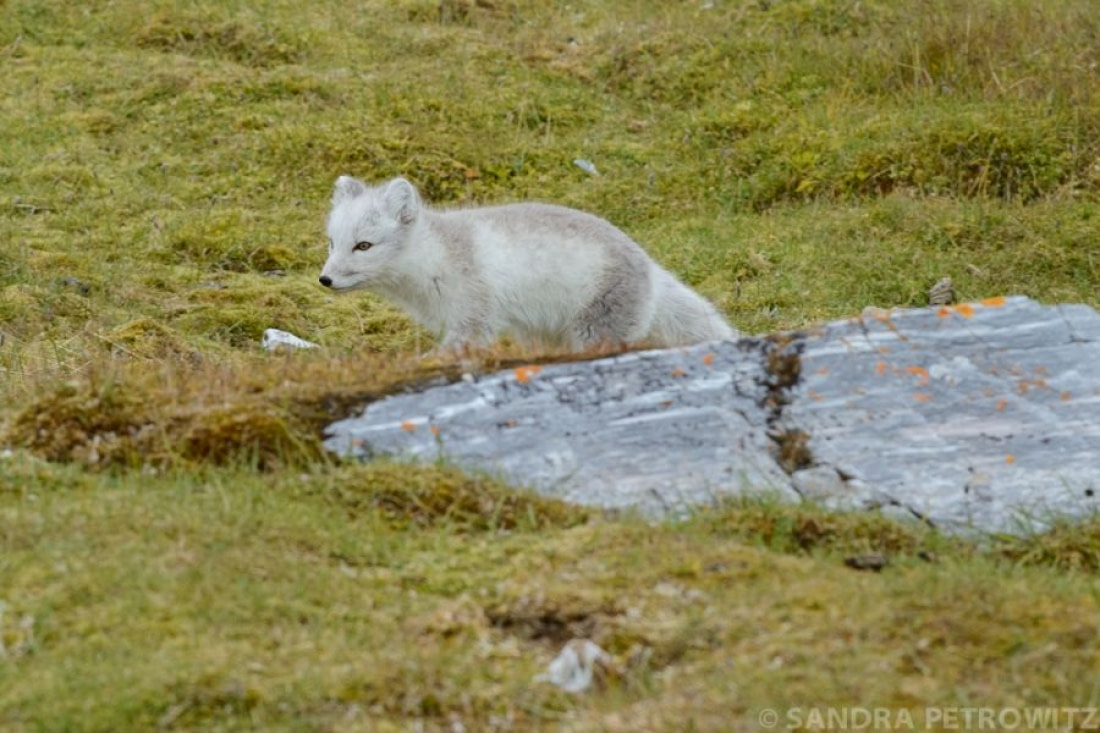
On day seven, you’ll explore the walrus haul-out shores of Forlandsundet. Alternatively, you may visit St. Jonsfjorden or the mouth of Isfjorden, where a landing at Alkhornet is possible. Seabirds nest on the cliffs near Alkhornet, and Arctic foxes often search below for fallen eggs and chicks. Reindeer may also be seen grazing on the sparse vegetation.
blog-image

Later that night, you’ll return to Longyearbyen and disembark the following day.

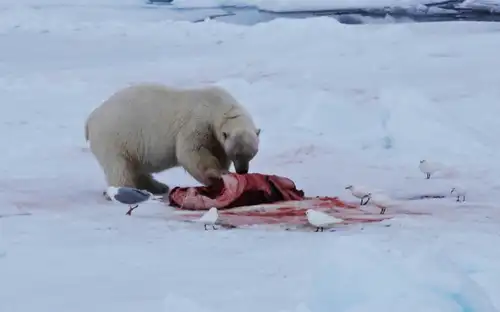
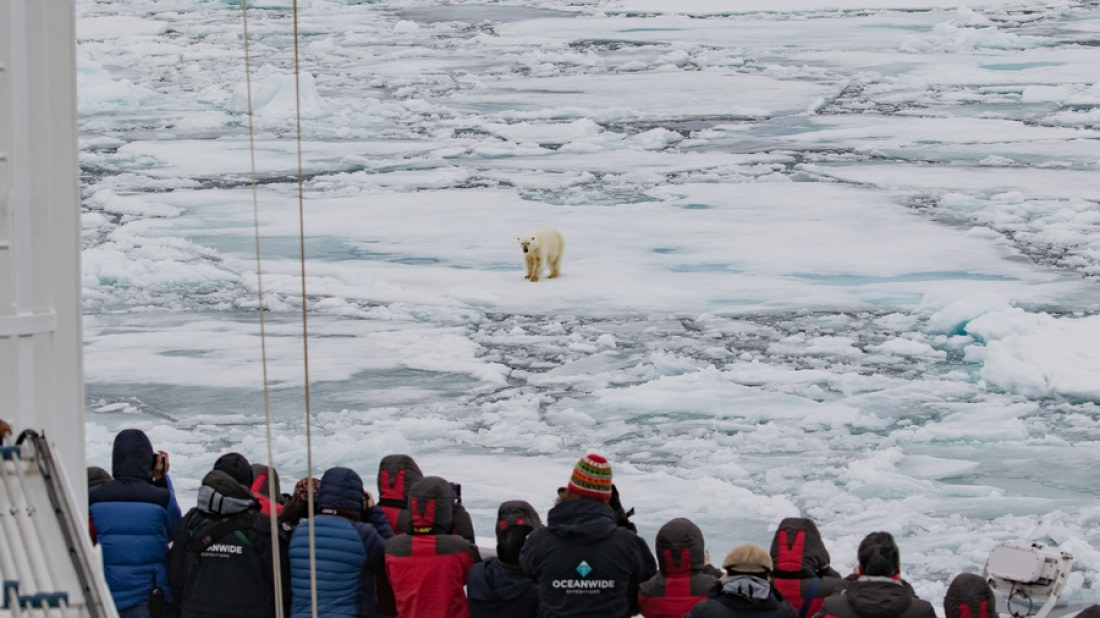
While there’s a good chance of seeing polar bears on this voyage, no guarantees can be made. Polar bears are not an overly abundant species, and even the most experienced crew cannot predict their exact location and timing.
blog-image

Nevertheless, this voyage offers some of the best opportunities to see polar bears. Even if you don’t spot one on your first trip, the breathtaking ice formations and unique wildlife of north Spitsbergen make this expedition truly worthwhile.
Best Deals

Related Trips

Alpine Peaks of Spitsbergen, Ski & Sail - Nexta Expeditions
The Arctic
Longyearbyen

Alpine Peaks of Spitsbergen, Ski & Sail

calendar24 Apr 2026 - 01 May 2026
clock8 Days / 7 Nights
From $ 3.950 per person
Alpine Peaks of Spitsbergen, Ski & Sail - Nexta Expeditions
The Arctic
Longyearbyen

Alpine Peaks of Spitsbergen, Ski & Sail

calendar01 May 2026 - 08 May 2026
clock8 Days / 7 Nights
From $ 3.950 per person
Arctic Ocean - Fair Isle, Jan Mayen, Ice Edge, Spitsbergen, Birding - Nexta Expeditions
The Arctic
Aberdeen

Arctic Ocean - Fair Isle, Jan Mayen, Ice Edge, Spitsbergen, Birding

calendar27 May 2026 - 05 Jun 2026
clock10 Days / 9 Nights
From $ 3.100 per person
North Spitsbergen - Arctic Spring ,  Hike & Sail - Nexta Expeditions
The Arctic
Longyearbyen

North Spitsbergen - Arctic Spring , Hike & Sail

calendar29 May 2026 - 05 Jun 2026
clock8 Days / 7 Nights
From $ 4.000 per person
North Spitsbergen Explorer - Into the pack ice - Polar Bear Special - Nexta Expeditions
The Arctic
Longyearbyen

North Spitsbergen Explorer - Into the pack ice - Polar Bear Special

calendar05 Jun 2026 - 12 Jun 2026
clock8 Days / 7 Nights
From $ 4.500 per person
Arctic Ocean - Jan Mayen, Ice edge, Spitsbergen, Birding - Nexta Expeditions
The Arctic
Akureyri

Arctic Ocean - Jan Mayen, Ice edge, Spitsbergen, Birding

calendar05 Jun 2026 - 13 Jun 2026
clock9 Days / 8 Nights
From $ 2.800 per person
Arctic Ocean - Fair Isle, Jan Mayen, Ice edge, Spitsbergen, Birding - Summer Solstice - Nexta Expeditions
The Arctic
Aberdeen

Arctic Ocean - Fair Isle, Jan Mayen, Ice edge, Spitsbergen, Birding - Summer Solstice

calendar12 Jun 2026 - 21 Jun 2026
clock10 Days / 9 Nights
From $ 3.100 per person
North Spitsbergen Explorer - Into the pack ice - Polar Bear Special - Nexta Expeditions
The Arctic
Longyearbyen

North Spitsbergen Explorer - Into the pack ice - Polar Bear Special

calendar12 Jun 2026 - 19 Jun 2026
clock8 Days / 7 Nights
From $ 4.500 per person
North Spitsbergen Explorer - Versatile landscapes, sea ice & wildlife - Nexta Expeditions
The Arctic
Longyearbyen

North Spitsbergen Explorer - Versatile landscapes, sea ice & wildlife

calendar13 Jun 2026 - 20 Jun 2026
clock8 Days / 7 Nights
From $ 4.500 per person
North Spitsbergen Basecamp – Summer Solstice - Free Kayaking, Hiking, Photo Workshop, Diving (supplemented) - Nexta Expeditions
The Arctic
Longyearbyen

North Spitsbergen Basecamp – Summer Solstice - Free Kayaking, Hiking, Photo Workshop, Diving (supplemented)

calendar19 Jun 2026 - 26 Jun 2026
clock8 Days / 7 Nights
From $ 4.500 per person
North Spitsbergen Explorer - Versatile landscapes, sea ice & wildlife - Summer Solstice - Nexta Expeditions
The Arctic
Longyearbyen

North Spitsbergen Explorer - Versatile landscapes, sea ice & wildlife - Summer Solstice

calendar20 Jun 2026 - 27 Jun 2026
clock8 Days / 7 Nights
From $ 4.500 per person
North Spitsbergen Explorer - Versatile landscapes, sea ice & wildlife - Summer Solstice - Nexta Expeditions
The Arctic
Longyearbyen

North Spitsbergen Explorer - Versatile landscapes, sea ice & wildlife - Summer Solstice

calendar21 Jun 2026 - 28 Jun 2026
clock8 Days / 7 Nights
From $ 4.500 per person

Blog
go-leftgo-right

Danger Beneath the Water: 10 Facts About Leopard Seals - Nexta Expeditions
Blog

Danger Beneath the Water: 10 Facts About Leopard Seals

If your thirst for adventure leads you to Antarctica, you may be lucky enough to cross paths with a leopard seal while you’re there. These amazing animals are wonderful to observe both in and out of the water, and they are a coveted part of the polar wildlife experience.
Antarctica’s first Marine Protected Area - Nexta Expeditions
Blog

Antarctica’s first Marine Protected Area

In October of this year, the Commission for the Conservation of Antarctic Marine Living Resources, which includes 24 countries such as the United States, the European Union, Australia, and New Zealand, reached a consensus on a New Zealand/United States proposal to establish a large-scale Marine Protected Area (MPA) in the Ross Sea region.
What to Expect When Crossing the Drake Passage - Nexta Expeditions
Blog

What to Expect When Crossing the Drake Passage

Positioned between the southern tail of South America and the Antarctic Peninsula's north-sweeping arm is a lively little waterway known as the Drake Passage.
Antarctic Icon: 44 Facts About the Emperor Penguin - Nexta Expeditions
Blog

Antarctic Icon: 44 Facts About the Emperor Penguin

What polar bears are for the Arctic, emperor penguins are for Antarctica. These flightless aquatic birds are probably the most recognizable animals in the southern polar regions and certainly among the most popular wildlife attractions for our passengers.
Arctic Flowers, Trees, and Other Plant Life - Nexta Expeditions
Blog

Arctic Flowers, Trees, and Other Plant Life

When many people think of the Arctic, they probably imagine a stark white wasteland devoid of anything except snow, glaciers, and the occasional far-wandering polar bear.
Antarctic krill: Antarctica's Superfood - Nexta Expeditions
Blog

Antarctic krill: Antarctica's Superfood

The size of a paper clip, pink, krill is a shrimp-like crustacean that does not look like much. Without them, though, the Earth's marine ecosystems would collapse completely.
Penguins, Petrels, and Prions: Top Antarctica Bird Tour Spots - Nexta Expeditions
Blog

Penguins, Petrels, and Prions: Top Antarctica Bird Tour Spots

If anyone tells you Antarctica is for the birds, they’re right.
The Classic Polar Cruise: Antarctic Peninsula Facts, Pics, and More - Nexta Expeditions
Blog

The Classic Polar Cruise: Antarctic Peninsula Facts, Pics, and More

When it comes to experiencing the vast wonders of Antarctica, the Antarctic Peninsula stands out as an unparalleled destination.
The Research Stations of Antarctica and the sub-Antarctic - Nexta Expeditions
Blog

The Research Stations of Antarctica and the sub-Antarctic

Numerous research stations operate throughout the Antarctic and sub-Antarctic, engaged in all manner of scientific inquiry. This article will cover the stations under the management of the British Antarctic Survey (BAS), which conducts year-round terrestrial and atmospheric research in some of the most compelling polar locations on Earth.
The Ancient Fossil Forests of Antarctica - Nexta Expeditions
Blog

The Ancient Fossil Forests of Antarctica

Over a hundred years ago, Robert Falcon Scott’s expedition to Antarctica discovered fossils of plants on the Beardmore Glacier, less than 500 km (310 miles) from the South Pole. Edward Wilson, who was the expedition’s chief scientist, recorded the findings in his diary, stating that “most of the bigger leaves were like beech leaves in shape and venation.”
The Mysteries of the Beluga Whale - Nexta Expeditions
Blog

The Mysteries of the Beluga Whale

Beluga whales, also known as white whales, sea canaries, and sometimes melonheads, are a rare but cherished sight during Arctic cruises, thanks to their striking appearance. Despite the rarity of beluga sightings, a good amount is known about these friendly-faced cetaceans.
The polar bear: king of the Arctic food chain - Nexta Expeditions
Blog

The polar bear: king of the Arctic food chain

As apex predators, polar bears reign supreme in the Arctic food chain. Only humans pose a threat to this massive and majestic species. But one look at these magnificent creatures explains why so many people embark on Arctic trips hoping to spot a polar bear in its natural habitat.
17 Reasons to Cruise the Falklands - Nexta Expeditions
Blog

17 Reasons to Cruise the Falklands

Maybe you’ve already marveled at the colossal penguin colonies of South Georgia, sailed among the plunging seals of the Antarctic Peninsula, and watched whales in the Weddell Sea lunge among titanic tabular icebergs.
A Look Into the International Research Stations of Antarctica - Nexta Expeditions
Blog

A Look Into the International Research Stations of Antarctica

In 1902, William S. Bruce, along with a team of naturalists, explorers, and sailors, embarked on the first Scottish expedition to Antarctica’s South Pole aboard the Scotia. The Scottish National Antarctic Expedition (SNAE) aimed to establish the continent's first meteorological station and explore its largely undocumented biological, topographic, and meteorological features.
The Small but Social Commerson’s Dolphin - Nexta Expeditions
Blog

The Small but Social Commerson’s Dolphin

Despite being one of the lesser-known Antarctic cetaceans, Commerson's dolphins are quite social and have been given various names over the years, including Piebald dolphins, skunk dolphins, and panda dolphins. These names have been in use since their discovery in 1767 by French naturalist Philibert Commerson.
Eight Ultimate Antarctica Adventures - Nexta Expeditions
Blog

Eight Ultimate Antarctica Adventures

Antarctica has adventure in its bones. Long before most travelers even reach the continent, they have to cross the Drake Passage, an oft-tumultuous waterway considered by many a hallmark of high adventure in itself. Once you do reach the Antarctic shores, the variations of landscape and wildlife are as multiform as the activities you can pursue there. While not all of these activities can or should be shoehorned into a single article, this piece will give you a survey of the top eight. Like everything in the polar regions, these activities are subject to weather conditions – and your own threshold for adventure.
Polar Cruises: The Ultimate Icebreaker - Nexta Expeditions
Blog

Polar Cruises: The Ultimate Icebreaker

Travel is one of life’s great eye openers. It brings you into contact with new people and perspectives, challenges old assumptions you haven’t held to the light in years, and invites you to make unexpected discoveries about the world around you – and most of all, yourself. Added to which, you get to visit places you never knew you loved until you saw them.
10 Common Misconceptions About the Arctic - Nexta Expeditions
Blog

10 Common Misconceptions About the Arctic

The Arctic is a vast region. Truly immense.
Orcas of the Polar Seas - Nexta Expeditions
Blog

Orcas of the Polar Seas

The orca, also known as the killer whale, is the apex marine predator and possibly the most widespread vertebrate on the planet. While they are most numerous in colder regions like Antarctica, Norway, and Alaska, they also inhabit tropical and subtropical seas. Here, we’ll explore some essential orca facts you might want to know before encountering them in person, concluding with a fantastic video showcasing our top ten favorite killer whale facts.
Five Reasons to Love St. Helena - Nexta Expeditions
Blog

Five Reasons to Love St. Helena

Being one of the most remote islands on Earth gives St. Helena a unique allure. Named after a Roman empress and the mother of Constantine the Great, this island also holds the distinction of being Napoleon’s final place of exile, making it a fascinating topic of conversation.