


Show More

Blog


Blog
Flowers in Antarctica
The polar regions are among the most inhospitable environments for plants and animals. Life here faces numerous challenges, including low temperatures, high winds, solar radiation, and cell freezing. The Antarctic continent experiences extreme conditions, with darkness during winter and continuous light during summer. Winter temperatures can drop to -60°C or lower.
Blog
South Georgia Whaling Stations
South Georgia is a paradise for animal enthusiasts. It stands out as one of the most wildlife-abundant destinations in our polar expeditions, whether in the Northern or Southern Hemisphere.
Blog
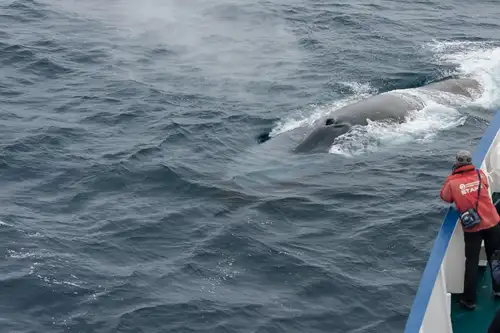
10 Bountiful Blue Whale Facts
The umbrella term “whale” refers to a wide variety of large marine mammals. To zero in on blue whales, however, we’ll need to unpack this term a bit. The Latin word for whale, cetus, is the root of the whale infraorder, Cetacea, the largest parvorder of which is Mysticeti.
Blog
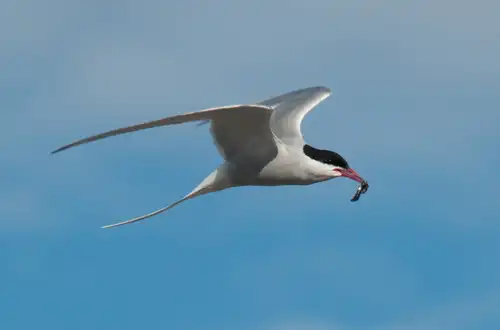
Birding Opportunities Abound in Spitsbergen
Seabirds are the most prevalent type of bird in Spitsbergen. Experts have estimated that there are 164 bird species that have been found throughout Spitsbergen at various points during recent history, but only 30 of them are known to turn to the Svalbard Islands as their primary breeding spot.
Blog
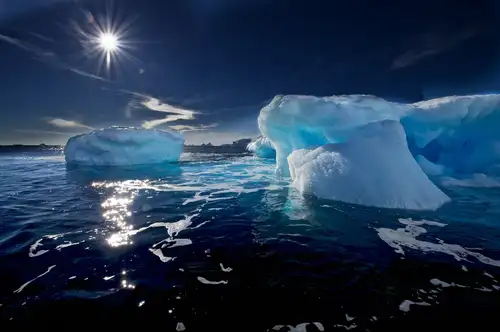
Everything you need to know about Antarctic icebergs
The ice in Antarctica might seem static, but it is constantly moving. Pieces of ice are continuously breaking off from ice shelves, glaciers, or other icebergs. They float freely along with the Antarctic currents, with about 90 percent of their mass below the surface of the water. This fact is actually what gave rise to the nowadays popular phrase “the tip of the iceberg”. Regardless, the sighting of the first iceberg is always a moment to celebrate in any and all Antarctic expeditions. So that you may appropriately ready yourself for that joyous moment, in this article you will find everything you need to know about Antarctic icebergs.
Blog
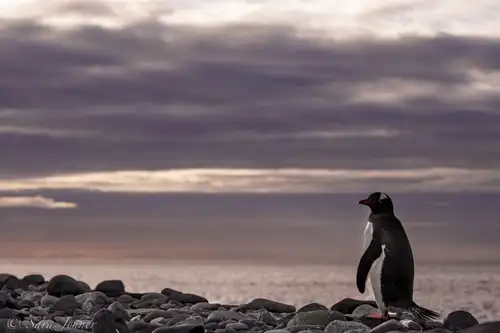
Penguin Wisdom: Life Lessons from Our Favorite Flightless Birds
As enthusiasts of wildlife travel, we believe every creature has something valuable to impart - from the grand blue whale to the tiny cephalopod, the formidable polar bear to the elusive Arctic fox.
Blog
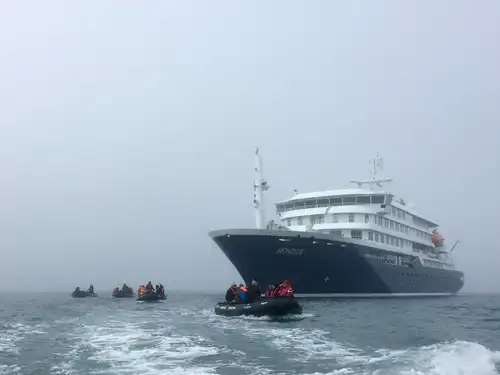
Highlights from the First Arctic Voyage of Hondius
Our new ship Hondius completed its first Arctic expedition cruise on June 14, 2019. This being a new ship, the maiden voyage was not without its hiccups. But despite these, passenger response to the expedition was overwhelmingly positive.
Blog
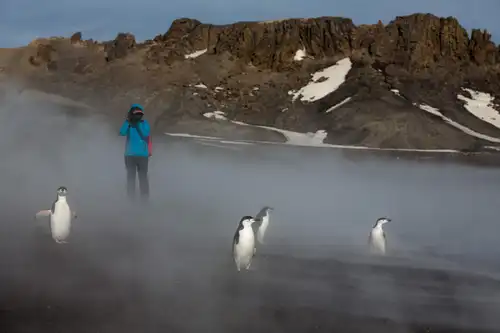
Graham Land: A landscape dominated by volcanoes
An Antarctic cruise may explore the upper tip of the Antarctic Peninsula where one finds Graham Land, a jagged, glaciated part of Antarctica with a landscape dominated by volcanoes. Despite the volcanoes being over 200 million years old they are far from extinct with volcanic activity occurring today. Graham Land is connected to Palmer Land at the point where the Antarctic Peninsula widens from around 75 km to around 200 km south of Marguerite Bay.
Blog
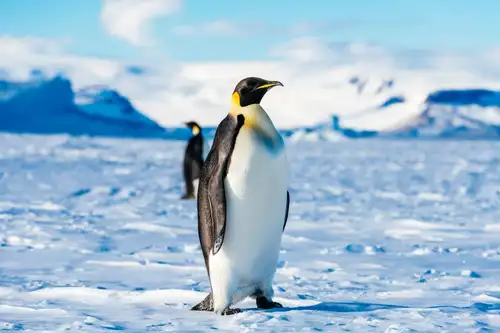
Penguins, Petrels, and Prions: Top Antarctica Bird Tour Spots
If anyone tells you Antarctica is for the birds, they’re right.
Blog
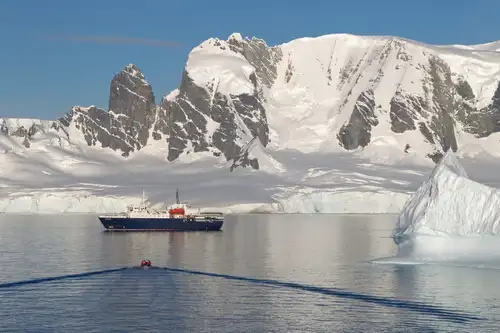
The Best Arctic and Antarctic Trips for Families
Polar expedition cruises are often enjoyed by couples and an increasing number of solo travelers, but they can also be a fantastic adventure for families. If you have the budget to bring the whole family along, there are various polar trips that will make everyone equally excited about the ice.
Blog
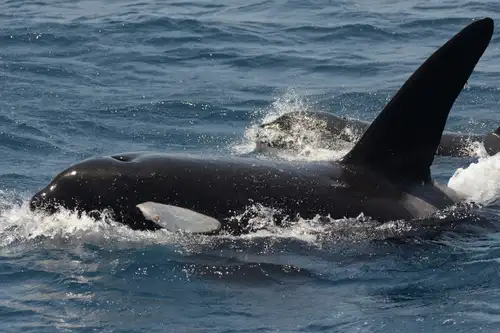
8 Whales You Might See During Your Antarctica Cruise
They're powerful, beautiful, and really, really big. Whales are a wonder of the natural world, and one of the best places to see them is Antarctica. In fact, whale watching is one of the most popular and rewarding activities you can enjoy on an Antarctic trip.
Blog
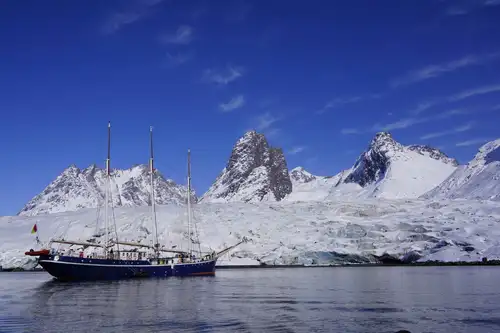
5 Misconceptions You Might Have About Greenland
Blog
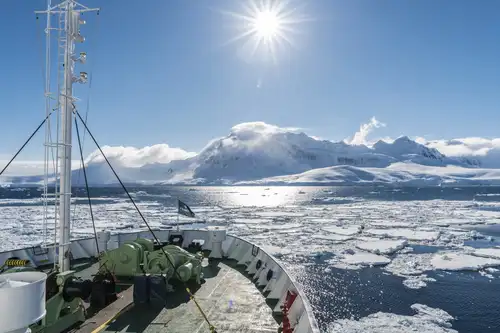
Cruising Solo: The Benefits of Single-Passenger Polar Travel
Traveling is often done with family, friends, or romantic partners. However, the benefits of solo travel, especially in polar regions, deserve more attention.
Blog
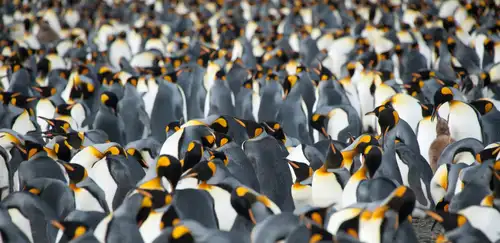
Experience King Penguins, Seals and More in South Georgia
One of the most remarkable aspects of South Georgia Island is its immense population of King penguins. This island serves as a significant breeding ground, and breathtaking aerial photos have captured the sight of hundreds of thousands of King penguins gathered together. This colony is known as the largest crèche in the world, making it one of the top destinations globally for observing King penguins.
Blog
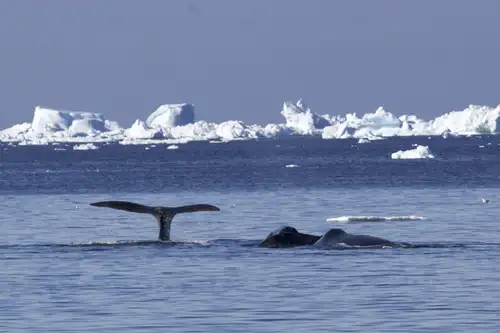
The bowhead whale, whaling about the Arctic
The bowhead whale typically resides near pack ice, often in shallow waters. These whales are commonly found north of Europe, between Canada and Greenland, in the Hudson Bay area, the Okhotsk Sea, and the Bering, Chukchi, and Beaufort seas. In these regions, they filter food through their large baleen plates. Bowheads are known to open their large mouths and graze along the surface, in the water column, or on the sea floor.
Blog
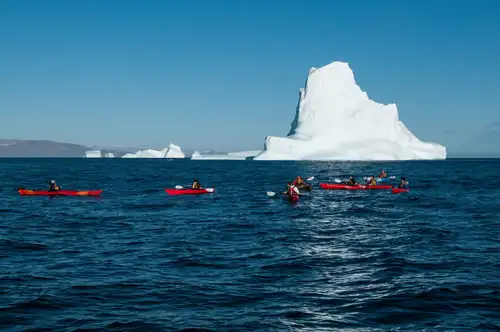
Kayaking In Greenland
Think of Greenland and two images come to mind:
Blog
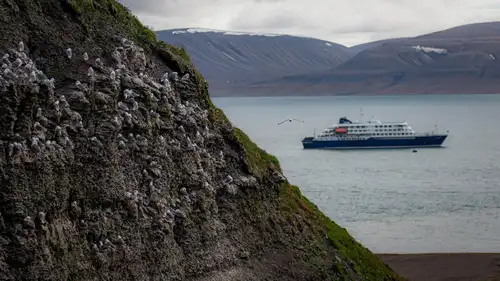
Circumnavigating Spitsbergen
Many of our expedition cruises focus on specific areas of the Arctic or Antarctica, delving deep into local wildlife and other natural highlights. However, some programs aim to provide a broader survey, visiting a variety of sites to offer guests a wider perspective.
Blog
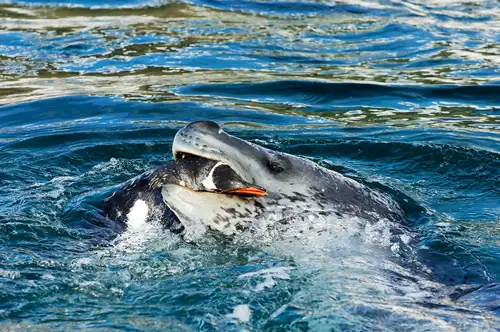
The Wildlife of Antarctica’s Seas and Skies
Antarctica is one of the most pristine environments on Earth, home to whales, penguins, seals, and birds, providing nature lovers with a treasure trove of wildlife memories to take back home.
Blog
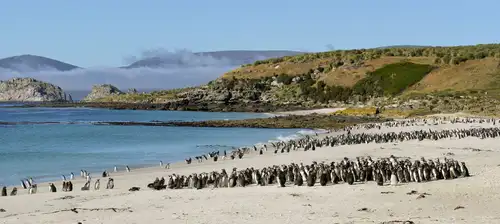
17 Reasons to Cruise the Falklands
Maybe you’ve already marveled at the colossal penguin colonies of South Georgia, sailed among the plunging seals of the Antarctic Peninsula, and watched whales in the Weddell Sea lunge among titanic tabular icebergs.
Blog
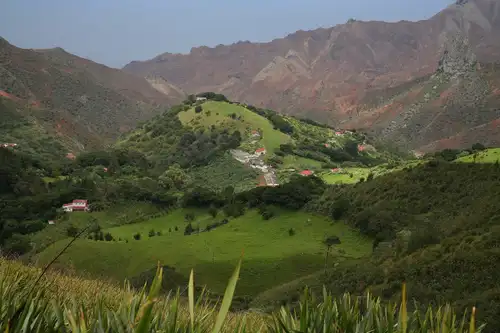
Five Reasons to Love St. Helena
Being one of the most remote islands on Earth gives St. Helena a unique allure. Named after a Roman empress and the mother of Constantine the Great, this island also holds the distinction of being Napoleon’s final place of exile, making it a fascinating topic of conversation.