The Ways And Wildlife Of The Weddell Sea - Nexta Expeditions
The Ways and Wildlife of the Weddell Sea

The Ways and Wildlife of the Weddell Sea

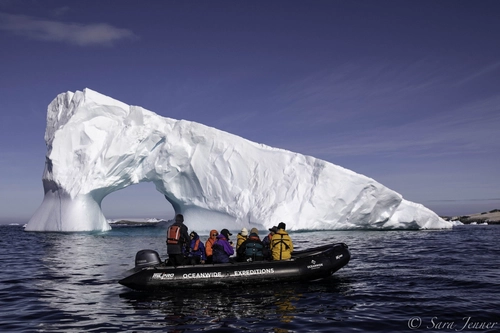
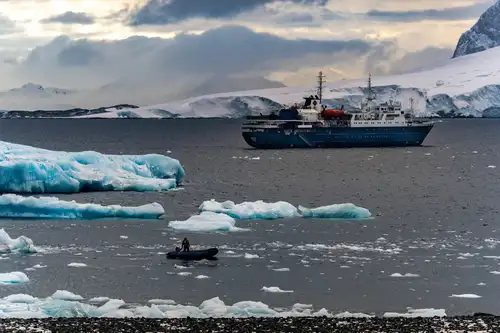
The Weddell Sea is situated off the coast of Antarctica, at the southernmost part of the Atlantic Ocean. Its coordinates are 75 degrees south and 47 degrees west, encompassing the Argentine, Chilean, and British territories of Antarctica. The severe weather and extensive pack ice have historically made the Weddell Sea challenging to access, but modern icebreaker ships are now enabling explorers to venture into this remote area.
blog-image

The environment of the Weddell Sea

The climate in the Weddell Sea is extremely harsh, characterized by strong, cold winds and abundant pack ice. This region plays a crucial role in the global climate and ocean circulation.

The technical term for this is thermohaline circulation. "Thermo" refers to temperature, and "haline" refers to salt levels. Thermohaline circulation is a natural process where differences in water temperature and salinity drive the movement of ocean waters around the globe.

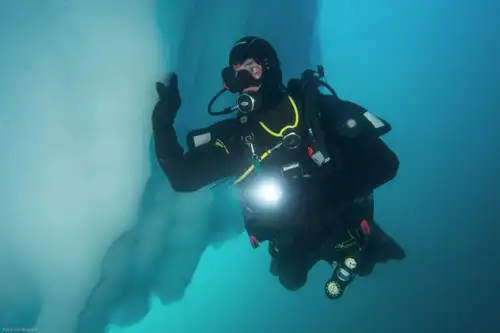
The Weddell Sea significantly contributes to this water cycle by providing cold, northward-moving water. It is also renowned for having some of the clearest waters of any saltwater location in the world, with visibility so good that researchers can see objects as far down as 262 feet, comparable to distilled water.
blog-image

Weddell Sea history

The Weddell Sea is named after James Weddell, a Scottish explorer and seal hunter who first sailed the area in 1823, initially naming it "the sea of King George IV." It was later renamed in his honor.

This sea is also famous for being the location where Ernest Shackleton's expedition to cross Antarctica was halted. In 1915, Shackleton aimed to traverse Antarctica, including passing by the South Pole.

Unfortunately, his ship, the Endurance, became trapped in the ice. Shackleton and his crew stayed with the ship for ten months until it was eventually crushed by the ice. The men then spent another five months trekking over the ice, eventually reaching Elephant Island via lifeboat.

They were eventually rescued and returned home. Despite the harsh conditions, every man survived the two-year ordeal.

The wildlife of the Weddell Sea

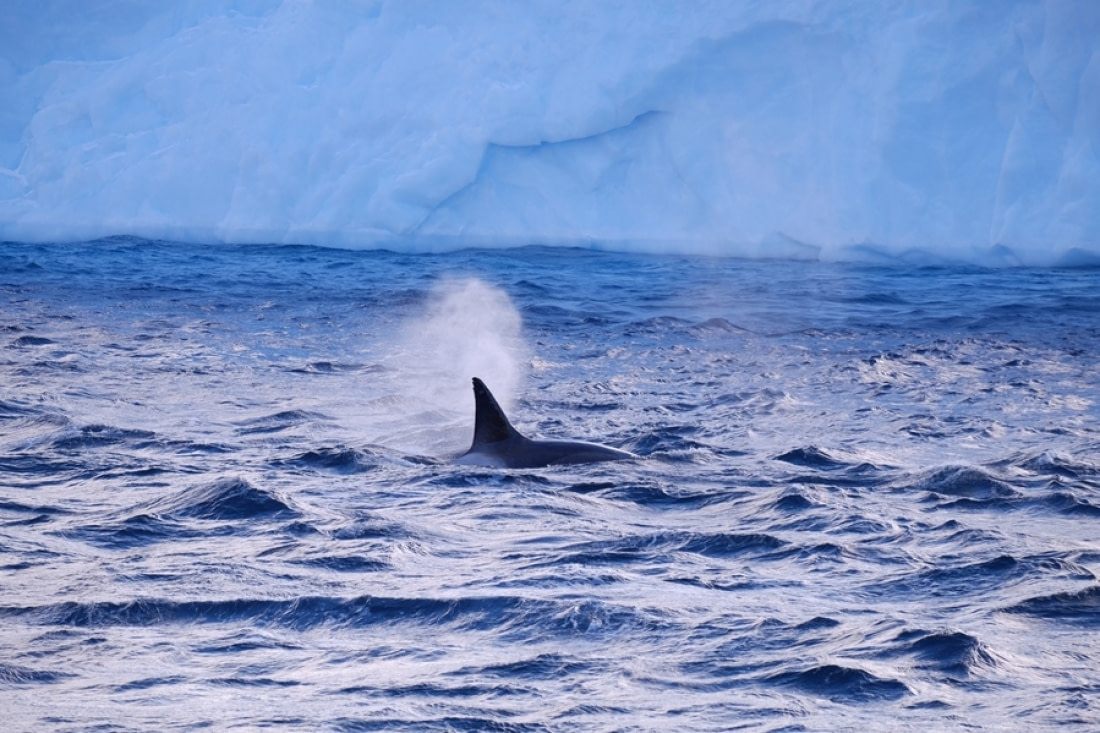
Despite its harsh environment, the Weddell Sea is rich in wildlife. Massive swarms of krill support populations of seals, penguins, and baleen whales, which in turn attract predators like orcas (Orcinus orca). The abundant pack ice makes this an ideal habitat for many species of seals and penguins, key attractions for Antarctic cruises.
blog-image

Seals (Weddell and non)

The Weddell seal (Leptonychotes weddellii) is commonly seen in the area. They prefer in-shore habitats and are found all over Antarctica. Known for their docile nature, they are easy to observe.

The crabeater seal (Lobodon carcinophaga) is another common seal in the region. Slightly smaller than the Weddell seal, they are about two meters long and are mostly seen on pack ice. The crabeater seal is a common prey for the leopard seal.

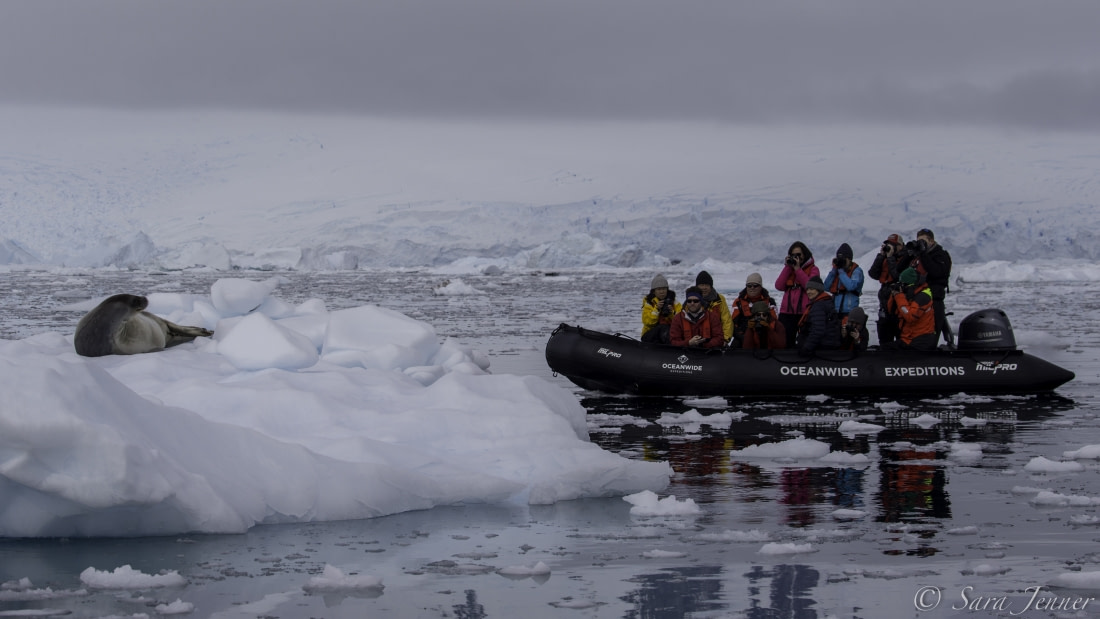
The leopard seal (Hydrurga leptonyx) is one of the top predators in the Antarctic region, preying on other seal species. While beautiful, they have been known to attack humans and are best admired from a distance.

blog-image

Weddell Sea penguins

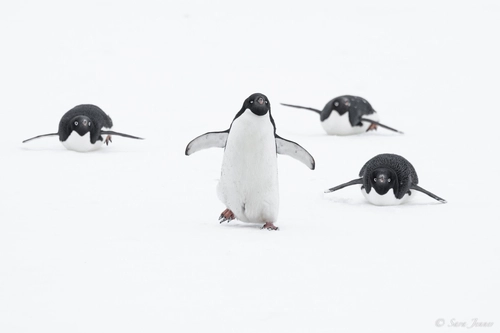
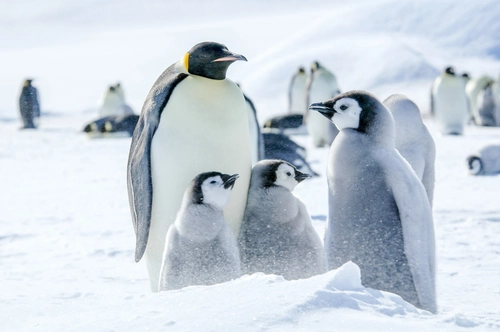
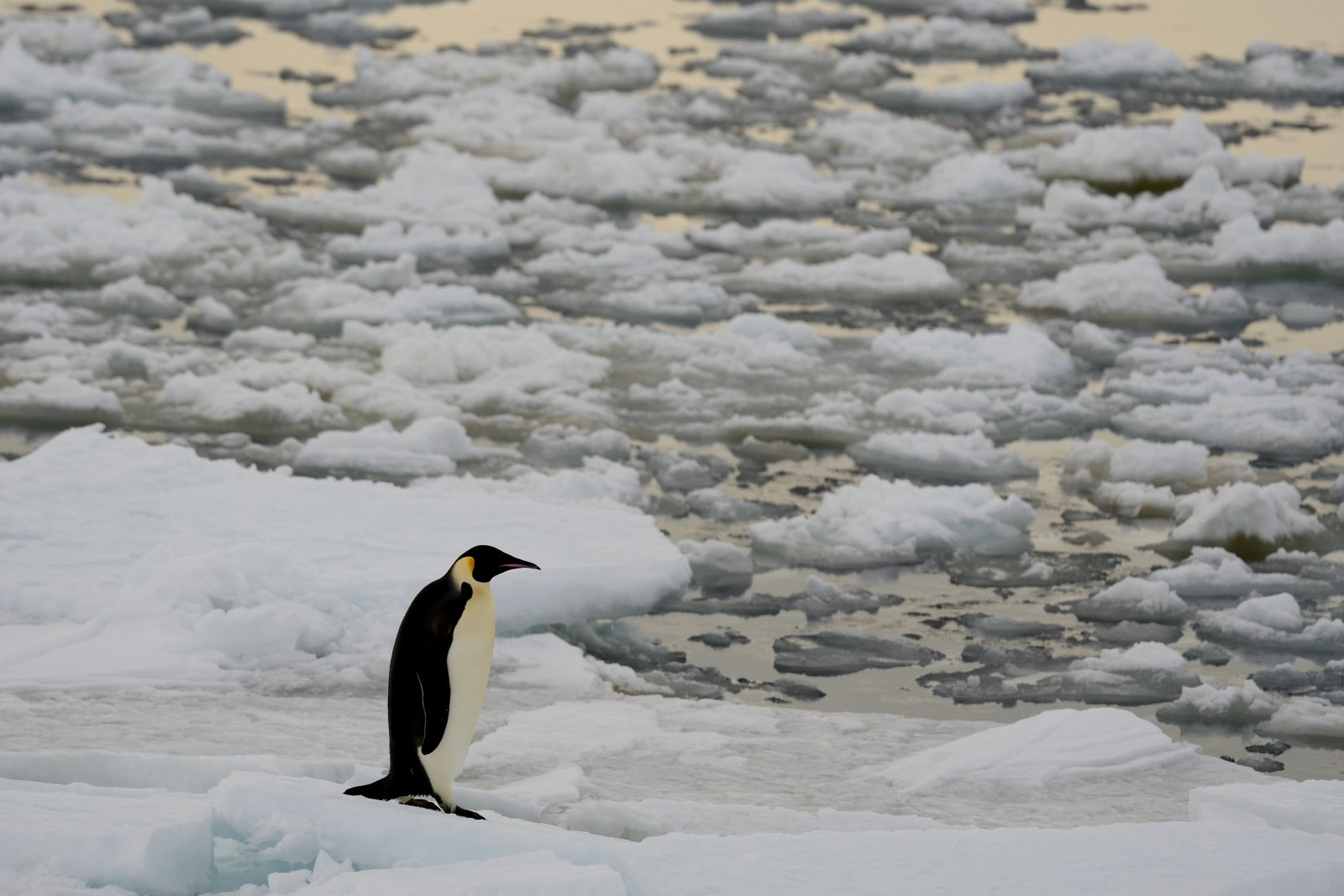
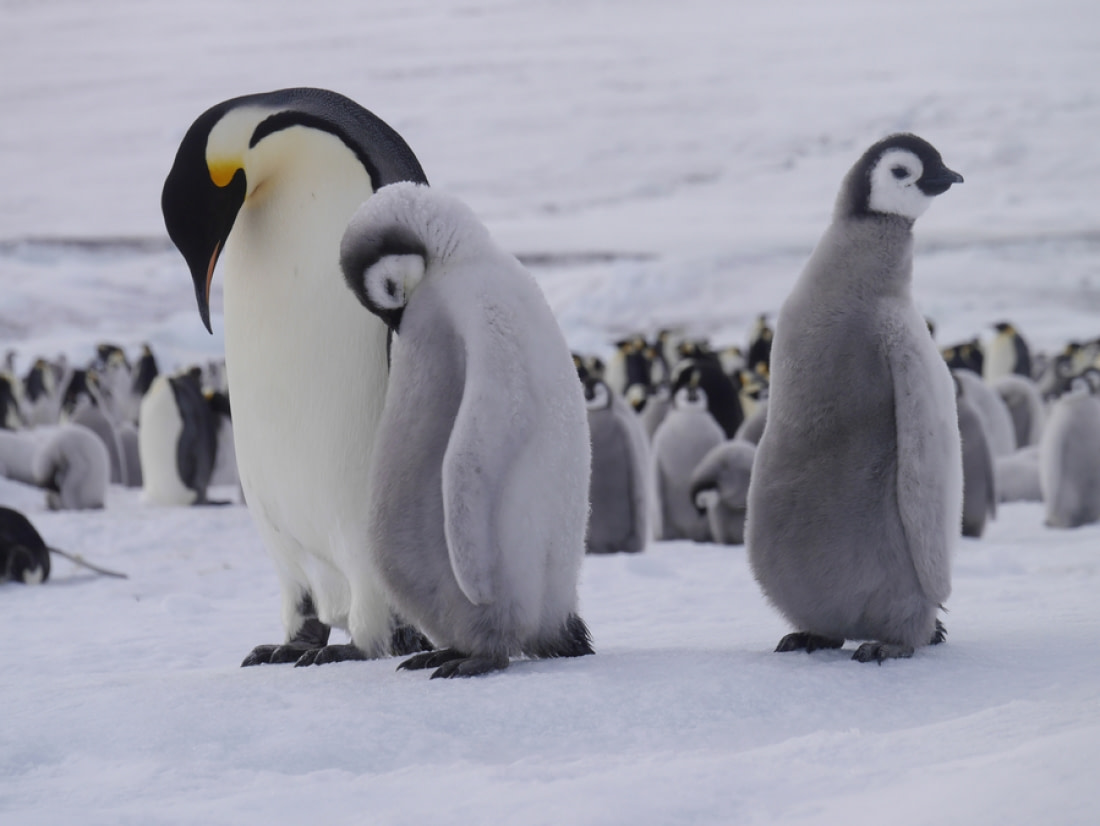
The Adélie penguin (Pygoscelis adeliae) is abundant in the Antarctic region. This small penguin is distinctive due to the white circles around its eyes. Recently, researchers discovered a colony of emperor penguins (the largest penguin species) at Snow Hill Island.
blog-image

Whales of the Weddell Sea

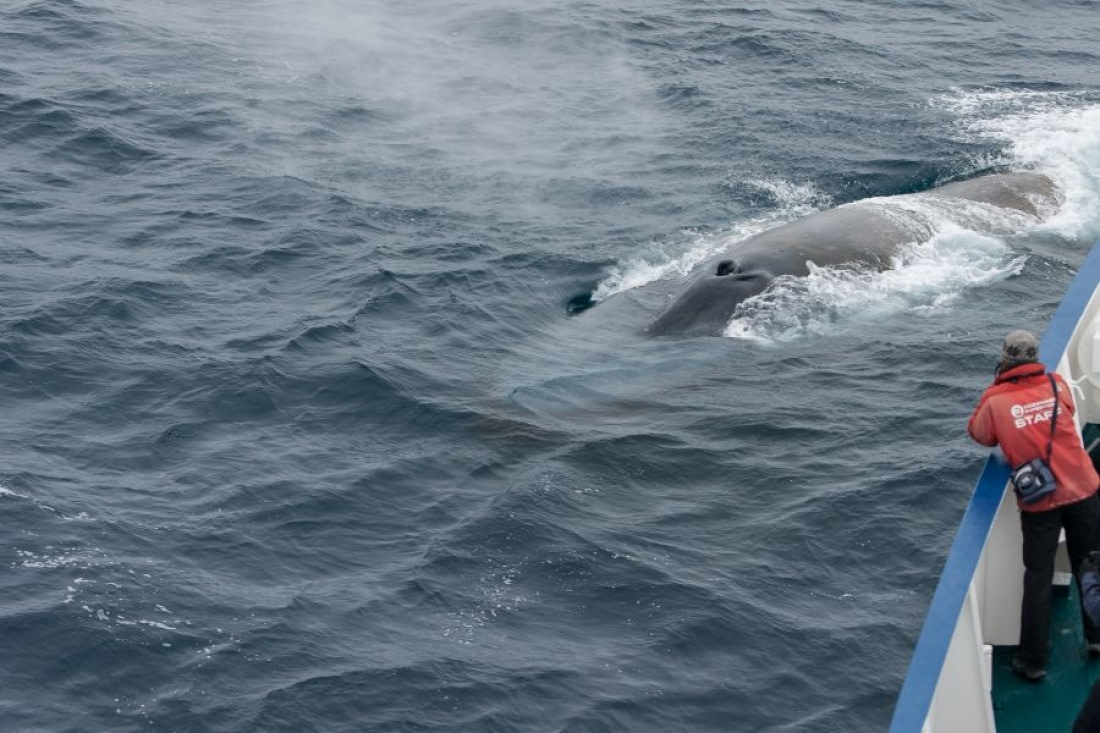
The vast amounts of Antarctic krill attract several large baleen whale species. The southern minke whale (Balaenoptera bonaerensis) and the humpback whale (Megaptera novaeangliae) are the most commonly seen whale species in the Weddell Sea. However, the blue whale (Balaenoptera musculus), the southern right whale (Balaena glacialis), the sei whale (Balaenoptera borealis), the fin whale (Balaenoptera physalus), and the sperm whale (Physeter microcephalus) also visit the Antarctic region. The populations of seals and penguins attract pods of orcas (Orcinus orca), known for their group hunting skills, including creating waves to wash seals off pack ice into the water.
blog-image

Weddell Sea Antarctica cruises

Adventurers can reach the Weddell Sea via ice-strengthened ships, accessing only the farthest northwest reaches due to the impenetrable ice. The Weddell Sea is closest to Argentina, and cruises typically depart from the small resort town of Ushuaia. Visitors to Ushuaia can enjoy skiing, tour the Tierra del Fuego National Park, or visit the Martial Glacier. The journey to the Weddell Sea from Ushuaia takes around four days, depending on weather conditions.

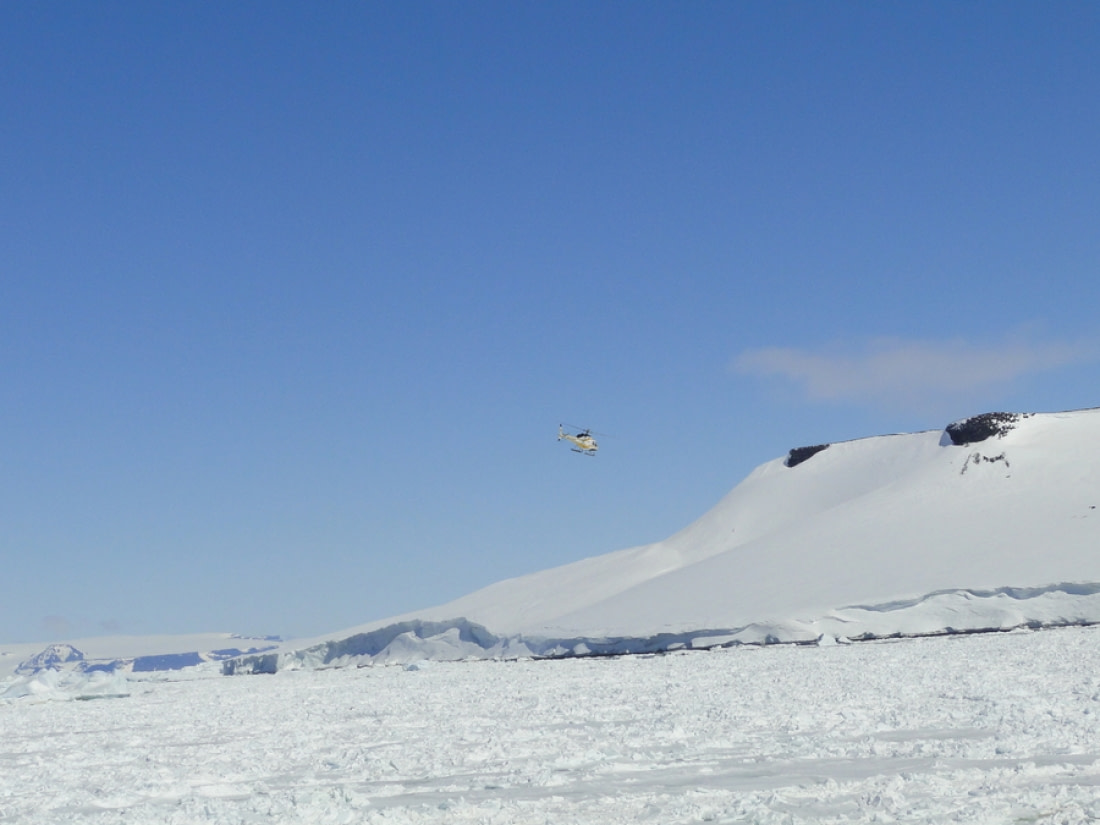
Once there, you can explore the area by land, sea, and even air on voyages that include helicopter flights. There are numerous interesting species to see, as well as old whaling stations and research facilities. The extent of exploration depends on the ice, but there is always plenty of adventure to be had in the Weddell Sea.
Best Deals

Related Trips

Remote Weddell Sea Explorer incl. South Georgia - South Sandwich Islands - Neuschwabenland - Larsen Ice Shelf - Paulet and Devil Island - Elephant Island, incl. helicopters - Nexta Expeditions
Antarctica
Ushuaia

Remote Weddell Sea Explorer incl. South Georgia - South Sandwich Islands - Neuschwabenland - Larsen Ice Shelf - Paulet and Devil Island - Elephant Island, incl. helicopters

calendar22 Jan 2026 - 18 Feb 2026
clock28 Days / 27 Nights
From $ 26.500 per person
Antarctica - Elephant Island - Weddell Sea - Polar Circle - Aurora Australis / Southern Lights - Nexta Expeditions
Antarctica
Ushuaia

Antarctica - Elephant Island - Weddell Sea - Polar Circle - Aurora Australis / Southern Lights

calendar09 Mar 2026 - 23 Mar 2026
clock15 Days / 14 Nights
From $ 11.200 per person
Antarctica - Weddell Sea Explorer Basecamp - free polar activities (kayaking, hiking, photo workshop, snorkeling) - Nexta Expeditions
Antarctica
Ushuaia

Antarctica - Weddell Sea Explorer Basecamp - free polar activities (kayaking, hiking, photo workshop, snorkeling)

calendar17 Mar 2026 - 29 Mar 2026
clock13 Days / 12 Nights
From $ 9.700 per person
Weddell Sea – In search of the Emperor Penguin, incl. helicopters - Nexta Expeditions
Antarctica
Ushuaia

Weddell Sea – In search of the Emperor Penguin, incl. helicopters

calendar15 Nov 2026 - 25 Nov 2026
clock11 Days / 10 Nights
From $ 13.450 per person
Weddell Sea – In search of the Emperor Penguin, incl. helicopters - Nexta Expeditions
Antarctica
Ushuaia

Weddell Sea – In search of the Emperor Penguin, incl. helicopters

calendar25 Nov 2026 - 05 Dec 2026
clock11 Days / 10 Nights
From $ 13.450 per person
Weddell Sea - Basecamp - Nexta Expeditions
Antarctica
Ushuaia

Weddell Sea - Basecamp

calendar05 Dec 2026 - 17 Dec 2026
clock13 Days / 12 Nights
From $ 10.150 per person
Weddell Sea – In search of the Emperor Penguin, incl. helicopters - Nexta Expeditions
Antarctica
Ushuaia

Weddell Sea – In search of the Emperor Penguin, incl. helicopters

calendar05 Dec 2026 - 15 Dec 2026
clock11 Days / 10 Nights
From $ 13.450 per person
Remote Weddell Sea Explorer - incl. helicopters - Nexta Expeditions
Antarctica
Ushuaia

Remote Weddell Sea Explorer - incl. helicopters

calendar07 Feb 2027 - 06 Mar 2027
clock28 Days / 27 Nights
From $ 27.700 per person
Antarctica - Weddell Sea Explorer - Nexta Expeditions
Antarctica
Ushuaia

Antarctica - Weddell Sea Explorer

calendar02 Mar 2027 - 12 Mar 2027
clock11 Days / 10 Nights
From $ 9.650 per person
Antarctica - Elephant Island - Weddell Sea - Polar Circle - Nexta Expeditions
Antarctica
Ushuaia

Antarctica - Elephant Island - Weddell Sea - Polar Circle

calendar12 Mar 2027 - 26 Mar 2027
clock15 Days / 14 Nights
From $ 11.700 per person

Blog
go-leftgo-right

Polar Diving: A Supreme Underwater Adventure - Nexta Expeditions
Blog

Polar Diving: A Supreme Underwater Adventure

Most scuba divers are drawn to warm waters and tropical reefs, and it's easy to see why. However, even the most thrilling experiences can become repetitive if done too often.
Polar Bear Primer: Eight Facts About the Arctic Wanderer - Nexta Expeditions
Blog

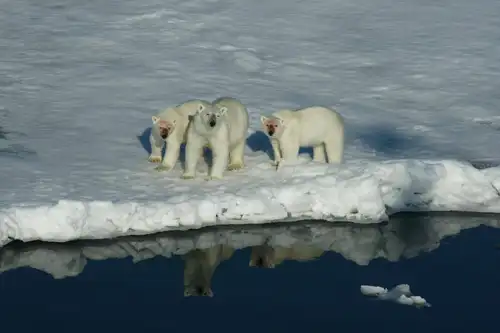
Polar Bear Primer: Eight Facts About the Arctic Wanderer

Polar bears inhabit the Arctic region across 19 subpopulations, including areas in Alaska, Canada, Greenland, Norway, and Russia. These majestic creatures prefer the edges of pack ice where currents and wind interact, creating a dynamic environment of melting and refreezing that forms ice patches and leads, which are open spaces in the sea between sea ice.
Of Treacherous Rocks & Audacious Fin Whales - Nexta Expeditions
Blog

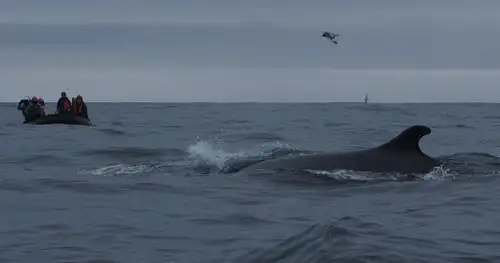
Of Treacherous Rocks & Audacious Fin Whales

Soon large blows filled our view; small groups of fin whales sped by heading north all the while feeding on concentrations of krill & small fish. Group after group was seen, with many simply feeding in the general area and not heading anywhere in particular. Soon it became evident that we were not simply seeing a few random groups of fins, but a very large concentration spread out over a large area of sea just north and around the islands north of the South Shetlands. Dozens upon dozens of fin whales were feeding, diving around the ship and on the horizon in massive numbers; we must have seen well over fifty fin whales in the general area of Elephant Island, something many of the guides had never seen before.
Earth vs. Mars: Polar Regions Compared - Nexta Expeditions
Blog

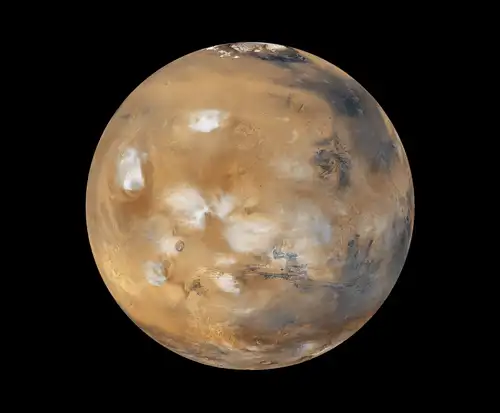
Earth vs. Mars: Polar Regions Compared

It’s well-known that Mars, like Earth, has its own polar regions, often referred to as the Martian ice caps. These regions, similar to Earth's, are situated at the north and south poles and experience much lower temperatures compared to the areas in-between.
A visit to the fascinating island of Jan Mayen - Nexta Expeditions
Blog

A visit to the fascinating island of Jan Mayen

After exploring the remote island of Fair Isle, our Atlantic Odyssey voyage once more turned its attentions northwards and left the outer extremities of the UK behind. Our destination was Jan Mayen, a volcanic island situated on the mid-Atlantic ridge just north of 71° (about 550 kilometers north of Iceland and 450 kilometers east of Greenland).
Explore Antarctica Without Leaving Your Couch - Nexta Expeditions
Blog

Explore Antarctica Without Leaving Your Couch

There are numerous ways to embark on an Antarctica expedition from the comfort of your home. Explore these fantastic resources to experience the White Continent without leaving your couch.
Svalbard vs. the Canadian Arctic - Nexta Expeditions
Blog

Svalbard vs. the Canadian Arctic

It’s easy to assume the Arctic is uniform, a vast expanse of northern freeze shaped by snow, ice, and endless darkness.
The Secret Life of Glaciers: How They Form, Move, and Melt - Nexta Expeditions
Blog

The Secret Life of Glaciers: How They Form, Move, and Melt

One of the most awe-inspiring natural wonders you can witness on an Arctic or Antarctic expedition is glaciers. These immense ice formations have been gradually moving from the mountains to the oceans for countless years, acting as both time capsules and indicators of our rapidly changing environment.
An igneous paradise: Franklin Island - Nexta Expeditions
Blog

An igneous paradise: Franklin Island

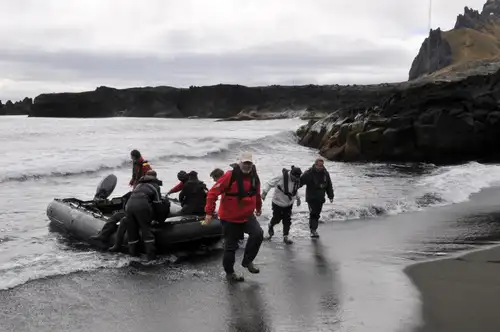
In the most remote reaches of the world's oceans, those daring enough to embark on the Ortelius to the Ross Sea eagerly boarded zodiacs in the southernmost part of the Pacific Ocean.
Arctic Foxes: Constant Gardeners of the Arctic - Nexta Expeditions
Blog

Arctic Foxes: Constant Gardeners of the Arctic

Given how widespread their habitat is, it is little wonder that Arctic foxes are one of the animals we most often see during our Greenland and Svalbard expeditions. The Arctic fox is a circumpolar species whose feeding grounds include North America, Eurasia, even Iceland, ranging from nearly the North Pole all the way down to the sub-Arctic islands.
Living the Antarctic Dream - Nexta Expeditions
Blog

Living the Antarctic Dream

From October to March, during the Austral summer, thousands of breeding gentoo, Adèlie, and chinstrap penguins flock to the Western Antarctic Peninsula to rear their chicks and feast on krill before the harsh winter arrives. Alongside the penguins, field biologists from around the world gather to study these habits for conservation research. Observing these animals is one thing, but residing in an Antarctic field station for an entire breeding season is another. One particular field camp on King George Island, managed by American scientists, has perfected this Antarctic lifestyle and has thrived for over 30 years.
Visiting the Nearly Unknown: New Zealand’s Campbell Island - Nexta Expeditions
Blog

Visiting the Nearly Unknown: New Zealand’s Campbell Island

New Zealand is a renowned destination globally, and for good reason: It’s absolutely stunning. Almost every corner is filled with unparalleled beauty. But did you know that New Zealand includes several sub-Antarctic Islands that are almost completely unknown?
Polar Marine Visitors: the Whales of Antarctica and the Arctic - Nexta Expeditions
Blog

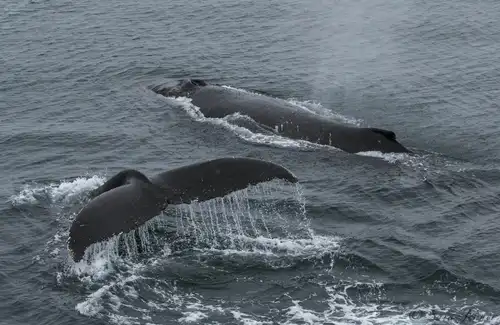
Polar Marine Visitors: the Whales of Antarctica and the Arctic

Whales are the world’s largest mammals, found in the Arctic and Antarctica. This article covers some of the major species you may see on voyages to these remarkable areas.
Eight Antarctic Misconceptions - Nexta Expeditions
Blog

Eight Antarctic Misconceptions

Antarctica has given rise to some pretty far-fetched rumors.
Secrets of the Snowy Owl: Habitat, Adaptations, and Other Facts - Nexta Expeditions
Blog

Secrets of the Snowy Owl: Habitat, Adaptations, and Other Facts

The snowy owl (Bubo scandiacus), also known as the great white owl or Arctic owl, is one of the most distinctive bird species on the planet. While you won’t find them in all areas of the Arctic – they don’t exist in Svalbard due to the lack of lemmings – snowy owls are seen in the polar regions of Eurasia and North America and are a potential visitor during Greenland cruises. The binomial species name, “scandiacus,” is derived from Scandinavia, as this is where the bird was first discovered. The snowy owl is the official bird of Quebec, and they are a must-see for countless bird watchers and naturalists.
Northeast Greenland National Park - Nexta Expeditions
Blog

Northeast Greenland National Park

Northeast Greenland National Park is the world’s largest national park and the ninth largest protected area on Earth. It should come as little surprise, then, that it’s also bigger than most countries, covering an impressive 972,000 square km (375,300 square miles).
The Seasons of Antarctica: When to Visit and Why - Nexta Expeditions
Blog

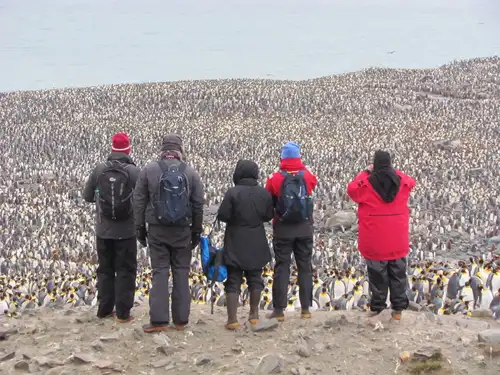
The Seasons of Antarctica: When to Visit and Why

You’ve decided to book your dream trip – an adventurous Antarctica cruise that will give you a winning chance to see otherworldly environments, encounter exotic wildlife, and take part in activities that will spoil your inner explorer like nothing else.
Scenes from St. Andrews Bay:  12 Pics of Penguins, Seals, and More - Nexta Expeditions
Blog

Scenes from St. Andrews Bay: 12 Pics of Penguins, Seals, and More

If you ever find yourself exploring the breathtaking sub-Antarctic island chain of South Georgia, one of the most captivating spots you'll encounter is the picturesque shoreline of St. Andrews Bay.
Path of Polar Heroes: Hiking Shackleton’s Historic Route - Nexta Expeditions
Blog

Path of Polar Heroes: Hiking Shackleton’s Historic Route

“We had seen God in his splendors, heard the text that Nature renders.” ~Ernest Shackleton
Why You Should Visit Greenland: 11 Things to See, Do, and Explore - Nexta Expeditions
Blog

Why You Should Visit Greenland: 11 Things to See, Do, and Explore

There's nothing quite like witnessing your first Greenland glacier, navigating into the island's largest fjord system (which also happens to be Earth's largest), or observing a humpback whale breach over the dark Greenland Sea.