
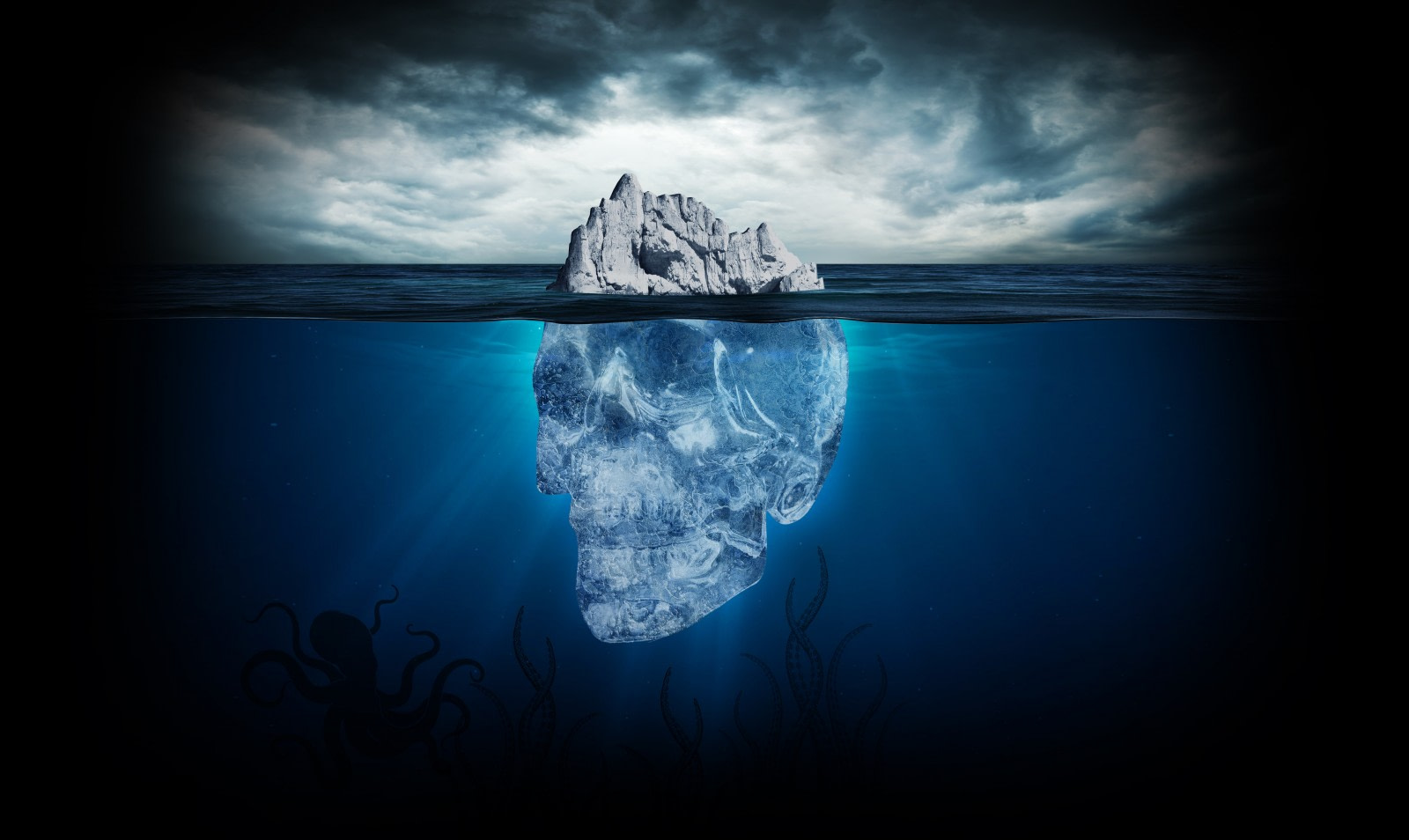
The polar regions are unparalleled when it comes to ghost stories.
Few places on Earth have claimed the lives of as many explorers, entrepreneurs, and historic adventurers as the Arctic and Antarctica.
These snow-covered areas are dotted with locations that seem perfect for hauntings: remote huts, solitary monuments, and abandoned mining settlements that many believe are not as deserted as they appear.
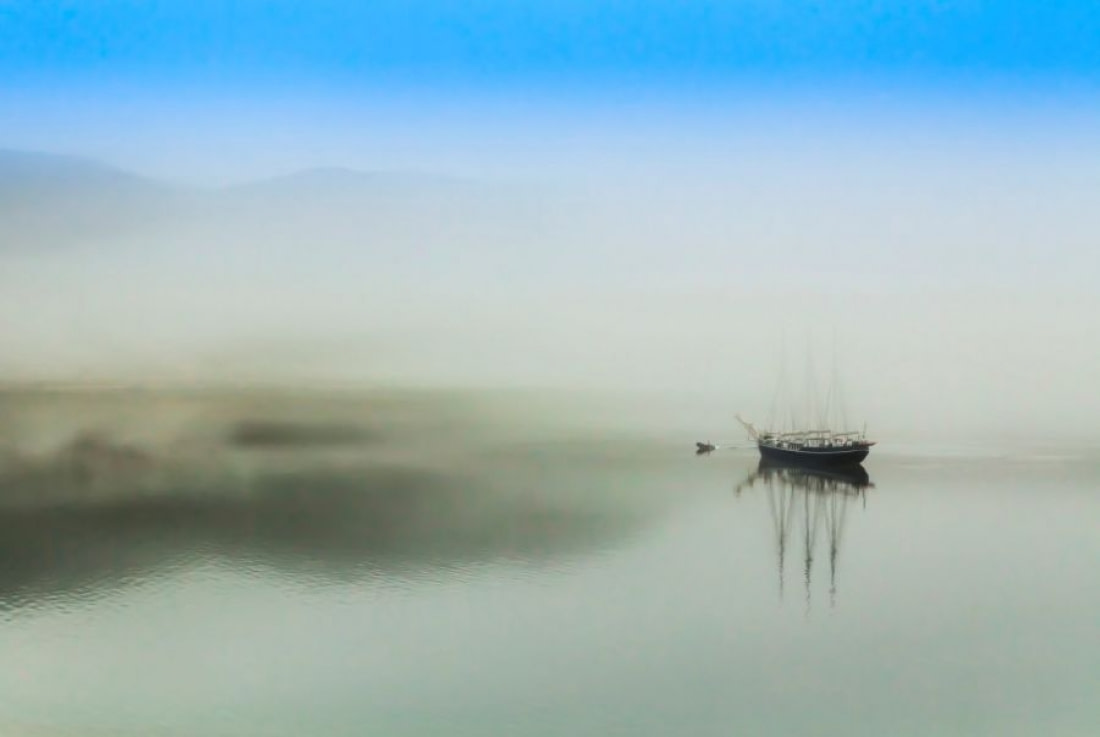
Beyond ill-fated expeditions, the Arctic and Antarctica naturally lend themselves to grand legends. Wild, remote, and largely uninhabited, they offer plenty of space for the imagination to roam.
Here are seven polar ghost stories that might captivate your imagination, whether you're a skeptic or a believer.
1. The Arctic ghost of fur trader Augustus Peers
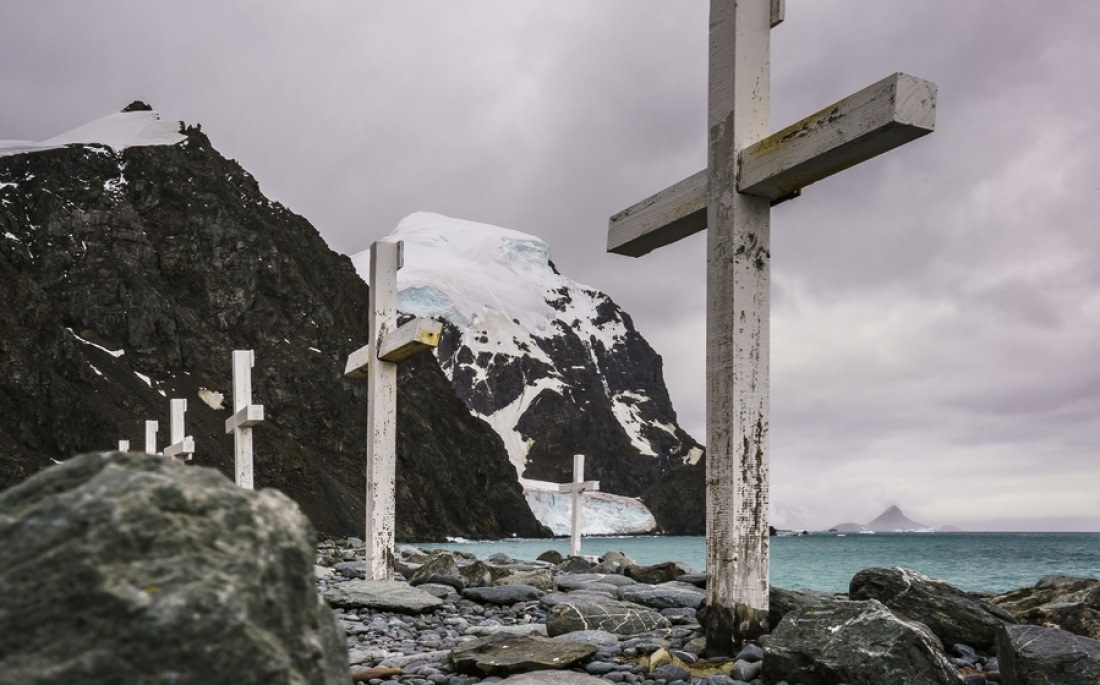
Hudson’s Bay Company fur trader Augustus Richard Peers died on March 15, 1853, while working as a post manager at Fort McPherson in the Inuvik Region of the Northwest Territories.
Despite Peers's clear wishes to be buried anywhere but Fort McPherson, his supervisor, Roderick MacFarlane, interred him there anyway.
If you know anything about ghost stories, you’ll recognize this as a recipe for trouble.
However, Peers's ghost seemed more helpful than vengeful.
After Peers’s widow requested his remains be moved to Fort Good Hope, MacFarlane and some workers set off by dog sled. Nearly a week before reaching their destination, they heard a voice beyond their campfire that sounded like Peers warning them of approaching wolves.
Several nights later, they heard Peers’s voice again, this time alerting them to a wolverine that seemed intent on disturbing the corpse.
After finally burying Peers’s body in Fort Good Hope, MacFarlane and his team returned to Fort McPherson. But only two days into the journey, MacFarlane awoke to see Peers staring down at him and a crewmate. Both men hid under their blankets until the ghost disappeared.
Was Peers there to thank them for a job well done? We may never know.
2. The disembodied voices of Deception Island
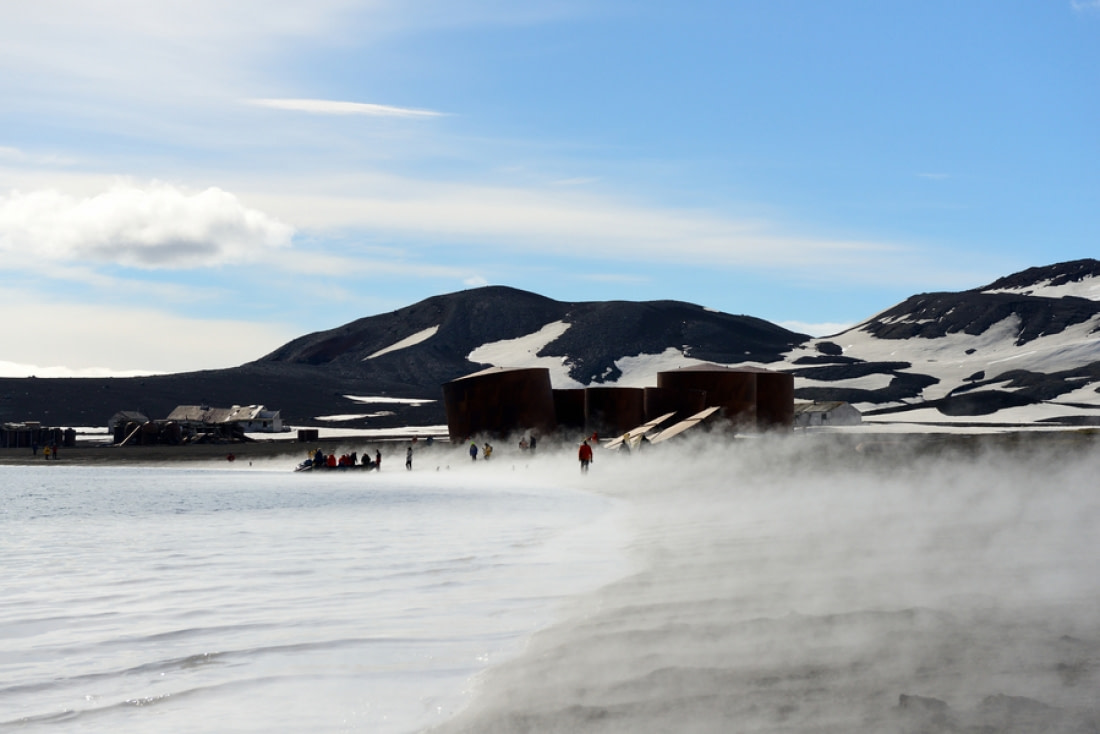
Deception Island, a popular Antarctica cruise destination, once housed an old whaler’s station. Whale bones still litter some beaches, remnants of a once-thriving industry.
When oil prices plummeted during the Great Depression, the station was abandoned and later used as a British WWII base.
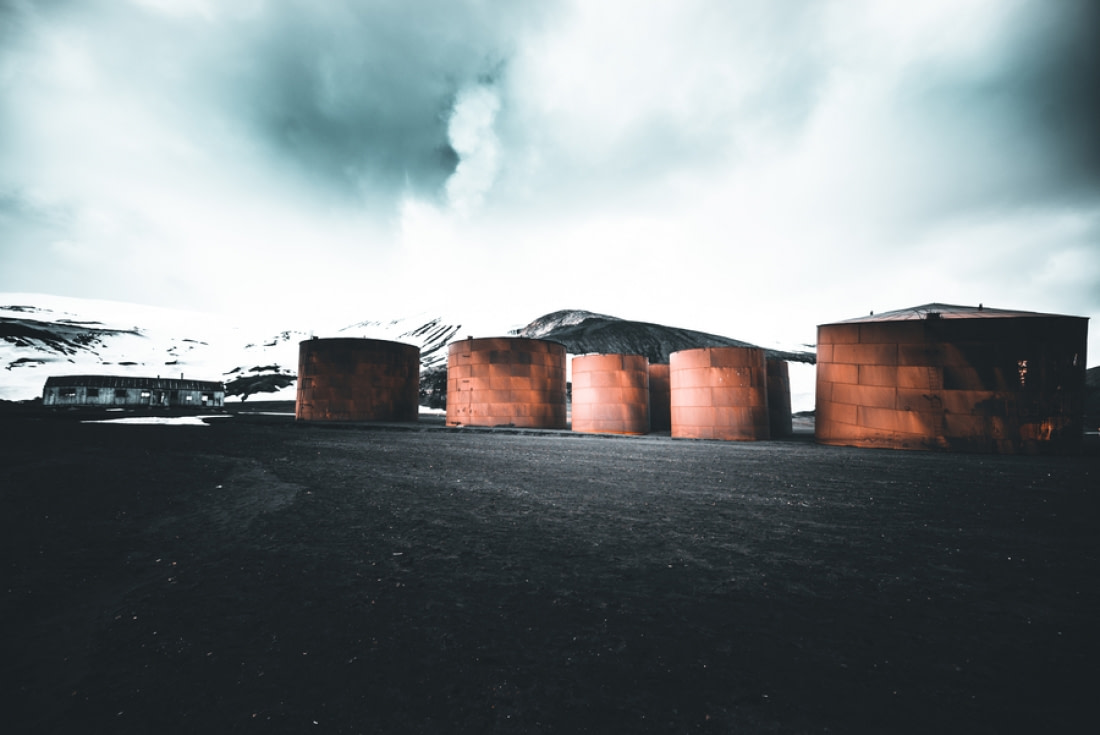
Visitors to Whalers Bay, a landing site on Deception Island, have reported seeing strange apparitions and orbs of light. Some have even heard voices.
In 2009, the crew of the American Syfy Network TV show Destination Truth visited the bay. They heard loud bangs, saw a “shadowy figure” among the ruins, recorded a thermal signature in a window, and heard what seemed to be an SOS signal from one of the shacks.
Maybe it was all just a coincidence, but some believe otherwise.
3. The ghost of the Arctic Circle Hot Springs Resort
Arctic Circle Hot Springs Resort in Central, AK, was built on a 400-gallons-per-minute hot spring in 1918. It changed ownership several times before closing in 2002.
Though financial troubles led to its closure, perhaps some of those issues were due to the odd occurrences reported by staff and visitors over the years.
In the resort’s third-floor library, a female ghost is said to roam the bookshelves. Kitchen workers often heard unexplained whistling noises from the hallways and exterior.
A teacher from California attempted to contact the ghost of a former owner, recording doors opening and closing on their own and feeling the presence of the owner’s wife nearby.
Other visitors reported seeing the main hall’s chandelier swing without wind, hearing footsteps on the stairs, and watching paintings come to life.
Or maybe there’s just something in the water at this lively hot springs.
4. The restless spirits of Ross Island
In the late 1970s, day-trip flights from New Zealand offered passengers the chance to see Antarctica from the air. But on November 28, 1979, a flight carrying 257 people crashed into Ross Island’s Mount Erebus, killing everyone on board.
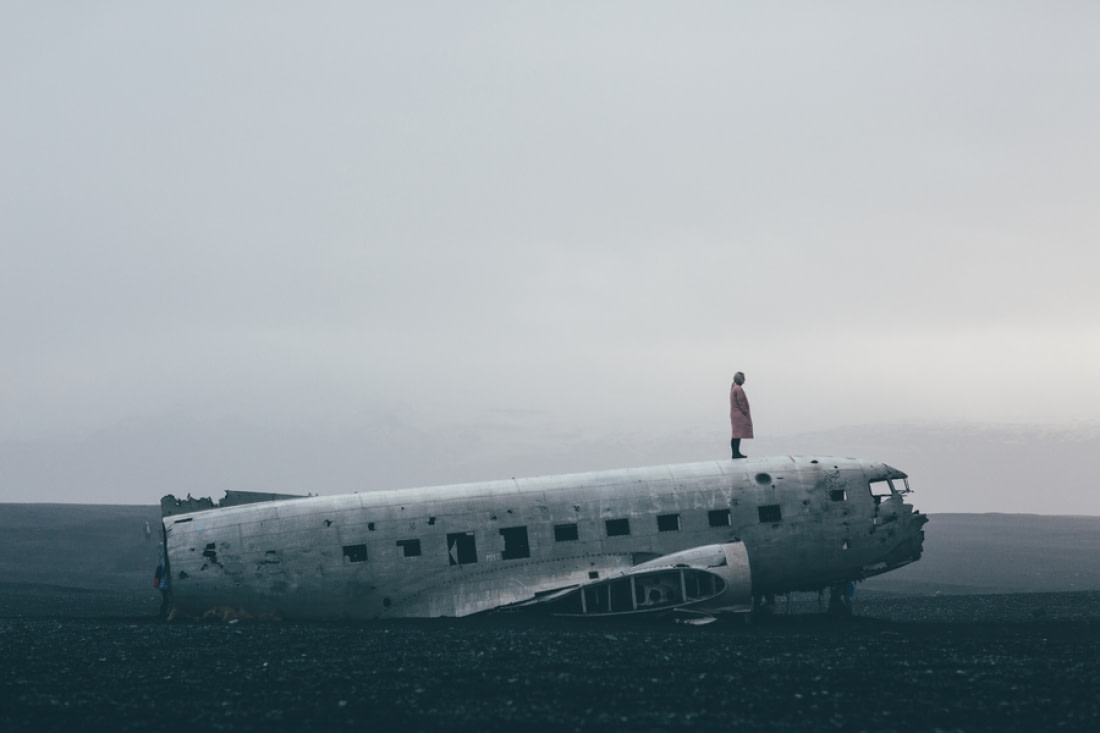
The bodies were stored at the American research station McMurdo, and over the years, many visitors to the base have claimed to see the ghosts of the flight’s passengers and crew roaming the hallways and outer grounds.
People have reported hearing voices, feeling presences, and seeing unexplained footprints - though none of our guests have reported such experiences.
5. The Labrador legend of the Phantom Trapper
Legend has it that during the harsh winters of Labrador, Canada, the Phantom Trapper is cursed to eternally drive his team of 14 white huskies across the region’s vast landscape, guiding lost people to safety.
Nobody knows the Trapper’s real name, but many recognize this ghost by his thick fur and skin clothing.
In life, the Trapper sold toxic alcohol to native peoples and assaulted many of their women before dying of natural causes. Evading retribution in life, he’s now doomed to pay for his crimes in death.
Though some snow-loving guides might not consider his punishment too bad.
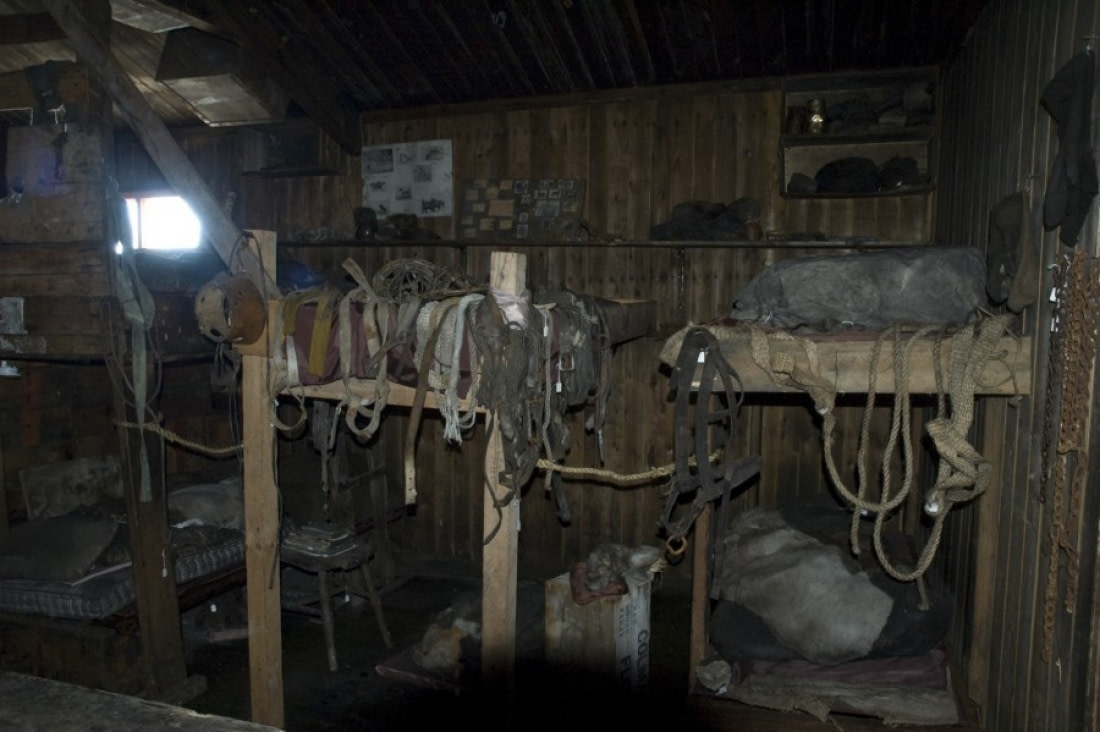
6. The haunting of the Robert Scott hut
The hut of famed explorer Robert Falcon Scott is a highlight of Ross Sea trips, though not everyone has had a positive experience at this historic Antarctic landmark.
Some visitors have felt uneasy, heard footsteps and voices inside, and believed they were being watched. However, none of our passengers have reported such claims.
Good thing, as we haven’t had ghostbusters on the payroll for a while.
7. Edmund Hillary and the ghost of Ernest Shackleton
Sir Edmund Hillary and Nepalese Sherpa Tenzing Norgay were the first to reach the summit of Mount Everest. Hillary greatly admired legendary explorer Sir Ernest Shackleton.
Though Shackleton died in Antarctica in 1916, three years before Hillary was born, Sir Edmund admitted to seeing Shackleton’s ghost while visiting his hut on Ross Island:
“I remember when I first went to Shackleton’s hut,” Hillary said. “And I’m not a person who really sees things very much, but I went inside the door... I distinctly saw Shackleton walking towards me and welcoming me, and then it all sort of flashed away and he was gone. It’s the only time I can ever remember something occurring like that…”
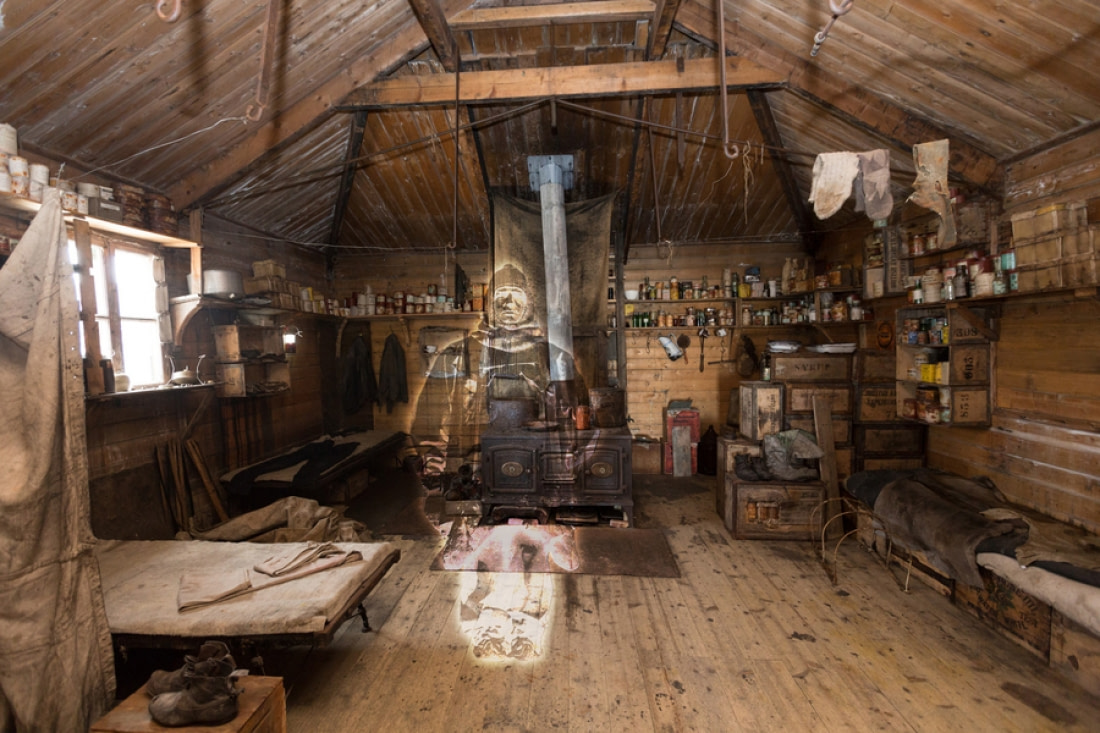
Perhaps he did see Shackleton’s benevolent ghost welcoming a fellow adventurer, or maybe Hillary was simply moved by the moment of visiting his hero’s last expedition camp. Either way, it’s a touching story.
And a slightly spooky one at that!


Blog


Adding Antarctica to Your Seven-Continents Bucket List
The Eight Albatrosses of Antarctica and the Sub-Antarctic
Top 10 Antarctic Attractions

Cheapest Antarctica Cruises: How to Save on Your Journey
Get to Know Your Ice
Birds of the North: 29 Arctic Birds and Seabirds
The Best Arctic and Antarctic Trips for Families
A Bug’s Life in Svalbard
Amphibian, reptiles and herbivore mammals in the Arctic
The Overlooked Treasures of Ascension Island
Graham Land: A landscape dominated by volcanoes
Discover the Scoresby Sund Fjord System in East Greenland
15 Fantastic Photos of Antarctica
Visiting the Nearly Unknown: New Zealand’s Campbell Island
Guidelines for visitors to Antarctica
Franz Josef Land Sites, Species, and Experiences
South Georgia Whaling Stations
Peaks, Fjords, and Auroras: 14 East Greenland Attractions
The Classic Polar Cruise: Antarctic Peninsula Facts, Pics, and More