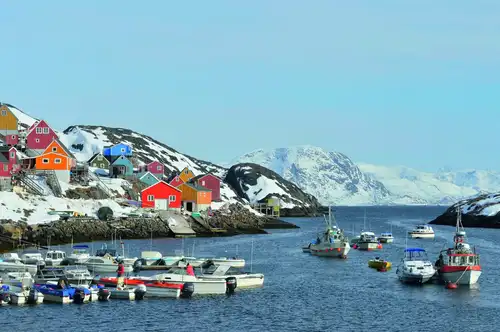


Grasses, sedges, and other species of heath were the first arrivals, and are still commonly found in Greenland. Scientists have been able to work out how plants colonised Greenland by examining ancient pollen samples found in deposits at the bottom of lakes: Dwarf birch came to western Greenland around 9,000 years ago, and around 4,500 years ago – roughly the same time humans were first boating onto Greenland shores – green alders were taking up residence there.

2. Greenland: Earth’s second-largest freshwater source
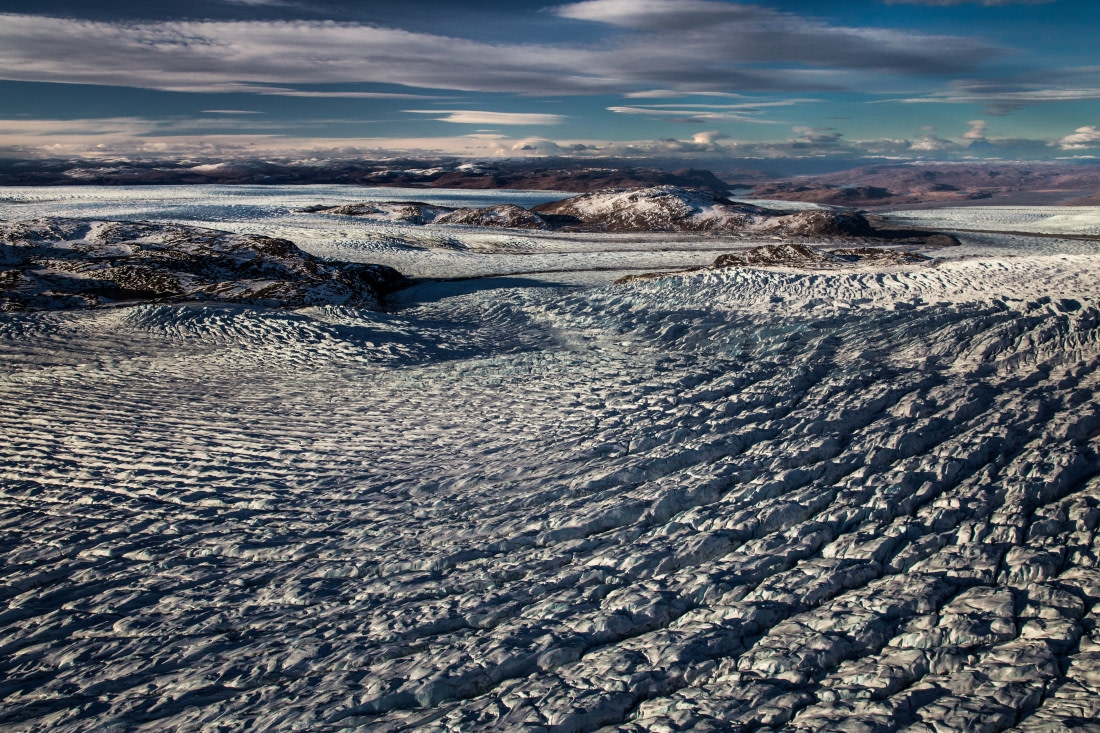
Though many think of Greenland as a desolate ice-crusted wasteland, those who’ve embarked on Greenland cruises know otherwise: A variety of flora and fauna thrive there, supported by the abundant freshwater supply. This supply comes chiefly from the Greenland Ice Cap, made up of about 1.7 million cubic kilometres of ice. That’s nine percent of the world’s total supply of fresh water. Every spring, melt from this ice and snow replenishes streams, lakes, and other water bodies.
3. Wonderful waterside homes – for Greenland birds
A number of birds use the freshwater sources for breeding and foraging – such as harlequin ducks, which nest on stream shores and beside waterfalls. Great northern divers and red-throated divers breed on islands in freshwater lakes, then travel to the coast to feed on the abundant fish supply. Birds also utilise these freshwater bodies for feeding, taking in seeds, aquatic plants, larvae, crustaceans, and fish.

4. Greenland’s assorted springs
Hot springs are another source of fresh water in Greenland. Some ice over in the winter, while others remain just above freezing year-round. These springs are found in eastern Greenland, a terrain partly composed of basalt, and are home to a diverse range of species for whom the warm waters accelerate growth. For instance, the water alwart is found by hot springs and is Greenland’s tallest herb, while four orchid species are found near these springs and consequentially get to enjoy an extended growing season.
Two of Greenland’s rarest plants are also found around hot springs in eastern Greenland: One species, the purple avens, has only been seen in hot springs with temperatures of 54 degrees Celsius. The hot springs are also home to snails and various types of beetles. By contrast, cold springs are home to a different cast of creatures: A certain cold spring in eastern Greenland is the only place on the island where the freshwater mite can be found.
5. Healthy host of Greenland animals
Greenland’s terrestrial areas are home to four herbivorous mammals: the musk ox, reindeer, Arctic hare, and Arctic lemming. In addition, geese, grouse, and some duck species are found on land, but are dependent on the availability of plant cover. Geese are one of a handful of Greenland-based birds that have a plant diet, so they live on land when they’re not migrating between wintering and breeding areas. After they breed, they usually moult over a two-week period before being able to fly again. Since the process of moulting is so energy-intensive, the areas they moult in must have ample food. These areas also have to be near open water, giving the geese a place to retreat if danger approaches.

6. High country Greenland reindeer
Along the west coast of Greenland, reindeer are found on terrain consisting of hilly ranges, valleys, streams, high mountain areas, lakes, and scrub forests. Their diet is mainly grasses and sedges during the summer, with lichens added in during the winter. Reindeer do not remain in one location during the colder months, instead migrating for optimum foraging possibilities. The reason being that they cannot dig into snow for their food very easily, so they prefer areas where sustenance is more accessible – usually where vegetation is exposed by the wind. During the warmer months, reindeer head to the mountains in search of cool places with the least pesty insects. Females usually find undisturbed locations, known as calving areas, to bear their young. During this period, these females can be very flighty: Any disturbance can potentially send them fleeing, leaving their calves behind.

7. Musk oxen seeking Greenland silence
Musk oxen live in north and east Greenland, in terrain that alternates between highland and lowland. (There are also populations of re-introduced muskoxen in western Greenland.) The diet of the musk ox is mainly willows, sedges, and grasses, with the proportion differing with season and location. When female musk oxen calve, they are highly sensitive to disturbances, and so they seek quiet places.

8. Greenland predators on the prowl
Predators stalk the Greenland landscape too. Lemmings, for example, are found all the way up to the northern part of the island. There they survive the frigid winters by building nests and tunnels under the snow. Their predators include the Arctic fox, snowy owl, skuas, and raven, among others. Arctic foxes are found in both the north and northeast of Greenland, both as predators and scavengers. They feed on Arctic hares, lemmings, seals, and sometimes even musk oxen.
9. Greenland’s wealth of whales
Greenland’s waters are home to several species of whale, each with its own particular diet. Blues and bowheads feed exclusively on crustaceans, while belugas also take in fish: Greenland cod, ocean perch, and catfish. Narwhals enjoy polar cod as well as eelpouts and cephalopods. Killer whales (or orcas) and sperm whales target the largest ocean creatures. In fact, orcas are known to attack baleen whales, narwhals, belugas, and walruses, while sperm whales sometimes hunt sharks.

10. Large-scale Greenland hunters
Among the seal species, harbor seals feed only on fish, including herring and salmon. Bearded seals also eat benthic fauna, including snails, sea cucumbers, and sea squirts. Walruses, on the other hand, have a very narrow diet in Greenland, mostly eating benthic bivalves taken from waters less than 80 metres deep. They do at times hunt seals when ice conditions are so bad they cannot reach the bivalves. Polar bears mainly feed on seals: ringed, bearded, harp (on pack ice) and hooded. When the opportunity present itself, polar bears also eat marine birds, and on land they can even catch geese.
 12 Aug - 31 Aug 2026
 15 Aug - 28 Aug 2026
 16 Aug - 25 Aug 2026
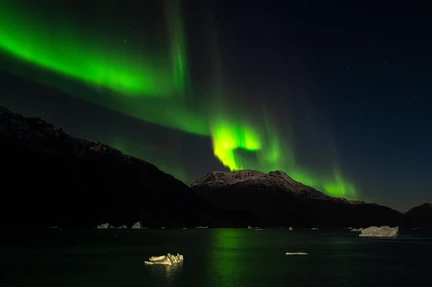 25 Aug - 07 Sep 2026
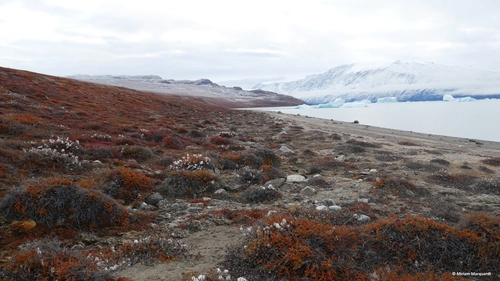 21 Sep - 01 Oct 2026
Related Trips
Spitsbergen - Northeast Greenland, Fly & Sail
12 Aug 2026 - 31 Aug 2026  20 Days / 19 Nights
Northeast Greenland Extreme
15 Aug 2026 - 28 Aug 2026 14 Days / 13 Nights
East Greenland, Scoresby Sund, Including Long Hikes
16 Aug 2026 - 25 Aug 2026 10 Days / 9 Nights
Northeast Greenland Extreme
25 Aug 2026 - 07 Sep 2026 14 Days / 13 Nights
East Greenland, Scoresby Sund - Aurora Borealis, Fly & Sail
21 Sep 2026 - 01 Oct 2026 11 Days / 10 Nights
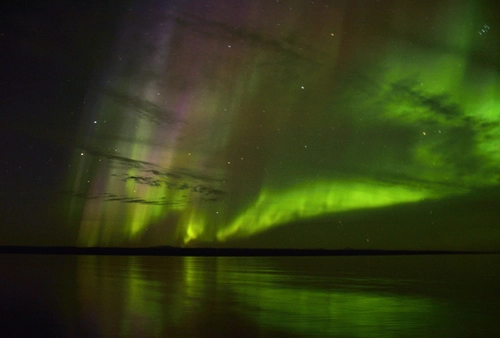
East Greenland, Scoresby Sund - Iceland , Aurora Borealis, Fly & Sail
01 Oct 2026 - 12 Oct 2026 12 Days / 11 Nights

Blog


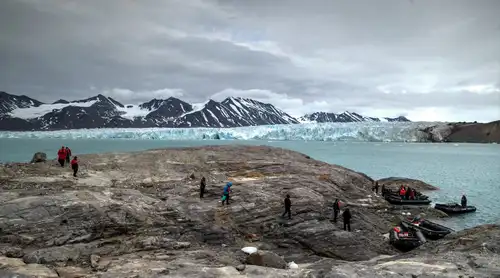
The Enchanting Islands of Svalbard

True South: A New Flag for a Global Antarctica
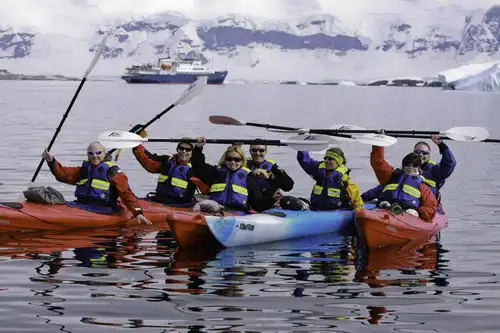
A Day of Basecamp in Antarctica – Paradise Harbour
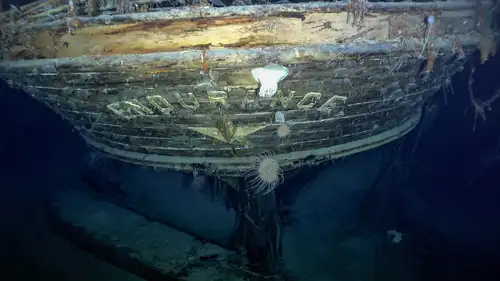
Shackleton’s Long-Lost Endurance Discovered in Antarctica

The First Overwintering Hut in Antarctica

Seven Frightfully Fun Polar Ghost Stories

The World Is Changing for Greenland's Native Inuit People
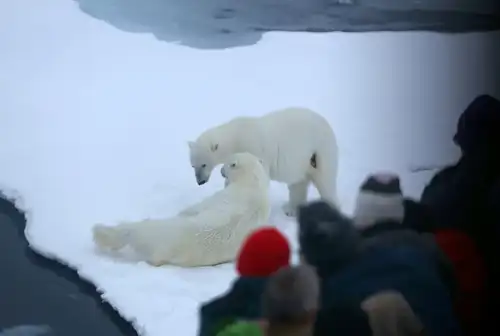
The Pack Ice and Polar Bears of North Spitsbergen
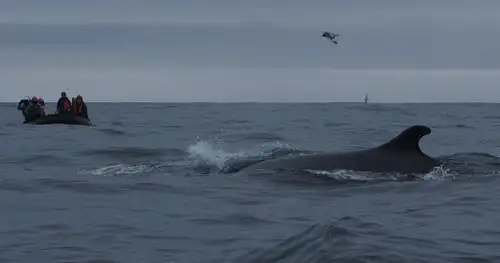
Of Treacherous Rocks & Audacious Fin Whales
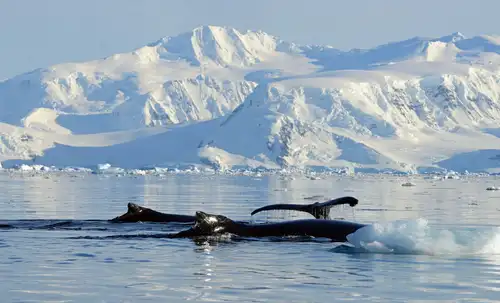
Humpback Whales: the Stars of the Western Antarctic Peninsula
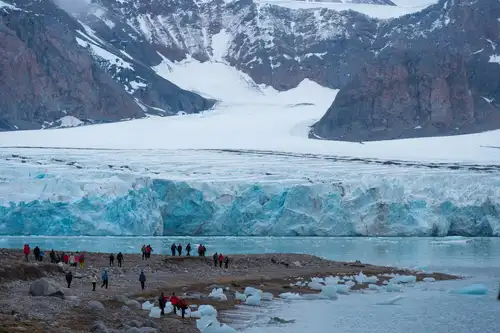
16 Conversation-Starting Svalbard Facts
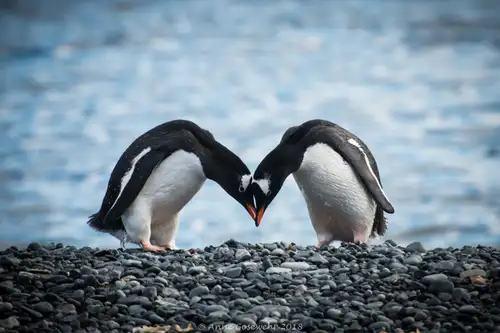
Polar Amore: 14 Wildlife Pics to Warm up Your Valentine’s Day
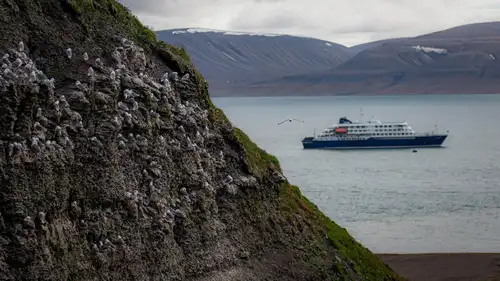
Circumnavigating Spitsbergen
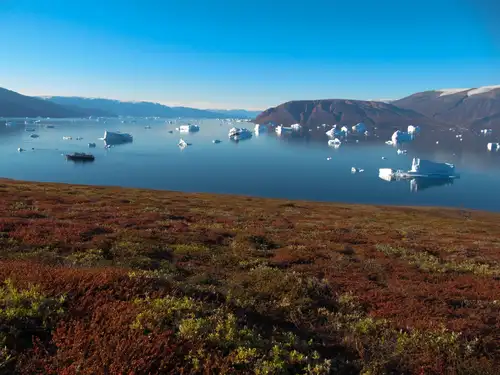
Northeast Greenland National Park
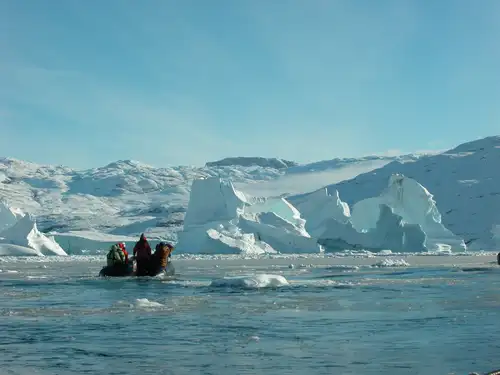
Discover the Scoresby Sund Fjord System in East Greenland

Five of History’s Greatest Polar Explorers
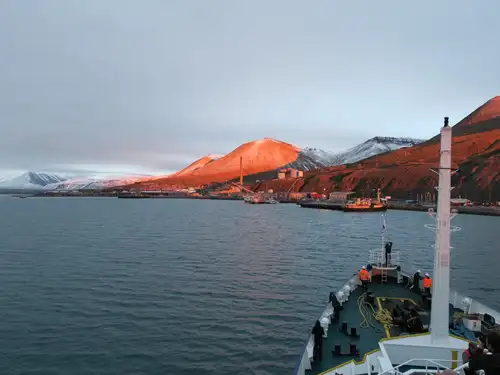
Port Pastimes: 7 Fun Things to Do in Longyearbyen
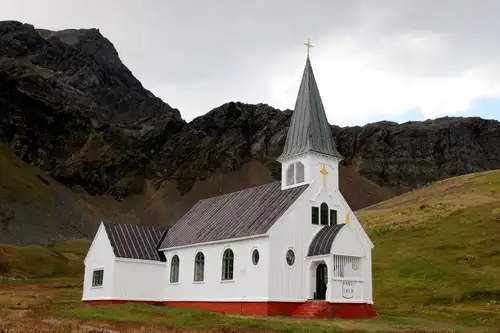
Churches in Antarctica
10 Weather-Fueled Facts about Antarctica