The Enchanting Islands Of Svalbard - Nexta Expeditions
The Enchanting Islands of Svalbard

The Enchanting Islands of Svalbard

Svalbard is an Arctic archipelago situated between the North Pole and the Norwegian mainland, offering visitors some of the most stunning wildlife and landscapes in the world. Here we explore seven of the most visited Svalbard islands, highlighting the many wonders that draw people back year after year.

blog-image

Spitsbergen

The largest island of Svalbard, Spitsbergen spans 39,044 square km (15,075 square miles) and is the only one with a permanent human population. Historically, the archipelago was called Spitsbergen, while the island itself was known as West Spitsbergen. Some, particularly the Dutch, still debate whether the island group should be called Svalbard or Spitsbergen. However, most of the world recognizes these islands as Svalbard.

Spitsbergen is known for its deep fjords and towering mountains, which is why it was named "pointed mountains" in Dutch. The western part of the island features wild alpine landscapes, with glaciers cascading into the sea and peaks exceeding 1,000 meters (3,000 feet). The eastern part has fewer fjords and a thick ice cover due to the absence of the Gulf Stream and snowfall from the east. The central region is drier and has fewer glaciers, making it more suitable for hiking and wildlife viewing.

The ice-free areas of Spitsbergen are among the most fertile in Svalbard, home to reindeer, Arctic foxes, and various seabirds like kittiwakes. Polar bears are also commonly seen, making Svalbard one of the best places to observe these majestic creatures. The fertile regions of Spitsbergen are ideal for hiking, offering abundant wildlife and fewer glaciers.

blog-image

Nordaustlandet

Nordaustlandet, translating to Northeast Land, is the second largest island in Svalbard, covering nearly 15,000 square km (5,800 square miles). Its north coast is farther north than the main island, resulting in a High Arctic climate. Without the Gulf Stream, Nordaustlandet is typically iced over in winter and partially or fully covered even in summer. The ice is so thick that even reinforced vessels cannot circumnavigate the island during this time.

The northern part of Nordaustlandet is usually ice-free due to wind and ocean currents, revealing steep fjords. The east and south, however, remain hidden under thick ice. Despite sparse vegetation, the island supports diverse wildlife, including reindeer, Arctic foxes, seabirds, seals, walruses, and polar bears. Human presence is minimal, with only a few automated weather stations. Nordaustlandet's remoteness makes it a popular destination for Arctic trips, often visited during Spitsbergen circumnavigations or voyages to northern Svalbard.

blog-image

Edgeøya

Edgeøya, the third largest island in Svalbard, covers 5,100 square km (2,000 square miles). It has a High Arctic climate influenced by eastern ocean currents, resulting in ice-packed seas even in summer. The island's landscape is primarily plateau-like, cut by glaciers, with the west and north parts typically ice-free, unlike the thickly iced east.

There are no permanent settlements on Edgeøya, only a few scientific research cabins and remnants of old whaling and walrus hunting cabins from the mid-1600s. The island's flat islets serve as fertile breeding grounds for geese, ducks, auks, and other seabirds. The walrus and seal populations have recovered from past hunting. Edgeøya is also one of the best places to see reindeer and polar bears in Svalbard. Its infrequent visits add to its allure, often featured in several Svalbard cruises.

blog-image

Barentsøya

Barentsøya, part of the Søraust-Svalbard Nature Reserve, is nearly half glaciated. Until 1858, it was thought to be part of Edgeøya until a separating channel was discovered. The island's volcanic landscape supports rich plant life on the tundra, sustaining a decent reindeer population. Steep cliffs host kittiwake colonies, attracting Arctic foxes, and the island is a crucial migration and denning area for polar bears. Named after Dutch navigator Willem Barentsz, Barentsøya offers a ruggedly scenic environment.

blog-image

Kvitøya

Kvitøya, known as "White Island," is covered by a thick ice dome, with some parts over 400 meters (1,300 feet) thick. Close to the Russian border, visitors can view the colossal icecap of Kvitøyjøkulen. While the island has limited wildlife, its clear spots host Arctic terns, red-throated divers, and polar bears. Birds arrive during the breeding season, and a healthy walrus population uses the island as a haul-out area.

blog-image

Bjørnøya

Bjørnøya, or Bear Island, is Svalbard's southernmost island, located about halfway between Spitsbergen's southern tip and the Norwegian mainland. The island's dramatic coast features cliffs and rock formations, including the famous Perleporten, a massive tunnel under Kapp Kolihoff.

Bjørnøya's mid-latitudinal position supports diverse flora and fauna, with birds dominating the steep cliffs. These cliffs host some of the largest bird colonies in the Arctic, including guillemots, little auks, kittiwakes, and various gulls. The island is also home to many bearded and ringed seals.

blog-image

Sjuøyane

Our final entry is Sjuøyane, translating to "Seven Islands," located north of Nordaustlandet and part of the Northeast Svalbard Nature Reserve. These remote islands are known for their clinging plant life, colorful Arctic flowers, and striking geological formations. They support auks, guillemots, gulls, puffins, walruses, reindeer, Arctic foxes, and occasional polar bears. Being only 1,024 km (637 miles) from the North Pole, they are among the northernmost landmasses on Earth.

blog-image

Title image by Viviane Declerck

Best Deals

Related Trips

Alpine Peaks of Spitsbergen, Ski & Sail - Nexta Expeditions
The Arctic
Longyearbyen

Alpine Peaks of Spitsbergen, Ski & Sail

calendar24 Apr 2026 - 01 May 2026
clock8 Days / 7 Nights
From $ 3.950 per person
Alpine Peaks of Spitsbergen, Ski & Sail - Nexta Expeditions
The Arctic
Longyearbyen

Alpine Peaks of Spitsbergen, Ski & Sail

calendar01 May 2026 - 08 May 2026
clock8 Days / 7 Nights
From $ 3.950 per person
Arctic Ocean - Fair Isle, Jan Mayen, Ice Edge, Spitsbergen, Birding - Nexta Expeditions
The Arctic
Aberdeen

Arctic Ocean - Fair Isle, Jan Mayen, Ice Edge, Spitsbergen, Birding

calendar27 May 2026 - 05 Jun 2026
clock10 Days / 9 Nights
From $ 3.100 per person
North Spitsbergen - Arctic Spring ,  Hike & Sail - Nexta Expeditions
The Arctic
Longyearbyen

North Spitsbergen - Arctic Spring , Hike & Sail

calendar29 May 2026 - 05 Jun 2026
clock8 Days / 7 Nights
From $ 4.000 per person
North Spitsbergen Explorer - Into the pack ice - Polar Bear Special - Nexta Expeditions
The Arctic
Longyearbyen

North Spitsbergen Explorer - Into the pack ice - Polar Bear Special

calendar05 Jun 2026 - 12 Jun 2026
clock8 Days / 7 Nights
From $ 4.500 per person
Arctic Ocean - Jan Mayen, Ice edge, Spitsbergen, Birding - Nexta Expeditions
The Arctic
Akureyri

Arctic Ocean - Jan Mayen, Ice edge, Spitsbergen, Birding

calendar05 Jun 2026 - 13 Jun 2026
clock9 Days / 8 Nights
From $ 2.800 per person
Arctic Ocean - Fair Isle, Jan Mayen, Ice edge, Spitsbergen, Birding - Summer Solstice - Nexta Expeditions
The Arctic
Aberdeen

Arctic Ocean - Fair Isle, Jan Mayen, Ice edge, Spitsbergen, Birding - Summer Solstice

calendar12 Jun 2026 - 21 Jun 2026
clock10 Days / 9 Nights
From $ 3.100 per person
North Spitsbergen Explorer - Into the pack ice - Polar Bear Special - Nexta Expeditions
The Arctic
Longyearbyen

North Spitsbergen Explorer - Into the pack ice - Polar Bear Special

calendar12 Jun 2026 - 19 Jun 2026
clock8 Days / 7 Nights
From $ 4.500 per person
North Spitsbergen Explorer - Versatile landscapes, sea ice & wildlife - Nexta Expeditions
The Arctic
Longyearbyen

North Spitsbergen Explorer - Versatile landscapes, sea ice & wildlife

calendar13 Jun 2026 - 20 Jun 2026
clock8 Days / 7 Nights
From $ 4.500 per person
North Spitsbergen Basecamp – Summer Solstice - Free Kayaking, Hiking, Photo Workshop, Diving (supplemented) - Nexta Expeditions
The Arctic
Longyearbyen

North Spitsbergen Basecamp – Summer Solstice - Free Kayaking, Hiking, Photo Workshop, Diving (supplemented)

calendar19 Jun 2026 - 26 Jun 2026
clock8 Days / 7 Nights
From $ 4.500 per person
North Spitsbergen Explorer - Versatile landscapes, sea ice & wildlife - Summer Solstice - Nexta Expeditions
The Arctic
Longyearbyen

North Spitsbergen Explorer - Versatile landscapes, sea ice & wildlife - Summer Solstice

calendar20 Jun 2026 - 27 Jun 2026
clock8 Days / 7 Nights
From $ 4.500 per person
North Spitsbergen Explorer - Versatile landscapes, sea ice & wildlife - Summer Solstice - Nexta Expeditions
The Arctic
Longyearbyen

North Spitsbergen Explorer - Versatile landscapes, sea ice & wildlife - Summer Solstice

calendar21 Jun 2026 - 28 Jun 2026
clock8 Days / 7 Nights
From $ 4.500 per person

Blog
go-leftgo-right

Under the Greenland Ice Sheet - Nexta Expeditions
Blog

Under the Greenland Ice Sheet
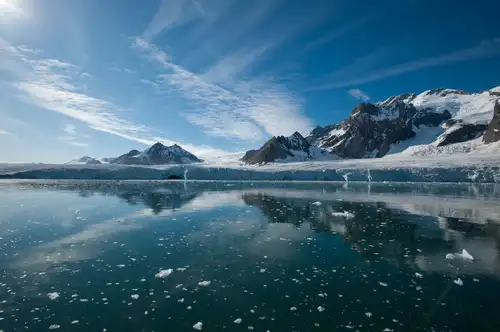
Anyone who ventures to the right part of the globe can encounter vast amounts of ice, but a Greenland cruise offers something truly unique: ice sculptures hidden beneath the northern ice sheet. Scientists once thought these sculptures were rocky hills buried in ice, similar to the Ghost Mountains in Antarctica. However, it turns out that Mother Nature has crafted one of the most exclusive art exhibits in the world. These sculptures are not visible from the surface, but some scientists have managed to get a sneak peek using radar equipment.
A Bug’s Life in Svalbard - Nexta Expeditions
Blog

A Bug’s Life in Svalbard

When you think about Svalbard wildlife, you might imagine reindeer, Arctic foxes, polar bears – the primary animal attractions that draw passengers to an Arctic cruise. But in fact, the Svalbard archipelago is a thriving location for over 1,000 species of terrestrial and freshwater invertebrates: animals that lack backbones. Despite this richness of life, however, these invertebrates are only found in the Isfjord and Kongsfjord areas of these wonderfully diverse islands.
Birds of the South: 33 Antarctic Birds and Seabirds - Nexta Expeditions
Blog

Birds of the South: 33 Antarctic Birds and Seabirds

Of the many compelling reasons people travel to Antarctica and the sub-Antarctic, bird life is among the most beloved.
The bowhead whale, whaling about the Arctic - Nexta Expeditions
Blog

The bowhead whale, whaling about the Arctic

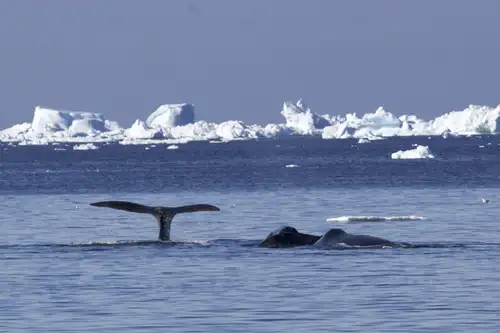
The bowhead whale typically resides near pack ice, often in shallow waters. These whales are commonly found north of Europe, between Canada and Greenland, in the Hudson Bay area, the Okhotsk Sea, and the Bering, Chukchi, and Beaufort seas. In these regions, they filter food through their large baleen plates. Bowheads are known to open their large mouths and graze along the surface, in the water column, or on the sea floor.
Taking the Polar Plunge - Nexta Expeditions
Blog

Taking the Polar Plunge

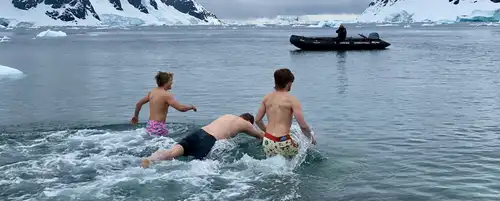
There are some human activities that for many people simply defy understanding: We juggle chainsaws, we breathe fire, we fling ourselves out of perfectly good airplanes.
12 Tips to Help Keep Birds Safe During an Antarctic Cruise - Nexta Expeditions
Blog

12 Tips to Help Keep Birds Safe During an Antarctic Cruise

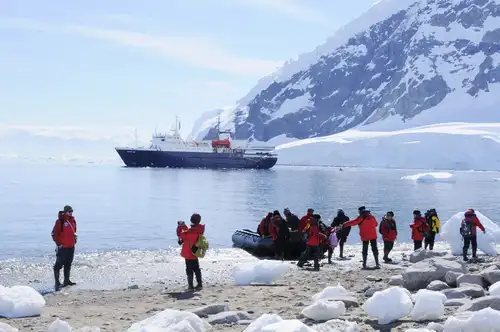
One of the most incredible experiences on an Antarctic cruise is observing the numerous penguins in their natural environment. Naturally, passengers often worry about the potential of disturbing the penguins and other Antarctic birds, which could disrupt their breeding and nesting patterns.
The Seven Best Things to Do in Antarctica - Nexta Expeditions
Blog

The Seven Best Things to Do in Antarctica

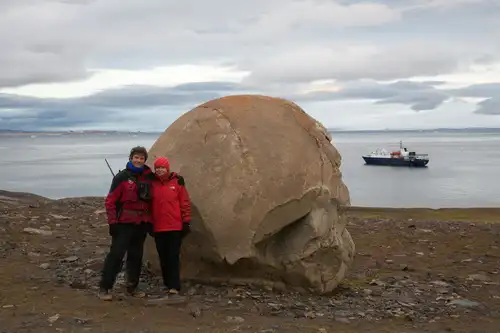
Unless you’re a scientist, there’s no such thing as a means-to-an-end trip to Antarctica.
The Return to Franz Josef Land - Nexta Expeditions
Blog

The Return to Franz Josef Land

As the possibility of international travel slowly returns, we are eagerly awaiting all the great locations, activities, and wildlife we might experience in the coming season. One of the things we’re most excited about is the return of our Franz Josef Land voyages.
Adélie penguins in the Ross Sea - Antarctica - Nexta Expeditions
Blog

Adélie penguins in the Ross Sea - Antarctica

The Adélie penguin population in the Ross Sea has reached its highest numbers in 30 years, with up to a million breeding pairs during the summer. This accounts for about 38 percent of the entire Antarctic Adélie population.
Everything you need to know about Antarctic icebergs - Nexta Expeditions

Blog

Everything you need to know about Antarctic icebergs

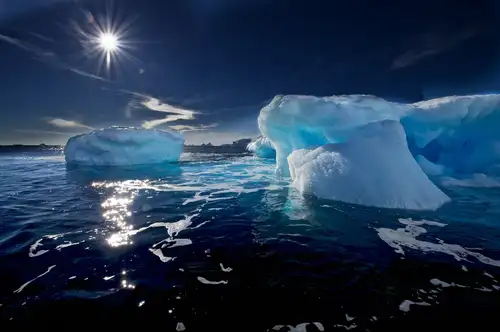
The ice in Antarctica might seem static, but it is constantly moving. Pieces of ice are continuously breaking off from ice shelves, glaciers, or other icebergs. They float freely along with the Antarctic currents, with about 90 percent of their mass below the surface of the water. This fact is actually what gave rise to the nowadays popular phrase “the tip of the iceberg”. Regardless, the sighting of the first iceberg is always a moment to celebrate in any and all Antarctic expeditions. So that you may appropriately ready yourself for that joyous moment, in this article you will find everything you need to know about Antarctic icebergs.
The First Overwintering Hut in Antarctica - Nexta Expeditions
Blog

The First Overwintering Hut in Antarctica

In 1899, Carsten Borchgrevink and his nine crewmen became the first to spend the winter in a hut in Antarctica. (Technically, the Belgian Antarctic Expedition of 1897-1899 was the first to overwinter there, though this was done on their vessel after it was caught in ice.) Borchgrevink and his men spent the dark winter months isolated in a dirty hut, surrounded by equipment and sled dogs fighting each other outside.
The Wildlife of Antarctica’s Seas and Skies - Nexta Expeditions

Blog

The Wildlife of Antarctica’s Seas and Skies

Antarctica is one of the most pristine environments on Earth, home to whales, penguins, seals, and birds, providing nature lovers with a treasure trove of wildlife memories to take back home.
Polar Cuisine in Pictures - Nexta Expeditions
Blog

Polar Cuisine in Pictures

Embarking on a polar expedition cruise to some of the world's most remote and wild locations doesn’t mean you have to compromise on fine dining.
Day and night in Antarctica - Nexta Expeditions
Blog

Day and night in Antarctica

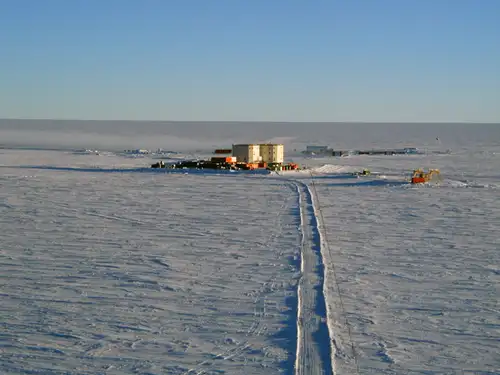
At the Concordia station, a French-Italian research facility situated 3,233 meters above sea level at Dome C on the Antarctic Plateau, European Space Agency (ESA) scientists are investigating the effects of extended space missions. The station is more isolated than the International Space Station, with the nearest humans located 600 kilometers away.
Peaks, Fjords, and Auroras: 14 East Greenland Attractions - Nexta Expeditions
Blog

Peaks, Fjords, and Auroras: 14 East Greenland Attractions

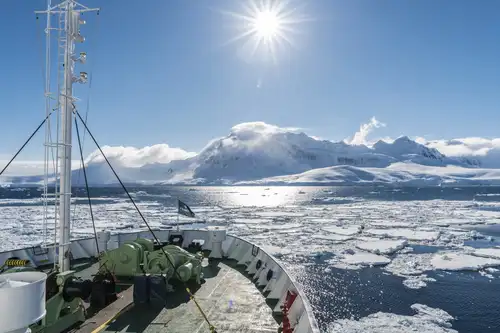
There really aren’t enough superlatives for East Greenland.
Polar Marine Visitors: the Whales of Antarctica and the Arctic - Nexta Expeditions
Blog

Polar Marine Visitors: the Whales of Antarctica and the Arctic

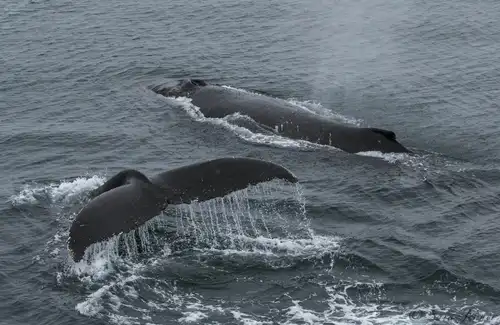
Whales are the world’s largest mammals, found in the Arctic and Antarctica. This article covers some of the major species you may see on voyages to these remarkable areas.
Cruising Solo: The Benefits of Single-Passenger Polar Travel - Nexta Expeditions
Blog

Cruising Solo: The Benefits of Single-Passenger Polar Travel

Traveling is often done with family, friends, or romantic partners. However, the benefits of solo travel, especially in polar regions, deserve more attention.
Birds of the North: 29 Arctic Birds and Seabirds - Nexta Expeditions
Blog

Birds of the North: 29 Arctic Birds and Seabirds

The Arctic is home to some of the world’s most majestic mammals, both on land and sea. However, the bird life in this region is equally remarkable, showcasing numerous exotic species that are highly prized by bird enthusiasts worldwide.
All About Ice: Glaciers and Icebergs of the Arctic and Antarctica - Nexta Expeditions
Blog

All About Ice: Glaciers and Icebergs of the Arctic and Antarctica

The Arctic is home to some of the world’s most majestic mammals, both on land and sea. However, the bird life in this region is equally remarkable, showcasing numerous exotic species that are highly prized by bird enthusiasts worldwide.
Antarctic Explorer’s Voyage - Nexta Expeditions
Blog

Antarctic Explorer’s Voyage

There’s off the beaten track, and then there’s really off the beaten track.