Churches In Antarctica - Nexta Expeditions
Churches in Antarctica

Churches in Antarctica

'Below 40 degrees South there is no law; below 50 degrees South, there is no God', goes the old adage. When faced with a storm in the turbulent and freezing waters of the Drake Passage, one might think so.

Men sometimes seem left to their own devices in these inhospitable latitudes, and precisely for that reason it might not be so surprising to find an increasing number of places of worship during Antarctica expeditions. Religion has provided comfort and guidance in very extreme living conditions, and people still need to get married, and baptized!

Here is a list of the most interesting religious buildings in Antarctica (and in Subantarctic territory as well), and some of the events which they have witnessed.

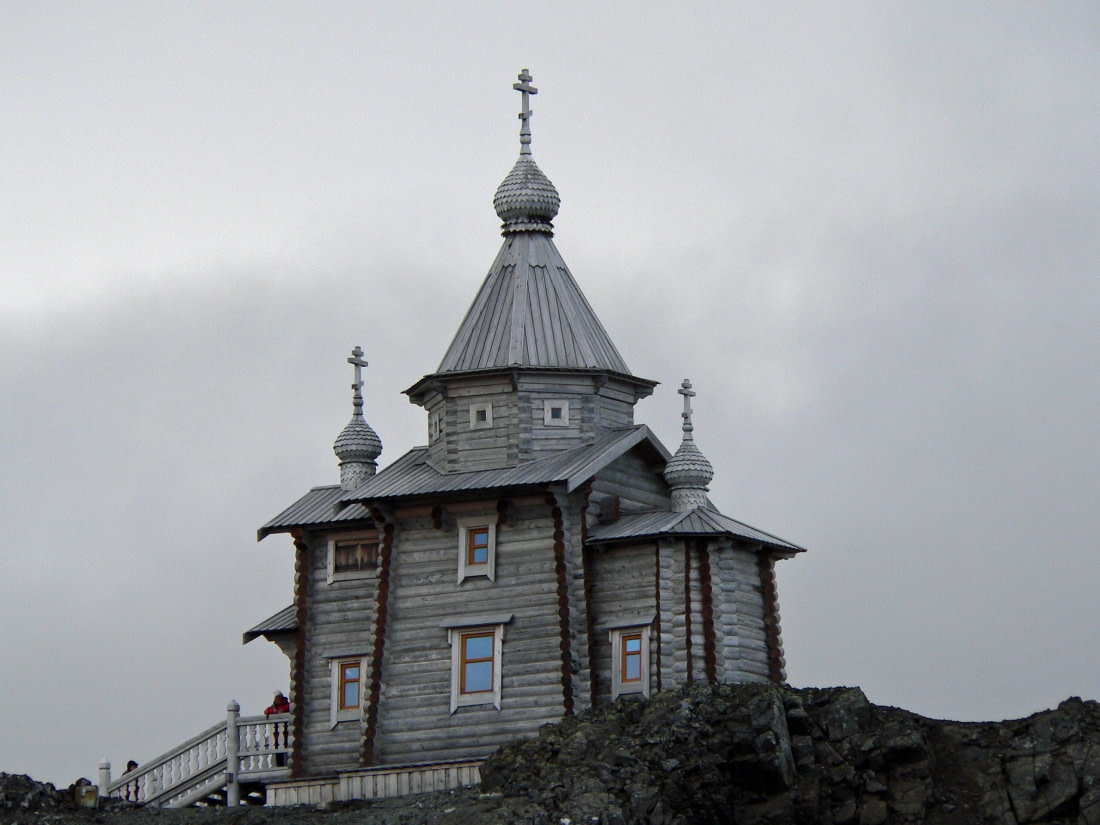
Trinity Church on King George Island

Trinity Church is the southernmost Orthodox church in the world, and it is located near Bellingshausen Station, Russia's permanent outpost in Antarctica. The church was constructed in Russia in the mid-1990s and transported by a supply vessel to its present location. It is a 15m-high wooden structure built in traditional Russian style using Siberian pine, it can accommodate up to 30 worshippers, and it is manned year-round by one or two hieromonks from the Troitse-Sergiyeva Lavra monastery. In 2007, the church performed its first wedding between Chilean and Russian researchers.
blog-image

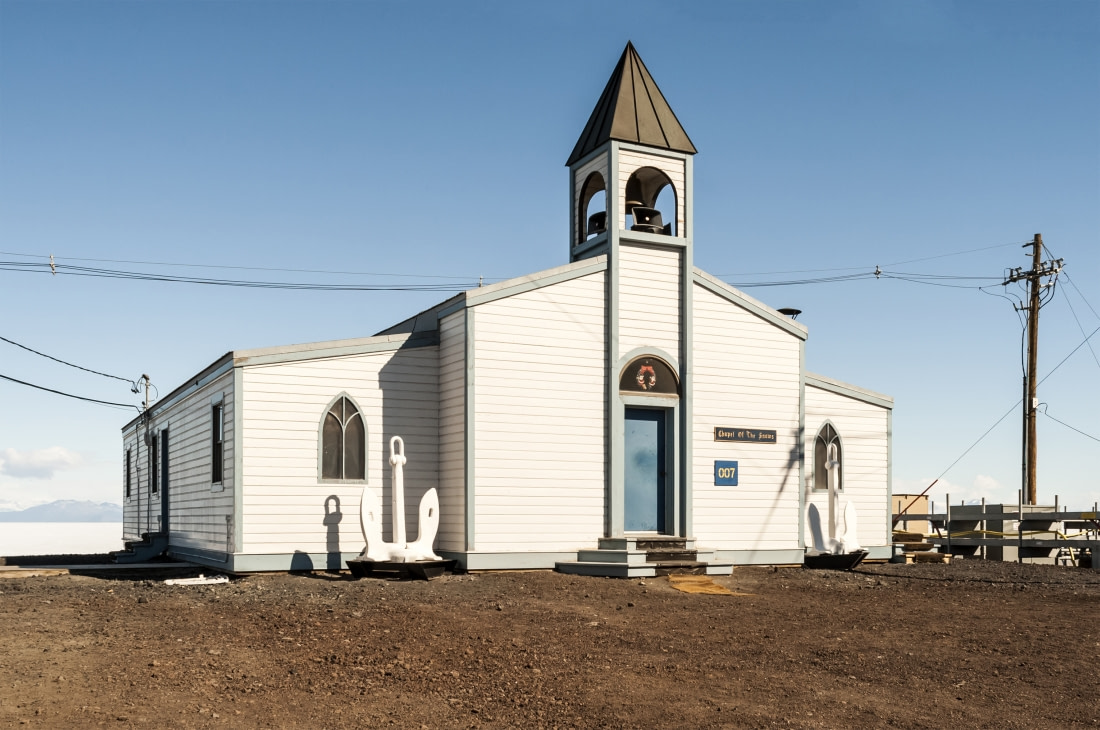
Chapel of the Snows at US McMurdo Station on Ross Island

Built in 1956 as a Christian non-denomination church, the Chapel of the Snows has since hosted services and meetings from faith groups such as Latter Day Saints, Baha'i, and Buddhism and non-religious groups such as Alcoholics Anonymous, in addition to its regular Catholic and Protestant services. The first building was destroyed by fire on August 1978, and the new chapel was dedicated in 1989. The temporary chapel used in the meantime also burnt down after it had been abandoned for several years.
blog-image

Ice Cave Catholic Chapel at Argentinian Belgrano II Base

The Southernmost place of worship of any religion in the world, these amazing chapel's walls are made of ice. It is the permanent Catholic church for the all-year-round Argentinian Belgrano II base and scientific research station, which was founded in 1955 on Coat’s Island. Very cool, don't you think?

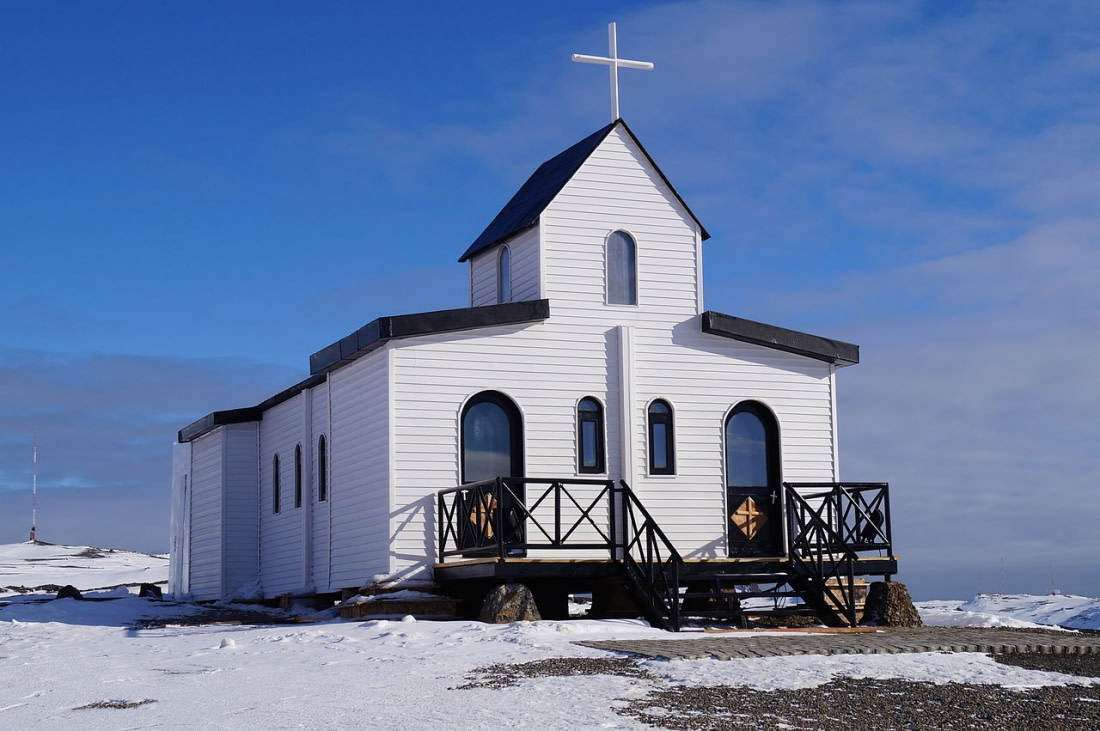
Chapel of Santa Maria Reina de la Paz at Chilean Base Pte Eduardo Frei

Located on the Chilean military base of King George’s Island, at Villa Las Estrellas, this unusual looking church is made out of metal shipping containers, and fitted with appropriate ventilation and heating systems. Built at the end of the XX century, its religious ceremonies are given by a deacon who lives on the base.
blog-image

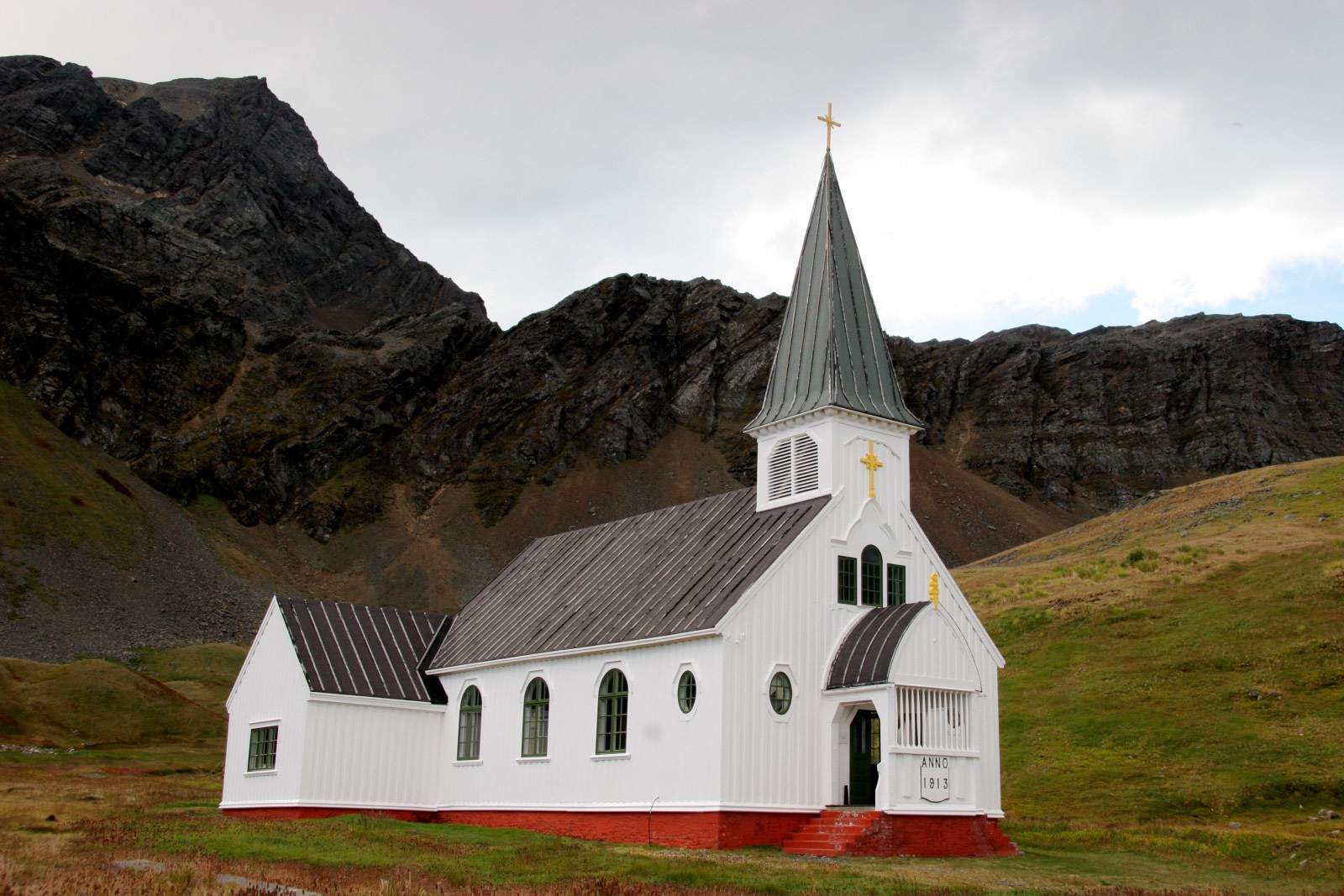
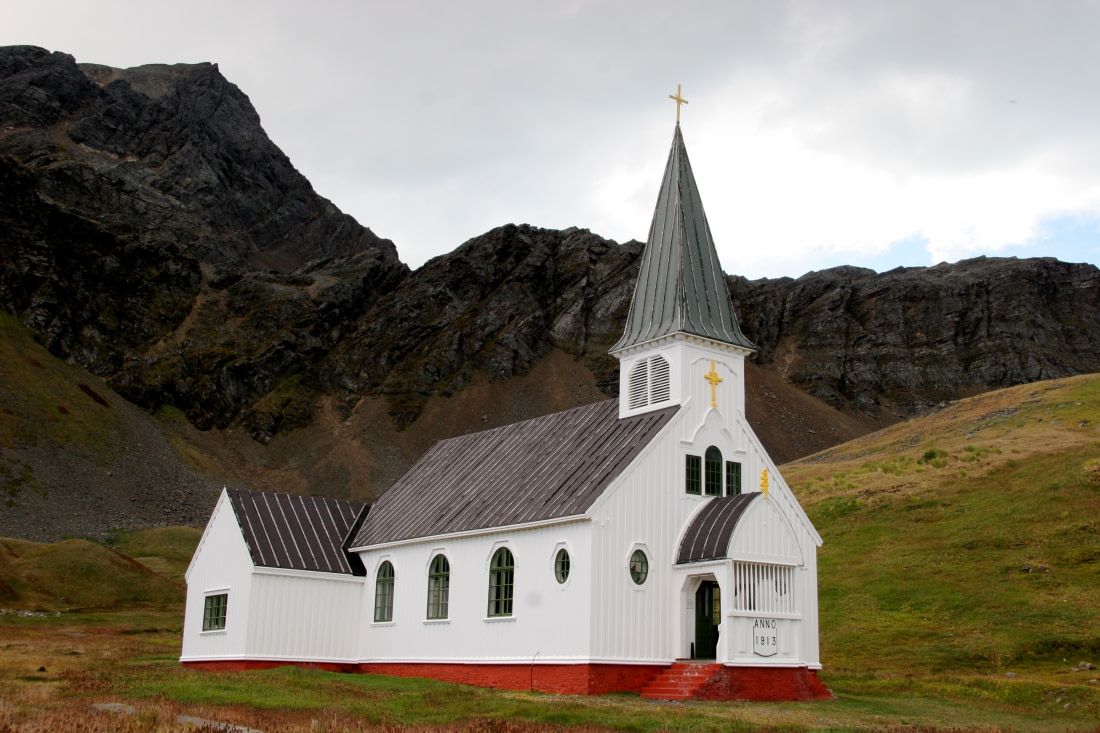
The Whaler’s Church in South Georgia

This neo-Gothic Norwegian Lutheran church was built by whalers in 1913 for the whaling station in Grytviken, South Georgia. In 1922, it held the funeral service for Sir Ernest Shackleton before his burial in the church cemetery. It serves occasional religious services, and some wedding ceremonies, particularly for descendants of the whalers buried in its cemetery.
blog-image

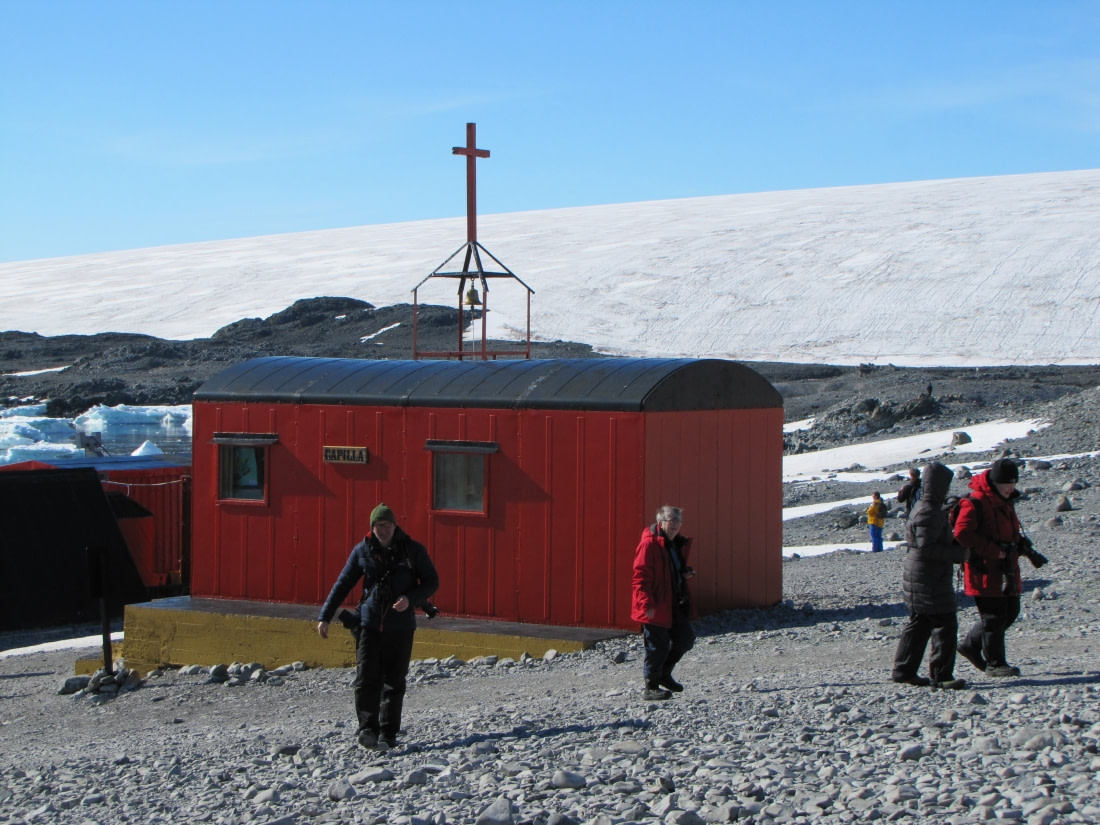
San Francisco de Asis Chapel at Argentinian Esperanza Base Station

Together with the Chilean Base Frei, Esperanza Station is the only other permanent location where civil personnel live all-year-round with their families. The San Francisco de Asis Catholic chapel was consecrated in 1976. In 1978, the first human being born in Antarctica, Emilio Marcos Palma, was baptized at the chapel, and on February 16 of that same year, the first religious wedding ceremony was performed there.

blog-image

Blog
go-leftgo-right

Going Green: Ascension Island Sea Turtles - Nexta Expeditions
Blog

Going Green: Ascension Island Sea Turtles

Gold beaches, green mountains - and greener turtles.
The Small but Social Commerson’s Dolphin - Nexta Expeditions
Blog

The Small but Social Commerson’s Dolphin

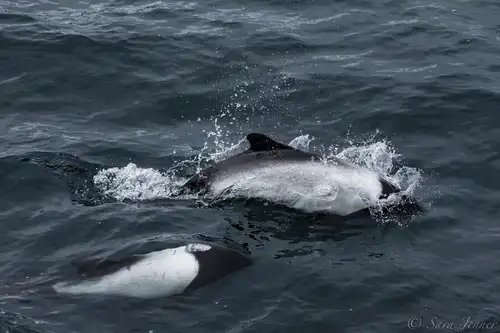
Despite being one of the lesser-known Antarctic cetaceans, Commerson's dolphins are quite social and have been given various names over the years, including Piebald dolphins, skunk dolphins, and panda dolphins. These names have been in use since their discovery in 1767 by French naturalist Philibert Commerson.
Arctic Foxes: Constant Gardeners of the Arctic - Nexta Expeditions
Blog

Arctic Foxes: Constant Gardeners of the Arctic

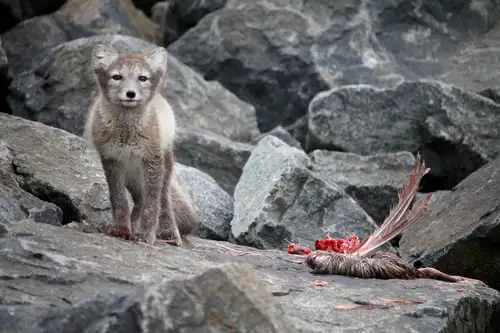
Given how widespread their habitat is, it is little wonder that Arctic foxes are one of the animals we most often see during our Greenland and Svalbard expeditions. The Arctic fox is a circumpolar species whose feeding grounds include North America, Eurasia, even Iceland, ranging from nearly the North Pole all the way down to the sub-Arctic islands.
A Day on m/v Plancius - Nexta Expeditions
Blog

A Day on m/v Plancius

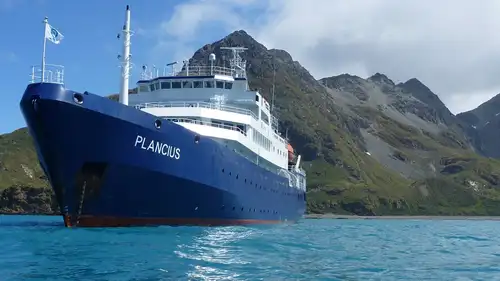
Stepping aboard this long-running expedition vessel, it’s easy to forget that she’s been making voyages to the polar regions since “Afternoon Delight” by Starland Vocal Band was on the Billboard Hot 100.
10 Tips for Photographing the Northern Lights - Nexta Expeditions
Blog

10 Tips for Photographing the Northern Lights

The northern lights, also known as the aurora borealis, offer some of the most breathtaking photographic opportunities in the Arctic. However, capturing this stunning phenomenon requires more than just luck. To take your best northern lights photos, it's helpful to understand some key aspects of aurora-specific photography.
5 Life Lessons You'll Learn in Antarctica - Nexta Expeditions
Blog

5 Life Lessons You'll Learn in Antarctica

Embarking on a journey to the Antarctic might seem daunting. However, cruise lines strive to simplify the process as much as possible. They typically assist with travel insurance, guide you to the embarkation point, and advise on the appropriate clothing to bring.
The First Buildings in Antarctica: Borchgrevink’s Historic Huts - Nexta Expeditions
Blog

The First Buildings in Antarctica: Borchgrevink’s Historic Huts

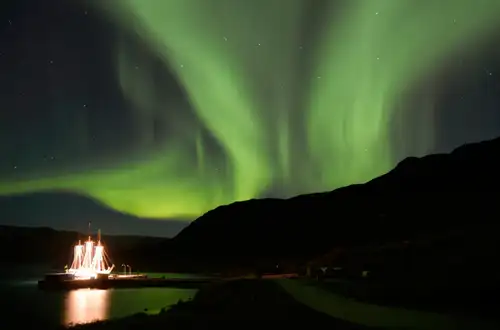
Borchgrevink’s huts at Cape Adare hold a significant place in Antarctic history, being the first structures ever built on the continent.
The Northern Lights dancing across the skies - Nexta Expeditions
Blog

The Northern Lights dancing across the skies

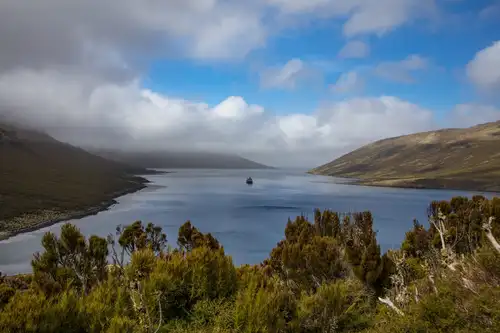
The Northern Lights typically manifest in a belt with a radius of 2,500 kilometers centered on the magnetic North Pole. This auroral zone spans northern Scandinavia, Iceland, the southern tip of Greenland, and continues over northern Canada, Alaska, and along the northern coast of Siberia.
Visiting the Nearly Unknown: New Zealand’s Campbell Island - Nexta Expeditions
Blog

Visiting the Nearly Unknown: New Zealand’s Campbell Island

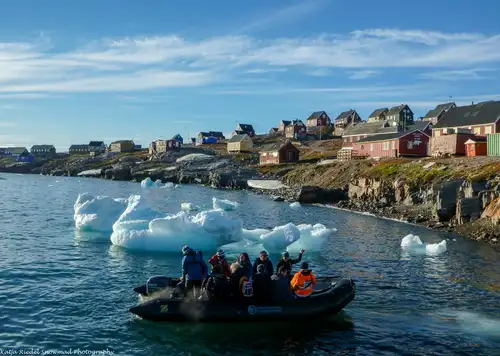
New Zealand is a renowned destination globally, and for good reason: It’s absolutely stunning. Almost every corner is filled with unparalleled beauty. But did you know that New Zealand includes several sub-Antarctic Islands that are almost completely unknown?
Scoresby Sund: the Greatest Greenland Adventure - Nexta Expeditions
Blog

Scoresby Sund: the Greatest Greenland Adventure

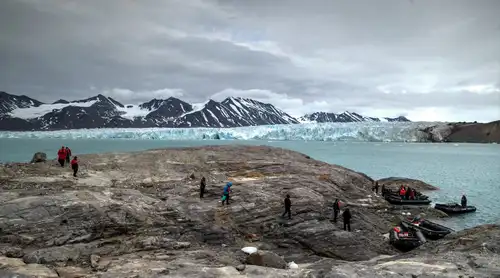
In a land of expansive mountains, colossal glaciers, and majestic shorelines, few places are as expansive, colossal, or majestic as Scoresby Sund.
The Enchanting Islands of Svalbard - Nexta Expeditions
Blog

The Enchanting Islands of Svalbard

Svalbard is an Arctic archipelago situated between the North Pole and the Norwegian mainland, offering visitors some of the most stunning wildlife and landscapes in the world. Here we explore seven of the most visited Svalbard islands, highlighting the many wonders that draw people back year after year.
17 Reasons to Cruise the Falklands - Nexta Expeditions
Blog

17 Reasons to Cruise the Falklands

Maybe you’ve already marveled at the colossal penguin colonies of South Georgia, sailed among the plunging seals of the Antarctic Peninsula, and watched whales in the Weddell Sea lunge among titanic tabular icebergs.
The Classic Polar Cruise: Antarctic Peninsula Facts, Pics, and More - Nexta Expeditions
Blog

The Classic Polar Cruise: Antarctic Peninsula Facts, Pics, and More

When it comes to experiencing the vast wonders of Antarctica, the Antarctic Peninsula stands out as an unparalleled destination.
Where the Polar Bears Roam - Nexta Expeditions
Blog

Where the Polar Bears Roam

Going to the Arctic without clapping eyes on a wild polar bear can be reasonably compared to visiting Africa without seeing a giraffe or a zebra or, most analogously, a lion.
The Overlooked Treasures of Ascension Island - Nexta Expeditions
Blog

The Overlooked Treasures of Ascension Island

If you know anything about Ascension Island, which is unlikely, it probably has to do with the green turtle breeding population that exists there.
10 Weather-Fueled Facts about Antarctica - Nexta Expeditions
Blog

10 Weather-Fueled Facts about Antarctica

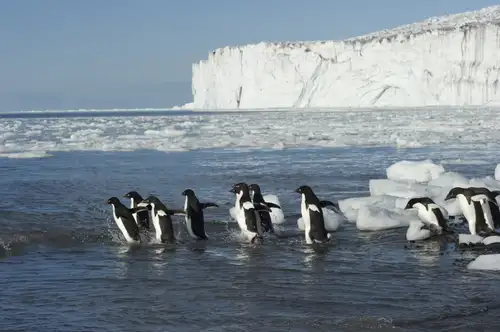
Most of us have at least a vague notion of what makes the North and South Poles so brutally, bone-chillingly cold: They receive less sunlight than the rest of the planet, what sunlight they do receive arrives at an angle, and they’re usually buried under endless mounds of ice and snow. This holds especially true for the South Pole and its centerpiece, Antarctica. Fewer people know, however, what drives Antarctic weather, or what results from it. Here are ten weather-related facts about the most southern continent that will put your polar meteorology ahead of the curve.
The bio-richness of the Ross Sea - Nexta Expeditions
Blog

The bio-richness of the Ross Sea

The Ross Sea is one of the most stunning and untouched marine areas globally. This sea, which remains frozen for most of the year, spans 3.6 million square kilometers (1.4 million square miles) along the Antarctic coast south of New Zealand. Its waters harbor a biologically diverse ecosystem of species that have flourished, unchanged, for millennia.
Greenland: Where the Kayak Was Invented - Nexta Expeditions

Blog

Greenland: Where the Kayak Was Invented

If you've ever enjoyed kayaking, you owe a debt of gratitude to the ancient Greenlandic Inuit who originally designed them for hunting. The thrilling adventures people now have navigating some of the world's most challenging rapids wouldn't be possible without the Inuit's need for a nimble form of water transportation. While travelers still use kayaks in this region, they are typically not fishing, whaling, or sealing. Consequently, recreational kayaks have been adapted to fit their new role.
The First Overwintering Hut in Antarctica - Nexta Expeditions
Blog

The First Overwintering Hut in Antarctica

In 1899, Carsten Borchgrevink and his nine crewmen became the first to spend the winter in a hut in Antarctica. (Technically, the Belgian Antarctic Expedition of 1897-1899 was the first to overwinter there, though this was done on their vessel after it was caught in ice.) Borchgrevink and his men spent the dark winter months isolated in a dirty hut, surrounded by equipment and sled dogs fighting each other outside.
The Ice-Jewelled Geology of Spitsbergen - Nexta Expeditions
Blog

The Ice-Jewelled Geology of Spitsbergen

The Svalbard archipelago is located in the Arctic Ocean, roughly 660 km (410 miles) north of Norway's northernmost point. This region is a haven for geologists, boasting a rich geological history that spans from the Mesozoic era (65-245 million years ago) through the Cambrian era (570 million years ago) and back to the Archean era, over 3.5 billion years ago.