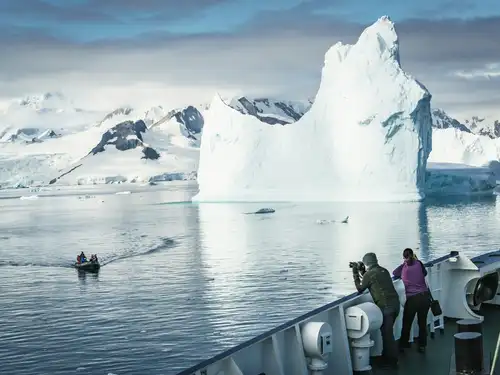


You may know them as Eskimos, but the people of the Arctic are officially called the Inuit. Historically, they were hunters in the truest sense. For hundreds of years, they survived the world’s harshest conditions, living off their prey of whales, seals, polar bears, musk oxen, birds, fish, and reindeer. This has always been their way of life.
One that is now changing. The Inuit, or “the people” in their native language, were mostly isolated for millennia until modern times. Now they are adapting, but their lives are affected by a contemporary world that is placing limits on how they can hunt and a changing climate that is affecting their environment. There is an element of uncertainty to their culture.
An ancient people
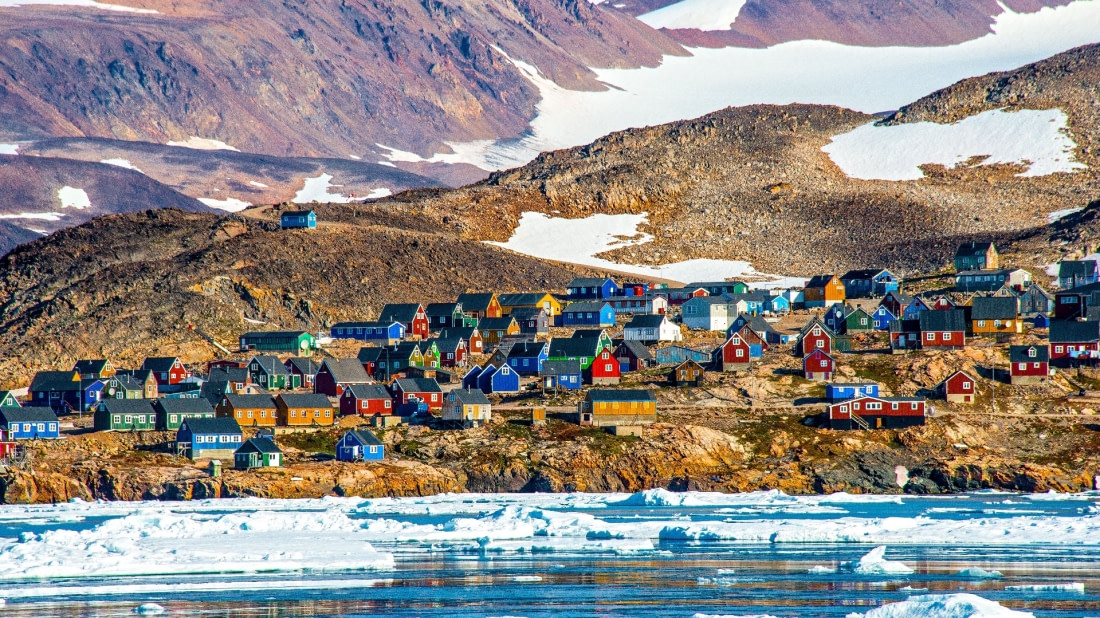
The Inuit originally migrated from Siberia to Alaska, through North America, and finally arrived at the shores of Greenland in the 13th century. They were sophisticated navigators, using stars to guide their way. Because Greenland is literally covered with a sheet of ice, the Inuit settled around the coastal areas so they could hunt and fish.
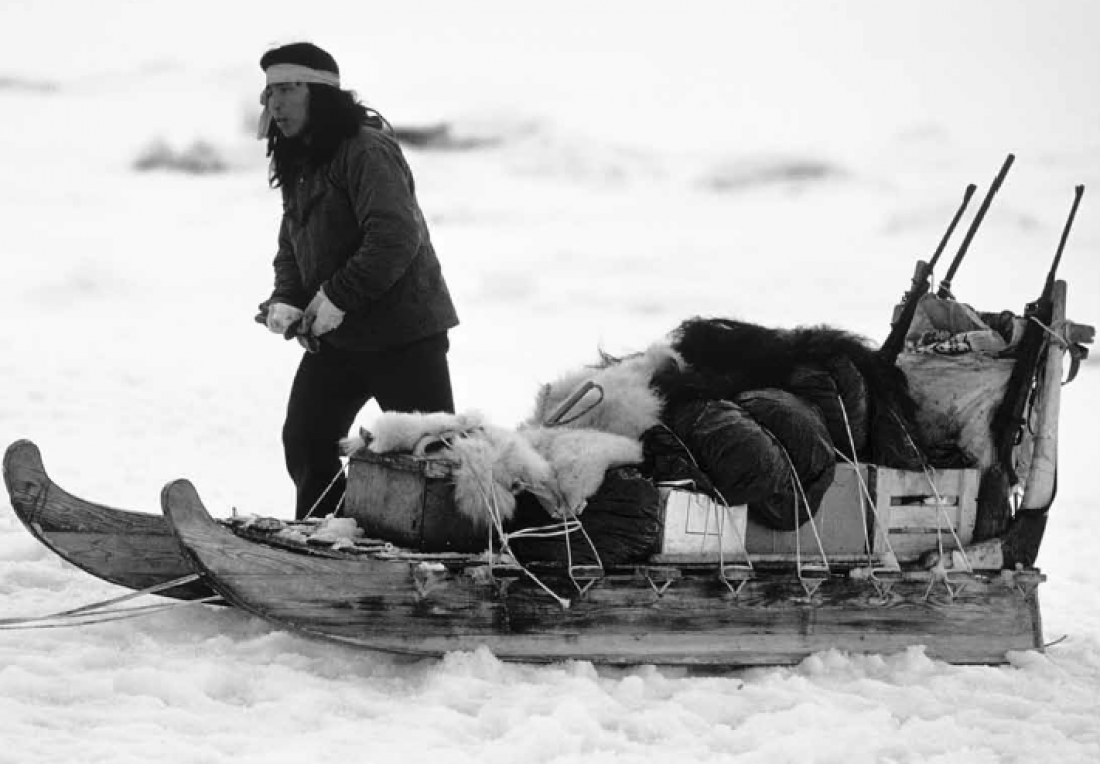
Surviving in such a harsh environment required a strong sense of family and community. The Inuit followed a moral code based on ancient myths and legends, which were absolute. Some of these beliefs were expressed in their art as carvings called tupilaq, or “evil spirit objects”.
The hunting culture
The Inuit traditionally hunted from small, sealskin boats, which were quick and maneuverable. You may recognize today’s version of this boat that is still called by the Inuit name, kayak.
Hunting has always been at the heart of the Inuit culture. Until about fifty years ago, these native people lived completely off the land and sea. Today the economy has shifted, and Greenland is not primarily a hunting society.
Most Inuit have transitioned to traditional wage-earning work to earn money for electricity and other modern comforts. However, the hunting culture, skills, and diet are still very much a part of their lives and their identity.
The Inuit continue to eat their traditional regime of seal, walrus, and reindeer. In constructing their clothing and boots, some traditionalists eschew contemporary materials and continue to utilize the spoils from their hunt – polar bear and reindeer skins, just as they’ve always done.
Some of the men still excel at time-honored hunting skills such as harpoon throwing and kayaking.
This world of hunting for the Inuit is deeply embedded in their myths, their communal structure, their identity, even their DNA. For instance, they consume a high protein, high-fat diet. It has been shown they metabolize fats with greater efficiency than Europeans do.
Pressure from conservation groups
However, the Inuit’s ancient culture has recently come under pressure from well-meaning people. Various environmental groups, even from within Greenland’s government, have begun to set limits on many of the species that were at one time essential to this hunting culture.
For the small groups of hunters who still hunt off the land, the claim is that these new quotas will make their lives more difficult. Though well-intentioned, these animal rights campaigns coming from the outside world conflict directly with ancient Inuit values. This is truly a clash of cultures that may threaten a way of life for one of the world’s last aboriginal people.
There are, however, some measures being considered to help this situation. UNESCO’s World Heritage List is considering adding protections for caribou hunting as it is an important aspect of the Inuit’s and other native groups’ livelihoods.
The ice is changing
For centuries, the Inuit have lived out in the roughest environments. They know the weather patterns that allow them to travel safely on the sea ice for their hunting expeditions. For some of these indigenous people, hunting isn’t sport – it has been their means of providing food. When they need to eat, they go to the sea for their sustenance.
However, a major study on the effects of Arctic warming reports that temperatures have increased by 2 to 5 degrees Celsius over the last 50 years and may rise by yet another 10 degrees. This change is impacting the wildlife and the environment of the Arctic.
Throughout Greenland, Inuit hunters say the weather is increasingly unpredictable. They report that the land and the sea ice are changing. What was once familiar territory has become unstable, making navigating and travel dangerous. Glaciers are melting more in summer than previously, and the routes to traditional hunting spots have become precarious. Even some experienced hunters have disappeared through the ice.
They are now hunting more in the fjords rather than on the sea ice, as it is safer and more productive with the changing environment.
The culture is changing
As hunting has become more difficult for the hardcore traditionalists, more family members are working in contemporary roles to help their family’s economy. Women are taking salaried jobs to earn currency for store-bought products. This allows some of the men to continue in their traditional role as hunters. However, one side effect is that the women are starting to lose their knowledge of traditional skills such as sewing animal skins.
The future
The good news is there is increasing awareness of the rights of aboriginal people like the Inuit to preserve their centuries-old way of life. There are an increasing number of advocates speaking out for the continued culture of these long-surviving people.
The United Nations Environment Programme has called for increased environmental monitoring in the Arctic regions. It seems that what is happening in the Arctic is the front line for what will occur in the rest of the world.
Ultimately, it is being acknowledged that awareness of the Inuit culture and their environment will not only benefit their survival, it will in the long run help us all.
Experience, share, and enjoy this ancient culture with us on Greenland cruise(s).
 12 Aug - 31 Aug 2026
 15 Aug - 28 Aug 2026
 16 Aug - 25 Aug 2026
 25 Aug - 07 Sep 2026
 21 Sep - 01 Oct 2026
Related Trips
Spitsbergen - Northeast Greenland, Fly & Sail
12 Aug 2026 - 31 Aug 2026  20 Days / 19 Nights
Northeast Greenland Extreme
15 Aug 2026 - 28 Aug 2026 14 Days / 13 Nights
East Greenland, Scoresby Sund, Including Long Hikes
16 Aug 2026 - 25 Aug 2026 10 Days / 9 Nights
Northeast Greenland Extreme
25 Aug 2026 - 07 Sep 2026 14 Days / 13 Nights
East Greenland, Scoresby Sund - Aurora Borealis, Fly & Sail
21 Sep 2026 - 01 Oct 2026 11 Days / 10 Nights
East Greenland, Scoresby Sund - Iceland , Aurora Borealis, Fly & Sail
01 Oct 2026 - 12 Oct 2026 12 Days / 11 Nights

Blog


Arctic Flowers, Trees, and Other Plant Life
Freshwater ecosystems in the Arctic
Peaks, Fjords, and Auroras: 14 East Greenland Attractions
Adélie Penguins: the Little People of the Antarctic
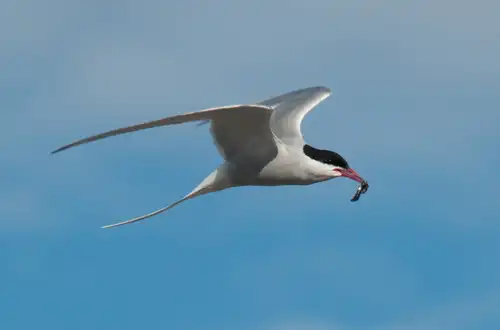
Birding Opportunities Abound in Spitsbergen
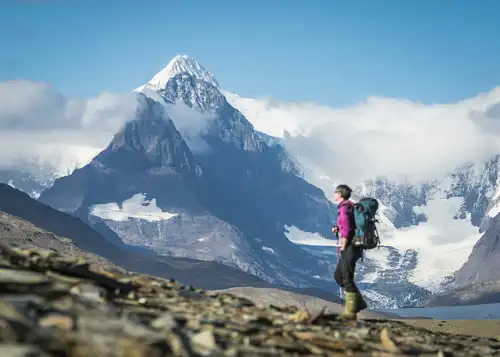
Path of Polar Heroes: Hiking Shackleton’s Historic Route
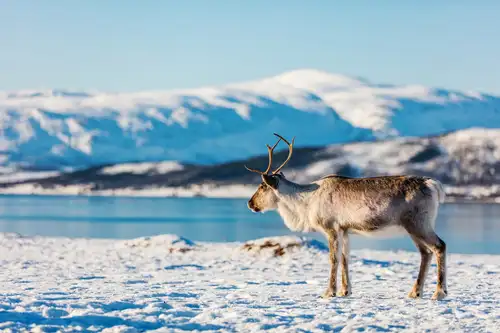
Eight Engaging Reindeer Facts
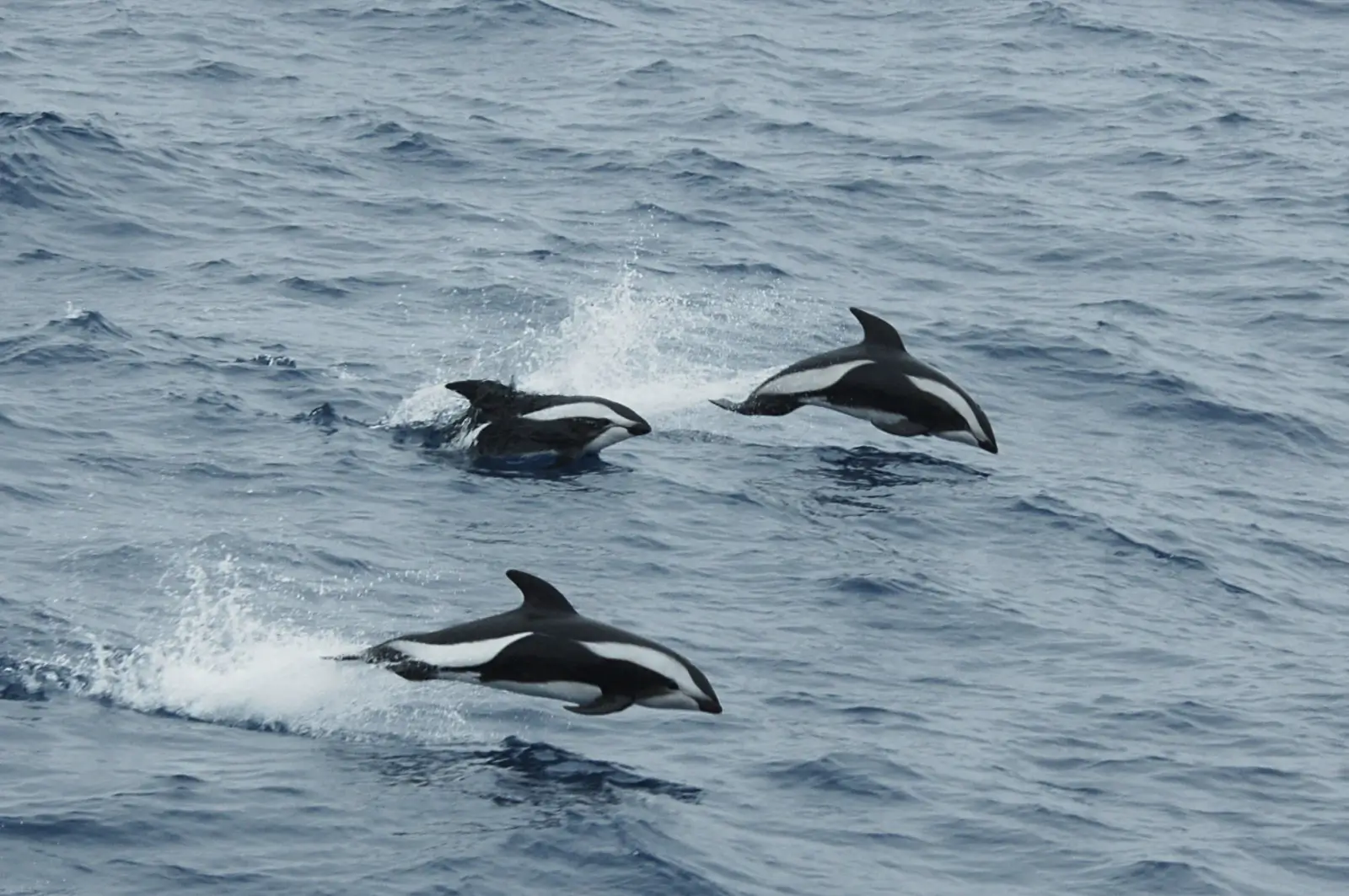
Antarctica’s Hourglass Dolphin
Six Seal Species You Might See On Your Greenland Cruise
The Secret Life of Glaciers: How They Form, Move, and Melt
Svalbard’s 12 Most Iconic Animals
Port Lockroy: History, Post Office, and Resident Penguins
Scenes from St. Andrews Bay: 12 Pics of Penguins, Seals, and More
Taking the Polar Plunge

Earth vs. Mars: Polar Regions Compared
Arctic and Antarctic Basecamp Cruises – Choose Your Own Adventure
16 Conversation-Starting Svalbard Facts
Eight Ultimate Antarctica Adventures
The Classic Polar Cruise: Antarctic Peninsula Facts, Pics, and More