Humpback Whales The Stars Of The Western Antarctic Peninsula - Nexta Expeditions
Humpback Whales: the Stars of the Western Antarctic Peninsula

Humpback Whales: the Stars of the Western Antarctic Peninsula

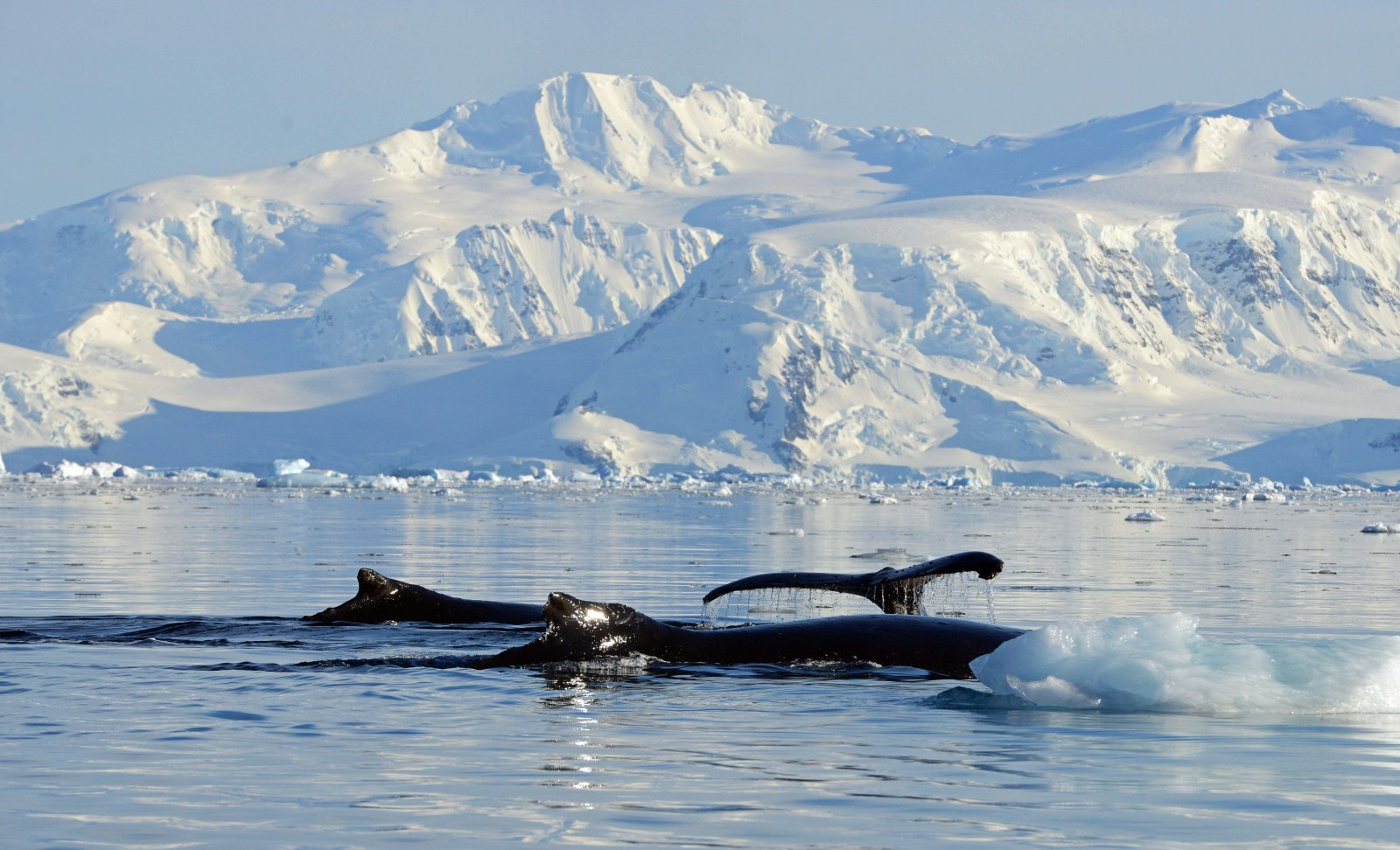
The marine ecosystem of the West Antarctic Peninsula (WAP) stretches from the Bellingshausen Sea to the northern tip of the peninsula. This region includes the Antarctic Sea Ice Zone, a highly productive area that supports large populations of marine mammals, birds, and Antarctic krill. One of the highlights of this region, which you can observe on a whale-spotting Antarctica cruise, is the humpback whale.
blog-image

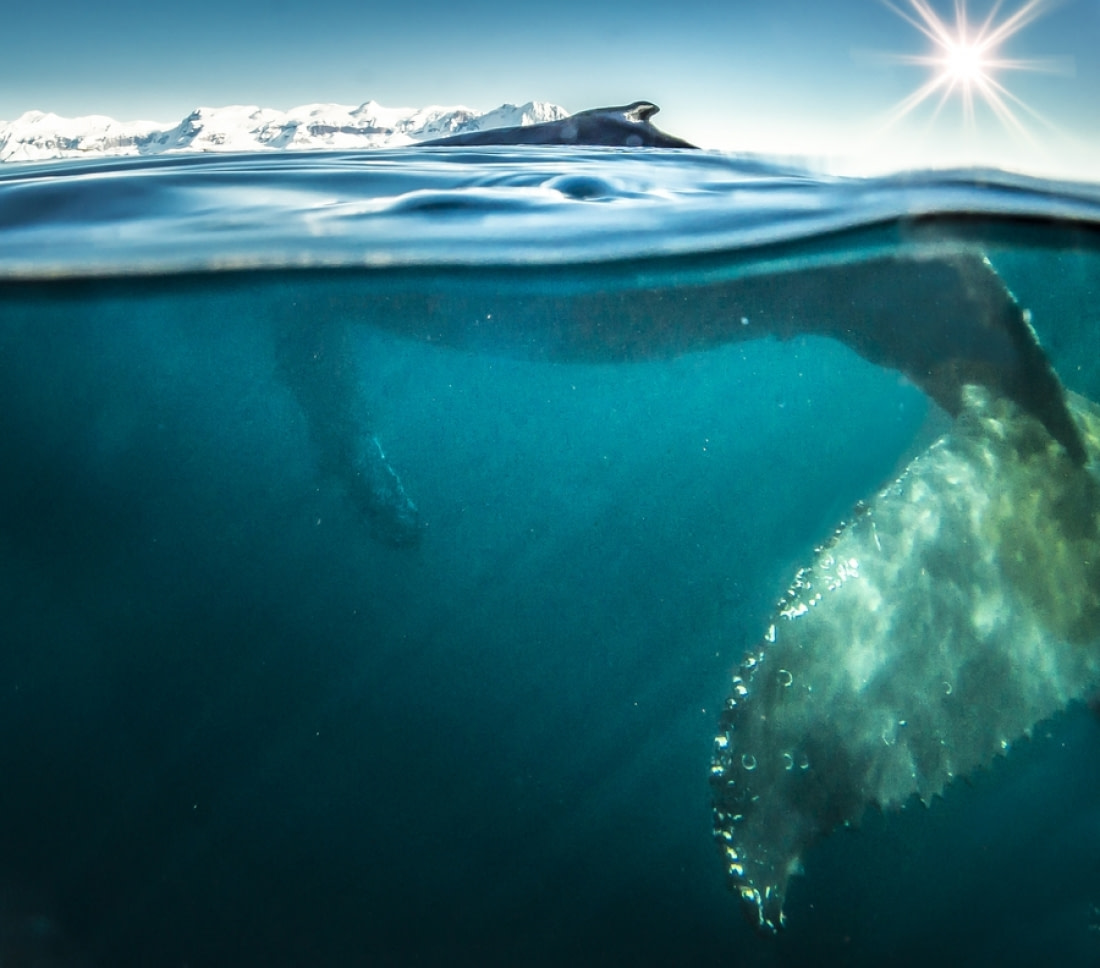
Identifying humpback whales: the hump helps

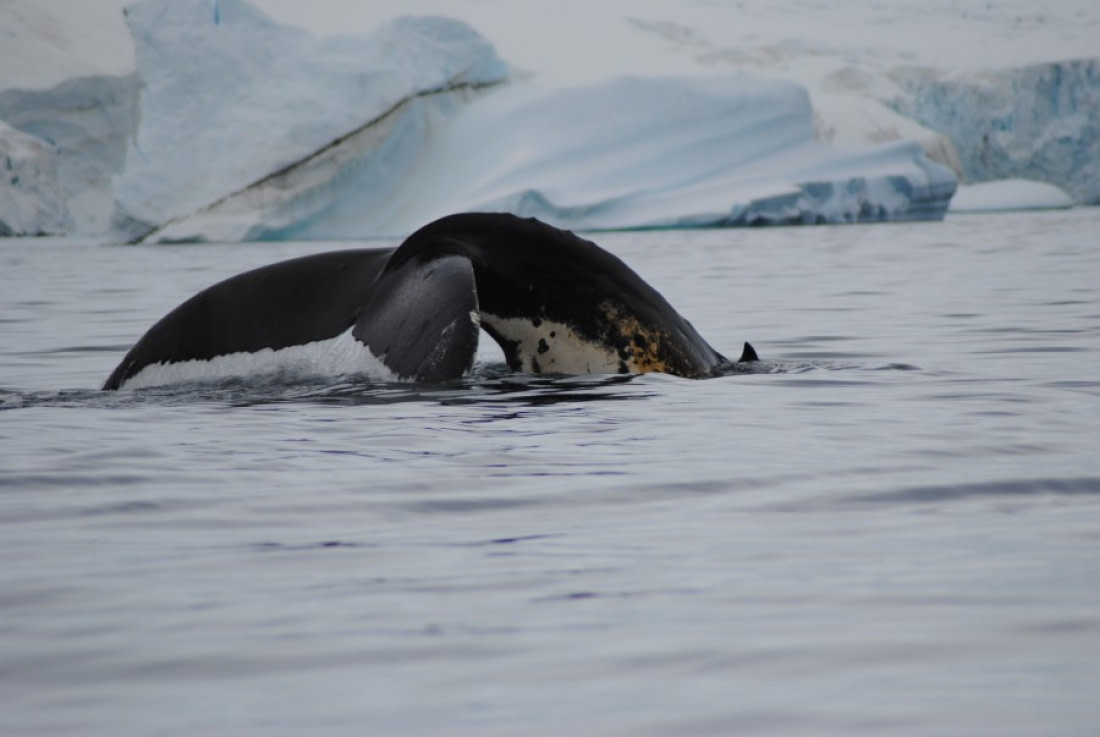
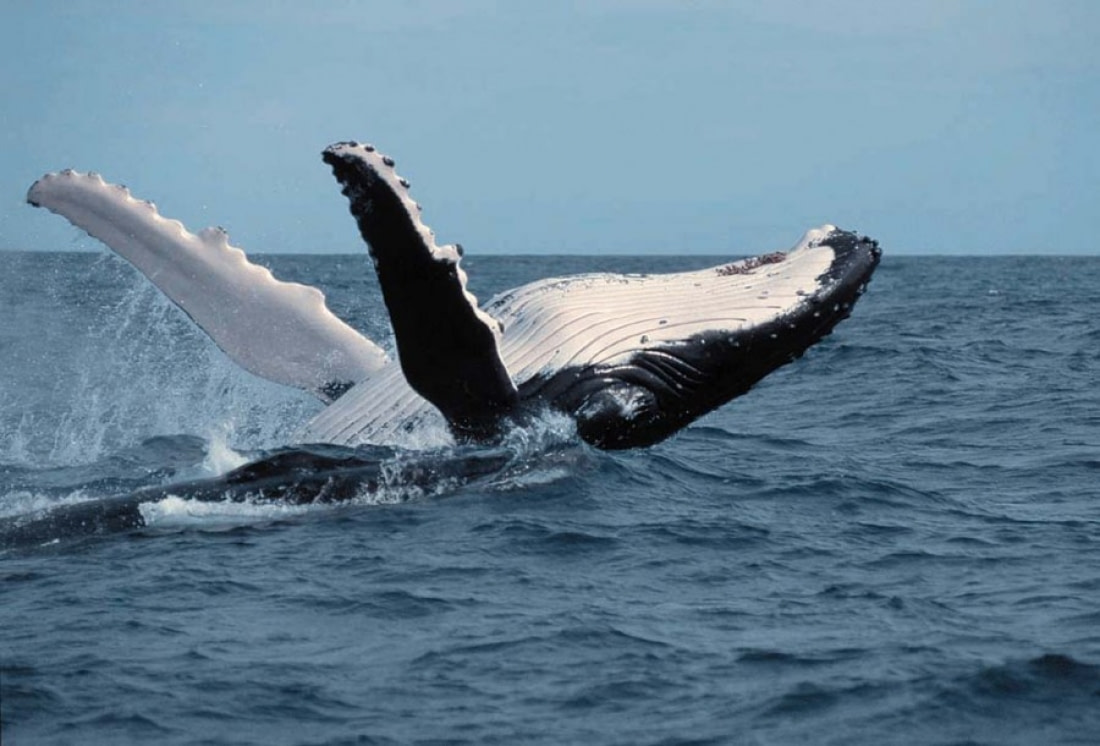
Humpback whales are easily recognizable by their small dorsal fin, distinct hump at the front, long flippers, and unique black-and-white pattern on their tail. They typically travel alone or in small pods of two or three whales. It is common for mothers to touch the fins of their young, which is believed to be a sign of affection.
blog-image

The singing of humpback whales

Humpbacks are renowned for their beautiful, complex songs. These songs, composed of sequences of moans, howls, and cries, can last for hours. Interestingly, only the males sing. Scientists think these songs might be used to attract potential mates. Males can sing for hours and repeat their song multiple times. All males in a population sing the same song, although each population's song is different.

The songs evolve throughout the year, so they are never singing the same tune for too long. Humpback whale songs can travel long distances in the ocean, being heard up to 30 km (20 miles) away. Researchers have found that humpback whales typically produce sounds with an audio frequency between 80 and 4,000 hertz.

Humpback calves guzzling milk

A female humpback whale breeds every two to three years and carries its calf for about a year. The calf usually measures between 3—4.5 meters (10—15 feet) and weighs around 900 kg (one ton), while adult humpbacks reach between 11.5—15 meters (37.5—49.2 feet) and weigh up to 36,000 kg (79,000 pounds).

The calf is nursed for a year, and the mother’s milk is 45—60 percent fat. Humpback calves can consume 600 liters (158 gallons) of milk per day. Within the first year, calves double in length and continue to grow over the next 10 years.

The ocean-sized buffets of the humpback whale

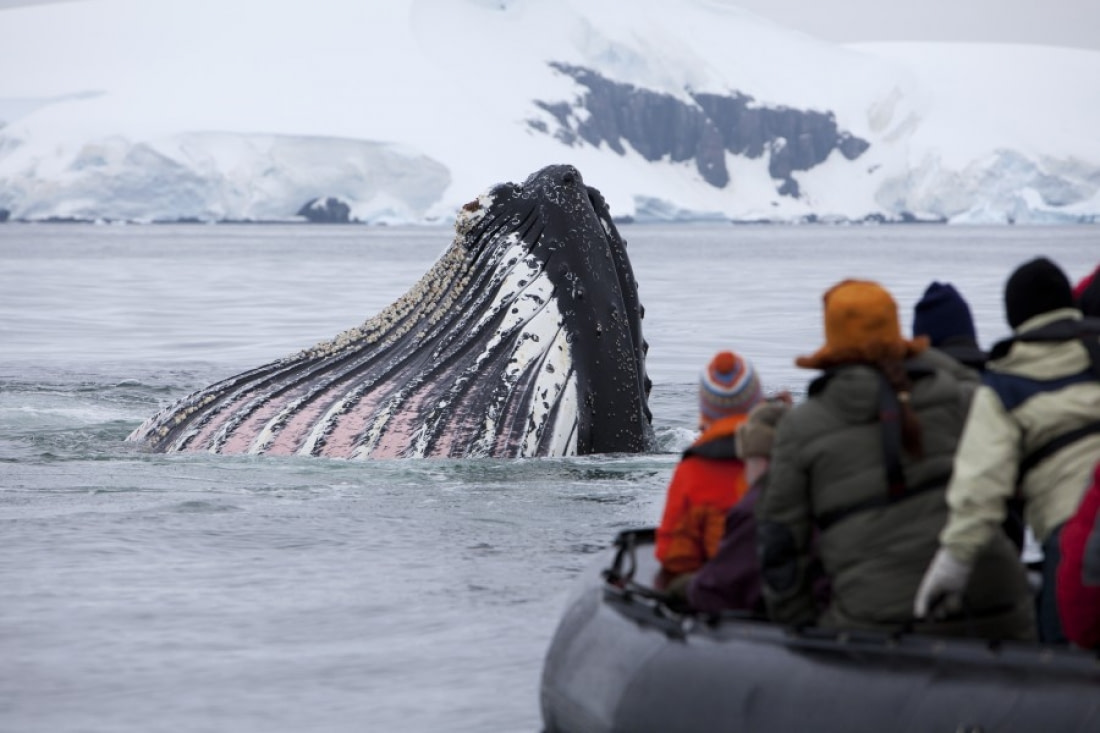
Humpback whales are baleen whales, meaning they have between 270 and 400 fringed overlapping plates hanging down from each side of their upper jaws instead of teeth. These are called baleen plates, made of keratin, the same material as human hair and nails. The plates are black and about 76 cm (30 inches) long.

The whales primarily eat small fish, krill, and plankton. To feed, humpback whales take large gulps of water. Below their mouths are 12—36 throat grooves that expand to hold the water. Humpbacks then filter the water, expelling it through the two blowholes on their backs. They hunt and feed in the summer and fast during the mating season, relying on their blubber reserves to focus on migration and mating.

They are social hunters, using a unique technique called “bubble netting,” where groups of humpbacks use air bubbles to herd, corral, or disorient fish. They are large eaters, capable of consuming up to 1,360 kg (3,000 pounds) of food per day.
blog-image

Counting humpbacks from the air

During the summer, scientists estimate that around 3,000 humpback whales inhabit the West Antarctic Peninsula. To determine this, they conducted a ship-based helicopter survey of the whales and a net trawl survey for krill to see if the large population is linked to specific krill species. Scientists then created distribution maps to predict the densities of humpback whales in the western part of the peninsula.

They found that in one summer alone, the estimated 3,000 humpbacks frequented the area. Regarding the connection between krill type and whale numbers, researchers found no clear relationship between the humpback whales and the presence of a particular krill species. The whales were present regardless of krill availability.

3D mapping humpback whale behavior

In another study, researchers monitored a large group of humpbacks in Wilhelmina Bay, along the western side of the Antarctic Peninsula. This group, comprising over 300 whales, had five whales per square kilometer (0.38 square miles), breaking the previous record of one whale per square kilometer.

Over six weeks, scientists observed humpback whales feasting on krill. The whales fed continuously for 12 to 14 hours before falling asleep on the sea's surface. This is no surprise, as krill fill the sea from the surface down to 300 meters (985 feet) below.

In addition to observing their feeding, scientists attached tags to humpback whales that stayed on for 24 hours, capturing data such as temperature, sound, and position. This allowed scientists to create a 3D map of the whales’ underwater activities with its own soundtrack. Researchers even managed to attach tags to sleeping whales at the surface. Even half-asleep humpbacks were too full to move when researchers approached in a small boat to place tags on their heads!

An underwater humpback recording studio

Scientists studying humpback singing in the Western Antarctic Peninsula attached tags to whales during the Southern Hemisphere late fall (May and June). The tags were attached for 24-hour periods to six whales in one year and eight whales the following year to record sound production and body orientation.

The results showed song chorusing present on all the tag acoustic records, with multiple whales actively singing. The data also indicated that the songs were surrounded by periods of social sound production, reflecting the amount of social activity in the feeding grounds where the whales were tagged.

Humpback YouTube stars

Recently, a group of scientists attached temporary satellite tags and video cameras to humpback whales in the western part of the Antarctic Peninsula. These devices track the humpback’s movements and capture video images of everything in front of the whale for 24-48 hours before detaching and floating to the surface. Scientists then use GPS trackers to recover the tags and upload the videos. They have already captured unseen glimpses of humpback whales feeding, diving deep, and interacting with one another far below the sea's surface.

blog-image

Blog
go-leftgo-right

Penguins, Petrels, and Prions: Top Antarctica Bird Tour Spots - Nexta Expeditions
Blog

Penguins, Petrels, and Prions: Top Antarctica Bird Tour Spots

If anyone tells you Antarctica is for the birds, they’re right.
The Ins, Outs, and Ups of Polar Mountaineering & Ski Mountaineering - Nexta Expeditions
Blog

The Ins, Outs, and Ups of Polar Mountaineering & Ski Mountaineering

Traveling to the polar regions, whether to the Arctic or Antarctica, is an adventure almost no matter what you do.
The First Buildings in Antarctica: Borchgrevink’s Historic Huts - Nexta Expeditions
Blog

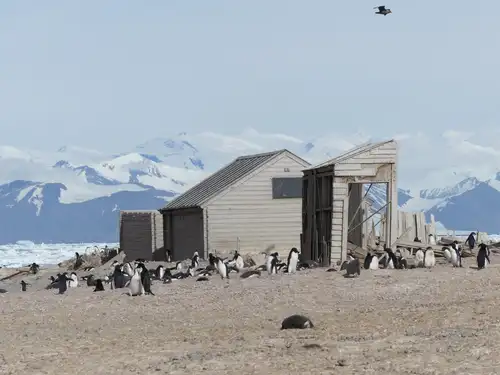
The First Buildings in Antarctica: Borchgrevink’s Historic Huts

Borchgrevink’s huts at Cape Adare hold a significant place in Antarctic history, being the first structures ever built on the continent.
Gough Island: Seabird Capital of the South Atlantic - Nexta Expeditions
Blog

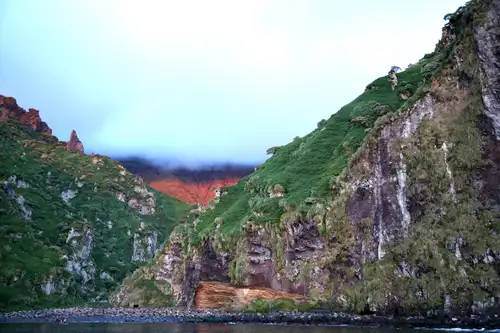
Gough Island: Seabird Capital of the South Atlantic

Gough Island is a remote volcanic island in the South Atlantic, uninhabited except for a small party of meteorologists and (sometimes) biologists.
Under the Greenland Ice Sheet - Nexta Expeditions
Blog

Under the Greenland Ice Sheet

Anyone who ventures to the right part of the globe can encounter vast amounts of ice, but a Greenland cruise offers something truly unique: ice sculptures hidden beneath the northern ice sheet. Scientists once thought these sculptures were rocky hills buried in ice, similar to the Ghost Mountains in Antarctica. However, it turns out that Mother Nature has crafted one of the most exclusive art exhibits in the world. These sculptures are not visible from the surface, but some scientists have managed to get a sneak peek using radar equipment.
Five Reasons You Should Cruise the Ross Sea Immediately - Nexta Expeditions
Blog

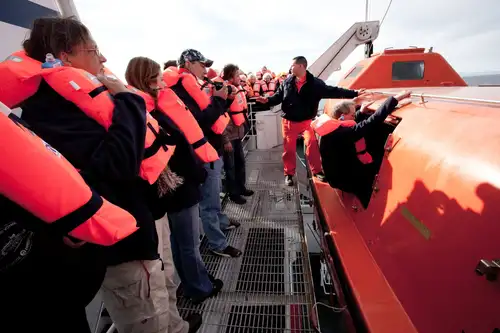
Five Reasons You Should Cruise the Ross Sea Immediately

In our search for lesser-known holiday spots that still offer fully developed amenities like spas and gift shops, we often miss out on some of the planet's truly underrated treasures.
The Evolving Shipboard Eco-traveler - Nexta Expeditions
Blog

The Evolving Shipboard Eco-traveler

Feeling stuck in the monotony of everyday life? Looking for a change of scenery? Look no further! Most of us spend our lives on solid ground, despite our bodies being composed of 71.5% water. You'd think we'd have a natural inclination to be in or on the water! So why not try something different? Consider an Arctic holiday adventure on the same waters that famous explorers once navigated!
The Emperor Penguin of the Drake Passage - Nexta Expeditions
Blog

The Emperor Penguin of the Drake Passage

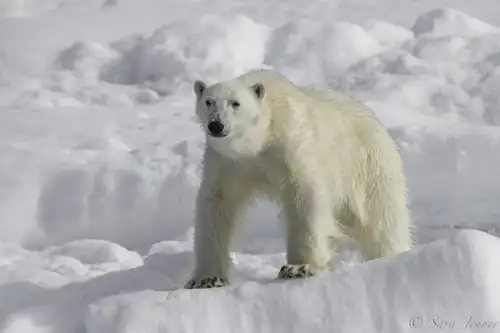
There are certain moments in life when a series of events combine to create an experience that is both unexpected and unforgettable. These are the times when you are reminded how fortunate you are to be a part of something that few people will ever have the opportunity to experience. This trip to Antarctica was full of these moments for me.
International Polar Bear Day - Nexta Expeditions
Blog

International Polar Bear Day

It will come as no surprise to you that we're crazy about polar bears. We have multiple blogs about where to find polar bears, we offer dozens of polar bear trips, and we've even written a short story from a polar bear's point of view. (Yes, we actually did that.) So if you were to say that our love of polar bears borders on obsession, you wouldn't be far off.
Albatross, penguin and krill research in Antarctica - Nexta Expeditions
Blog

Albatross, penguin and krill research in Antarctica

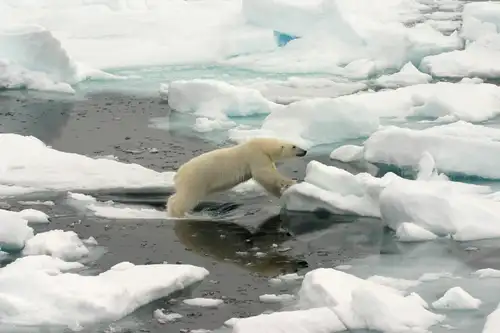
In the Antarctic region, extensive research is being conducted by national Antarctic programmes from countries like the UK, Australia, and Japan. These studies aim to understand species in the air, on the ground, and in the sea, and how these species are interconnected without variables such as human impacts and climate change.
Spitsbergen: a true polar bear trip - Nexta Expeditions
Blog

Spitsbergen: a true polar bear trip

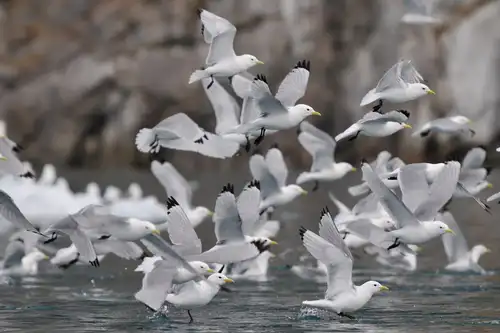
On the third day of our Svalbard cruise, we navigated through the sea ice north of Spitsbergen. The morning greeted us with fog and fragmented ice, but conditions gradually improved. A swarm of black-legged kittiwakes trailed behind us, as our ship stirred the waters, pushing aside ice floes to reveal the tiny dark polar cod beneath.
A Day of Basecamp in Antarctica – Paradise Harbour - Nexta Expeditions
Blog

A Day of Basecamp in Antarctica – Paradise Harbour

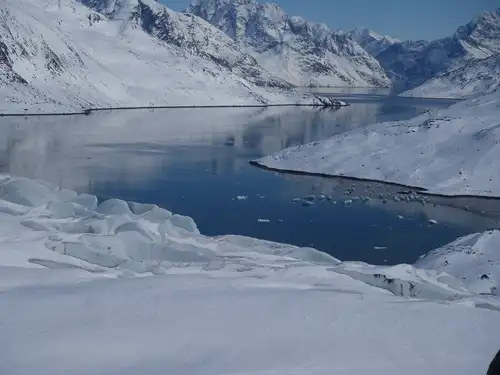
After an early morning gathering of our camping group, we reached the entrance to Lemaire Channel. The snow and mist around the mountain peaks created a captivating atmosphere as we began our journey to Paradise Bay. The channel was dotted with impressive icebergs, and we even spotted a few sleeping humpback whales, providing ample photo opportunities.
How and When Did Greenland Become Covered in Ice? - Nexta Expeditions
Blog

How and When Did Greenland Become Covered in Ice?

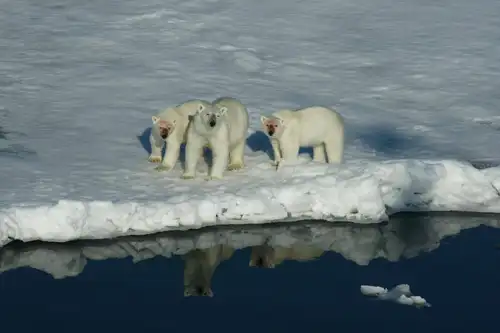
Although it may be hard to believe, there was a time when Greenland was more green than icy. Today, those who embark on a Greenland expedition are greeted with views of the Greenland ice sheet and the marine life that thrives in this region, including seals and whales. Polar bears are also prominent in the northern and eastern parts of Greenland. These animals have adapted to their environment, but a few million years ago, the massive island would not have been as welcoming to them.
Polar Bear Primer: Eight Facts About the Arctic Wanderer - Nexta Expeditions
Blog

Polar Bear Primer: Eight Facts About the Arctic Wanderer

Polar bears inhabit the Arctic region across 19 subpopulations, including areas in Alaska, Canada, Greenland, Norway, and Russia. These majestic creatures prefer the edges of pack ice where currents and wind interact, creating a dynamic environment of melting and refreezing that forms ice patches and leads, which are open spaces in the sea between sea ice.
15 Toothy Facts About the Atlantic Walrus - Nexta Expeditions

Blog

15 Toothy Facts About the Atlantic Walrus

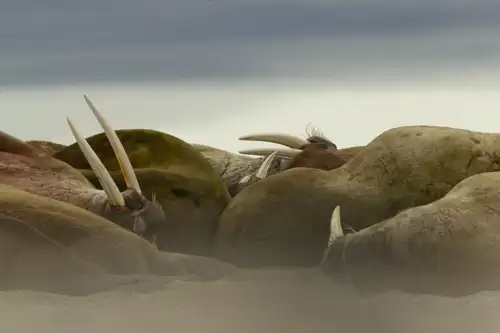
The walrus is one of the most recognizable animals on the planet, and for good reason. Try sneaking into a cinema with those tusks!
Visa to Argentina for Antarctic Expedition Travelers (2025 Guide) - Nexta Expeditions
Blog

Visa to Argentina for Antarctic Expedition Travelers (2025 Guide)

Argentina is the main gateway for travelers heading to Antarctica, with most expedition cruises departing from the southern city of Ushuaia. Whether you’re flying in through Buenos Aires or connecting domestically, knowing Argentina’s visa requirements is critical for a smooth journey before and after your polar adventure.
Five Birds You Might See on Your Greenland Cruise - Nexta Expeditions
Blog

Five Birds You Might See on Your Greenland Cruise

A Greenland expedition cruise offers birdwatchers a unique opportunity to capture stunning avian photographs. With over 230 bird species, Greenland boasts both spectacular landscapes and diverse winged wildlife.
10 Common Misconceptions About the Arctic - Nexta Expeditions
Blog

10 Common Misconceptions About the Arctic

The Arctic is a vast region. Truly immense.
The Norse Settlement of Greenland - Nexta Expeditions
Blog

The Norse Settlement of Greenland

Erik the Red is a significant and vibrant figure in the history of the Norse Vikings. His story is primarily documented in the Icelandic Sagas Huaksbók (14th Century) and Skalhóltsbók (15th Century). These accounts offer slightly different versions of events that occurred 3-400 years earlier. The original saga of Erik the Red is believed to have been written around 1200 A.D., with the Skalhóltsbók version considered closest to the original. Additionally, Flateyjarbók (13th Century), which includes the Saga of the Greenlanders, is a crucial source for understanding the settlement of Greenland and the discovery of Vinland – North America.
The Enchanting Islands of Svalbard - Nexta Expeditions
Blog

The Enchanting Islands of Svalbard

Svalbard is an Arctic archipelago situated between the North Pole and the Norwegian mainland, offering visitors some of the most stunning wildlife and landscapes in the world. Here we explore seven of the most visited Svalbard islands, highlighting the many wonders that draw people back year after year.