Port Pastimes 7 Fun Things To Do In Longyearbyen - Nexta Expeditions
Port Pastimes: 7 Fun Things to Do in Longyearbyen

Port Pastimes: 7 Fun Things to Do in Longyearbyen

Waiting in port for an Arctic expedition cruise to begin might seem a little like waiting for water to boil or coffee to brew or a Seinfeld reunion to materialize: Time seems to defy its own laws, life slows to a crawl, and you begin to wonder if it’s really going to be worth it.

(In the case of an Arctic trip, we assure you it certainly is.)

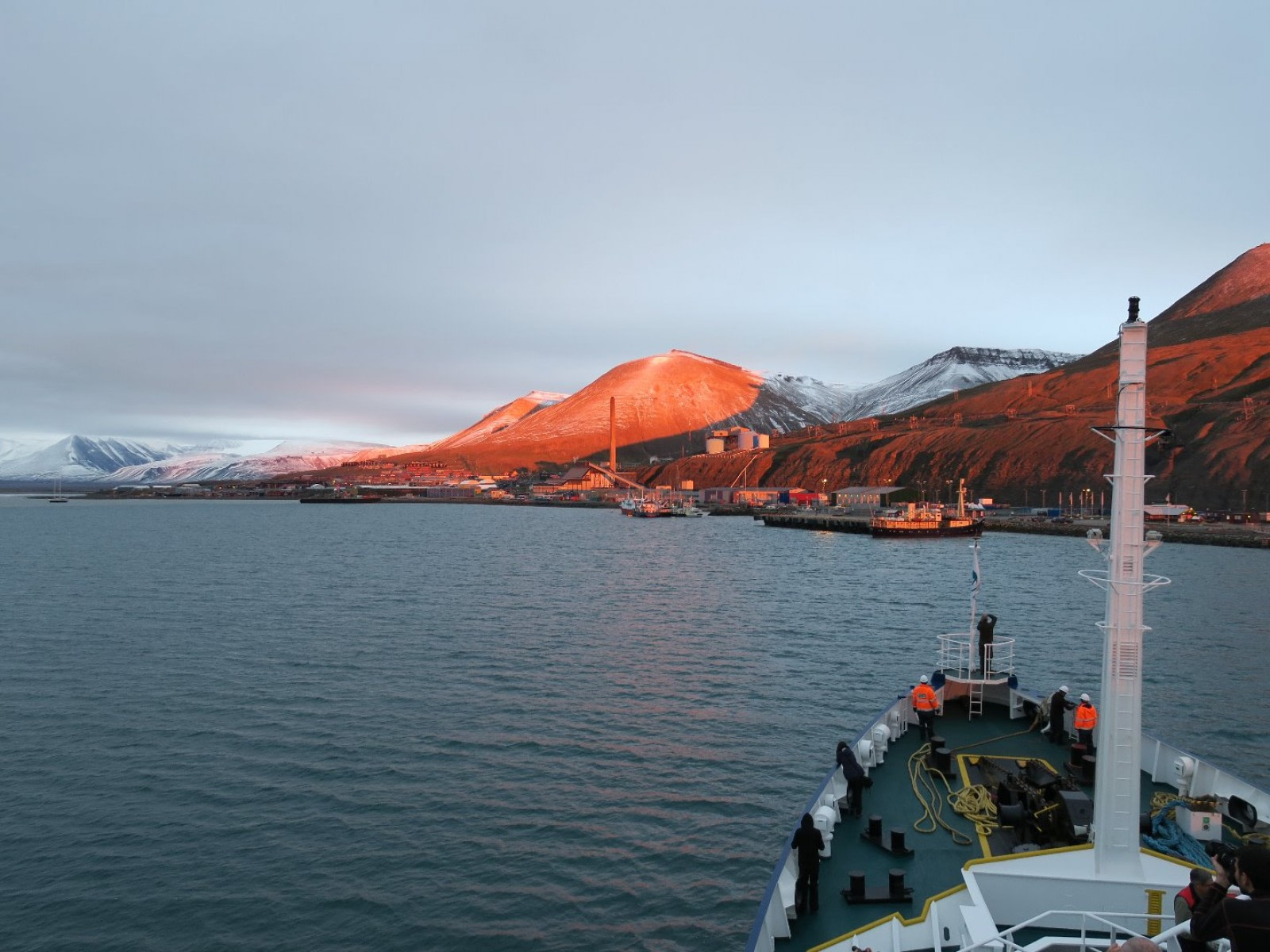
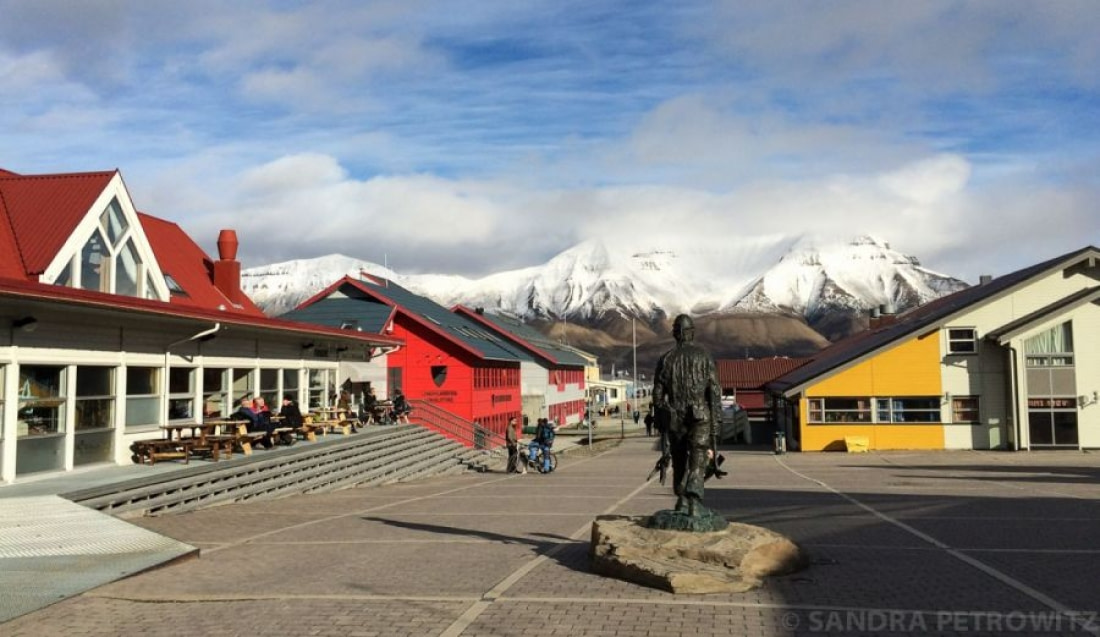
But it doesn’t have to be that way - if you’re embarking from Longyearbyen, that is. Longyearbyen is the capital of the Arctic archipelago of Svalbard, and despite being one of the most remote settlements on the planet, is filled with entertaining diversions to while away the hours (or days) while you’re waiting to set out on your Arctic adventure.

Here are seven attractions we think you’ll enjoy in and around Longyearbyen.
blog-image

1. Svalbard museum: Longyearbyen’s glimpse into the past

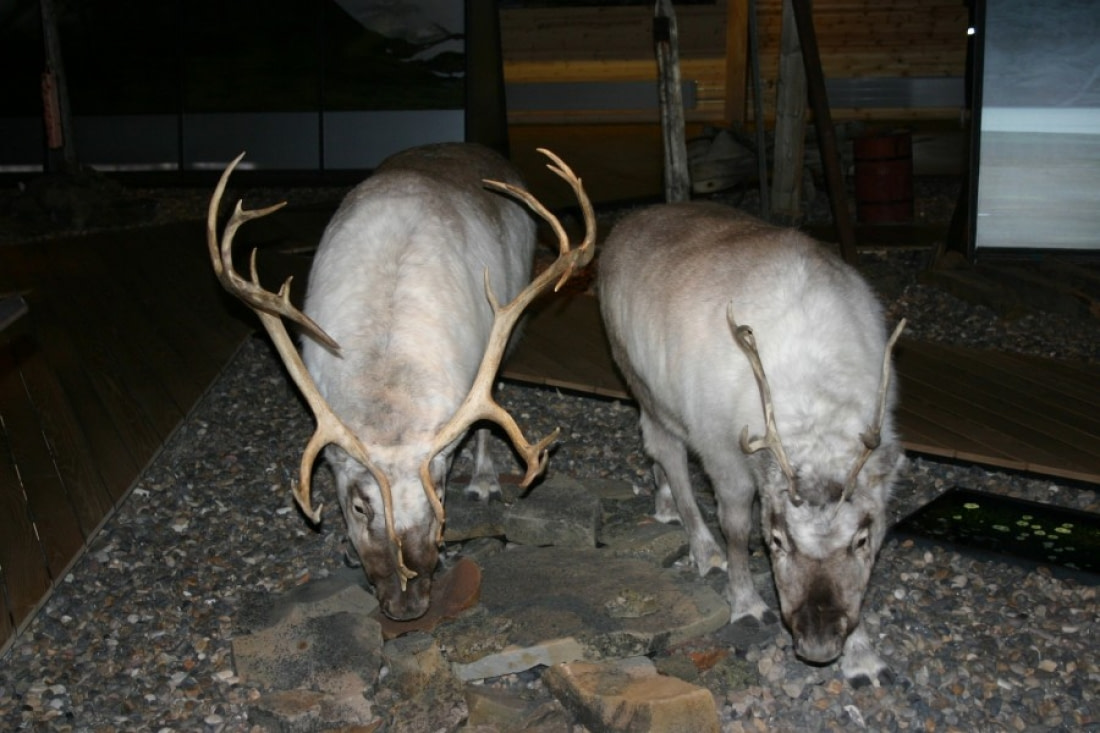
Opened in 1979, the Svalbard Museum is probably the most extensive of the four museums on the island of Spitsbergen, composed of over 1,700 art works, photos, and books.

The Svalbard Museum is a great way to whet your appetite for your Arctic expedition, offering fascinating insights into 400 years of Spitsbergen history. Its exhibits explore European whaling, bird migration, Pomor culture, and various topics concerning the local ecosystem.
blog-image

2. Svalbard Bryggeri (brewery): the place for pints in Longyearbyen

After a visit to the Svalbard Museum has expanded your awareness, a stop at the Svalbard Bryggeri (or brewery, if you’re not so very Viking) will enliven your palate.

Located at 78°N, along with the rest of Longyearbyen, the Svalbard Brewery is the northernmost commercial brewery in the world. Not only that, the proprietors had to change Norwegian law in 2015 just to legally brew alcohol in Svalbard.

Enjoy one (after another) of the Svalbard Brewery’s signature beers, the water of which is 16% thawed ice from the local 2,000-year-old Bogerbreen Glacier.

blog-image

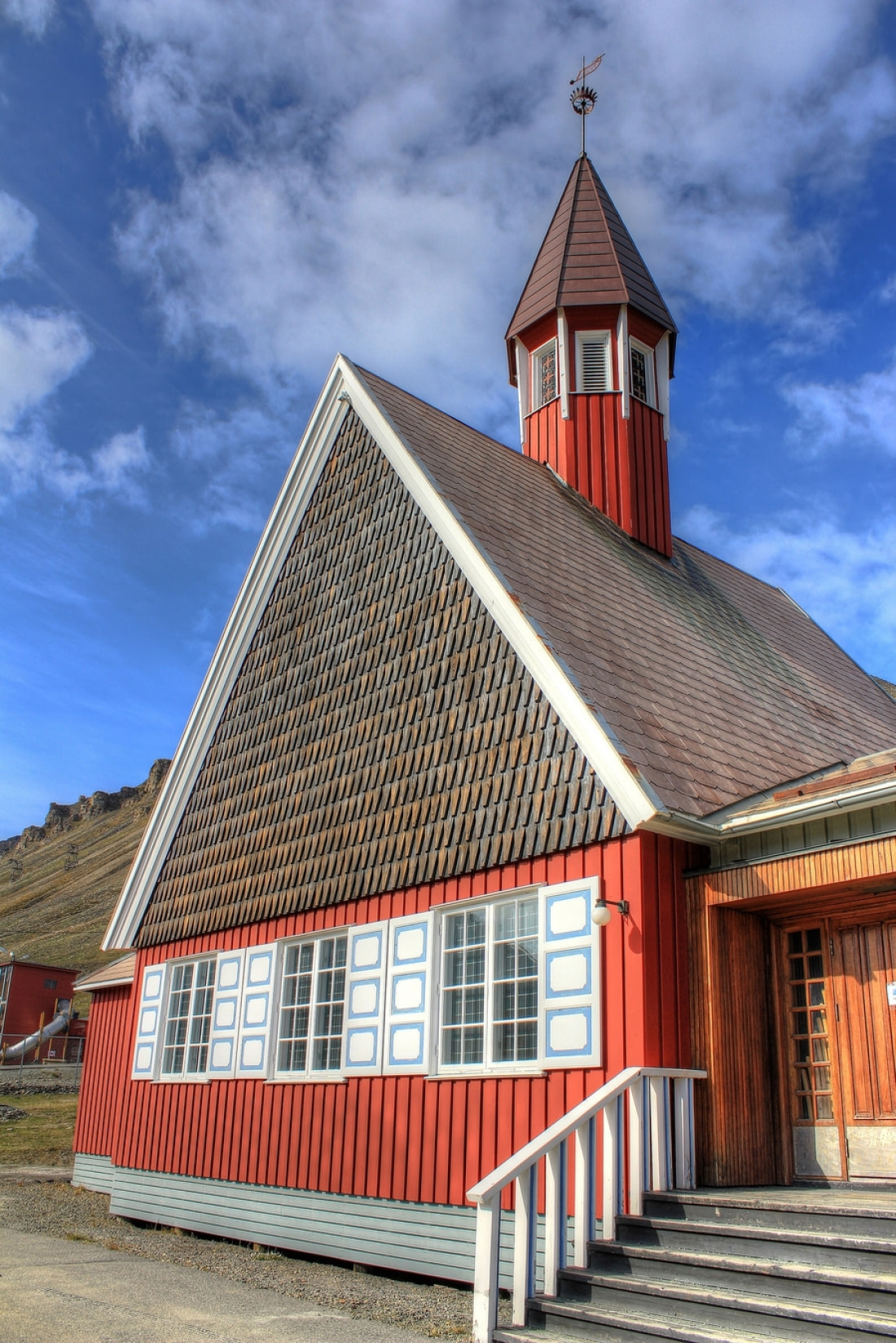
3. Svalbard Church: Earth’s almost-northernmost church

If you imbibe a little too much at the Svalbard Bryggeri (heaven forbid) and feel like doing some atoning, Longyearbyen’s local Svalbard Church is not far away.

The Svalbard Church used to be the northernmost church in the world until the St. Nicolas Church was built in Nagurskoye, Russia. But even so, Svalbard’s worship house is nothing if not a survivor: After being built in 1921, it was bombed in WWII, only to be rebuilt in 1956.

Also, the silver altar candlesticks and baptismal bowl in the Svalbard Church were gifts from King Haakon VII and Queen Maud, and can still be seen there.
blog-image

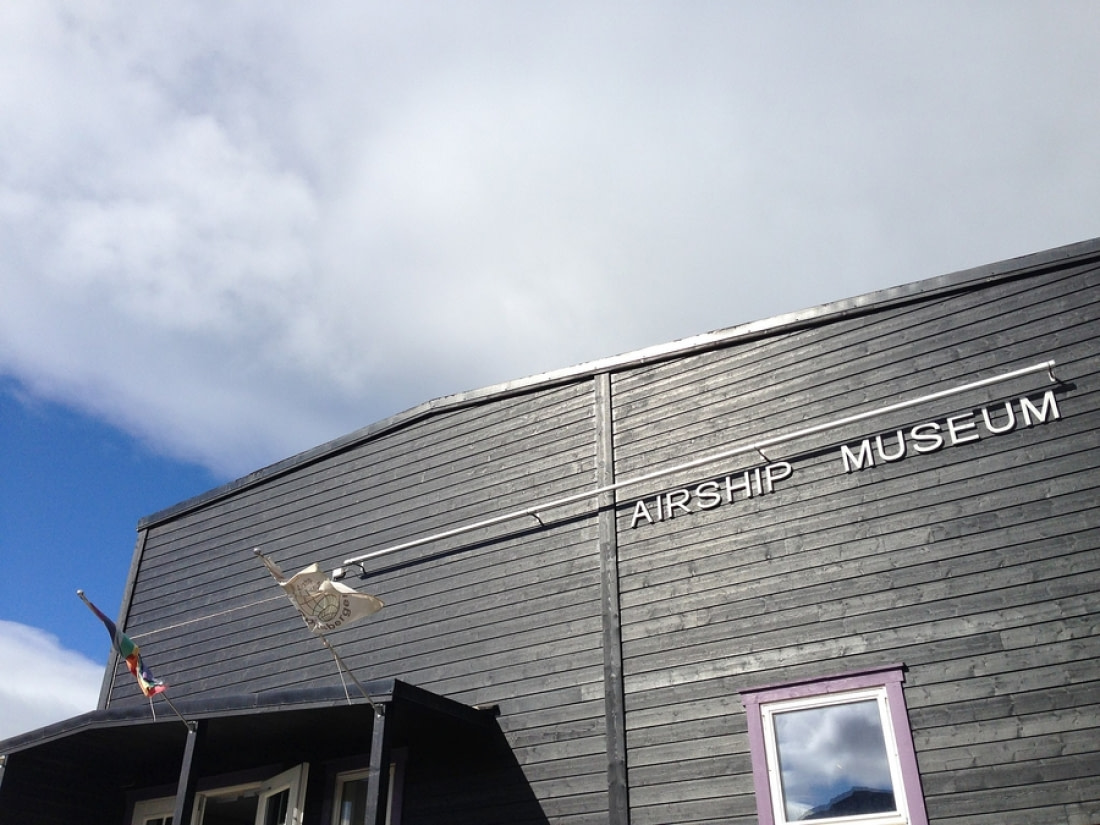
4. North Pole Expedition Museum (Spitsbergen Airship Museum): Longyearbyen’s spot for Arctic aviation history

After saying your prayers, perhaps you’d next be ready to ascend into the heavens via an historic aeronautical museum.

The North Pole Expedition Museum, previously known as the Spitsbergen Airship Museum, opened in 2008. This date was noteworthy for a few reasons.

For one, it was the 80th anniversary of the crash of the Italia, the airship used by Italian engineer, aviator, and Arctic explorer Umberto Nobile to fly around the North Pole. It was also the 30th anniversary of Nobile’s death, and in fact, several descendants of Nobile and Amundsen (who died trying to rescue the Italia crew), attended the opening ceremony of the museum.

Exhibits in this prized Longyearbyen attraction delve into major air-based Arctic expeditions, such as that of the airship America, Norge, and of course, Italia, among many other things.
blog-image

5. Svalbard Husky: the preferred method of Longyearbyen travel

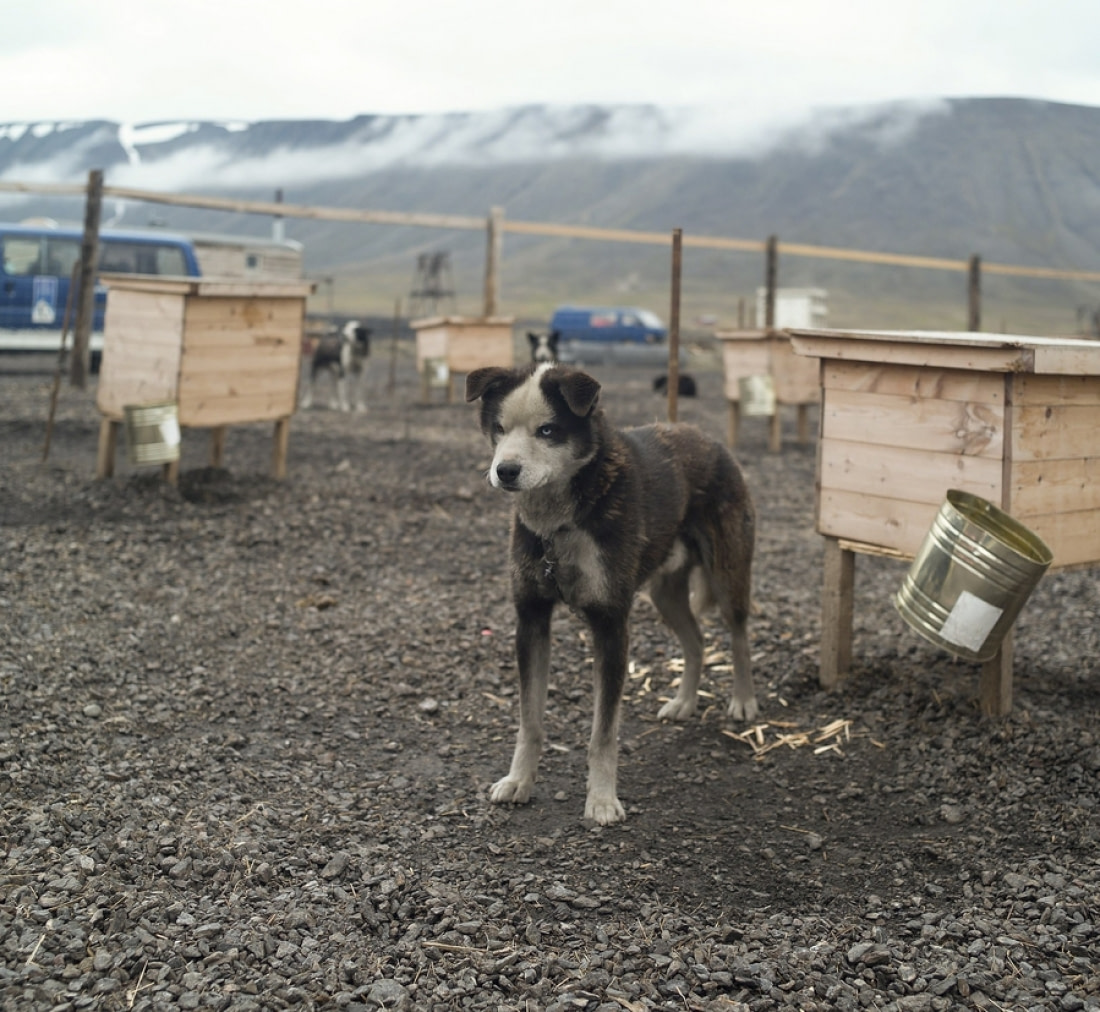
If you’ve seen the above museum but are still looking to get more wind in your sails, it’s tough to argue with a Longyearbyen sled ride powered by a pack of very enthusiastic huskies.

Svalbard Husky is a family-owned, ecologically friendly business with about 100 dogs, focusing on sledding expeditions that can carry you out of Longyearbyen and into the Arctic wilderness for short excursions (1.5 hours), longer outings (4 hours), and even overnight trips.

Tours include northern lights viewing and visits to natural landmarks, where guests are taught to assist in handling the huskies, experiencing the work of a real Arctic dog musher.
blog-image

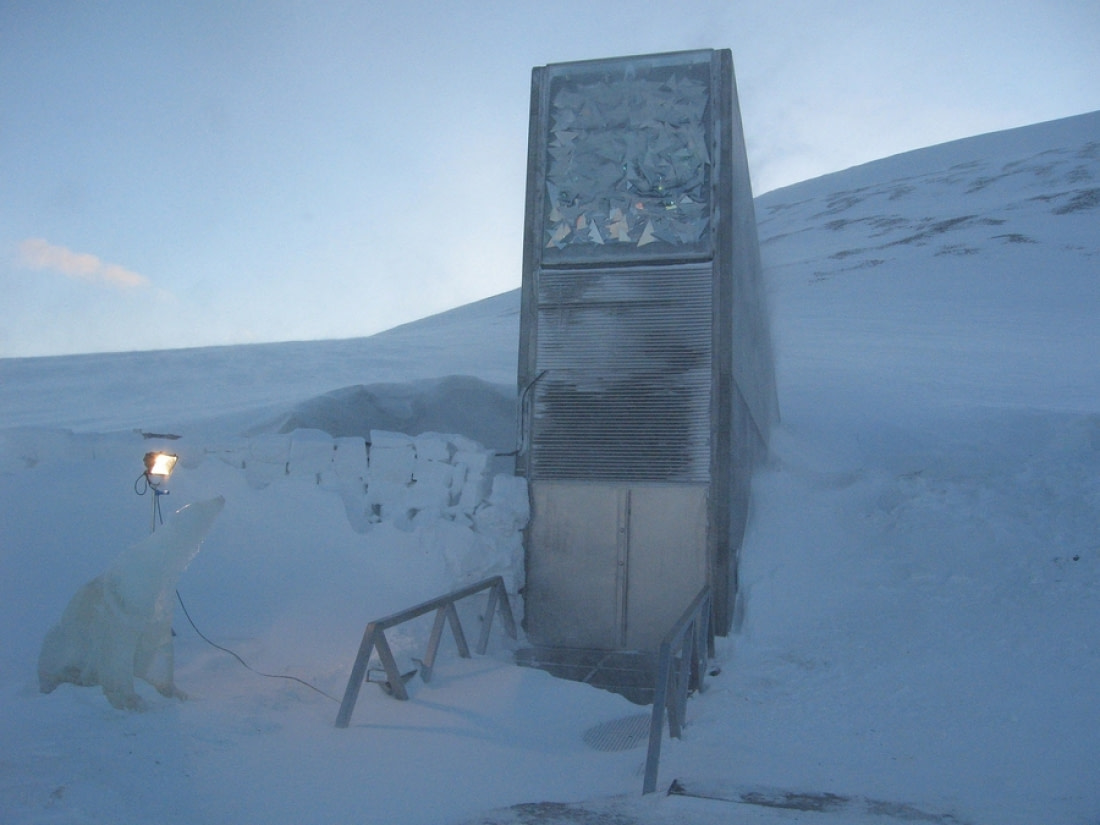
6. Svalbard Global Seed Vault: Longyearbyen’s international seed stash

You’ve probably already heard about the Svalbard Global Seed Vault, due in no small part to the rapidly escalating news about global warming – and the fact that this phenomenon is human caused, which 100 percent of peer-reviewed scientific findings support.

But at least some humans do something about it: The Svalbard Global Seed Vault, known simply as the Vault, is where the world’s largest backup reserve of genetic crop material is held.

Almost a million seed samples from nearly every country on the planet are stored there.

And though you can’t simply stroll out of Longyearbyen and pay a visit to the Vault, you can book one of the organized tours that take travelers near the entrance on a regular basis.

Enjoy marveling at the striking frontal structure of the Vault, and when you head back into Longyearbyen, perhaps consider another visit to the Svalbard Church (or better yet, Svalbard Bryggeri) to pray we never have to use it.
blog-image

7. Further Longyearbyen activities: When in doubt, VisitSvalbard.com

As for the other more sports-based Longyearbyen attractions, they’re too numerous to list here without turning this article into an all-too-magnificent survey of Arctic adventure extraordinaire.

But if you’re looking to stay in Longyearbyen a few days before or after your cruise (and if hot air ballooning, skiing, snowmobiling, kayaking, cycling, boat tours, ATV safaris, horseback riding, or anything in-between sounds attractive), check out Visit Svalbard to explore all the many options.

Whatever you end up doing or not doing, Longyearbyen will prove a charming and multi-faceted port that can’t help but stoke your explorative spirit for the Arctic.


Blog
go-leftgo-right

Weddell Sea, Shackleton’s Endurance, and New Swabia - Nexta Expeditions
Blog

Weddell Sea, Shackleton’s Endurance, and New Swabia

Our Antarctica 2023-24 cruise program is packed with incredible expeditions, including a new itinerary that explores key locations such as South Georgia, the Weddell Sea, and the more easterly region of New Swabia (Neuschwabenland).
A Diving Dream Fulfilled - Nexta Expeditions
Blog

A Diving Dream Fulfilled

Last January, Mark Hatter achieved a dream he’d been training for over two years. Booking his berth aboard the m/v Ortelius and making the long flight to Ushuaia, Argentina, he and two of his friends sailed down the famous Drake Passage, bound for Earth’s southernmost continent. But their Antarctica trip was not just about shoreline walks and photographing penguins.
Not Eskimos: 10 Enlightening Facts About the Inuit - Nexta Expeditions
Blog

Not Eskimos: 10 Enlightening Facts About the Inuit

If you are planning to join an Arctic cruise, you might be intrigued by the Inuit culture. To help you gain a deeper understanding of these people, especially if you are considering a trip to Greenland, here are 10 fascinating facts about the Inuit that everyone should know.
10 Terrific Antarctic Bird Facts - Nexta Expeditions
Blog

10 Terrific Antarctic Bird Facts

Antarctica is a premier destination for birdwatching, boasting around 45 unique species. Describing them all would require an extensive article, so here we will focus on 10 fascinating facts about the birds you can encounter in Antarctica.
Discover the Scoresby Sund Fjord System in East Greenland - Nexta Expeditions

Blog

Discover the Scoresby Sund Fjord System in East Greenland

Are you considering a trip to Greenland? One destination you absolutely must visit is the world's largest fjord with stunning landscapes: Scoresby Sund.
The ozone layer in Antarctica - Nexta Expeditions
Blog

The ozone layer in Antarctica

An ozone molecule is composed of three oxygen atoms rather than the usual two. It exists in the atmosphere in trace amounts. Ozone molecules are created through the interaction of ultraviolet (UV) radiation from the sun with oxygen molecules: When an O2 molecule is split, the two free oxygen atoms bond with other O2 molecules to form O3 molecules.
Everything you need to know about Antarctic icebergs - Nexta Expeditions
Blog

Everything you need to know about Antarctic icebergs

The ice in Antarctica might seem static, but it is constantly moving. Pieces of ice are continuously breaking off from ice shelves, glaciers, or other icebergs. They float freely along with the Antarctic currents, with about 90 percent of their mass below the surface of the water. This fact is actually what gave rise to the nowadays popular phrase “the tip of the iceberg”. Regardless, the sighting of the first iceberg is always a moment to celebrate in any and all Antarctic expeditions. So that you may appropriately ready yourself for that joyous moment, in this article you will find everything you need to know about Antarctic icebergs.
Polar bear encounter in Spitsbergen - Nexta Expeditions
Blog

Polar bear encounter in Spitsbergen

I watch the sea ice from the bridge of a ship in one of the fjords of Spitsbergen, an archipelago north of Norway. I observe a perfectly adapted animal moving on the ice, the results of hundreds of thousands of years of ecological fine-tuning. Snowshoe-sized paws distribute weight, fur handles the cold and sunlight to perfection, and an incredible sense of smell samples this monochromatic realm.
Shackleton’s Long-Lost Endurance Discovered in Antarctica - Nexta Expeditions
Blog

Shackleton’s Long-Lost Endurance Discovered in Antarctica

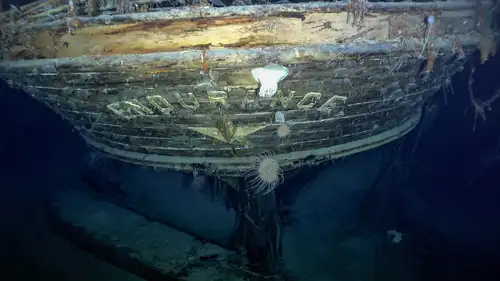
A discovery expedition launched by the Falklands Maritime Heritage Trust achieved a long-awaited mission when it located Anglo-Irish explorer Ernest Shackleton’s lost ship Endurance last Saturday (March 5).
Danger Beneath the Water: 10 Facts About Leopard Seals - Nexta Expeditions
Blog

Danger Beneath the Water: 10 Facts About Leopard Seals

If your thirst for adventure leads you to Antarctica, you may be lucky enough to cross paths with a leopard seal while you’re there. These amazing animals are wonderful to observe both in and out of the water, and they are a coveted part of the polar wildlife experience.
8 Scientific Wonders of the Arctic - Nexta Expeditions
Blog

8 Scientific Wonders of the Arctic

The Arctic’s frozen landscape not only contains scenic gems, it also prompts fascinating advances in research. Here are some of the eight best.
Diving in Antarctica: The Ultimate Underwater Experience - Nexta Expeditions

Blog

Diving in Antarctica: The Ultimate Underwater Experience

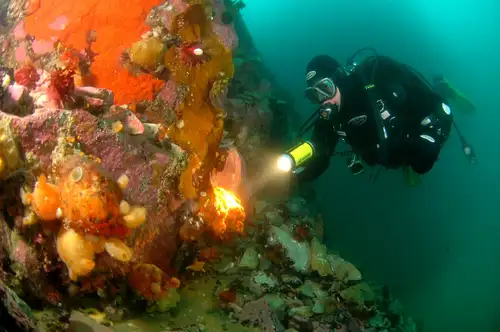
Ice diving offers an extraordinary experience on an Antarctica diving trip. The dive sites are teeming with a unique array of colorful marine life, including penguins and leopard seals, which are exclusive to this region.
A visit to the fascinating island of Jan Mayen - Nexta Expeditions
Blog

A visit to the fascinating island of Jan Mayen

After exploring the remote island of Fair Isle, our Atlantic Odyssey voyage once more turned its attentions northwards and left the outer extremities of the UK behind. Our destination was Jan Mayen, a volcanic island situated on the mid-Atlantic ridge just north of 71° (about 550 kilometers north of Iceland and 450 kilometers east of Greenland).
Birds of the North: 29 Arctic Birds and Seabirds - Nexta Expeditions
Blog

Birds of the North: 29 Arctic Birds and Seabirds

The Arctic is home to some of the world’s most majestic mammals, both on land and sea. However, the bird life in this region is equally remarkable, showcasing numerous exotic species that are highly prized by bird enthusiasts worldwide.
Polar Bears and Pack Ice: 22 Pics from North Spitsbergen - Nexta Expeditions
Blog

Polar Bears and Pack Ice: 22 Pics from North Spitsbergen

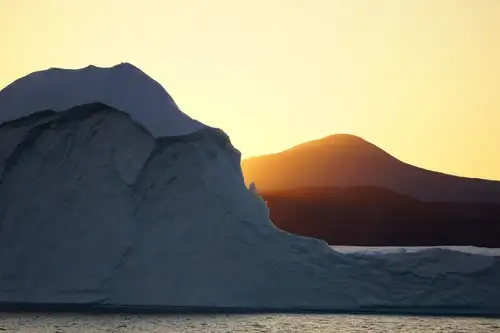
Last month, we explored one of the premier Arctic cruise destinations in our North Spitsbergen blog. That post not only detailed our itinerary in this breathtaking region but also highlighted some of the stunning locations where you might encounter polar bears, whales, walruses, seals, seabirds, and the mesmerizing ice formations of the far north.
Light in the Land of the Midnight Sun - Nexta Expeditions
Blog

Light in the Land of the Midnight Sun

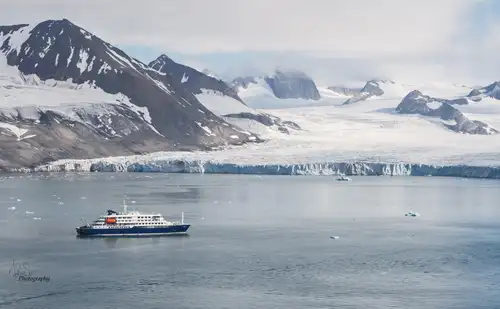
The midnight sun, also referred to as the polar day, is a fascinating natural event observed within the Arctic and Antarctic circles. During the polar summer, the sun remains above the horizon for 24 hours a day, resulting in continuous daylight without any sunrise or sunset. This phenomenon occurs due to the Earth's seasonal tilt towards the sun during the summer months in these regions.
What’s so Special about East Spitsbergen? - Nexta Expeditions
Blog

What’s so Special about East Spitsbergen?

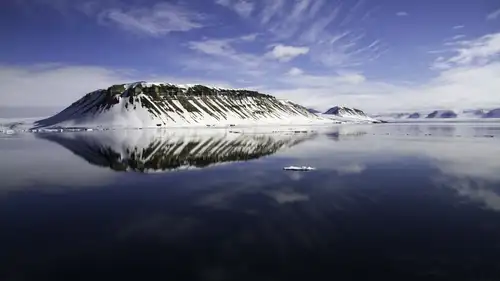
We’ve previously discussed our north Spitsbergen journeys and Spitsbergen circumnavigations, but the eastern parts of this incredible island have not received the attention they deserve. Despite the name, our east Spitsbergen voyages explore much more than just the eastern side of Spitsbergen.
The Ice-Jewelled Geology of Spitsbergen - Nexta Expeditions
Blog

The Ice-Jewelled Geology of Spitsbergen

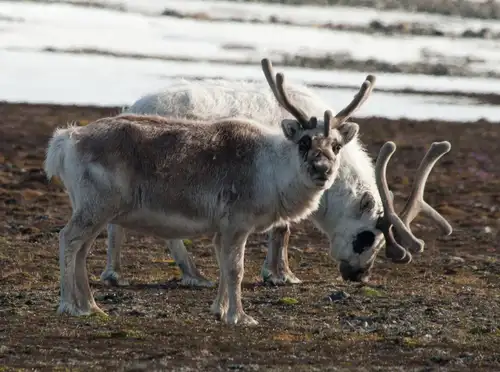
The Svalbard archipelago is located in the Arctic Ocean, roughly 660 km (410 miles) north of Norway's northernmost point. This region is a haven for geologists, boasting a rich geological history that spans from the Mesozoic era (65-245 million years ago) through the Cambrian era (570 million years ago) and back to the Archean era, over 3.5 billion years ago.
Amphibian, reptiles and herbivore mammals in the Arctic - Nexta Expeditions

Blog

Amphibian, reptiles and herbivore mammals in the Arctic

Arctic ecosystems are relatively young in geological terms, having primarily developed over the past three million years. Generally, species richness is lower in the Arctic compared to more southerly regions, aligning with scientific observations that biodiversity decreases from the Equator to the poles.
The Arctic Hare: Easter Bunny - Nexta Expeditions
Blog

The Arctic Hare: Easter Bunny

Although the Arctic hare’s stern expression might make it seem like the least amused member of a serious tribunal, this polar animal is actually one of the most charming creatures on the planet – especially when Easter Sunday comes around.