A Day Of Basecamp In Antarctica Paradise Harbour - Nexta Expeditions
A Day of Basecamp in Antarctica – Paradise Harbour

A Day of Basecamp in Antarctica – Paradise Harbour

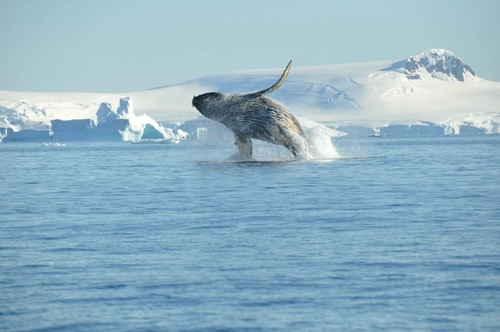
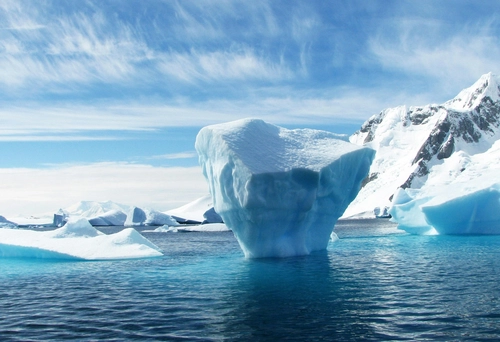
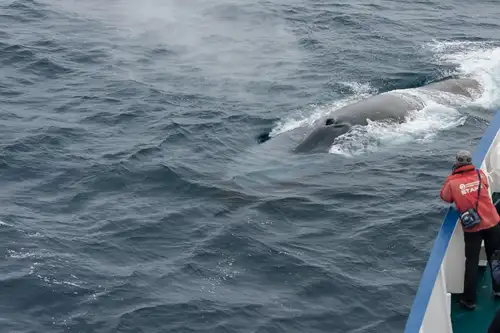
After an early morning gathering of our camping group, we reached the entrance to Lemaire Channel. The snow and mist around the mountain peaks created a captivating atmosphere as we began our journey to Paradise Bay. The channel was dotted with impressive icebergs, and we even spotted a few sleeping humpback whales, providing ample photo opportunities.

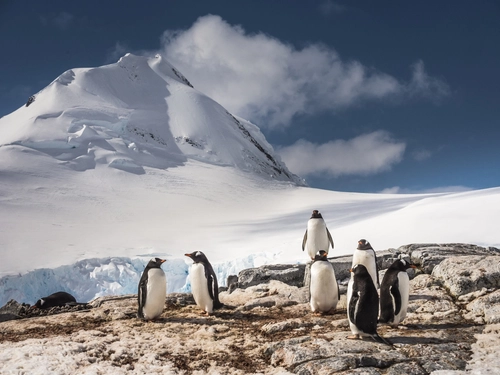
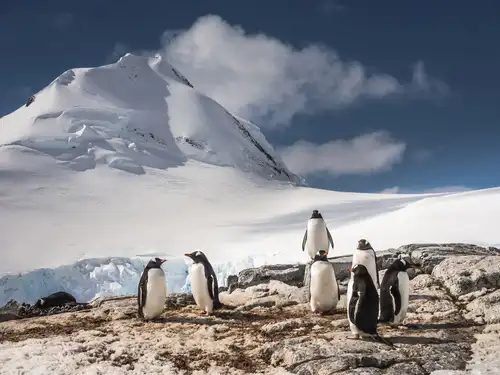
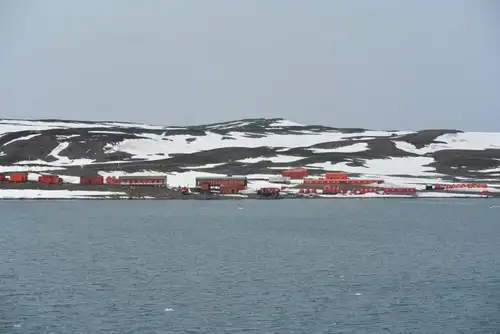
From Lemaire Channel, we navigated to Ferguson Channel, which led us into Paradise Harbour, a spacious bay formed by islands near the Antarctic Peninsula. We made an easy landing at Base Brown, an Argentinean summer station perched on a rocky outcrop overlooking the bay. This landing marked our arrival on the mainland! The station was unoccupied at this time of year, except for the resident Gentoo penguins. A short, steep climb to the peak offered breathtaking panoramic views of Paradise Harbour.

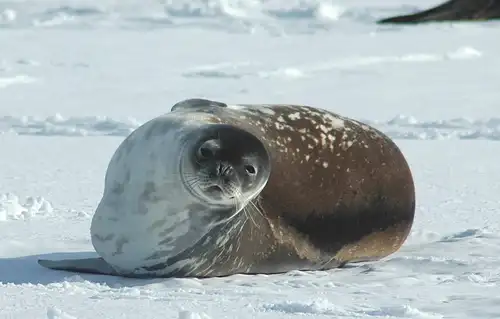
After lunch, the kayakers set out from Base Brown and paddled into Skontorp Cove, where they encountered both Minke and Humpback whales. They navigated through the ice towards Stony Point. The conditions were ideal—calm waters, no wind, and occasional bursts of sunshine. They were treated to sightings of Crabeater, Leopard, Weddell, and a grumpy Fur Seal. The dive team explored a steep wall adorned with colorful marine life, including corals, sponges, and tunicates. Large seastars and nudibranchs grazed over the rock wall in near-freezing waters.

blog-image

The mountaineers embarked on a climb up the 730-meter-high Mount Banck, overlooking Ferguson Channel. They roped up and began their ascent. Conditions were challenging with flat light and fog, making navigation through the first two crevassed areas difficult for the mountain leader.

After traversing an intriguing ice step, they reached the eastern shoulder of Mount Banck and continued their climb. They paused briefly to examine a deep crevasse, which they followed until it narrowed enough for a safe crossing.

After negotiating more crevassed areas, the team finally reached the summit! The clouds parted, allowing the sun to illuminate the ice-strewn waters below. The panoramic view was a rewarding sight after two and a half hours of effort. They took some victory photos before roping up and beginning their descent.

blog-image

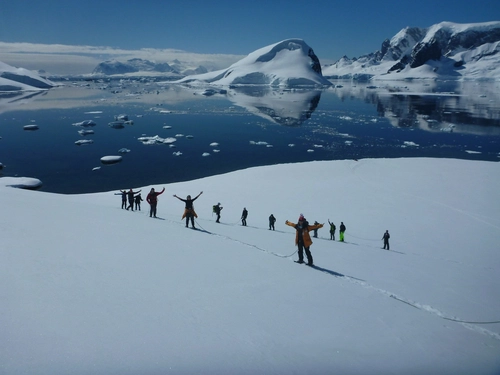
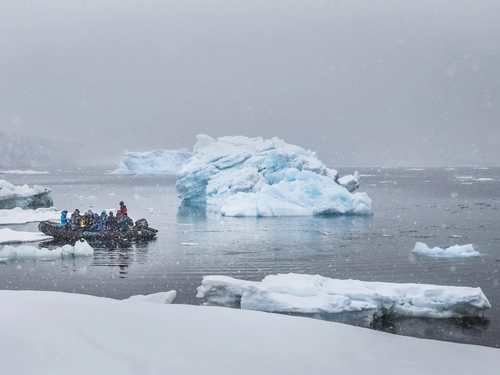
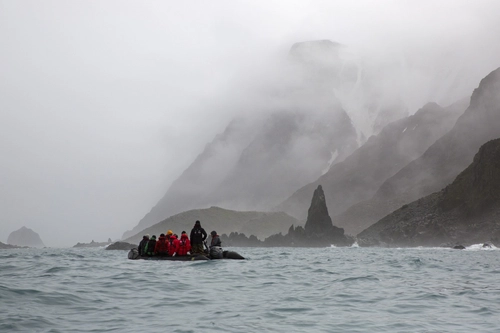
The rest of the group spent their afternoon between zodiac cruising and landing on Stony Point. We donned snowshoes for a short walk to the top of the snowfield. The climb was easy, and the views from the top were spectacular, with a glacier directly ahead and the bay behind us. We enjoyed moments of 'Antarctic Silence,' listening to the terns, gulls, and the cracking glacier. It was a delightful visit, and we had time to explore the shoreline with Gentoo penguins and Weddell seals.

blog-image

Back at the landing site at Stony Point, preparations were underway for the polar plunge, a chilly swim from the shores of the Antarctic continent. About 25 participants braved the icy waters, while many others watched from the sidelines. It was a fantastic and entertaining experience for everyone, though a few ended up with very cold fingers and toes. We were quickly shuttled back to the ship for a hot shower and a warm drink.
Best Deals

Related Trips

Falkland Islands - South Georgia - Antarctica - Nexta Expeditions
Antarctica
Ushuaia

Falkland Islands - South Georgia - Antarctica

calendar21 Dec 2025 - 08 Jan 2026
clock19 Days / 18 Nights
From $ 15.600 per person
Antarctica - Basecamp - free camping, kayaking, snowshoe/hiking, mountaineering, photo workshop - Nexta Expeditions
Antarctica
Ushuaia

Antarctica - Basecamp - free camping, kayaking, snowshoe/hiking, mountaineering, photo workshop

calendar28 Dec 2025 - 09 Jan 2026
clock13 Days / 12 Nights
From $ 10.550 per person
Antarctica - Basecamp - free camping, kayaking, snowshoe/hiking, mountaineering, photo workshop - Nexta Expeditions
Antarctica
Ushuaia

Antarctica - Basecamp - free camping, kayaking, snowshoe/hiking, mountaineering, photo workshop

calendar29 Dec 2025 - 10 Jan 2026
clock13 Days / 12 Nights
From $ 11.100 per person
Antarctica - Discovery and learning voyage - Nexta Expeditions
Antarctica
Ushuaia

Antarctica - Discovery and learning voyage

calendar08 Jan 2026 - 18 Jan 2026
clock11 Days / 10 Nights
From $ 9.250 per person
% Save up to $ 3.450
Antarctica - Discovery and learning voyage - Nexta Expeditions
Antarctica
Ushuaia

Antarctica - Discovery and learning voyage

calendar09 Jan 2026 - 19 Jan 2026
clock11 Days / 10 Nights
From $ 9.250 per person
Antarctica - Discovery and learning voyage - Nexta Expeditions
Antarctica
Ushuaia

Antarctica - Discovery and learning voyage

calendar18 Jan 2026 - 28 Jan 2026
clock11 Days / 10 Nights
From $ 9.250 per person
Falkland Islands - South Georgia - Antarctica - Nexta Expeditions
Antarctica
Ushuaia

Falkland Islands - South Georgia - Antarctica

calendar19 Jan 2026 - 06 Feb 2026
clock19 Days / 18 Nights
From $ 16.600 per person
% Save up to $ 7.350
Falkland Islands - South Georgia - Antarctica - Nexta Expeditions
Antarctica
Ushuaia

Falkland Islands - South Georgia - Antarctica

calendar28 Jan 2026 - 16 Feb 2026
clock20 Days / 19 Nights
From $ 12.650 per person
Antarctica - Discovery and learning voyage - Nexta Expeditions
Antarctica
Ushuaia

Antarctica - Discovery and learning voyage

calendar06 Feb 2026 - 16 Feb 2026
clock11 Days / 10 Nights
From $ 9.250 per person
Falkland Islands - South Georgia - Elephant Island - Antarctica - Polar Circle - Nexta Expeditions
Antarctica
Ushuaia

Falkland Islands - South Georgia - Elephant Island - Antarctica - Polar Circle

calendar16 Feb 2026 - 10 Mar 2026
clock23 Days / 22 Nights
From $ 17.800 per person
Antarctica – Uncharted islands of the Deep South - Nexta Expeditions
Antarctica
Ushuaia

Antarctica – Uncharted islands of the Deep South

calendar18 Feb 2026 - 04 Mar 2026
clock15 Days / 14 Nights
From $ 12.100 per person
Deep South Basecamp experience - Nexta Expeditions
Antarctica
Ushuaia

Deep South Basecamp experience

calendar04 Mar 2026 - 17 Mar 2026
clock14 Days / 13 Nights
From $ 11.200 per person

Blog
go-leftgo-right

Antarctica Cities (and Five Other Things That Don’t Exist There) - Nexta Expeditions
Blog

Antarctica Cities (and Five Other Things That Don’t Exist There)

Why write about what you won't find in Antarctica? Most travel blogs highlight what a destination offers, but many polar tourists visit Antarctica to experience a new world and escape their old one.
The History of Antarctica in Maps - Nexta Expeditions
Blog

The History of Antarctica in Maps

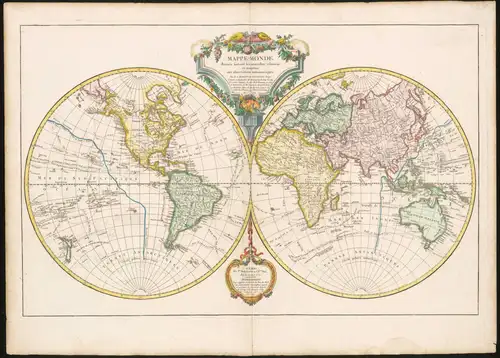
Long before human eyes ever beheld Antarctica, the ancients were convinced that it existed – or at least something like it.
First to the North Pole: Five Failed but Brave Expeditions - Nexta Expeditions
Blog

First to the North Pole: Five Failed but Brave Expeditions

Being first to reach the North Pole was seen by several nations as economically invaluable due to the open polar sea said to encircle it, but for the explorers themselves it was also a gloriously adventurous grab for immortality.
9 Facts about the Greenland Shark - Nexta Expeditions
Blog

9 Facts about the Greenland Shark

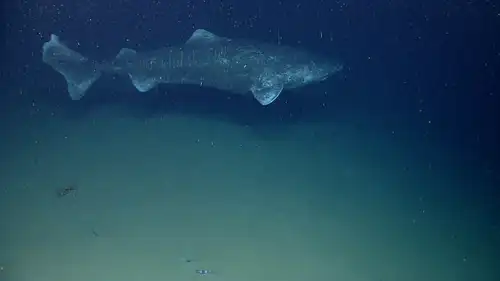
The Greenland shark, or Somniosus microcephalus, is one of many fish that inhabit the waters around Greenland, though this is not the only area in which the shark resides. These sharks, sometimes referred to as “gray sharks” or “gurry sharks,” can also be found in the north Atlantic Ocean near Iceland, Norway, and Canada.
Arctic Seals - Nexta Expeditions
Blog

Arctic Seals

Owing to the large landmasses that populate the Northern Hemisphere, the Arctic boasts the most diverse wildlife among the planet’s polar regions. Some of the most captivating Arctic animals are the marine mammals found just offshore.
10 Bountiful Blue Whale Facts - Nexta Expeditions
Blog

10 Bountiful Blue Whale Facts

The umbrella term “whale” refers to a wide variety of large marine mammals. To zero in on blue whales, however, we’ll need to unpack this term a bit. The Latin word for whale, cetus, is the root of the whale infraorder, Cetacea, the largest parvorder of which is Mysticeti.
Weddell seals: The data collectors scientists of Antarctica - Nexta Expeditions
Blog

Weddell seals: The data collectors scientists of Antarctica

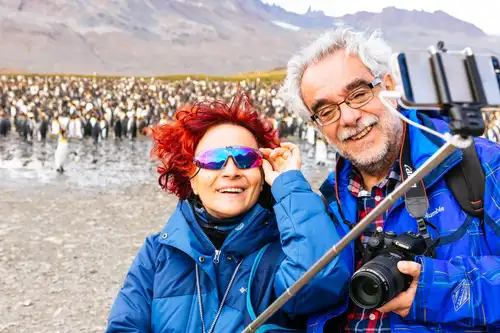
Weddell seals inhabit some of the coldest and darkest waters deep within the Ross Sea ice, making them the southernmost naturally occurring mammals on Earth. During the winter and summer months, their movements are largely governed by the presence of sea ice and the availability of suitable breathing and exit holes.
Two for the Snow: Polar Cruises for Couples - Nexta Expeditions
Blog

Two for the Snow: Polar Cruises for Couples

Do you know the old saying, “Cold hands, warm heart”? In our opinion, that bodes well for couples who visit the polar regions.
Guidelines for visitors to Antarctica - Nexta Expeditions
Blog

Guidelines for visitors to Antarctica

Activities in the Antarctic are governed by the Antarctic Treaty of 1959 and associated agreements, collectively known as the Antarctic Treaty System. The Treaty established Antarctica as a zone dedicated to peace and science. In 1991, the Antarctic Treaty Consultative Parties adopted the Protocol on Environmental Protection to the Antarctic Treaty, designating the Antarctic as a natural reserve.
Adding Antarctica to Your Seven-Continents Bucket List - Nexta Expeditions
Blog

Adding Antarctica to Your Seven-Continents Bucket List

Many travelers aspire to visit all seven continents, a goal that fits naturally with the concept of a "bucket list," a term popularized by the 2007 movie.
12 photo tips to make better pictures on your Antarctica cruise - Nexta Expeditions
Blog

12 photo tips to make better pictures on your Antarctica cruise

During your trip in the Arctic or Antarctic cruise you and your camera equipment will be exposed to a variety of challenging conditions. Be careful with your equipment and protect it from the salty spray when in Zodiacs, on a beach, or on deck. Salt water and electronics is not a good mix!
Secrets of the Snowy Owl: Habitat, Adaptations, and Other Facts - Nexta Expeditions
Blog

Secrets of the Snowy Owl: Habitat, Adaptations, and Other Facts

The snowy owl (Bubo scandiacus), also known as the great white owl or Arctic owl, is one of the most distinctive bird species on the planet. While you won’t find them in all areas of the Arctic – they don’t exist in Svalbard due to the lack of lemmings – snowy owls are seen in the polar regions of Eurasia and North America and are a potential visitor during Greenland cruises. The binomial species name, “scandiacus,” is derived from Scandinavia, as this is where the bird was first discovered. The snowy owl is the official bird of Quebec, and they are a must-see for countless bird watchers and naturalists.
A visit to the fascinating island of Jan Mayen - Nexta Expeditions
Blog

A visit to the fascinating island of Jan Mayen

After exploring the remote island of Fair Isle, our Atlantic Odyssey voyage once more turned its attentions northwards and left the outer extremities of the UK behind. Our destination was Jan Mayen, a volcanic island situated on the mid-Atlantic ridge just north of 71° (about 550 kilometers north of Iceland and 450 kilometers east of Greenland).
11 Seals You May See in Antarctica or the Arctic - Nexta Expeditions
Blog

11 Seals You May See in Antarctica or the Arctic

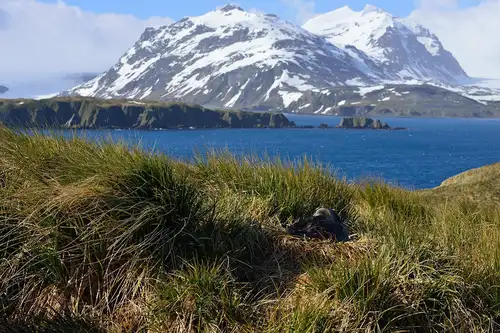
1. Weddell seals – These seals are known for their calm demeanor and spend most of their lives beneath the Antarctic ice. Although they need to come up for air, they can remain underwater for up to 45 minutes. Weddell seals can dive to depths of 610 meters (2,000 feet) in search of food. These vocal animals usually have one pup annually and can grow up to 3 meters (10 feet) and weigh 544 kg (1,200 lbs).
Everything you need to know about Antarctic icebergs - Nexta Expeditions
Blog

Everything you need to know about Antarctic icebergs

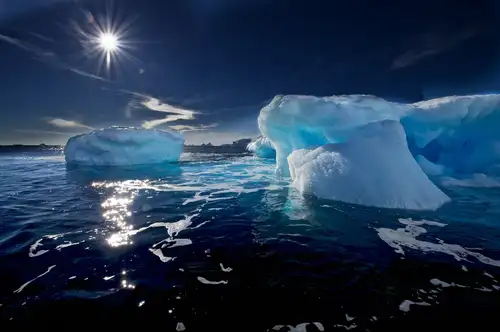
The ice in Antarctica might seem static, but it is constantly moving. Pieces of ice are continuously breaking off from ice shelves, glaciers, or other icebergs. They float freely along with the Antarctic currents, with about 90 percent of their mass below the surface of the water. This fact is actually what gave rise to the nowadays popular phrase “the tip of the iceberg”. Regardless, the sighting of the first iceberg is always a moment to celebrate in any and all Antarctic expeditions. So that you may appropriately ready yourself for that joyous moment, in this article you will find everything you need to know about Antarctic icebergs.
Flowers in Antarctica - Nexta Expeditions
Blog

Flowers in Antarctica

The polar regions are among the most inhospitable environments for plants and animals. Life here faces numerous challenges, including low temperatures, high winds, solar radiation, and cell freezing. The Antarctic continent experiences extreme conditions, with darkness during winter and continuous light during summer. Winter temperatures can drop to -60°C or lower.
Polar bear feast - Nexta Expeditions
Blog

Polar bear feast

The polar bear was relishing his meal; the snow and his face were turning red from the blood. As we observed him eating, our own stomachs began to grumble. It was time for lunch.
Living the Antarctic Dream - Nexta Expeditions
Blog

Living the Antarctic Dream

From October to March, during the Austral summer, thousands of breeding gentoo, Adèlie, and chinstrap penguins flock to the Western Antarctic Peninsula to rear their chicks and feast on krill before the harsh winter arrives. Alongside the penguins, field biologists from around the world gather to study these habits for conservation research. Observing these animals is one thing, but residing in an Antarctic field station for an entire breeding season is another. One particular field camp on King George Island, managed by American scientists, has perfected this Antarctic lifestyle and has thrived for over 30 years.
8 Scientific Wonders of the Arctic - Nexta Expeditions
Blog

8 Scientific Wonders of the Arctic

The Arctic’s frozen landscape not only contains scenic gems, it also prompts fascinating advances in research. Here are some of the eight best.
The Giant Petrels of King George Island - Nexta Expeditions
Blog

The Giant Petrels of King George Island

Antarctica is undeniably one of the world’s premier birding destinations.