


Show More

Blog


Blog
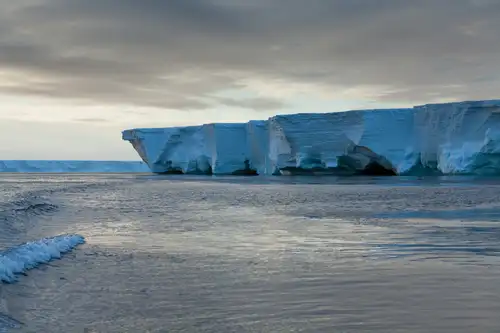
Science of the Ross Ice Shelf
Antarctica’s Ross Ice Shelf is vast, spanning 487,000 sq. km – comparable to the size of France – with a thickness that varies from a few hundred meters near the sea to over 1,200 meters away from the floating edge. The edge along the Ross Sea forms a towering ice wall, rising up to 50 meters above the water, with most of the ice submerged below the waterline.
Blog
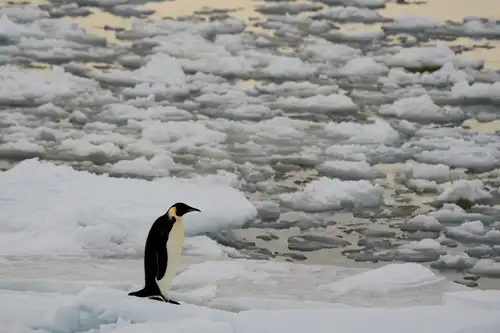
The Ways and Wildlife of the Weddell Sea
The Weddell Sea is situated off the coast of Antarctica, at the southernmost part of the Atlantic Ocean. Its coordinates are 75 degrees south and 47 degrees west, encompassing the Argentine, Chilean, and British territories of Antarctica. The severe weather and extensive pack ice have historically made the Weddell Sea challenging to access, but modern icebreaker ships are now enabling explorers to venture into this remote area.
Blog
Greenland's History: When Vikings Ruled the Ice Age
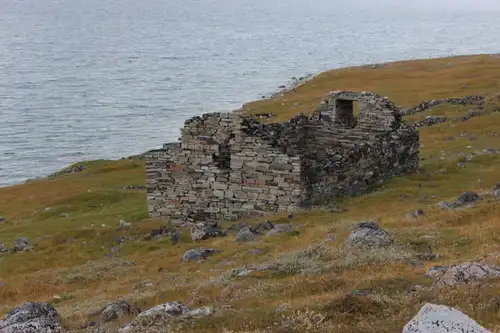
A Greenland cruise offers a journey into a rich history filled with intriguing details that captivate polar expedition enthusiasts. Among the most fascinating historical aspects is the fact that Vikings once ruled this land. Anthropologists and climate scientists have long studied Greenland to pinpoint when and why the Vikings left. Recent findings have shed new light on this historical culture.
Blog
Freshwater ecosystems in the Arctic
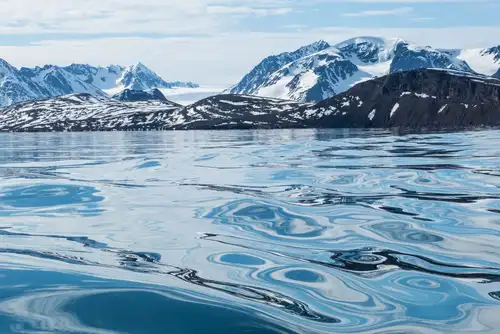
The Arctic, surprisingly, hosts a rich and varied array of freshwater ecosystems, including lakes, ponds, rivers, streams, deltas, and wetlands. Some of the world's largest rivers and deltas, such as the Lena, Ob, and Yenisei, are found in this region.
Blog
Seven Tips to Get the Most out of Your Expedition Cruise
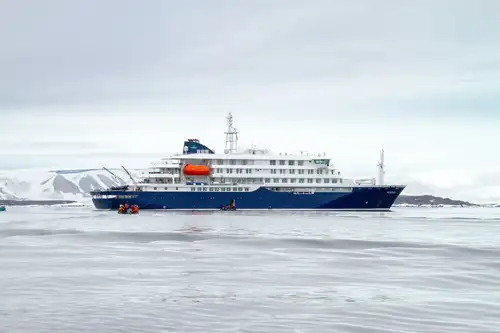
Polar cruises are easy to enjoy, but there’s an art to getting the most out of them.
Blog
Eight Ultimate Antarctica Adventures
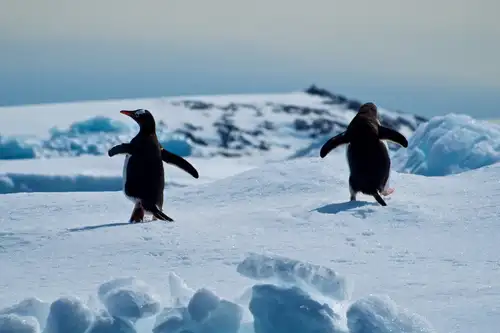
Antarctica has adventure in its bones. Long before most travelers even reach the continent, they have to cross the Drake Passage, an oft-tumultuous waterway considered by many a hallmark of high adventure in itself. Once you do reach the Antarctic shores, the variations of landscape and wildlife are as multiform as the activities you can pursue there. While not all of these activities can or should be shoehorned into a single article, this piece will give you a survey of the top eight. Like everything in the polar regions, these activities are subject to weather conditions – and your own threshold for adventure.
Blog
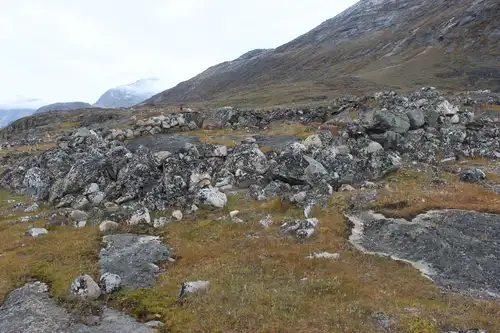
The Norse Settlement of Greenland
Erik the Red is a significant and vibrant figure in the history of the Norse Vikings. His story is primarily documented in the Icelandic Sagas Huaksbók (14th Century) and Skalhóltsbók (15th Century). These accounts offer slightly different versions of events that occurred 3-400 years earlier. The original saga of Erik the Red is believed to have been written around 1200 A.D., with the Skalhóltsbók version considered closest to the original. Additionally, Flateyjarbók (13th Century), which includes the Saga of the Greenlanders, is a crucial source for understanding the settlement of Greenland and the discovery of Vinland – North America.
Blog
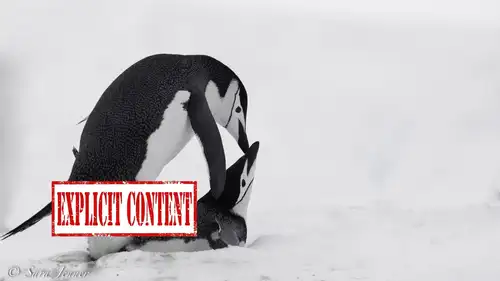
Hot Ice: Breeding Practices of Five Polar Animals
Last Valentine's Day we gave you 14 wildlife pictures highlighting the ins, outs, ups, and downs of polar romance. This year we're moving on to something a little more advanced: the nitty-gritty details of polar wildlife breeding rituals.
Blog
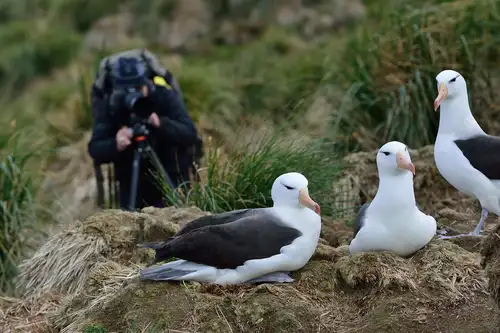
15 Falkland Islands Bird Photos
The remote sub-Antarctic archipelago of the Falkland Islands is a haven for bird enthusiasts, offering a unique and abundant selection of birds, especially seabirds.
Blog
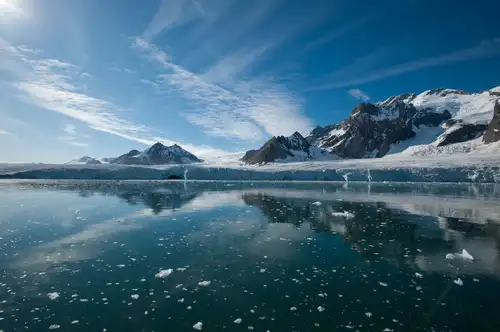
A Bug’s Life in Svalbard
When you think about Svalbard wildlife, you might imagine reindeer, Arctic foxes, polar bears – the primary animal attractions that draw passengers to an Arctic cruise. But in fact, the Svalbard archipelago is a thriving location for over 1,000 species of terrestrial and freshwater invertebrates: animals that lack backbones. Despite this richness of life, however, these invertebrates are only found in the Isfjord and Kongsfjord areas of these wonderfully diverse islands.
Blog
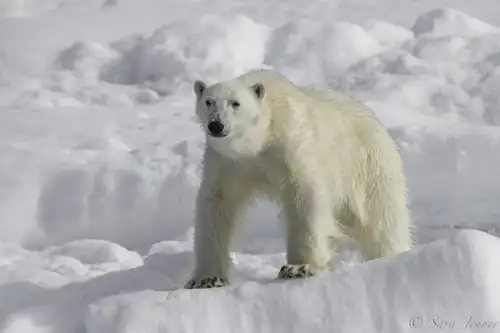
International Polar Bear Day
It will come as no surprise to you that we're crazy about polar bears. We have multiple blogs about where to find polar bears, we offer dozens of polar bear trips, and we've even written a short story from a polar bear's point of view. (Yes, we actually did that.) So if you were to say that our love of polar bears borders on obsession, you wouldn't be far off.
Blog
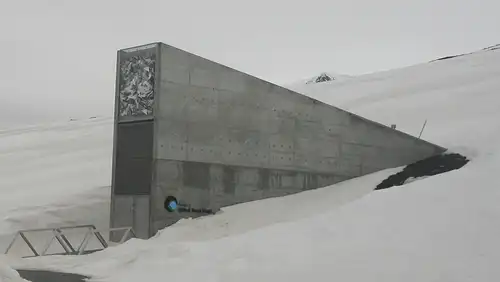
Inside the Svalbard Global Seed Vault
Literature, cinema, and even video games often present us with various global disaster scenarios. These typically involve devastating wars, catastrophic natural events, or widespread pandemics that leave survivors scavenging for food and supplies amidst hordes of zombies.
Blog
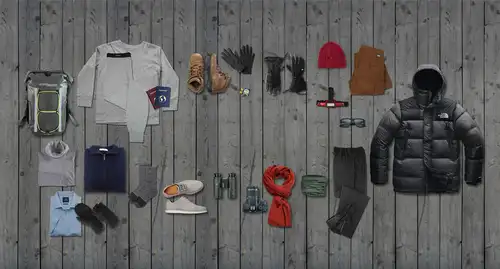
What to Pack for Your Expedition Cruise to the Arctic or Antarctica
It’s easy to get confused about what to pack for a polar cruise. Some items are provided and some are not, and it’s not always clear which is which. This article will make your polar pack list painstakingly clear. Promise.
Blog
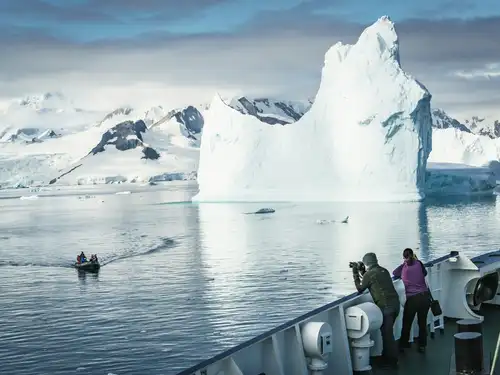
Antarctic Explorer’s Voyage
There’s off the beaten track, and then there’s really off the beaten track.
Blog
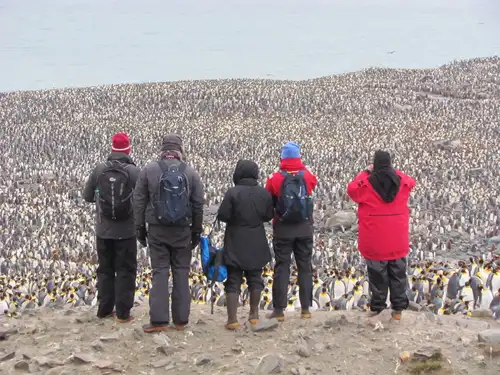
Scenes from St. Andrews Bay: 12 Pics of Penguins, Seals, and More
If you ever find yourself exploring the breathtaking sub-Antarctic island chain of South Georgia, one of the most captivating spots you'll encounter is the picturesque shoreline of St. Andrews Bay.
Blog
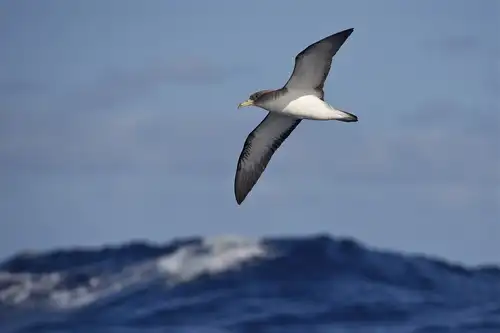
Islands of the Blessed: Things to Do Around Cape Verde
We visit Cape Verde and its capital city of Praia during our occasional St. Helena to Cape Verde voyages. Characterized by peaceful days at sea, these trips allow you to see some of the lesser-known gems of the Atlantic.
Blog
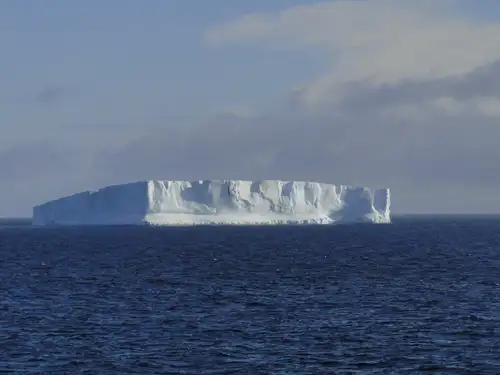
Weddell Sea: the Original Antarctic Adventure
According to historian Thomas R. Henry, visiting the Weddell Sea requires a brave heart. In his 1950 book, "The White Continent," he described sudden “flash freezes” that occur in the region. It was one of these flash freezes that trapped Ernest Shackleton’s ship, Endurance, in January 1915, forcing his crew to endure over a year in the harsh environment before they could escape.
Blog
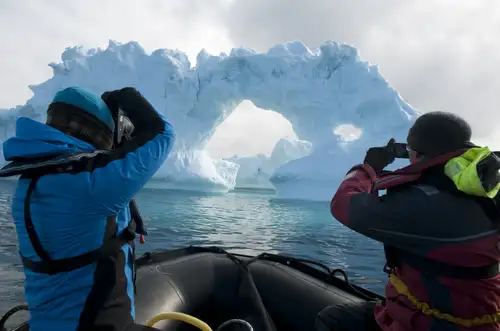
Under the Greenland Ice Sheet
Anyone who ventures to the right part of the globe can encounter vast amounts of ice, but a Greenland cruise offers something truly unique: ice sculptures hidden beneath the northern ice sheet. Scientists once thought these sculptures were rocky hills buried in ice, similar to the Ghost Mountains in Antarctica. However, it turns out that Mother Nature has crafted one of the most exclusive art exhibits in the world. These sculptures are not visible from the surface, but some scientists have managed to get a sneak peek using radar equipment.
Blog
Life in a Penguin Colony
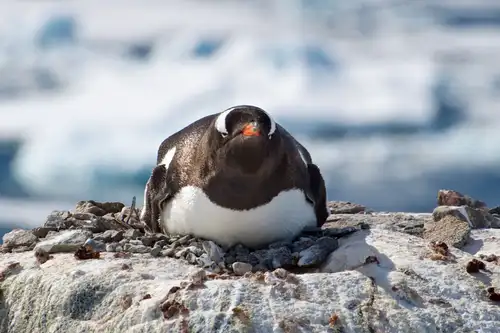
Captain Pieter J. Lenie Base, also known as Base Copacabana or simply Copa Base, is situated on King George Island off the western shores of the Antarctic Peninsula. This American research station has been home to scientists studying Adélie, gentoo, and chinstrap penguins for over three decades, aiming to understand how to best conserve these cherished species.
Blog
Of Treacherous Rocks & Audacious Fin Whales
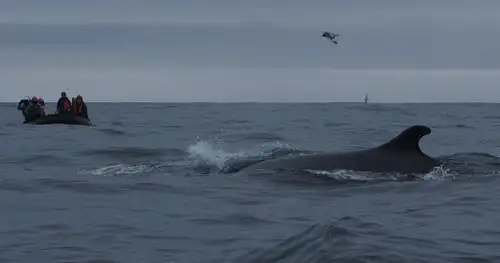
Soon large blows filled our view; small groups of fin whales sped by heading north all the while feeding on concentrations of krill & small fish. Group after group was seen, with many simply feeding in the general area and not heading anywhere in particular. Soon it became evident that we were not simply seeing a few random groups of fins, but a very large concentration spread out over a large area of sea just north and around the islands north of the South Shetlands. Dozens upon dozens of fin whales were feeding, diving around the ship and on the horizon in massive numbers; we must have seen well over fifty fin whales in the general area of Elephant Island, something many of the guides had never seen before.